Yes, you can grow romaine lettuce from the stump, and it actually works better than most people expect. If you want a fuller, more predictable result, it helps to follow the steps for how to grow romaine lettuce from stalk as well. Keep about 2 inches of the base intact after cutting, set it in shallow water or plant it directly in soil, and you'll see new leaves sprouting within 3 to 7 days. If you have multiple stumps to try, learning how to grow romaine lettuce from the core can help you time the regrowth so you get leaves when you want them most. You won't get a full tight head again, but you will get a real second flush of edible leaves in roughly 2 to 3 weeks, which is genuinely useful if you want a quick, low-effort harvest from something you'd otherwise throw away.
Can You Grow Romaine Lettuce From the Stump? How To
What the stump actually is (and why it matters)
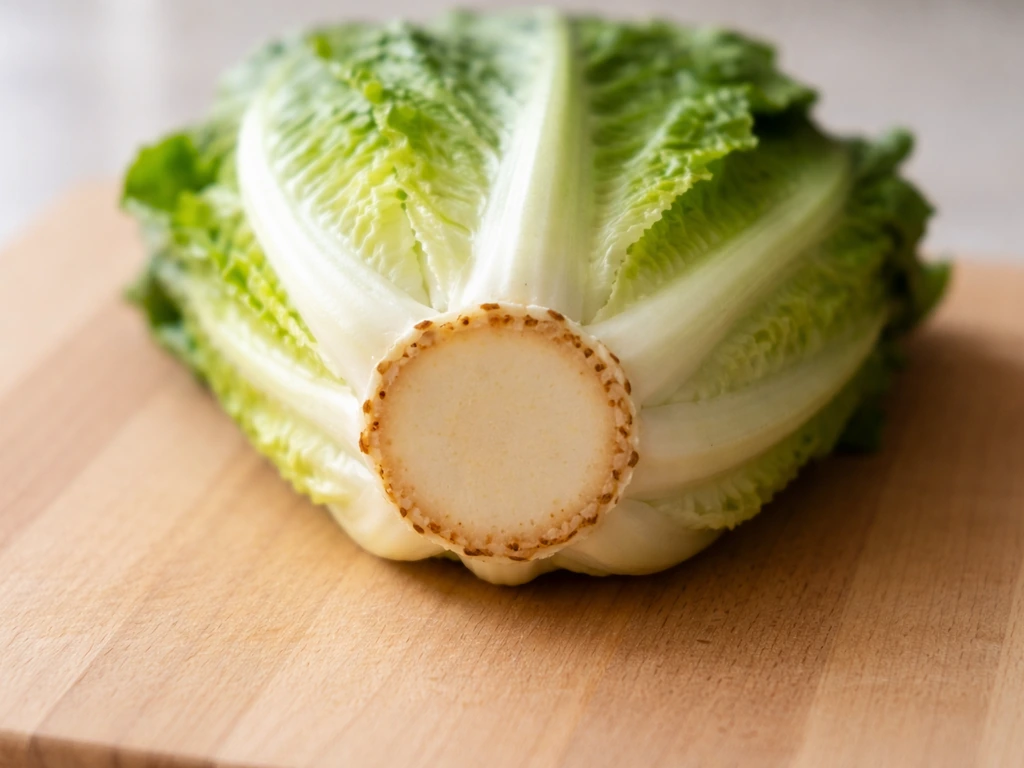
When most people say "stump," they mean the dense, pale disc left at the bottom of the romaine head after the leaves have been pulled or cut away. That base is sometimes called the crown, the basal plate, or just the core. It's the part where all the leaf growth originates, and it's the only part of the plant that can actually regenerate new leaves. Outer leaves you accidentally drop on the counter won't regrow, and a head that's been completely shredded into a bag salad isn't going to come back either. What you need is that intact crown with at least 1 to 2 inches of stem tissue still attached.
Before you do anything with it, give the base a quick look. Trim off any brown or mushy outer layers with a clean knife until you're down to firm, pale tissue. Rinse it under cool water. You want a clean, solid base, not a soggy or decaying one, because anything compromised on day one will only get worse in the water or soil.
How to root and regrow it: water vs. soil
There are two practical approaches here, and each one has a real use case. Water-first is easier to monitor and great for beginners. Direct soil planting skips a transition step and often produces sturdier growth faster once roots establish. Here's how to do both.
Water method (easiest starting point)
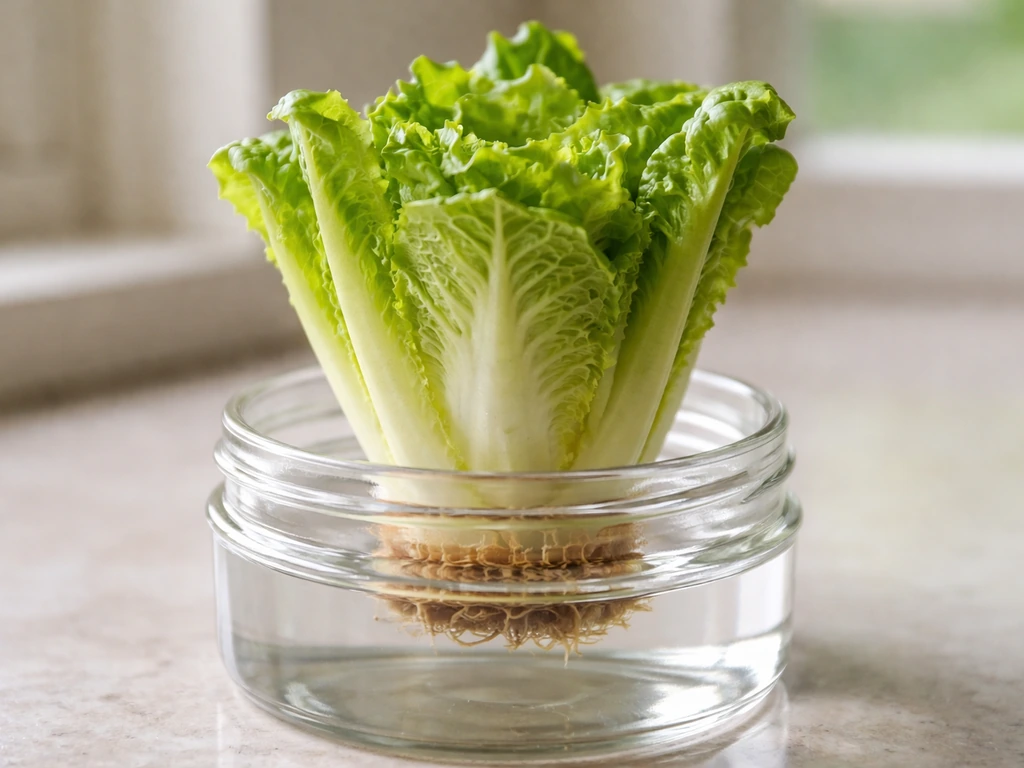
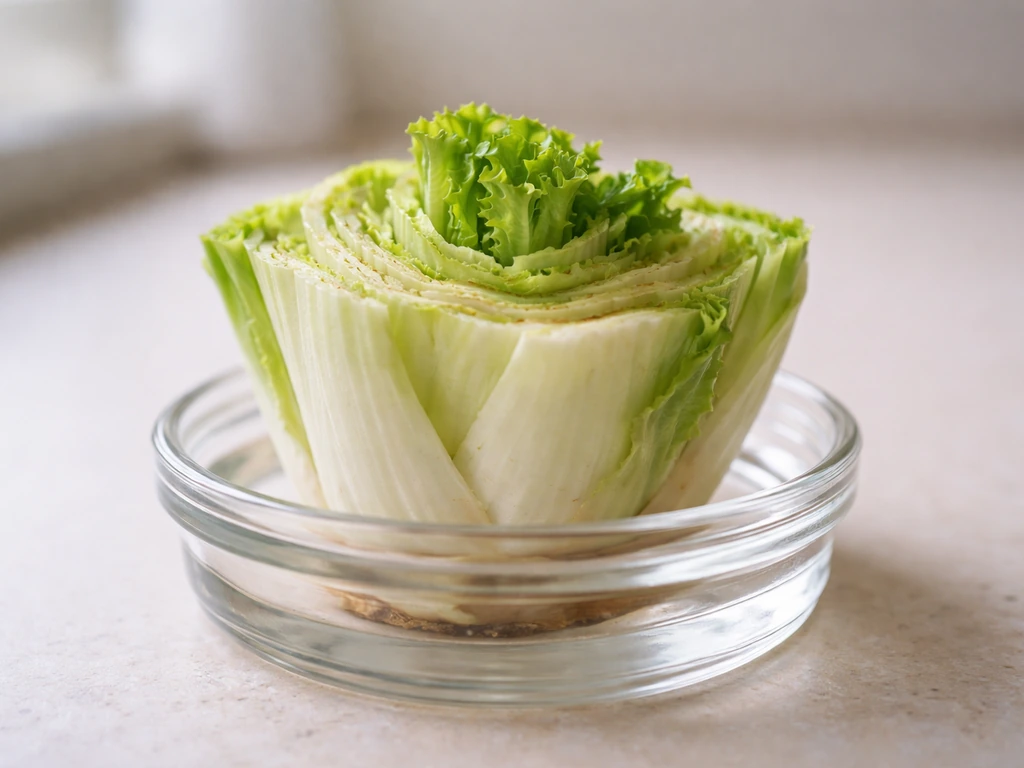
- Find a shallow bowl, jar, or dish, something wide enough to hold the base flat without tipping.
- Add about 1/2 inch of fresh, room-temperature water. You want just enough to touch and cover the very bottom of the stump, not submerge the whole thing. Drowning the crown is one of the most common mistakes.
- Set the stump in base-side down. The cut surface goes in the water; the part where the leaves were sticking up faces the light.
- Place it on a windowsill that gets at least a few hours of sunlight daily. A south- or east-facing window works well.
- Change the water every 1 to 2 days without fail. Stagnant water breeds rot and mold, and that's usually what kills the regrowth before it gets started.
- Within 3 to 7 days, you should see small pale-green leaves beginning to push up from the center of the crown.
- Once you have a small cluster of roots (usually visible after about a week) and leaves are actively growing, you can either keep it in water longer or move it to soil.
Soil or container method (for better long-term results)
- Use a small pot or container at least 6 inches deep with drainage holes at the bottom. Good drainage is non-negotiable; waterlogged soil will rot the base just as fast as stagnant water.
- Fill with a quality potting mix, not garden soil, which compacts too easily in containers.
- Press the stump into the mix so the bottom half is buried and the top half, including the emerging leaf bud, is above the surface.
- Water it in gently until moisture drips from the drainage holes, then let the top inch of soil dry slightly before watering again.
- Keep the soil consistently moist but never soggy. Lettuce wilts fast when it dries out, and the stress can trigger early bolting.
- Place the container in a spot with at least 4 to 6 hours of light daily. Outdoors in a partly shaded spot works well in cool weather; indoors near a bright window or under a grow light works too.
If you started in water and want to transition to soil, do it once you see at least a few roots emerging from the base, usually around day 7 to 10. Plant it the same way described above. The transition can cause a brief pause in growth as the plant adjusts, which is completely normal.
Light, temperature, and watering: the conditions that actually decide success
Romaine regrowth is much more sensitive to conditions than a seed-started plant, simply because the stump has no stored energy reserves to fall back on. Get these three things right and you'll have leaves. Get them wrong and you'll be puzzled wondering why nothing happened.
Light
Outdoors, aim for 6 to 8 hours of direct sun if temperatures are cool. If you're growing in summer heat, give it partial shade in the afternoon to prevent bolting. Indoors, a bright south-facing window works, but if you only have low to moderate light, a simple LED grow light set to 12 to 14 hours a day will make a significant difference. Lettuce tolerates 4 to 6 hours of direct light and will still grow, just more slowly.
Temperature
This is the one that catches most people off guard in late spring and summer. Lettuce is a cool-season crop. Once temperatures consistently push above 75°F for multiple days in a row, blank" rel="noopener noreferrer">your romaine stump is much more likely to bolt (send up a flower stalk) than to produce edible leaves. blank" rel="noopener noreferrer">Above 80°F, quality drops fast and the plant essentially gives up. If you're doing this indoors, try to keep the growing area between 60°F and 70°F for best results. If you're outdoors in warm weather, partial shade and good airflow can buy you some time, but be realistic about your timing.
Watering
In water: change it every 1 to 2 days, keep the level at about 1/2 inch, and don't let the water go cloudy or smell off without refreshing it. In soil or containers: water thoroughly each time until it flows freely from the drainage holes, then wait until the top inch of soil feels dry before watering again. Don't let it fully dry out between sessions. Uneven moisture is stressful for lettuce and will show up as wilting, bitterness, or early bolting.
When to harvest and what to realistically expect
New leaves typically emerge within 3 to 7 days under good conditions, and you'll have leaves worth harvesting in about 2 to 3 weeks. If you want the full process, including the best timing to cut leaves and encourage multiple harvests, use our guide on how to grow and harvest romaine lettuce. The regrowth will not be a tight, full romaine head. Expect a looser, smaller rosette of leaves, more like a cut-and-come-again salad green than a supermarket head. That's totally fine for salads, sandwiches, and garnishes.
When harvesting, take the outer leaves first and leave the central growing point intact. This gives you the best chance of getting a second or even third flush. You can repeat this roughly every 10 days, though most stumps will give you one to three rounds before the quality and vigor noticeably drop. Once leaves start coming in thin, pale, or bitter, or if the plant starts stretching upward rather than putting out broad leaves, it's done. At that point, start fresh rather than pushing a spent base.
When things go wrong: fixing the most common failures
No new leaves after a week
Check the base first. If it feels soft or mushy, the crown tissue has rotted and regrowth isn't coming. If the base still feels firm, the problem is usually light or temperature. Move it to a brighter spot and make sure temperatures are below 75°F. Also confirm the water level isn't too high and submerging the crown rather than just touching the bottom.
Slime, mold, or rot in the water
This happens when water isn't being changed often enough or when the room is too warm. If you catch it early, rinse the base, clean the container, trim any soft tissue, and start with fresh water. If the base has gone mushy through the center, it's too far gone. The fix going forward is to change water every single day in warm conditions, or switch to a soil setup where rot is less likely to spread so quickly.
Leaves are thin, pale, or growing slowly
Almost always a light problem. Water-grown stumps get zero nutrients beyond what was stored in the tissue, so they depend entirely on light to power photosynthesis. Move the setup closer to a window, or add a grow light. If you've already been growing for two weeks in water and leaves are still weak, transition to soil, which gives the roots something to work with.
Bolting (plant shoots up, leaves go bitter)
If your romaine stump suddenly pushes up a tall central stalk instead of broad leaves, it's bolting, triggered by heat or stress. Once it bolts, the leaves turn bitter and the plant's energy goes toward flowering rather than leaf production. You can't reverse it. The lesson here is to time your regrowth during cooler months, or keep indoor growing areas below 75°F. If you're in a warm season, growing near an air-conditioned area or in a shadier, cooler spot can help delay it.
What to do next: keeping fresh romaine coming
Stump regrowth is a great short-term trick, but it's not a reliable long-term supply on its own. Once your stump has given its last harvest, you have a couple of clear paths forward depending on your setup.
If you're growing in containers indoors or on a balcony, transition to growing from seed or transplants. If you want the long-term, reliable approach, follow a true seed-starting routine to learn how to grow romaine lettuce from seed. Containers need at least 6 to 8 hours of bright light, a good potting mix, and consistent watering until it drains. Planting a new small batch every 10 to 14 days, a technique called succession sowing, is the most practical way to keep a steady supply going without one big glut and then a long gap. If you want, you can use this same succession sowing approach to keep romaine growing from scraps with fewer gaps between harvests. Some gardeners aim for a new sowing every 3 to 4 weeks for a more relaxed continuous harvest.
If you want to go deeper into the different growing methods, the process works similarly whether you're starting from scraps, the full stalk, or seeds, though seeds and full-stalk starts give you more control over the final plant. Understanding the full harvest cycle, from planting through multiple cuts, will also help you get significantly more from each plant before you have to start again.
| Factor | Water Method | Soil/Container Method |
|---|---|---|
| Setup difficulty | Very easy, no supplies needed beyond a bowl | Slightly more effort, need pot and potting mix |
| Time to first leaves | 3 to 7 days | 5 to 10 days (slightly slower start) |
| Rot risk | Higher if water isn't changed daily | Lower with good drainage |
| Leaf quality | Adequate for 1 to 2 weeks | Better over longer period |
| Nutrient access | None beyond stored tissue energy | Available from potting mix |
| Best for | Quick experiment, apartment/no outdoor space | Ongoing regrowth, better yields |
The stump method is genuinely worth doing once or twice just to see it work and get a feel for how romaine grows. But if you want fresh romaine consistently and reliably, pairing the stump trick with a small succession-sown container garden is the practical setup that keeps you in greens without depending on store-bought stumps to keep showing up.
FAQ
How big does the romaine stump need to be to regrow leaves?
Aim for a base that still has its central growing point and at least 1 to 2 inches of firm stem tissue attached. If the crown is mostly missing or the cut is too close to the leaves, regrowth is unlikely or very slow.
Can you regrow romaine lettuce from the leafy part if there is no core left?
No. Outer leaves that are detached without the intact crown will not restart growth. To get regrowth, you need the basal plate/crown with the growing point intact.
What should you do if the stump smells bad or turns slimy before sprouting?
That is usually early rot. Trim off any compromised tissue down to firm material, rinse, and restart in fresh water or fresh potting mix. If the center feels mushy, it is typically not salvageable.
Do you need to add fertilizer when growing romaine from a stump in water?
Usually not. Water-only regrowth depends on what is stored in the crown tissue, and adding fertilizer to the water can raise the risk of rot. If leaves look weak after about two weeks, transition to soil where roots can access nutrients.
How do you prevent the crown from rotting in water?
Keep the water level low so it only touches the bottom (about 1/2 inch), and change the water every 1 to 2 days. Also avoid using warm tap water, since warmth plus stagnant water speeds up rot.
Can you grow romaine stump indoors without direct sunlight?
Yes, but you will likely need supplemental light. A grow light run 12 to 14 hours a day helps because stump regrowth is more sensitive to light than typical seedlings that can draw on stored reserves.
Why are my regrown leaves bitter or oddly shaped?
Bitter or poorly formed leaves are often a sign of stress, commonly from heat or inconsistent watering. Move to cooler conditions (below 75°F), ensure steady moisture, and harvest outer leaves promptly to avoid overgrowing.
How do I know when to harvest for the next flush?
When leaves are large enough to eat, take mostly the outer leaves while leaving the central growing point untouched. If you wait too long, the plant tends to stretch upward, quality drops, and you may only get one round.
Is it normal if I do not get a tight romaine head again?
Yes. Stump regrowth typically produces a looser rosette, more like cut-and-come-again salad greens. You are harvesting edible leaves from regrowth, not rebuilding a full supermarket-style head.
What is the best temperature and airflow setup if I live in a warm climate?
Aim for the coolest spot you can (ideally 60 to 70°F indoors). Outdoors, use partial afternoon shade and good airflow to slow bolting. If your days stay consistently above 75°F, expect lower quality and earlier failure.
Can I regrow the same stump after it finishes producing?
You can try a final harvest or two, but once leaves thin out, turn very pale, become bitter, or the plant starts stretching, it is usually spent. At that point, start fresh rather than expecting another full cycle.
Should I keep the stump in water or switch to soil for better results?
Water is easier and lets you monitor roots, but soil often yields sturdier regrowth once roots appear. Transition after you see roots (often around day 7 to 10) if you want stronger, less rot-prone growth and better access to nutrients.
Will stump regrowth work with romaine that was washed or pre-cut in bags?
Usually not. Bagged, shredded, or fully detached leaf sections typically do not retain the intact crown/growing point needed for regeneration. Whole heads with an intact base are the reliable option.