blank" rel="noopener noreferrer">Most lettuce takes 30 to 70 days to grow from seed to harvest, depending on what you're growing and how you're growing it. Lambs lettuce often has a similar seed-to-harvest timeline, but its exact days depend on whether you're picking baby leaves or waiting for fuller growth Most lettuce takes 30 to 70 days. If you just want baby leaves, you can be picking in as little as 25 to 35 days. Full heads of romaine or butterhead take longer, usually 50 to 75 days. Leaf lettuce sits in the middle, typically ready in 45 to 60 days. Lettuce has “DAYS TO MATURITY: 40 to 80 days, depending on type,” and heat and moisture issues can lead to bitterness or bolting blank" rel="noopener noreferrer">Leaf lettuce sits in the middle, typically ready in 45 to 60 days.. Those ranges cover the vast majority of home garden situations, whether you're growing outdoors, in containers, or in a hydroponic setup.
Lettuce How Many Days to Grow: Timeline by Type
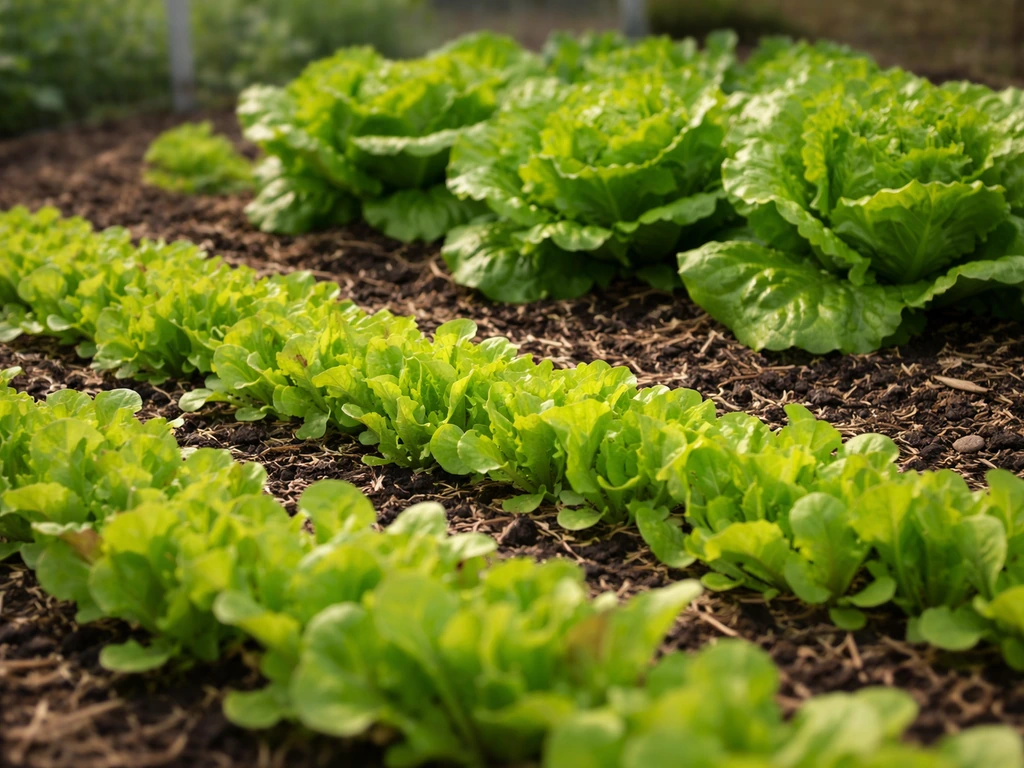
Typical days to harvest: baby leaves vs. full heads
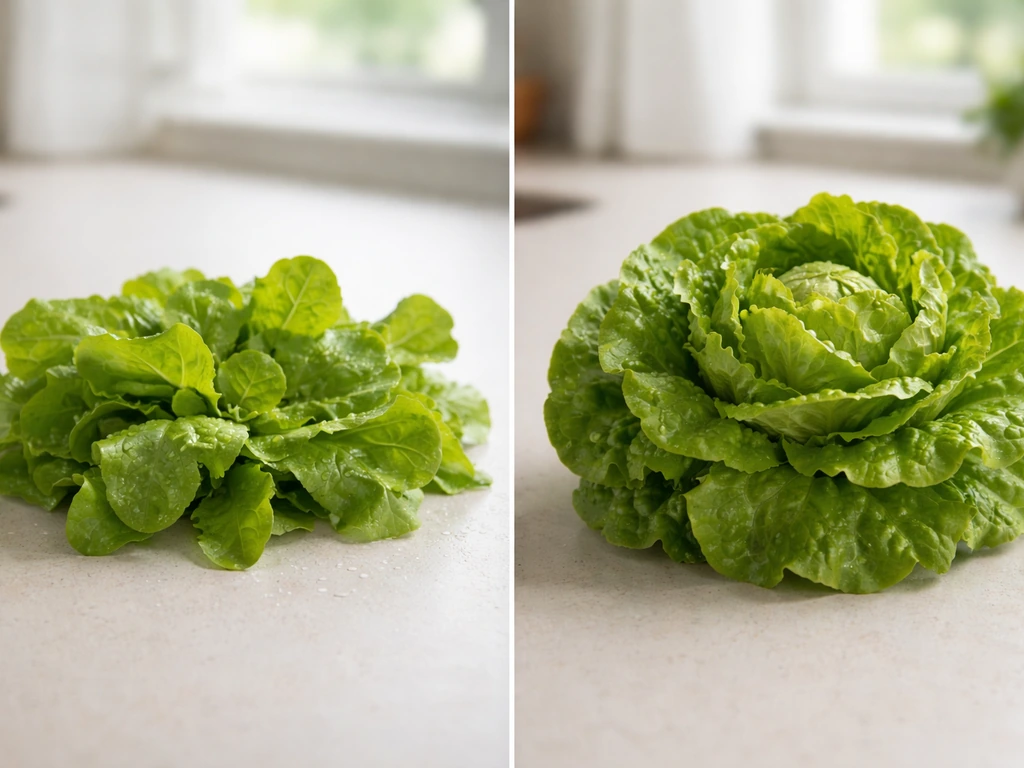
The biggest factor in how many days you're waiting is your harvest goal. Baby leaves and full heads are essentially two different crops with completely different timelines, even from the same plant.
| Lettuce Type | Baby Leaf Harvest | Full Head / Maturity |
|---|---|---|
| Leaf lettuce (loose-leaf) | 25–35 days | 45–60 days |
| Butterhead / Bibb | 25–35 days | 50–75 days |
| Romaine (cos) | 30–40 days | 60–70 days |
| Iceberg / Crisphead | 35–45 days | 70–80 days |
Baby-leaf harvesting is exactly what it sounds like: you pick the outer leaves when they're young and tender, usually 3 to 4 inches long, before the plant forms a defined head. This is the approach most indoor and container growers use because it keeps production going continuously. Full-head harvest means waiting until the plant reaches its mature structure, which takes longer but gives you that classic lettuce experience.
Germination itself takes 2 to 14 days depending on soil temperature and moisture. Under ideal conditions (around 65°F to 70°F with consistent moisture), you can expect sprouts in as few as 2 to 3 days. In cooler or inconsistent conditions, it stretches closer to 7 to 14 days. That germination window is already baked into the harvest timelines above, so day 1 in those numbers is the day you sow the seed.
How to estimate days to grow based on your variety
The easiest way to get an accurate day count for your specific lettuce is to check the seed packet. Seed sellers publish 'days to maturity' numbers for every variety, and those are your most reliable baseline. Buttercrunch, for example, is typically listed at 53 days. Cimarron romaine runs 60 to 70 days. These numbers assume seeds are sown in the ground under reasonable conditions, so use them as your starting point and then adjust based on your setup.
Here's a quick rule of thumb if you don't have your seed packet handy. Loose-leaf varieties are almost always the fastest, ready in under 60 days for full growth and under 35 for baby leaves. Butterhead and bibb types are mid-range. Romaine is slower than butterhead. Iceberg is the slowest of the common types and the most demanding to grow well. If you're a beginner or want results fast, loose-leaf and butterhead are your best bets.
How growing conditions change the timeline
Temperature is everything
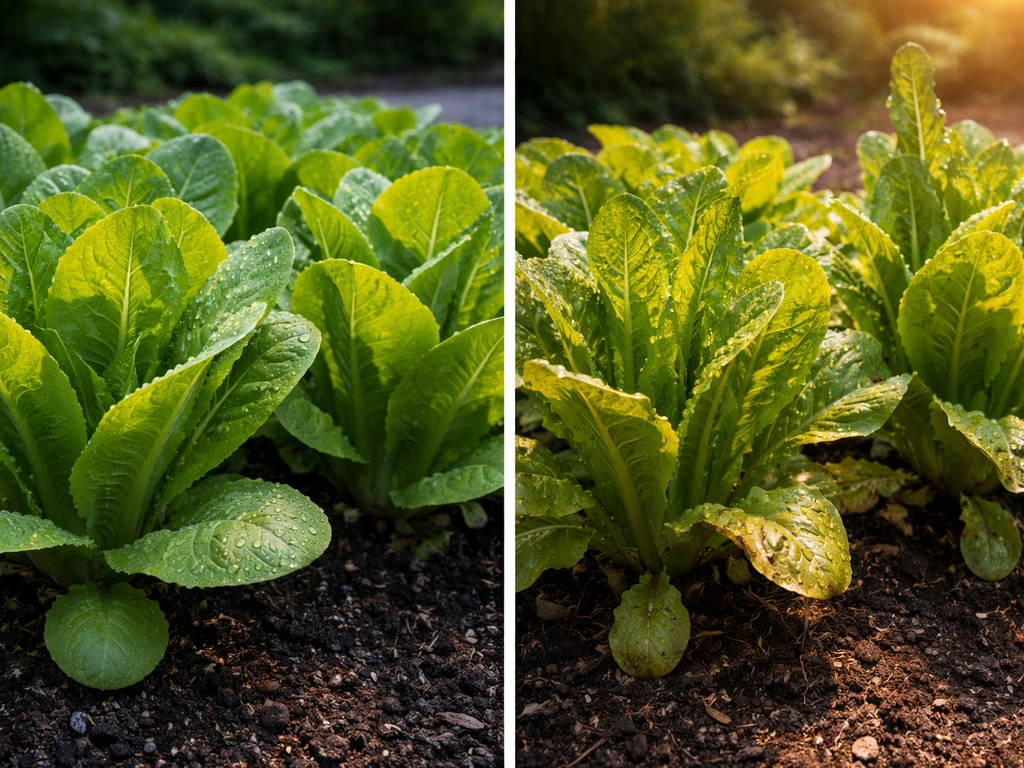
Lettuce is a cool-season crop that grows fastest and best between 60°F and 70°F. Below 50°F, growth slows significantly. Above 75°F to 80°F, you're looking at bolting, bitterness, and stressed plants that aren't really putting on edible growth anymore. Cornell Extension pegs the bolting risk starting around 60°F to 65°F for sustained periods, which is worth keeping in mind if you're heading into summer. In practice, spring and fall are your sweet spots outdoors in most climates.
If you're planting outdoors in June right now, and you're in a warm climate, you might be fighting heat stress from the start. Illinois Extension recommends finishing spring plantings at least a month before the really hot days hit. That window has likely closed in warmer zones, which makes shade cloth, succession planting in a cooler spot, or moving to indoor growing your best options right now.
Season and day length
Day length matters more than most people realize. Longer days (like those in late spring and summer) signal to lettuce that it's time to flower, which triggers bolting before the plant reaches eating size. This is especially true for heat-sensitive varieties. If you're growing indoors under grow lights, you can actually control this by keeping lights on for 14 to 16 hours and then cutting back to 12 hours as plants mature, which delays the bolting trigger and extends your harvest window.
Watering consistency
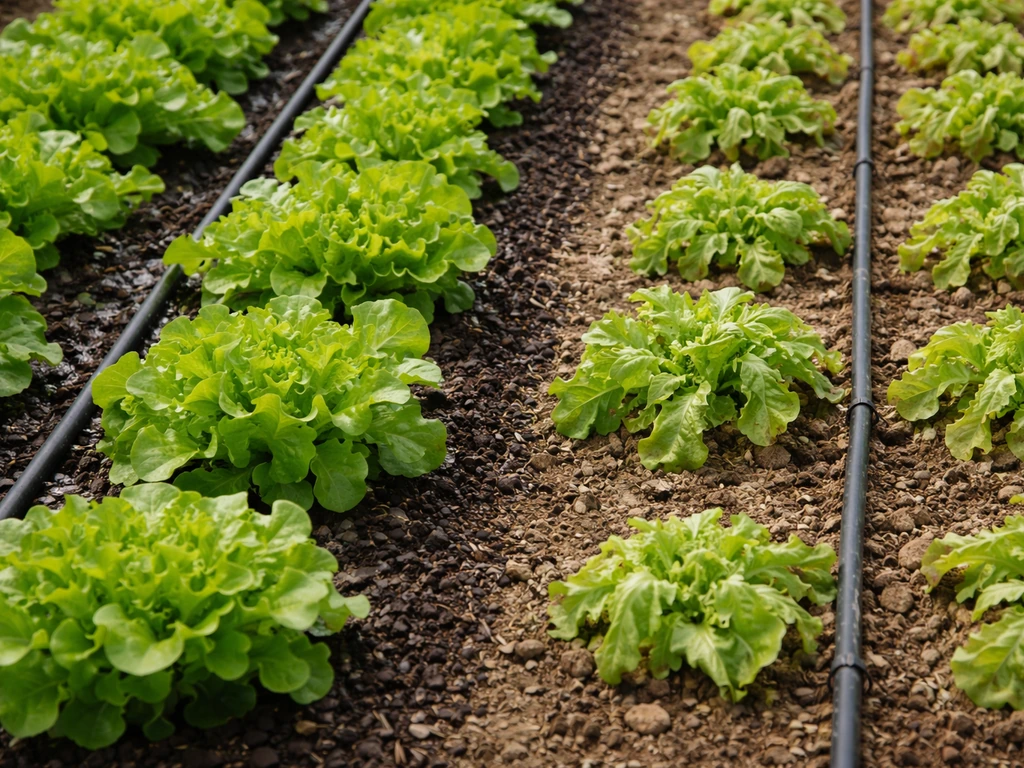
Inconsistent watering slows lettuce growth noticeably. Lettuce has shallow roots and needs steady moisture, not wet-dry cycles. Dry spells stress the plant and accelerate bolting. Overwatering causes root problems that look similar to drought stress from above (wilting, slow growth). Aim for consistently moist but not waterlogged soil, and lettuce will hit its days-to-maturity number reliably.
Outdoor vs. indoor vs. hydroponics: how the setting changes your day count
Your growing environment has a real impact on how quickly lettuce finishes, and the differences are worth knowing before you start.
| Setting | Typical Days to Baby Leaf | Typical Days to Full Head | Key Factor |
|---|---|---|---|
| Outdoor garden bed | 28–40 days | 45–80 days | Season and temperature control |
| Indoor containers (grow lights) | 25–35 days | 40–65 days | Light duration and intensity |
| Hydroponics (NFT, DWC, AeroGarden) | 20–30 days | 30–55 days | Nutrient availability and roots in water |
Outdoors, you're at the mercy of weather and season. Spring and fall produce the best results. Summer planting outdoors is the hardest scenario and often results in bolted or bitter lettuce before you get a full harvest, especially for slower varieties like romaine or iceberg.
Indoor growing under grow lights gives you more control over temperature and day length, which lets you hit the lower end of the timeline consistently. The catch is light quality and duration. Lettuce needs strong light, at least 12 to 16 hours a day under artificial conditions. Weak or distant bulbs are the most common reason indoor lettuce stretches out (becomes leggy) and takes longer than expected to produce.
Hydroponics is genuinely faster for lettuce. With roots in nutrient-rich water and ideal pH (around 5.5 to 6.0) and EC levels (1.2 to 1.6 mS/cm for growing plants, dropping to about 1.0 to 1.2 at harvest), lettuce can reach baby-leaf stage in as little as 20 days. AeroGarden and similar systems optimize these conditions automatically, which is part of why they're so effective for lettuce specifically. If you want to dig into timing for those systems or water-based setups, there's a lot more detail available on growing lettuce in an AeroGarden and how long lettuce can grow in water specifically. If you're growing a hydroponic or water-based lettuce like Little Gem, knowing how long it takes to reach harvest can help you plan your next batch how long lettuce can grow in water. When you grow lettuce in water, the day count can be faster than traditional soil because you can keep nutrients, moisture, and pH very steady growing lettuce in an AeroGarden and how long lettuce can grow in water specifically.
Seeds vs. transplants: what gets you to harvest fastest
If speed is your goal, transplants win. Starting with seedlings that are already 3 to 4 weeks old cuts that time off your outdoor harvest window entirely. A transplant that's already germinated and established will reach harvestable size significantly faster in your garden than a seed you direct-sow today.
That said, direct sowing is easy with lettuce and works well if you're not in a rush. Sow seeds 1/4 to 1/2 inch deep and keep the soil consistently moist during germination. Thin to 4 inches apart for leaf lettuce and 6 to 8 inches for cos or butterhead once seedlings are established. Overcrowding slows everyone down and encourages disease.
If you're buying transplants from a nursery or starting them yourself indoors, make sure to harden them off before moving them outside. Leave transplants outdoors in a sheltered spot for 4 to 5 days before putting them in the ground. Skipping this step causes transplant shock, which can set your timeline back by a week or more as the plant recovers.
For the absolute fastest results from seed indoors, use a hydroponic or soilless setup with a heat mat to bring germination temperatures up to 65°F to 70°F. Under these conditions, lettuce can sprout in 2 to 3 days and be at baby-leaf stage in under 30 days from sowing. That's about as fast as lettuce gets.
How to tell when lettuce is actually ready to pick
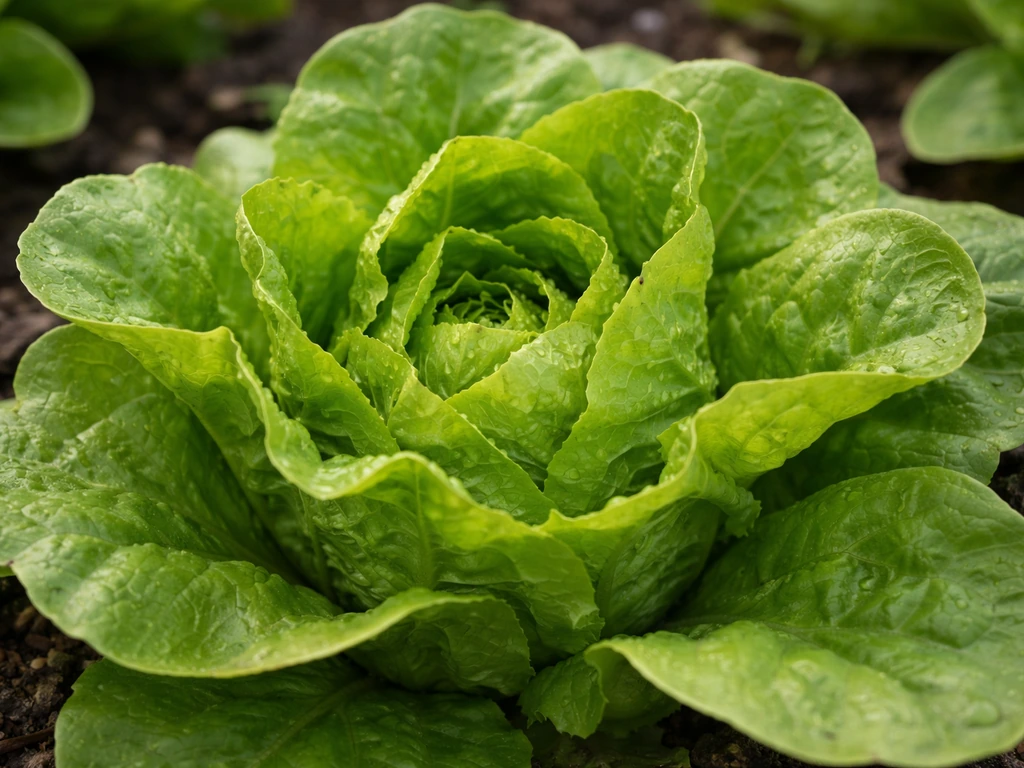
Don't wait for a calendar alert to harvest. Use these visual checks instead, because conditions vary and your lettuce might be ready a week early or late compared to the seed packet.
- Baby leaves: Pick outer leaves when they reach 3 to 4 inches long and look glossy and tender. Don't wait for a full plant to form.
- Loose-leaf types: Ready when the plant has a full rosette of leaves. Harvest outer leaves continuously or cut the whole plant an inch above the soil for a cut-and-come-again harvest.
- Butterhead and bibb: Look for a loose but formed head. The center should feel slightly firm when you press it gently. Leaves should be cupped and overlapping at the top.
- Romaine: The head should be upright, elongated, and 6 to 8 inches tall with tightly packed inner leaves. Outer leaves will be darker green.
- Stop sign: If the center of any type starts pushing upward and producing a stalk (bolting), harvest immediately. The leaves will turn bitter very quickly once this starts.
- Taste test: The best check for any variety is to pull an outer leaf and taste it. Fresh, mild flavor means it's ready. Bitter or harsh flavor means it's stressed or starting to bolt.
One thing I've learned the hard way: it's almost always better to harvest a little early than a little late. Young lettuce is sweet and tender. Lettuce that's been sitting past its peak even by a few days in warm weather turns bitter fast. When in doubt, pick it.
Troubleshooting slow growth and fixing it fast
If your lettuce is taking much longer than expected or just looks stuck, something is off. Here are the most common culprits and what to do about each one.
Poor or slow germination
If seeds haven't sprouted in 14 days, the problem is almost always temperature, moisture, or seed depth. Soil below 50°F or above 80°F greatly slows or prevents germination. Seeds that are too deep (more than 1/2 inch) may not have the energy to push through. Try fresh seeds, maintain 65°F to 70°F soil temperature, cover the tray with a humidity dome or plastic wrap to hold moisture, and you should see sprouts in 2 to 5 days.
Leggy, slow-growing seedlings indoors
If seedlings are tall, thin, and pale instead of compact and green, they're not getting enough light. Move the light source closer (most grow lights work best 4 to 6 inches above seedlings for lettuce) or increase the duration to 14 to 16 hours per day. Weak indoor light is the single most common reason indoor lettuce takes much longer than the seed packet promises.
Heat stress and bolting
If your lettuce is sending up a central stalk and the leaves are turning bitter, that's bolting caused by heat or long days. Once bolting starts, it can't be reversed. Harvest everything you can right now and use it. For future plantings, add shade cloth if you're outdoors, switch to a bolt-resistant variety, or move production indoors where you control the temperature.
Stunted growth without obvious cause
If the plant looks healthy but is just growing very slowly, check these things in order: watering consistency (dry patches between waterings stall growth), nutrient levels (especially nitrogen, which drives leafy growth), and spacing (overcrowded plants compete for resources and all grow slower). For hydroponic setups, check that your EC is in the 1.2 to 1.6 range for actively growing plants and that pH is between 5.5 and 6.0. Outside those ranges, nutrient uptake shuts down even if nutrients are present in the water.
Outdoor lettuce taking longer than expected in spring
Cool soil in early spring slows growth even when air temperatures feel fine. Soil warms up slower than air. Using black plastic mulch, row covers, or a cold frame raises soil temperature and can trim a week or more off your timeline. Succession planting every 10 to 14 days (as NDSU Extension recommends) also helps, because later plantings often catch up quickly once the soil is properly warmed. If you're curious about indoor growing to extend your season or avoid weather issues altogether, growing lettuce indoors under lights is a reliable way to keep production going year-round regardless of what's happening outside.
FAQ
Is the “days to maturity” number on the seed packet counted from sowing or transplanting?
It is typically counted from when the seed is sown. If you are transplanting, subtract about 3 to 4 weeks from the expected outdoor seed-sown timeline, since seedlings are already past germination and early establishment.
When should I harvest if I want the baby-leaf stage but my lettuce is already heading toward bolting?
Harvest immediately once you see a central stalk forming or leaf bitterness starting. Baby leaves are still usually usable before the plant fully bolts, but if heat and long days are triggering bolting, you will get the best flavor by cutting early and taking multiple harvests over the next few days.
How can I tell whether slow growth is caused by temperature versus watering?
If soil stays consistently moist but growth is still sluggish, temperature (especially soil below 50°F) is likely the limiting factor. If plants are wilting or drying between waterings, watering inconsistency is the problem, and tightening your schedule often improves growth faster than adjusting temperature.
Does spacing change the timeline, or is it just about final size?
Spacing affects timeline too. Overcrowding makes plants compete for water and nutrients, which can delay harvest by several days and also increases disease risk. Follow the spacing guidance (about 4 inches for leaf lettuce, 6 to 8 inches for cos and butterhead) and thin promptly once seedlings are established.
Can I speed up lettuce growth by fertilizing more?
More fertilizer does not reliably make lettuce faster and can backfire, especially with nitrogen-only boosts. For slow growth, check consistency first (watering and light), then ensure nitrogen is adequate without overdoing it. In hydroponics, stay within the labeled EC and pH ranges so nutrients stay available to the roots.
How do I plan succession planting when lettuce days vary by variety?
Pick a single benchmark for your goal, like 30 to 40 days for baby leaves or the specific seed-packet maturity for full heads. Then schedule new sowings every 10 to 14 days, and adjust the interval shorter if you are growing fast (warm, bright conditions) or longer if you are dealing with cool weather.
Why did my lettuce germinate but never forms usable leaves or a head?
A common cause is bolting triggered by heat or long days, which can start even if germination was fine. Another cause is nutrient or pH mismatch in hydroponics, where uptake shuts down. If leaves taste bitter or you see a central stalk, harvest what you can and change the next planting conditions (shade, bolt-resistant varieties, or more controlled indoor light/temperature).
My seedlings look leggy indoors, will they still reach harvest on time?
Leggy, pale seedlings usually mean insufficient light, and they often take longer to reach harvest size than the seed packet suggests. Fix it by increasing light strength and duration (aim for 12 to 16 hours, and keep lights close, typically 4 to 6 inches above seedlings), then expect a delay of at least several days to a week while plants rebuild.
Is it better to thin early or wait until plants look bigger?
Thin promptly after seedlings establish. Waiting keeps plants overcrowded longer, which slows everyone down and can make bolting more likely because stressed plants react faster to heat and long days.
If my lettuce is ready earlier than expected, can I “save” it for later?
Leaf lettuce and baby leaves taste best at peak tenderness, and waiting can quickly reduce quality, especially in warm weather. For heads, you can sometimes extend harvest by keeping conditions cooler, but if you notice bitterness or stalk formation, it is usually better to harvest and replant than to wait.