Lambs lettuce (Valerianella locusta, also called mache or corn salad) takes 7–14 days to germinate and then another 3–8 weeks to reach harvest, depending on what you're picking. Baby leaves are ready in as little as 30 days from sowing. Full rosettes with six to eight leaves take 45–70 days. The single biggest variable is soil temperature: keep it between 50°F and 68°F (10–20°C) and you'll hit the faster end of those windows. Let it creep above 70°F and germination stalls or fails entirely.
How Long Does Lambs Lettuce Take to Grow? Timeline
Marcus Holloway
31 May 2026
How long germination actually takes
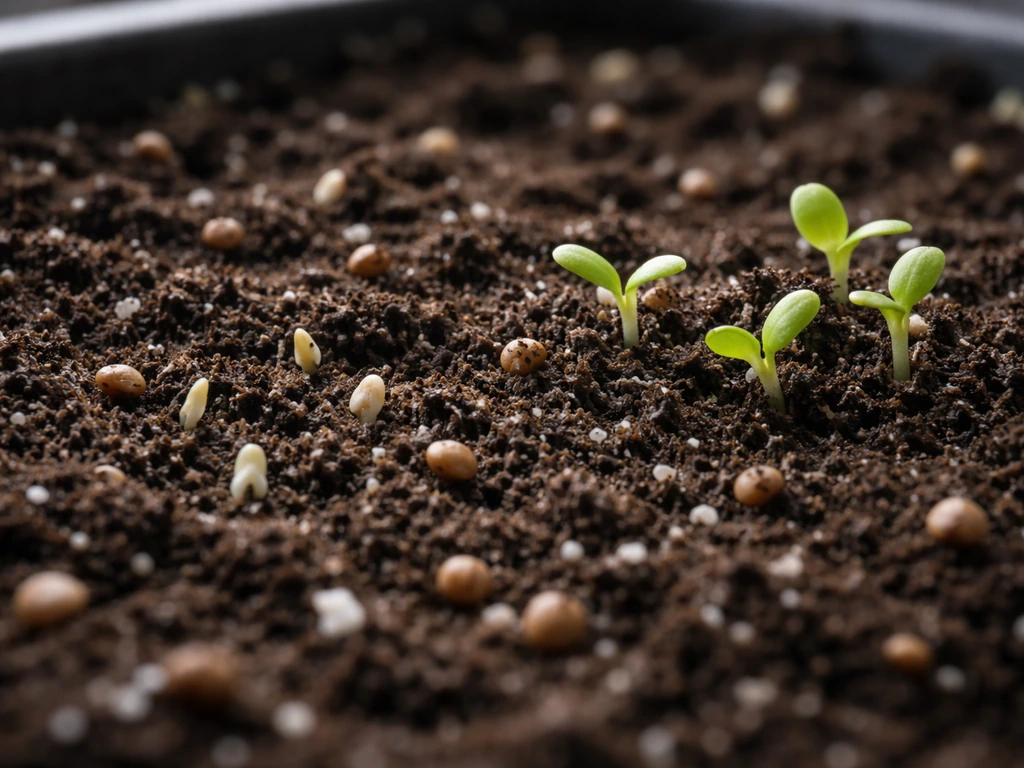
Under good conditions, lambs lettuce seeds sprout in 7–14 days. The sweet spot for soil temperature is 50°F–68°F (10–20°C), with some sources pointing to 16–18°C (61–64°F) as the most reliable range. At the cooler end of that window, expect germination closer to 14 days. At 16–18°C, you can reasonably expect sprouts by day 10. Above 20°C (68°F) germination becomes unreliable, and above 70°F most sources agree it simply won't happen.
Sowing depth matters more than most beginners expect. PlantWhatWhen also emphasizes that Lamb's lettuce germination is affected by sowing depth, showing an example of sowing seeds about 1 cm deep sowing depth matters more than most beginners expect. Lambs lettuce seeds need light to germinate, so burying them too deep is one of the most common reasons for slow or failed sprouting. Aim for 1/4 inch (about 0.5–1 cm) of soil cover, no more. Some growers surface-sow and press the seeds lightly into the soil, which also works well. What you cannot do is let the seedbed dry out during those first 7–14 days. Consistent moisture is non-negotiable at this stage.
Baby leaves vs. full-size rosettes: the harvest timeline
This is where most questions about 'how long does it take' really come down to what you're trying to grow. The timelines are quite different.
| Harvest stage | Days from sowing | What to look for |
|---|---|---|
| Baby leaves | 30–35 days | Small, tender leaves 2–3 inches long; broadcast sown plants can be cut as a cut-and-come-again crop |
| Young rosettes | 35–49 days (5–7 weeks) | Small rosettes forming; good flavour, mildly nutty |
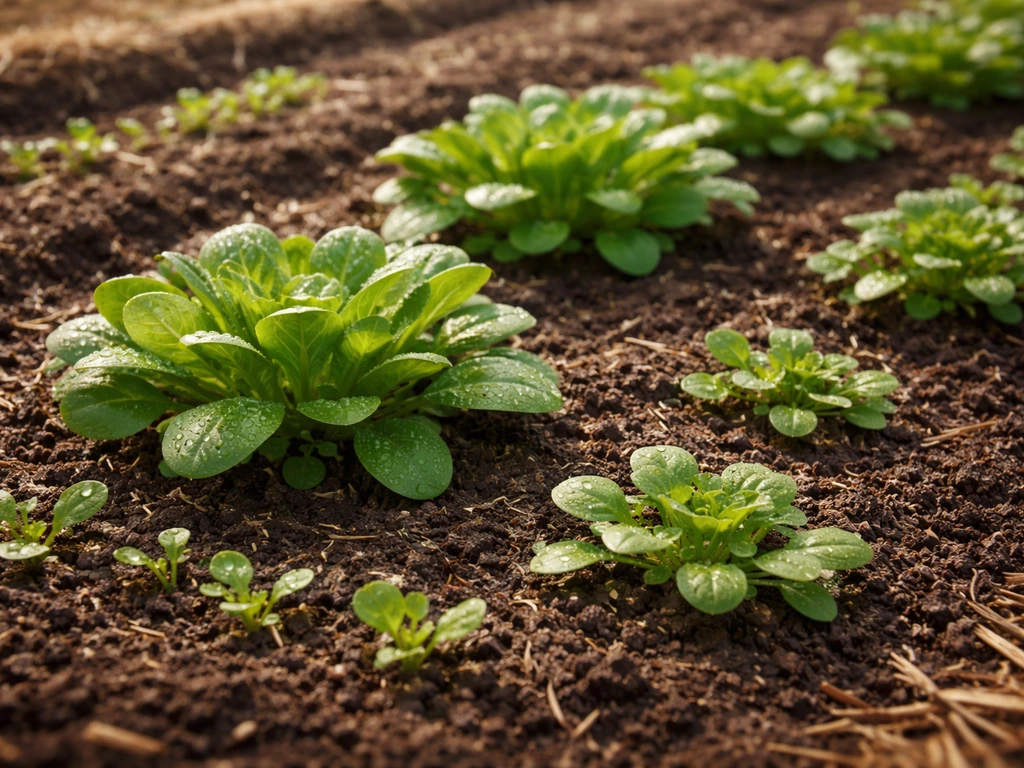
| Full rosettes (mature) | 45–70 days | Six to eight leaves per rosette, plant 3–6 inches across; richest flavour and texture |
If you broadcast seed thickly and harvest the whole seedling mass early, 30 days is achievable in cool conditions. If you want well-developed rosettes, plan for 50–70 days and thin plants to 3–6 inches apart so each one has room to fill out. USU Extension notes you can harvest at any point during growth, so you're not locked into one approach. Cutting baby leaves early can actually extend the plant's productivity if temperatures stay cool, since the plant hasn't been pushed into flowering.
What speeds up (or slows down) your timeline
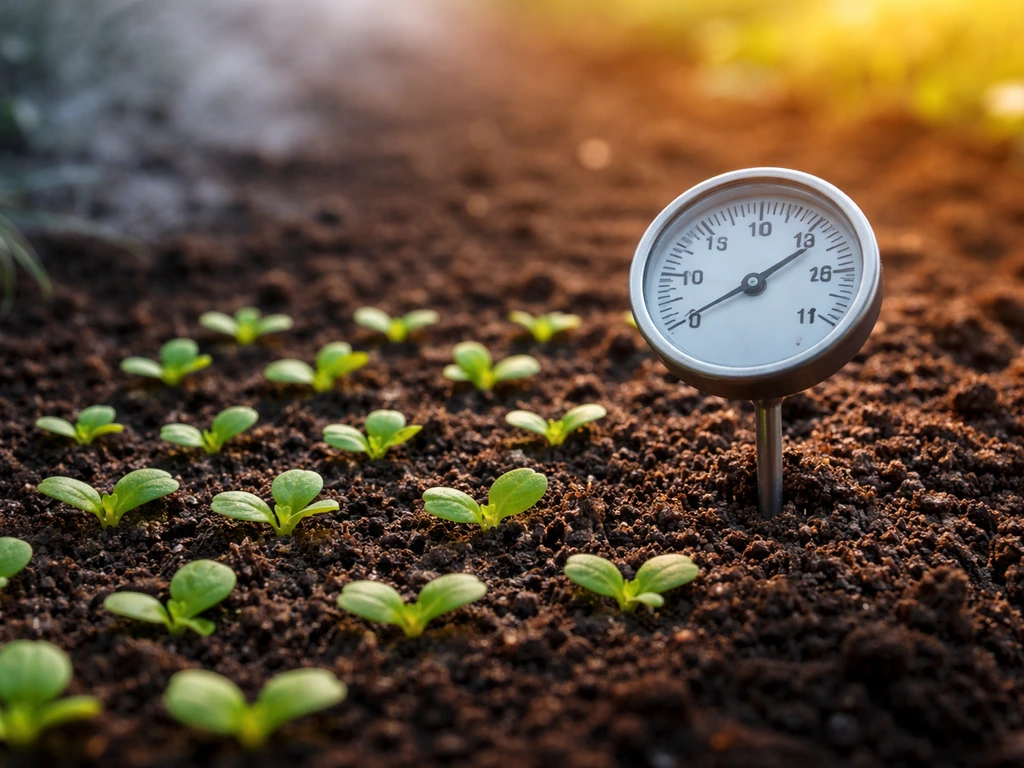
Temperature
Temperature is the dominant variable, full stop. Lambs lettuce is a genuine cool-season crop and doesn't behave like other lettuces that tolerate a wider range. Soil temperatures above 20°C (68°F) cause poor and erratic germination. Once plants are established they can handle light frosts, which actually makes them useful for late autumn and winter harvests that other greens won't survive. Row covers in spring and fall can buffer temperature swings and keep growth on track during cold snaps.
Season and day length
Lambs lettuce is best sown in early spring (3–4 weeks before your last frost date) or from late summer through early autumn (by early September in most temperate climates) for a autumn/winter harvest. These windows naturally align with soil temperatures in the ideal range. Longer, warmer days in late spring and summer speed bolting once plants are established, cutting your harvest window short. If you're sowing in late summer for a autumn crop, the shortening days actually help keep plants leafy rather than pushing them to flower.
Light
Established plants do fine in partial shade through to full sun, which makes lambs lettuce more flexible than many greens. Shade can actually slow bolting in marginal weather. During germination, light reaching the seed is what matters, not the intensity above it: keep seeds shallowly covered so light can reach them.
Moisture
Consistent soil moisture during the germination window (days 1–14) is critical. Eden Brothers also advises keeping soils moist during germination for mache seeds Consistent soil moisture during the germination window (days 1–14) is critical.. A seedbed that dries out even briefly can kill germination. After plants are up, lambs lettuce is reasonably drought-tolerant compared to heading lettuces, but steady moisture still produces faster, more tender leaves.
Sowing and growing conditions to stay on schedule
Getting your sowing conditions right from the start is the most reliable way to avoid delays. Here's what actually moves the needle:
- Soil temperature between 50°F and 68°F (10–20°C) before you sow. Use a cheap soil thermometer rather than guessing by air temperature.
- Sow seeds at 1/4 inch depth (up to 1/2 inch maximum). Surface sowing with a light pressing-in also works. Never deeper than 1/2 inch.
- Broadcast seed for baby-leaf harvests; space more deliberately (thin to 3–6 inches apart) for full rosettes.
- Water the seedbed gently but thoroughly after sowing and keep it consistently moist until you see sprouts.
- Avoid sowing into freshly disturbed, cloddy soil. A fine, firm seedbed helps seeds make consistent contact with the soil.
- In spring, use a row cover to protect from late frosts and keep soil temperatures in range without letting things overheat.
- In late summer, wait until temperatures drop below 20°C before sowing, even if that means waiting until September.
Outdoor beds, containers, and indoor growing: how timing differs
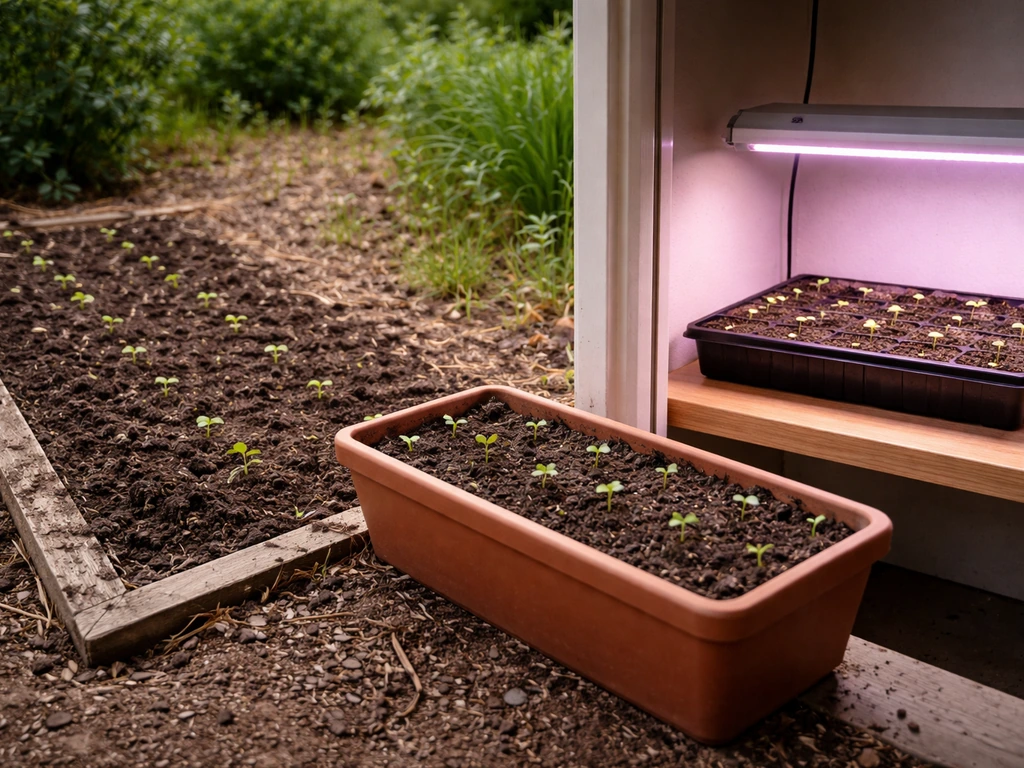
Outdoor beds in the right season give you the most consistent results. Soil temperatures track air temperature gradually, so a good autumn sowing in a prepared bed rarely throws surprises. You'll typically land in the 40–70 day range from sowing to a usable harvest.
Containers heat up and cool down faster than ground soil, which can be both an advantage and a problem. In spring you can warm a container quickly by placing it in a sunny spot, hitting germination temperatures before the ground warms. In summer, containers can overheat fast and kill germination. A light-coloured pot or moving the container to shade during a warm spell helps. Growth rate in containers is similar to outdoor beds when temperatures are right.
Indoor growing, including hydroponic systems, is more complicated for lambs lettuce than for standard loose-leaf lettuces. If you're wondering how long it takes to grow lettuce in an AeroGarden, lambs lettuce typically runs a bit longer because it prefers cooler temperatures than many common indoor varieties. Hydroponic systems can still work, but you may wonder how long lettuce can grow in water before the plant loses vigor how long can lettuce grow in water. Most hydroponic guides and AeroGarden timelines assume varieties bred for warm, fast indoor growth, and lambs lettuce is not one of them. It prefers cool conditions that most indoor setups don't naturally provide. That said, if you can keep your indoor space cool (below 65°F/18°C), lambs lettuce can germinate in about 10 days and reach baby-leaf stage in 30–40 days indoors. General hydroponic lettuce guides suggest baby greens in roughly 2–3 weeks under ideal conditions, but with lambs lettuce specifically, count on a few extra days compared to faster-maturing varieties. If you're comparing it to how long other lettuces take to grow indoors, lambs lettuce is on the slower side precisely because it needs cooler temps to thrive.
When things go wrong: fixing slow sprouting, leggy growth, and bolting
Seeds not sprouting after 2 weeks
The most likely cause is soil temperature outside the 50–68°F window. Check with a thermometer. If it's too warm, wait for a cooler spell or sow in shade. If it's in range, check whether the seedbed has been allowed to dry out at any point during germination. If both temperature and moisture seem right but nothing is happening, the seeds may have been sown too deeply. Lightly scratch the surface and re-sow fresh seeds shallowly. Old or poorly stored seed also germinates slowly or not at all, so use fresh seed each season.
Leggy, weak seedlings
Leggy growth indoors usually means insufficient light. Move plants to a brighter windowsill or add a grow light keeping it 2–4 inches above the seedlings. Outdoors, legginess can happen if seedlings are overcrowded and competing for light. Thin to 3–6 inches apart and the remaining plants will fill out properly. Leggy seedlings rarely catch up to produce good rosettes, so thinning early is worth it even if it feels wasteful.
Plants bolting before you've harvested much
Bolting (going to flower and seed) is triggered by warming temperatures and lengthening days. If your plants are bolting, harvest everything usable immediately, including any leaves from plants that are starting to bolt, since they're still edible at that point. To prevent it next time, time your sowings so the bulk of the growing period falls in genuinely cool weather. A spring sowing that lingers into warm weather will bolt faster than an autumn sowing growing through cooling days. Harvesting regularly, as Honest Seed Co. recommends, also delays bolting by reducing the plant's impulse to set seed.
Planning successive sowings for a continuous harvest
A single sowing of lambs lettuce gives you a harvest window of a few weeks at most before the plants bolt or the season ends. Successive sowings, spaced roughly 2 weeks apart, are the straightforward fix. Given that baby leaves are ready at 30 days and full rosettes at 45–70 days, a 2-week sowing interval means you always have a batch coming up just as the previous one peaks. If you want the overall timeline for little gem lettuce specifically, check how its days to maturity line up with your growing temperatures and harvest style how long for little gem lettuce to grow.
In spring, you typically have room for 2–3 sowings before warming temperatures make further germination unreliable. Start your first sowing 3–4 weeks before the last expected frost, then sow again every 2 weeks until soil temperatures consistently exceed 65°F. In autumn, start sowing as temperatures begin dropping (late August to early September in most temperate regions) and continue every 2 weeks until the soil gets too cold for reliable germination. Because lambs lettuce is frost-hardy once established, autumn-sown plants can be overwintered under a cloche or row cover and harvested through winter.
A practical approach for a small garden is to sow short rows rather than a big patch each time. A row 60–90 cm long sown every 2 weeks gives you a manageable, ongoing supply without the feast-and-famine cycle of a single large sowing. Compared to other lettuces where you might plan 3–4 week intervals based on longer days-to-maturity figures, lambs lettuce's shorter baby-leaf window actually rewards the tighter 2-week interval.
| Season | First sowing | Sowing interval | Last reliable sowing | Harvest window |
|---|---|---|---|---|
| Spring | 3–4 weeks before last frost | Every 2 weeks | When soil hits 68°F consistently | Late spring (baby leaves in ~30 days) |
| Autumn/Winter | Late August to early September | Every 2 weeks | When soil drops below 41°F | Autumn through winter under cover |
If you're also growing other lettuce varieties alongside your lambs lettuce, the succession logic is the same, though faster-maturing loose-leaf types might let you stretch intervals to 3 weeks. Lambs lettuce's cool-season requirement means it fits neatly in the gaps when other lettuces struggle with cold, making it a genuinely useful addition to any succession planting plan rather than just a novelty crop.
FAQ
Can I harvest lambs lettuce more than once, or is it a single cut-and-done crop?
Yes, you can harvest lambs lettuce gradually, but the timing matters. For baby leaves, start cutting once leaves are big enough to eat (often around the 30-day mark). If you keep taking outside leaves instead of clearing the whole rosette, plants can keep producing for a while as long as temperatures stay cool and you do not let the center fully bolt.
If my lambs lettuce is slow at first, will it make up the time later?
Usually, no. Lambs lettuce grows from the center rosette, and it is unlikely to “skip” ahead to full rosettes if it never built roots properly. If seedlings are small at first because of warmth, dryness, or deep sowing, the most reliable fix is to re-sow the area rather than expecting stalled plants to catch up later.
How long does it take to get a real harvest, not just seedlings?
It depends on what you mean by “grow.” Seedlings can be usable as baby leaves roughly 30 days from sowing in cool conditions, but full rosettes often take 45 to 70 days. If you want a true harvest date, plan around rosette size, not sprouting.
What happens if the soil dries out during the germination window?
If the seedbed dries even briefly during the first 7 to 14 days, germination can drop sharply or fail completely. Keep the surface consistently moist but not waterlogged, and if you mulch, use a very light layer after germination so you do not block light to any seeds.
How deep should I sow lambs lettuce seeds to avoid slow germination?
For lambs lettuce, shallow is best. Seeds need light to germinate, so cover them with about 1/4 inch (0.5 to 1 cm) or even surface-sow and press lightly. If you sow deeper, you often see long delays or patchy failure because the seeds never receive enough light.
Can I grow lambs lettuce during hot weather, or will it always take much longer?
Yes, in warm weather you can extend the timeline only if you prevent heat stress. Sow in a cooler window, use light-colored mulch, and consider shade cloth after emergence. However, if soil temperatures stay above about 68 to 70°F (20 to 21°C), germination may stall or fail regardless of other care.
Why does my lambs lettuce in a container take longer than expected?
Containers can run faster in spring because potting mix warms earlier, but in summer they can overheat quickly, which delays or stops germination. Use a light-colored pot, keep the soil shaded during heat spikes, and consider moving the container to a cooler spot to stay near the 50 to 68°F (10 to 20°C) soil range.
My seedlings are leggy, does that change how long they will take to form rosettes?
If plants are leggy, the usual causes are not enough light or overcrowding, not that the plant needs more time. Increase light by using a grow light or a brighter window and thin seedlings early to about 3 to 6 inches apart outdoors. Once they are leggy, they often do not produce good rosettes even if you wait longer.
What should I do if no sprouts appear after two weeks?
If nothing emerges after the expected sprouting window, check temperature first, then sowing depth and seed freshness. Lambs lettuce seeds can lose viability if stored poorly, so old seed often gives slow or no germination even under correct conditions. Re-sow with fresh seed once you confirm soil temperature is back in range.
Why do lambs lettuce timelines vary so much between guides and my garden?
They do not need to be “lucky” plants, but you should expect some variability. Germination timing changes with how close soil temperature is to the 50 to 68°F (10 to 20°C) range, and different harvest goals change the timeline (baby leaves versus rosettes). In practice, the most dependable approach is to base decisions on soil temperature readings and your target size.
How often should I sow if I want lambs lettuce throughout the season instead of all at once?
A succession interval of about 2 weeks works well for keeping a steady supply because baby leaves are ready around 30 days and rosettes around 45 to 70 days. If you stagger sowings, you reduce feast-or-famine risk, especially since bolting can abruptly end the production window.