Most lettuce varieties in an Aerogarden go from seed to your first harvest in about 4 to 6 weeks, with a full-size harvest typically landing somewhere between 6 and 10 weeks depending on the variety. If you want a quick estimate for how long does it take to grow lettuce indoors, the variety and your light schedule are the two biggest factors to watch.
How Long Does It Take to Grow Lettuce in an Aerogarden

Marcus Holloway
13 Jun 2026
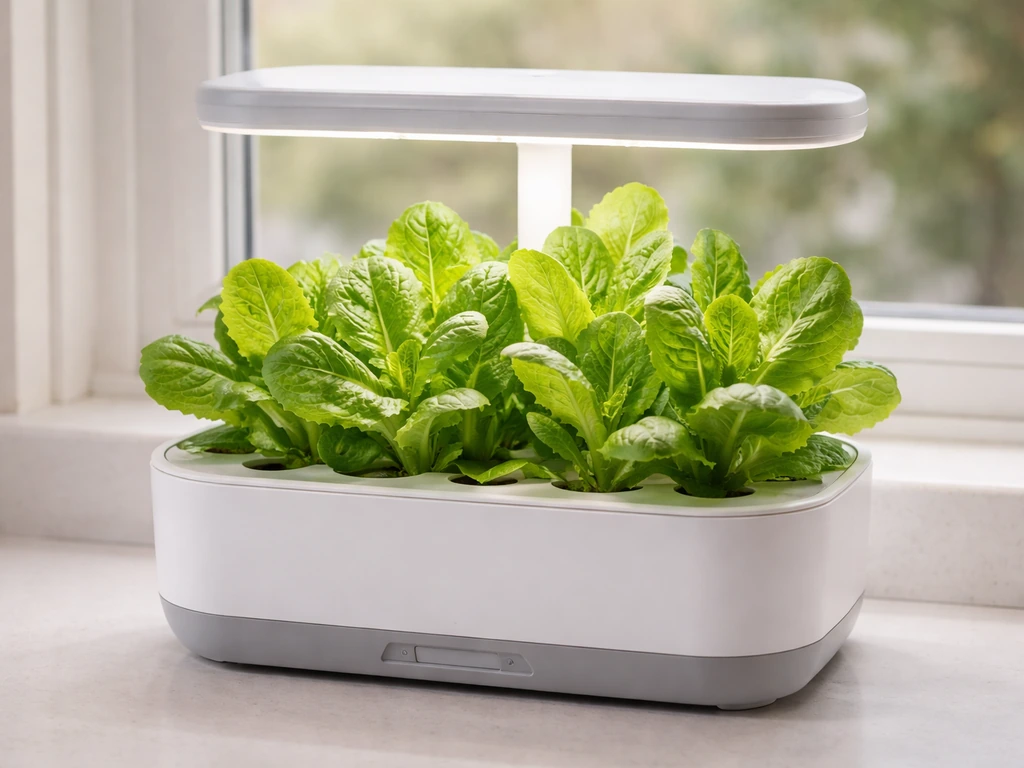
Leaf lettuces are the fastest, often ready for a cut-and-come-again harvest in as little as 28 to 35 days. Butterhead and romaine take longer, usually 7 to 10 weeks before you have a proper head or full rosette. The Aerogarden's controlled light cycle and hydroponic nutrient delivery genuinely speed things up compared to soil, but the variety you're growing and how well you dial in your settings make a real difference.
Typical timeline from seed to harvest in an Aerogarden
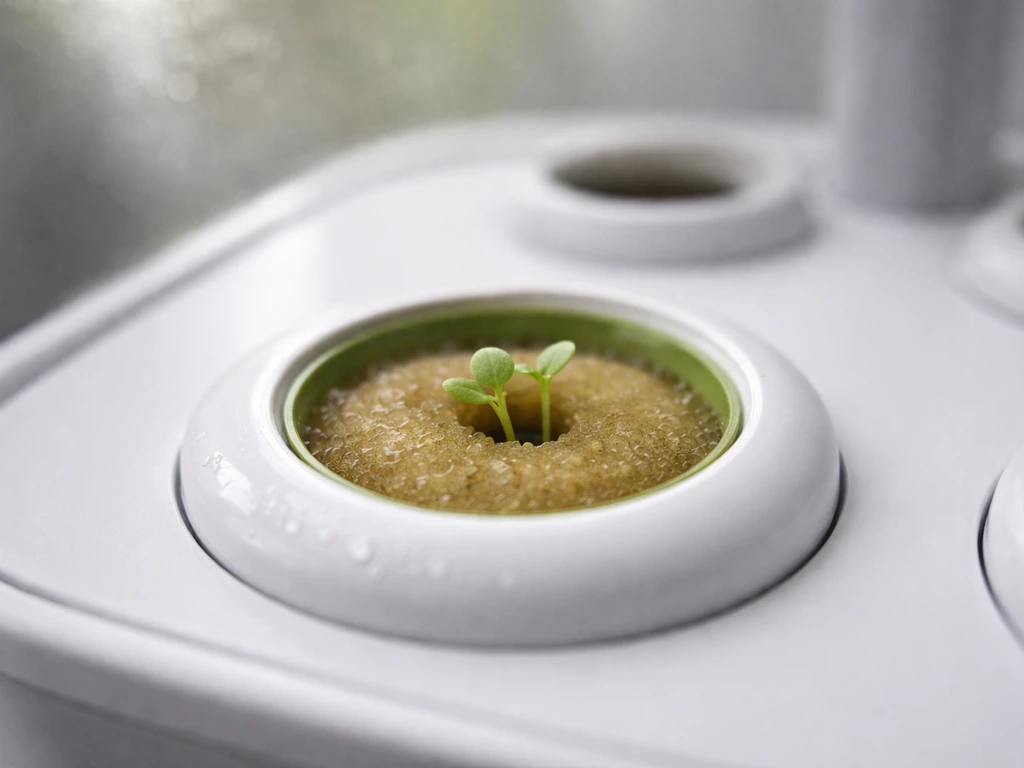
Here's how the timeline usually breaks down when you start from seed using an Aerogarden pod kit. Days 1 through 7 are germination, and the Aerogarden's warm, humid environment helps move things along. Most lettuce seeds sprout within 5 to 10 days, though the AeroGarden seed kit instructions note you should allow up to 3 weeks for germination and reach out for replacements if nothing has sprouted by then. After germination, you get a seedling phase from roughly days 7 through 21 where roots are establishing in the water column and the first true leaves are forming. Growth looks slow here but the root system is doing heavy lifting underwater.
From week 3 onward, things accelerate noticeably. The leaves start filling in quickly, and this is where the Aerogarden's 16 to 18 hour light cycle really earns its keep. By week 4 to 5, most leaf lettuces are large enough for a first harvest of outer leaves. By weeks 6 to 8, you typically have a full, lush plant. Romaine and butterhead types need a bit more patience, with full heads forming closer to weeks 8 to 10. The table below gives a clear picture by variety.
| Lettuce Type | Days to First Harvest (Aerogarden) | Days to Full Harvest (Aerogarden) | Notes |
|---|---|---|---|
| Leaf lettuce (loose-leaf) | 28–35 days | 42–55 days | Fastest; great for cut-and-come-again |
| Butterhead (e.g., Buttercrunch) | 35–45 days | 55–70 days | Tender leaves; slightly longer head formation |
| Romaine (e.g., Parris Island) | 40–50 days | 60–75 days | Upright growth; needs good light intensity |
| Crisphead/Iceberg | 50–60 days | 65–80 days | Slowest; not ideal for small Aerogarden units |
These timelines are shorter than typical outdoor soil growing, where lettuce can take 40 to 80 days to maturity according to University of Maryland Extension data. The hydroponic advantage is real: constant access to nutrients and water, plus that long light cycle, means plants don't waste time searching for resources.
How different lettuce varieties affect grow time
Variety choice is one of the biggest levers you have over your harvest timeline. Loose-leaf types like Black Seeded Simpson or Red Sails are bred to produce harvestable leaves quickly without forming a head, which is exactly what works best in a compact countertop system. Butterhead varieties like Buttercrunch (listed at around 65 days to maturity in soil-based guides) take a bit longer but reward you with incredibly tender, flavorful leaves and a loose head that works well in Aerogarden pod spacing. Romaine types like Parris Island Cosmo (around 55 days) or Giant Caesar (around 70 days) grow tall and upright, which can sometimes compete with the light arm in smaller units.
Crisphead and iceberg types are technically possible in an Aerogarden but are generally the wrong choice for a countertop unit. They need the longest time to form a tight head and can become crowded quickly. If you want results in under 6 weeks, stick to leaf or loose-leaf varieties.
Little gem lettuce typically takes about 4 to 6 weeks to reach a first harvest in an Aerogarden, but exact timing depends on your light and nutrient setup how long for little gem lettuce to grow. If you're happy waiting 8 to 10 weeks for something more substantial, butterhead is a great middle-ground choice that also handles the Aerogarden environment well.
The variety question connects directly to how lettuce grows indoors more broadly, since the same variety differences apply whether you're in an Aerogarden or another indoor system.
What controls speed: light, temperature, water, nutrients, and airflow
Light
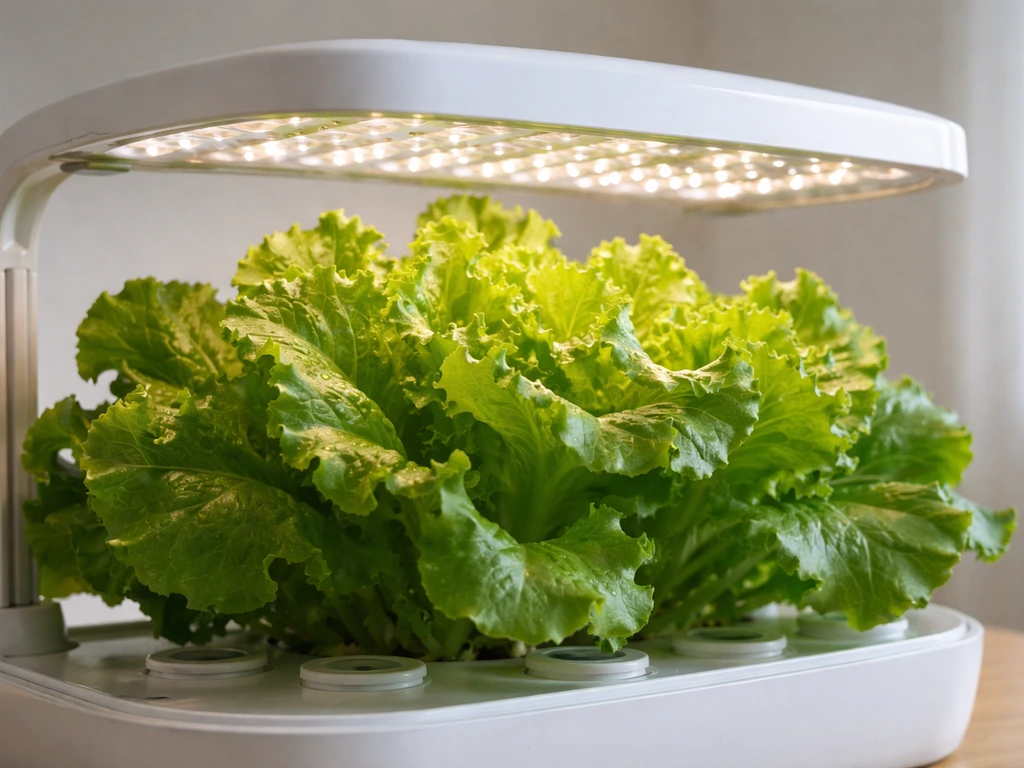
Light is the single biggest driver of growth speed in an Aerogarden. The Aerogarden Harvest Elite defaults to a 16 to 18 hour light cycle per day, which aligns well with research showing a 16-hour photoperiod optimizes photosynthetic rate and balanced growth in lettuce. For the first month, you can actually push the light cycle to 24 hours, and the official setup guide mentions this option for early seedling development.
In practice, running 24-hour light for the first 3 to 4 weeks can meaningfully shorten the time to that first harvest. After that, dropping back to 16 to 18 hours is fine, and some growers prefer it because it gives the plants a brief rest cycle. If your Aerogarden's built-in light seems dim (older units, or if the pod is positioned at the edge of the light footprint), growth will slow noticeably.
Temperature
The Aerogarden Harvest Elite manual lists an ideal temperature range of 65 to 76°F (16 to 24°C), and that's a good target. UMass Extension data supports a similar window, with optimum day temps of 65 to 70°F for lettuce. If your kitchen or growing space runs warmer than 76°F consistently, you'll likely see slower growth, bitterness, and earlier bolting. If it dips below 60°F at night, germination slows and seedling growth stalls. The Aerogarden itself doesn't heat or cool the air, so placement matters. Avoid spots near heating vents, sunny windows that spike temperatures in summer, or cold drafts in winter.
Water and nutrients
The Harvest Elite's pump runs automatically on a 5-minutes-on, 25-minutes-off cycle, so oxygenation and circulation happen without much intervention. What you do control is the nutrient concentration. AeroGarden's liquid nutrients should be added at startup and then every two weeks when the system reminder activates (the specific dose varies by model, so check your unit's guide).
The key mistake I see is topping off the reservoir with plain water when it runs low and skipping nutrients, which gradually dilutes the solution. If you’re wondering how long lettuce can grow in water, keeping nutrients correctly mixed and the reservoir oxygenated helps determine how fast it matures and how long it stays productive lettuce grow in water. University of New Hampshire Extension guidance is clear on this: top off with nutrient solution, not just water.
If nutrient levels drop too low, nitrogen deficiency shows up first as pale yellowing leaves, and growth slows fast.
Airflow
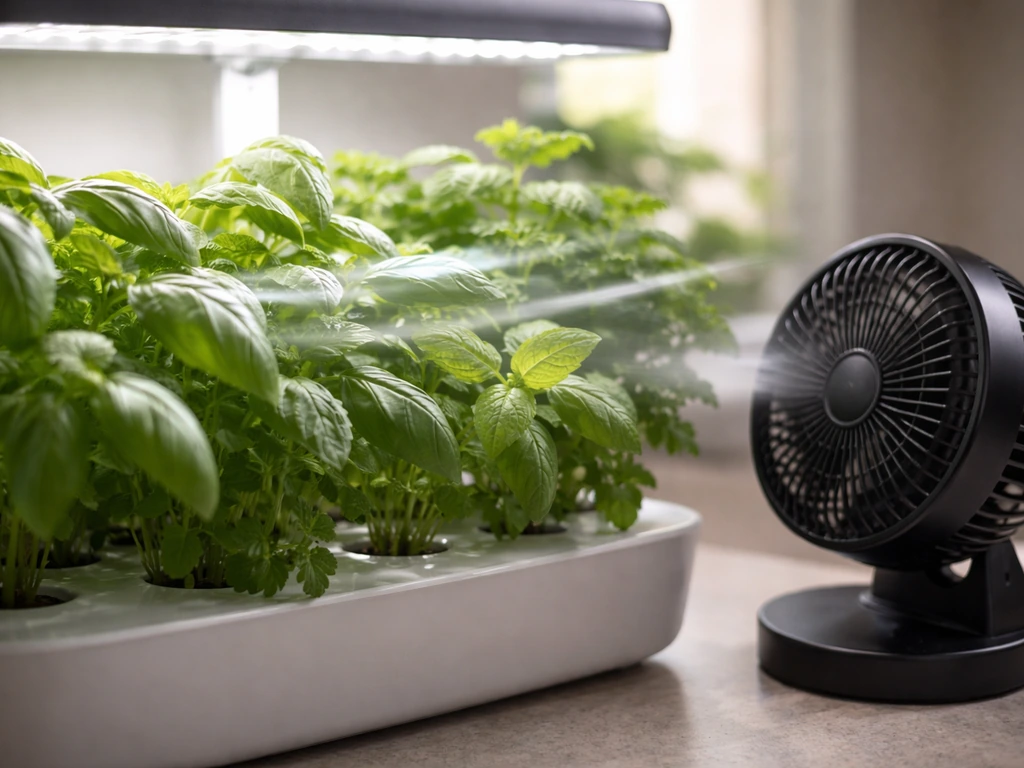
This one surprises a lot of new Aerogarden growers. Penn State Extension research notes that horizontal airflow breaks the boundary layer around leaves, which increases transpiration and helps plants pull in minerals like calcium more efficiently. In practice, a small fan running on low nearby (even just circulating room air gently) can prevent tip burn on lettuce leaves and support steadier growth. Without any airflow, calcium deficiency tip burn is one of the most common problems in compact indoor hydroponic setups. If your Aerogarden is tucked into a still corner of your kitchen, a gentle fan a couple of feet away makes a real difference.
Seed-starting vs. using pre-grown seedlings in an Aerogarden
Starting from seed using the Aerogarden's own seed pod kits is the standard approach, and it works well. You get the full timeline above: germination in 5 to 10 days, early growth through weeks 2 to 3, then rapid growth from week 3 onward. The advantage is that the plants acclimate to the hydroponic system from the very beginning, with roots that develop directly in the water column without any transplant shock.
Using pre-grown seedlings (transplants) can shave 2 to 3 weeks off the timeline, but it comes with trade-offs. You'll need to rinse all the soil off the roots very carefully, since soil in an Aerogarden reservoir clogs the pump and introduces pathogens quickly. The roots also need to readjust from soil growing to hydroponic conditions, which can cause a brief stall in growth as the plant adapts. If you do this, choose seedlings that are 2 to 3 weeks old, not older, and handle the roots gently. In my experience, starting from seed in the Aerogarden's own pod system is more reliable and ultimately less fiddly than trying to adapt transplants.
There's also a middle option: some garden centers sell hydroponic lettuce seedlings already growing in small rockwool or foam media. These transplant into an Aerogarden more easily than soil-grown starts, and you can realistically cut 2 weeks off your timeline without the soil-rinsing hassle. Just make sure the root ball size is compatible with the pod holder.
Step-by-step tips to hit the fastest harvest window
If you want to land at the shorter end of the 4 to 6 week window, here's what to actually do, in order.
- Choose a fast loose-leaf variety: Black Seeded Simpson, Red Sails, or a salad mix blend will germinate and grow faster than romaine or butterhead in the same conditions.
- Set the light cycle to 24 hours for the first 3 to 4 weeks: use the LCD control panel on the Harvest Elite to override the default and run lights continuously during the seedling phase. After week 4, drop back to 16 to 18 hours.
- Keep room temperature between 65 and 72°F: if your space runs warmer, move the unit or add a small fan to keep air moving around the unit.
- Add nutrients at startup and on schedule every 2 weeks: don't skip the biweekly reminder. Top off the reservoir with a diluted nutrient solution, not plain water, whenever the water level drops.
- Run a small fan on low nearby: even gentle air circulation reduces tip burn risk and supports mineral uptake, especially once plants get bushy.
- Raise the grow light as plants grow: the Harvest Elite arm is adjustable. Keep the light close (about 2 to 4 inches above the canopy) during seedling stages, then raise it as the plants fill in to prevent leaf bleaching.
- Start harvesting outer leaves early: don't wait for a full head. Begin harvesting outer leaves once plants reach about 3 to 4 inches tall. Follow the one-third rule: never remove more than one-third of a plant's leaves at a time, which allows quick recovery and keeps the plant producing.
- Do a water change every 4 weeks: drain and refill the reservoir with fresh nutrient solution to prevent salt buildup and maintain healthy root conditions.
Troubleshooting delays and what to do next
If your lettuce is growing slower than expected or has stalled, one of these is usually the cause. Here's how to diagnose and fix it.
Seeds haven't sprouted after 2 weeks
First, check that the pods are actually wet. If the water level is too low, the grow sponge may not be wicking moisture up to the seed. Raise the water level to the fill line. If the pods are wet and still nothing after 3 weeks, contact AeroGarden about replacements. The official seed pod kit guidance offers replacements for non-germinating pods within that window. Also check that the room isn't too cold: if ambient temperature is below 60°F, lettuce germination slows dramatically.
Seedlings are tiny and pale after 3 to 4 weeks
This almost always points to a light issue or a nutrient issue. First, make sure the light is actually running on the correct cycle and hasn't reset due to a power outage (some models reset the timer after power loss). Next, check whether you've added nutrients. If you've been topping off with plain water only, the nutrient concentration is likely too low. Do a partial reservoir change with fresh nutrient solution. If the light arm is set at max height but the plants are still pale and leggy, the light intensity at canopy level is too low. Try running 24-hour light for a week and see if growth accelerates.
Leaf tips are turning brown or black (tip burn)
Tip burn in hydroponic lettuce is almost always calcium-related, but it's rarely a calcium deficiency in the nutrients themselves. More often it's a delivery problem: the plant can't pull calcium fast enough from the water. The fix is better airflow. Place a small fan so it gently moves air across the plant canopy. This breaks the still-air boundary layer around leaves and increases transpiration, which drives calcium uptake. Reducing the temperature of the growing area also helps. If tip burn is severe and affecting most leaves, do a full reservoir change with fresh nutrient solution and add the fan at the same time.
Leaves are yellowing from the bottom up
Bottom-up yellowing usually signals nitrogen deficiency, which in an Aerogarden context almost always means the nutrient solution is depleted or too dilute. Check your nutrient schedule: if it's been more than 2 weeks since you added nutrients, add them now. If you're unsure of your current concentration, do a 50% reservoir change and refill with properly mixed nutrient solution. Penn State Extension guidance on hydroponics recommends monitoring EC (electrical conductivity) to catch this early. A basic EC meter costs under $20 and takes the guesswork out of nutrient management.
Growth has suddenly slowed mid-cycle
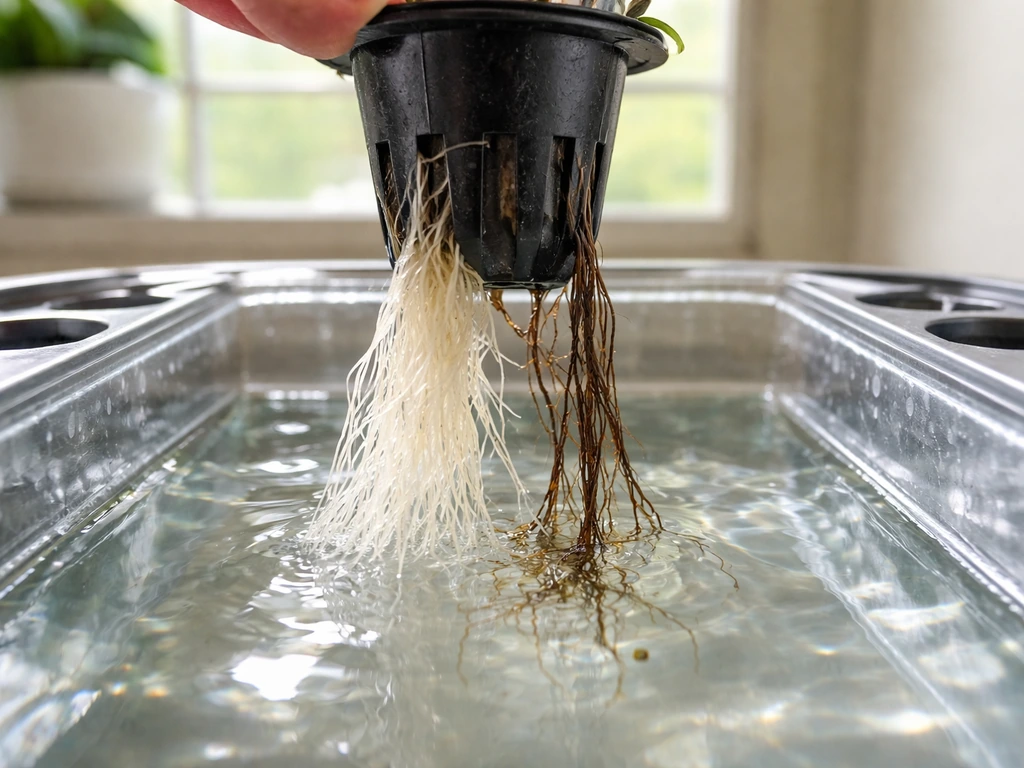
If plants were growing well and then slowed or stopped, check the roots first. Lift a pod and look at what's happening below the waterline. Healthy roots should be white or light tan and fuzzy. Brown, slimy, or foul-smelling roots indicate root rot, usually caused by light leaking into the reservoir (which promotes algae and bacterial growth) or water temperature that's too warm. If you see algae (green or brown residue in the bowl), do a full reservoir clean and change. Cover the reservoir top with the provided lid panels to block light from reaching the water. After fixing the root environment, growth usually resumes within 7 to 10 days.
One final thing worth knowing: the Aerogarden genuinely makes lettuce growing more forgiving than soil, but it doesn't eliminate the learning curve. If your first run takes a bit longer than expected, that's normal. By the second or third grow cycle, you'll have the timing dialed in and be harvesting fresh greens consistently in that 4 to 6 week window.
FAQ
If my lettuce hasn’t been ready at 4 to 6 weeks, does that always mean something is wrong?
Not necessarily. Loose-leaf types often hit an early cut at 28 to 35 days, but full-size harvest timing can drift by 1 to 2 weeks if your light intensity is lower than average, the room runs cool, or you harvested lightly earlier (which slows later fullness). A practical check is to compare leaf size to your variety’s typical “outer leaf” maturity, then troubleshoot only if growth has truly stalled for 7 to 10 days.
How long does it take to get enough lettuce to keep up with daily salads?
Expect multiple harvest cycles rather than one big harvest. For cut-and-come-again leaf lettuces, you can usually start snipping outer leaves around weeks 4 to 5, then continue every week or so, with peak production often between weeks 6 and 8. If you want a steady supply, plan to stagger pods so one set is always in the “snipping” window.
Does harvesting earlier make lettuce mature faster or just reduce yield?
It can do both, depending on how you harvest. Cutting only the outer leaves encourages regrowth, but removing too much foliage (especially the center rosette) can delay full-size development and reduce total output. For faster first harvest, aim for a partial outer-leaf cut, then let the center keep building.
How long does lettuce stay productive in an Aerogarden after the first harvest?
Most varieties remain usable for several weeks after the first cuts, but the “best” window tends to be roughly weeks 6 to 10. After that, growth often slows and quality can drop due to nutrient depletion, warmer ambient temperatures, or increased risk of bolting, especially if you push light too long or the unit is in a hot spot.
What’s the earliest point I should thin or adjust plants in the pods?
Only thin if your pod kit instructions indicate excess seedlings. If thinning is needed, do it once seedlings are established (after true leaves form), and avoid disturbing the root zone. Over-thinning too early can delay the timeline by setting back root establishment.
How does the seeding method affect the timeline, especially if germination is uneven?
Uneven germination usually leads to uneven maturity, which makes “first harvest” seem later even when part of the crop is ready. If you notice one pod lagging, wait for it to catch up before starting a “same-day” harvest, then remove the slow pod only if it still hasn’t emerged by the pod replacement window.
How long does it take to grow lettuce if I start from seedlings instead of seed?
Using transplants can shorten the timeline by about 2 to 3 weeks, but the total depends on transplant age and how cleanly roots switch from soil (or rockwool) to the reservoir environment. Expect a brief stall of several days to a week while roots adjust, so “days to first harvest” can be shorter, but the first cutting may not be instantaneous.
Can I grow lettuce year-round in an Aerogarden, and how does season change the timing?
Yes, but winter is the big timing variable because ambient temps near the unit may drop. If the room frequently dips below 60°F, germination and early seedling growth slow down. In warmer seasons, the limit is the opposite, overheating, which can increase bitterness and bolting risk and make “harvestable” lettuce show up differently.
Do I need an exact nutrient change schedule, or can I just top off as needed?
Topping off with plain water is the common way to extend the timeline because it dilutes nutrients and eventually causes nitrogen deficiency (often seen as bottom-up yellowing). If you are refilling between reminder intervals, use properly mixed nutrient solution when the reservoir is low, or do a partial change when you suspect dilution.
How can I tell whether slow growth is a light problem versus a temperature problem?
If plants are pale and leggy with stretched growth, light intensity is the likely issue (also verify the light timer did not reset after a power outage). If growth is slow with generally smaller, darker seedlings and the room is cool, temperature is the likely cause. A quick decision aid is to check both the light cycle and the ambient range (aim for roughly 65 to 76°F around the unit).
What should I do if I see tip burn, and will it delay harvest?
Tip burn often leads to cosmetic damage and can reduce how quickly leaves look “ready,” but it usually doesn’t mean the plant is beyond saving. The fastest fix is improving airflow across the canopy, and optionally lowering the growing-area temperature. Severe tip burn across most leaves may justify a full reservoir change, after which growth typically resumes within about a week or so.
How long does it take for root problems to show, and what’s the best action if I suspect root rot?
Root rot signs usually appear after a period of poor reservoir conditions, and once you see brown, slimy, or foul-smelling roots, growth may stall quickly. After cleaning the reservoir and addressing light exposure (blocking light to the reservoir) and water temperature, you generally see resume within 7 to 10 days.
Is there a practical way to shorten the timeline under 6 weeks reliably?
Yes, the most reliable combination is using a leaf or loose-leaf variety, keeping the light schedule consistent (and making sure the unit did not lose power and reset), and maintaining correct nutrient concentration (no plain-water-only topping off). If you want to push speed, run 24-hour light only during early establishment for a limited period, then revert to the standard 16 to 18 hour cycle.