Little Gem lettuce takes about 50 to 60 days from seed to a full, harvestable head under good outdoor growing conditions. If you want baby leaves instead of full heads, you can start cutting as early as 3 to 4 weeks after germination when leaves hit 3 to 4 inches tall. Indoors under grow lights, expect similar or slightly faster timing. In a hydroponic system, romaine types like Little Gem typically come in closer to 45 days. The wide range you see online (anywhere from 35 to 68 days) comes down to how different growers define maturity, what conditions they're growing in, and whether they're counting from seed or transplant.
How Long for Little Gem Lettuce to Grow: Timeline
Marcus Holloway
9 Jun 2026
Typical timeline: seed to harvest
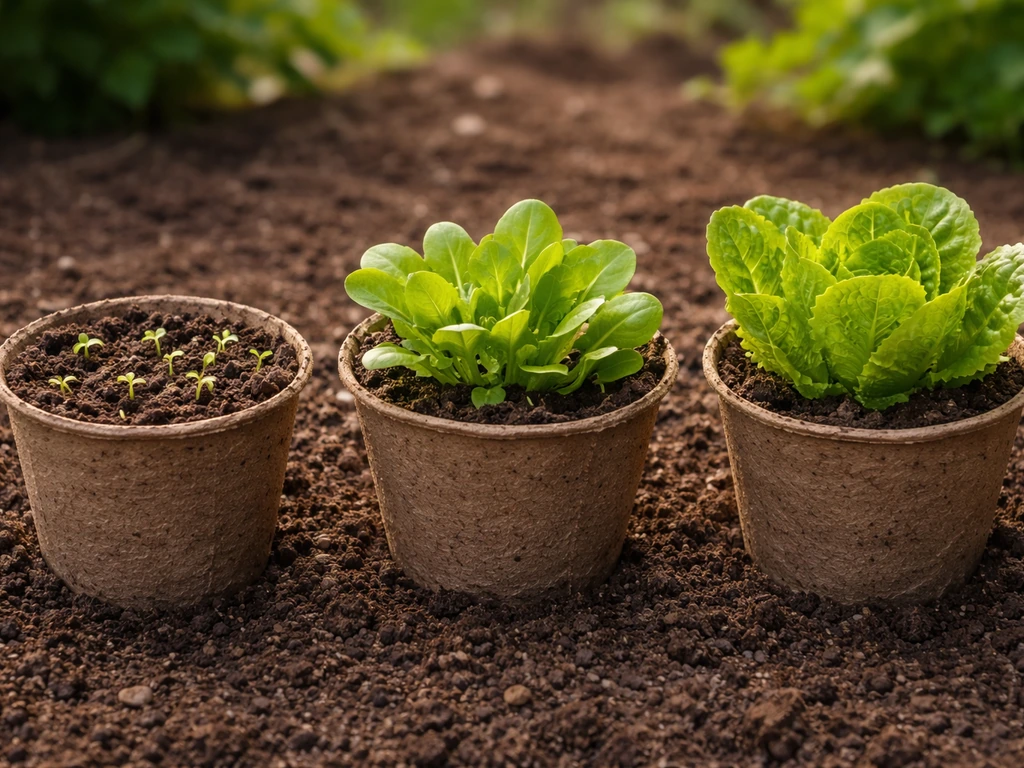
Here's how the growth stages usually play out when you sow direct into the garden or start seeds indoors.
| Stage | Days from sowing | What you should see |
|---|---|---|
| Germination | 4–10 days | Tiny sprouts emerging at soil surface |
| Seedling ready to transplant (if starting indoors) | ~21–28 days | 2–4 true leaves, about 2–3 inches tall |
| Baby leaf harvest | 25–35 days | Leaves 3–4 inches long, mild and tender |
| Full head, early harvest | 50–60 days | Compact, firm head 4–6 inches tall |
| Full maturity (outer leaves starting to flare) | 60–68 days | Tight, dense head 6–8 inches; harvest before stalk rises |
The 50-day figure from most seed companies is a reliable middle target for outdoor growing in spring or fall. The 68-day figure you'll sometimes see reflects slower growth in cooler conditions or a stricter definition of full maturity. Gulley Greenhouse lists 68 days to maturity for Little Gem 68-day figure. If your springs are short or summers come on hot, aim to harvest closer to 50 days to beat the bolt.
Key factors that change growth speed
Temperature is the single biggest variable. Little Gem grows fastest when daytime temps sit between 15 and 21°C (60–70°F) and nights stay around 7 to 12°C (45–55°F). Once soil or air temperatures creep consistently above 27°C (80°F), growth stalls, quality drops, and bolting kicks in. On the flip side, cold snaps below 10°C slow germination noticeably and can stretch that 4–10 day germination window out to two weeks or more.
- Temperature: the biggest driver. Cool conditions (60–70°F days) = best head quality and reliable 50-day timeline.
- Season: spring and fall sowings outperform summer. Long summer days trigger bolting even without extreme heat.
- Sowing method: transplanting seedlings started indoors can shave 1–2 weeks off your outdoor timeline since you're moving past the vulnerable seedling stage in a controlled environment.
- Growing medium: hydroponics accelerates growth compared to soil because nutrients are constantly available at the root zone.
- Light: insufficient light indoors slows everything down. Little Gem is not a low-light plant.
- Moisture consistency: uneven watering stresses plants and adds days to your harvest window.
How to grow outdoors vs indoors vs hydroponics
Outdoors in the garden or containers
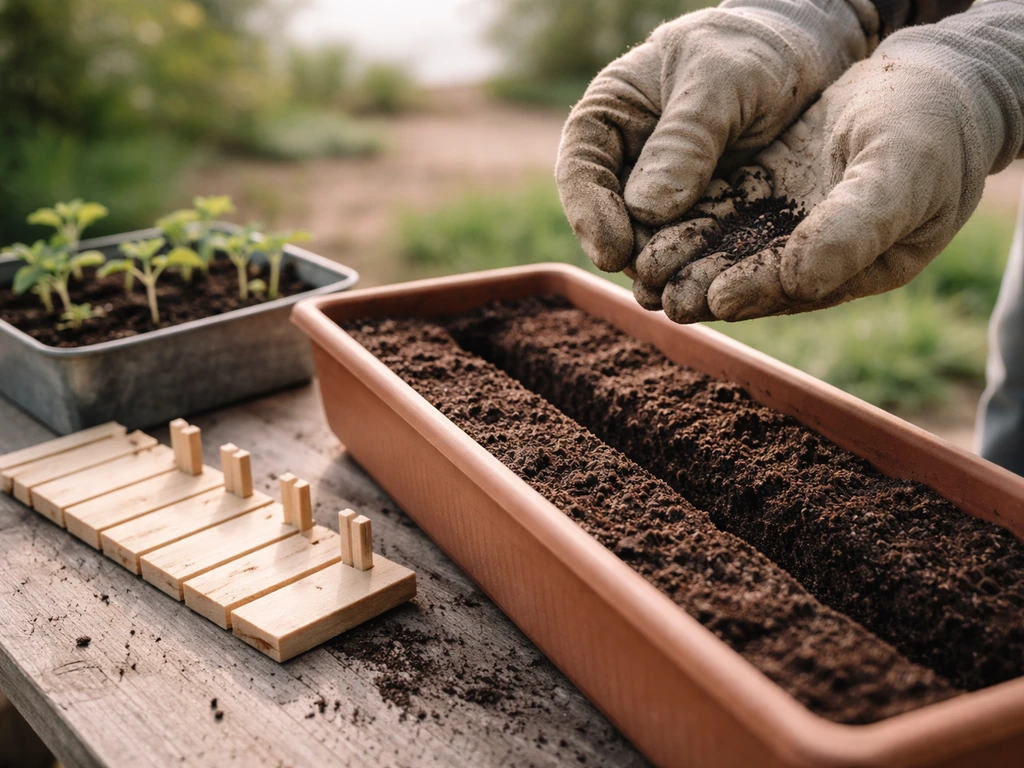
This is where Little Gem really shines. Direct sow in early spring as soon as the soil can be worked, or start seeds indoors 3 to 4 weeks before your last frost date and transplant out. For a fall crop, count back 60 days from your first expected frost and sow then. Container growing on a balcony or patio follows the same timeline as in-ground, provided the pot is at least 6 inches deep and you don't let it dry out between waterings. Succession sowing every 2 to 3 weeks keeps fresh heads coming rather than all maturing at once.
Indoors under grow lights
Growing Little Gem indoors is totally doable and follows roughly the same 50 to 60-day timeline, provided your lighting is adequate. The catch is that most windowsills don't deliver enough light intensity to grow a tight, firm head. If you're using artificial lights, you'll want to hit around 150 to 200 µmol/m²/s PPFD for seedlings, ramping up to 200 to 400 µmol/m²/s for mature plants, running lights for 14 to 16 hours a day. With good lighting, indoor Little Gem can even beat outdoor timing slightly because you control temperature perfectly. If you're comparing timelines between Little Gem and other varieties, general indoor lettuce timelines apply here too.
Hydroponics (DWC, NFT, or aeroponics)
In a hydroponic system, Little Gem typically reaches harvestable size in around 45 days from seed, sometimes a bit faster in aeroponics where roots get continuous oxygen exposure. A common workflow is to germinate seeds in a seedling medium for about 10 to 14 days, then transfer plugs into your hydroponic system. From transplant, you're usually looking at another 30 to 35 days to a full head. Research specifically on hydroponically grown miniature Little Gem confirms that light source and spectrum play a meaningful role in how fast heads develop, so pairing the right grow light with your hydro setup matters. If you're also exploring options like AeroGarden systems, the timeline and setup considerations are worth comparing directly.
Sowing and spacing for fastest, best heads
Sow seeds at 1/8 to 1/4 inch deep. Little Gem seeds are small and need light to germinate well, so don't bury them. If you're direct sowing, drop 2 to 3 seeds every 6 inches and thin to the strongest seedling once they're about half an inch tall. For full head production, final spacing should be 10 to 12 inches between plants. If you're only growing for baby leaves, you can get away with 8 inches. Crowding plants is one of the most common beginner mistakes and it slows head formation noticeably as plants compete for light and nutrients.
If you're starting indoors to transplant later, sow into cell trays 3 to 4 weeks before your transplant date. By the time seedlings have 2 to 4 true leaves, they're ready to move outside. Harden them off for 5 to 7 days by setting them outside in a sheltered spot for increasing amounts of time before planting them into their final position.
Water, light, and temperature targets
Little Gem needs consistent moisture throughout its growing period. Aim for about 1 inch of water per week, whether that comes from rain or your hose. Water early in the day so foliage has time to dry before evening, which reduces the risk of fungal issues. Mulching around plants helps retain soil moisture and, usefully, keeps soil temperatures lower during warm spells, which buys you extra time before bolting kicks in.
| Condition | Target range | What happens outside this range |
|---|---|---|
| Daytime temperature | 15–21°C (60–70°F) | Above 27°C causes bolting and bitter leaves |
| Night temperature | 7–12°C (45–55°F) | Warm nights (above 13°C consistently) increase bolt risk |
| Soil temperature for germination | 10–22°C (50–72°F) | Below 10°C slows germination significantly |
| Watering | ~1 inch per week, evenly | Uneven moisture stresses plants and extends timeline |
| Light (outdoor) | Full sun to part shade | Too much afternoon sun in warm weather accelerates bolting |
| Light (indoor/hydro) | 14–16 hrs at 150–400 µmol/m²/s PPFD | Less light = slower, looser, weaker heads |
How to tell when Little Gem is ready to harvest
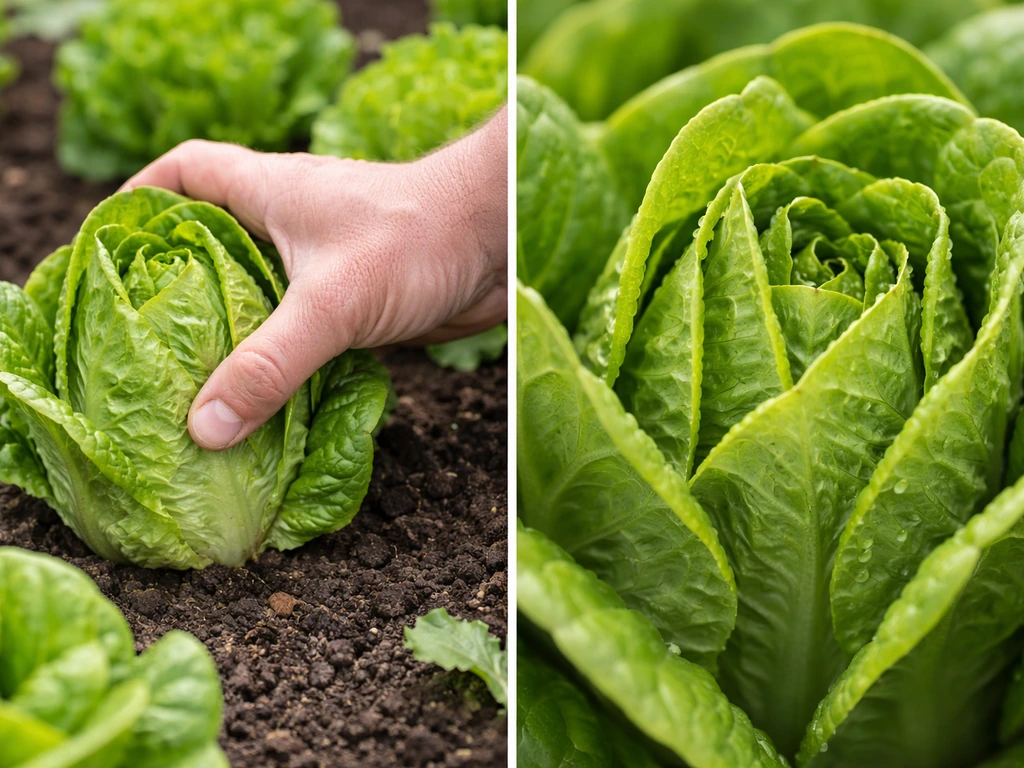
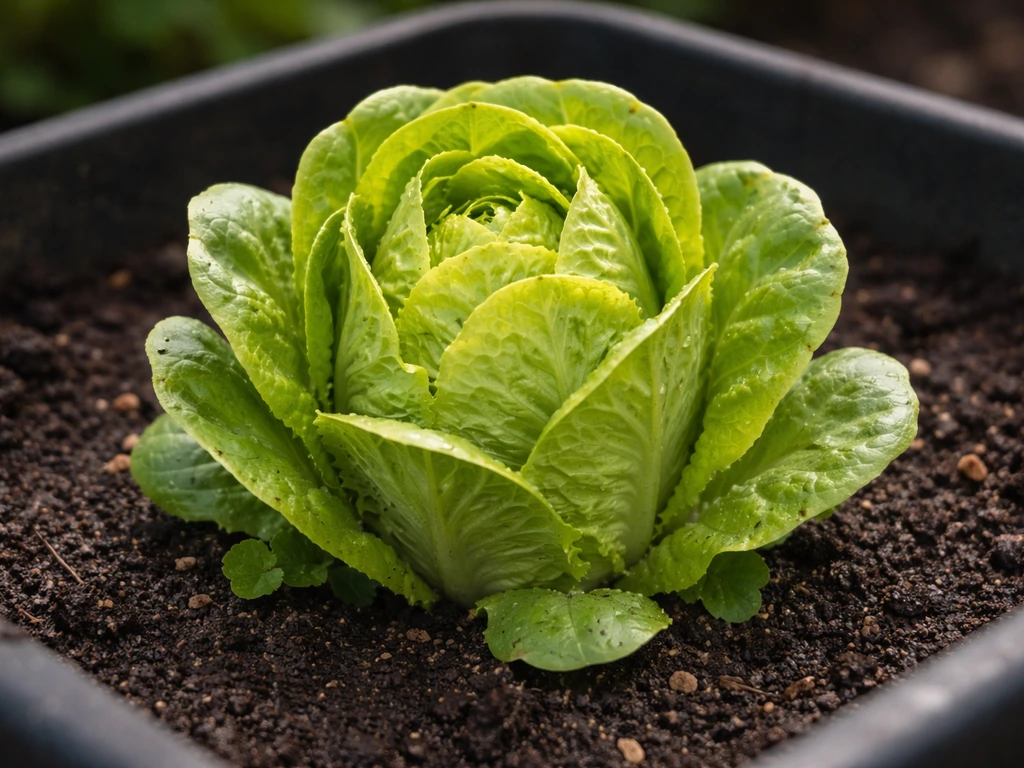
Don't just count days and assume. The best signal is the feel and look of the head. A harvest-ready Little Gem should be compact and firm when you squeeze it gently, with tightly bunched inner leaves forming a dense core. The head will typically be 4 to 8 inches tall. The outer leaves should still be a deep, rich green with no yellowing at the base.
For baby leaves, harvest once individual leaves reach 3 to 4 inches. You can cut them about an inch above the base and the plant will usually regrow for another cut or two. For full heads, cut the whole plant at the base with a sharp knife. Don't wait for the plant to look obviously ready for too long. Once you see the center starting to elongate or a stalk forming in the middle, the plant is bolting and the window is closing fast. Leaves will turn bitter within days of that stalk appearing.
Troubleshooting slow growth and common problems
Seeds haven't sprouted after 10+ days
Check your soil temperature first. If the soil is below 10°C (50°F), germination will be very slow or patchy. Move the container somewhere warmer, or wait for the ground to warm up. Also check that seeds aren't buried too deep. If they're deeper than 1/4 inch, light isn't reaching them. Re-sow fresh seeds at the correct depth if it's been over two weeks with no activity.
Plants are growing slowly after germination
If seedlings are up but seem to stall, the most common culprits are insufficient light, cold temperatures, or overcrowding. For outdoor plants, check whether nearby plants or structures are shading them during key daylight hours. For indoor plants, measure how much light you're actually delivering. Most people's grow setups are dimmer than they think. Thinning crowded seedlings to their proper spacing almost always triggers a noticeable growth spurt within a week.
Plants are bolting before heads form
If the center is shooting up with a stalk and the leaves are tasting bitter before you have a proper head, heat and long days are the cause. This is the main reason summer sowing fails. If you're in this situation now, harvest whatever you have immediately before bitterness intensifies further. For future crops, time your sowings for spring or fall, use shade cloth (30 to 50%) once daytime temps regularly exceed 24°C (75°F), mulch heavily to keep roots cool, and make sure you're not sowing during the longest days of the year.
Loose, floppy heads that won't firm up
This is almost always a light or temperature issue. Little Gem forms tight heads in cool, bright conditions. If your plants are in too much shade, or temperatures are too high, the plant puts energy into upward growth rather than compressing into a dense head. Indoors, increase light intensity and duration. Outdoors, try moving containers to a spot with morning sun and afternoon shade if summer heat is the problem.
Yellowing lower leaves or stunted growth
Yellowing outer leaves can indicate nitrogen deficiency, overwatering, or poor drainage. Check that your containers or beds drain freely. In containers, a balanced liquid fertilizer every two to three weeks supports steady growth. In hydroponic systems, check your nutrient solution pH (target 5.5 to 6.5 for lettuce) and EC levels, as imbalances here will show up as slow growth or discoloration before any other symptom appears.
Pest problems slowing growth
Aphids and slugs are the main offenders with Little Gem. Aphids cluster under leaves and cause puckering and distortion that significantly slows head development. A strong blast of water or an insecticidal soap spray handles them quickly. Slugs do most damage at night on young seedlings. If you're losing seedlings without seeing any pest during the day, check at night with a torch or set beer traps around your planting area.
FAQ
How long does it take Little Gem lettuce to grow if I start from transplant instead of seed?
If you transplant instead of sowing directly, plan on roughly the seed-to-transplant gap plus about 30 to 35 additional days to reach a full harvestable head. For best results, transplant when seedlings have 2 to 4 true leaves, and keep them sheltered for the first few days so cool nights or wind don’t set them back.
What’s the difference in timing between baby-leaf harvest and full-head harvest?
Baby leaves can be cut in about 3 to 4 weeks after germination when leaves reach roughly 3 to 4 inches. Full heads take about 50 to 60 days from seed, so if you want both, you can start taking baby leaves earlier but you may delay the final head depending on how heavily you cut.
Can I speed up Little Gem growth without forcing it to bolt?
Yes, but focus on keeping conditions in the lettuce-friendly zone, consistent moisture, and strong light. Avoid long hot spells, because once daytime temperatures are consistently above about 27°C (80°F), growth stalls and bolting accelerates even if you provide extra fertilizer or water.
Why are my Little Gem seeds not sprouting even though I planted them at the right depth?
Two common causes are cold soil and insufficient light reaching the seed. If soil is below about 10°C (50°F), germination can become patchy and take much longer. Also confirm you did not bury seeds deeper than about 1/4 inch, since light is needed for reliable germination.
What should I do if I see seedlings come up but they stall for more than a week?
Check light first (windowsills are often too dim), then temperature, and finally crowding. Thinning to the recommended spacing usually creates a quick recovery, and if it’s outdoors you may also need to correct shading from nearby plants, fencing, or structures.
How do I know when my Little Gem is ready, especially if it’s grown slowly?
Don’t rely on day count alone. Harvest when the head is compact and firm to gentle pressure, with tightly bunched inner leaves and deep green outer leaves, without yellowing near the base. If the center begins to elongate or a stalk forms, bitterness can develop within days.
Can Little Gem regrow after I harvest it, and how many times?
For baby-leaf harvests, cut individual leaves about an inch above the base, and the plant often produces another cut or two. For full heads, cutting the whole plant at the base ends production, so only do full-head cuts when the timing window for bolting is acceptable.
Does container size change how long Little Gem takes to grow?
It can. The article notes at least 6 inches of pot depth, and shallow containers dry out faster and warm up more, which can push plants toward earlier bolting. If your containers are smaller than recommended or they fluctuate between wet and dry, you may see slower head formation or shorter harvest windows.
When growing hydroponically, what’s the main reason some systems are faster or slower than 45 days?
Most timing differences come from light delivery and nutrient balance. Even if your system is functioning correctly, inadequate light intensity or an out-of-range pH or EC can slow head development and discolor leaves. Ensure you’re hitting appropriate light levels for seedlings versus mature plants and keep lettuce nutrients within the target ranges.
How can I harvest to avoid bitterness, especially during warm weather?
If you notice the center starting to elongate or bitterness developing before the head feels firm, harvest immediately rather than waiting for perfect maturity. For future cycles, use earlier spring sowings, shade cloth when daytime temperatures rise above about 24°C (75°F), and time sowings away from the longest hot stretch of the year.