In plain water with no nutrients added, lettuce can survive and produce new leaves for roughly 1 to 2 weeks before growth stalls out. You'll see roots within a couple of days and some fresh leaf growth shortly after, but without nutrients, the plant quickly runs out of fuel. If you switch to a proper hydroponic nutrient solution, the same water-based setup can take lettuce from seedling to harvest in 30 to 45 days, with the potential for multiple cuts if you're growing loose-leaf varieties.
How Long Can Lettuce Grow in Water and When to Harvest

Marcus Holloway
3 Jun 2026
What 'growing lettuce in water' actually means
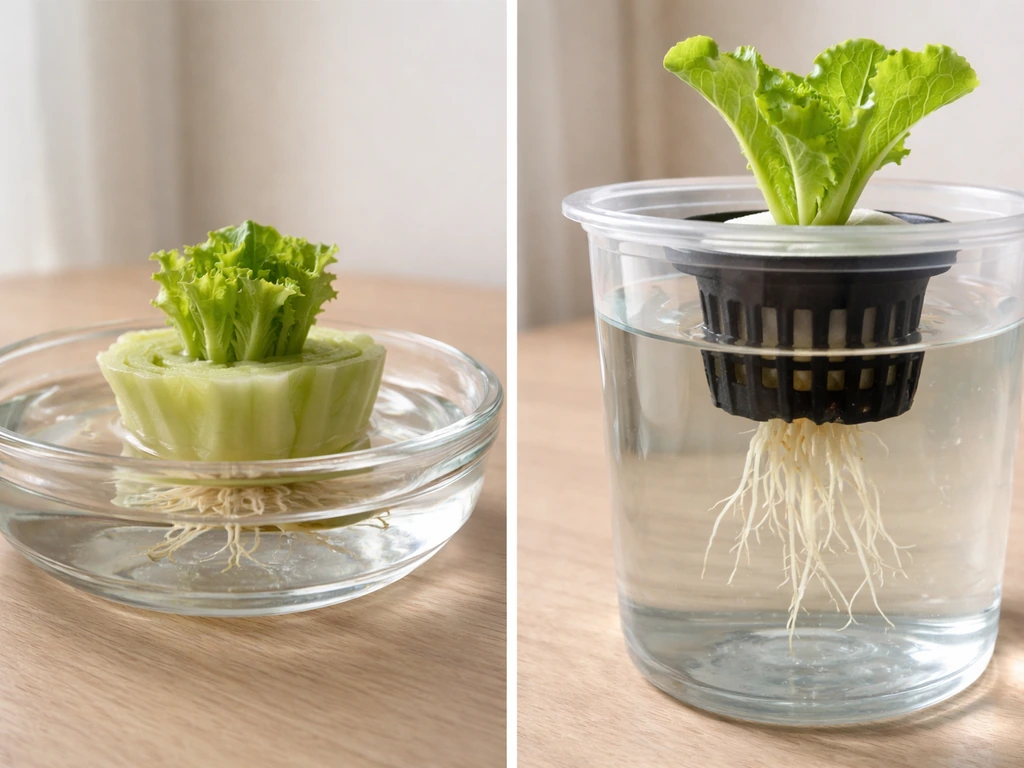
There are two very different things people mean when they search this. The first is the popular cut-and-regrow trick: you slice the base off a head of lettuce, drop it in a shallow dish of water on your windowsill, and watch it sprout. The second is water-culture hydroponics, where you germinate seeds and grow full plants with their roots submerged in an oxygenated nutrient solution. Both involve water, but they produce wildly different results and have completely different timelines.
The stump-regrow method is more of a short experiment than a real food-production system. The plant draws on whatever starch and nutrients are stored in the base tissue to push out a bit of new growth. Once those reserves are gone, it's done. Water-culture hydroponics, on the other hand, is a legitimate and efficient way to grow full heads and get continuous harvests. If your goal is actually eating lettuce on a regular basis, understanding which method you're using changes everything about what to expect.
How long lettuce can actually live in plain water
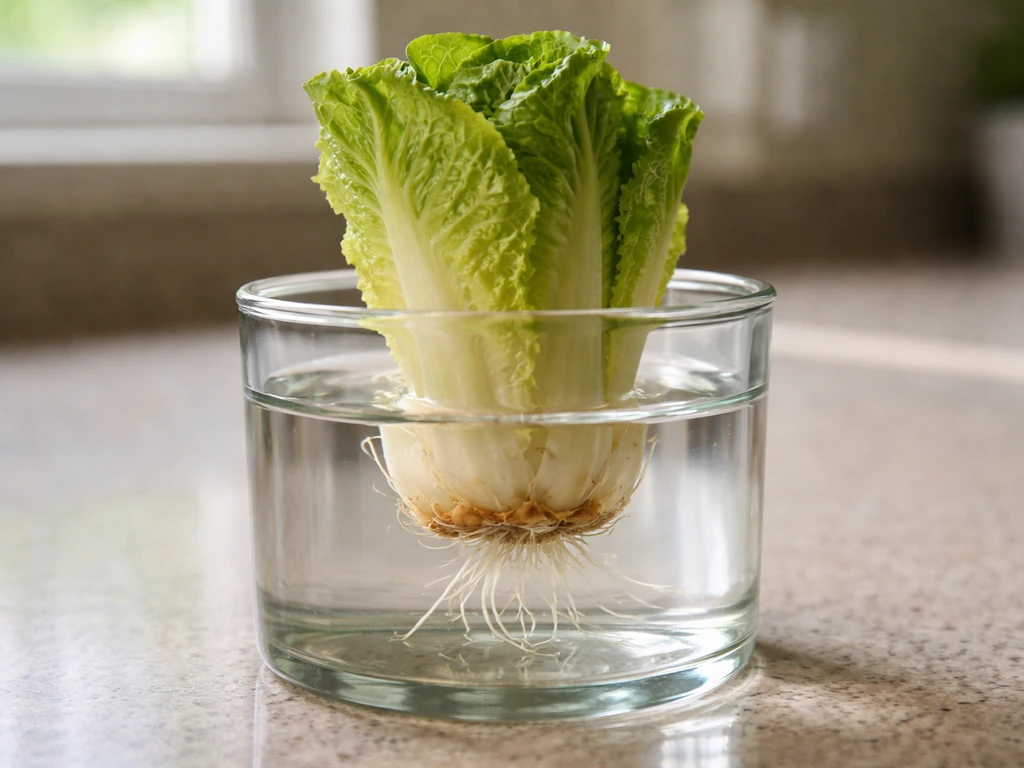
In plain, untreated tap water with no nutrients added, a lettuce stump will push out roots and new leaves within a few days. Most people see visible root nubs in 2 to 3 days and small new leaves forming around day 4 to 7. That's genuinely exciting the first time you see it. But here's the honest part: growth slows sharply after the first week and usually stops producing anything useful by week 2. The plant isn't dying dramatically, it just runs out of the raw materials it needs to build new tissue. Water alone has essentially zero electrical conductivity (EC near 0.0 mS/cm), which means there are no dissolved minerals or nitrogen for the plant to work with.
For a full seed-to-plant hydroponic grow in plain water, the outcome is similar. Seeds will germinate and seedlings will emerge, but without a nutrient solution, they'll yellow and weaken within 2 weeks as they exhaust the energy stored in the seed. Plain water is genuinely not capable of sustaining lettuce beyond that early phase. Think of it as a starter engine, not a fuel source.
The real harvest timeline: roots, leaves, and full heads
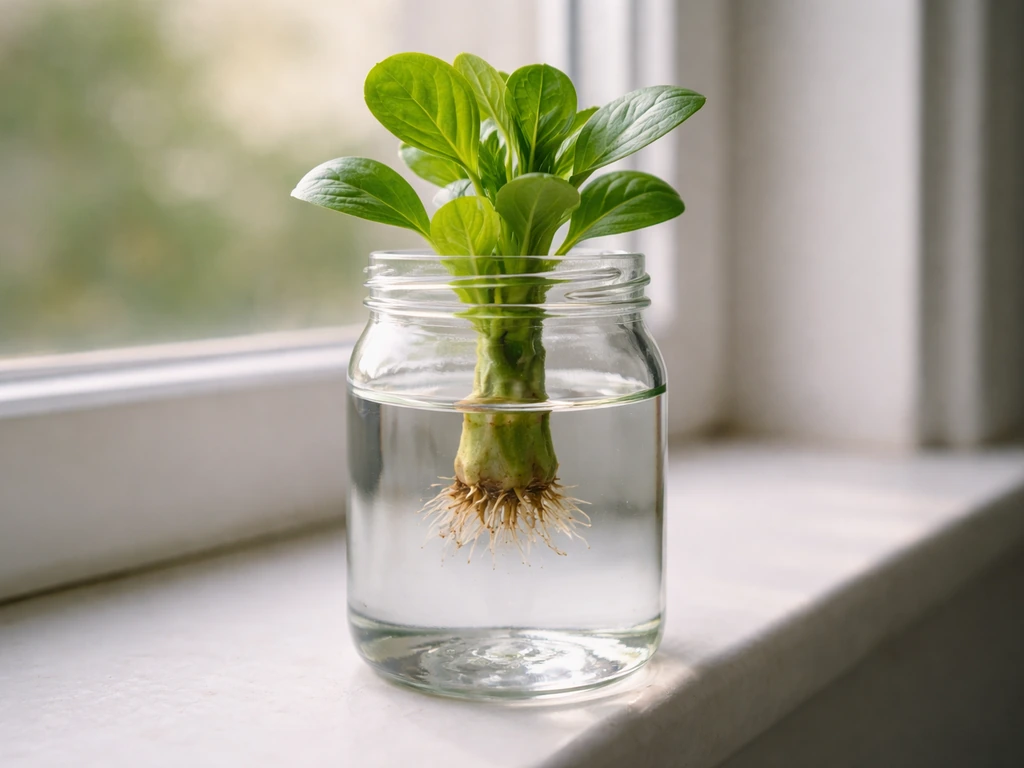
Here's how the timing actually breaks down depending on your method and whether you're using plain water or a nutrient solution:
| Method | Roots Visible | First New Leaves | Usable Harvest | Notes |
|---|---|---|---|---|
| Stump regrow in plain water | 2–3 days | 4–7 days | Days 7–14 (small amount) | Growth stops after ~2 weeks; not a full salad |
| Seed in plain water | 3–5 days | 5–10 days | Stalls at seedling stage | Yellowing begins by week 2 without nutrients |
| Stump or seedling in nutrient solution | 2–5 days | 5–10 days | 30–45 days from transplant | Multiple harvests possible with leaf lettuce |
| Seed to harvest in full hydroponics | 3–5 days (germination) | 7–14 days | 45–60 days from seed | Leaf types faster; head types take longer |
If you're running a proper water-culture hydroponic setup with nutrients, leaf lettuce varieties can reach harvest size in 30 to 45 days from transplant (or about 45 to 60 days from seed). If you are wondering how long it takes to grow lettuce indoors, that 30 to 45 day window is the key benchmark for a nutrient-based hydroponic setup how long does it take to grow lettuce indoors. That's comparable to growing lettuce indoors in soil, and in many cases faster, because the roots have constant access to water and nutrients without having to search through a growing medium. Baby leaf harvests can happen even earlier, around 25 to 30 days after germination.
Why growth eventually stops (and why plain water fails first)
Even in a well-managed hydroponic setup, things can go wrong over time. In plain water they go wrong fast. Here are the specific failure points, in roughly the order you'll encounter them:
- Nutrient deficiency: Lettuce needs nitrogen (100–150 ppm is a typical target), potassium, calcium, magnesium, and a range of micronutrients. Plain water provides none of these. Yellowing, pale color, and stunted leaves are the first symptoms.
- Low dissolved oxygen (DO): Roots need oxygen dissolved in the water to function. The target for healthy lettuce growth is around 7 mg/L (ppm). Below 3 mg/L, growth is severely stressed. Below 2.1 mg/L, vigorous growth essentially stops. Stagnant, unmoving water in a jar quickly drops to dangerously low DO levels.
- Root rot: Without oxygen and with no antimicrobial protection, roots sitting in still, warm water become a perfect environment for Pythium and other water molds. You'll notice roots turning brown and slimy.
- Temperature: Water temperature above 25°C (77°F) reduces how much oxygen the water can hold and promotes root disease. Keeping the water cool is critical, not just for plant comfort but for basic oxygen chemistry.
- Algae buildup: Light hitting the water triggers algae growth, which competes with your plant for oxygen and nutrients and can clog roots.
- Nutrient solution aging: Even in recirculating hydroponic systems with nutrients, Purdue extension guidance recommends refreshing the reservoir solution every two weeks, because nutrient ratios shift as the plant selectively absorbs minerals.
How to get the most out of water-grown lettuce
Whether you're doing a simple stump regrow or a more serious hydroponic grow, a few practices make a real difference in how long the plant stays productive and how much it actually grows.
Light: more than you think you need
A windowsill usually isn't enough for sustained growth. Cornell's controlled-environment lettuce production targets around 17 mol/m²/day of light. For a practical indoor setup, that translates to 14 to 16 hours of light per day under a decent LED grow light. A south-facing window in summer might get close, but an overcast window in winter won't cut it. If your lettuce is stretching toward the light or staying pale, that's a light deficit problem.
Water changes and aeration
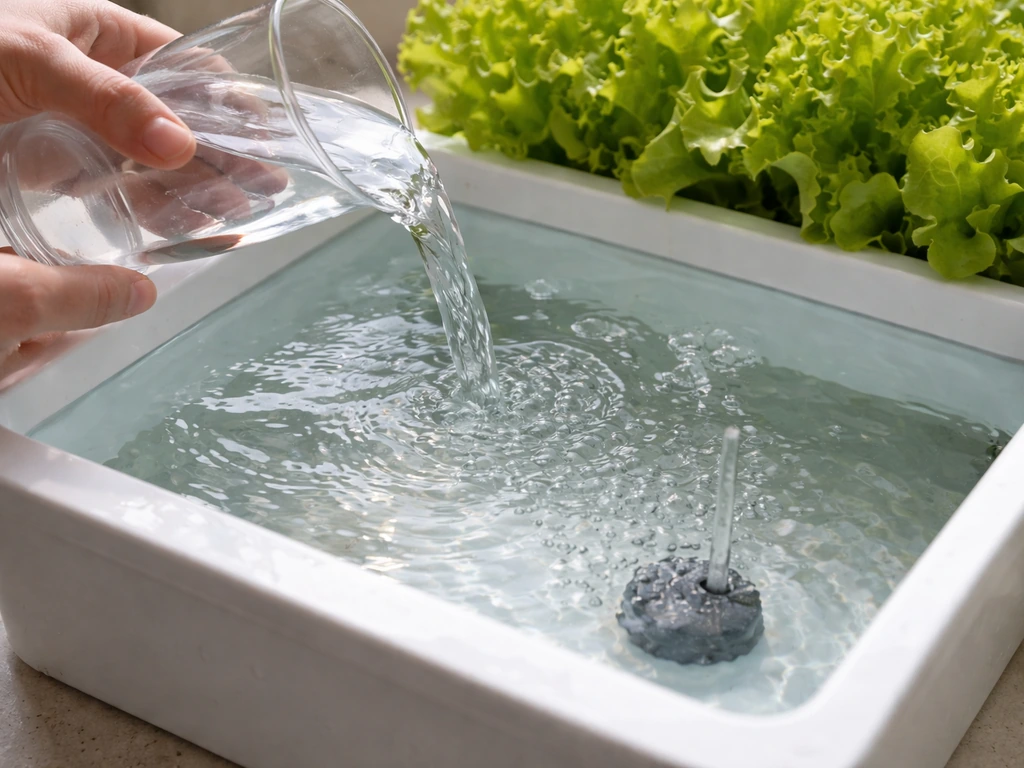
For a stump in a dish of water, change the water every 1 to 2 days. This removes waste metabolites, refreshes any dissolved oxygen, and prevents bacterial buildup. For a hydroponic setup, an air stone and small aquarium pump are the single best upgrade you can make. Keeping dissolved oxygen above 6 to 7 mg/L (ppm) is one of the clearest predictors of healthy lettuce roots. If you can't add an air stone, at least change the water daily and make sure your container isn't sitting in warmth.
Temperature
Keep water temperature below 25°C (77°F), and ideally between 18 and 22°C (65 to 72°F). This is the zone where oxygen stays dissolved in water most efficiently and root disease pressure is lowest. If your home runs warm in summer, consider placing your container in a cooler spot or doing grows during the cooler months. Lettuce genuinely performs better in cool conditions, and water temperature has a direct impact on how much dissolved oxygen your roots get.
Opaque containers
Block all light from reaching your water. Use a dark container, wrap a clear one in foil or dark tape, or use a lid with cutouts for your plants. Light in the water means algae, and algae means competition for oxygen, clogged roots, and a messy system. This is one of the easiest wins and one of the most commonly skipped steps.
Add nutrients when you're ready to go further
If you want genuine, continuous lettuce production in water, you need to add a hydroponic nutrient solution. Target an EC of around 1.2 to 1.8 mS/cm and a pH between 6.0 and 7.0. A basic two-part or three-part hydroponic nutrient mix from any garden center will give the plant the nitrogen, potassium, calcium, and micronutrients it needs. Penn State Extension notes that hydroponic nutrient programs are crop-specific, and it provides example nitrogen targets for hydroponic lettuce such as 100 to 150 ppm Hydroponics Systems. This single change takes your setup from a two-week experiment to a genuine growing system capable of multiple harvests.
Troubleshooting what goes wrong
Mold or algae on the water or roots
If you see green slime on the container walls or white fuzz on the roots, light is getting into your water and your change intervals are too long. Block all light from the reservoir, change the water immediately, rinse the roots gently with clean water, and reduce your water-change interval to every 1 to 2 days. In a hydroponic system with a nutrient solution, you can also replace lost solution every two weeks with fresh mix rather than just topping up.
Yellowing leaves
Yellow leaves in plain water almost always mean nutrient deficiency, specifically nitrogen starvation. If it's happening in the lower, older leaves first, that's a classic sign. The fix is to add a proper nutrient solution. If you're already using nutrients and still seeing yellowing, check your pH (it should be 6.0 to 7.0 for lettuce), because a pH that's too high or too low locks out nutrients even when they're present in the water.
Slow or stopped growth
If the plant looked like it was doing fine for the first week and then just stopped, run through this checklist: Is there enough light (14+ hours)? Is the water temperature under 25°C? Is there any nutrient source? Is the water being changed or aerated? Most slow-growth problems trace back to one of these four things. If you're doing all of them and growth is still sluggish, check whether roots are brown or slimy, which points to a root rot problem rather than a nutrition or light issue.
Brown, slimy roots (root rot)
Healthy roots should be white or light tan and slightly fuzzy with root hairs. Brown, slimy, or mushy roots mean root rot, usually from low oxygen, warm water, or bacterial/fungal infection. If you catch it early, remove the affected roots, clean the container thoroughly, lower the water temperature, and add an air stone if you don't have one. If the entire root mass is compromised, it's time to start fresh rather than try to save the plant.
Brown leaf edges (tipburn)
Brown or papery edges on inner leaves are tipburn, a calcium-related issue often caused by poor water movement to rapidly growing tissue. CurrentGardening links lettuce tipburn risk to calcium and uptake problems, and explains why systems like plain water fail over time tipburn, a calcium-related issue. In plain water it's almost guaranteed to show up because there's no calcium available at all. In a nutrient solution, it can happen if the EC is too high, water temperature is fluctuating, or airflow over the leaves is poor. Lowering EC, improving air circulation, and maintaining stable conditions usually reduces it.
Best lettuce varieties for water growing and when to upgrade your system
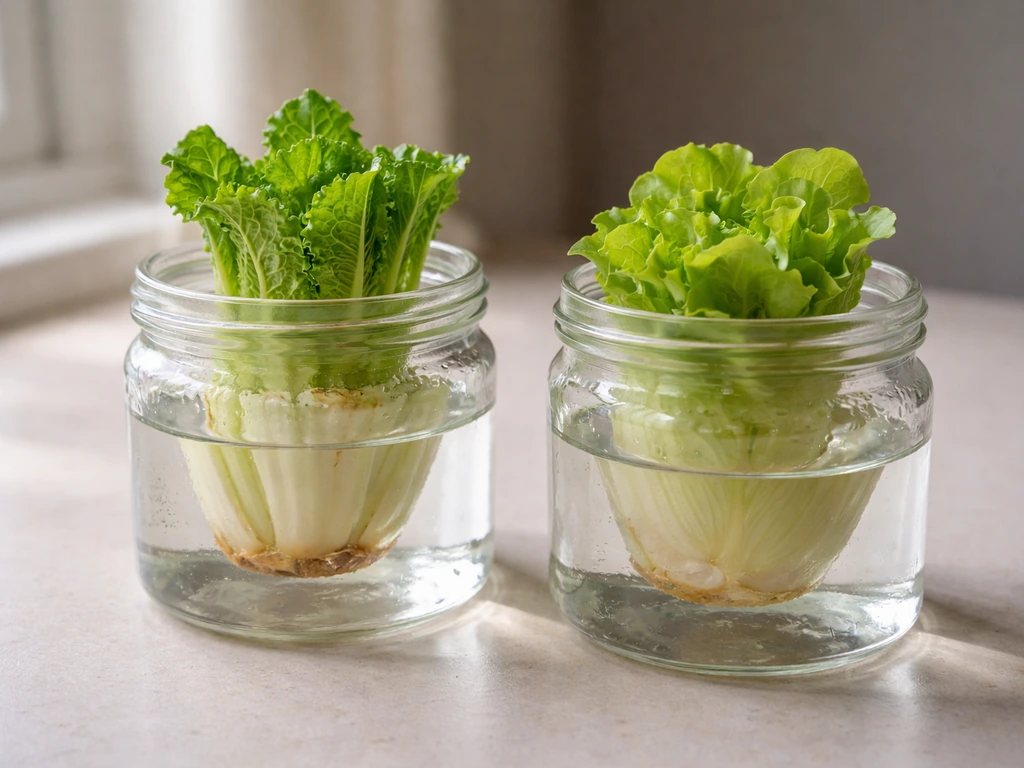
Not all lettuce types respond equally well to water-based growing. For a simple stump regrow in plain water, butter lettuce and romaine stumps tend to produce the most visible new growth because of their compact base structure. For genuine water-culture hydroponics with nutrient solution, loose-leaf varieties are the best choice for beginners because they're fast, don't need to form a head, and can be harvested continuously by cutting outer leaves.
| Variety Type | Water Regrow (Plain Water) | Full Hydroponics (With Nutrients) | Days to Harvest (Hydro) | Notes |
|---|---|---|---|---|
| Loose-leaf (e.g., Oak Leaf, Red Sails) | Good for experiment | Excellent | 30–40 days from transplant | Cut-and-come-again; best for multiple harvests |
| Butterhead (e.g., Buttercrunch, Boston) | Very good stump regrow | Very good | 35–45 days from transplant | Compact heads; great flavor in hydro |
| Romaine (e.g., Little Gem, Parris Island) | Good base structure | Good | 40–50 days from transplant | Needs slightly more space and light |
| Crisphead (e.g., Iceberg) | Poor regrow results | Moderate | 55–65 days from transplant | Slow to form heads; not ideal for water culture |
The honest recommendation: if you've done the stump-regrow experiment and enjoyed it, the natural next step is a simple deep water culture (DWC) setup with a proper nutrient solution. You'll get the same satisfaction of roots-in-water growing, but with actual harvests you can eat. A basic DWC setup uses a dark bucket or tote, net cups to hold the plants, an air stone and pump for oxygen, and a two-part nutrient solution. With leaf lettuce varieties, you can be cutting your first harvest in about 4 to 6 weeks. Lambs lettuce can have a different timeline than butter lettuce or romaine, so it helps to know how long lambs lettuce takes to grow for your setup how long lambs lettuce take to grow. If you are growing little gem lettuce specifically, the same water-culture hydroponics timelines apply, with baby leaves often first and full-size harvests following a few weeks later leaf lettuce varieties. In an AeroGarden, the timeline is similar: with nutrients and the right light, leaf lettuce is often ready to start harvesting in about a month cutting your first harvest in about 4 to 6 weeks. Staggering new plants every 2 weeks means you'll have a continuous supply rather than a one-time flush.
If you're comparing water-growing timelines to other setups, the numbers are similar to what you'd see growing lettuce indoors under lights in soil, which typically takes around 45 to 60 days from seed. The advantage of hydroponics is more control, faster and more consistent growth once conditions are dialed in, and no soil to manage. Lettuce is genuinely one of the best crops for a first hydroponic attempt precisely because it's fast, tolerant of beginner mistakes, and doesn't need a huge system to produce a meaningful amount of food.
Start with a stump in water if you want to see roots form in a few days and understand how the plant behaves. But if you want to eat what you grow, plan to add nutrients and give the roots some oxygen. That's the point where plain-water growing becomes real hydroponic growing, and the difference in what your plants can do is dramatic.
FAQ
How long can I keep lettuce alive in plain water, and will it keep producing leaves?
Not reliably. Lettuce can root in plain water, but it will usually stop producing useful new tissue after about 1 to 2 weeks because there is essentially no nitrogen and no other dissolved minerals. If your goal is eating lettuce, switch to a nutrient solution and aerate the roots.
Can I do multiple cut-and-regrow harvests from water-grown lettuce, and how do I cut it?
If you want repeated harvests, cut the outer leaves before the center gets stressed. Take a few large outer leaves, leave the growing point intact, and avoid stripping more than about one-third of the plant at once. In water culture with nutrients, that approach supports multiple cut cycles instead of a single flush.
What happens if my water or room temperature is warm, can lettuce still grow for weeks?
Yes, but only as a short bridge. Warm water speeds up bacterial growth and reduces dissolved oxygen, so production stalls sooner. As a practical rule, keep the reservoir below 25°C (77°F), and if your room often exceeds that, grow during cooler months or move the setup to a cooler spot.
If I use nutrients, how much does light change the harvest timeline?
Light directly affects how fast lettuce builds leaves, but it does not replace nutrients. With inadequate light, plants may look pale and growth slows, even if nutrients are present. Aim for roughly 14 to 16 hours of light per day under a suitable LED grow light for indoor setups.
How often should I change the water, and does aeration really matter?
You will usually see slow decline when the water quality worsens, especially if you are not aerating. For plain water, change it every 1 to 2 days for the dish stump, and for hydroponics use an air stone to keep oxygen high (target 6 to 7 mg/L). If you skip oxygen, roots often brown or get slimy, and the timeline shortens.
When should I give up on a stump in water and start a new one?
If you are doing stump regrow, use the remaining stump only as long as it stays firm and produces new leaves. Once new growth stops within about a week or two, the stored reserves are gone, and further waiting rarely improves the outcome. Starting fresh is usually faster and more productive.
How can I tell the difference between normal roots and root rot in water?
White fuzz or browning can be confusing, but texture and location matter. Healthy roots are white to light tan with fine root hairs, while brown, slimy, or mushy roots point to root rot from low oxygen, warmth, or contamination. If rot appears, remove compromised roots, clean the container, and increase aeration and cooling.
Why does my lettuce yellow even though I added nutrients?
Yes. Even with correct nutrient mix, a high or low pH can make nutrients unavailable, causing yellowing and weak growth. For lettuce, keep pH about 6.0 to 7.0, and check again after changes because pH can drift as plants uptake nutrients.
My reservoir has algae, will that shorten how long lettuce stays productive?
Algae is a sign that light is reaching the water, and it often correlates with oxygen competition and messy roots. Use a dark container or fully block reservoir light, then restart with fresh water or fresh nutrient mix if algae is heavy and roots look affected.
What container setup gives the longest productive growing time in water?
The best container depends on whether you want regrow or full hydroponic growth. For hydroponics, use opaque or light-blocking reservoirs, and keep roots submerged but ensure airflow from an air stone. Net cups with stable spacing help prevent roots from overcrowding, which can cause uneven growth.
How early can I start harvesting leaf lettuce grown in water, and does early cutting help?
For loose-leaf types, start harvesting earlier to encourage ongoing leaf production. Wait too long and the plant may bolt sooner or become harder to cut without stressing the growing point. Begin light harvesting around the baby-leaf stage, then shift to regular outer-leaf cuts as size increases.