Iceberg lettuce is moderately easy to grow, but it's noticeably harder than loose-leaf varieties. You can absolutely succeed as a beginner, but you need to nail two things: cool temperatures and the right timing. Get those right and a crisp, tight head is very achievable. Miss them, and you'll end up with loose leaves, bitter greens, or a plant that bolts before it even thinks about forming a head. The single biggest reason people struggle with iceberg specifically is heat. Temperatures above 85°F for even a few consecutive days will trigger bolting, and once that seed stalk shoots up, the harvest is over.
Is Iceberg Lettuce Easy to Grow? Beginner Success Guide
Marcus Holloway
15 May 2026
Easy or hard? The honest difficulty verdict
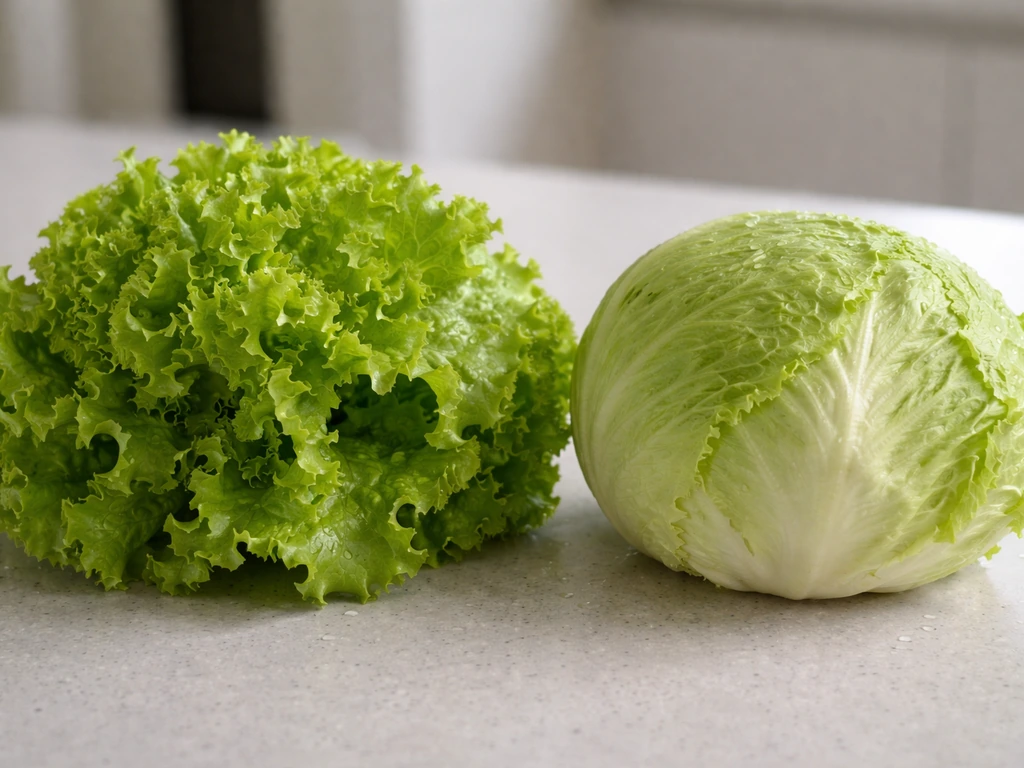
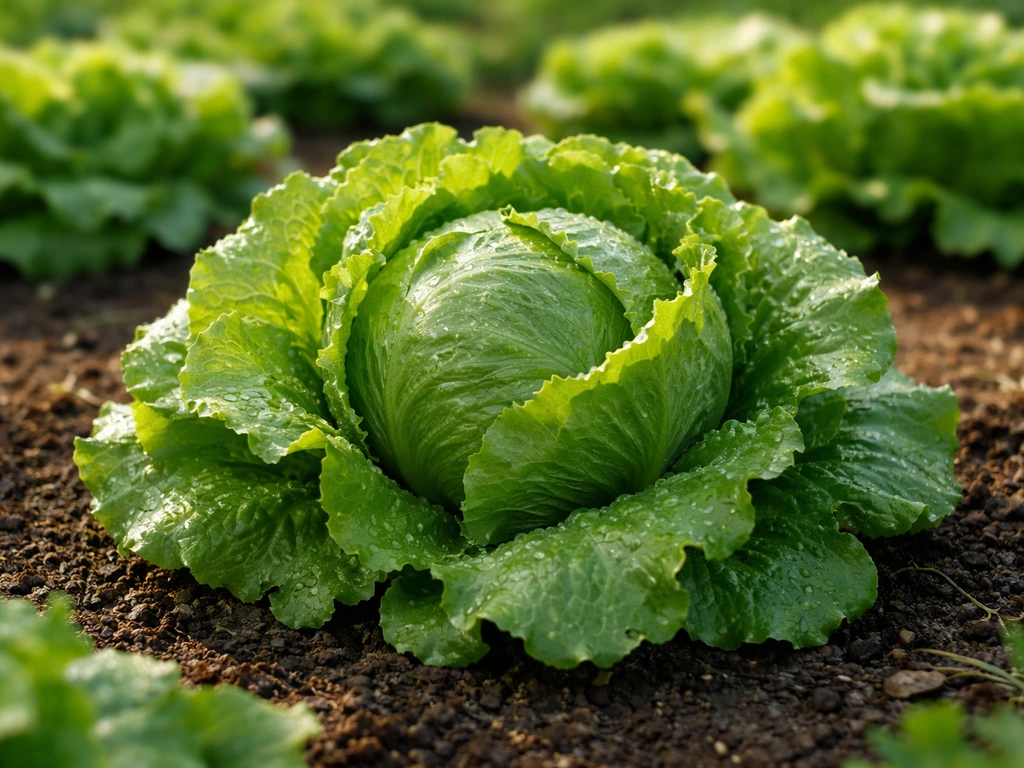
Leaf lettuce genuinely is easy to grow from seed. Iceberg (crisphead) lettuce is a step up in difficulty, especially in warmer climates. Clemson Extension puts it plainly: in the South, head lettuce is generally more difficult to grow than leaf lettuce. The tight, compact head that iceberg is known for only forms under sustained cool conditions, which means timing is everything and there's less margin for error than with loose-leaf types.
That said, "moderately difficult" doesn't mean "not worth trying. If you are wondering, “can you grow iceberg lettuce,” the answer is yes, as long as you match the cool-season timing and temperatures. " If you're in a cooler climate, or you're willing to time your planting carefully around spring and fall windows, iceberg is very doable. The key is understanding what it wants and working with that, not against it.
| Factor | Leaf Lettuce | Iceberg Lettuce |
|---|---|---|
| Difficulty level | Easy | Moderate |
| Heat tolerance | Better | Poor (bolts above 85°F) |
| Spacing needed | 6–8 inches | 12 inches |
| Days to harvest | 45–60 days | 70–85 days |
| Heading required? | No | Yes (cool temps essential) |
| Best for beginners? | Yes, start here | Yes, with timing discipline |
The conditions iceberg lettuce actually needs
Temperature: this is the non-negotiable
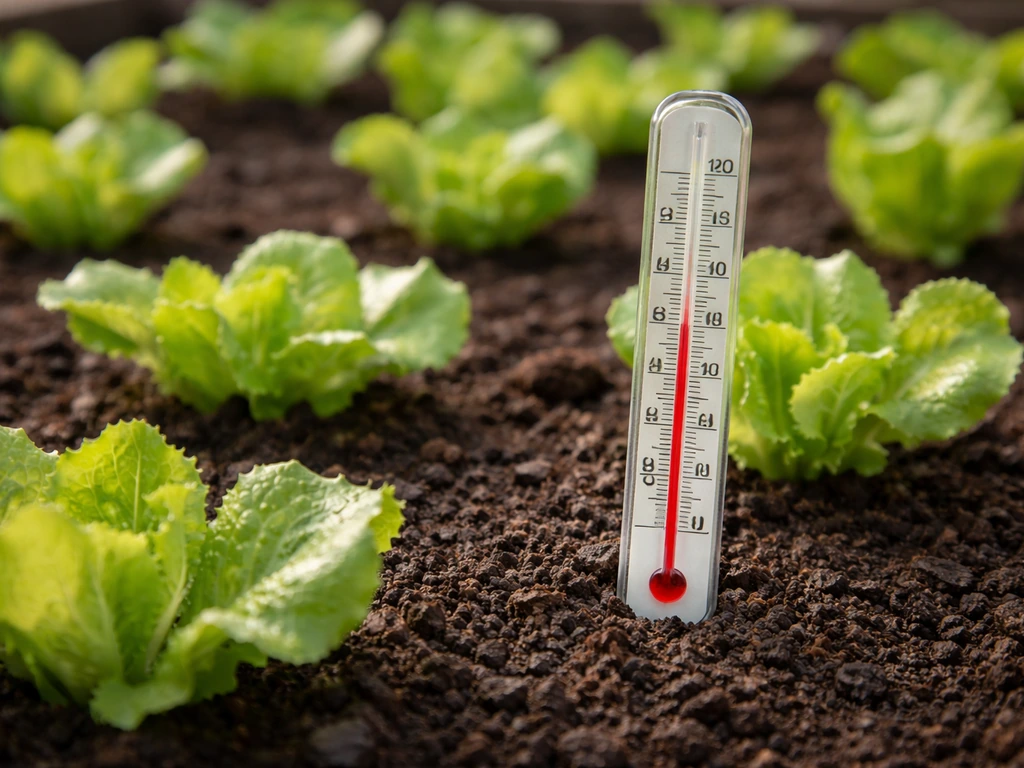
Iceberg lettuce is a cool-season crop, full stop. Seeds germinate anywhere from 35°F up to 80°F, but they perform best between 55°F and 65°F and typically emerge in 7 to 10 days under those conditions. NC State Extension publications also note that lettuce seed can [germinate as low as 35°F](https://content. ces.
ncsu. edu/lettuce), with optimal germination around 70, 75°F. Iceberg lettuce typically takes about 70 to 90 days from seed to harvest, depending on the weather and variety how long do iceberg lettuce take to grow. For growing the actual plant, a setup like 73°F during the day and 45°F at night is close to ideal.
Once temperatures push consistently above 85°F, bolting kicks in. The plant shifts energy from forming a head to producing a seed stalk, and that's where your harvest ends. This is why timing matters more with iceberg than almost any other vegetable.
Light requirements
Iceberg needs full sun outdoors, which means at least 6 hours of direct light per day. Indoors or under artificial light, aim for 14 to 16 hours of light per day. Unlike warmth, longer days alone don't trigger bolting as strongly as heat does, but the combination of high temperatures and long days is a double trigger. If you're growing indoors, good light intensity without heat buildup is the sweet spot.
Timing: spring and fall windows
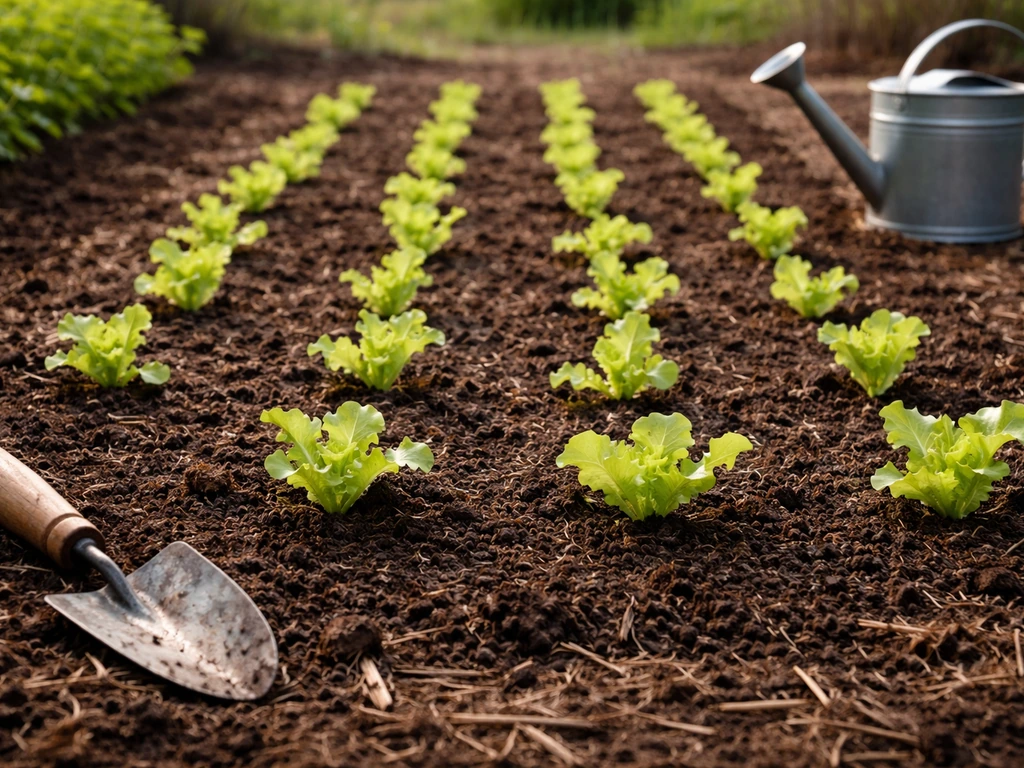
For spring planting, sow seeds or set transplants 1 to 2 weeks before your last frost date. The goal is for the plant to mature and produce a head before summer heat arrives. For fall planting, work backwards from your first expected frost date and plant so that maturity lands 1 to 2 weeks before that frost. You can also stagger plantings every two weeks for a continuous harvest, as long as temperatures stay below 80 to 85°F. If you're in a region with a very short cool window, using transplants started indoors gives you a head start and is worth the extra step.
Growing iceberg outdoors: step-by-step
- Choose your spot: Pick a location with full sun (6+ hours). In warmer climates, light afternoon shade can actually extend your cool-season window.
- Prepare the soil: Loosen the bed to about 6 inches deep. Work in no more than 1 inch of well-composted organic matter per 100 square feet. Iceberg likes fertile, well-draining soil.
- Sow seeds: Plant seeds 1/4 to 1/2 inch deep. Germination is best at 55–65°F, and seeds can emerge in 7–10 days. You can direct sow or start transplants indoors 4–6 weeks early.
- Thin to proper spacing: This is a step beginners frequently skip, and it's critical for iceberg specifically. Each plant needs about 12 inches of space on all sides. Crowded plants won't form tight heads.
- Mulch around the plants: A layer of mulch conserves soil moisture and keeps roots cool, which directly reduces the risk of bolting and tipburn.
- Water consistently: Lettuce has shallow roots and needs steady moisture. Inconsistent watering stresses the plant and leads to bitter leaves and tipburn. Water at the soil level, not overhead, to reduce disease risk.
- Fertilize lightly: If you've added compost, you likely don't need heavy feeding. Excess nitrogen actually contributes to tipburn, so don't overdo it.
- Harvest at the right time: Heads are ready when they feel firm and dense when gently squeezed. Don't wait too long; harvest spring crops as soon as they're ready to beat incoming heat.
Raised beds work especially well for iceberg because they drain better than in-ground beds and warm up faster in spring, giving you a jump on your planting window. The better drainage also reduces the damp conditions that encourage slugs and mildew.
Growing iceberg in containers or indoors
Container setup
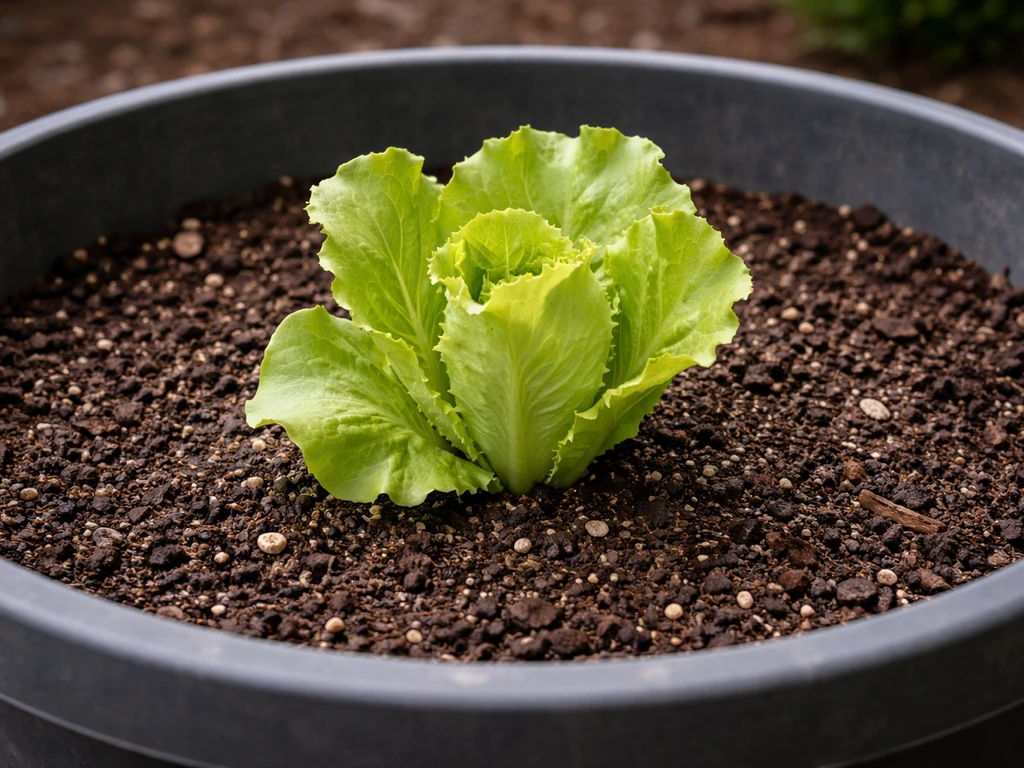
Iceberg can grow in containers, but you need to size up more than you'd expect. Each plant needs a container that's at least 12 inches wide and 8 to 10 inches deep to allow for decent root development. A larger pot or a wide rectangular planter works well if you want to grow more than one plant. Use a quality potting mix that drains well, not garden soil, which compacts and holds too much water in a pot.
Indoor light and temperature
If you're growing inside, a south-facing window rarely provides enough consistent light for iceberg to form a proper head. A grow light is almost always necessary. Target 14 to 16 hours of light per day and keep the light close enough that the plants don't stretch and become leggy. Indoors also gives you a huge advantage in temperature control: keeping the room between 60 and 70°F is ideal, and you avoid the outdoor heat spikes that cause bolting.
Watering and feeding in containers
Containers dry out faster than garden beds, so you'll need to water more frequently, sometimes every day in warm conditions. Check the top inch of soil: if it's dry, water thoroughly until it drains from the bottom. Avoid letting the pot sit in standing water. Feed with a balanced, diluted liquid fertilizer every 2 to 3 weeks, but don't push heavy nitrogen, especially as heads start to form.
Growing iceberg hydroponically
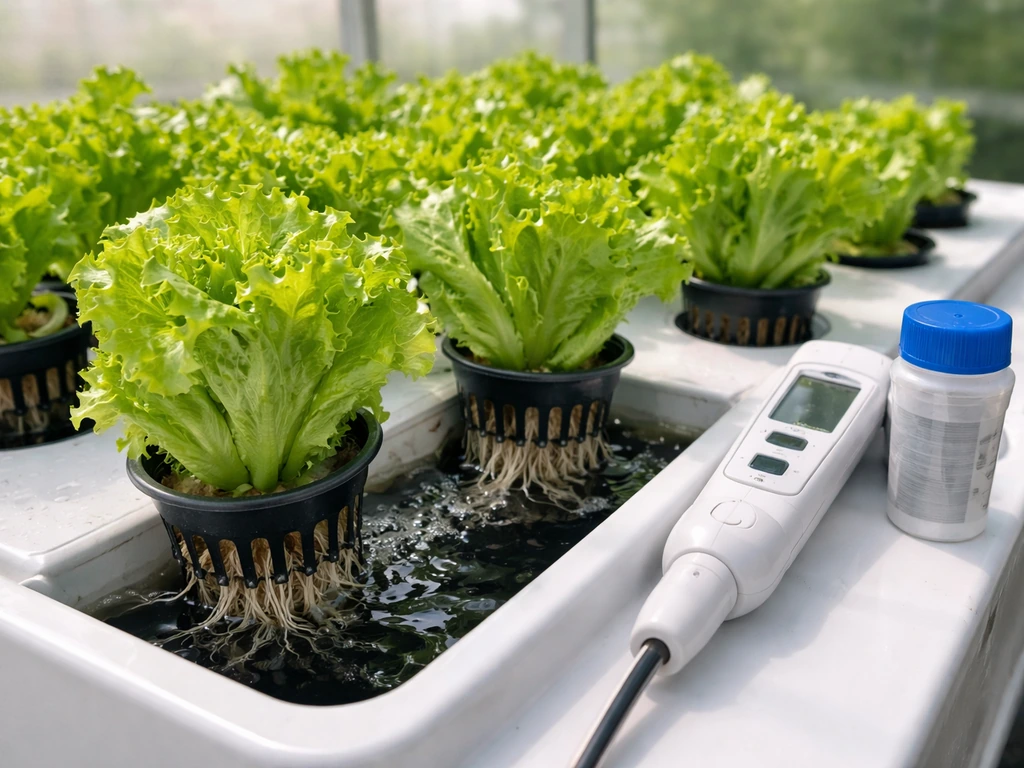
Hydroponic growing is actually one of the most reliable ways to get iceberg lettuce to form tight heads, because you have precise control over nutrients, pH, and temperature. It's a bigger upfront setup, but once dialed in, results are consistent and fast.
The key parameters
- pH: Keep your nutrient solution between 6.0 and 7.0 for lettuce. Drifting outside this range locks out nutrients and causes deficiency symptoms even when nutrients are present.
- EC (electrical conductivity): Target 1.2 to 1.8 dS/m for lettuce. Too high and you stress the roots; too low and growth is slow and weak.
- Dissolved oxygen: Aim for 6 to 9 ppm in DWC (deep water culture) systems, or 5 to 8 ppm in NFT (nutrient film technique) setups.
- Water temperature: Keep it below 70°F to prevent root rot and support healthy oxygen levels.
- Light: 14 to 16 hours per day under LED or fluorescent grow lights.
Common hydroponic pitfalls
The biggest mistake beginners make in hydroponics is guessing at pH and EC instead of measuring them. Get a reliable pH meter and an EC pen before you start, and test your source water first before adding nutrients. Tap water varies widely, and starting with accurate baseline numbers is what separates successful hydroponic growers from frustrated ones. Also watch for tipburn in hydroponic setups: it's linked to water stress and adverse conditions, not just calcium deficiency, so consistent solution flow and stable temperatures matter a lot.
Common problems and how to fix them
Bolting (plant sends up a seed stalk)
Bolting is caused by heat, long days, or both. Once a plant bolts, the harvest is over for that plant. Prevent it by timing plantings correctly, choosing slow-bolting varieties like Ermosa, and harvesting spring crops as early as you can. If your climate has a very short cool window, start with transplants indoors rather than direct sowing.
Head not forming (loose leaves, no tight head)
This usually means temperatures were too warm during the critical heading phase, spacing was too tight, or the variety wasn't suited to your conditions. Try planting 2 to 3 weeks earlier in spring, give each plant a full 12 inches of space, and consider choosing a variety bred for head formation in your climate.
Bitter leaves
Bitterness comes on as temperatures climb and stress increases. It often appears just before bolting. If your lettuce has turned bitter, harvest immediately and use it. Going forward, plant earlier, water more consistently, and use mulch to keep soil temperatures cooler.
Tipburn (brown leaf edges)
Tipburn is linked to water stress and adverse conditions including heat and excess nitrogen. It's not simply a calcium deficiency you can fix by adding calcium. The fixes are: water consistently so the plant is never under moisture stress, avoid overfertilizing with nitrogen, and keep temperatures cool. In hydroponics, make sure solution flow is reaching all roots.
Weak or slow growth
If seedlings are pale, stretched, or growing very slowly, low light is the most common cause indoors. Outdoors, check that the bed has adequate fertility. Also verify you're not planting in soil that's too cold: germination basically stalls below 35°F and is slow below 55°F. If seeds aren't emerging after 14 days, check soil temperature first.
Pests: slugs and aphids
Slugs are a real problem for lettuce. They chew irregular holes in leaves, mostly at night or on cloudy days. Reduce damp, shaded hiding spots around your bed, and consider raising containers off the ground. Aphids cluster on new growth and under leaves; a strong spray of water knocks most of them off. In humid or crowded conditions, also watch for damping-off in seedlings (caused by overwatering and poor airflow) and downy or powdery mildew on older leaves. Space plants properly and water at the base to reduce mildew pressure.
Poor germination
Lettuce seed is small and shouldn't be buried more than 1/4 to 1/2 inch deep. Planting too deep is a classic beginner mistake. Also, if soil temperatures are above 80°F, germination drops off sharply. If you're trying to start seeds in summer for a fall crop, start them indoors in a cool spot rather than directly in hot garden soil.
Variety choice makes a real difference
Not all iceberg varieties perform equally under heat or in short cool windows. Slow-bolting varieties exist and are worth seeking out if you've failed before. Varieties like Ermosa are specifically noted for slower bolting, which gives you more time in warmer conditions. If you're in a warmer climate like the South, Clemson Extension recommends slow-bolting or heat-resistant varieties as the practical solution for extending your harvest window. The variety you choose is genuinely one of the most impactful decisions you can make before planting.
Your beginner success checklist
Use this as a go/no-go list before and during your grow. If you can check every box, you're set up for a real iceberg head, not just loose leaves.
- Confirmed planting timing: seeds or transplants go in 1–2 weeks before last frost (spring) or 70–85 days before first frost (fall).
- Soil or air temperature at planting is between 40°F and 70°F, ideally 55–65°F for germination.
- Chosen a slow-bolting or heat-tolerant variety for your climate, especially in warmer regions.
- Each plant has 12 inches of space on all sides—no crowding.
- Seeds planted no deeper than 1/4 to 1/2 inch.
- Consistent watering plan in place; soil stays moist but not waterlogged.
- Mulch applied around plants to retain moisture and keep roots cool.
- Grow light set to 14–16 hours per day if growing indoors (or a well-lit south-facing window at minimum).
- Hydroponic growers: pH meter and EC pen on hand, pH held at 6.0–7.0, EC at 1.2–1.8.
- Harvest plan ready: heads get squeezed regularly; harvest as soon as they feel firm and dense.
- Backup plan for heat spikes: shade cloth, or willingness to harvest early if temperatures climb above 80°F.
The big-picture takeaway is this: iceberg lettuce rewards good timing more than almost any other technique. Get the temperature window right, give each plant its space, keep moisture consistent, and you'll get a proper head. The people who fail with iceberg almost always planted too late in spring or skipped thinning. Fix those two things and you're most of the way there.
If you're curious about how iceberg actually forms its head, or want to explore whether regrowing from a stump or core is worth trying, those are separate rabbit holes that are genuinely interesting for anyone who wants to get more from each plant. If you want the best results, follow a dedicated guide for how to grow iceberg lettuce from stump so you can manage temperature, moisture, and timing regrowing from a stump or core.
If you want the full picture of how iceberg lettuce grows, follow the steps for timing, temperature, and head formation how iceberg actually forms its head. If you want a simple walkthrough, focus on getting the temperature and timing right so the plant can form a tight head instead of bolting how does iceberg lettuce grow.
FAQ
When should I start iceberg lettuce if my summers start early?
Start so harvest falls before sustained heat, ideally 2 to 3 weeks ahead of your typical hot spell. If your cool window is shorter than about 70 to 90 days, use transplants and pick slow-bolting varieties to reduce the risk of bolting during heading.
Why did my iceberg heads stay loose even though I watered regularly?
Loose heads usually point to timing or temperature during the heading phase, not just watering. Confirm the plant matured under consistently cool conditions, and make sure spacing and full sun (at least 6 hours outdoors) allowed proper head formation.
Is it easier to grow iceberg lettuce from transplants or from seed?
Transplants are easier when your climate has unpredictable spring heat, because they shorten the time the crop spends in warm weather. Direct seeding works well in cooler regions if you can keep soil and air temps in the best germination and early growth range.
Can I grow iceberg lettuce in partial shade?
Partial shade usually makes iceberg struggle to form a tight head. Outdoors, aim for at least 6 hours of direct sun, and avoid relying on bright windows indoors, because insufficient light leads to weak growth and poor heading.
What soil or potting mix should I use for iceberg lettuce?
Use well-draining potting mix for containers, not garden soil, which can compact and hold too much water in a pot. In beds, focus on drainage and avoid waterlogged areas, since soggy conditions raise disease pressure and reduce root performance.
How often should I fertilize iceberg lettuce without causing tipburn?
Feed lightly and consistently, every 2 to 3 weeks with a balanced diluted fertilizer, and avoid heavy nitrogen as heads form. Inconsistent moisture plus excess nitrogen is a common pathway to tipburn, so keep irrigation steady and do not “chase growth” with extra nitrogen.
Does mulching help iceberg lettuce, and where does it matter most?
Yes. Mulch helps keep soil temperatures cooler and reduces moisture swings, which helps prevent bitterness and stress-related problems. It is especially useful in late spring when the ground starts heating up and lettuce is trying to head.
How do I prevent bolting if a heat wave hits suddenly?
The most reliable fix is prevention by earlier planting, but if heat arrives mid-season, keep plants as cool as possible (shade cloth during peak sun, consistent watering to avoid stress, and avoid high-nitrogen feeding). Still, once bolting starts with the seed stalk, that plant’s harvest window is effectively over.
How far apart should I thin or space iceberg lettuce?
Give each plant about 12 inches of space, especially if you are aiming for tight heads. Too-tight spacing can restrict airflow and head development, and it also makes seedlings compete for moisture and nutrients.
Can I harvest iceberg “early” without ruining the head?
You can harvest when the head feels firm and reaches full size for the variety, but do not keep waiting once firmness stops improving. If you notice bitterness setting in, harvest immediately and use it, since quality declines quickly as stress and heat increase.
Why do my seedlings look pale or stretched indoors?
Low light is the most common cause indoors, not lack of fertilizer. Increase light intensity and keep the grow light close enough to prevent stretching, targeting 14 to 16 hours of light per day.