Iceberg lettuce takes about 70 to 80 days from planting to harvest under ideal midsummer conditions. If you're growing in cooler fall or winter temperatures, that timeline stretches to as long as 130 days. The exact number depends heavily on your setup, your climate, and a few key decisions you make at planting time.
How Long Do Iceberg Lettuce Take to Grow From Seed
Marcus Holloway
1 May 2026
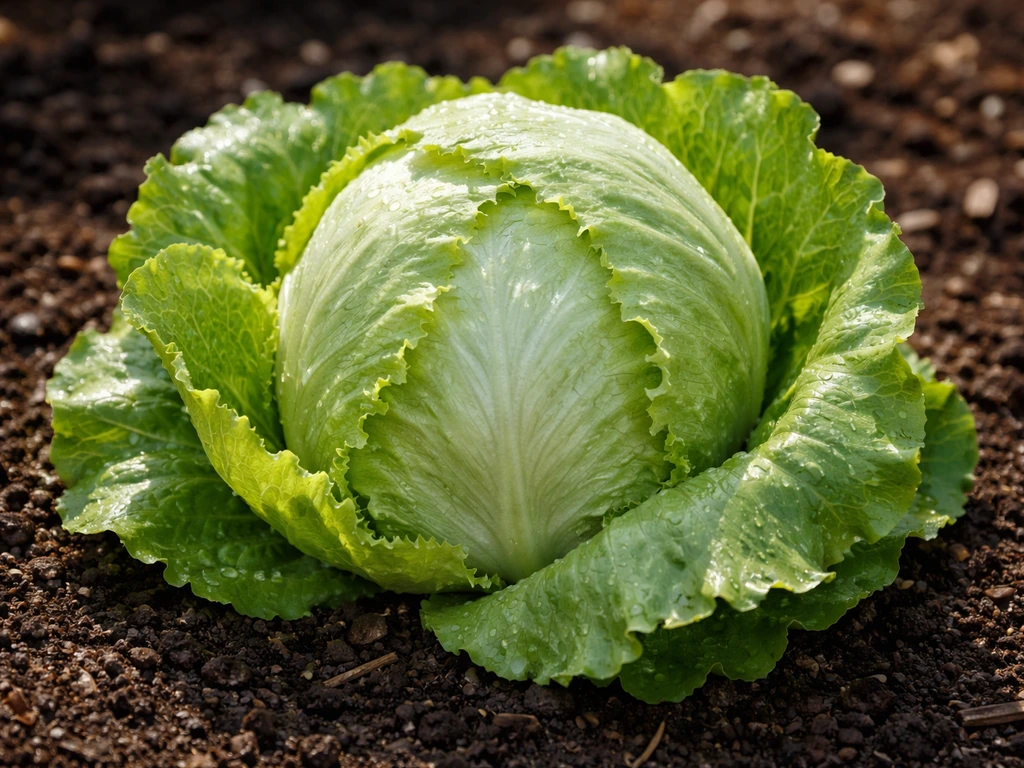
Typical growth time for iceberg lettuce
The 70 to 80 day window is what most people quote, and it's accurate for warm-season growing when temperatures are sitting in that sweet spot: around 73°F during the day and 45°F at night. That's the combination iceberg lettuce genuinely loves. Push outside those ranges and the clock changes. Grow it in fall or winter and you're looking at a much longer road, sometimes double the time, because cool weather slows every stage of development. Grow it when temperatures climb too high and you'll hit a different wall entirely: bolting and bitter leaves before the head ever forms properly.
It's worth knowing that iceberg is one of the slower lettuces to mature. Loose-leaf varieties are ready in 45 to 60 days. Iceberg has to build a dense, tightly wrapped head, and that takes more time and more consistent conditions. If you're new to growing iceberg specifically, set realistic expectations from the start and you'll avoid a lot of frustration.
Full timeline from seed to harvest
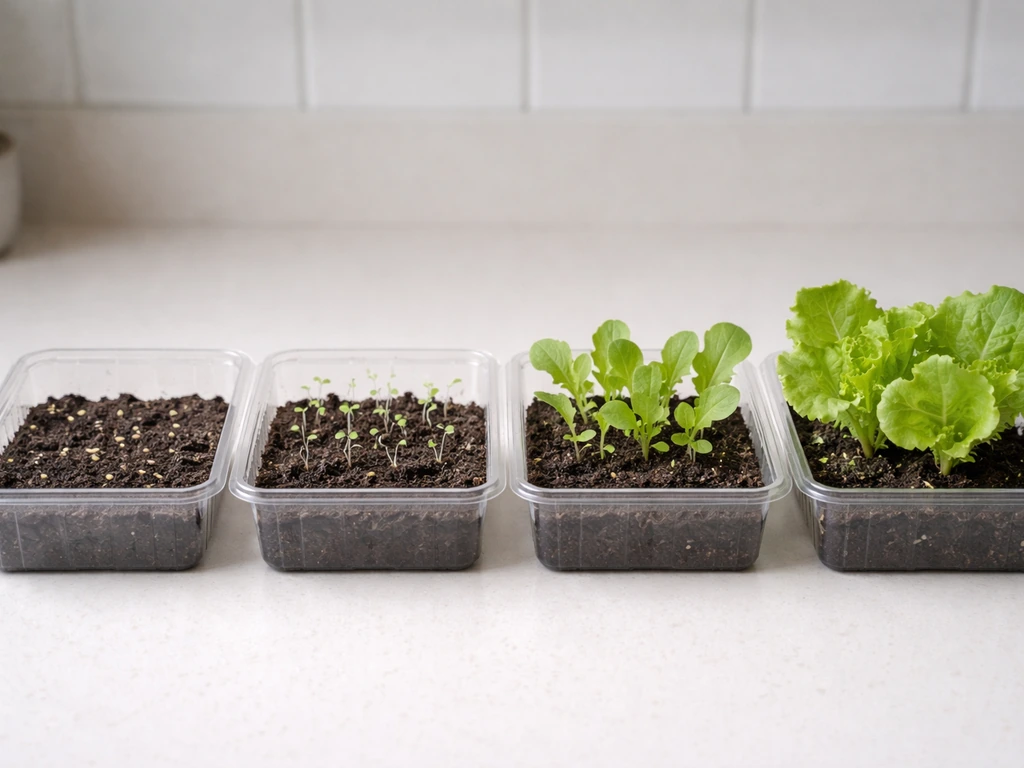
Here's how the stages break down so you can track where you are at any point during the grow:
- Germination: 2 to 10 days. Lettuce seeds germinate in soil temperatures between 35°F and 80°F, with the optimum range being 40 to 80°F. Once soil temps creep above 80°F, seeds go dormant and won't sprout until things cool down.
- Seedling stage: 10 to 21 days after germination. You'll see the first true leaves form and the plant establish a root system. This is the most fragile stage.
- Vegetative growth: 3 to 5 weeks of active leaf production. The plant is building mass before it starts to form a head.
- Head formation: 2 to 4 weeks. This is when iceberg earns its name — the leaves begin folding inward and tightening into the dense ball shape. Temperature consistency matters most here.
- Harvest: Day 70 to 80 under optimal conditions; day 100 to 130 in cool fall/winter growing.
If you started from transplants instead of direct-seeding, subtract about 3 to 4 weeks from the total time since the seedling stage is already done for you. Transplanting is genuinely one of the easiest ways to shave time off your harvest date, especially if you're starting late in the season.
When to grow: it's mostly about temperature
Timing your planting around temperature is the single most important factor in getting iceberg to head up properly. University of Nebraska, Lincoln Extension provides a germination timing table for lettuce, listing days to germinate under optimum temperature and moisture conditions. Iceberg is a cool-season crop, which means it thrives when nights are cold and days are moderate, but it's pickier than other cool-season greens. It won't tolerate a hard freeze, but it also sulks when summer heat hits.
For most gardeners in the Northern Hemisphere, that means two viable windows: a spring planting (direct seed or transplant 4 to 6 weeks before your last frost date) and a fall planting (start seeds in late summer so the main growing period lands in cooler fall weather). If you're in USDA zones 9 to 11, a winter planting is actually your best bet since your 'cool season' arrives later.
Here's the thing about soil temperature that trips people up: even if your air temperature looks fine, soil above 80°F causes lettuce seeds to go completely dormant. A seed-germination chart can help you target temps, such as lettuce germinating at a minimum of about 35°F with an optimum range around 40, 80°F lettuce germinating at a minimum of about 35°F with an optimum range around 40–80°F.
If you direct sow in late summer and your soil is still warm from summer, your seeds won't do anything until it cools. Either wait, or start seeds indoors where you control the temperature and then transplant when conditions outside improve. If you are wondering how does iceberg lettuce grow in your specific conditions, focus on temperature first and then dial in light, soil, and consistent watering.
How to speed up (or slow down) your harvest
Ways to get there faster
- Start with transplants rather than direct seeding. You skip the germination and early seedling phase, cutting 3 to 4 weeks off the total.
- Keep soil temperature in the 40 to 75°F range for the fastest germination if you are direct seeding.
- Give plants consistent moisture. Drought stress causes iceberg to slow down and can trigger premature bolting.
- Use a row cover or cold frame in spring to warm the soil earlier and extend your growing window by several weeks.
- Choose a faster-maturing variety. 'Crispino' and 'Ithaca' are both reliable iceberg types that tend to head up on the shorter end of the 70 to 80 day range.
- Hydroponics (more on this below) can trim real time off the total, often getting you to harvest in 60 to 70 days.
If you need to slow things down
Sometimes you've timed things a bit too well and everything is heading up at once, or you want to stagger harvests. You can slow growth intentionally by reducing nitrogen in your fertilizer mix, easing back on watering slightly (without stressing the plant), or simply letting cooler night temperatures do the work. Heads that form slowly in cold weather are often denser and crisper than fast-grown summer heads. A light frost actually improves the flavor by converting starches to sugars.
Outdoor, indoor, and hydroponic: how the timeline differs
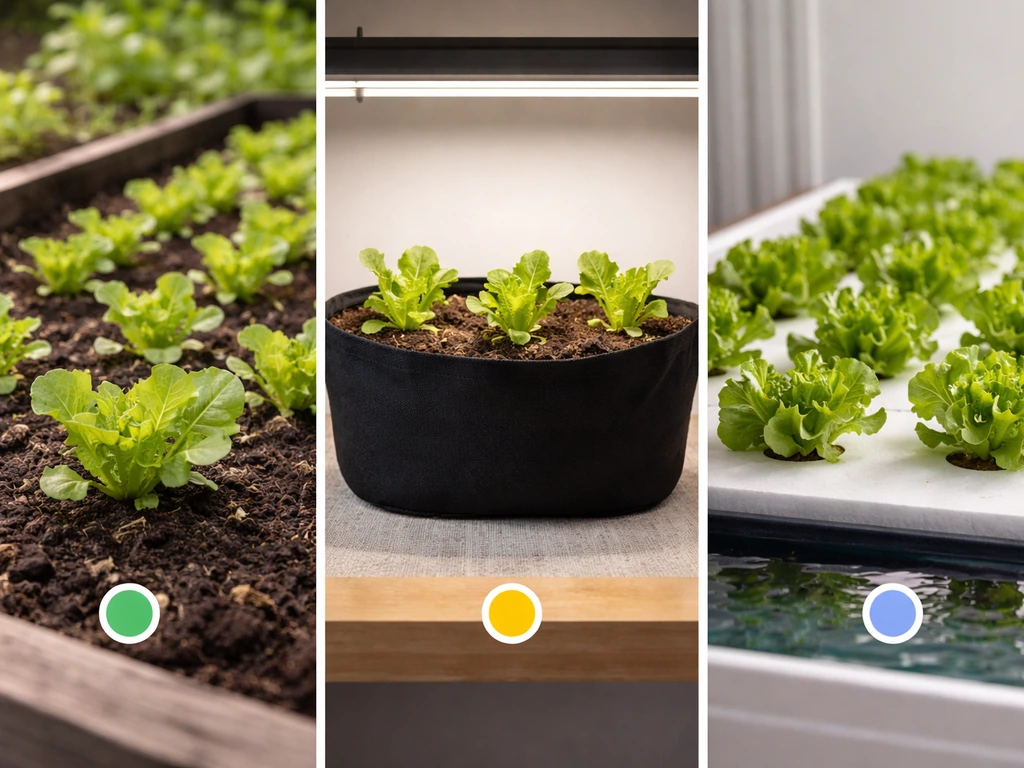
| Growing Method | Typical Days to Harvest | Key Timing Factor |
|---|---|---|
| Outdoor garden bed | 70–130 days | Season and ambient temperature control everything |
| Indoor containers (soil) | 75–100 days | Light quality is the main limiter; most indoor setups lack intensity |
| Hydroponic (indoor) | 60–75 days | Consistent nutrients, no soil temp issues, year-round possible |
| Cold frame or greenhouse | 80–100 days in winter | Extends season but doesn't fully replace warm temps |
Outdoor growing gives you the most natural conditions but the least control. You're at the mercy of your climate, and if a heat wave hits during head formation, there's not much you can do besides add shade cloth and water consistently. Outdoor iceberg in a good spring season is genuinely satisfying and usually produces the best-tasting heads.
Indoor container growing is possible but honestly challenging for iceberg specifically. The problem isn't temperature, it's light. Iceberg needs strong, consistent light to build a proper head. A sunny south-facing windowsill usually isn't enough. If you're growing indoors in soil, plan on running a grow light for 14 to 16 hours a day and keep the room cool, ideally below 70°F. Even then, indoor iceberg heads tend to be looser than outdoor ones.
Hydroponics is where iceberg really shines as an indoor crop. With a nutrient film technique (NFT) or deep water culture (DWC) setup, you eliminate soil temperature issues, give roots direct access to nutrients, and can dial in light precisely. Most hydroponic growers report hitting harvest in 60 to 75 days consistently, year-round. If you want fresh iceberg without depending on the seasons, hydroponics is the way to go. Whether iceberg is genuinely easy to grow in any of these setups is a real question worth thinking through before you start, especially for beginners.
Planting decisions that directly affect your timeline
Soil prep
Iceberg roots want loose, well-draining soil with plenty of organic matter. Compacted or waterlogged soil slows root development and adds time to every stage. Work compost into the top 8 to 10 inches before planting. Aim for a soil pH between 6.0 and 7.0. If your soil drains poorly, raised beds or containers will consistently give you faster, more predictable harvests than in-ground planting.
Light requirements
Iceberg needs at least 6 hours of direct sun outdoors, and 8 is better during the vegetative stage. In full shade, plants grow slowly and rarely form tight heads. That said, in peak summer heat, afternoon shade actually helps prevent bolting, so a bit of strategic shade (morning sun, afternoon protection) can be the difference between a proper head and a bolted plant that's only useful for the compost bin.
Spacing
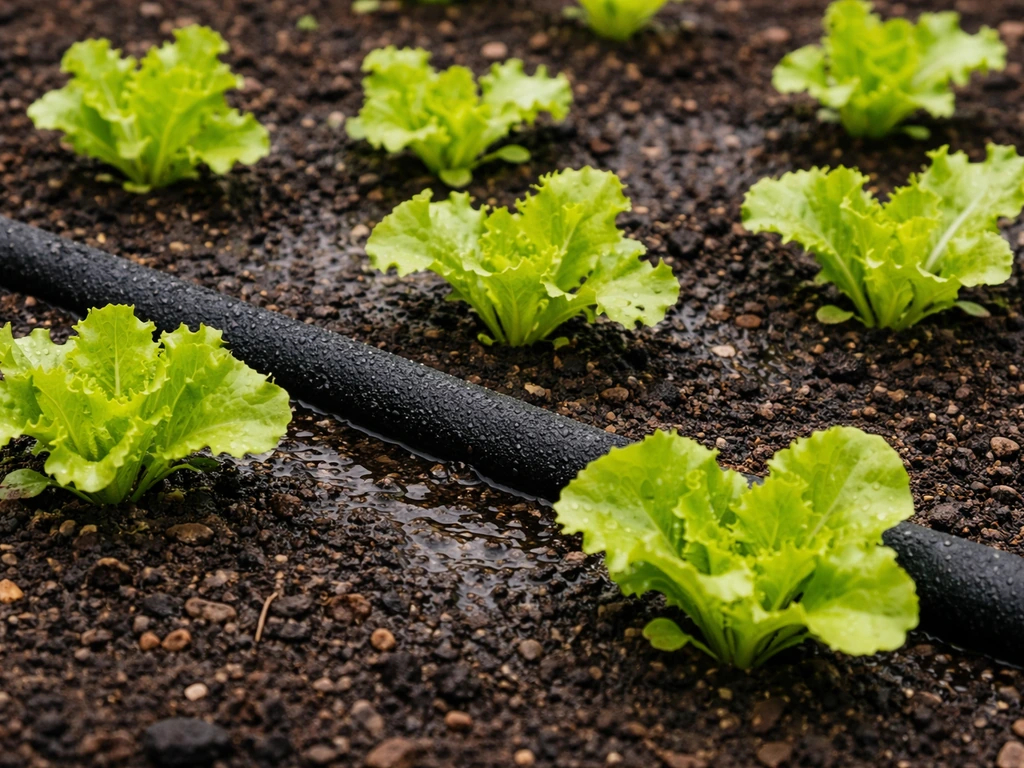
Give each iceberg plant 12 to 14 inches of space in every direction. This isn't a place to crowd things to save space. Iceberg heads need room to expand outward before they fold inward. Plants that are too close compete for nutrients and light, heads stay small or fail to form, and you end up waiting longer for a smaller payoff. Thin ruthlessly if you direct sow, even if it feels wasteful.
Watering
Consistent, even moisture is non-negotiable for iceberg. Uneven watering, dry spells followed by heavy watering, leads to tip burn (the brown leaf edges you often see on store-bought iceberg that weren't quite managed right). Aim for 1 to 1.5 inches of water per week. Mulching around plants helps retain moisture and keeps soil temperature stable, which directly supports steady growth and keeps you on the shorter end of that 70 to 80 day window.
One last thought: if you're curious about regrowing iceberg from a stump or core after harvest, that's a separate process from seed-to-harvest growing and works on a completely different timeline. If you want to regrow iceberg from a stump, focus on fresh water, bright light, and consistent trimming for new leaf growth regrowing iceberg from a stump or core.
But for a first-time grow or a planned harvest window, seed-to-transplant-to-head is the reliable path, and 70 to 80 days in good conditions is a realistic, achievable goal. If you’re wondering whether iceberg lettuce is easy to grow, start with this temperature and timing-focused approach so it can form a dense head on schedule is iceberg lettuce easy to grow. Can you grow iceberg lettuce indoors or hydroponically for a faster, more consistent harvest?
FAQ
Why does my iceberg lettuce seem to take longer than 80 days?
If you seeded late, the “70 to 80 days” count usually shifts because the plant spends extra time waiting for workable soil temperatures. When soil stays above 80°F, seeds can pause in dormancy, so it can look like nothing is happening for 1 to 3 weeks (or longer) until temperatures finally cool. A quick check is to compare the date you sowed to the date you actually saw steady sprouting, then estimate from sprout date onward for a more accurate forecast.
How much time do I truly save if I start from transplants instead of seed?
Yes, transplanting can make the harvest earlier, but only if seedlings were healthy and you transplanted into cool, workable conditions. If you transplant into warm weather or into shade, you may still end up with a long timeline or a loose head. As a practical tip, target transplanting when nights are already in the cool range the crop prefers, and harden off seedlings for several days before planting outside.
Should I count days from seed, from sprouting, or from transplanting?
The “day count” depends on which stage you start measuring. For planning, use the day from transplant to harvest if you bought or raised seedlings, and use the day from first true leaf emergence if you direct sow. Counting from seed date alone can be misleading due to dormancy when soil is too warm or delays from uneven moisture.
What happens to the timeline if my plants start bolting?
If you hit bolting, the harvest timeline changes because the plant shifts from head formation to flowering. You typically will not get a dense iceberg head once bolting begins, even if you wait the same number of days as a normal crop. Look for signs like rapid vertical growth, a stretched center, and loose leaves, then switch to a quick harvest for leaves (or restart with earlier or later timing).
When should I stop waiting and assume my iceberg will not head up?
A head that takes longer is not always a problem, but there is a point where waiting won’t help. If nights have warmed or the plant is mature and still not heading, it may be stuck in vegetative growth due to heat stress, low light, or nitrogen too high. In that case, easing back on nitrogen and ensuring adequate sun, plus consistent watering, is usually more effective than simply waiting.
How can I stagger iceberg harvests if it all heads at the same time?
For staggered harvests, don’t plant everything at once. Instead, sow or transplant in small batches every 10 to 14 days within your cool-season window, and keep spacing consistent. This reduces the “everyone heads at once” problem and lets you harvest multiple weeks without needing different varieties.
Does fertilizer change how long iceberg takes to grow?
Yes. Avoid late-season fertilizing with high nitrogen, since it can drive leafy growth and delay dense heading. Instead, if you feed, use a lighter hand after plants are established, and rely more on consistent watering and temperature for head formation. If you overdo nitrogen early, you can get a longer grow even when temperatures are right.
How does soil drainage affect how long it takes to reach harvest?
Soil drainage affects timing because slow or waterlogged roots take longer to develop and can cause uneven growth. If your soil holds water, raised beds or containers often produce faster, more predictable results, because soil temperature swings are smaller and roots get more oxygen. In practice, test by watering and checking how quickly water drains, then adjust with compost, perlite, or bed height.
Can watering problems make iceberg take longer to harvest?
Yes. Tip burn can indirectly extend the grow because stressed plants often form weaker, less crisp heads. Uneven moisture causes leaf edge browning, then the plant may recover slowly. The fix is steady irrigation scheduling, mulch for moisture consistency, and avoiding long dry gaps followed by heavy watering.
Why does indoor iceberg often take longer than outdoor iceberg?
Indoor growth can be slower mainly because light is harder to replicate. If you don’t provide strong light for a long daily window, the plant may stay in vegetative growth longer, leading to a longer timeline and looser heads. If you want the shortest indoor timeline, plan on grow light use 14 to 16 hours daily and keep the growing area cool.
How reliable is the faster harvest timeline in hydroponics?
For hydroponics, the timeline can be shorter, but it is sensitive to system maturity and nutrient balance. In many setups, roots establish quickly once the system is running well, but underpowered lighting or incorrect nutrient strength can still push harvest later. If your harvest is late, check light intensity first, then confirm solution temperature and nutrient concentration are in a stable target range.
Does crowding iceberg lettuce actually slow down heading?
Spacing can affect both speed and head quality. Crowded plants compete for light and nutrients, so even if plants look healthy, head formation can be delayed and heads stay smaller. If you notice slow heading, reassess plant spacing, then thin or re-space earlier rather than waiting until the heads are already trying to form.