Iceberg lettuce grows as a cool-season annual that forms a dense, crunchy head over roughly 70 to 80 days from seed. If you want a step-by-step guide, check out whether iceberg lettuce is easy to grow in your conditions is iceberg lettuce easy to grow. It needs temperatures between about 50 and 80°F to thrive, well-draining soil with a pH of 6.0 to 6.5, consistent moisture, and enough space for each plant to develop. Get those conditions right and you'll harvest firm, crisp heads. Skip any one of them and you'll most likely end up with loose leaves, bitter flavor, or a plant that bolts straight to flower without forming a head at all.
How Does Iceberg Lettuce Grow From Seed to Harvest

Marcus Holloway
25 Apr 2026
Where iceberg lettuce grows best
Iceberg is a cool-season crop, which means it belongs in your spring or fall garden, not your summer one. The sweet spot for vegetative growth is roughly 60 to 65°F. It can handle a light frost and will survive temps down to the upper 20s if it's been hardened off, but repeated freezes will damage or kill plants. On the heat side, anything consistently above 80°F pushes iceberg toward bolting, which ends head formation for good.
In terms of location, full sun works great in spring and fall when temperatures are mild. If you're in a warmer climate or trying to stretch into late spring, a spot with 4 to 6 hours of direct light and afternoon shade can actually buy you extra time before bolting kicks in. In very warm zones (USDA 9 and above), fall and winter are your primary windows. In northern zones, spring and early fall are ideal, and you can often squeeze two crops in the same season.
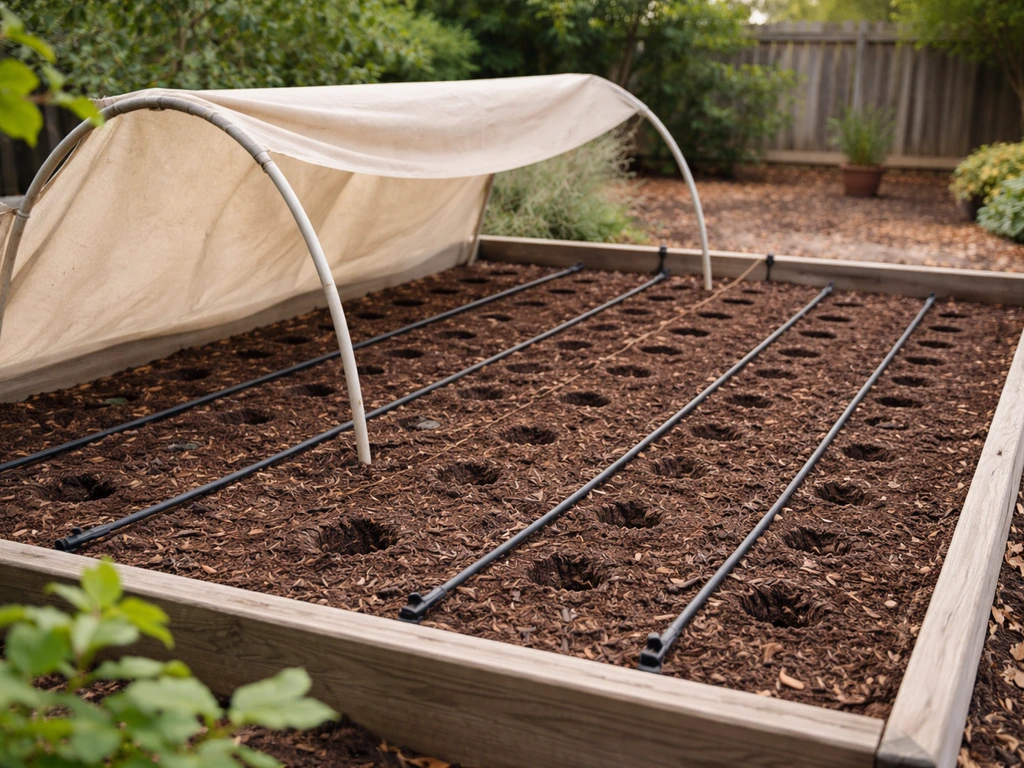
Iceberg grows well in raised beds, in-ground garden rows, and containers on a balcony or patio. It can also be grown hydroponically indoors, where you control temperature and light completely, which is honestly the easiest way to dodge the bolting problem entirely. Whatever your setup, the key is keeping the root zone cool and consistent.
What iceberg lettuce actually needs to grow
Light
Aim for at least 6 hours of direct sun during cool weather. In warm spring or fall conditions, full sun produces the fastest, most compact heads. If you only have partial shade (4 to 6 hours), iceberg will still grow but will be slower and slightly looser. Indoors under grow lights, 14 to 16 hours of light per day works well, but keep the temperature in check because heat matters more than light when it comes to bolting.
Temperature
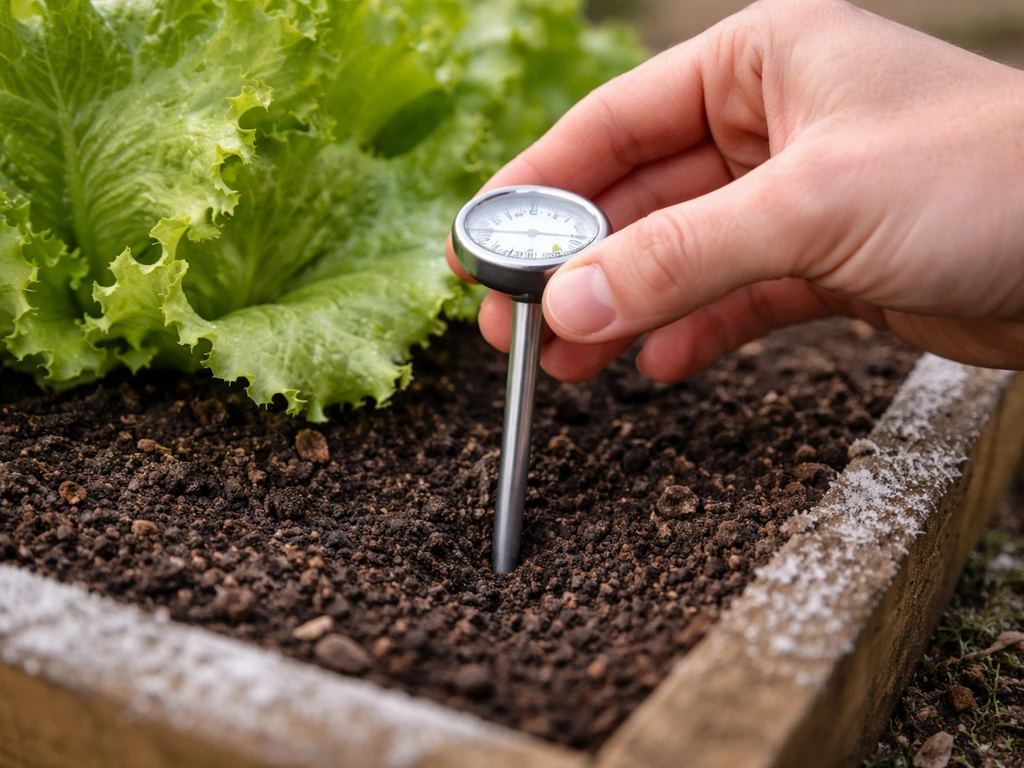
The ideal daytime temperature is around 60 to 73°F, with cooler nights down to 45°F being totally fine and actually beneficial. Soil temperature should be around 60 to 65°F for good germination and root development. Once air temps push consistently above 80°F, the plant's biology shifts toward reproduction (flowering/bolting) rather than head formation. This is the number one reason iceberg fails for home gardeners: planting too late in spring or too early in summer.
Soil and growing media
Iceberg wants fertile, well-draining soil loaded with organic matter. Target a pH of 6.0 to 6.5. If your soil is outside that range, calcium and other nutrients become less available, which can lead to tipburn and poor head quality. Work in compost before planting. For containers, use a high-quality potting mix with good drainage. For hydroponics, keep your nutrient solution EC in the recommended lettuce range and maintain pH around 6.0 to 6.5 in the reservoir.
Starting seeds: timing, sowing, and spacing
When to plant
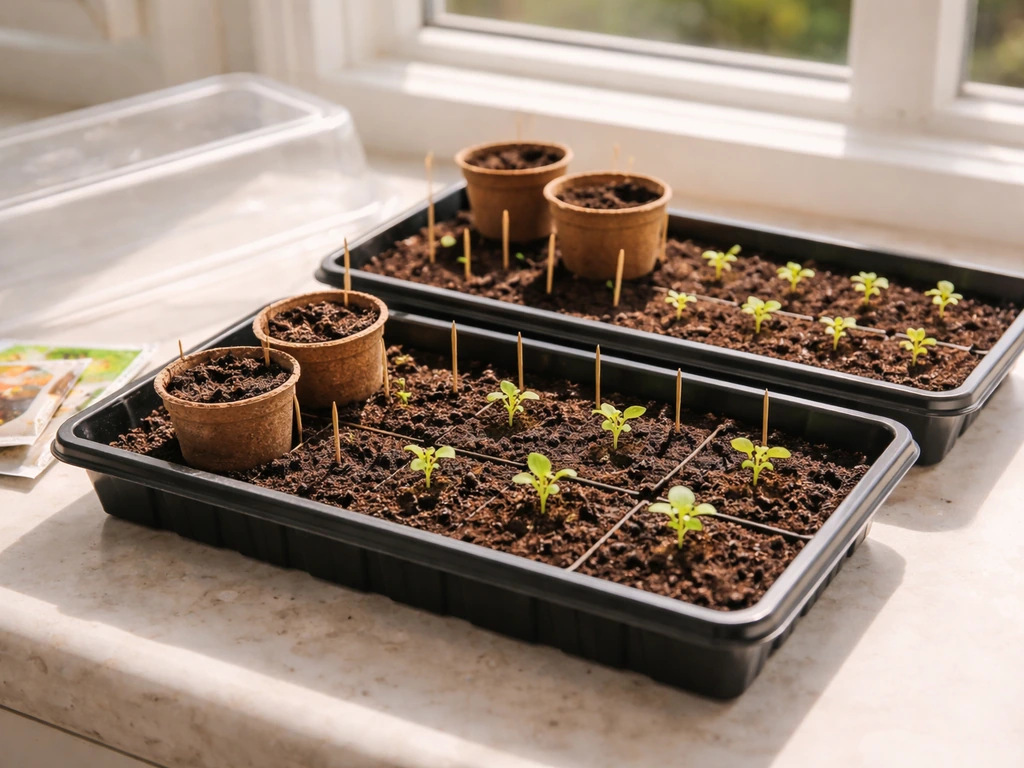
For a spring crop, start seeds indoors 4 to 6 weeks before your last frost date, then transplant outside once the ground is workable and nighttime temps stay above 28°F. For a fall crop, count back about 70 to 80 days from your first expected frost date and start seeds in late summer. In April 2026, if you're in a northern zone, you're right in the spring window now. If you're in a warmer climate, you may be approaching the end of your spring window and should think about fall instead.
Direct sow vs. transplants
Both work, and the choice usually comes down to your climate and timing. Direct sowing is simpler: scatter seeds or sow in rows, barely cover them with about 1/8 to 1/4 inch of soil, and thin later. Transplants give you a head start, which matters a lot in short-season climates or when you're racing to beat summer heat. If you go the transplant route, be gentle with the roots and avoid burying the crown, which invites rot. Set transplants at the same depth they were growing in their starting cells.
Spacing
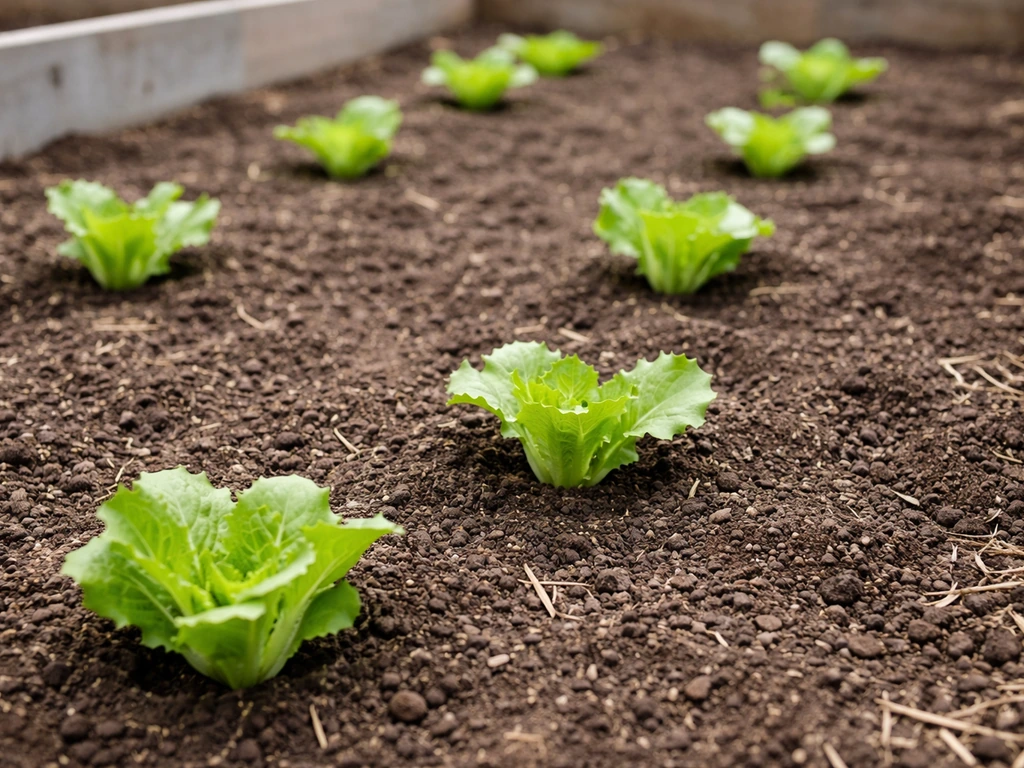
Iceberg heads need room. Space plants 12 to 14 inches apart in all directions for full-sized heads. In rows, rows should be about 18 inches apart. Crowding is a common beginner mistake that leads to stress, poor head development, and disease. If you're direct sowing, sow a little thicker than you need and thin to the right spacing once seedlings reach a couple of inches tall. Yes, thinning feels wasteful, but it's the difference between getting heads and getting a mess of stunted plants.
Day-to-day growing: water, feeding, thinning, and airflow
Water is the single most important daily factor for iceberg once plants are established. Iceberg needs consistent, even moisture from germination through head formation. Letting the soil dry out stresses the plant and contributes to tipburn, a condition where the inner leaf edges turn brown and papery. This happens because stressed plants can't distribute calcium effectively to the inner leaves of a forming head. Keep the soil evenly moist but not waterlogged. A good rule of thumb: if the top inch of soil is dry, it's time to water.
Feed with a balanced fertilizer every 2 to 3 weeks during the growing season. Iceberg is a leafy crop, so it appreciates nitrogen, but you don't want to overdo it, especially as the plant transitions to head formation. A light side-dressing of compost or a balanced liquid feed works well. If you see yellowing older leaves, the plant needs more nitrogen. If growth is lush but heads aren't forming, ease off nitrogen and make sure temperatures are cool enough.
Good airflow around plants matters more than most beginners expect. Iceberg heads are dense and trap moisture, which creates ideal conditions for fungal diseases like botrytis and bottom rot. Proper spacing helps airflow naturally. Avoid overhead watering late in the day, and if you're growing in containers or a sheltered spot, make sure there's at least some air movement. Water at the base of plants whenever possible.
How iceberg forms a head, and what goes wrong
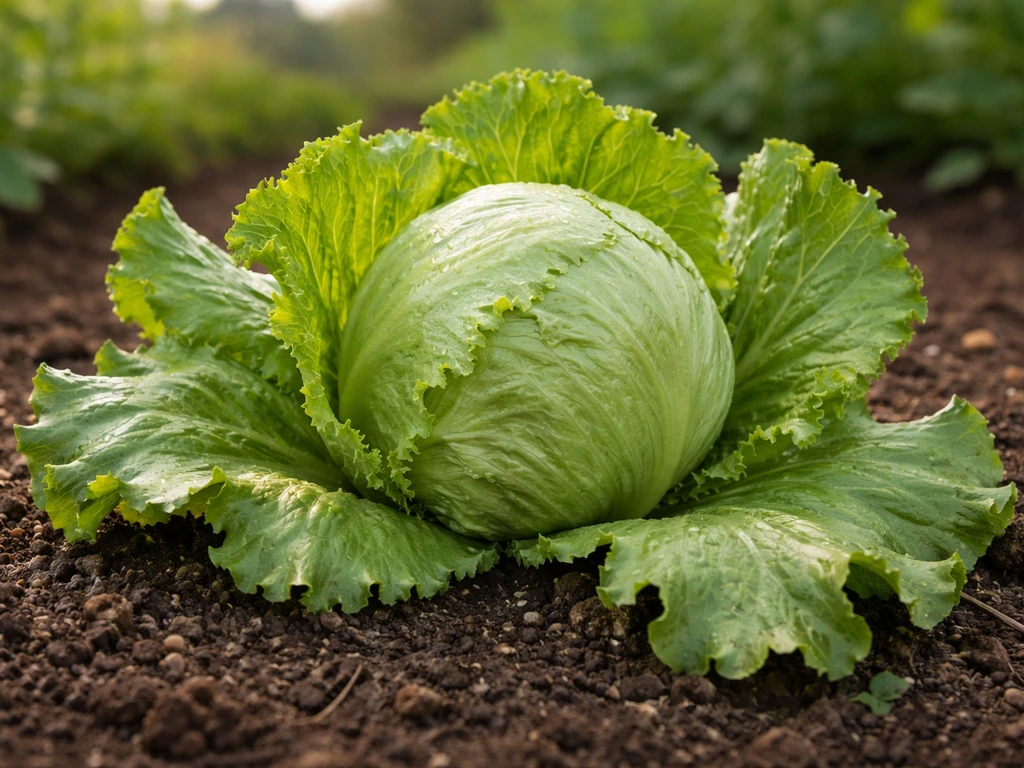
Head formation is the stage that separates iceberg from loose-leaf types. After germination and the early rosette stage, iceberg begins wrapping its outer leaves inward around the growing center, gradually building up a dense, layered head. This process only happens reliably when temperatures stay in the cool range. The inner leaves, protected from light and airflow inside the head, develop that pale, crisp texture iceberg is known for. The whole forming process takes several weeks and is sensitive to any environmental disruption.
Bolting: the main enemy
Bolting is when the plant sends up a flower stalk instead of completing head formation. Heat is the primary trigger: once temperatures consistently exceed 80°F, the plant's biology shifts from vegetative growth to reproduction. Day length also plays a role, with longer summer days (along with heat) accelerating the flowering transition through hormonal pathways involving gibberellins. Once a plant bolts, the leaves become bitter and the head won't develop. There's no reversing it. Your only options are to harvest immediately for whatever leaves you can use, or pull the plant and replant in the correct season.
No heads forming
If your plants are leafy but aren't wrapping into a head, the usual culprits are heat, crowding, or moisture stress. Warm weather and dry conditions during development cause incomplete or misshapen heads. Check your spacing first: plants closer than 12 inches apart often won't head properly. Then look at your watering schedule. If those check out, the problem is almost certainly temperature, and you're either too late in spring or too early in summer.
Tipburn and bitterness
Tipburn shows up as blank" rel="noopener noreferrer">brown, papery edges on the inner leaves of the head. It looks like a disease but it's actually a calcium distribution problem caused by water stress. The outer leaves transpire normally, but once the head closes up, the inner leaves can't transpire as efficiently, so calcium movement to those inner leaves slows. Tipburn in lettuce is a non-infectious disorder linked to water stress and uneven evapotranspiration, along with calcium transport issues, and inner head leaves are more prone because they transpire less blank" rel="noopener noreferrer">inner leaves can't transpire as efficiently. Consistent watering is your best prevention. Calcium foliar sprays don't work well here because they can't penetrate to the inner leaves that need it most. Bitterness, on the other hand, is usually heat and bolting stress. Lettuce grown too warm almost always tastes bitter.
When and how to harvest, and keeping it crisp
Knowing when the head is ready
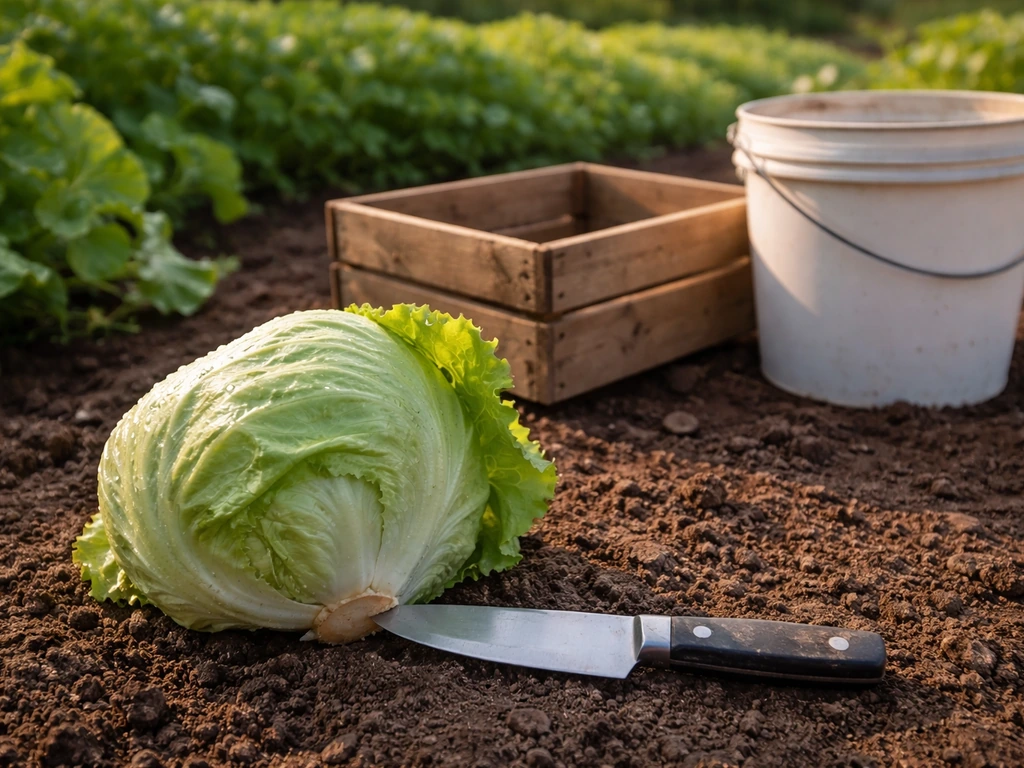
Iceberg is ready to harvest when the head feels firm and solid when you squeeze it gently. A loose, spongy head needs more time. An overmature head will feel very tight and dense and may already be starting to show signs of bolting. The timeline from seed is roughly 70 to 80 days for most varieties, but use the squeeze test rather than a calendar as your final confirmation. Heads that feel firm all the way through are at peak quality.
How to cut
Harvest in the morning when the head is coolest and most hydrated. Use a sharp knife and cut the stem cleanly just below the outer leaves at the base of the head. Remove any damaged or dirty outer leaves before bringing the head inside. Don't tear or bruise the head, and try to handle it as little as possible.
Storing it properly
Iceberg stores better than almost any other lettuce variety, which is part of why it became so popular commercially. For maximum crispness, store heads at 32 to 35°F with humidity around 90 to 95%. At home, that means your refrigerator's crisper drawer with a slightly damp paper towel wrapped around the head inside a bag. Done right, a fresh-cut iceberg head keeps 2 to 3 weeks. Commercially, properly cooled heads last up to 21 to 28 days. The key is getting the temperature down quickly after harvest.
A quick timeline from seed to harvest
| Stage | Approximate Timing | What to Watch |
|---|---|---|
| Germination | 3 to 7 days | Keep soil moist and cool (60–65°F) |
| Seedling / rosette | Weeks 1–3 | Thin to proper spacing, water consistently |
| Leaf expansion | Weeks 3–5 | Begin light feeding, monitor for heat |
| Head initiation | Weeks 5–7 | Keep temps cool, maintain even moisture |
| Head fill and firmness | Weeks 7–10 | Squeeze test weekly, watch for bolting |
| Harvest | Day 70–80 | Cut in morning when head is firm |
Your next steps right now
If you're starting today in late April 2026, your move depends on where you live. In northern zones (USDA 4 to 6), you still have time for a spring crop if you transplant out now. In warmer zones (7 and above), spring is getting tight, and you may be better off planning a fall planting in July or August. For anyone who wants to grow iceberg but doesn't want to fight the seasons, a simple indoor hydroponic setup lets you control temperature and light year-round, which is the most reliable way to get consistent heads without the bolting problem. If you want a longer-lasting harvest at home, you can also learn how to grow iceberg lettuce in a simple indoor hydroponic setup year-round can you grow iceberg lettuce. If you want to try a low-waste method, you can also learn how to grow iceberg lettuce from the core for fresh regrowth.
- Check your local last/first frost dates and count back or forward 70 to 80 days to find your planting window.
- Amend your soil with compost and check pH (target 6.0 to 6.5) before sowing or transplanting.
- Sow seeds 1/8 to 1/4 inch deep, or set transplants without burying the crown.
- Space plants 12 to 14 inches apart and thin ruthlessly if direct sowing.
- Set up a consistent watering schedule to keep soil evenly moist throughout head formation.
- Monitor temperatures daily: if daytime highs are regularly above 80°F, plan to harvest what you have and wait for fall.
FAQ
How deep should I plant iceberg seeds or transplants?
Sow seeds very shallow, barely covered (about 1/8 to 1/4 inch). When transplanting, keep the crown at the same level it was in the cell, and avoid burying it, because a covered crown stays wet and is prone to rot.
What should I do if my iceberg seedlings look leggy or thin?
Leggy growth usually comes from low light or overly warm temps during germination. Move seedlings to brighter conditions, cool them if possible, and keep watering even. If they still look weak, transplant only the healthiest plants and thin earlier to reduce stress.
Can I succession-sow iceberg to get heads over a longer period?
Yes. Plant small batches every 2 to 3 weeks during your cool-season window, rather than sowing everything at once. This spreads harvest dates and reduces the risk that a heat wave will wipe out the entire crop at the head-forming stage.
Why are my iceberg heads forming, but they are loose and not crisp?
The most common causes are temperatures drifting high, inconsistent moisture during head closure, or crowding. Check spacing first (aim for 12 to 14 inches). Then confirm soil stays evenly moist, and if days are warming above your target range, use partial afternoon shade to slow bolting.
Is it better to grow iceberg in rows, raised beds, or containers?
All can work, but containers and small raised beds warm faster than in-ground beds. If you are near the upper edge of the season, containers may require more frequent watering and more attention to keeping the root zone cool. If you are in a hot period, in-ground or well-shaded raised beds usually hold moisture and temperature steadier.
How do I prevent tipburn if I am watering regularly?
Tipburn is linked to calcium delivery, and it gets worse when the soil dries even briefly during head formation. Water deeply and consistently, aim for an evenly moist (not soggy) root zone, and avoid letting plants swing between wet and dry. Also watch nitrogen levels, because very lush growth with heat stress can aggravate inner-leaf problems.
Will mulching help, and what type should I use?
Yes, mulching helps stabilize soil moisture and temperature. Use a light layer that does not trap heat against the crown, and avoid piling mulch up around the base of the plant. In cooler seasons, lighter mulch can be enough to prevent moisture swings without overheating.
How can I tell the difference between bolting and a head that is just taking longer?
A delayed head will still show gradual wrapping inward and tightening over days. Bolting typically introduces an obvious upward growth point and eventually a flowering stalk, often triggered when temperatures stay too high. If the center starts stretching instead of wrapping, assume bolting and plan to harvest what you can immediately.
What is the best time of day to water iceberg?
Water early in the day so leaves and the planting surface can dry out before evening. This reduces the chance of fungal issues in dense heads, and base watering helps keep moisture off outer leaves when possible.
How do I handle pests or diseases that are common with dense heads?
Dense heads create a humid pocket, so focus on prevention: correct spacing for airflow, avoid overhead watering late, and remove damaged outer leaves promptly. If you see signs of rot, harvest nearby healthy heads quickly, and discard affected plants rather than composting them if you suspect active disease.
Can iceberg regrow from the core after harvest?
Sometimes. Regrowth from the core can work if you keep the temperature cool and provide consistent moisture, but it will not reliably produce full-sized commercial heads. Expect smaller, leafier regrowth, and treat it as a bonus harvest rather than a guaranteed second head.
What refrigeration and handling steps keep harvested iceberg crisp longer?
Cool it quickly after harvest, and keep heads cold and humid. Store in the refrigerator crisper with a lightly damp paper towel inside a bag to reduce moisture loss. Avoid bruising or tearing outer leaves, because damaged tissue dries faster and shortens shelf life.