Yes, you can regrow iceberg lettuce from the core, but go in with the right expectations: you will get a flush of new leaves, not a crisp, tight new head. Iceberg is a crisphead variety, and that dense structure it is famous for takes a full growing season from seed to develop.
Can You Grow Iceberg Lettuce From the Core? Regrow Guide
Marcus Holloway
12 May 2026
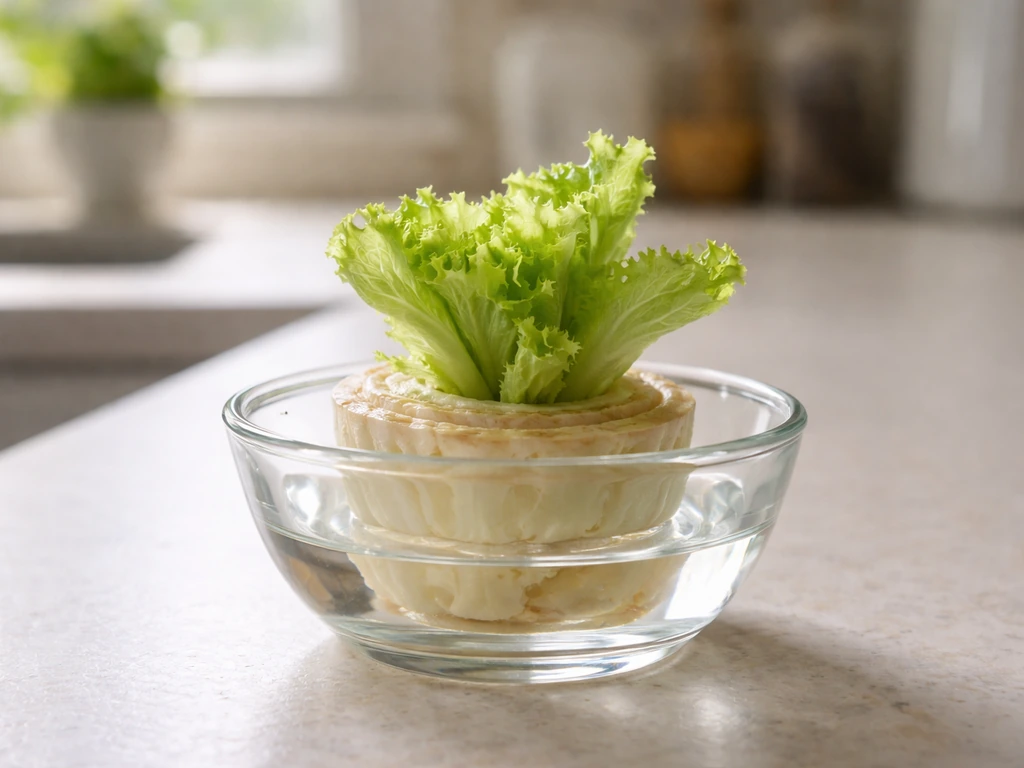
What regrowing from the core gives you is a modest second harvest of loose, leafy greens that you can snip and toss into a salad within two to three weeks. It is genuinely worth doing if you have a cut head sitting on your counter right now and want something green from it. It is not a replacement for starting fresh if you want a real iceberg head.
Is it actually possible to regrow iceberg from the core
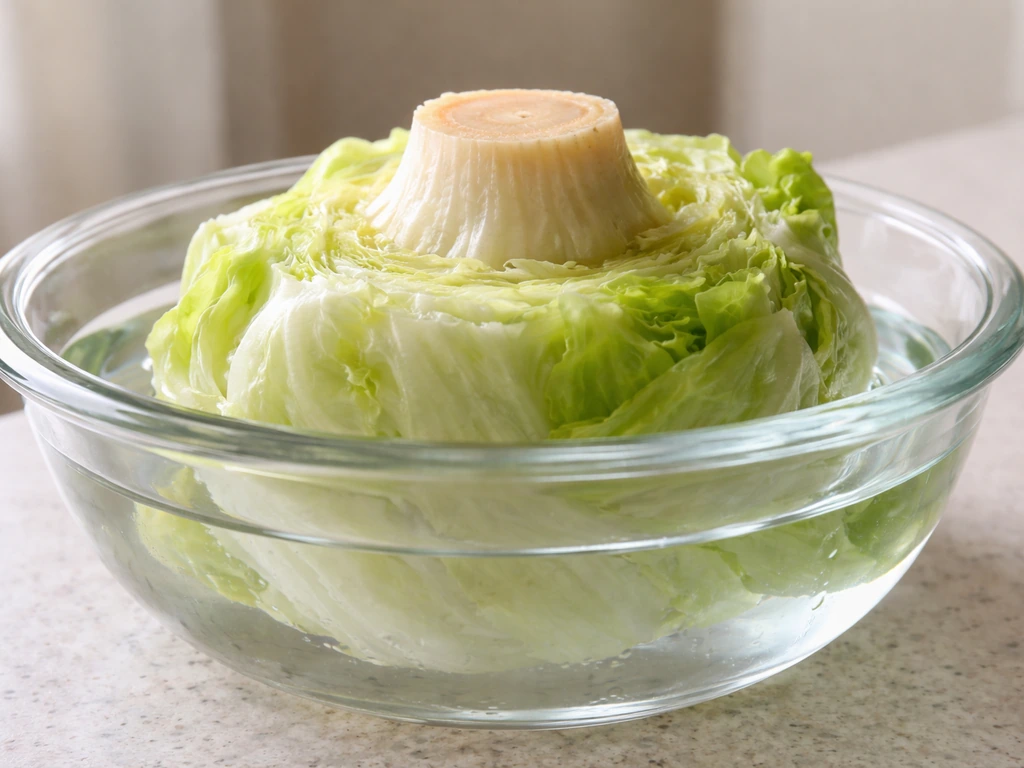
Technically, yes. The cut base of an iceberg head still contains a short stub of the stem, and that stem has enough living tissue to push out new leaf growth when given water and light. Roots will begin to form and leaves will start to emerge within just a couple of days of placing the core in shallow water. I have done it on a windowsill more times than I can count.
The honest caveat is that iceberg sits at the bottom of the lettuce regeneration ladder. Loose-leaf types like romaine and butterhead regrow far more vigorously because their growth habit is naturally open. Iceberg's tight, layered structure means the regrowth comes out loosely, more like a baby leaf mix than the crunchy iceberg you started with. Research backs this up: crisphead varieties like iceberg typically yield only a short-lived, limited amount of edible lettuce on the second round. So yes, it works, just not the way the viral kitchen-counter videos sometimes make it look.
Step-by-step method to regrow lettuce from a cut core
This method works whether you bought your iceberg at the grocery store or harvested it from your own garden. The key is starting immediately after cutting, before the base dries out.
- Cut your lettuce head as you normally would, leaving at least 2 to 3 cm (about 1 inch) of the base intact. The more stem you preserve, the more surface area the plant has to work with.
- Trim away any ragged or brown outer leaf stumps from the base, but do not cut into the stem itself.
- Place the core cut-side up in a shallow dish or bowl. Pour in just enough water to cover the bottom of the core, roughly 1 cm (half an inch) deep. You do not want the whole base submerged or it will rot.
- Set it on a windowsill or under a grow light where it gets at least 6 hours of bright, indirect light per day.
- Change the water every day or every other day. Stale, warm water is the fastest way to kill the core before it gets going.
- After 3 to 5 days you should see small white roots forming on the bottom and new pale green leaves pushing up from the center. At this point the water method keeps working, but you will get stronger regrowth if you transition to soil.
- To move to soil: fill a small container (4 to 6 inches wide) with potting mix, make a shallow depression in the center, and nestle the core into it so the base is just at soil level. Water gently and keep the soil consistently moist but not soggy.
- Harvest new leaves by snipping them with scissors once they reach 5 to 8 cm (2 to 3 inches) tall. Take the outer leaves first and let the center keep producing.
Best conditions to make regrowth work
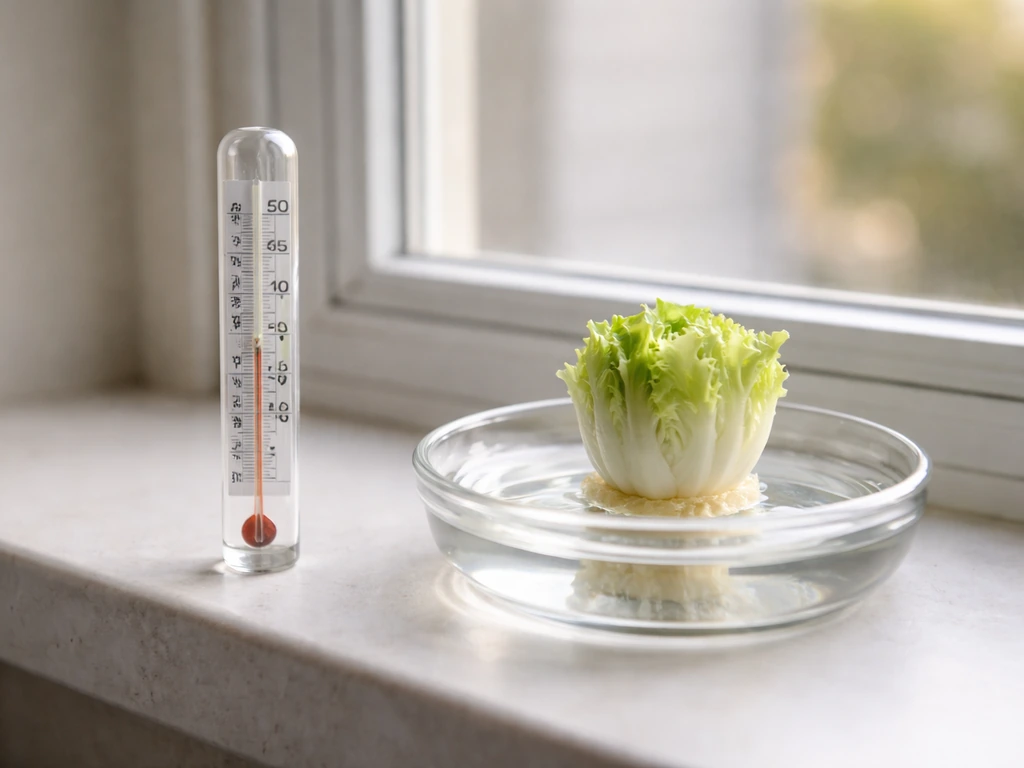
Lettuce is a cool-season crop and iceberg is no different. CSU Extension’s vegetable planting guide includes cool-season temperature guidance and notes that lettuce prefers cool growing conditions (with temperature ranges shown in their cool-season table) lettuce is a cool-season crop and iceberg is no different.
Illinois Extension notes that lettuce is a cool-weather vegetable that thrives when the average daily temperature is about 60 to 70°F Lettuce is a cool-season crop and iceberg is no different. .
Iceberg lettuce is easy to grow for many home gardeners because it is a cool-season crop that tolerates common indoor setups. Getting the conditions right is what separates a core that rots in a week from one that gives you two solid rounds of cuttable leaves. A r/gardening thread also notes that regrowing lettuce cores can brown or rot quickly, even after sprouting, especially when conditions are not right [from one that rots in a week](https://www. reddit.
com/r/gardening/comments/gqeozu).
Temperature
Aim for 60 to 70 degrees Fahrenheit (15 to 21 degrees Celsius). Most indoor spaces in that range are fine. If your kitchen runs warmer than 75 F (24 C), the core will degrade faster and any regrowth will be limp and bitter. A cooler windowsill or a spot away from heating vents works better than a warm countertop near the stove.
Light
Bright indirect light is the minimum. A south- or east-facing windowsill usually delivers enough. If your only windows are dim or north-facing, a small LED grow light set 4 to 6 inches above the core for 12 to 14 hours a day will produce noticeably better regrowth than a dark corner ever will. Direct harsh afternoon sun can dry out the water dish and heat stress the tender new leaves, so indirect or filtered is ideal.
Water management
In the water stage, keep the level at about half an inch and refresh it daily. Once you have moved the core to soil, water when the top centimeter of mix feels dry. Consistent moisture matters more than volume here. Letting the soil dry out completely even once at this stage will stall growth and stress the plant more than it can recover from.
How long it takes and what you can realistically harvest
Here is a realistic timeline so you know what to expect at each stage:
| Timeframe | What to Expect |
|---|---|
| Day 1 to 2 | Core stabilizes in water, no visible change yet |
| Day 3 to 5 | Small white root nubs appear, tiny pale leaves start emerging from the center |
| Day 7 to 10 | Leaves reach 2 to 4 cm, roots are more developed, ready to transplant to soil if desired |
| Week 2 to 3 | Leaves reach a harvestable 5 to 8 cm, suitable for snipping into salads |
| Week 3 to 4 | Second flush possible if plant is in soil with adequate light and nutrients; water-only setups fade faster |
What you will harvest is loose, tender, baby-style leaves with a mild lettuce flavor. They will not have the satisfying crunch of a full iceberg head because they never went through the slow head-forming process that builds that texture. Think of it as a free bag of baby greens rather than a replacement head. Most cores stop producing worthwhile new growth after one or two harvests, especially if kept only in water. Moving to soil extends the productive window by a week or two.
Troubleshooting regrowth failures
Most problems with regrowing iceberg come down to moisture, temperature, or light. Here is how to diagnose and fix the most common ones.
The core is rotting before any growth appears
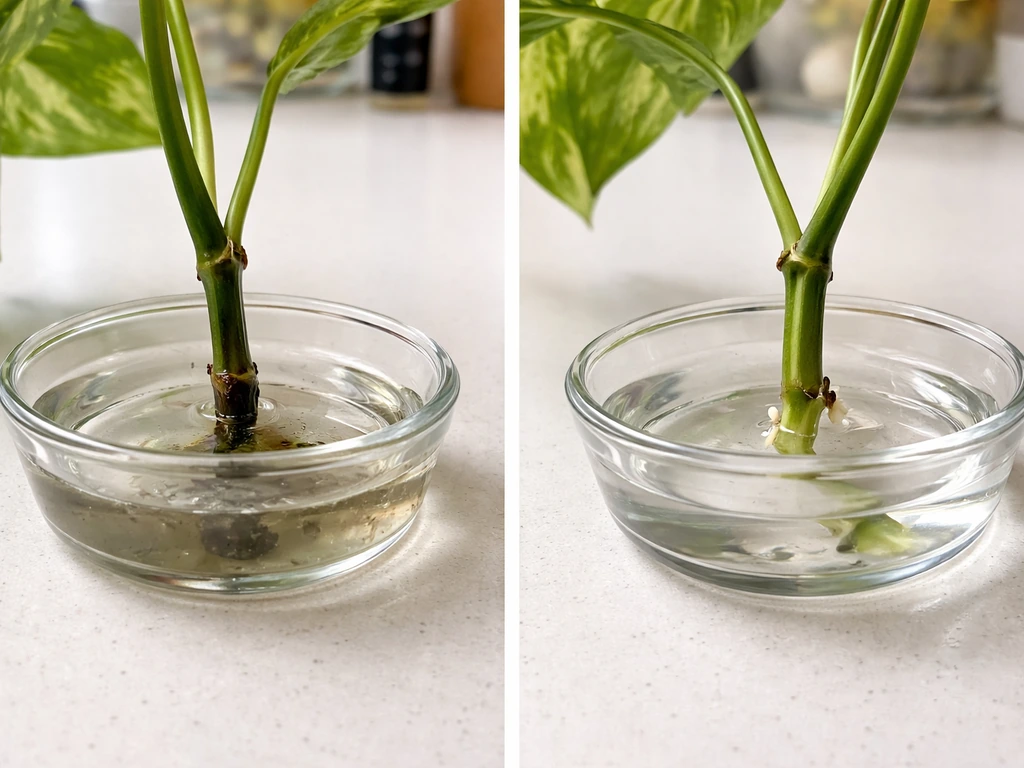
This almost always means too much water or too little airflow. The core should sit in a shallow film of water, not float in a full dish. If the bottom is completely submerged or the water is not being changed daily, bacteria build up and the base breaks down fast. Fix it by dumping the water, trimming away any brown or slimy tissue from the base with a clean knife, and starting fresh with a thin layer of water. Keep the dish somewhere with light air circulation rather than a sealed corner.
No new growth after a week
If you see no leaves or roots after 7 days, the most common culprits are an old core that dried out before you started the process, or temperatures that are too cold or too warm. Cores from lettuce that has been sitting in the fridge for more than a few days before you try this tend to have lower success rates because the tissue is already starting to break down. If it is still firm, move it to a warmer and brighter spot and give it another 3 to 4 days before giving up.
Leaves are growing but are limp, bitter, or pale
Limp leaves usually mean the temperature is too high or the plant is not getting enough light. Move it somewhere cooler and brighter. Bitter leaves are a sign of heat stress or a plant that has been in water too long without nutrients. Transitioning to soil, even a basic potting mix, will usually turn this around within a few days by giving the roots something to actually feed from. Pale, yellowy growth almost always means insufficient light, so add a grow light or move to a sunnier spot.
Fungus gnats or mold appearing on the soil
If you transplanted the core to soil and notice white fuzz or tiny flies, the soil is staying too wet for too long. Let the top layer dry out between waterings and make sure your container has drainage holes. A thin layer of sand on top of the potting mix deters gnats from laying eggs. Indoors, a small fan running nearby for an hour or two a day helps with both mold and gnat problems by keeping the surface drier.
When regrowing makes sense vs starting fresh
Regrowing from the core is a smart move in a pretty specific set of situations. It makes sense when you have a head of iceberg on hand right now, you want something green within two weeks without buying anything, and you have a decent windowsill or a small grow light. It is a satisfying experiment, especially for apartment growers or beginners who want to see results fast and learn how lettuce actually behaves.
But regrowing is not the right approach if your goal is a real, full iceberg head. If you want more than a quick baby-leaf flush, check out how to grow iceberg lettuce from stump for a longer, full-head approach. Iceberg takes 70 to 85 days from seed to form a proper dense head, and that process requires cool outdoor or controlled indoor conditions, consistent nutrient feeding, and more space than a kitchen container typically provides.
If you want the full answer, knowing how does iceberg lettuce grow from seed to head will help you match the temperature, light, and timing it needs. Starting from seed gives you a genuine crop that is worth the effort. Starting from a seedling or transplant gets you there even faster.
A good way to think about it: regrow the core as a fun, zero-waste bonus round. Then, once you have used those leaves, start a proper crop from seed if you want iceberg to become a regular part of your harvest. The two approaches are not competing, they complement each other. The regrown core teaches you what the plant needs, and that knowledge carries straight into your first real growing attempt.
- Regrow from the core when: you have a fresh cut head, want quick results, are growing indoors or in a small container, and are happy with baby leaf-style greens
- Start from seed or seedling when: you want a full crisp iceberg head, are growing outdoors or in a larger container with good light, and can commit to a 70 to 85 day growing window
- Do both: use the regrown core for greens now while your new seeds or transplants are getting established
FAQ
Can you regrow iceberg lettuce from a core if it already started browning at the base?
Yes, but only if the bottom stub is still firm and not fully slimy. Trim off any soft or brown tissue with a clean knife, then start immediately in fresh water (or straight to soil) and keep conditions cool and bright, since damaged tissue rots faster than new growth can establish.
Should you keep the core in water the whole time, or switch to soil sooner?
For most people, switching to soil after the first root sprouts helps. Water alone can work, but it often shortens the productive window and increases stink or bacterial breakdown if you miss a water refresh. Once you see roots, move to a pot to give developing roots access to nutrients.
What water setup prevents rot better, shallow dish or container?
Use the shallowest setup that still covers only the base, about a half-inch of water. A full dish encourages rot and bacterial buildup, because the core stays too wet and oxygen drops. Also refresh daily and never let the core sit in stagnant water.
Why do I sometimes get roots but no leaves?
This usually comes from light being too weak or temperatures being off. Roots can start in low conditions, but leaf growth needs brighter light and the right cool range. Move the core to a brighter spot or add a grow light, and aim for the temperature band that keeps leaves firm rather than limp.
How much light is enough, and can I use direct sunlight?
Bright indirect light is the baseline. Direct harsh afternoon sun can overheat the water dish and stress tender regrowth, leading to limp or bitter leaves. If you use a sunny window, shield it with sheer curtains and monitor leaf firmness during the hottest hours.
Do you need to add fertilizer for regrowing iceberg lettuce from the core?
Not in the initial water stage, but once you transplant to soil, a light feeding can improve the second flush. If leaves turn pale or growth stalls, use a diluted balanced fertilizer according to the label, since the core has limited stored energy for crisphead varieties.
Can you regrow an iceberg head from the center cut, or only the base?
You need the stem stub at the base. Cutting too high into the head often removes the living tissue required to push new leaf growth. If the piece you have is mostly head with no substantial bottom, regrowth success will be low.
How many harvests should you expect before the core stops producing?
Plan on one main harvest, then possibly a smaller second harvest. Many cores lose vigor after that, especially if they remain only in water. Moving to soil can extend the window by about a week or two, but it will not turn it into a full iceberg head.
What’s the best way to harvest so the plant keeps producing?
Instead of cutting the entire mass at once, snip individual outer leaves when they are big enough to eat. Leave the center and newer leaf points intact, since harvesting from the outside supports continued regrowth for longer than a single hard cut.
If my house is warm, is there a workaround to prevent bitter or limp regrowth?
Yes. Place the core on the coolest available surface, such as a windowsill away from heat vents, and consider using a small fan nearby to improve airflow. If your nights are cooler, moving it there after evening can help reduce heat stress and slow rot.
Can I use iceberg cores from bagged pre-cut lettuce?
Often not successfully. Bagged lettuce usually has a shorter, less intact base, and the tissue may dry out or degrade during storage. If the piece you have still has a firm bottom stub, try right away, but expect lower success rates than with a whole head cut at home.