
Yes, you can absolutely grow iceberg lettuce at home, indoors, outdoors, and even through winter. It is one of the trickier lettuce types to grow well because it forms a dense, tightly packed head instead of loose leaves, and that head formation is sensitive to heat. But if you give it cool temperatures, consistent moisture, and enough light, you will pull off crisp homegrown icebergs that taste nothing like what sits in a plastic bag at the grocery store.
Can You Grow Iceberg Lettuce? How to Do It at Home

Marcus Holloway
7 May 2026
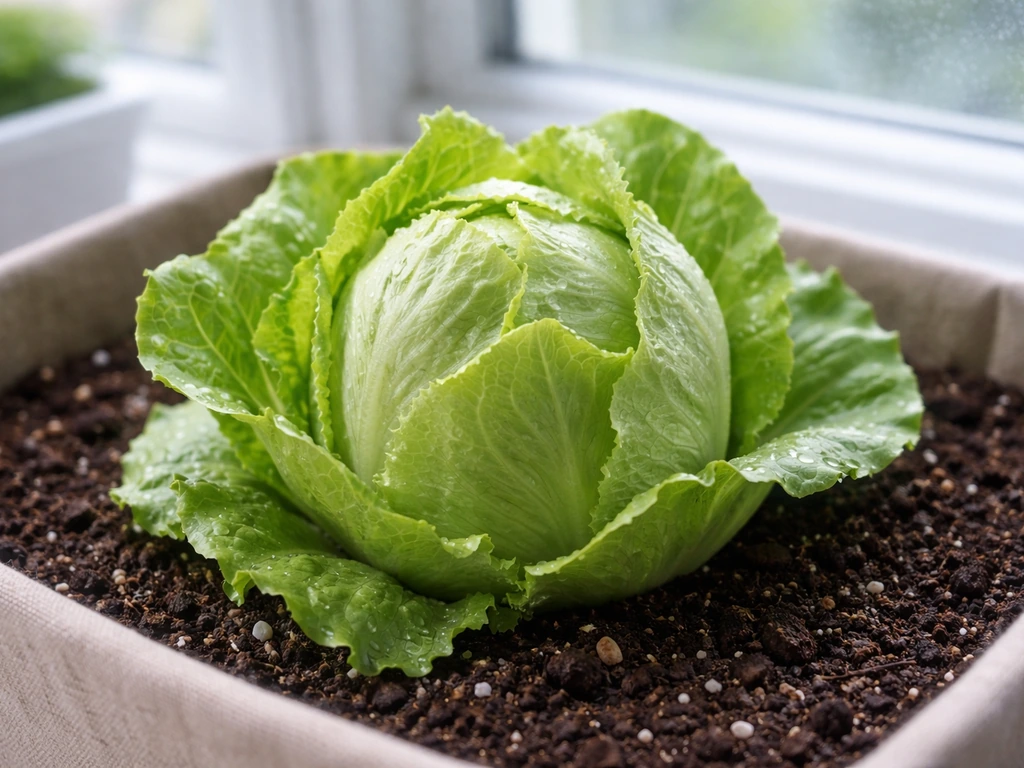
Yes, You Can Grow Iceberg Lettuce at Home
The reason most people fail with iceberg is not the growing itself, it is the timing. Iceberg is a cool-season crop, full stop. It needs daytime temperatures around 60 to 73°F (15 to 23°C) and, critically, cool nights around 45°F (7°C). Warm nights are where things go wrong fast. When night temperatures climb above 61°F (16°C) for extended stretches, the plant shifts energy toward flowering instead of head formation, a process called bolting. You end up with tall, bitter, open plants instead of tight heads. So the single most important thing you can do is choose the right season or control the temperature yourself.
The good news is that once you understand the temperature rule, everything else slots into place. You can grow iceberg in containers on a patio, in an outdoor garden bed, in a window box, or in a full indoor setup with grow lights. Each approach has its own checklist, but the core requirements stay the same: cool air, consistent water, reasonable nutrition, and 12 to 14 hours of light per day.
Indoor Setup: Light, Temperature, Containers, and Soil vs Hydroponics
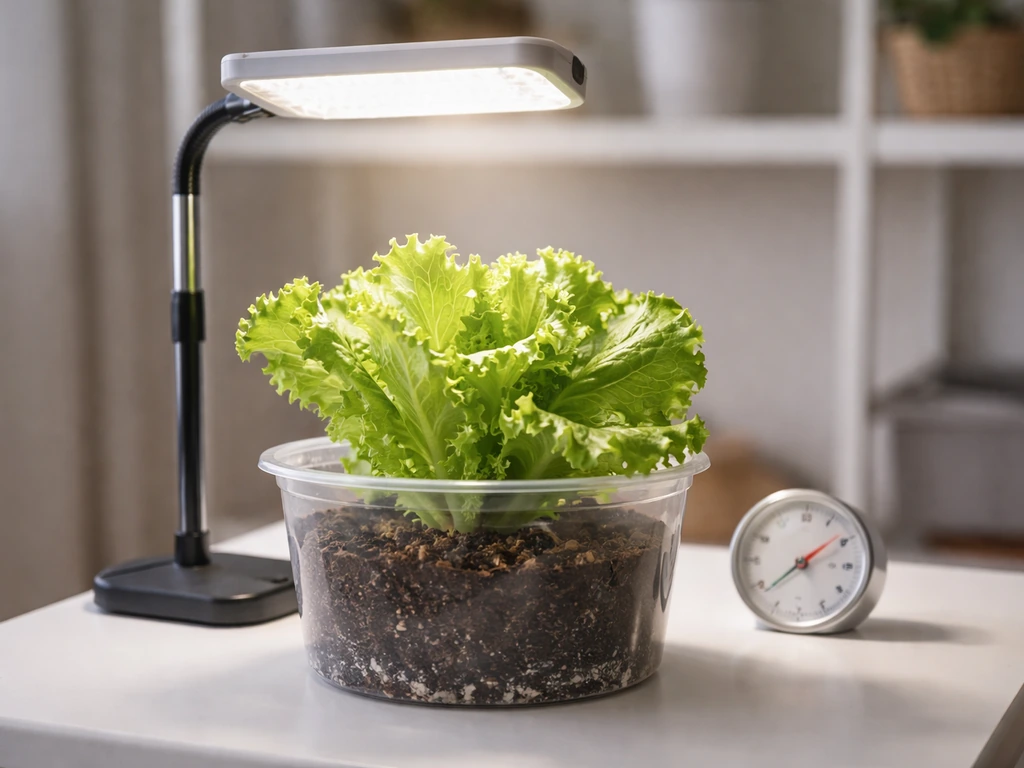
Growing iceberg indoors is completely doable, but you have to be honest with yourself about your light situation. A south-facing window can work in spring or fall when days are longer, but it usually will not cut it in winter. Iceberg needs the equivalent of 12 to 14 hours of bright light daily to form a proper head. If your windowsill light is dim or inconsistent, invest in a full-spectrum LED grow light positioned 4 to 6 inches above the plants. Leggy, stretched seedlings are almost always a sign of not enough light, and once a plant stretches, it rarely comes back to form a tight head.
Temperature indoors
Keep your indoor space between 60 and 70°F (15 to 21°C) during the day and aim for cooler nights if you can manage it. Rooms that drop to 55 to 60°F at night are actually ideal. Avoid placing containers near heating vents or on top of appliances that give off heat. A slightly cool basement or garage with a grow light can outperform a warm living room windowsill every time.
Containers
Iceberg lettuce develops a deeper root zone than loose-leaf types, so do not go shallow. Use containers at least 8 to 12 inches deep and 12 inches wide per plant. You can fit one iceberg head comfortably in a 12-inch pot, or grow two to three heads in a 24-inch window box or trough-style planter. Make sure every container has drainage holes, because sitting water is the fastest route to root rot.
Soil vs hydroponics
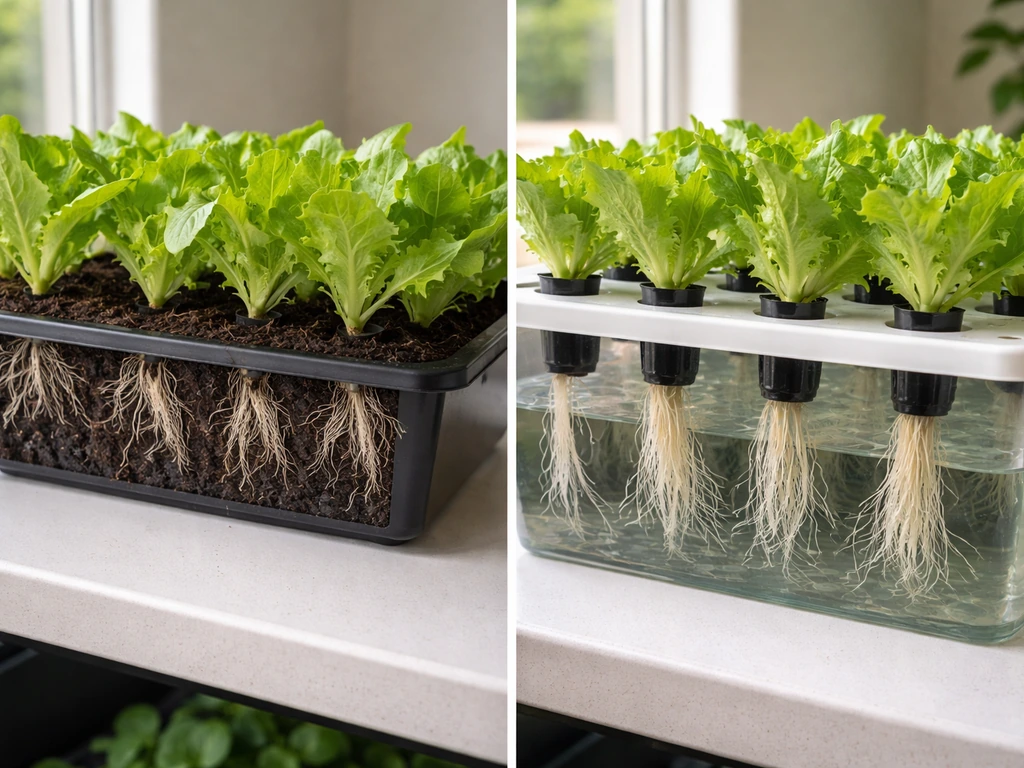
For soil-based containers indoors, use a high-quality potting mix (not garden soil, which compacts in pots) with a pH around 6.0 to 6.5. That pH range keeps nutrients available and prevents deficiency symptoms. Hydroponics is genuinely excellent for indoor iceberg because you control temperature, pH, and nutrients precisely. Target a pH of 6.0 to 7.0 in your nutrient solution and an electrical conductivity (EC) of 1.2 to 1.8 mS/cm. NFT (nutrient film technique) and DWC (deep water culture) systems both work well. The tradeoff is cost and setup time upfront, but once running, hydroponic iceberg tends to grow faster and form tighter heads than soil-grown indoor lettuce.
| Setup | Best for | Key advantage | Main challenge |
|---|---|---|---|
| Soil containers | Beginners, apartment balconies | Low setup cost, familiar | Watering consistency, soil compaction |
| Indoor hydroponics (DWC/NFT) | Year-round indoor growers | Faster growth, precise control | Upfront cost, learning curve |
| Window box (soil) | Small spaces, sunny windows | Easy to manage, compact | Light limitations in winter |
| Outdoor raised bed | Home gardeners with outdoor space | Natural temperature swings, best head quality | Season-dependent, weather risk |
Outdoor Timing, Winter Growing, and Keeping It From Bolting
Outdoors, iceberg lettuce is a spring and fall crop in most climates, planted so that heads mature before temperatures climb above 75°F (24°C). UC ANR notes that in California, iceberg performs best when it can mature before hotter conditions build up, so planting timing is key for head quality [iceberg lettuce is a spring and fall crop](https://my. ucanr. edu/repository/fileaccess.
cfm? article=54024&p=+EZZAYO). In spring, start seeds indoors 4 to 6 weeks before your last frost date and transplant out 2 to 4 weeks before the last frost (iceberg tolerates light frost just fine). In fall, count back about 80 to 85 days from your first expected hard freeze and plant then.
That is the window where you get consistently cool nights and mild days, which is exactly what iceberg wants.
Winter growing
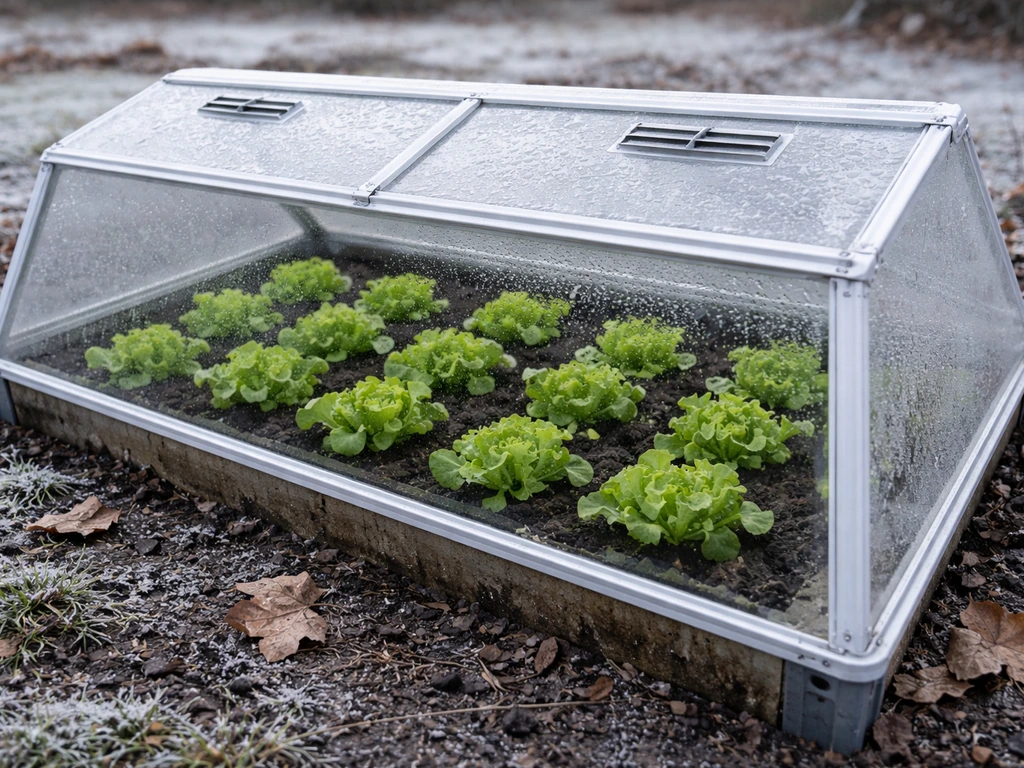
Iceberg can handle a light frost, down to about 28 to 32°F (-2 to 0°C) with some protection, but it will not survive a hard freeze unprotected. In mild winter climates (USDA zones 8 to 10), you can grow iceberg straight through winter outdoors. In colder zones, extend the season with row covers, cold frames, or low tunnels.
A simple floating row cover raises the temperature under it by 4 to 6°F, which can mean the difference between a damaged crop and a thriving one. Place containers against a south-facing wall for passive heat. The goal in winter is to keep plants alive and growing slowly through the coldest weeks and harvesting as temperatures moderate in late winter or early spring.
Preventing bolting
Bolting is the number one reason iceberg heads fail to form. High heat is the main trigger, but warm nights accelerate bolting dramatically. Research shows that iceberg lettuce flowers about 21 days earlier when nights are warm (around 70°F / 21°C) compared to cool nights (61°F / 16°C). To reduce bolting risk: choose heat-tolerant or slow-to-bolt varieties, time your planting so harvest falls in the cool part of the season, provide afternoon shade in warmer climates, and use mulch to keep root-zone temperatures cooler. Keeping the root zone cooler matters more than most gardeners realize.
Seed to Harvest: Varieties, Planting, Spacing, and Timeline
Varieties worth planting
Not all iceberg varieties are created equal for home growers. Look for varieties bred for heat tolerance and compact head size if you are growing in containers or in a warmer climate. Good choices include Igloo (reliable, compact heads), Great Lakes (classic, proven performer for cool climates), Nevada (more heat-tolerant than most crispheads), and Crispino (popular in home gardens, forgiving). If you are experimenting with regrowing from a store-bought head, keep in mind that regrowing from the core or stump rarely produces a full tight head at home, it is more of a fun experiment than a reliable harvest method.
Planting depth and spacing
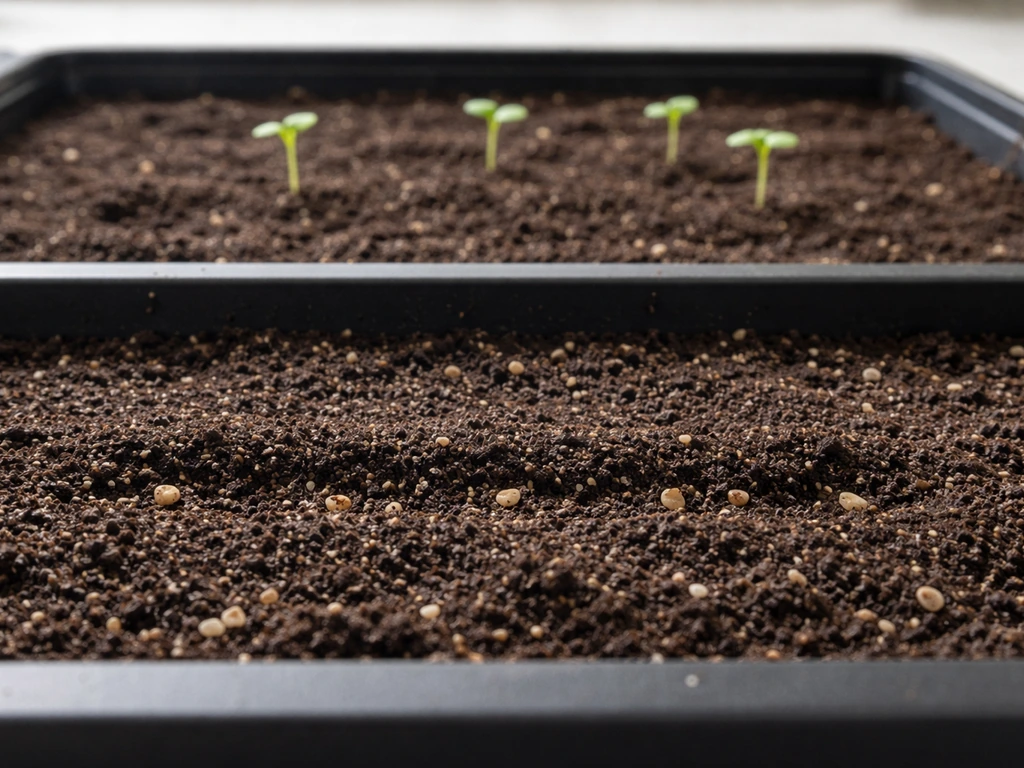
- Sow seeds 1/8 to 1/4 inch deep, just barely covered with soil or growing medium
- Seeds germinate best at 65 to 70°F (18 to 21°C) and usually sprout in 7 to 10 days
- Thin seedlings to 12 to 14 inches apart in garden beds (iceberg needs room to form a full head)
- In containers, allow one plant per 12-inch pot or space plants 12 inches apart in larger troughs
- Crowded plants produce smaller, looser heads and are more vulnerable to disease
Thinning
Thinning feels wasteful but it is non-negotiable for iceberg. When seedlings reach about 2 inches tall, thin to one plant every 12 to 14 inches. Use scissors to snip extras at soil level rather than pulling, which disturbs roots. If you skip thinning, you will get undersized, loose, or disease-prone plants rather than proper crispheads.
Days to maturity and when to harvest
Iceberg lettuce typically takes 70 to 85 days from seed to harvest, depending on the variety and your growing conditions. From transplant, you are usually looking at 55 to 65 days. The head is ready when it feels firm and solid when you squeeze it gently, similar to squeezing a head of cabbage at the store. Do not wait for it to look perfect on the outside; check firmness. Harvest by cutting the head at the base with a sharp knife, leaving the outer leaves and roots in place. Do not wait too long once a head feels firm, because in warm weather it can bolt within days.
Water and Nutrients: Keeping Iceberg Happy Through the Season
Watering
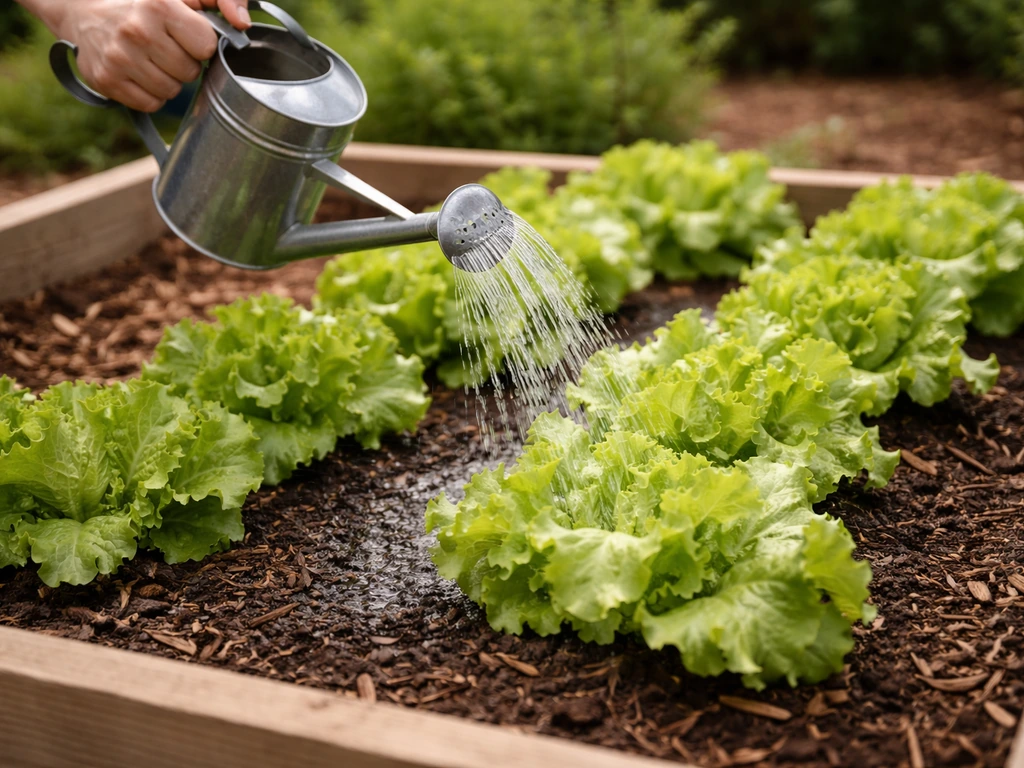
Iceberg lettuce has shallow, fibrous roots that dry out quickly. Consistent, even moisture is the goal. In garden beds, water deeply two to three times per week, more often in warm or windy weather. In containers, check moisture daily and water when the top inch of soil feels dry. Drip irrigation or soaker hoses are ideal outdoors because they keep moisture at the root zone and off the leaves, which reduces disease pressure. Uneven watering, wet then dry then wet, causes the leaves to crack and can lead to tipburn at leaf edges.
Fertilizing
Iceberg is a moderate feeder. Start with a balanced slow-release granular fertilizer (something like 10-10-10) worked into your soil or potting mix before planting. Then supplement with a liquid fertilizer every 2 to 3 weeks during active growth. Iceberg benefits from nitrogen during early leafy growth, but back off heavy nitrogen feeding once the head begins to form or you risk soft, loose leaves instead of a tight crisp head. In hydroponic systems, maintain your nutrient solution EC between 1.2 and 1.8 mS/cm and replace or top up the solution weekly.
Preventing tipburn and calcium deficiency
Tipburn, the browning of inner leaf edges, is a common iceberg problem especially in warm weather or inconsistent watering conditions. It is caused by calcium deficiency at the rapidly growing inner leaves, blank" rel="noopener noreferrer">often driven by water stress rather than actual low calcium in the soil. The fix is consistent watering, good airflow around plants, and avoiding excessive nitrogen, which drives fast growth that outpaces calcium uptake. In hydroponic setups, make sure your nutrient solution includes adequate calcium.
Troubleshooting: When Things Go Wrong
Leggy plants that will not head up
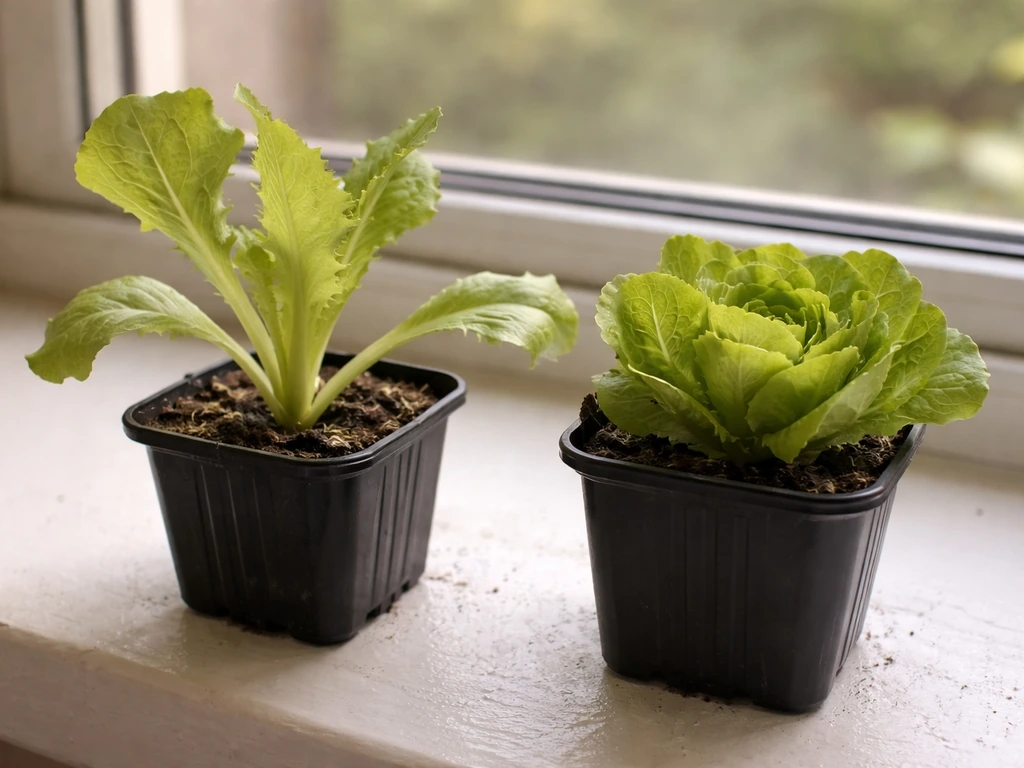
If your seedlings are tall and spindly instead of compact and leafy, they are not getting enough light. Move them closer to your light source or switch to a more powerful grow light. Seedlings started in a dim window indoors should be no more than 4 to 6 inches from a grow light. If outdoor seedlings are leggy, they may need a sunnier spot. Once a plant is already stretched, it is hard to recover, so the fix is prevention by optimizing light from day one.
Loose heads that never firm up
Loose heads are almost always a temperature problem. If your nights are warm (above 60 to 65°F / 15 to 18°C), iceberg will not compact into a firm head. Other causes include too much nitrogen late in the season, inconsistent watering, and planting too late into warm weather. If you are in a warm climate, focus on fall planting when nights cool down and consider heat-tolerant varieties like Nevada.
Bitter flavor
Bitterness in iceberg is a stress response, usually heat stress, water stress, or both. It can also develop when the plant has begun bolting but has not yet sent up a flower stalk visibly. If your iceberg tastes bitter, harvest immediately because it will only get worse. Going forward, time your planting better and water more consistently. Mulching around plants keeps the root zone cooler and more even, which reduces bitterness significantly.
Pests and diseases
Aphids are the most common iceberg pest. Check the undersides of leaves regularly and knock them off with a strong stream of water or use insecticidal soap. Slugs are a problem in cool, moist conditions, especially outdoors in spring and fall. Use copper tape around container rims or set slug traps near garden beds. Downy mildew is the biggest disease concern for iceberg, showing up as yellow patches on upper leaves with a grayish mold underneath. It thrives in wet, humid conditions. Prevent it by spacing plants properly for airflow, watering at the base rather than overhead, and choosing mildew-resistant varieties when available. If you see it, remove affected leaves immediately and avoid wetting the foliage.
Bolting before the head forms
If your plant sends up a central flower stalk before a head forms, the growing season got too warm too fast. Once a plant bolts, it is done producing a usable head. Harvest whatever leaves you can, they will be edible even if bitter. Next round, plant earlier in spring or later in summer so the heading phase lands in cooler weather. Shade cloth (30 to 40% shade rating) can buy you extra cool days in borderline warm conditions.
Your Next Steps to Get Started Today
Here is what to do right now depending on your setup. If you are growing outdoors, check your local forecast and calculate 80 days back from your first expected hot stretch or first fall frost to figure out when to plant. If you are growing indoors, set up your light source first before you sow a single seed.
If you are in a warm climate or trying to extend the season into winter, get your row covers or cold frame ready before temperatures drop. Choose a variety matched to your conditions, set up well-draining containers or beds with pH-balanced soil, and sow seeds just barely under the surface. From there, the keys are cool nights, consistent water, and harvesting on time before heat triggers bolting.
Iceberg is more demanding than loose-leaf varieties, but that challenge is also what makes harvesting a firm, crisp homegrown head so satisfying. Once you nail the temperature and timing piece, the rest of the process is straightforward.
FAQ
Can you grow iceberg lettuce in summer if you can keep the daytime temperature cool?
Yes, but timing matters. If you replant too late and nights stay warm, the plant often bolts instead of forming a tight head. For best odds, sow or transplant so you can harvest before the first stretch of consistently warm nights, even if the days still feel cool.
What if my nights stay warm, can I still grow iceberg lettuce?
If you cannot control nights, focus on management tricks that lower the root-zone temperature. Use mulch to buffer soil swings, add afternoon shade in warmer climates, and water early in the day so foliage dries faster. In containers, placing pots on the cooler side of a wall or on the floor away from sun helps too.
When is the best time to transplant iceberg if I started seeds indoors?
A lot of “failure” is actually incorrect transplant timing. Set transplants out when you can expect cool nights for the next several weeks, not just cool days. Also, handle seedlings gently and avoid root disturbance, since iceberg relies on steady establishment before heading.
How do I know an iceberg head is ready if it looks “okay” but not perfect?
Expect the appearance test to be unreliable early on. The most practical check is firmness, squeeze-testing gently near the center. If the head feels soft or leaves pop apart easily, give it a bit more time, but do not wait for perfect outer color.
Will iceberg lettuce regrow into a second full head after I cut it?
If you harvest by cutting at the base and leaving the outer leaves, you may get some side leaf growth, but usually not another full tight head. Regrowth from the core often produces loose, partial heads because iceberg heading depends on a proper, cool heading phase.
Should I wait longer to get a bigger head, or harvest at first firmness?
Plan your harvest schedule around temperature. In borderline weather, harvest earlier when heads just reach good firmness rather than letting them sit for more size. Once bolting begins, flavor tends to worsen quickly, and you often lose the ability to regain tightness.
What should I do if my iceberg starts tasting bitter?
Iceberg can bolt even before you see a stalk if the stress is ongoing, so you may notice bitter leaves first. Harvest immediately when bitterness appears, then adjust planting dates, improve water consistency, and provide afternoon shade for any future crop.
Can I fertilize iceberg like I do for spinach or other leafy greens?
Yes, but make it intentional. Too much nitrogen after heading starts can soften leaves and raise tipburn risk by accelerating growth faster than calcium uptake. If your leaves are growing but the head will not tighten, reduce nitrogen and stick to a consistent watering rhythm.
How often should I water iceberg in containers?
Watering schedule consistency is the key. Watering “wet then dry” cycles can crack leaves and trigger tipburn even if calcium levels seem fine. For containers, check moisture daily and water when the top inch is dry, then avoid letting it swing widely.
Is it worth using a fan for indoor iceberg lettuce to prevent problems?
Yes, especially indoors. A small fan to keep air moving reduces mildew risk and can help prevent uneven leaf drying. Just avoid blasting plants so hard that soil dries rapidly or leaves wilt in the airflow.
What happens if I skip thinning iceberg seedlings?
Thinning distance affects head size directly. If you overcrowd, you tend to get small, loose, and more disease-prone plants. Thin to about one plant per 12 to 14 inches as seedlings reach around 2 inches tall.
My iceberg has issues, how do I know if it is temperature, light, water, or pests?
Not always. If the problem is warm nights or weak light, disease solutions will not fix heading. First rule out temperature and watering swings, then check for pest signals like aphids on leaf undersides, and only then treat targeted issues.
What is the best watering method to prevent downy mildew on iceberg?
For best disease prevention, water at the base and keep leaves as dry as possible. Overhead watering combined with high humidity is a fast path to downy mildew. Also space plants appropriately so air circulates through the canopy.
How can I extend iceberg into shoulder seasons when temperatures are unpredictable?
Start with the easiest win: choose a heat-tolerant variety, plant later in the season, and use protection early enough to avoid getting hit by the first hot stretch. If nights are only slightly warm, a floating row cover can provide a small temperature bump and create a more stable heading window.