Yes, you can regrow iceberg lettuce from the stump, but go in with realistic expectations: you'll get a flush of fresh leaves, not another tight head of iceberg. The basal plate at the bottom of the stump holds meristem tissue, which is the growth center that pushes out new leaves. Cut the stump right, keep it in the right conditions, and you'll be harvesting tender baby leaves in two to three weeks. That's a genuinely useful result from something you would have thrown in the compost.
How to Grow Iceberg Lettuce From Stump in Soil
Marcus Holloway
11 May 2026
What to expect honestly (and what you won't get)
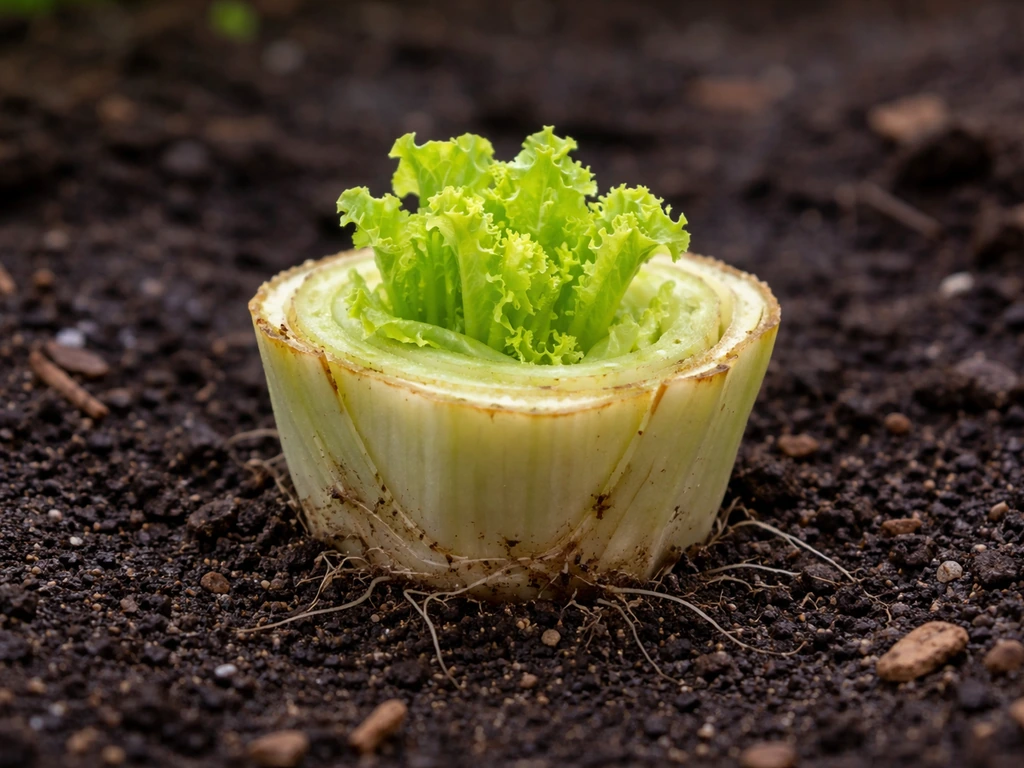
The stump-regrowth method works because of that basal plate. When you cut an iceberg head, the flat, dense bottom inch or two still contains the tissue that the plant uses to grow new leaves. Put that in the right environment and it will push out fresh growth. What it almost never does is reform a dense, compact iceberg head.
The leaves that come back are loose, lighter in color, and more delicate than what came off the original head. Think of it as a small bonus harvest of tender salad leaves, not a second full head. If you want a full head, starting from seed is the better path. But for free, fast, satisfying regrowth from something you already have?
The stump method is worth every bit of the five minutes it takes to set up.
Picking the right stump and gathering your supplies
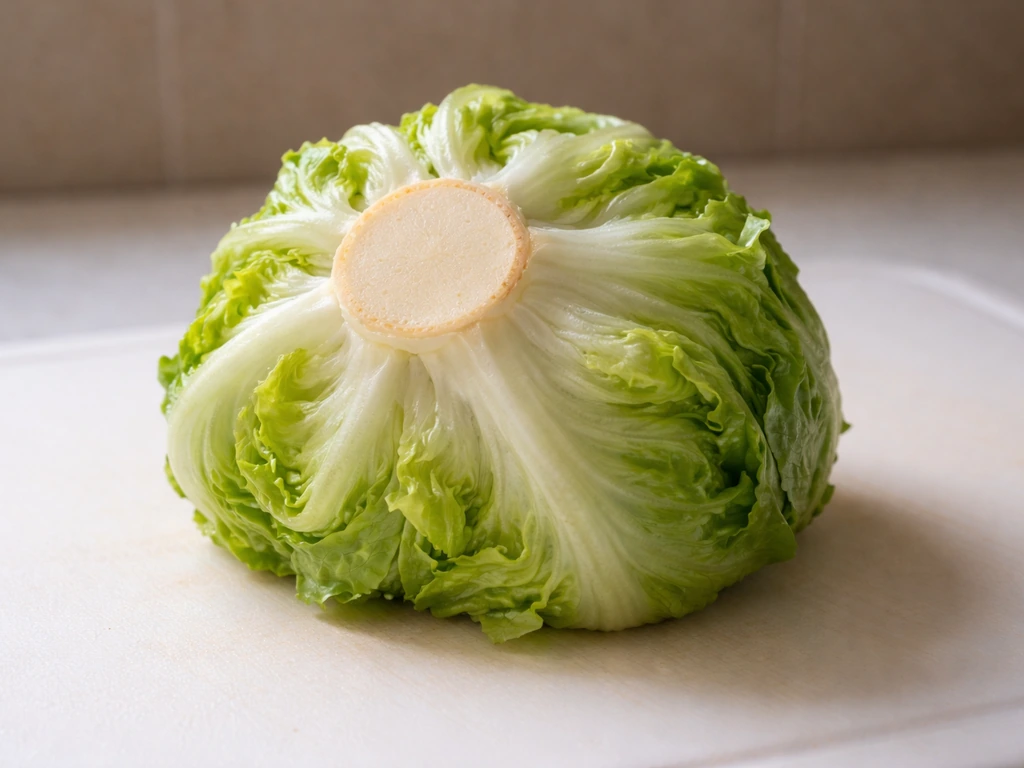
Not every stump is worth planting. A stump from a fresh head of iceberg, either store-bought or from your own garden, is your best bet. The basal plate needs to be firm, pale, and intact. If the bottom looks brown, slimy, or dried out and crumbly, the meristem tissue is probably damaged and regrowth will be weak or won't happen at all. Romaine regrows more reliably than iceberg, so if you're doing this for the first time and have a choice, romaine gives you more margin for error. That said, iceberg absolutely can work if the stump is fresh and healthy.
Here's what you need to get started:
- A fresh iceberg lettuce stump, cut to about 2 inches from the base
- A small pot or container with drainage holes (4 to 6 inches wide works well)
- Lightweight, well-draining potting mix (not dense garden soil)
- A sharp knife for trimming the stump
- A shallow bowl or saucer if you want to do a quick water-rooting step first
- A spray bottle for gentle watering
Step-by-step: planting your lettuce stump in soil
You can go directly from stump to soil, or you can do a short water-rooting phase first to kick things off. I'll walk you through both, then let you pick. The water-first method gives you a visual on what's happening before you commit to soil, which is reassuring for beginners. The direct-to-soil method is faster and skips a step.
Option 1: Water first, then transfer to soil
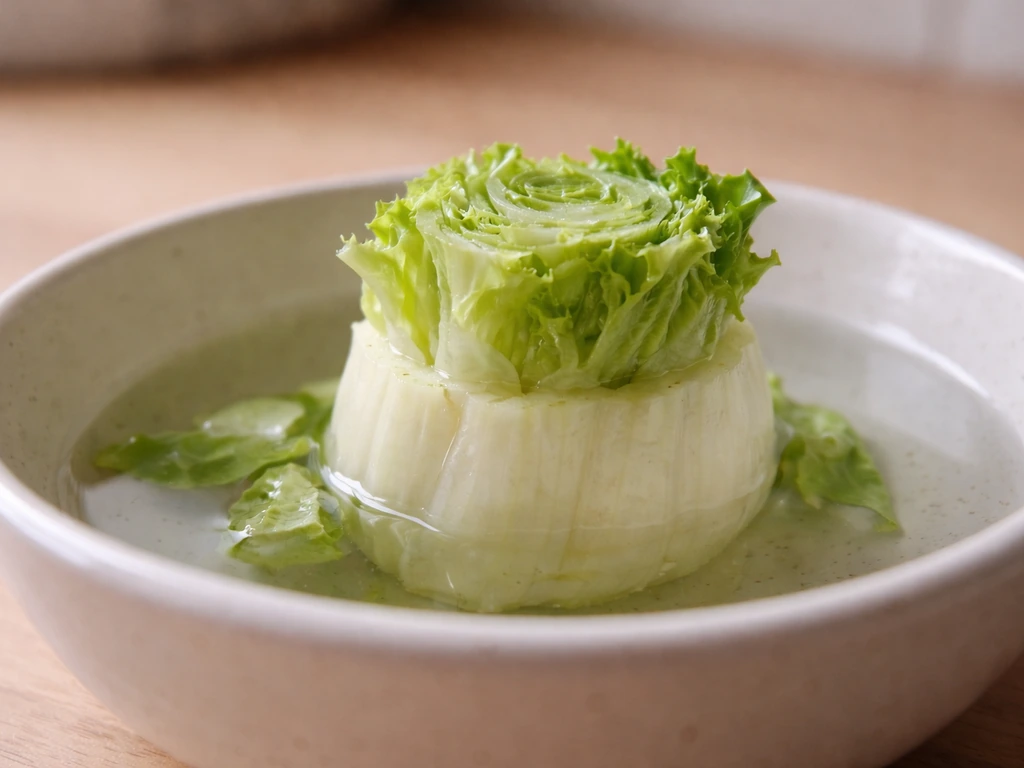
- Cut the head of lettuce about 2 inches up from the base. Use a clean, sharp knife so the cut is flat and even.
- Place the stump cut-side up in a shallow bowl. Add just enough water to cover the very bottom of the stump, about half an inch to one inch deep. You want the basal plate wet, not the whole stump submerged.
- Set the bowl in a warm, bright spot, out of direct harsh sunlight. Change the water every day to keep it fresh and prevent bacteria buildup.
- In 4 to 7 days, you should see small new leaves poking up from the center. In 7 to 10 days, tiny roots will appear from the base.
- Once roots are about 1 to 1.5 inches long (roughly 3 to 4 cm), the stump is ready to move to soil.
- Fill a small pot with moist potting mix and make a shallow depression in the center. Set the stump root-side down so the base is just below the soil surface and the new leaf growth sits above it.
- Firm the soil gently around the stump so it holds upright. Don't bury the new leaves.
- Water lightly around the base and place in your chosen growing spot.
Option 2: Direct to soil (faster, simpler)
- Cut the stump to 2 inches from the base with a clean, sharp knife.
- Let the cut surface air-dry for 30 to 60 minutes. This helps reduce the risk of rot when it goes into moist soil.
- Fill a pot with well-draining potting mix and moisten it before planting.
- Press the stump base-down into the soil so it sits just below the surface. The cut top should be level with or just slightly above the soil line.
- Firm the soil around it and water gently with a spray bottle or watering can with a fine rose. You want the soil evenly moist, not soaked.
- Place in bright, indirect light. Check moisture daily but resist the urge to overwater.
Both methods work. If you're the type who likes to see progress before committing, do the water phase first. If you just want to get it in the ground, go direct to soil and keep a close eye on moisture levels.
Light, temperature, and watering for stump regrowth
Lettuce is a cool-season crop and your stump regrowth is going to follow the same rules. If you want the bigger picture, learning how does iceberg lettuce grow will help you time planting and manage conditions for best results cool-season crop. blank" rel="noopener noreferrer">The sweet spot for temperature is 60 to 70°F during the day, with nights somewhere in the 45 to 55°F range.
University of Nebraska, Lincoln Extension’s lettuce germination data (G2090) lists a minimum germination temperature of 35°F and an optimum of 75°F, with roughly 2 to 3 days to germinate under optimum temperature and moisture conditions minimum 35°F and optimum 75°F. If you're growing indoors, aim for a room temperature around 65°F.
Anything above 75 to 80°F and you risk the plant bolting rather than producing leaves. This is especially worth watching in late spring and early summer when temperatures climb fast.
For light, give the stump bright, indirect light or about 12 to 14 hours of moderate light per day. A north or east-facing windowsill works indoors. Under grow lights, keep them 6 to 8 inches above the growing tips. Outdoors, partial shade works well, especially in warmer weather. Avoid full direct afternoon sun, which can stress the plant and speed up bolting.
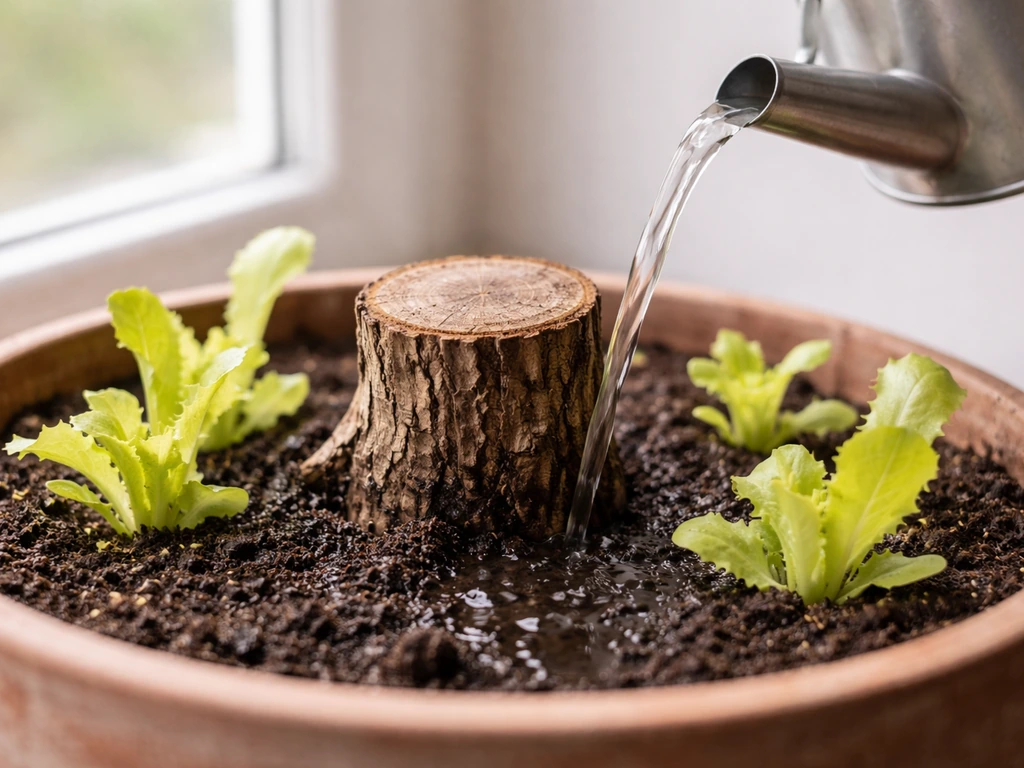
Watering is where most people go wrong. Keep the soil consistently moist but never waterlogged. Poke your finger about an inch into the soil: if it still feels damp, wait. If it feels dry, water. Spray-bottle watering works well in the first week before roots establish. Once the stump is actively growing, a gentle pour around the base every day or two is usually enough, depending on your indoor humidity or outdoor conditions.
How long until you can harvest, and what the growth looks like
Here's a realistic timeline based on good growing conditions:
| Stage | What to expect | Approximate timing |
|---|---|---|
| First signs of life | Tiny leaf shoots emerge from the center of the stump | Days 2 to 7 |
| Root development (water method) | Visible roots 1 to 1.5 inches long from the base | Days 7 to 10 |
| Transplant to soil (if water method) | Roots establish in potting mix | Day 10 to 14 |
| Active leaf growth | Leaves visible and growing noticeably | Week 2 |
| First harvest | Tender outer leaves ready to snip | Week 2 to 3 from planting |
For reference, iceberg grown from seed takes 70 to 130 days to reach a full head. Your stump regrowth will give you harvestable leaves in a fraction of that time. The tradeoff is that the volume is much smaller and the leaves are loose, not head-forming. Harvest by snipping the outer leaves and leaving the inner growth to continue producing. This can extend your harvest by another week or two.
Troubleshooting: rot, slow growth, and weak leaves
The stump is rotting at the base
This is the most common failure and it almost always comes from too much moisture. Soft, wet rot at the base is usually caused by Pythium or Botrytis, both of which thrive in cool, waterlogged conditions. If you're in the water phase, make sure the stump isn't sitting deeper than an inch of water, and change that water every single day. If you're in soil, check that your pot has drainage holes and that you haven't been overwatering. Trim away any mushy tissue with a clean knife, let the cut surface dry for an hour, and replant in fresh, drier potting mix. Improve airflow around the stump if it's in a still, humid spot.
Nothing is happening after 10 days
If you see no new growth after 10 days, a few things might be going on. First, check the temperature. If it's below 50°F or above 80°F, growth stalls. USU Extension notes that soil temperatures above about 80°F can cause lettuce seed dormancy rather than germination below 50°F or above 80°F. Move the stump somewhere warmer or cooler as needed. Second, look at the basal plate closely. If it's brown, dried, or damaged, the meristem tissue may not be viable. A fresh stump from a new head is your best bet. Third, check light. Too little light dramatically slows regrowth. If you're on a dim windowsill, try moving closer to the glass or adding a grow light.
Leaves are coming in thin, pale, or leggy
Leggy, pale growth almost always means not enough light. Move the stump to a brighter spot or lower your grow light so it's closer to the leaves. If the leaves are yellowing and twisted rather than just pale and thin, and they don't improve with better light and conditions, that's worth a second look. Mosaic virus can cause distorted, mottled growth in lettuce that won't respond to any care changes. If the stump came from a head that looked diseased, start fresh with a clean one.
Growth stopped suddenly and the center is trying to bolt
If you see a central stalk forming and pushing upward rather than producing leaves outward, the plant is bolting. This is triggered by temperatures above roughly 75 to 80°F combined with long daylight hours, especially in late spring and summer. Once bolting starts, the leaves turn bitter and there's no reversing it. At that point, harvest whatever usable leaves are left and start a new stump. Time your next attempt for cooler conditions: early spring, fall, or keep it indoors with controlled temperature and light.
After your first harvest: keep going or start fresh?
Once you've harvested the first flush of leaves, you have a choice. If the stump still looks healthy, the basal plate is firm, and conditions are still in the right temperature range, leave it in the soil and keep watering. It may push out a second, smaller flush of leaves. In my experience, you usually get one really good harvest and then a weaker second round before the stump runs out of energy. The regrowth gets sparser each time because the stump is working from stored resources, not a developed root system.
The more sustainable long-term move is to treat each stump as a one-time bonus harvest and use it as a bridge while you grow a new head from seed or a transplant. If you want to keep a continuous supply going, start a new stump (or a fresh seedling) as soon as you've harvested your first flush. That way you're never waiting around for empty soil to produce something.
If you find yourself curious about other angles of growing iceberg lettuce, like how long a full head takes from seed, or whether iceberg is genuinely worth growing at home versus easier loose-leaf types, those are great questions to dig into alongside this one. If you want an alternative way to think about this, see if iceberg lettuce is easy to grow from seed and compare it to the stump approach for your setup.
If you want to know how to grow iceberg lettuce more conventionally, you can start from seed or transplant and manage light, temperature, and watering for a dense head. If you're wondering can you grow iceberg lettuce from the core, the stump method is the quick way to try it.
The stump method is a satisfying entry point, but understanding the full lifecycle of the plant makes you a lot more confident about timing, conditions, and what to do next.
FAQ
Can I regrow iceberg lettuce from a store-bought head if it has been refrigerated?
Yes, but only if the bottom inch stays firm and the basal plate looks pale and intact. If the cut surface is brown, dried, or slimy, skip it because the meristem tissue is likely damaged. Also, let the stump come up to cool, room-like conditions before starting, so you do not shock it after cutting.
How should I cut the stump to maximize regrowth?
Aim to keep enough basal plate tissue, roughly the bottom 1 to 2 inches, and make a clean cut with a sharp knife. Avoid tearing the plate, then remove any loose, dark outer leaves so you are working with healthy, pale tissue at the base.
Is it better to water-root the stump in a jar or plant it directly in soil?
Water-rooting helps you confirm the stump is alive because you can watch for early root or growth activity before it goes into soil. Direct-to-soil is faster, but you should plan to check moisture more often. If you try water-rooting, keep the water level shallow (do not bury the stump) and change the water daily to reduce rot risk.
What kind of potting mix should I use for stump regrowth?
Use a loose mix with drainage, such as potting mix plus perlite, so excess water can drain quickly. Stump regrowth fails most often when the base stays saturated, so avoid heavy garden soil in containers unless it drains well.
How moist is “consistently moist” without causing rot?
Water just enough that the surface does not dry out, but the base never sits in standing water. A simple check is the finger test 1 inch down, if it is damp you wait, if it is dry you water. If you see condensation or a foul smell, reduce watering immediately and increase airflow.
Can I grow the stump outdoors, and what time of year is best?
Yes. Outdoor regrowth tends to work best in cool weather (spring, fall, or mild winter conditions). Use partial shade to prevent afternoon heat stress, and if temperatures are expected above about 80°F, move containers to a cooler spot or provide shade cloth.
Why are my new leaves bitter or tough even though they are growing?
This usually points to stress from heat or too much light intensity. Bitter, tougher leaves often happen when the plant is approaching bolting conditions, especially with warm daytime highs and long daylight. Move to brighter but more indirect light (or partial shade) and keep temperatures in the 60 to 70°F daytime range.
What should I do if my stump starts bolting?
Once a flowering or central stalk growth starts, do not expect it to revert to leafy growth. Harvest the usable outer leaves, then start a new stump or switch to seedlings. For your next try, time it for cooler periods, and if indoors, keep day temperatures below the bolting trigger.
Will the stump regrow more than twice?
Usually not. Many stump regrowth setups give one strong harvest window, then a smaller, sparser second flush as the stump’s stored energy runs out. If you want ongoing supply, start the next stump (or a new seedling) right after the first harvest so you are not waiting for long gaps.
How do I know whether a failed stump is dead or just delayed?
If you see no improvement after about 10 days, check three things in order: temperature (below 50°F or above 80°F stalls growth), light (insufficient light causes slow, leggy regrowth), and basal plate condition (brown or damaged plate often means no meristem viability). If the base is mushy, treat it as failure and discard rather than trying to “save” a rotting stump.
Should I fertilize iceberg lettuce stump regrowth?
Usually skip fertilizer at first because the stump is relying on stored energy and overfeeding can worsen soft growth and moisture issues. Once you see steady leaf production and you are keeping conditions correct, you can use a very light feeding (such as half-strength) only if growth looks pale and slow, then stop if the base stays too wet.
Can I compost the old stump immediately after the harvest?
You can once it stops producing new leaves and the basal plate looks depleted or soft. If it still looks firm and leaves continue to form, leave it a bit longer. When it has a wet or foul smell, remove and discard it promptly to prevent spreading rot organisms.