Water lettuce (Pistia stratiotes) is a floating aquatic plant you grow directly on the surface of still or slow-moving water, no soil needed. To grow it at home, fill a container with at least 6 to 8 inches of water, float your plants on the surface with their roots dangling freely below, give them 6 or more hours of bright light daily, keep water temperature between 65°F and 85°F (18°C to 29°C), and add a diluted liquid aquatic fertilizer every 2 to 3 weeks. That's the core setup. Everything else is about keeping that water clean, giving it the right light, and not overcrowding the surface.
How to Grow Water Lettuce at Home: Full Step-by-Step Guide

Marcus Holloway
7 Jun 2026
What water lettuce actually is and what you'll need
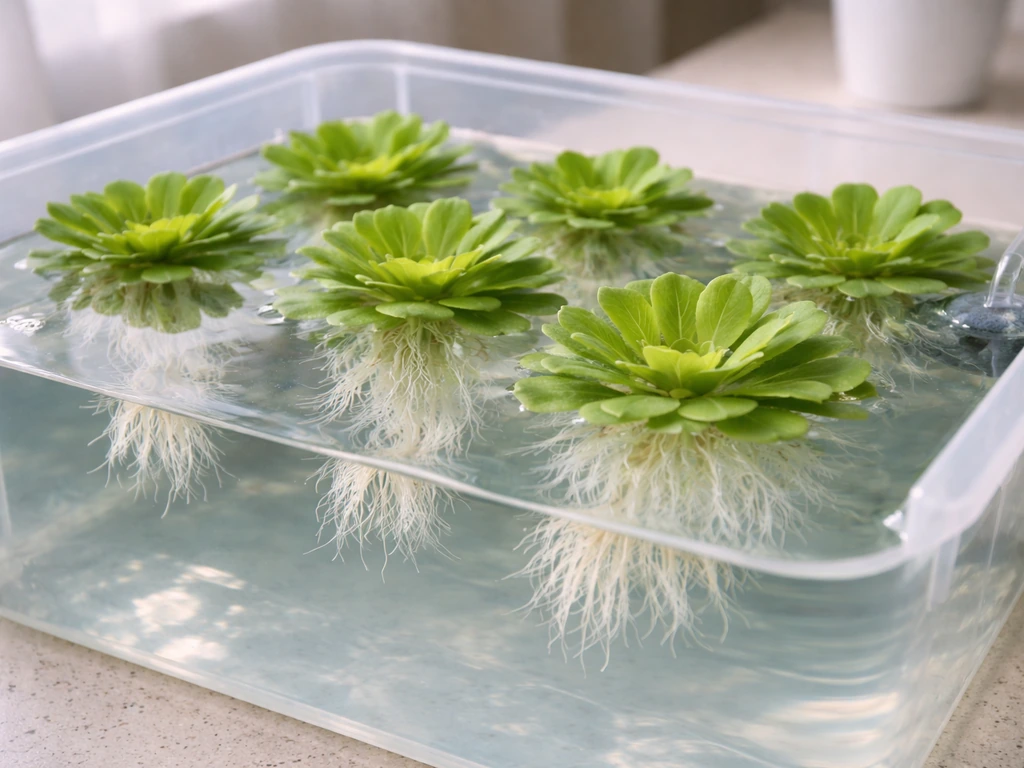
Water lettuce goes by a few names depending on where you're shopping: water cabbage, Nile cabbage, shellflower, and sometimes just 'floating lettuce' in pond supply stores. The plant is Pistia stratiotes, a member of the Araceae family. It looks like a small, pale green rosette of velvety, ribbed leaves sitting right on the water surface, with a dangling mass of feathery white roots below.
It is not edible lettuce, so if you want to grow lettuce in water hydroponically for eating, that is a different setup. If you are aiming to harvest edible lettuce, you can use these same water and nutrient principles in a hydroponic lettuce setup designed for food growth grow lettuce in water hydroponically for eating.
If you want to grow lettuce for eating in nutrient-rich water, follow the hydroponic lettuce steps instead grow lettuce in water hydroponically for eating. This plant is grown for its striking appearance and its usefulness in water features and ponds.
You can find water lettuce at aquarium shops, water garden centers, and online pond-supply retailers. When you buy it, look for plants with firm, pale green leaves (not yellow or brown at the edges) and healthy white roots at least an inch or two long. Avoid anything that looks mushy or has collapsed leaf centers. A single plant typically costs between $3 and $8, and you only need two or three to start a small home container.
Here is what you'll need before your plants arrive:
- A container: tub, barrel, aquarium, or large pot (at least 12 inches wide and 8 inches deep)
- Dechlorinated water or tap water left to sit for 24 hours
- A liquid aquatic plant fertilizer or a balanced diluted general fertilizer (like a 10-10-10 at quarter strength)
- A water pH test kit or strips (target pH 6.5 to 7.5)
- A thermometer for checking water temperature
- 2 to 4 starter water lettuce plants
- Optional: a small battery-powered pump or aerator for indoor setups without natural water movement
Choosing a container and setting up your water environment
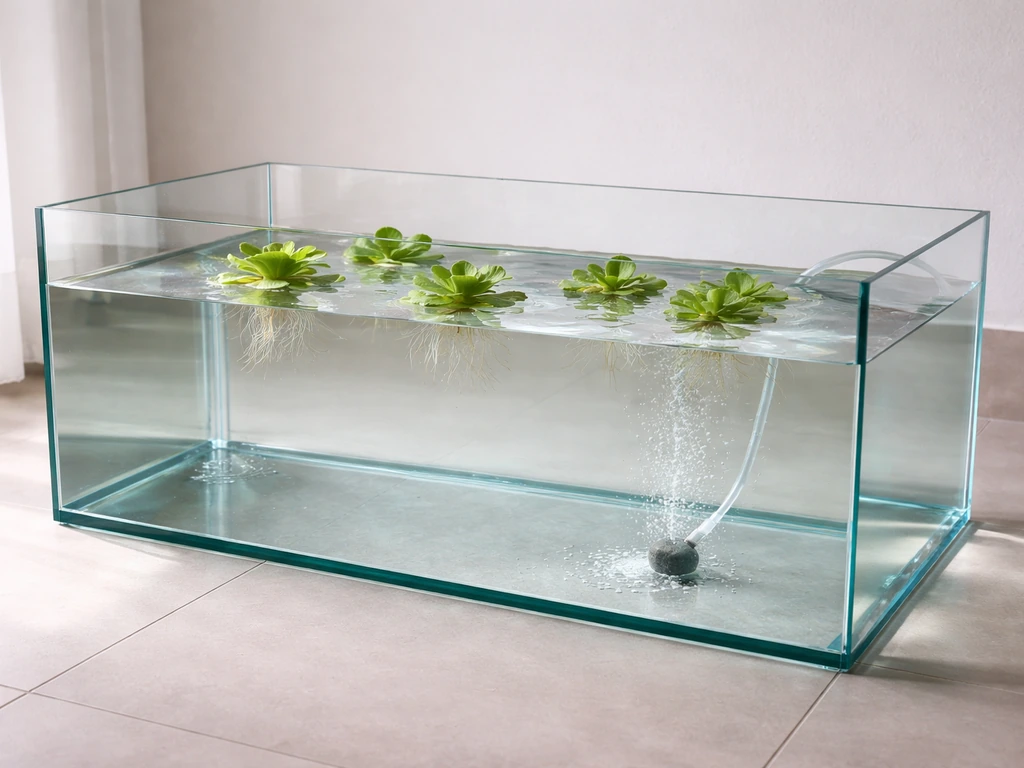
The container matters more than people expect. blank" rel="noopener noreferrer">Water lettuce spreads fast via stolons (horizontal runners that produce daughter plants), so if you start in something too small, you'll be thinning plants every week. I recommend starting with at least a 15- to 20-gallon tub for a comfortable setup. Dark-colored containers reduce algae growth because they block light from reaching the water, which is a real practical advantage indoors. Half wine barrels, large rubbermaid storage totes, and decorative resin pond tubs all work well.
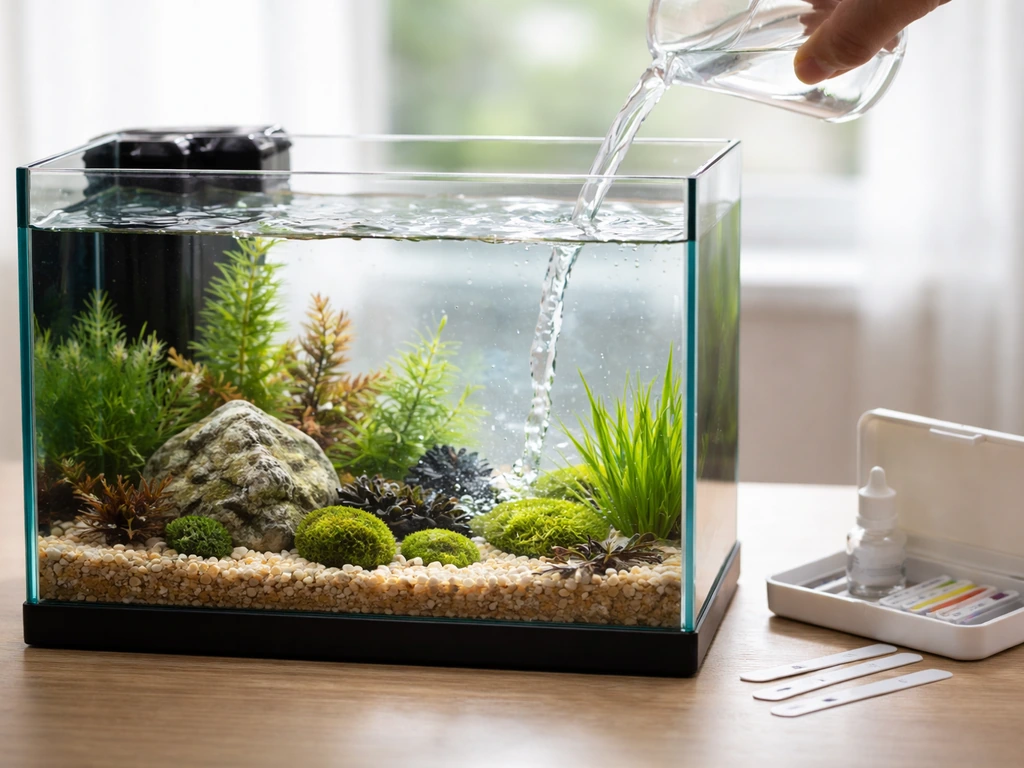
Fill your container with at least 8 to 12 inches of water. Deeper is fine, but water lettuce roots typically extend only 4 to 6 inches, so anything past 12 inches is mostly for stability and thermal buffering. If you're using tap water, let it sit uncovered for 24 hours to off-gas chlorine before adding plants. Alternatively, use a dechlorinator product (sold at any aquarium shop for a few dollars). Chlorinated water won't instantly kill water lettuce, but it stresses the roots and slows establishment noticeably.
You do not need a filter, but you do need some water movement or a regular water-change schedule. Completely stagnant, closed water in a warm room turns foul within 1 to 2 weeks, especially if you're fertilizing. A small USB-powered aquarium aerator (under $10) running a few hours a day makes a noticeable difference. If you're setting this up outdoors with some wind and natural rain topping it up, you can often skip the aerator entirely.
Light, temperature, and where to put your setup
Water lettuce is a sun-lover from tropical and subtropical regions. Outdoors, it thrives in full sun to partial shade (at least 6 hours of direct sun). Indoors, it needs a strong grow light or a very bright south- or west-facing window. A standard windowsill with indirect light will produce leggy, pale, unhappy plants. If you're growing indoors, a full-spectrum LED grow light positioned 6 to 12 inches above the plants for 12 to 14 hours per day is the practical minimum for healthy growth. I've tried windowsill-only setups and the plants survive but don't really thrive without supplemental light.
Temperature is equally important. Water lettuce goes dormant or dies below about 50°F (10°C) and grows poorly below 60°F (15°C). The sweet spot is 70°F to 80°F (21°C to 27°C) for both air and water. Indoors in a heated home during summer, you're probably fine without any special measures. In winter, even indoors, keep the container away from cold drafts near windows. Outdoors, water lettuce is typically a warm-season plant in most of the US and Europe, meaning you bring it inside or treat it as an annual once temperatures drop below 55°F at night.
| Setup | Light source | Best season | Key challenge |
|---|---|---|---|
| Outdoor patio/deck | Full sun (6+ hrs direct) | Late spring to early fall | Overwintering, temperature swings |
| Indoor sunny window | Bright indirect + some direct | Year-round if warm enough | Usually not enough light alone |
| Indoor with grow light | Full-spectrum LED, 12-14 hrs/day | Year-round | Managing heat from light, electricity cost |
| Greenhouse or sunroom | Natural light, protected | Year-round in warm climates | Temperature management in winter |
Nutrients, pH, and keeping the water healthy
Water lettuce feeds through its roots, which means the nutrients need to be dissolved in the water. In a pond with fish, the fish waste often provides enough nitrogen and phosphorus on its own. In a clean standalone container, you'll need to add fertilizer. Use a liquid aquatic plant fertilizer or a diluted all-purpose liquid fertilizer at about a quarter of the recommended strength, applied every 2 to 3 weeks. Over-fertilizing is a common beginner mistake and it feeds algae more than the plants, so less is genuinely more here.
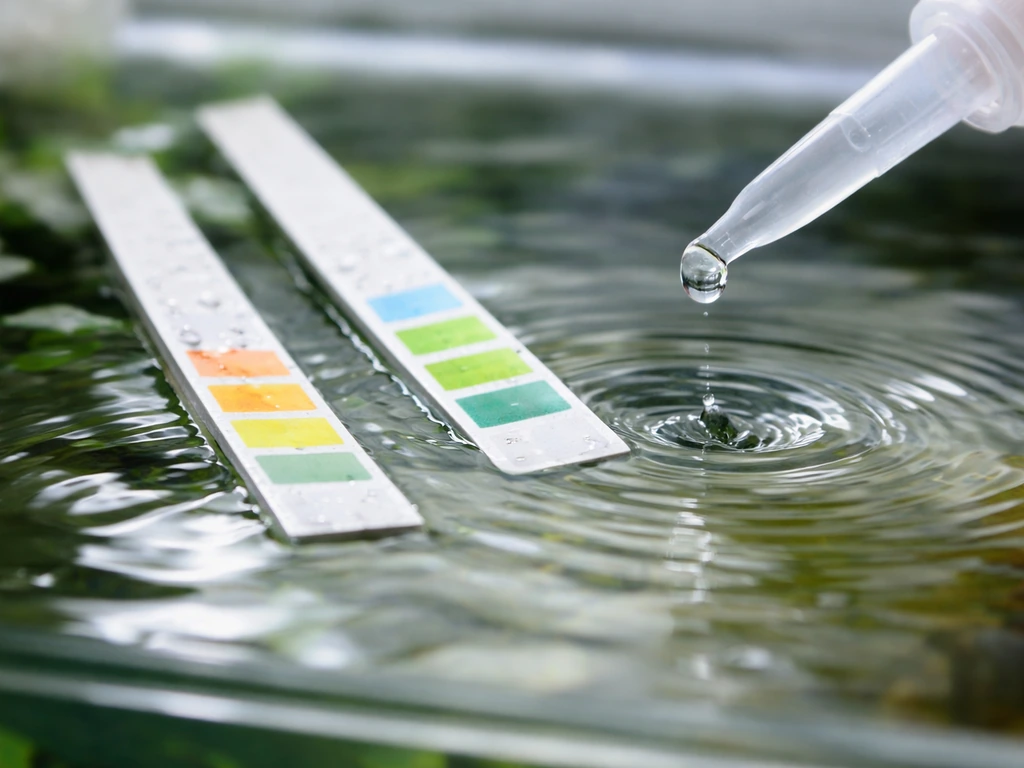
Keep the water pH between 6.5 and 7.5. Outside this range, nutrient uptake slows down and leaves start yellowing even if fertilizer is present. Test pH every week or two with a simple test strip. If pH climbs above 7.5 (common with tap water in hard-water areas), add a small amount of pH-down solution (available at aquarium shops). If it drops below 6.5, a pinch of baking soda dissolved in a cup of water and added slowly will bring it back up.
Top up evaporation losses every few days with fresh dechlorinated water. Every 2 to 3 weeks, do a partial water change: remove about 30% of the water and replace it with fresh. This flushes out accumulated salts, waste, and anything breaking down at the bottom. If the water starts to look green or cloudy before that schedule, do the change sooner. The goal is water that stays mostly clear, not completely sterile, just not murky.
How to plant, space, and support growth
Planting water lettuce is refreshingly simple: you just set the plants on the water surface. The roots naturally hang down and the leaves float. No anchoring, no soil, no substrate. The only real technique is making sure the crown (the center of the rosette where new leaves emerge) stays dry and above the waterline. If the crown sits in water, it rots. Tilt the plant gently to make sure it's floating upright and not on its side.
For spacing, start with one plant per roughly 6 inches of surface diameter, leaving open water between plants. In a 15-gallon tub about 18 inches across, three plants is a comfortable starting density. Water lettuce produces daughter plants via stolons within 3 to 4 weeks under good conditions, and those daughters produce their own daughters. The surface can go from 30% covered to 90% covered in a single growing season if you don't thin regularly. Overcrowding leads to poor light reaching inner plants, which causes yellowing and die-off at the center of the mat.
Thin the surface coverage to no more than 60 to 70% of the water area. Remove daughter plants by gently pulling the stolon connecting them to the mother plant, or just scoop out excess rosettes. You can transfer extras to a second container (a great way to scale up cheaply), compost them, or give them away. Do not dump water lettuce into natural waterways: it is an invasive species in many US states and regions outside its native range, and releasing it is illegal in some jurisdictions.
Care routine and realistic growth timeline
Here is what a typical water lettuce care routine looks like once your setup is running:
- Every 2 to 3 days: Check water level and top up evaporation losses with dechlorinated water.
- Weekly: Check water temperature and pH. Adjust if outside the 6.5 to 7.5 range.
- Every 2 weeks: Add diluted liquid fertilizer at quarter strength.
- Every 2 to 3 weeks: Do a 30% partial water change to flush accumulated salts.
- As needed (roughly every 2 to 4 weeks in summer): Thin excess plants to maintain 60% surface coverage.
- Monthly: Rinse any algae off the container walls with a clean sponge.
On the growth timeline: under good conditions (warm temperatures, strong light, regular fertilizing), a single water lettuce plant will produce its first daughter plant within 3 to 4 weeks. A healthy colony will roughly double in surface coverage every 4 to 6 weeks during warm months. The plants themselves grow quite quickly once established, with individual rosettes reaching 4 to 6 inches across at maturity. You won't be harvesting leaves to eat as with edible lettuce, but if your goal is a lush, full water surface, you can expect that within 6 to 8 weeks from a 3-plant start under good light and temperature. In cooler conditions or lower light, extend all those timelines by 50 to 100%.
Fixing the most common problems
Yellowing leaves
Yellowing is the most common complaint and it almost always comes down to one of three things: not enough light, nutrient deficiency, or pH out of range. Check light first (is the plant getting at least 6 hours of strong light?), then test pH (should be 6.5 to 7.5), then consider whether you've fertilized in the last 3 weeks. If all three check out, look at whether the container is overcrowded and inner plants are being shaded. Thin the mat and give it a week before judging improvement.
Stagnant or foul-smelling water
If your water smells like a swamp, you're seeing anaerobic decomposition, meaning organic matter (dead roots, dead leaves, accumulated fertilizer) is breaking down without enough oxygen in the water. Do a 50% water change immediately, remove any dead plant material from the container bottom, and add an aerator. Going forward, stick to your 2 to 3 week partial change schedule and don't over-fertilize.
Algae overgrowth
Green water (suspended algae turning the water green) or algae coating the container walls happens when there's too much light hitting the water combined with excess nutrients. The best long-term fix is actually a healthy, dense water lettuce canopy: the plants shade the water and out-compete algae for nutrients. In the short term, do a partial water change, reduce fertilizer frequency, and if the container is translucent, wrap the outside with dark fabric or paper to block light from entering the sides.
Sudden die-off
Rapid die-off (plants collapsing within days) is almost always a temperature shock or water quality crash. Check water temperature first. If it dropped below 50°F, the plants are likely too damaged to recover. If temperature is fine, check for chlorine burn (did you add unchlorinated tap water directly?) or a sudden pH crash. Replace most of the water with fresh, dechlorinated, temperature-matched water and move the container to a warmer spot. If you catch it early enough, the plants can sometimes recover from die-off by producing new growth from the crown.
Poor root development or stunted growth
Short, sparse roots and barely-growing plants in otherwise decent conditions usually point to low nutrients or low light. Add fertilizer and boost your light source. Also check whether the crown is sitting too low and getting wet: a crown that's repeatedly submerged will stop producing new leaves. Float the plant more upright and it often bounces back within a week.
Pests
Water lettuce can attract aphids, spider mites, and occasionally caterpillars indoors. A sharp spray of water from a hose or spray bottle will knock most pests off. Avoid using chemical pesticides in the water container because they harm the roots and, if you have any aquatic life in the container, can be toxic. Neem oil diluted in water and sprayed on the leaf surfaces (not into the water) is a safer option for persistent infestations.
Scaling up and what comes next
Once your first container is going well, scaling is genuinely easy. Water lettuce produces daughter plants constantly, so your second and third containers can be stocked entirely from your original plants within a growing season. Multiple tubs on a patio or in a greenhouse create a lush water garden quickly and cheaply.
If you want to push into a more productive, food-growing direction, the principles you've learned here translate directly into hydroponic lettuce setups where you grow edible varieties in nutrient-enriched water, or even into aquaponics where fish and plants work together. If you want to grow lettuce aquaponically, you will still focus on stable water temperature, dissolved nutrients, and a clean, well-aerated system that supports both fish and plants aquaponics.
For best results with hydroponic lettuce, focus on strong, consistent lighting, the right nutrient balance in the water, and stable temperature throughout growth. Those setups follow similar logic around pH, nutrients, and water management, just with edible crops at the center.
For maintaining long-term colonies, the rhythm is: thin regularly, change water partially every few weeks, fertilize lightly, and keep temperatures stable. Water lettuce won't need replacing if conditions stay right. A well-managed container can run for multiple growing seasons, with plants propagating themselves indefinitely. In warm climates (USDA zones 9 to 11), outdoor containers can overwinter if protected from freezing. Everywhere else, bring plants inside before the first frost or propagate a few plants into an indoor setup to carry through winter.
FAQ
How cold can the water lettuce water be before it stops growing or dies?
Water lettuce can tolerate short periods of cooler water, but if the container water drops below about 50°F (10°C) it can stall or die. In practice, move the tub indoors, insulate the sides, and avoid placing it right against cold window panes in winter, since drafts can cool the water even when the room feels warm.
Does letting tap water sit out for 24 hours always work for water lettuce?
If you are using tap water, dechlorinate it before adding plants. Letting water sit uncovered works for chlorine, but it may not remove chloramine. If your local supply uses chloramine, a dechlorinator made for chloramine is the safer choice, because untreated chloramine can stress roots and slow establishment.
What should I do if my container water smells bad or turns cloudy early?
No filter is fine, but if you notice a sour smell, a layer of sludge, or persistent cloudiness, the likely issue is low oxygen and organic buildup. Add aeration and do a larger partial water change (for example, 50%) sooner, then resume the smaller 30% changes on schedule.
How can I tell if I’m fertilizing too much?
A key sign you are overfeeding is algae growth that outpaces plant growth, especially green tint in the water and heavy algae on the sides. Scale fertilizer back by skipping one feeding cycle or reducing the dilution further, then keep light consistent rather than increasing brightness abruptly.
My plants look crowded, how do I know when to thin water lettuce?
Use the surface to guide you, not just the container size. If inner rosettes turn yellow and the outer plants look lush, you are likely too dense. Thin back to keep coverage around 60 to 70%, and remove daughters promptly so the mat does not shade itself.
Why is my water lettuce rotting at the crown even though the roots are floating?
If the crown (center) stays wet, it can rot even if the rest of the plant looks fine. Refloat the plant so the crown sits above the waterline, and if the crown already looks mushy, remove it and start over with a healthier rosette to avoid spreading decay through the water.
What is the most common indoor lighting mistake for water lettuce?
For indoor setups, it helps to measure distance and duration to match the light. Aim for a grow light roughly 6 to 12 inches above the plants, keep it on about 12 to 14 hours daily, and if plants get pale or leggy, raise duration first, then adjust distance.
Can I move my indoor water lettuce outside in spring without shocking it?
Yes, water lettuce can be moved outdoors once night temperatures are reliably above about 55°F (13°C). If you bring it from an indoor grow light setup, acclimate over several days to stronger sun by starting with partial shade, this reduces heat and light shock that can cause sudden die-off.
Can I grow water lettuce in a deeper tub or raised container?
You can do it, but only if you keep roots from dragging in the water and keep the crown dry. Use a shallow floating approach, meaning the plant should still be on the water surface. If the roots are constantly submerged too deeply or the crown sits in water, growth usually slows or stops.
What are the first checks when water lettuce suddenly collapses within a few days?
Treat the situation like an emergency water-quality issue. Check chlorine/dechlorination first, then test pH, and confirm temperature is near the warm sweet spot. Replace most of the water with temperature-matched, dechlorinated water, remove dead material, and run aeration to stabilize recovery.
Will aphids and mites come back after I spray them off?
Pests can be knocked down with water, but indoors you may need to repeat it because eggs stay on leaf surfaces. Keep leaves dry at the crown where possible, isolate the plant if infestation is heavy, and avoid pesticide sprays that could contaminate the water column.
What is the best way to start a second container from extras I’ve thinned out?
Yes, but do it carefully. Water lettuce stolons can tug loose plants, so when you thin, pull or scoop daughters gently at the connection point. If you want to start a new container, place removed rosettes in the new tub immediately so their crowns do not dry out or sit half-submerged.