Yes, you can grow lettuce in July, but you need to be strategic about it. Standard lettuce varieties will bolt (shoot up a flower stalk and turn bitter) once daytime temperatures push past 75°F consistently, and July in most of the US means exactly that kind of heat. The good news is that with the right varieties, some shade, smarter watering, and a little planning, you can absolutely harvest fresh lettuce through August and into September. Using the strategies in this guide is one of the best ways to figure out how to grow lettuce in summer without it bolting too quickly. The key is working with the heat rather than pretending it isn't there.
Can You Grow Lettuce in July? July to September Guide
Marcus Holloway
24 May 2026
July vs. Late-Summer Lettuce: What You're Actually Dealing With
Lettuce is fundamentally a cool-season crop. It thrives when average daily temperatures sit between 60 and 70°F, which is why spring and fall are the classic growing windows. In July, you're fighting on two fronts: daytime heat that speeds up bolting, and long daylight hours that also trigger it. UC IPM research confirms that both hot temperatures and long days push lettuce toward bolting, so July stacks both stressors at once.
That said, July isn't a lost cause. Looseleaf and butterhead varieties are much more forgiving than crisphead (iceberg-type) lettuce, which is genuinely hard to grow in summer conditions. If your July daytime highs are in the 80s and your nights stay above 60°F, you'll need to lean heavily on heat-tolerant varieties, shade cloth, and consistent moisture. If you're in a cooler climate where July highs stay in the mid-70s, you have more options and less drama.
For August and September: August is often the hardest month because it carries July's heat without the payoff of a recent planting window. But starting seeds in late July sets you up for a strong September harvest when temperatures naturally start to drop. September is genuinely one of the best months for lettuce in most climates, so planning your July plantings with a September harvest in mind is a winning strategy.
Best Lettuce Varieties for Summer Heat
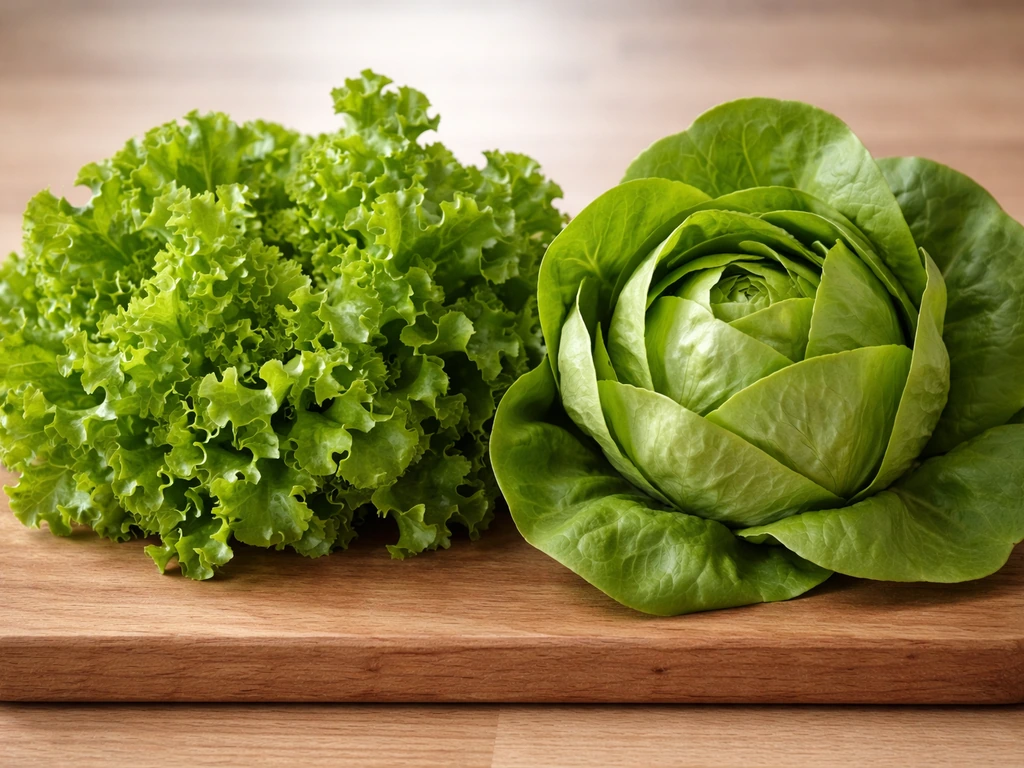
Variety selection is the single biggest factor in your summer success. Heat-tolerant varieties have been bred specifically to delay bolting and maintain better flavor when temperatures climb. Here are the ones I'd reach for first in July.
| Variety | Type | Heat Tolerance | Days to Harvest | Best For |
|---|---|---|---|---|
| Muir | Butterhead | High (delayed bolting) | 55–65 days | Outdoor beds, containers |
| Black Seeded Simpson | Looseleaf | High | 45–50 days | Quick harvest, any setup |
| Oak Leaf (Red or Green) | Looseleaf | High | 45–55 days | Containers, cut-and-come-again |
| Jericho | Romaine | Very high | 55–60 days | Hot, dry climates |
| Nevada | Looseleaf/Batavian | Very high | 50–60 days | Outdoor beds, hot summers |
| Slobolt | Looseleaf | High (bred for slow bolting) | 45–55 days | Any setting |
| Flashy Trout's Back | Romaine/Looseleaf | Moderate-high | 55 days | Containers, indoor grow |
Avoid crisphead or iceberg types in July entirely. They need sustained cool temperatures to form heads properly and will almost always bolt or fail to head up before conditions turn. Butterhead varieties like Muir are a solid middle ground if you want something with more substance than looseleaf. Garden ROI also points to Muir as a heat-tolerant butterhead option that can perform better in warm conditions by delaying bolting butterhead varieties like Muir are a solid middle ground. For the fastest turnaround in July heat, looseleaf types like Black Seeded Simpson or Oak Leaf are your most reliable bet.
When and How to Start: Seed vs. Transplants
For July planting, direct seeding is completely viable and is actually what I'd recommend for looseleaf varieties. Lettuce seed germinates best at 70–75°F soil temperature, which is easy to hit in July. The catch is that above 80°F, germination drops off sharply, so if your soil is baking, you may need to pre-chill your seeds or sow in the evening so the soil cools slightly overnight before seeds absorb moisture. A simple trick: soak seeds in a damp paper towel and refrigerate for 24 hours before sowing. This light cold treatment can improve germination rates when outdoor conditions are warm.
Transplants give you a head start of roughly 2–3 weeks and cut your outdoor exposure during the hottest part of summer. If you're starting transplants indoors (or buying starts), transplanting in late July when temperatures begin to moderate slightly gives you lettuce in the ground with less heat stress than a mid-July direct sow would face. Head lettuce (butterhead, romaine) is generally ready to harvest 60–70 days after transplanting, versus 70–80 days from seed, so transplants make a real difference when the September harvest window is your goal.
- Direct seed looseleaf varieties in early to mid-July for harvest in late August.
- Start butterhead or romaine transplants indoors in early July, then move outside in late July or early August.
- Pre-chill seeds in a damp paper towel in the fridge for 24 hours if your soil is above 80°F.
- Sow seeds in the evening or on a cloudy day to reduce heat stress during germination.
- Direct seed a second succession in late July or early August to extend harvest into late September.
Outdoor Beds, Containers, and Indoor or Hydroponic Options
Outdoor Ground Beds
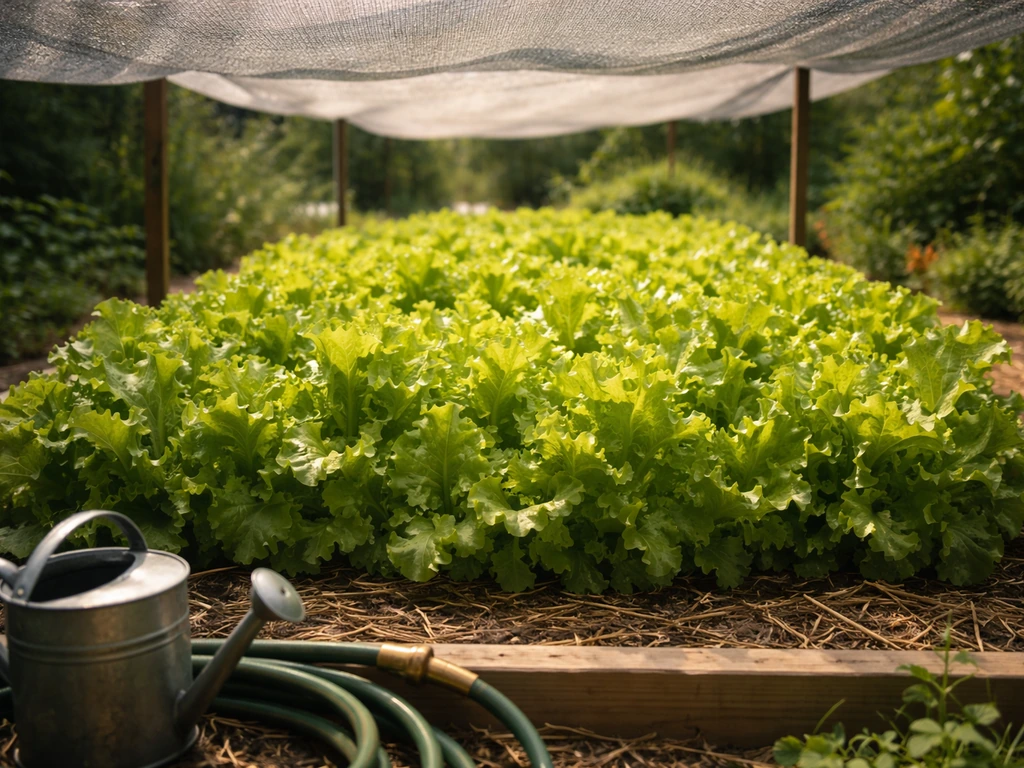
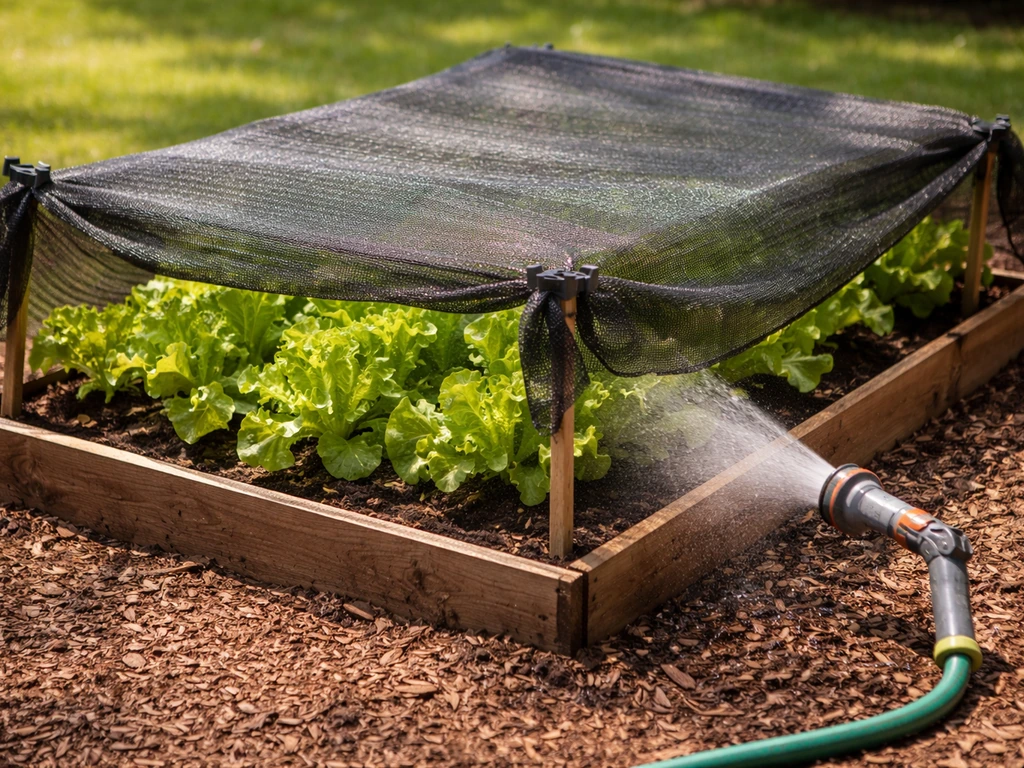
Outdoor beds in July need two things above everything else: shade and consistent moisture. Install a 30–50% shade cloth over your bed, especially during peak afternoon sun hours (roughly 11am to 4pm). This alone can drop soil and leaf temperatures by 10°F or more. Raised beds heat up faster than in-ground beds, so if you're gardening in raised beds, be extra attentive to watering frequency in July and August. Mulching heavily (2–3 inches of straw or wood chips) helps retain soil moisture and keeps root-zone temperatures lower.
Container and Patio Growing
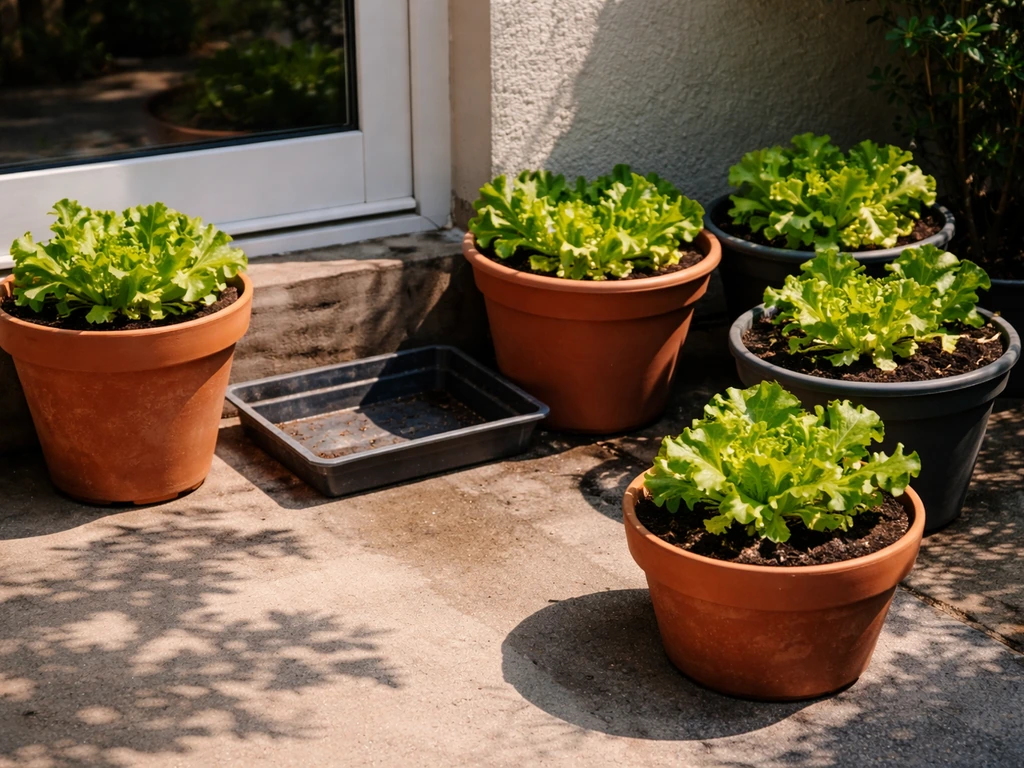
Containers are actually a great option in July because you can move them. A pot of lettuce on a west-facing patio can be shifted to a shadier spot during a heat wave. Use larger containers (at least 8–10 inches deep, 12+ inches wide for multiple plants) because smaller pots dry out dangerously fast in summer heat. Light-colored containers reflect heat better than dark ones. Self-watering containers with a reservoir are worth the investment in summer, since they help maintain even moisture without daily hand-watering.
Indoor Grow Setups and Hydroponics
If outdoor heat is just too brutal where you live, growing lettuce indoors under grow lights or in a hydroponic system gives you complete climate control. This is genuinely the easiest way to grow lettuce in July because you can keep temperatures in the ideal 60–70°F range with air conditioning and proper airflow. In a hydroponic setup (NFT, DWC, or Kratky), lettuce grows significantly faster than in soil, often reaching harvest in 30–45 days from transplant. Water temperature in your reservoir matters too: keep it below 72°F to prevent root rot and maintain healthy growth. Indoor growers should also note that, unlike outdoor lettuce dealing with long summer days, you control the photoperiod, so keeping lights on a 16-hours-on, 8-hours-off schedule avoids the bolting trigger that long natural days create.
Light, Temperature, and Watering Targets for Summer Success
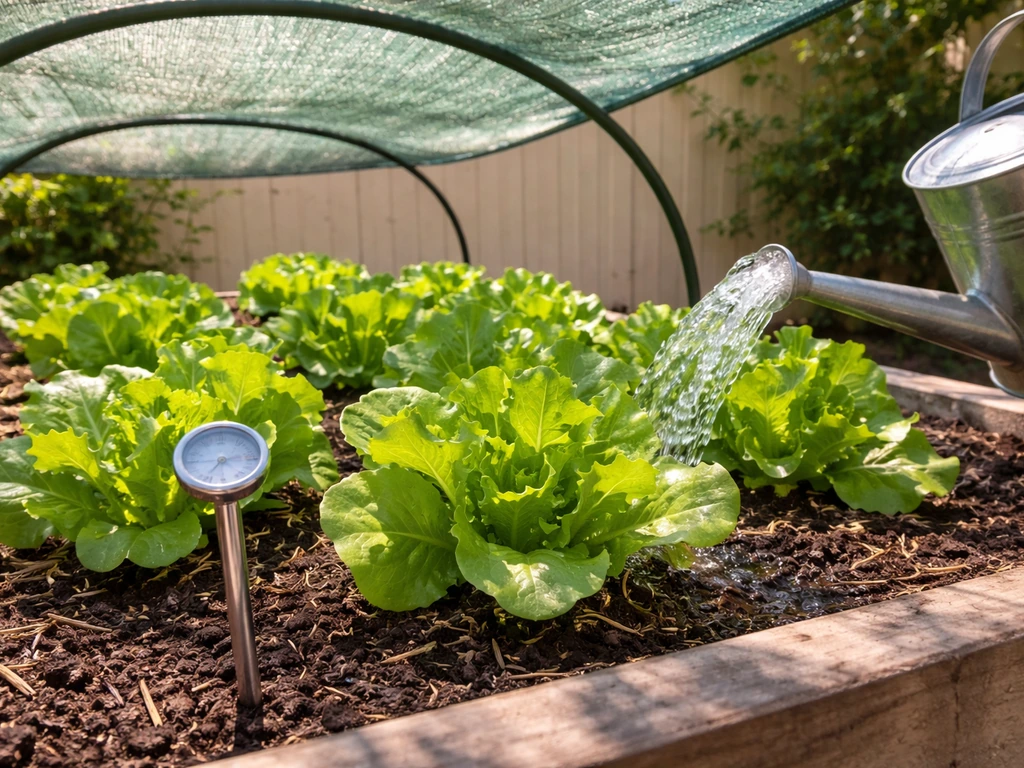
Think of these as your heat-proofing targets. If you can hit most of them, you're dramatically reducing bolting and bitterness risk.
| Factor | Ideal Target | Summer Reality Fix |
|---|---|---|
| Daytime temperature | 60–70°F | Shade cloth, afternoon shade positioning |
| Nighttime temperature | 45–55°F | Natural cooling; indoor/AC growing if nights stay above 65°F |
| Light (outdoor) | Full sun, 6+ hours | Reduce to 4–5 hours with afternoon shade cloth in peak summer |
| Light (indoor/hydroponic) | 14–16 hours of grow light | Set timer; avoid 24-hour light which stresses plants |
| Soil moisture (outdoor/container) | Consistently moist, never soggy | Water daily or twice daily in heat; check 1 inch deep |
| Hydroponic reservoir temp | Below 72°F | Use insulated reservoir or frozen water bottles if needed |
| Soil/growing medium pH | 6.0–7.0 | Test and adjust before planting |
Watering is where most summer lettuce fails. Lettuce has a shallow root system and dries out fast in heat. In July, you may need to water outdoor lettuce every day, and sometimes twice a day during heat waves. The goal is to keep the top inch of soil consistently moist without waterlogging. Wilting in the afternoon heat is normal and doesn't always mean the plant is dying; check the soil and water if it's dry. A wilted plant at 7pm that perks back up by 9pm is handling heat stress reasonably well.
Spacing, Planting Depth, and Succession Planning
Spacing and Depth
Plant lettuce seeds no deeper than 1/8 to 1/4 inch. They need light to germinate, so pressing them into moist soil and barely covering them is the right move. For looseleaf varieties grown as cut-and-come-again (harvesting outer leaves repeatedly), space plants 4–6 inches apart. For full-head butterhead or romaine, give each plant 8–10 inches of space. In containers, you can fit two to three looseleaf plants in a 12-inch pot if you're harvesting leaf-by-leaf rather than waiting for full heads.
Succession Planting for a Continuous Harvest
Succession planting is the real secret to keeping lettuce on your plate through August and September. Rather than planting everything at once, stagger small sowings every 2–3 weeks. Here's a practical schedule for a July start:
| Sowing Date | Variety Type | Expected Harvest |
|---|---|---|
| Early July (now or recent) | Looseleaf (Black Seeded Simpson, Oak Leaf) | Mid to late August |
| Mid-July | Heat-tolerant looseleaf or butterhead (Muir, Nevada) | Late August to early September |
| Late July | Romaine (Jericho) or butterhead transplants | Mid to late September |
| Early August | Looseleaf or fall mix | Late September into October |
Each sowing gives you a fresh wave of plants at the right stage as temperatures start to drop. By the time your first July sowing is finishing up or starting to bolt, your late-July planting is just hitting its stride in the cooler September weather. This is the approach I rely on every summer, and it means I rarely go more than two weeks without being able to cut fresh lettuce.
Troubleshooting Late-Summer Problems and What to Do About Them
Bolting (Plants Going to Seed)
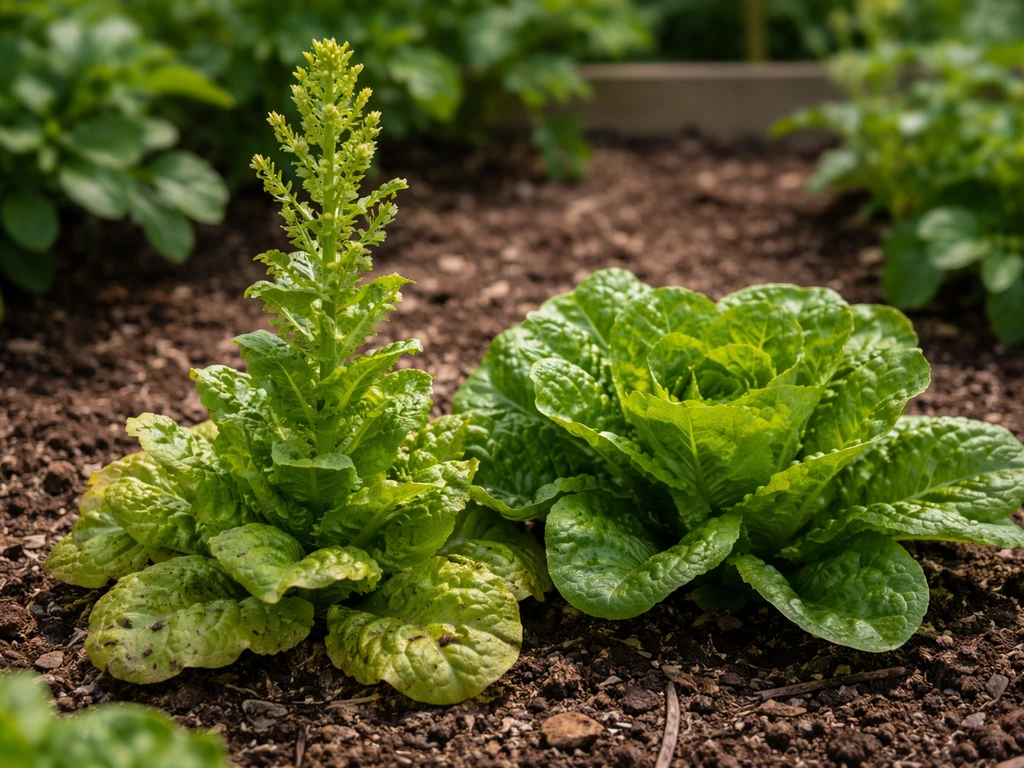
If your lettuce sends up a tall central stalk, it's bolting. Once it starts, you can't reverse it, and the leaves will quickly turn bitter. The fix is mostly preventive: choose heat-tolerant varieties, use shade cloth, keep plants watered, and harvest early and often. If you catch a plant just beginning to elongate at the center but hasn't fully bolted yet, harvest the whole plant immediately and use those leaves. They're still fine to eat at that stage. Discard plants that have fully bolted rather than trying to save them, and replace with a fresh sowing.
Bitter Leaves
Bitterness in summer lettuce comes from heat stress and the early stages of bolting. If leaves taste bitter but the plant hasn't bolted, try increasing shade and watering more consistently. Harvesting in the morning when leaves are cool and well-hydrated also produces noticeably better flavor than cutting in the afternoon. Outer leaves on older plants tend to be more bitter than younger inner leaves, so favor the inner growth when harvesting.
Germination Failure
If seeds aren't sprouting, soil temperature above 80°F is almost always the cause. Try the refrigerator pre-chilling method mentioned earlier, sow in the evening, and cover the area lightly with a board or damp burlap until you see sprouts (remove it immediately once they emerge). Starting seeds in a cool indoor space and transplanting out is a reliable workaround if outdoor germination keeps failing. how to grow lettuce in cold weather cold indoor space.
Tip Burn (Brown Leaf Edges)
Tip burn looks like the edges of leaves are turning brown and papery. It's caused by calcium deficiency at the leaf margins, which is usually triggered by uneven watering rather than an actual lack of calcium in your soil. The plant can't move calcium fast enough to the leaves when water uptake is inconsistent. The fix is simple: water more evenly and frequently. In hydroponics, check that your calcium levels are adequate (shoot for a balanced nutrient solution) and keep reservoir temperature stable.
Aphids and Slugs
Aphids cluster on the undersides of leaves and explode in numbers during summer. If you catch them early, a strong spray of water knocks most of them off. For heavier infestations, insecticidal soap spray applied in the early morning works well and won't leave harmful residue on edible leaves if you rinse before eating. Slugs tend to be more of a problem in humid or irrigated beds. Diatomaceous earth sprinkled around plants creates a deterrent, and beer traps placed nearby overnight can catch large numbers of slugs before they reach your lettuce.
Uneven or Slow Growth
If some plants are racing ahead and others are stunted, the most common culprits are uneven watering, inconsistent shade coverage, or crowding. Check that shade cloth is covering all plants equally, thin overcrowded seedlings to their proper spacing, and make sure you aren't overwatering one side of a bed while neglecting the other. In containers, rotating the pot every few days ensures all sides get equal light exposure.
Summer lettuce growing is absolutely doable, and the learning curve is mostly about managing heat and timing. To get the best results, follow these specific steps for how to grow spring mix lettuce, including the right sowing and harvest timing. Once you've got a succession planting rhythm going with heat-tolerant varieties, the process becomes fairly routine. If you find yourself wanting to extend the season even further in both directions, the same principles that help with July heat also inform how to approach growing lettuce in cold weather and through winter, just applied in reverse.
FAQ
If my July weather is hot, is it ever worth starting lettuce from seed instead of buying starts?
Yes, but only in a limited way. Aim to start lettuce from seed in July during the coolest part of the day (evening) and plan for harvest to begin before or as nights start dropping. If your July nights stay above about 60°F, focus on looseleaf and butterhead, and expect tighter timing, since plants often bolt sooner than in late summer.
What’s the right way to use shade cloth in July lettuce beds?
For July, use shade cloth that blocks roughly 30 to 50% of light, and keep it positioned consistently across the whole bed. Temporary shade that leaves some plants exposed during the hottest hours often leads to uneven bolting and bitterness, even when watering is correct. Also, avoid pulling cloth too tight over plants, since airflow gaps can increase disease pressure.
How do I tell if my lettuce is wilting from heat stress versus underwatering?
Most of the time, afternoon wilting is heat stress, but you should confirm by checking soil moisture at root depth (about 1 to 2 inches). If the soil is moist and leaves are limp, increase airflow and keep shade consistent. If the soil is dry, water more deeply and consider splitting irrigation into two shorter sessions to avoid runoff while still keeping the root zone evenly moist.
Should I water lettuce in the morning or evening during July heat?
Watering timing matters. Morning watering helps prevent leaf-surface problems and gives plants moisture when temperatures rise, while late-night watering can keep leaves damp longer. In extreme heat waves, you can water twice a day, but try to do the second watering earlier in the evening so foliage dries before dark.
Can I mulch lettuce in July, and does it cause any problems?
Yes, and it can be a big help. Use 2 to 3 inches of mulch to maintain even moisture and keep root-zone temperature lower. Keep mulch slightly away from the crown of the plant to reduce rot risk, and refresh mulch if it gets compressed or thin after heavy watering.
What if I seeded too deep, will lettuce still sprout in July?
A slightly deeper sowing than recommended can reduce germination in warm soil. Keep lettuce seed shallow (about 1/8 inch, not more than 1/4 inch), and press it gently so seed-to-soil contact is good. If you pre-chill seeds or sow in the evening, stay shallow anyway, since the temperature fix helps germination but depth still affects emergence.
My July lettuce seeds won’t sprout, what should I check first?
If seedlings are failing to emerge in July, the most likely causes are soil temperature above the germination range and crusted or overly dry topsoil. Re-chill seeds, sow at night, and cover the seed area lightly until sprouts appear. If you consistently exceed about 80°F soil, consider starting indoors and transplanting once plants have a couple sets of true leaves.
Is it better to harvest looseleaf lettuce as cut-and-come-again during July instead of waiting for full size?
Yes. If you’re cutting outer leaves for looseleaf types, don’t harvest too aggressively all at once. Leave enough leaf area for regrowth, and keep harvesting from younger outer leaves. This reduces shock and helps plants keep producing while heat pushes them toward bolting.
What should I do if some plants bolt before the rest in my July succession row?
Expect more bolting risk as days lengthen and temperatures rise, especially once you see the central stalk starting. If only a few plants bolt early, harvest them immediately once you catch the earliest elongation, then remove the bolting plant to protect neighboring growth and replace with your next succession sowing.
How do fertilizing and container size affect lettuce performance in July?
Yes, and nutrient stress can worsen heat tolerance. In containers, lettuce can run short faster because water drains more quickly. Use a balanced fertilizer on a regular schedule (based on the product label) and avoid heavy nitrogen spikes, which can increase weak growth. In hydroponics, verify pH and keep reservoir temperatures controlled to support healthy roots.