You can absolutely grow lettuce through winter outdoors, but it takes the right variety, a bit of cold protection, and timing that works with your local frost dates. The key is starting plants before hard freezes arrive (usually late summer to early fall), picking fast-maturing cold-tolerant varieties like 'Winter Density' or 'Nevada', and covering them with row cover or a low tunnel to keep temperatures just above the danger zone. Done right, you'll be harvesting fresh greens well into the coldest months of the year.
How to Grow Winter Lettuce Outdoors: Step-by-Step Guide
Marcus Holloway
7 May 2026
Winter lettuce basics and choosing the right type
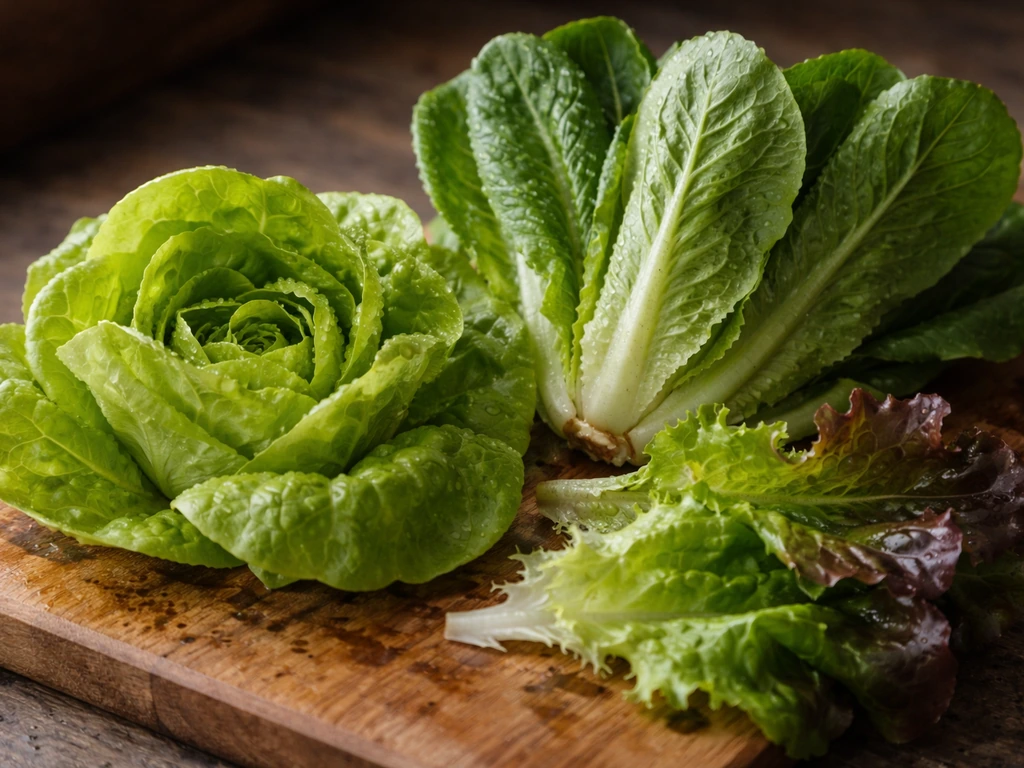
Not all lettuce handles cold equally, and variety choice makes or breaks a winter harvest. Butterhead and romaine types are your best bets for outdoor winter growing because they're compact, cold-tolerant, and mature relatively quickly. Loose-leaf types work too, especially for cut-and-come-again harvests, but they're a bit less forgiving in wet, cold conditions where rot can creep in.
Here are the varieties I'd recommend starting with for winter production. 'Winter Density' is a classic butterhead-romaine cross that matures in roughly 54 to 60 days and is specifically bred for cold-season growing. 'Nevada' is another excellent choice, coming in at about 48 days to maturity, which matters a lot when your growing window is short. Standard butterhead types can mature in 42 to 70 days depending on conditions, and romaine types generally run 50 to 70 days. Leaf lettuce is the fastest option for baby greens at around 27 days, though full heads take longer.
Why does variety matter so much in winter? Slower-maturing or heat-loving varieties sit in cold, damp soil too long and invite rot and disease. Fast varieties give you a harvest before the worst conditions set in. Crisphead types (think iceberg) take 60 to 120 days and are the worst choice for winter outdoors because they need a long, even growing season without temperature extremes.
| Variety/Type | Days to Maturity | Winter Suitability | Notes |
|---|---|---|---|
| Winter Density (butterhead-romaine) | 54–60 days | Excellent | Bred for cold; compact heads |
| Nevada (leaf/romaine) | 48 days | Excellent | Fast; great for tunnels |
| Butterhead (general) | 42–70 days | Good | Cold-tolerant; shorter types best |
| Romaine/Cos | 50–70 days | Good | Space for airflow to reduce rot |
| Loose-leaf | 27 days (baby) | Moderate | Fast but watch for rot in wet cold |
| Crisphead/Iceberg | 60–120 days | Poor | Too slow; avoid for winter outdoors |
Setting up your outdoor winter bed
Picking your spot
Choose a full-sun location for outdoor winter lettuce. I know that sounds obvious, but in winter the sun is lower in the sky and buildings or fences that never cast shade in July will block light for hours in December. South-facing beds or slopes are ideal because they capture maximum low-angle winter sun and warm up faster after cold nights. Good drainage is equally critical since waterlogged soil in cold temperatures is the fastest route to crown rot and disease.
Timing your planting
The planting window for outdoor winter lettuce depends on when hard freezes arrive in your area. If you want to grow lettuce in July, use that late-summer planning window to start seeds early so they’re ready for the cooler weather ahead can you grow lettuce in july. As a general rule, aim to transplant seedlings 4 to 6 weeks before your first hard frost date so plants have time to establish before cold really bites.
UMN Extension recommends fall sowing about three months before the average first fall frost date to help plan winter lettuce timelines aim to transplant seedlings 4 to 6 weeks before your first hard frost date. If you're starting from seed, add another 5 to 6 weeks for transplant production.
In practice, that often means seeding indoors in late July or August, transplanting in September, and harvesting through November and beyond with protection. If you want spring mix lettuce instead, you can use a similar indoor-start and transplant plan and then switch to harvest-as-it-grows once temperatures rise. In milder climates (USDA zones 7 and warmer), you can direct sow in September or October and harvest well into winter.
Cold protection: your toolkit
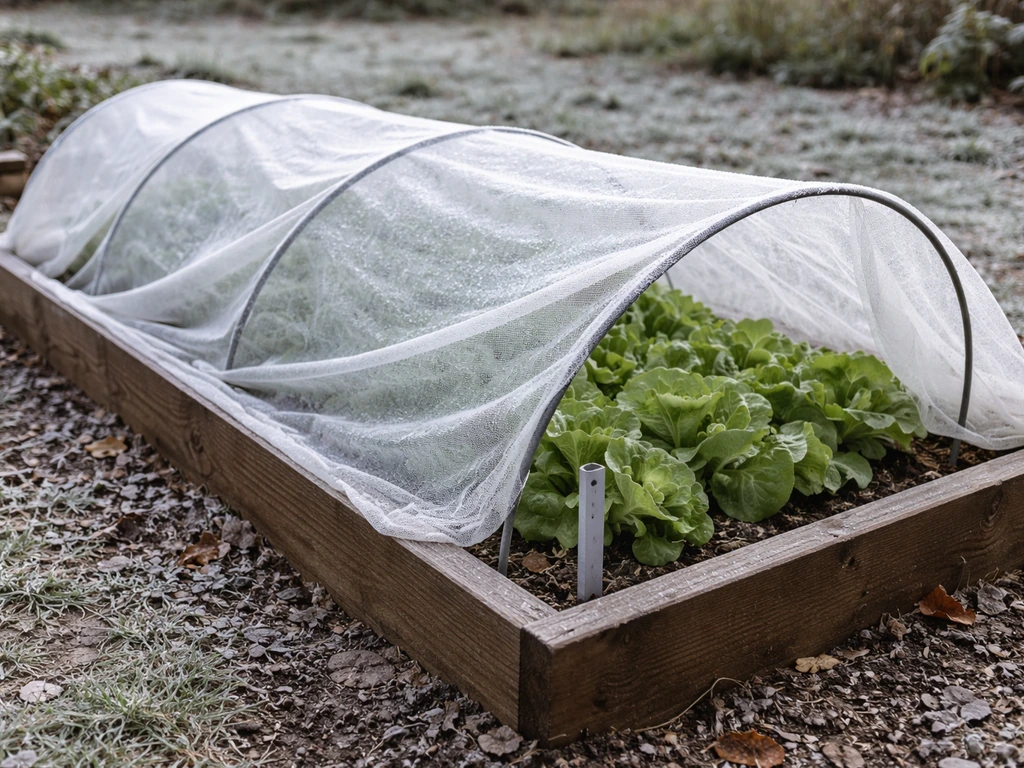
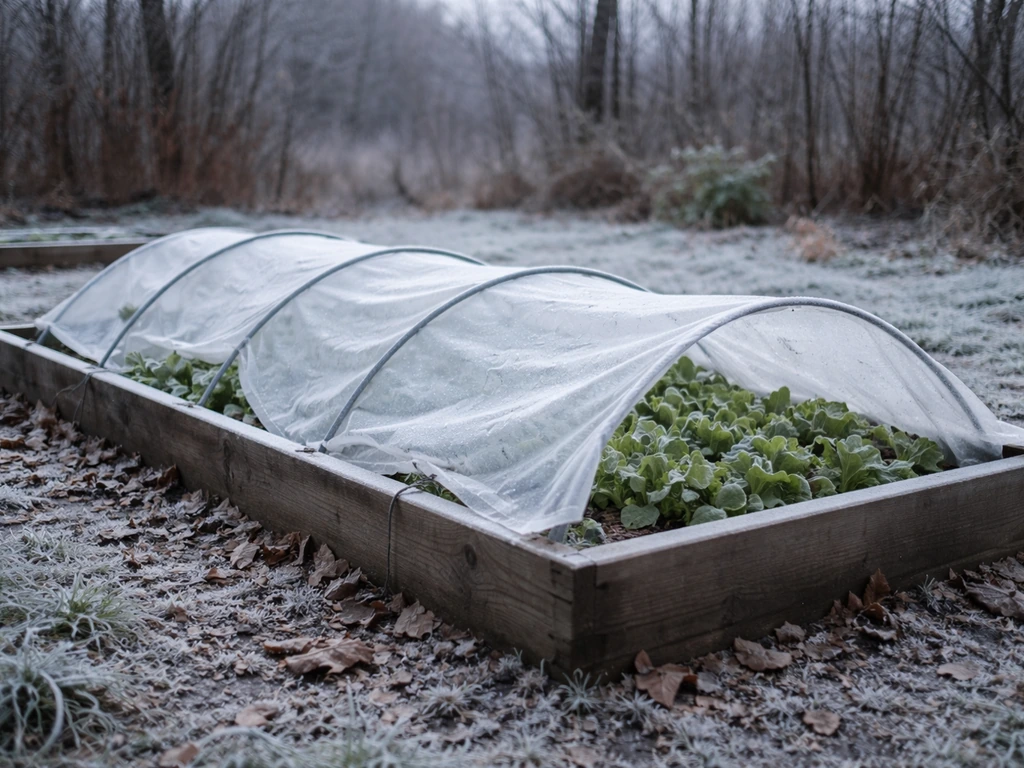
This is where outdoor winter growing either works or doesn't. Unprotected lettuce can survive a light frost, but sustained freezing temperatures will kill it without some form of cover. The good news is that the protection doesn't have to be complicated or expensive. Here are the main options:
- Floating row cover (frost blanket): The simplest option. Drape it directly over plants or support it on hoops. A single layer typically provides 4 to 8 degrees F of frost protection. Use a heavier fabric weight for colder climates.
- Low tunnels: PVC or wire hoops set 2 to 3 feet above plants, covered with row cover or plastic sheeting. These are more effective than bare row cover and easier to manage for larger beds.
- Plastic-over-row-cover layering: For deep cold, place a 4-mil or 6-mil clear agricultural plastic layer over your row cover so snow slides off rather than collapsing the tunnel.
- Cold frames: A bottomless box with a clear lid (glass or polycarbonate) placed over plants. Excellent for containers or small raised beds. Very low maintenance once built.
- Cloches and hot caps: Good for protecting individual plants. Less practical at scale but useful for spot protection or containers.
One thing to remember with any solid cover: ventilation matters. On sunny winter days, even a low tunnel can overheat and stress plants. Open the ends or roll up the sides on days when temperatures rise above 45 to 50 degrees F. Self-venting row covers help here, but you still need to check regularly. Trapped heat and moisture together are prime conditions for gray mold (more on that in the troubleshooting section).
Soil, containers, and spacing
Getting the soil right
Lettuce needs well-drained, moderately fertile soil with a pH of 6.5 to 7.5. Before planting your winter bed, amend heavy clay soil with compost to improve drainage. If you're adding compost at planting, keep it to no more than 1 inch of well-composted organic matter per 100 square feet. More than that and you risk pushing too much soft, nitrogen-heavy growth that's more susceptible to cold damage and fungal disease. Good drainage isn't a nice-to-have in winter, it's essential.
Container growing for winter lettuce
Containers are a fantastic option for winter lettuce, especially if you're on a balcony, patio, or can move pots indoors during extreme cold. Use a container at least 6 to 8 inches deep (lettuce is shallow-rooted, so you don't need huge depth) and make absolutely sure it has drainage holes. A well-draining potting mix beats garden soil in containers because it doesn't compact or waterlog as easily. The other big advantage of containers: you can move them under an overhang, into a cold frame, or onto a sunny windowsill when temperatures drop dangerously low.
Spacing for winter growing
Spacing matters more in winter than in summer because crowded plants trap moisture and restrict airflow, which speeds up fungal problems. For romaine types, aim for 12 inches between plants in the row and 15 to 18 inches between rows. For other head types, 8 to 12 inches between plants and 12 to 18 inches between rows works well. If you're growing leaf lettuce for cut-and-come-again harvests, you can plant more densely but thin to about 1 inch between plants once seedlings emerge. For individual transplants of butterhead or romaine, thin or transplant to 6 to 8 inches apart at minimum.
Plant seeds at a depth of 1/4 to 1/2 inch. Lettuce seed is tiny and doesn't need to be buried deep. If you're direct sowing outdoors in fall, sow a bit more thickly than you think you need and thin after germination, since cold soil can reduce germination rates.
Watering and fertilizing through winter
How to water without causing rot
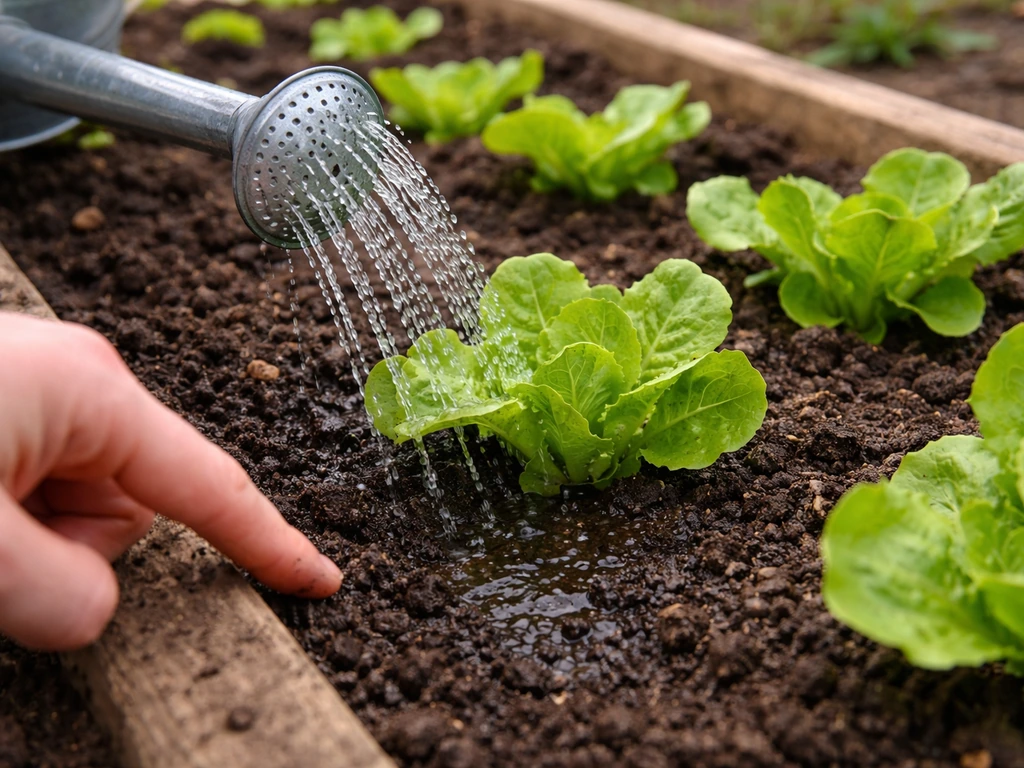
Lettuce is shallow-rooted and needs consistent moisture, but in winter the risk of overwatering is much higher because evaporation slows way down. Water at the base of plants rather than overhead whenever possible. Drip irrigation is the best system for winter lettuce because it delivers moisture to the root zone without wetting foliage, which dramatically reduces disease risk. If you're hand-watering, use a watering can with a fine rose head and water in the morning so any splashed foliage can dry before nighttime temperatures drop.
Check soil moisture by pressing a finger 1 inch into the soil. If it's still damp, don't water yet. In winter, you may only need to water once every 7 to 10 days outdoors, less if you've had rain or snow melt. Container plants may need watering every 5 to 7 days depending on temperature and light. The warning sign for overwatering is yellowing lower leaves and a musty smell at soil level.
Feeding winter lettuce
Winter lettuce doesn't need heavy feeding. Growth is slow in cold conditions, and pushing too much nitrogen creates soft, lush leaves that are more vulnerable to frost damage and fungal disease. Maintaining a fertile, well-composted soil before planting is usually enough for most home growers. If your plants look pale or yellowing mid-season, a diluted liquid fertilizer (half-strength fish emulsion or balanced liquid feed) applied once is usually all they need. Avoid granular slow-release fertilizers in cold soil because they break down very slowly and can accumulate to damaging levels when things warm up in spring.
Light and temperature: what winter lettuce actually needs
Lettuce grows best between 45 and 65 degrees F. Below 28 degrees F (-2 degrees C) unprotected plants will suffer, and repeated hard freezes will kill them. With proper cover, you can protect plants down to about 10 to 15 degrees F in some setups, but growth essentially stops below freezing.
Row covers can also help frost protection by warming the crop microclimate, and USU extension provides temperature-range comparisons (for example around 28°F and 24, 28°F) in their row cover guidance protect plants down to about 10 to 15 degrees F in some setups.
The cold isn't always the problem though. What kills a lot of winter lettuce isn't one hard freeze but repeated freeze-thaw cycles combined with poor drainage and wet foliage.
For light, outdoor winter lettuce needs as much direct sun as possible. Aim for at least 6 hours of direct sun per day, which is harder to achieve in winter but doable in a well-chosen south-facing spot. Under low tunnels or plastic covers, clear or translucent material is important so you're not blocking the limited light you have.
Growing winter lettuce indoors
If outdoor conditions are too harsh or you don't have an outdoor space, growing lettuce indoors through winter is completely doable. A bright south-facing windowsill can work, but honestly, most indoor windows in winter don't provide enough light for fast, healthy lettuce growth. Supplemental grow lights (full-spectrum LED) set 4 to 6 inches above the plants for 14 to 16 hours per day will give you much better results. Temperatures of 60 to 65 degrees F indoors are close to ideal. Avoid placing containers near heating vents, which dry out soil and foliage quickly and can cause stress-related bolting.
From planting to harvest: your winter lettuce schedule
Here's how to map out a practical winter lettuce timeline. Adjust the specific dates based on your first and last frost dates, but the structure holds everywhere.
- 8–10 weeks before first hard frost: Start seeds indoors if you plan to transplant. Lettuce needs 5 to 6 weeks to reach transplant size.
- 6 weeks before first hard frost: If direct sowing outdoors, sow seeds at 1/4 to 1/2 inch depth in prepared beds. Keep soil moist until germination (7 to 10 days typically).
- 4–5 weeks before first hard frost: Transplant seedlings outdoors at proper spacing. Install your cold protection (row cover, tunnel) now rather than waiting for a cold snap.
- Week 1–3 after transplanting: Plants focus on root establishment. Growth appears slow above ground but they're settling in. Keep soil evenly moist, vent covers on warm days.
- 3–6 weeks in: Growth picks up as plants establish. Begin harvesting outer leaves from leaf and butterhead types once plants are 4 to 6 inches tall. For cut-and-come-again, cut to 1 inch above the crown.
- 6–8 weeks in: Romaine and butterhead heads begin forming. Harvest whole heads when firm and full, before they bolt. 'Nevada' is ready around 48 days; 'Winter Density' around 54 to 60 days.
- Ongoing: After each harvest, remove any dead or damaged outer leaves to reduce disease habitat. Keep covers in good repair. On warmer days above 45°F, vent tunnels.
Troubleshooting the most common winter lettuce problems
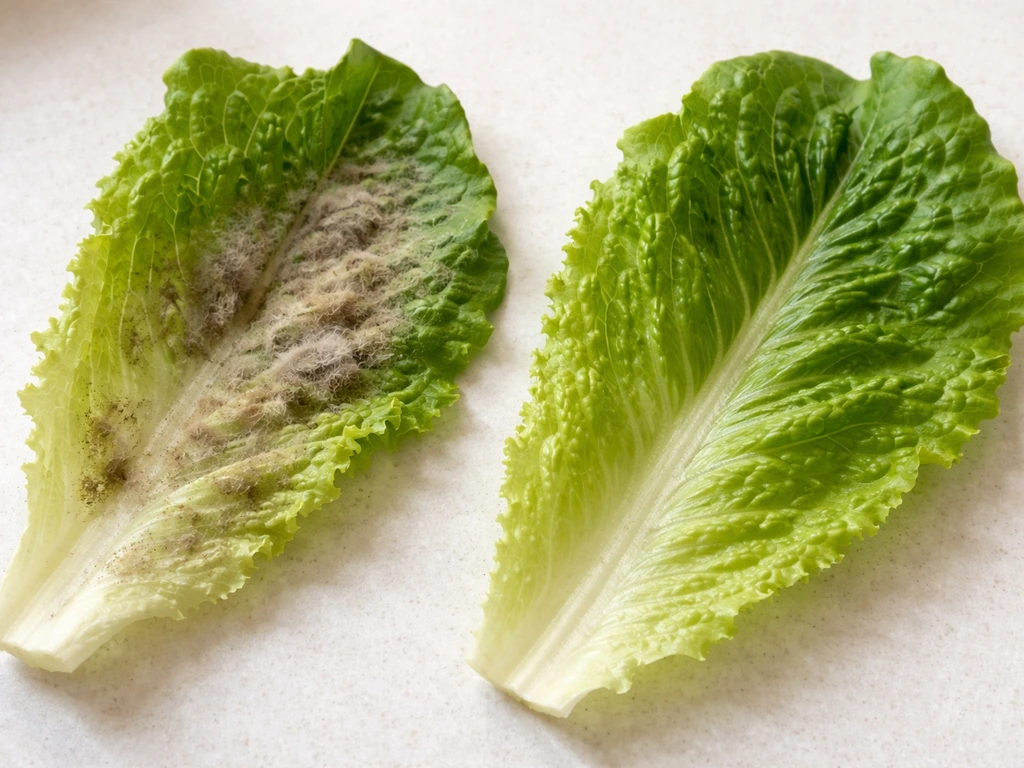
Gray mold (Botrytis cinerea) is the most common disease problem for winter lettuce. It shows up as light brown patches on leaves followed by fuzzy gray or brown fungal growth, usually where leaves meet the soil or in the center of dense plants. The fungus thrives on decaying plant material and spreads quickly in damp, poorly ventilated conditions. If you see it, remove infected leaves immediately, reduce watering, improve airflow by thinning nearby plants, and vent your covers more aggressively on non-freezing days. Prevent it in the first place by planting in well-drained soil, spacing generously, and clearing dead plant material from around your beds.
Slow growth is normal and expected in cold weather, but if your plants look genuinely stunted or pale, check soil moisture (both over and underwatering cause stunting), soil pH (target 6.5 to 7.5), and light levels. Sometimes the cover itself is blocking too much light. Switching from opaque frost cloth to clear plastic over a layer of lighter row cover can improve light transmission noticeably.
Bolting in winter sounds counterintuitive, but it can happen. Prolonged cold temperatures, unusual warm spells, or stress from temperature swings can all trigger bolting in lettuce. If a plant bolts prematurely, harvest it immediately and eat it, bolted lettuce is still edible, just slightly more bitter. Going forward, stick to varieties specifically selected for cold tolerance and avoid letting covered tunnels overheat on warm days, which creates exactly the kind of temperature stress that triggers bolting.
Pest pressure is generally lower in winter, but slugs and aphids can still appear, especially under warm, moist covers. Check under covers regularly. For slugs, reduce mulch near the crown and use iron phosphate bait if needed. Aphids can be knocked off with a strong water spray or treated with insecticidal soap.
What to do right now
If it's mid-spring or summer as you're reading this, now is actually the perfect time to plan your winter lettuce setup. If you are wondering how to grow lettuce in summer, you will want to adjust timing, choose heat-tolerant varieties, and provide shade to prevent bolting. Order seeds for 'Winter Density' or 'Nevada' so you have them on hand, identify your best south-facing outdoor spot, and start thinking about what cold protection you want to use.
If you're in the middle of winter already and want to start indoors, set up a container under grow lights with a fast-maturing leaf variety and you can have baby greens in under a month. Growing lettuce in cold weather is absolutely achievable once you accept that the setup (protection, drainage, airflow) matters as much as the seed itself. For spring mix specifically, choose fast-growing leaf varieties and harvest the outer leaves so the plants keep producing.
FAQ
Can I grow winter lettuce from store-bought lettuce starts or leftover heads?
It’s unlikely to work well because lettuce heads are typically harvested when they stop producing, and the roots are often removed or damaged. If you have a small rooted “regrown” plug or true seedlings with intact roots, treat them like transplants, but expect lower winter vigor than properly started cold-tolerant varieties.
What’s the best cold protection choice, row cover or low tunnel?
Row cover works for light frost and wind, low tunnels work better for sustained cold because they hold more stable temperatures. If you use plastic over hoops, keep the top clear or vent aggressively on sunny days (above about 45 to 50 F) to prevent overheating and gray mold.
How do I prevent freeze-thaw cycles from killing my lettuce?
Reduce rapid temperature swings by using insulation (double-layer row cover on the coldest nights, or a deeper low tunnel), and keep soil evenly moist but not wet. The biggest drivers are waterlogged ground and wet foliage, so prioritize drainage and avoid watering late in the day.
Is it okay to harvest multiple times from the same winter lettuce bed?
Yes for loose-leaf and cut-and-come-again types, just harvest outer leaves and avoid ripping the crown. For butterhead or romaine heads, repeated harvesting usually weakens the plant, so either harvest heads once or choose cut-and-come-again varieties for continuous picks.
My lettuce leaves get brown spots with fuzzy gray growth, what should I do first?
Remove the infected leaves immediately and improve airflow right away by thinning nearby plants or lifting/venting covers on non-freezing days. Also reduce watering frequency for a few days, since gray mold accelerates when foliage stays damp.
How can I tell if I’m watering too much versus too little in winter?
Overwatering often shows as persistent yellowing of lower leaves plus a musty smell near soil level. Underwatering usually looks like slowed growth and dull, drooping leaves, with soil drying out more quickly than expected. Check with the 1-inch finger test before watering.
Should I fertilize in winter if growth is slow?
Usually no. In cold weather, excess nitrogen produces soft growth that’s easier to damage and more prone to fungal issues. If plants are truly pale, apply a diluted liquid fertilizer once (half strength), then stop and reassess after a week or two.
Can I direct sow for winter lettuce instead of transplanting?
You can, especially in milder climates, but germination can drop when soil stays cold and wet. If you direct sow in fall, sow a little thicker and thin later, and plan on using cover earlier to protect seedlings from chilling and damping-off.
What causes bolting during winter, and how do I stop it?
Bolting can be triggered by warm spells followed by renewed cold, stress from uneven temperatures under cover, or using varieties not selected for cold season. The fix is consistent protection, venting so it never overheats, and switching to cold-tolerant, fast-maturing varieties.
Do slugs and aphids really show up in winter lettuce?
Yes, especially under covers where humidity stays high. Check under row covers regularly, keep mulch away from the crown to reduce slug habitat, and use iron phosphate bait if needed. For aphids, a strong water spray or insecticidal soap works best when caught early.
How much sun is truly necessary for winter lettuce?
Aim for at least about 6 hours of direct sun, but winter sun angle matters, so a south-facing bed or slope often outperforms a “technically sunny” spot. If your cover is opaque, swap to clearer or more light-transmissive material to avoid stunted, pale growth.
What container setup prevents winter lettuce from failing on a patio or balcony?
Use a deep container (at least 6 to 8 inches) with drainage holes and a potting mix that won’t compact or waterlog. Move pots under an overhang to reduce direct rain on foliage and water in the morning so splashes dry before night temperatures drop.