You can grow lettuce in summer, but you have to work with the heat instead of pretending it isn't there. That means picking varieties bred to resist bolting, using shade to keep temperatures under 80°F, watering consistently so the soil never dries out, and sowing small batches every two weeks so you always have young plants coming up. Do all of that and you'll have fresh lettuce all summer long, even in a hot climate. Skip any one of those steps and your lettuce will bolt, turn bitter, and be done in a few weeks.
How to Grow Lettuce in Summer: Heat-Proof Guide
Marcus Holloway
3 May 2026
Why summer is so hard on lettuce (and what winning actually looks like)
Lettuce is a cool-season crop. Once temperatures consistently push above 80°F, the plant interprets heat as a signal to flower and set seed before it dies. That's bolting: the center shoots upward, the leaves turn narrow and bitter, and the plant stops producing anything you'd want to eat. Once bolting starts, it can't be reversed. You can't cut the flower stalk off and get the plant to go back to making leaves. It's done.
Bolting is triggered by two things working together: high temperatures and long days. Summer gives you both at the same time, which is why mid-summer lettuce is so much harder than spring or fall. The goal isn't to fight that biology, it's to slow it down. A well-managed summer lettuce setup keeps plants in their leafy, vegetative phase for as long as possible by controlling temperature through shade and watering, and by replacing plants regularly so you're never relying on one batch to last all season. Success in summer doesn't mean a huge lush head of romaine sitting in the full sun in July. It means a steady rotation of young, productive plants that you're harvesting before they have a chance to bolt.
Choose heat-tolerant varieties and plan for multiple successions
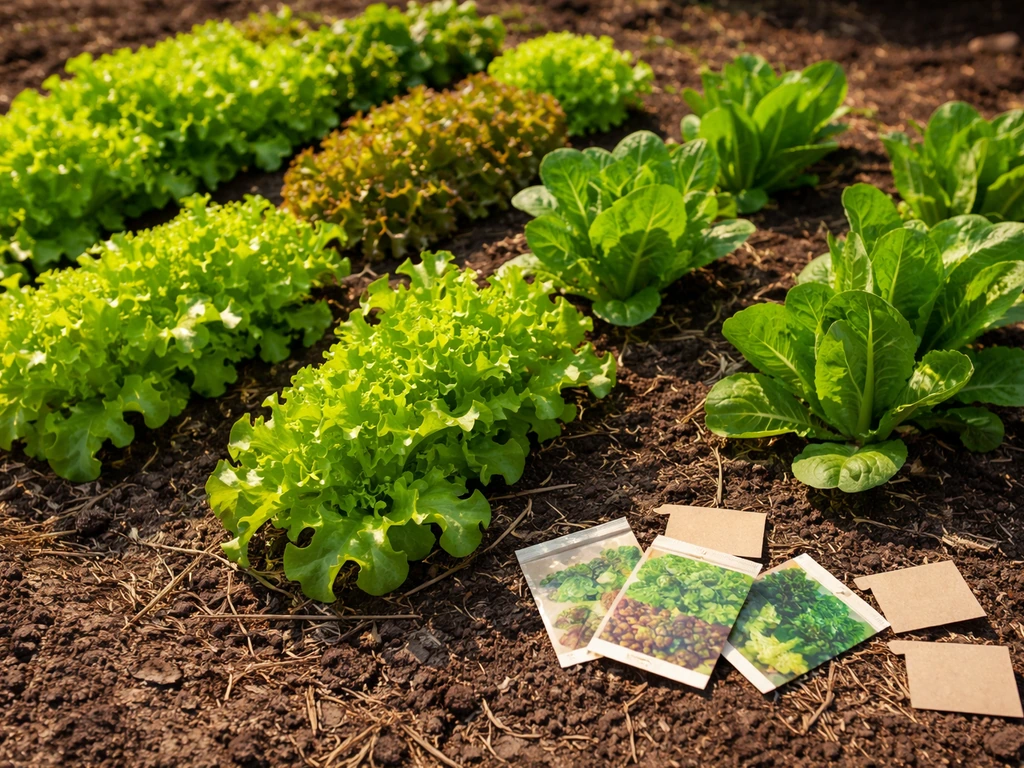
Variety selection is the single most impactful decision you'll make for summer lettuce. Not all lettuce handles heat the same way, and the difference between a variety that bolts in three weeks and one that holds on for six weeks can mean the difference between a productive summer garden and a lot of wasted effort. Heat-tolerant varieties are mostly loose-leaf types, though there are some romaines that perform well in trials.
Research from university variety trials consistently points to a core group of performers. Deep-water culture heat trials highlight Jericho, Muir, Nevada, Rex, Salvius, Sparx, Aerostar, and Monte Carlo as cultivars with meaningful heat tolerance. Colorado State University’s Specialty Crops resource on lettuce bolting resistance cites Jericho among the cultivars involved in bolting-resistance work Jericho, Muir, Nevada, Rex, Salvius, Sparx, Aerostar, and Monte Carlo. Cornell's summer lettuce trials also scored Jericho and Muir favorably for bolting resistance and field performance. For loose-leaf types in outdoor beds or containers, any variety explicitly labeled "heat-tolerant" or "slow to bolt" on the seed packet is worth trying. If a packet doesn't mention heat tolerance at all, it's probably bred for spring or fall.
| Variety | Type | Heat Tolerance | Best Setting |
|---|---|---|---|
| Jericho | Romaine | High | Outdoor beds, containers |
| Muir | Butterhead | High | Outdoor beds, containers |
| Nevada | Loose-leaf | High | All settings |
| Rex | Butterhead | High | Indoor, hydroponic, containers |
| Salvius | Loose-leaf | High | All settings |
| Sparx | Batavian | High | Outdoor beds, containers |
| Monte Carlo | Butterhead | Moderate-High | Indoor, hydroponic |
| Aerostar | Loose-leaf | Moderate-High | All settings |
Once you've picked your varieties, plan for succession sowing from the start. Planting a little every two weeks is far more effective than one big planting, because no single batch of lettuce will carry you through an entire hot summer. Stagger your sowings so that when one batch starts to bolt or taste bitter, the next one is already at a harvestable size. This is the rhythm that makes summer lettuce actually work.
Sowing and timing for continuous harvest all summer long
The timing strategy that works best in summer is a combination of direct sowing outdoors in the cooler parts of the day and starting seeds indoors during the hottest weeks. Lettuce seed germinates poorly when soil temperatures are above 80°F, so if your outdoor soil is baking in July, start seeds inside in a cool spot and transplant seedlings out when they're 3 to 4 weeks old.
Here's a practical summer timeline framework: Start your first summer succession in late spring or early summer, sowing directly outdoors if temperatures are still manageable. Every two weeks after that, start another small batch. In the heart of summer (late June through July in most temperate climates), shift to starting seeds indoors or in a shaded, cooler location. Then in late July or early August, start seeds indoors specifically to transplant in August for a fall harvest that takes advantage of cooling temperatures. University of Minnesota Extension recommends this exact approach: start seeds indoors in July for August transplanting to catch a late-season crop. If you want to know how to time it for the heat, the article explains how to start seeds indoors and use shade so you can grow lettuce in July start seeds indoors in July.
When sowing, plant seeds shallow, roughly twice the thickness of the seed itself, which for lettuce typically means about 1/8 inch deep. Keep the seeding area consistently moist until germination, since drying out even once can kill germinating seeds. In hot weather, this might mean misting the seed area twice a day.
- Sow your first summer batch now using a heat-tolerant variety
- Mark your calendar to sow again in two weeks, and repeat every two weeks through summer
- In peak heat (when soil tops 80°F), start seeds indoors in a cool room instead of direct sowing
- In late July or early August, start a dedicated fall-harvest batch indoors for August transplanting
- Harvest outer leaves continuously to slow bolting and keep plants productive longer
Managing temperature and light so your lettuce doesn't cook
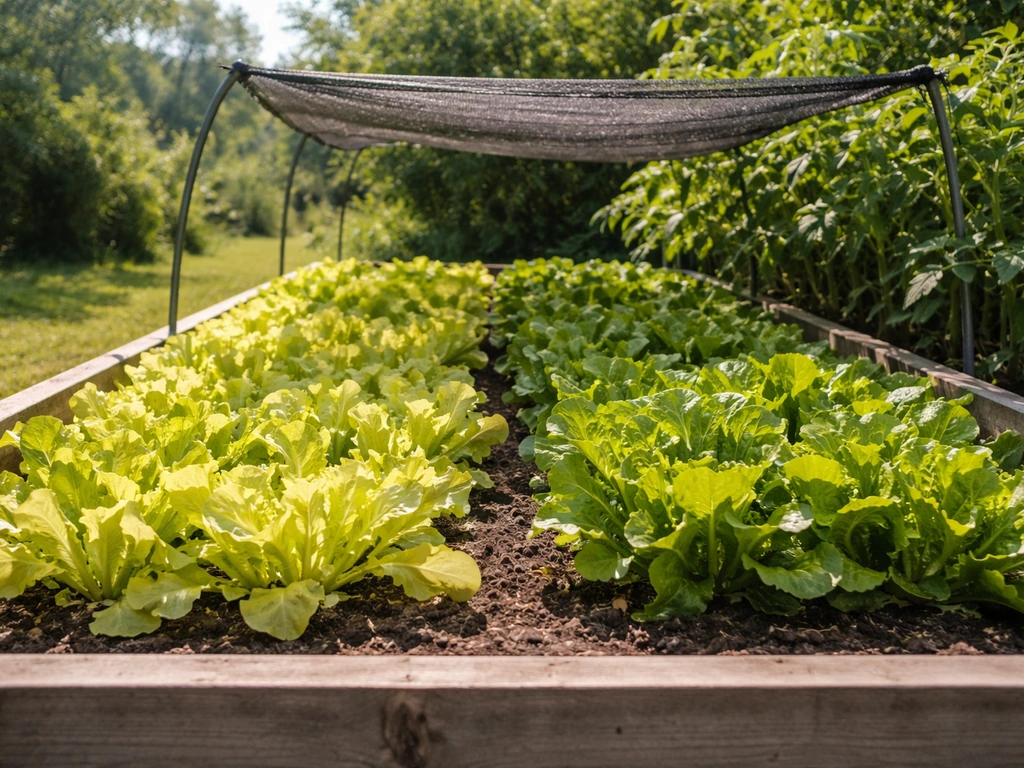
Shade is your most powerful tool for summer lettuce. Oregon State Extension is direct about this: lettuce belongs in full sun in cool weather and in partial shade in hot weather. Aim for 3 to 4 hours of direct sun and filtered light the rest of the day, especially in the afternoon when temperatures peak. If you don't have natural shade from trees or structures, create it.
Outdoor shade strategies
The simplest outdoor shade approach is planting lettuce on the north or east side of taller crops like tomatoes, beans, or corn. Illinois Extension specifically recommends this: heat-tolerant loose-leaf lettuce can be grown in the shade of taller crops through most of summer as long as irrigation and soil are managed. A 30 to 50 percent shade cloth stretched over a simple frame works just as well if you don't have tall neighbors to borrow shade from. Avoid the south and west sides of your bed or container in summer, since that's where afternoon sun hits hardest.
Containers and indoor growing
One of the biggest advantages of growing lettuce in containers is that you can move them. Put containers in full sun in the morning and move them to shade in early afternoon, or simply find a spot that naturally gets morning light and afternoon shade. Indoors, a bright window with supplemental grow lighting keeps things completely out of the heat equation. Growing lettuce indoors under lights through the hottest weeks of summer is a genuinely reliable strategy, and it's something apartment growers and anyone without a shaded outdoor spot should lean into.
Hydroponic and indoor system placement
If you're running a hydroponic setup, keep it indoors or in a climate-controlled space during summer. Nutrient solution temperature matters: warm water holds less dissolved oxygen and can stress roots. Try to keep solution temperatures below 70°F if possible. A basement or air-conditioned room is ideal. Deep water culture (DWC) systems have been specifically studied for heat-tolerant lettuce variety performance, and varieties like Rex, Monte Carlo, and Salvius are good choices if you're growing in a DWC setup.
Watering, soil, and fertilizing for hot-weather leaf growth
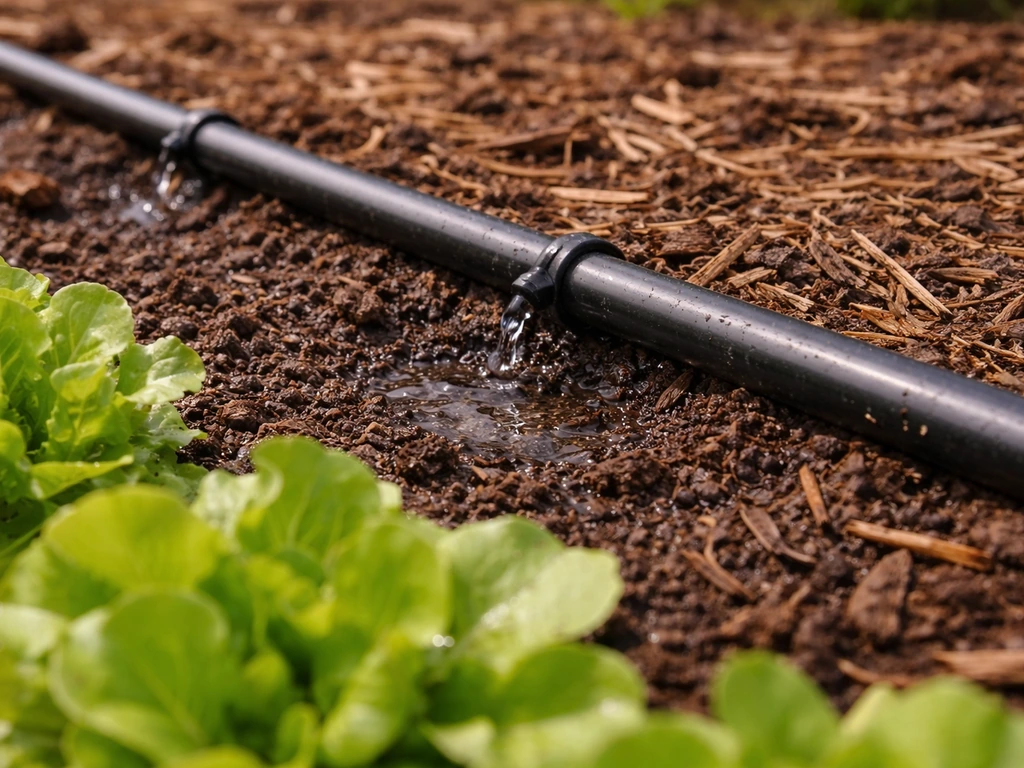
In summer, watering consistency is everything. Lettuce that dries out, even briefly, responds by going bitter and triggering the stress signals that lead to bolting. Utah State University Extension is emphatic about this: avoid water-stressing lettuce plants, and keep soil from drying out too much between waterings. The goal is steady, even moisture, not wet-then-dry cycles.
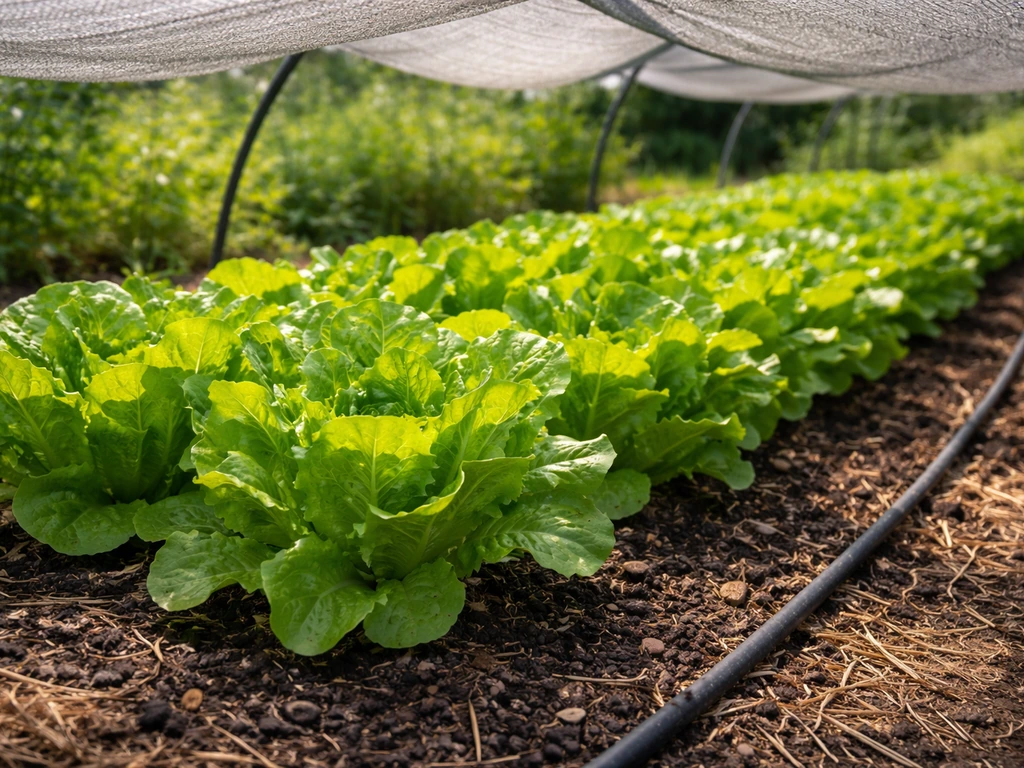
Drip irrigation is the most effective watering method for summer lettuce because it delivers water directly to the root zone, keeps the soil consistently moist without waterlogging, and keeps foliage dry. Wet leaves in warm weather create the perfect conditions for disease. University of Maryland Extension puts it plainly: water the roots, not the leaves, and recommends drip or soaker hoses over overhead watering for exactly this reason. If you're hand-watering, water at the base of the plant and do it early in the morning so any splashed leaves dry before the heat of the day.
Mulch is almost as important as watering in summer. A 2 to 3 inch layer of straw, shredded leaves, or wood chips over the soil dramatically slows moisture evaporation, keeps soil temperatures cooler, and reduces the frequency with which you need to water. Lay mulch right after transplanting or thinning, and keep it pulled back slightly from the base of stems to prevent rot.
For soil, lettuce in summer needs something that holds moisture well but still drains. A mix with plenty of compost or organic matter is ideal. In containers, a good quality potting mix with added compost works well. For hydroponic growers, target an EC (electrical conductivity) of 1.2 to 1.8 and a pH of 6.0 to 7.0, as recommended by Oklahoma State University Extension for lettuce systems.
For fertilizing, lettuce is a leaf crop and needs nitrogen to stay productive. In outdoor beds with compost-rich soil, you may not need to add much. In containers or hydroponic systems, feed with a balanced liquid fertilizer or nutrient solution every one to two weeks. Don't over-fertilize with nitrogen in hot weather, though: it can push soft, sappy growth that's more attractive to aphids and more susceptible to tipburn.
Spacing, containers, and growing system setup
Outdoor beds
For outdoor beds, space loose-leaf varieties 6 to 8 inches apart and head types 10 to 12 inches apart. In summer, I actually prefer slightly closer spacing for loose-leaf types, around 5 to 6 inches, so the plants shade each other's roots and keep the soil cooler. Harvest outer leaves regularly rather than waiting to cut the whole plant, which keeps individual plants producing longer and slows the bolt cycle. If you want spring mix lettuce specifically, you can use the same heat-control and succession ideas, just sow a mix of compatible leaf varieties and harvest baby leaves regularly succession batch.
Containers
Containers are excellent for summer lettuce because of the mobility factor. University of Wisconsin Extension and University of Maryland Extension both point out that lettuce works well in containers, and that larger container volumes support better growth because they hold more moisture and stay cooler longer. For a single plant, a 6-inch pot is the bare minimum. For a mixed planting of 4 to 6 loose-leaf plants, use a container that's at least 12 inches wide and 8 inches deep. Self-watering containers with a reservoir are particularly good for summer because they maintain more consistent soil moisture. Check and water daily in hot weather since containers dry out much faster than ground beds.
Indoor and hydroponic systems
For indoor growing, a simple setup with a tray, growing medium, and a full-spectrum grow light 12 to 16 hours a day is enough to grow excellent lettuce year-round regardless of what the weather is doing outside. Keep the light 4 to 6 inches above the canopy and adjust as the plants grow. For hydroponic systems like DWC or NFT (nutrient film technique), space plants 8 to 10 inches apart in net pots, maintain your EC and pH in the ranges above, and make sure the air pump is running continuously in DWC to keep the solution oxygenated. Lettuce roots need oxygen as much as water.
Troubleshooting the most common summer lettuce problems
Bolting
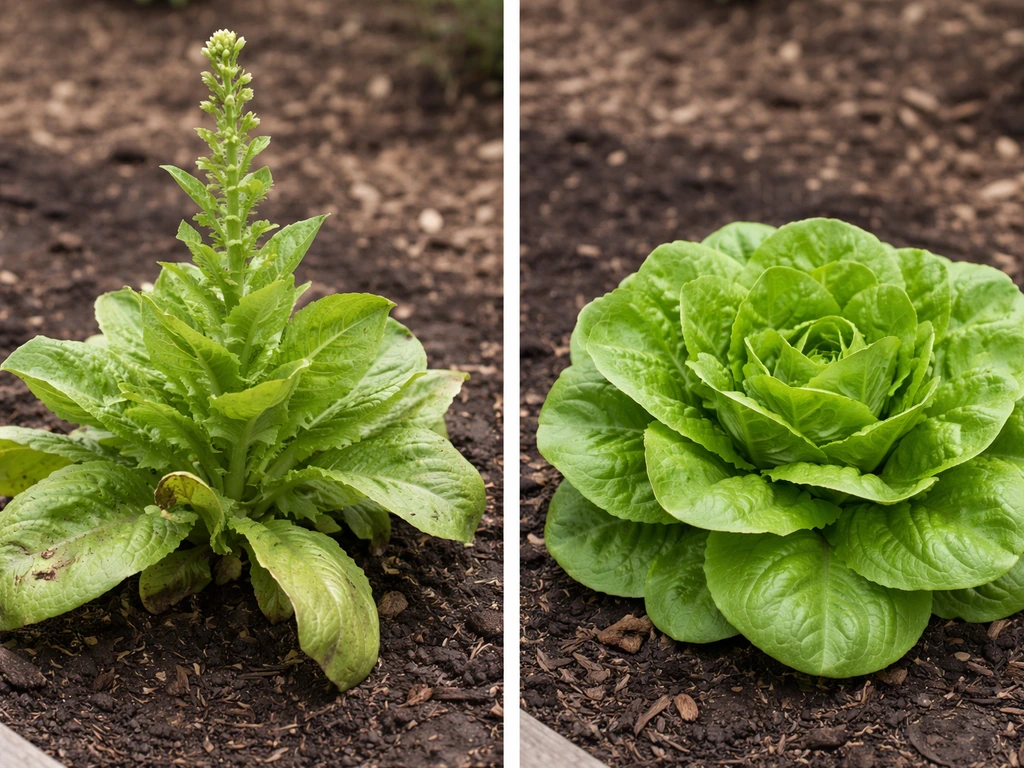
If a plant sends up a central flower stalk, it's bolting and there's nothing you can do to stop it. Pull that plant, eat what you can immediately (the leaves are still edible, just more bitter), and replace it with a new transplant from your succession batch. The only real solution to bolting is prevention: shade, consistent moisture, heat-tolerant varieties, and keeping plants young by replacing them on schedule.
Bitterness
Bitter leaves happen when plants experience heat stress or water stress, even without full bolting. If your lettuce tastes harsh, check your watering first: the soil or medium may be drying out too much between waterings. Also check your shade situation. If you're picking leaves from a plant that's been through several hot days with inconsistent watering, those leaves will be bitter. Harvest in the morning when temperatures are lowest, and the leaves will taste noticeably better than if you harvest in the afternoon heat.
Poor germination in hot weather
Lettuce seed has a built-in inhibition against germinating in soil that's too warm, which is a survival mechanism. If you're getting poor germination in summer, the soil is probably too hot. Move seed starting indoors to a cool room, or pre-sprout seeds in a moist paper towel in the refrigerator for 24 to 48 hours before planting. Once you see tiny white roots emerging, plant the seeds immediately at the correct shallow depth.
Tipburn
Tipburn shows up as brown, papery edges on inner leaves. UC IPM is clear that this is almost never a calcium deficiency in the soil; it's caused by water stress and low evapotranspiration creating a transient calcium shortage in rapidly expanding leaf tissue. The fix is more consistent watering and better airflow. In hydroponic systems, also check that your solution is circulating well and that EC isn't too high.
Pests and disease in warm weather
Aphids love summer lettuce, especially soft new growth on nitrogen-heavy plants. Knock them off with a strong stream of water in the morning, or use insecticidal soap spray. Slugs are more active during warm nights when you're also watering regularly. Reduce mulch near the crowns of plants and water in the morning rather than evening.
Downy mildew (caused by Bremia lactucae) shows up as yellow patches on upper leaf surfaces with gray-white fuzz on the undersides. Powdery mildew appears as gray-white powdery coating on leaf surfaces. Both thrive when there's poor air circulation and wet foliage. Keep leaves dry by watering at the base, give plants adequate spacing, and remove affected leaves promptly. Floating row covers can help with pest pressure but can also increase humidity around plants in summer, so use them selectively and ensure airflow.
Quick-start checklist for today and your summer maintenance routine
Here's exactly what to do right now to get your summer lettuce plan moving, followed by the weekly habits that keep it productive.
Do today
- Order or buy seeds: Jericho, Muir, Nevada, Salvius, Sparx, or Rex are good starting points
- Decide your setup: outdoor bed with shade cloth, movable containers, indoor grow light, or hydroponic system
- Check your sowing location's temperature: if soil or air is consistently above 80°F, plan to start seeds indoors in a cool spot
- Sow your first summer batch today at 1/8 inch depth, keeping the seeding area moist
- Set up a shade structure if you don't have one: shade cloth over a frame, or position containers for morning sun and afternoon shade
- Write your succession schedule: every two weeks from today through late July, then one final batch in late July or early August for fall
- Add mulch to any existing outdoor lettuce beds to slow moisture loss
Weekly summer maintenance routine
- Check soil moisture daily and water at the base if the top inch is dry, aiming for consistent moisture, not wet-dry cycles
- Harvest outer leaves at least twice a week to keep plants in vegetative mode and slow bolting
- Check for aphids and other pests every few days, treating early before populations build
- Every two weeks, start a new succession batch to keep young plants coming up
- Monitor for any plants showing a central stalk forming: pull and replace immediately
- In hydroponic systems, check EC and pH weekly and top off the reservoir to maintain solution levels
- Adjust shade as needed: more shade during heat waves, slightly less on cooler cloudy stretches
Summer lettuce is genuinely doable, and once you get the succession rhythm going it starts to feel automatic. The difference between someone who gives up on summer lettuce in July and someone who's still harvesting in September usually comes down to two things: shade and succession planting. Get those two right and the rest of the details fall into place. If you're also thinking ahead to what comes after summer, growing lettuce in cold weather and through fall and winter is a completely different (and much more forgiving) challenge that's worth planning for once your summer rotation is set up. Growing lettuce in cold weather uses similar basics, but the focus shifts to cold protection, season timing, and frost-friendly varieties. If you want to grow winter lettuce, focus on choosing cold-tolerant varieties and protecting seedlings from frost and wind while keeping moisture steady growing lettuce in cold weather and through fall and winter. You can grow lettuce in the winter by shifting to cold-tolerant varieties and using protection like row covers or a cold frame to keep plants from freezing.
FAQ
Can I grow lettuce in summer if I only have a sunny balcony or patio?
Yes, but the plants need a heat-management setup. Use a south-facing balcony only if you provide afternoon shade (shade cloth or a taller crop to the west side), and choose loose-leaf, slow-to-bolt varieties. For best results, keep containers large (at least 12 inches wide and 8 inches deep), and plan on checking moisture daily, since balcony containers can dry out faster than ground beds.
How should I handle transplanting lettuce in very hot weather?
Start with the same summer strategy, but keep seedlings cooler and limit stress during transplant. Harden off seedlings for several days, transplant in the late afternoon or early evening, and immediately provide shade for 2 to 3 days. If you are getting transplant shock, it usually shows up as drooping followed by tipburn, and consistent watering plus brief shade recovery usually fixes it.
When should I harvest summer lettuce to prevent bitterness and bolting?
Aim for small “harvest windows” rather than one long harvest. For loose-leaf types, harvest outer leaves frequently (every few days in peak heat). For heads, you will get better overall yield by cutting when leaves are still tender, not waiting for maximum size, because heads are more likely to bolt once temperatures stay high.
My lettuce bolts quickly in summer, what are the most common reasons?
If your lettuce keeps bolting after a few weeks, treat it as a prevention problem, not a rescue problem. Re-check whether you are exceeding the effective heat limit (shade for afternoon sun, not just morning), whether watering is staying even, and whether you are sowing often enough to replace plants. Also verify variety labeling, since many packets omit “heat-tolerant” even when a variety performs decently in cool summers.
What if summer soil is too hot for germination, does pre-sprouting help?
Yes, but pre-sprouting changes the timeline. If you pre-sprout in a moist paper towel, plant as soon as you see tiny roots, and keep the soil temperature as cool as you can. Don’t let germinated seeds sit around in the towel after roots appear, because they can dry out and become uneven during transplant.
Why does my summer lettuce get tipburn or bitter leaves in containers even though I fertilize?
For containers, increase moisture reliability before you add fertilizer. Make sure the pot is large enough to buffer heat, add 2 to 3 inches of mulch if the surface dries fast, and use drip or a simple watering schedule that keeps the root zone evenly moist. Once moisture is stable, feed lightly and avoid boosting nitrogen in heat, since extra lush growth can attract aphids and worsen tipburn.
Can mulch in summer cause problems for lettuce, like rot or pests?
Mulch helps, but it can also hide problems if you apply it incorrectly. Pull mulch slightly back from the crown to reduce rot risk, and don’t bury seedlings deeply. If you notice slug damage or disease spread, reduce mulch contact near stems and improve airflow with better spacing.
How do I know when to water summer lettuce, especially in containers?
Watering frequency depends on heat and container size, not the calendar. A useful rule is to water when the top inch starts to dry, while still keeping the overall root zone evenly moist. In containers during peak heat, that often means morning watering daily, sometimes twice on the hottest days if you see surface dryness.
If one lettuce plant starts bolting, should I cut the flower stalk or replace the plant?
When lettuce is bolting, it is usually not worth trying to “save” the same plant. Pull the bolting plant promptly, harvest any usable leaves immediately (they will be more bitter), and replant with a fresh batch that is already at a harvestable stage or close to it. This preserves your lettuce rhythm because the next wave keeps you producing while the bolting plant is replaced.
Why won’t my lettuce seeds germinate in summer, and what should I change first?
Poor germination is almost always temperature related in summer, so focus on soil temperature and seed handling first. Start seeds indoors or in a shaded area where the medium stays cooler, plant shallow (about 1/8 inch), and keep the seed area consistently moist until sprouting. If it still fails, pre-sprout and transplant small seedlings once roots show.