Lactuca sativa is just the Latin name for common garden lettuce, and it's one of the easiest crops you can grow at home. Sow seeds directly into moist soil or a container about 2–4 weeks before your last spring frost, keep temperatures between 60 and 70°F, water consistently, and you'll be picking leaves in as little as 35–40 days. The trickier part is timing it right to avoid heat, which triggers bolting and bitterness. Get that right and everything else falls into place. Lactuca virosa has similar growing needs, so you can apply the same lettuce timing, light, temperature, and watering approach to learn how to grow it successfully how to grow lactuca virosa.
Lactuca sativa How to Grow Lettuce Step by Step
Marcus Holloway
20 Jun 2026
Pick the right variety for your setup
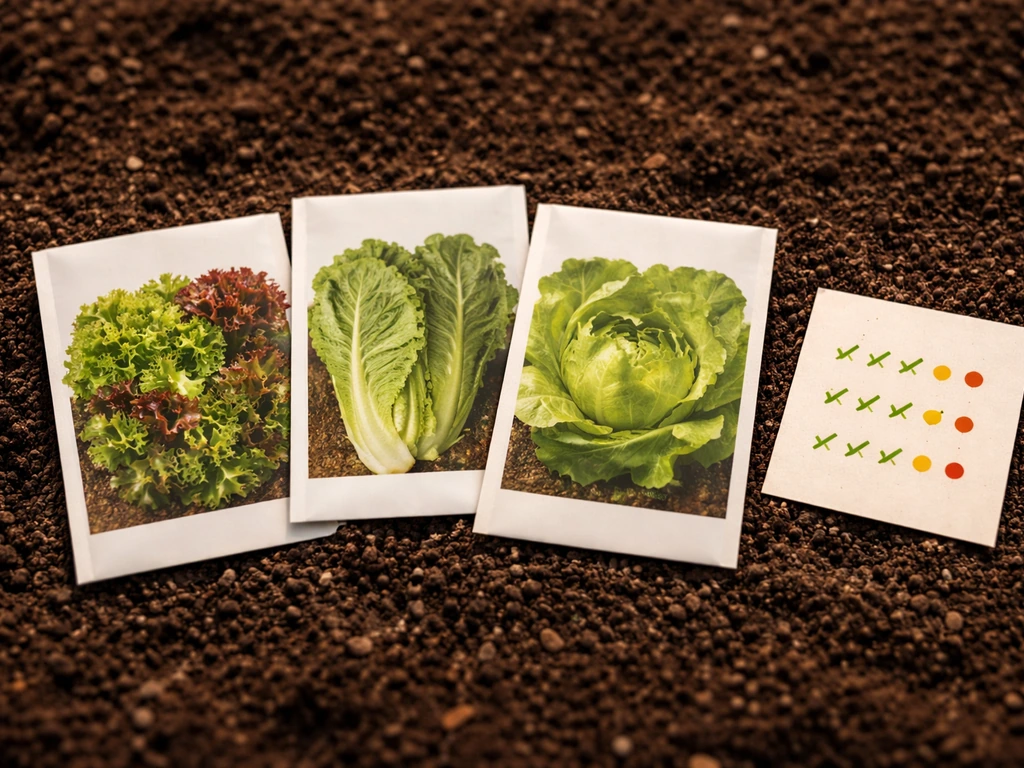
Lactuca sativa includes several distinct types, and they don't all behave the same way. Choosing the wrong one for your conditions is the most common reason beginners end up with bitter, bolted lettuce before they even get a decent harvest. Here's how the main types compare: Pink lettuce is usually just a variety of leaf lettuce, so the same cool-season light, temperature, and watering rules apply, but you should source a variety labeled for pink color and maturity days types.
| Type | Days to Maturity | Best For | Heat Tolerance | Notes |
|---|---|---|---|---|
| Leaf lettuce | 35–45 days | Containers, beginners, quick harvests | Low to moderate | Fastest, most forgiving, great for cut-and-come-again |
| Butterhead / Bibb | 55–65 days | Outdoor beds, containers | Low | Soft, mild flavor; forms loose heads |
| Romaine / Cos | 60–75 days | Outdoor beds, raised beds | Moderate | Upright growth, crunchy texture, handles light frost well |
| Crisphead (Iceberg) | 70–80 days | Open garden beds with space | Low | Needs more room and cooler temps; prone to tip burn in heat |
| Batavia / Summer Crisp | 55–65 days | Summer successions, warm climates | High | Bred to slow bolt; best choice if you're planting into warmer weather |
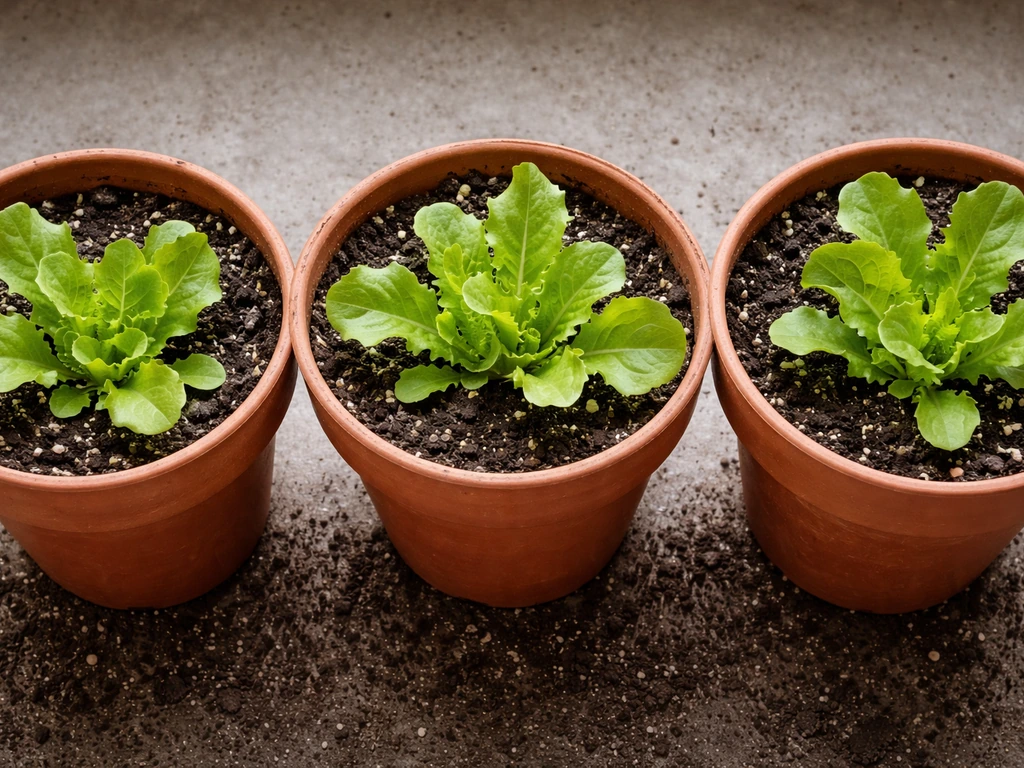
If you're growing in a container on a balcony or windowsill, leaf lettuce is your best friend. It grows fast, doesn't need much depth (6 inches of soil is enough), and you can harvest it continuously without pulling the whole plant. Crisphead types like iceberg are genuinely difficult unless you have a garden bed, cool temperatures, and the patience to wait 80 days. Batavia and summer crisp varieties are worth seeking out if you're planting in late spring or early summer when temperatures are already climbing, since they're specifically bred to resist bolting in warm conditions. If you're interested in more decorative or specialty leaf lettuces, lollo bionda and salad bowl types are close cousins with similar care needs and work well in containers.
When to plant and how to start
Lettuce is a cool-season crop, which means you want to time your planting so the bulk of growth happens when temperatures are between 60 and 70°F. In spring, that means direct sowing outdoors about 2–4 weeks before your last expected frost. Lettuce can handle light frost and actually germinates well in cool soil. For a fall crop, count backwards from your first expected fall frost: leaf lettuce needs roughly 45–60 days to maturity, so for most of the US, planting from early August through early September gets you a harvest before hard freezes arrive.
The best way to keep lettuce coming all season is successive sowings every 10–14 days. Rather than planting one big batch and watching it all bolt at once, stagger your plantings so you always have something at a harvestable stage. This is especially effective in spring when the window before hot weather can feel short.
Starting from seed
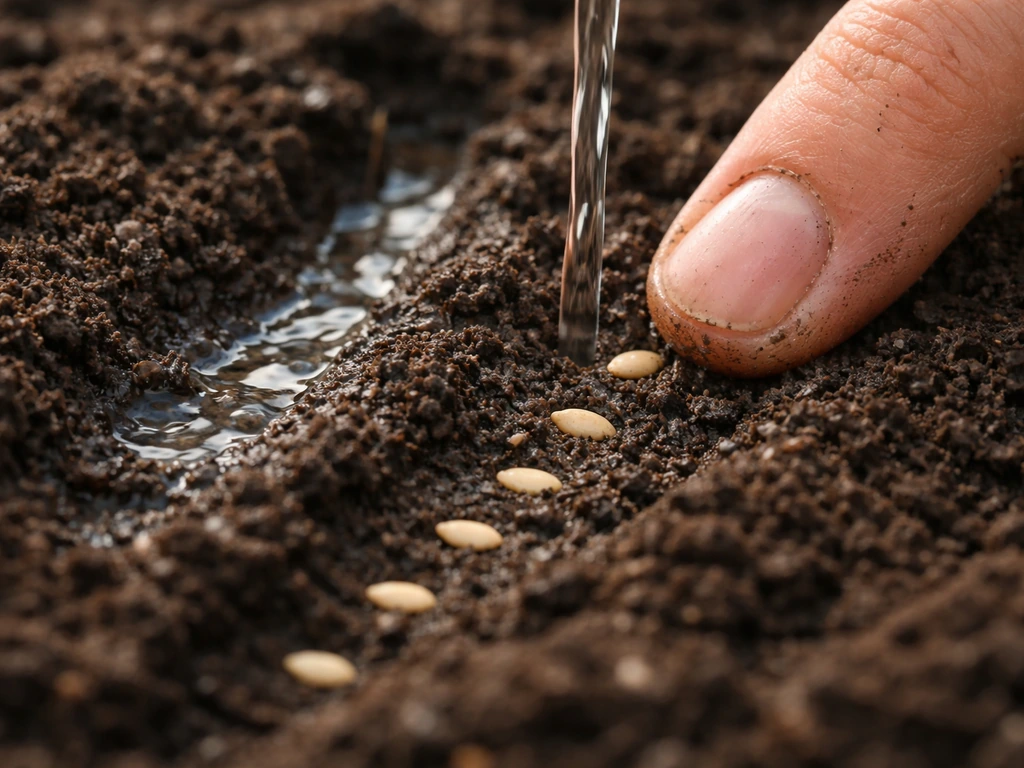
Direct sowing is the simplest approach. Press seeds about 1/8 inch deep into moist soil (they need light to germinate, so don't bury them deep), then water gently. Germination usually happens within 7–10 days at soil temperatures between 55 and 65°F. One important caution: if your soil temperature climbs above 80°F, lettuce seeds can go dormant and refuse to germinate. If you're starting in summer, sow in the evening and water to cool the soil, or wait until late summer when temperatures drop.
Starting from transplants
Transplants let you get a head start indoors, which is useful if you want to extend the season or if your outdoor spring window is very short. Start seeds indoors 3–4 weeks before you plan to transplant, then harden off seedlings over about 3 days by gradually exposing them to outdoor conditions before planting out. Transplants can go into the garden a little earlier than direct-seeded plants since they're already established. For indoor growing under lights, you can start anytime of year, aiming for that 60–70°F temperature sweet spot.
Light, temperature, and watering (the holy trinity)
These three factors do more to determine whether your lettuce succeeds or bolts into bitterness than anything else you'll do. Get them right and you'll rarely have problems.
Light
Outdoors, lettuce grows well in full sun during spring and fall, and actually benefits from partial shade (4–6 hours of direct light) in warmer months since shade slows the soil from overheating. If you're in a hot climate, a spot that gets afternoon shade is ideal for summer successions. Indoors or under grow lights, aim for at least 12–14 hours of light per day. A bright south-facing windowsill can work, but it's usually marginal, and most windowsill lettuce grows slowly and stretches toward the light. A basic LED grow light positioned 6–12 inches above the plants makes a real difference.
Temperature
The optimum air temperature for lettuce is 60–70°F during the day, with a minimum night temperature of around 40°F. Anything consistently above 75–80°F and you'll start to see bolting and flavor deterioration. This is why lettuce is fundamentally a spring and fall crop outdoors. Indoors, this temperature range is much easier to maintain year-round, which is one of the advantages of growing under lights.
Watering
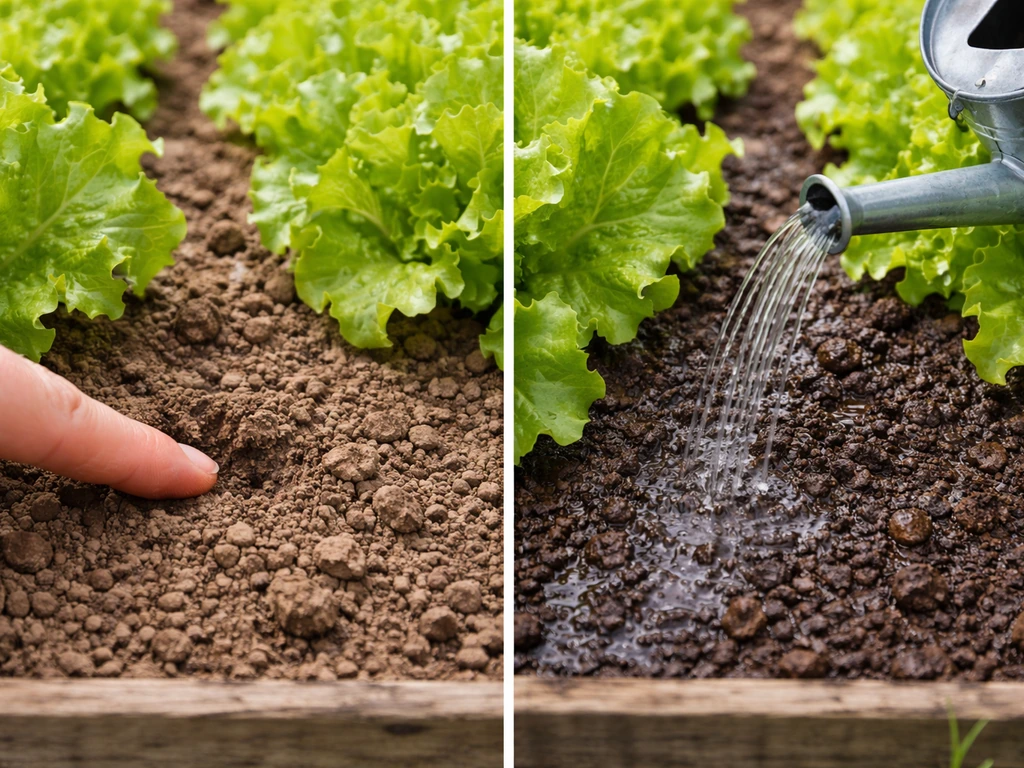
Lettuce has small, shallow roots and needs consistent moisture to stay crisp and mild-flavored. Both drought and overwatering cause problems: too little water makes leaves bitter and stresses the plant into bolting faster, while too much water (especially in containers or dense soil) creates the soggy conditions that invite root rot and fungal diseases like downy mildew and lettuce drop (Sclerotinia). The goal is evenly moist soil, not wet and not dry. In hot weather, you may need to water daily. In cooler weather or for indoor containers, check the top inch of soil and water when it starts to feel dry. Drip irrigation or bottom watering for containers both work well.
Soil, containers, and spacing
Soil setup
Lettuce wants soil that holds moisture without becoming waterlogged, drains reasonably well, and is fertile enough to support fast leafy growth. A loamy soil with some organic matter (compost mixed in at about 2–3 inches) is ideal. For containers, a standard potting mix works well since it's lightweight and moisture-retentive. Avoid using heavy garden soil in containers since it compacts and suffocates roots. For outdoor beds, if your soil is clay-heavy or compacted, raised beds or deep containers are worth the effort because they give roots the oxygen and drainage they need.
Container choices
Lettuce doesn't need deep containers, but it does need width. A container that's 6–8 inches deep and at least 12 inches wide can grow several leaf lettuce plants comfortably. Window boxes are great for continuous harvests. Make sure any container has drainage holes because sitting water is the fastest way to kill lettuce in a pot.
Spacing and thinning
Overcrowding is one of the biggest beginner mistakes. It leads to poor air circulation, disease, and leggy plants competing for light. Sow seeds more thickly than you need to ensure germination, then thin ruthlessly once seedlings are about an inch tall. Here are the target spacings after thinning:
| Lettuce Type | Final Spacing (in-row) | Row Spacing |
|---|---|---|
| Leaf lettuce | 4–6 inches | 12–18 inches |
| Butterhead / Bibb | 6–8 inches | 12–18 inches |
| Romaine / Cos | 8–10 inches | 18–24 inches |
| Crisphead (Iceberg) | 12–16 inches | 20–30 inches |
Don't skip thinning because you feel bad pulling seedlings. The thinnings are edible, so toss them in a salad. Leaving plants too close together just guarantees worse results for all of them.
Adapting for hydroponics
Lettuce is one of the best crops for hydroponic systems and is widely grown this way. The same temperature and light rules apply. A simple nutrient film technique (NFT) or deep water culture (DWC) setup with a balanced hydroponic nutrient solution works well. Lettuce in hydroponics often matures faster than in soil because roots have constant access to water and nutrients. Start with a balanced nutrient solution at a lower concentration and adjust based on how the plants look.
Feeding your lettuce throughout the season
Lettuce is not a heavy feeder, but it does need consistent access to nitrogen to fuel its rapid leafy growth. If you've mixed compost into your soil before planting, that often provides enough fertility for a full spring or fall crop without any additional fertilizer. For containers or if your soil is lean, a light application of a balanced, water-soluble fertilizer (something like a 5-5-5 or similar) every 2–3 weeks is usually enough.
A few things to avoid: don't apply excess ammonium-based nitrogen fertilizers, especially in sandy or light soils, as this can stunt growth and damage roots. Also, resist the temptation to fertilize more heavily if your lettuce looks slow or pale when the real cause is heat stress or inconsistent watering. More fertilizer won't fix a moisture or temperature problem and can actually make bitterness worse. Address the root cause first, then reassess nutrient needs.
For indoor or container growing, liquid fertilizers are the most practical option since they're easy to control and don't linger in the soil the way granular slow-release fertilizers do. Apply at half the recommended rate and increase only if you see clear signs of deficiency like persistent yellowing of older leaves.
Harvesting: leaf regrowth vs heading types
How you harvest lettuce depends entirely on the type you're growing, and getting this right means the difference between one harvest and many.
Leaf lettuce: cut-and-come-again
Leaf lettuce is designed for continuous harvesting. Start picking outer leaves once the plant is 4–6 inches tall, leaving the central growing point intact. The plant will keep pushing out new leaves from the center. You can harvest this way for several weeks before the plant eventually bolts. Alternatively, you can use the 'cut and come again' method: cut the whole plant off about an inch above the soil and it will regrow from the base. You'll typically get 2–3 regrowths before growth slows and quality declines.
Heading types: romaine, butterhead, and crisphead
These types are harvested differently. For romaine and butterhead, you can pick outer leaves throughout growth, but the main harvest is the entire head once it feels firm and full. Cut the head at the base with a sharp knife. Crisphead types like iceberg should be harvested when the head feels solid and dense when you squeeze it gently. These don't regrow usefully after a full harvest, so succession planting matters more for heading types than for leaf lettuce. Romaine heads are typically ready at 60–75 days, butterhead at 55–65 days, and crisphead at 70–80 days from sowing.
Timing your harvest before bolting
Don't wait too long. Once lettuce starts to bolt (sending up a tall flower stalk), the leaves become bitter and tough almost immediately. If you see the plant stretching upward rapidly and the leaves tightening around a central stalk, harvest everything that's edible right now. You won't stop the bolt once it starts, but you can still get a decent last harvest from most of the plant before it goes completely bitter.
Troubleshooting what goes wrong
Bolting (going to seed)
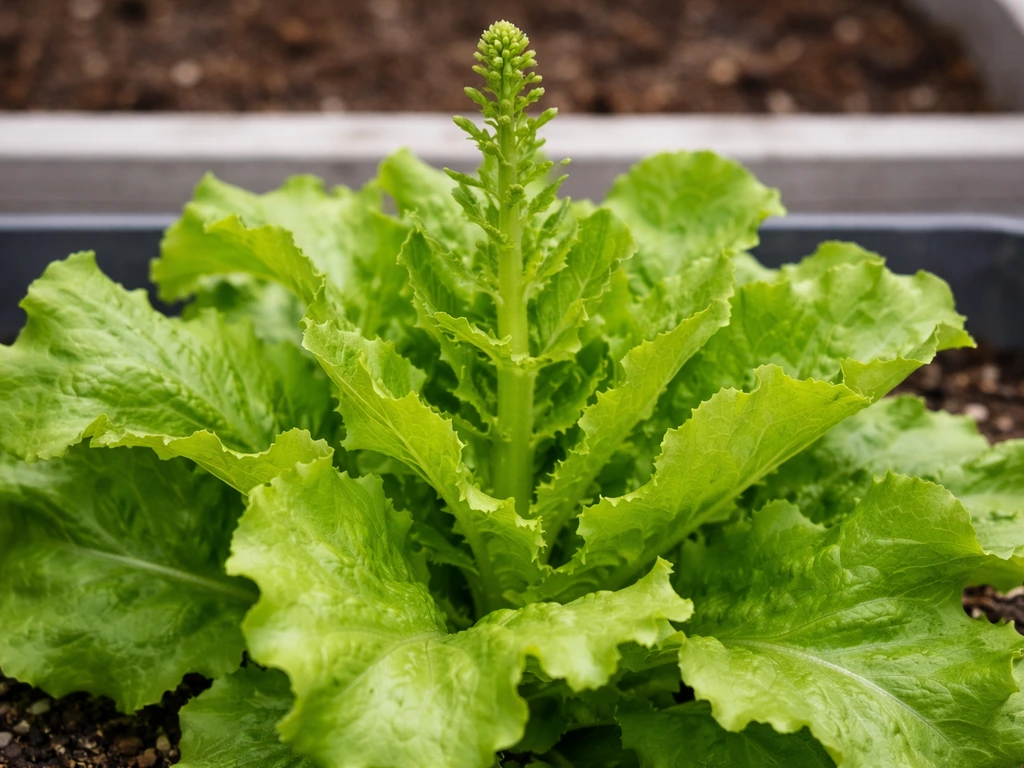
Bolting is triggered by heat, long days, and water stress, often all at once. If your lettuce is bolting faster than expected, the fix is almost always timing-related. Move future sowings earlier in spring or later in summer. Switch to bolt-resistant varieties like batavia or summer crisp for warm-season plantings. Use row covers or shade cloth to reduce soil temperature on hot days. USU Extension also notes that row cover or similar strategies that help keep soil temperatures cooler can reduce bolting in high temperatures row covers or shade cloth can reduce soil temperature and help lower bolting risk in hot weather. Water consistently because water stress accelerates bolting even in moderate temperatures.
Bitter leaves
Bitterness is caused by heat and water stress, often together. If your lettuce tastes unpleasantly bitter, check your watering first. Are you letting the soil dry out between waterings? That alone can cause bitterness. Are temperatures consistently above 75°F? That's the likely culprit. Picking in the early morning when leaves are cool and crisp also helps with perceived bitterness. Bitter lettuce from a bolting plant is unfixable once the process starts, but catching it early and harvesting promptly preserves flavor.
Slow or stunted growth
If your lettuce is barely growing, the most likely causes in order of probability are: too little light, temperatures too far outside the 60–70°F optimum (either too cold or too warm), or dry soil. Check these before assuming a nutrient deficiency. If you're growing indoors and the plants are pale and leggy, they need more light. If outdoor plants are just sitting there doing nothing in cold weather, they'll pick up once temperatures rise. If you're in a container, it's possible the plant has used up the available nutrients, in which case a diluted liquid fertilizer will help.
Aphids and other common pests
Aphids are the most common lettuce pest and can appear quickly, especially on young plants. Check the undersides of leaves regularly. A strong spray of water knocks them off, and insecticidal soap spray is effective for larger infestations. Slugs are a problem in damp conditions and at night; they leave ragged holes in leaves and a slime trail. Remove them by hand in the evening or use slug traps. Cabbage loopers and caterpillars eat leaf tissue and can defoliate plants fast if not caught early. Pick them off by hand or use Bacillus thuringiensis (Bt) spray, which is safe for edibles. OSU Extension specifically flags aphids and caterpillars as common problems that can escalate quickly before you notice, so getting into the habit of checking plants every few days really pays off.
Fungal diseases: downy mildew and lettuce drop
If you see yellowing or pale patches on upper leaf surfaces with a gray-white fuzz underneath, that's downy mildew. It thrives in cool, wet conditions with poor air circulation. Improve spacing, water at the base rather than overhead, and remove affected leaves. Lettuce drop (Sclerotinia rot) causes the base of the plant to collapse with a white cottony mold. It's caused by Sclerotinia sclerotiorum and spreads in damp soil. Remove and dispose of affected plants and avoid replanting lettuce in the same spot for at least two seasons. Both diseases are much easier to prevent than treat, which is why consistent watering (not overhead soaking), good spacing, and avoiding waterlogged soil matter so much.
Wilting despite watering
If plants wilt even though the soil is moist, check the roots. Root rot from overwatering in poorly drained containers is a common cause. Lift a plant and check: healthy roots are white and firm, rotted roots are brown and mushy. If root rot is present, improve drainage immediately and let the soil dry out slightly before watering again. For outdoor beds, wilting on a very hot afternoon is often temporary and the plant recovers by evening, which is normal. If wilting persists into the cooler part of the day, check your watering frequency and soil drainage.
Your practical starting checklist
If you want to get something growing today, here's what to do right now depending on where you are in the calendar. It's late June, so outdoor spring sowings in most of the Northern Hemisphere are finishing up and summer heat is arriving. That makes this a good time to either: (a) start a summer succession with a heat-tolerant batavia or summer crisp variety in a shaded spot, or (b) wait 4–6 weeks and start your fall crop of leaf lettuce or romaine in late July or early August. If you're specifically after salad bowl lettuce, choose the right leaf-type variety and use the same cool-season timing, light, and watering tips leaf lettuce.
- Choose your variety based on your growing setup: leaf lettuce for containers and beginners, batavia for warm-weather plantings, romaine or butterhead for open beds.
- Prepare your container or bed: 6–8 inches of depth minimum, well-draining soil or potting mix with compost mixed in.
- Sow seeds 1/8 inch deep in moist soil, spacing them about an inch apart and thinning to final spacing once seedlings reach 1 inch tall.
- Place in a spot with 4–6 hours of sun minimum; use shade cloth or afternoon shade if temperatures are already above 75°F.
- Water to keep the soil evenly moist, checking daily in warm weather.
- Check plants every 2–3 days for aphids, slugs, and signs of disease, especially under leaves.
- Start harvesting outer leaves of leaf lettuce once plants reach 4–6 inches. Don't wait for a perfect 'full' plant.
- Plan your next sowing 10–14 days after the first to keep a continuous supply coming.
Lettuce rewards attentiveness more than any special technique. Check it regularly, keep the soil moist, protect it from heat, and harvest early and often. Most problems that beginners run into, from bitterness to bolting to disease, come back to one of those four things. Get them right and you'll be growing excellent lettuce in virtually any setup. With the same timing and care you use for lettuce in general, you can also learn how to grow rocket lettuce successfully growing excellent lettuce.
FAQ
Can I grow lactuca sativa in hot weather without it bolting?
Yes, but you have to control the heat load. Use a bolt-resistant type (batavia or summer crisp), grow in partial shade with afternoon shade, keep soil evenly moist, and consider using shade cloth or a row cover during the hottest part of the day to reduce soil temperature. If daytime highs regularly stay above about 80°F, plan smaller successive sowings rather than one large planting.
What’s the best way to prevent lettuce from going bitter?
Catch the stress early. Bitter flavor is most often linked to inconsistent watering and temperatures drifting above the cool-season range. Water on a schedule (check the top inch of soil daily in heat), avoid letting plants fully dry out, and harvest early morning when leaves are coolest and crispest.
How do I know if my lettuce needs water or more drainage?
Use a simple root-zone check. If wilting happens while soil feels wet, that often points to poor drainage or root stress. Lift a plant and look for brown, mushy roots (root rot) versus white, firm roots. If roots are rotting, improve drainage right away and pause watering until the surface dries slightly.
My lettuce seeds won’t germinate, what should I check first?
Soil temperature and burial depth are the usual causes. Lactuca sativa needs light to germinate, so keep seeds shallow (about 1/8 inch) and avoid thick covering. Also, if soil is above about 80°F, seeds can go dormant, so sow in the evening or delay until late summer when temperatures cool.
Is it better to direct sow or start transplants indoors for lactuca sativa?
Start transplants when your outdoor cool window is short or weather is unpredictable, because seedlings transplant better once established. Direct sow works best when you can hit the cool temperature range and want simpler setup. If you start indoors under lights, don’t rush transplants outdoors without hardening them off over several days.
How close can I plant lactuca sativa without causing problems?
Thin once seedlings are about an inch tall, and don’t leave them crowded. Overcrowding reduces airflow and increases disease risk, and it also creates competition that leads to leggy growth and poor texture. If you want continuous harvest, spacing still matters, because “continuous” should not mean “too many plants in one small space.”
Should I harvest outer leaves or pull the whole plant for leaf lettuce?
Choose based on how long you want it producing. Outer-leaf harvesting (leave the center growing point) supports continuous picking for weeks, while cut-and-come-again (cut the plant a bit above the soil) usually gives fewer regrowth rounds. Once a bolting stalk starts, quality drops quickly, so harvest all edible parts promptly.
Why does my head lettuce not form a tight head?
Most heading failures come from timing and temperature. If plants experience heat spikes, day length changes, or water stress, they may stay loose or bolt before they firm up. For the best chance, sow on schedule for cool-season growth and use shade in warmer periods. Also avoid letting the plants sit too long before harvesting when the head feels full and firm.
What’s a good fertilizing plan for lactuca sativa in containers versus garden beds?
Containers often need more frequent feeding because nutrients wash through and soil volume is small. Use a light, balanced liquid fertilizer every couple of weeks and start at half strength, then adjust only if you see clear deficiency signs (like persistent pale older leaves). In beds amended with compost, many crops finish a season without extra fertilizer.
Are ammonium-based fertilizers really a problem for lettuce?
They can be, especially in light soils or when over-applied. If growth looks stunted or roots seem unhealthy, cut back and switch to a balanced fertilizer approach. The safest strategy is not to “chase” color or speed with extra nutrients when heat stress or inconsistent moisture is likely the real cause.
How do I manage aphids and caterpillars without harming edible plants?
Start with frequent checks, especially under leaves on young plants. A strong water spray can knock off aphids early, and insecticidal soap works for many infestations. For caterpillars, remove by hand early and use Bt only when you see active chewing, since it targets the larval stage and is intended for use on edible crops.
What can I do if lettuce develops downy mildew or lettuce drop?
Prevention is the key. Improve airflow by spacing properly, water at the base instead of overhead, and avoid waterlogged soil. Remove affected leaves immediately for downy mildew. For lettuce drop, remove and dispose of infected plants and do not reuse the same spot for a long rotation, since the disease persists in the soil.
My lettuce wilts even though the soil looks moist, could it still be overwatering?
Yes. Wilting with consistently moist soil often suggests root rot from poor drainage, not a thirst problem. Check roots directly and adjust the setup (more drainage, lighter mix, avoid compacted soil). Let the surface dry slightly before watering again, and keep future watering more even.
Can I grow lactuca sativa under a window instead of using grow lights?
You can, but many window setups are marginal. Lettuce may stretch toward light and grow slowly when light hours or intensity are insufficient. If you use a window, rotate containers and expect slower growth, or switch to an LED grow light positioned close enough to meet the 12 to 14 hour daily light target.