Lactuca virosa is absolutely growable at home, but it plays by different rules than the common garden lettuce (Lactuca sativa) most guides describe. If you specifically want pink lettuce results, you will need to choose a pink-tinted variety and tailor the growing conditions to support the color Lactuca sativa. It's a biennial wild lettuce native to Europe and Madeira, meaning it typically forms a leafy rosette in its first year and bolts to flower in its second. Start seeds indoors 6 to 8 weeks before your last frost date, sow them at about 1/8 inch deep, keep germination temperatures between 65°F and 70°F (18°C to 21°C), and give plants full sun to partial shade with consistently moist, well-drained soil. If you follow those fundamentals and stay on top of watering and thinning, you'll have a healthy, productive plant.
How to Grow Lactuca virosa Step by Step Guide
What Lactuca virosa actually is (and how it's different from regular lettuce)
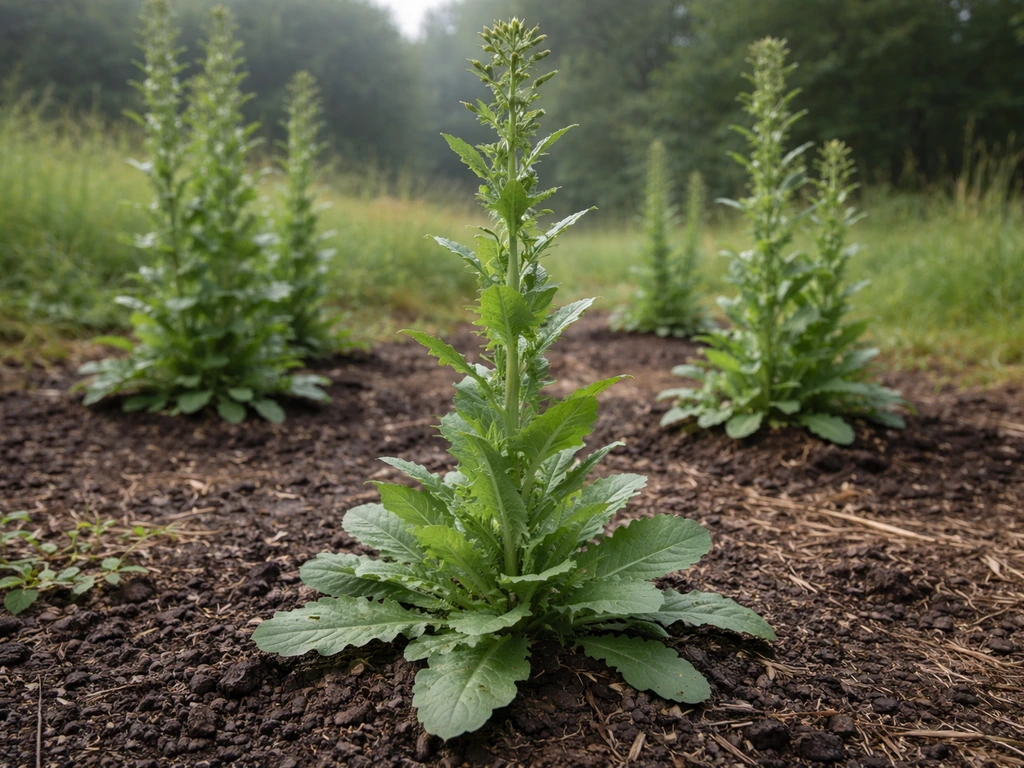
If you searched for this expecting something close to the crisp heads you'd grow for salads, it's worth pausing here. Lactuca virosa is commonly called wild lettuce or, historically, opium lettuce. It belongs to the same genus as the lettuce on your dinner plate, but it's a completely different species from Lactuca sativa. If you actually meant Lactuca sativa, this guide on Lactuca sativa how to grow will walk you through sowing, spacing, and harvest timing. While Lactuca sativa was bred for tender, edible leaves, Lactuca virosa is a taller, coarser plant that can reach 5 to 6 feet (about 1.5 to 1.8 meters) when it bolts. Its leaves are deeply lobed and can have spiny margins, and when the stem is cut or bruised it releases a milky, bitter latex sap historically called lactucarium.
The other key difference is its life cycle. Most lettuce varieties are annuals that you sow, harvest, and replace within one growing season. blank" rel="noopener noreferrer">Lactuca virosa is biennial by nature: in year one it puts its energy into building a rosette and root system, and in year two it sends up a tall flowering stalk. In warmer climates or with some environmental stress, it can behave more like an annual and bolt in its first season, which is actually useful to know because it changes how you manage it. It's native across central and southern Europe and has naturalized in parts of North America including California and the mid-Atlantic states, so it's a genuinely tough, adaptable plant once established. Kew’s Plants of the World Online lists Lactuca virosa’s native range as Madeira and Europe NW, and it also includes records of introduced status.
One more thing worth flagging: you'll sometimes see other wild lettuce species (Lactuca serriola, for example) sold or described interchangeably with Lactuca virosa. They're related but distinct. Lactuca virosa reportedly begins flowering in June in Britain, roughly two weeks earlier than Lactuca serriola. If you're sourcing seeds, double-check the Latin name on the packet. This is not the same plant you'd grow for a salad bowl or lollo bionda.
Choosing your growing setup and getting the timing right
Given how tall and vigorous Lactuca virosa gets, an outdoor bed is genuinely the best fit for most growers. It has the space to develop properly, gets natural airlight cycles, and the soil volume supports the deep taproot it develops. That said, containers and indoor setups can work in the first year especially, when the plant is in rosette phase and hasn't started its dramatic vertical growth.
Outdoor beds
For outdoor growing in temperate climates (USDA zones 4 to 9), aim to start seeds indoors in late winter or early spring and transplant after the last frost. You can also direct sow once the soil reaches at least 50°F (10°C). In warmer zones (8 and above), a fall sowing often works well, letting the plant overwinter as a rosette and bolting in spring. If you're in a cooler climate and want second-year flowering, plan to overwinter the plant in the ground or dig and protect the taproot.
Container growing
Containers work well for the first-year rosette stage. If you're mainly aiming for edible leaves, you can also use these same container timing ideas when you follow how to grow salad bowl lettuce. Use a pot at least 12 inches (30 cm) deep and 12 inches wide to accommodate the taproot and give enough soil volume for moisture retention. A 5-gallon container per plant is a reasonable minimum. Be aware that in a small container, the plant will likely bolt faster due to root restriction and heat stress, so you'll need to water more frequently and may need to size up the pot if you want to push into a second year.
Indoor and hydroponic options
Growing Lactuca virosa fully indoors or in a hydroponic system is feasible in the first year but comes with real limitations. The plant eventually gets very tall, which makes long-term indoor growing impractical. That said, if you're starting seeds indoors before transplanting, or if you want to grow a first-year rosette under lights, a deep-water culture or nutrient film technique system with a high-intensity LED grow light works. Keep in mind that the plant's eventual size means it will outgrow most compact setups. Think of indoor growing as a nursery phase rather than a full lifecycle option, unlike more compact lettuce varieties such as salad bowl or rocket lettuce where indoor growing is genuinely practical from start to finish.
Starting from seed: sowing, germination, and transplanting
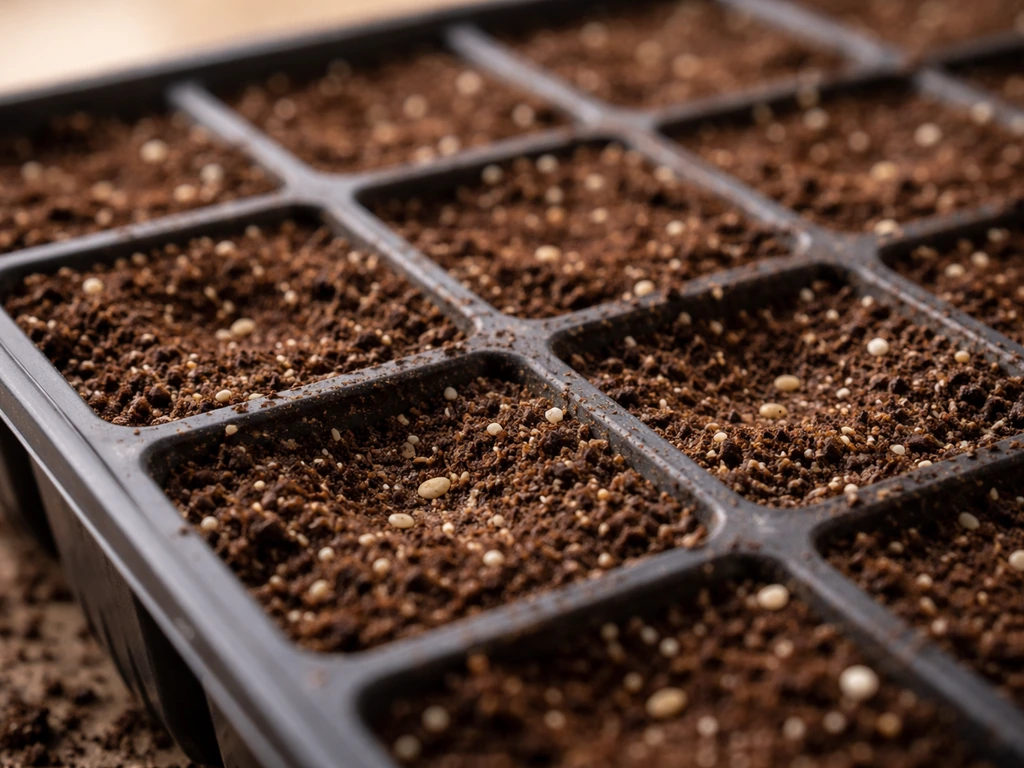
Getting germination right is where a lot of growers trip up with Lactuca virosa, so pay close attention here. The seeds are small and light-sensitive during germination, so the sowing depth matters more than people expect.
How to sow
- Fill a seed tray or small pots with a fine, moist seed-starting mix. Avoid heavy garden soil at this stage.
- Sow seeds at about 1/8 inch (3 mm) deep. This is very shallow. Some growers surface-sow and press seeds gently into the mix, but a light covering helps maintain moisture around the seed.
- Water gently with a spray bottle to avoid displacing seeds.
- Cover the tray loosely with clear plastic or a propagator lid to hold humidity.
- Place in a spot where temperatures stay between 65°F and 70°F (18°C to 21°C). Bottom heat from a seedling heat mat helps considerably.
- Expect germination in 7 to 14 days under good conditions. If it's cooler or the seeds are older, allow up to 21 days before writing them off.
One thing I've noticed: Lactuca virosa seeds can be stubborn if they're old or have been stored in warm, humid conditions. If your germination rate is very low, cold stratification (placing moistened seeds in the fridge for 5 to 7 days before sowing) can help break dormancy. This mimics the natural overwintering cycle the plant would experience in its native European habitat.
Thinning and transplanting
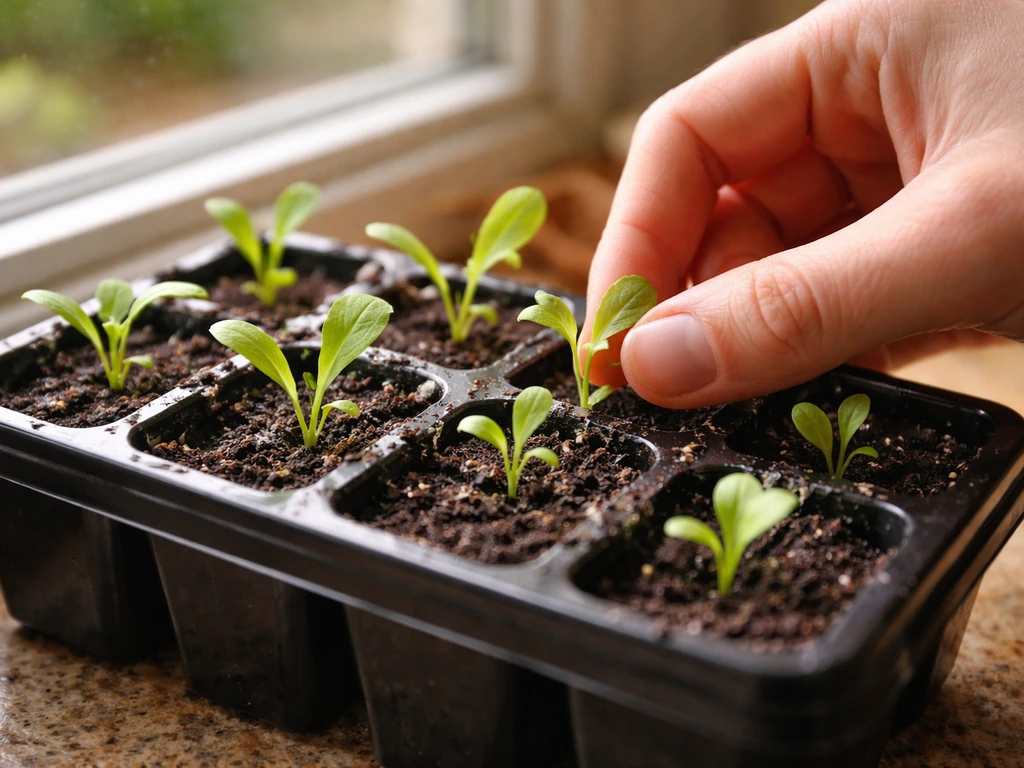
Once seedlings have their first true leaves (not just the seed leaves), thin to one plant per cell or pot. If you're direct sowing outdoors, thin to 12 to 18 inches (30 to 45 cm) apart. Transplant seedlings outdoors when they're 2 to 3 inches (5 to 8 cm) tall and after hardening off for 7 to 10 days by gradually exposing them to outdoor conditions. Lactuca virosa has a taproot that dislikes disturbance, so handle it carefully during transplanting and avoid leaving roots exposed to air for more than a few minutes.
Light, temperature, soil, and spacing
Light
Lactuca virosa prefers full sun but tolerates partial shade, especially in hot climates where afternoon shade can actually extend the growing season and slow unwanted bolting. Aim for at least 6 hours of direct sunlight per day. Under artificial lighting indoors, use a full-spectrum LED set to 14 to 16 hours per day at a distance of 12 to 18 inches above the seedlings. As the plant grows taller, you'll need to raise the light accordingly.
Temperature
This plant is more cold-tolerant than most garden lettuces and genuinely does well in cool conditions. It grows best between 50°F and 75°F (10°C to 24°C). Above 80°F (27°C), growth can stall and bolting risk increases significantly. It can handle light frost once established, which is part of why fall planting in mild climates works well. If you're growing through summer, provide some midday shade and keep the root zone mulched to hold soil moisture and reduce heat stress.
Soil and containers
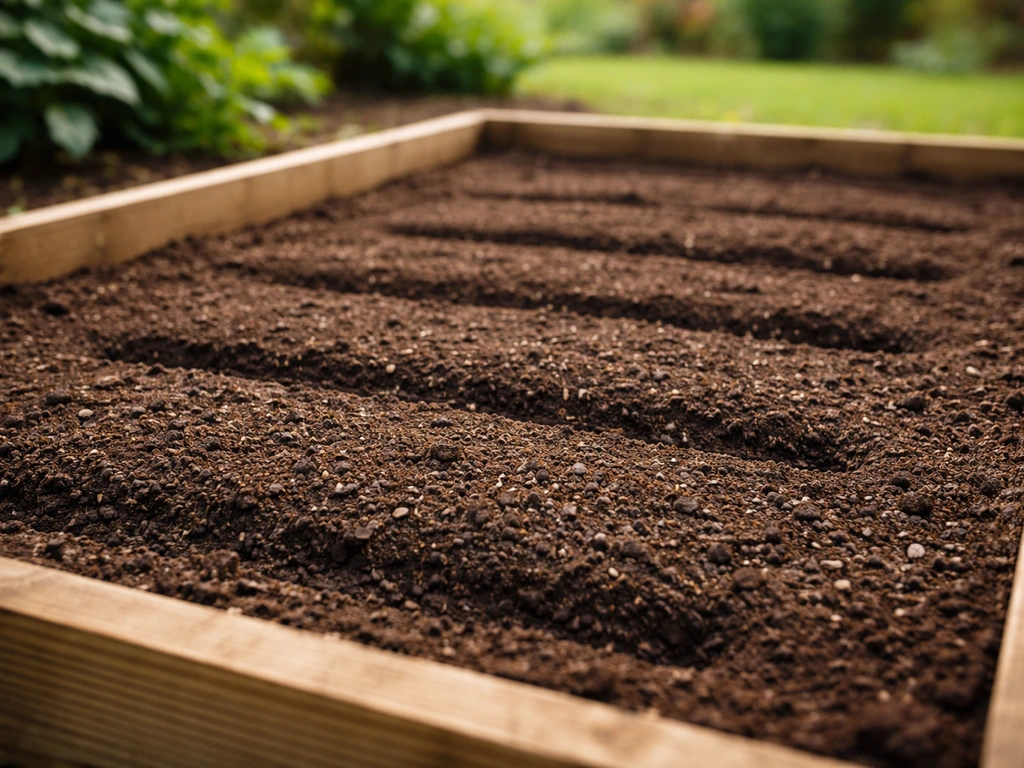
In the ground, Lactuca virosa isn't particularly fussy about soil type, but it does best in loamy, well-drained soil with a pH of 6.0 to 7.0. Work in a 2 to 3 inch layer of compost before planting to improve both drainage and moisture retention. Avoid waterlogged spots: soggy roots are one of the fastest ways to kill this plant. For containers, a quality potting mix with added perlite (about 20% by volume) gives good drainage without drying out too quickly.
Spacing
Give each plant 12 to 18 inches (30 to 45 cm) of space in all directions. Because Lactuca virosa can get very tall and wide when it bolts, generous spacing improves airflow, reduces fungal disease risk, and makes it much easier to work around the plant. If you're planting multiple individuals for seed saving or to observe the full biennial cycle, space rows at least 24 inches (60 cm) apart.
Watering and feeding through each growth stage
Watering
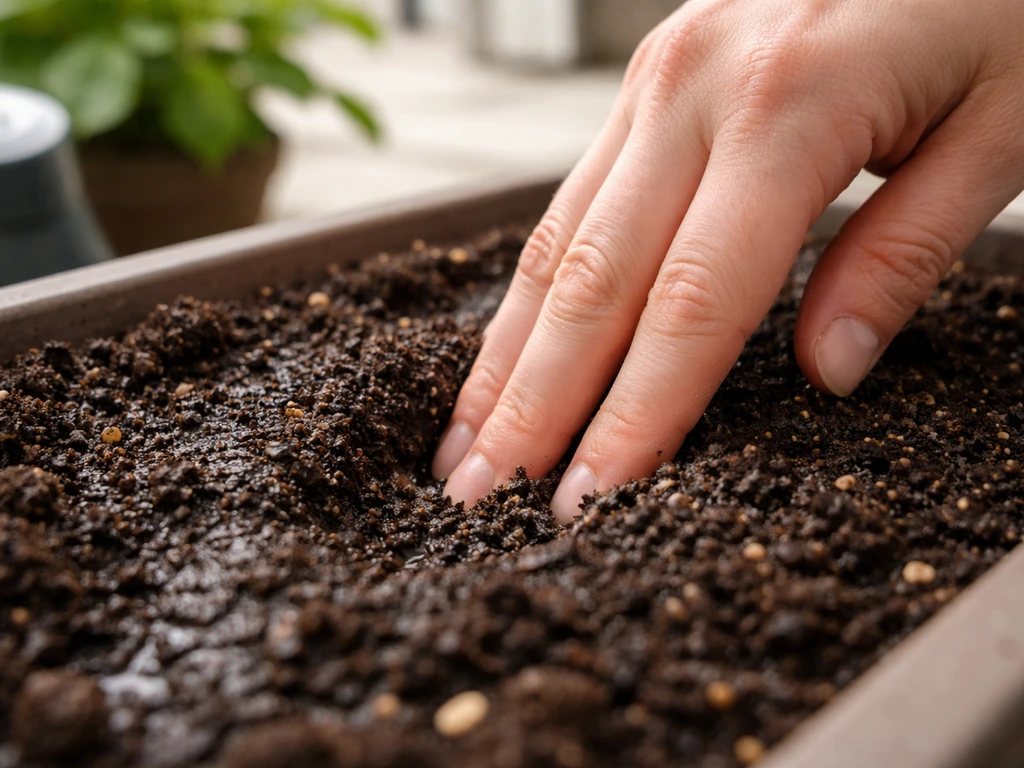
Keep the soil consistently moist but never waterlogged. A good rule of thumb: stick your finger about an inch into the soil. If it's dry at that depth, water thoroughly. In warm weather this might be every 2 to 3 days for container plants and every 3 to 5 days for in-ground plants, depending on rainfall. During hot spells, container plants may need daily watering. Drip irrigation or soaker hoses are ideal for in-ground plantings because they keep moisture at root level and away from the foliage, which helps prevent fungal issues.
Feeding by growth stage
| Growth Stage | Nutrient Focus | What to Apply | Frequency |
|---|---|---|---|
| Seedling (weeks 1 to 4) | Balanced nutrition, gentle | Diluted balanced liquid fertilizer (e.g., 5-5-5) at quarter strength | Once every 2 weeks |
| Rosette / vegetative (months 1 to 3+) | Nitrogen-forward for leaf growth | Balanced fertilizer (10-10-10) or slow-release granules at planting | Monthly or per label for slow-release |
| Pre-bolt / stem extension (year 2 or stress response) | Reduce nitrogen, support structure | Switch to lower-nitrogen formula (e.g., 5-10-10) | Every 3 to 4 weeks |
| Flowering / seed set (if going to seed) | Minimal feeding | Water only or very light potassium feed | As needed |
One important note: don't over-fertilize with nitrogen. It encourages lush, soft growth that's more susceptible to pests and disease, and it can actually accelerate bolting in stressed plants. If you amended your bed with good compost before planting, you may need very little additional fertilizer through the first season.
Pests, diseases, and keeping your plant healthy
Common pests to watch for
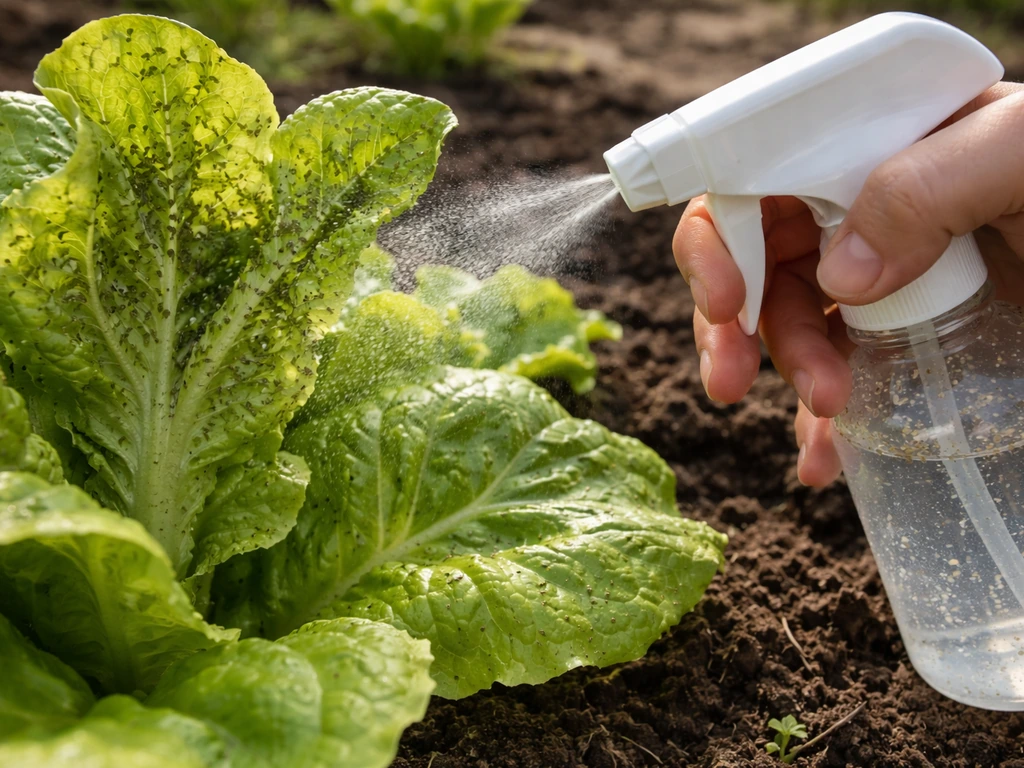
- Aphids: these cluster on new growth and undersides of leaves. Blast them off with a strong jet of water or apply insecticidal soap spray. Check plants weekly, especially in warm weather.
- Slugs and snails: most problematic on young seedlings and in damp conditions. Use copper tape around containers, set beer traps, or apply iron phosphate-based slug bait around plants.
- Caterpillars and leaf miners: chewing damage or winding trails in leaves. Hand-pick caterpillars and use row cover over seedlings as a barrier. For leaf miners, remove and destroy affected leaves.
- Whitefly: more common in indoor or greenhouse setups. Yellow sticky traps catch adults; insecticidal soap handles infestations on leaves.
Disease prevention
Powdery mildew and downy mildew are the most likely fungal problems, especially in humid conditions or when plants are overcrowded. Prevention is much easier than treatment: space plants properly (see above), avoid overhead watering, and make sure your growing area gets good air movement. If you see white powdery patches (powdery mildew) or grey, fuzzy growth on leaf undersides (downy mildew), remove affected leaves immediately and apply a diluted neem oil spray (about 2 tablespoons per gallon of water plus a drop of dish soap) every 7 to 10 days until it clears.
Root rot is the other big risk, almost always caused by overwatering or poor drainage. If your plant is wilting despite moist soil, suspect root rot. Pull the plant gently and inspect the roots: healthy roots are white and firm, rotted roots are brown and mushy. If it's caught early, let the soil dry out significantly and cut away affected roots before repotting in fresh, well-drained mix. In-ground plants are harder to save, so prevention through good soil preparation is key.
Harvesting, managing bolting, and fixing common problems
When and how to harvest
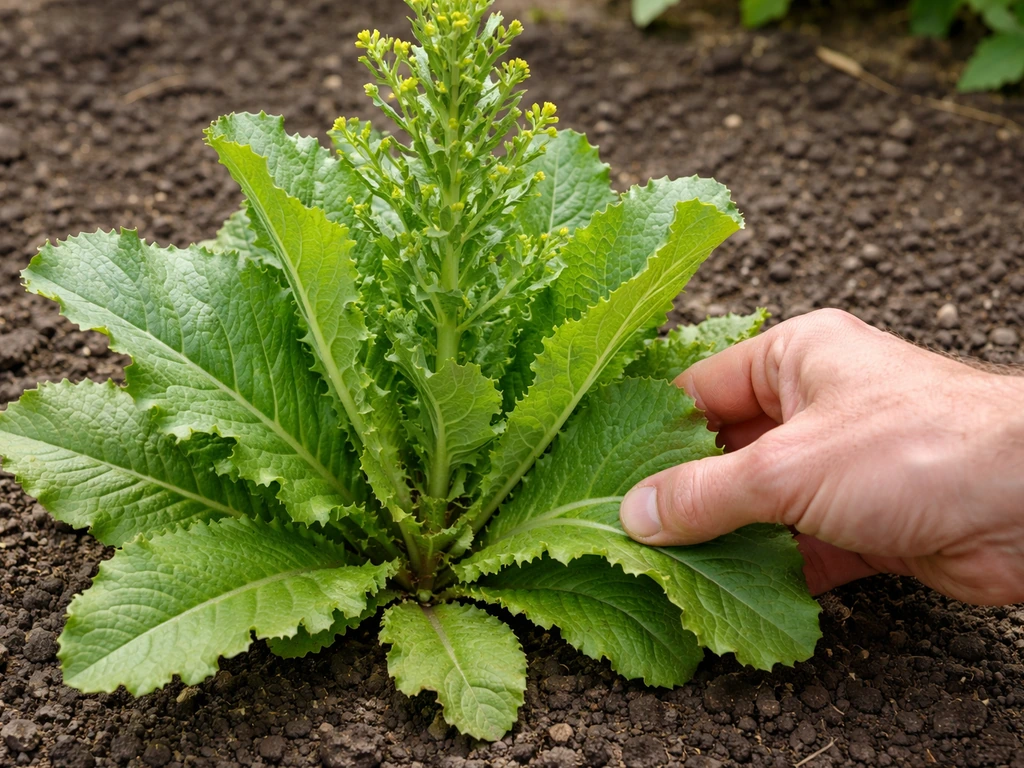
In the first year, Lactuca virosa leaves can be harvested from the outer rosette once the plant has established and has at least 8 to 10 good-sized leaves. Take outer leaves first, leaving the central growing point intact so the plant continues producing. The leaves are much more bitter than common lettuce (they're not a salad green in the traditional sense), and the milky sap is most concentrated in mature stems. If you're growing for the plant's latex (lactucarium), stems are traditionally scored to collect the sap in summer when the plant is mature. In year two, the plant will bolt and set seed, which is your cue that the plant's productive leaf phase is ending.
Controlling bolting
Bolting in Lactuca virosa is driven by a combination of long days, heat stress, cold exposure early in life, and root stress. In Britain, the plant naturally begins flowering in June, which gives you a useful benchmark. To delay bolting in a first-year plant: keep the root zone cool with mulch, provide afternoon shade in summer, avoid root restriction (don't keep it in a pot that's too small), and avoid water stress. If a plant starts sending up a central flower stalk before you're ready, you can pinch out the very tip to slow it temporarily, but once bolting is committed, it can't be fully reversed. This is consistent with how bolting works across the Lactuca genus, including common varieties.
Troubleshooting quick reference
| Symptom | Likely Cause | What to Do |
|---|---|---|
| Seeds don't germinate after 3 weeks | Old seeds, incorrect temperature, or buried too deep | Try cold stratification, check soil temp is 65-70°F, re-sow at 1/8 inch depth |
| Seedlings are leggy and thin | Insufficient light | Move closer to a light source or increase grow light intensity/duration |
| Leaves are yellowing (lower leaves first) | Nitrogen deficiency or overwatering | Check soil drainage first; if draining well, apply a dilute balanced liquid feed |
| Plant wilting despite moist soil | Root rot from poor drainage or overwatering | Let soil dry, inspect roots, improve drainage; repot if in container |
| Premature bolting in year one | Heat stress, long days, root restriction, or drought | Mulch, provide shade, ensure adequate pot size, water consistently |
| Leaves covered in white powder | Powdery mildew | Remove affected leaves, apply neem oil spray every 7-10 days, improve airflow |
| Holes in leaves, visible chewing damage | Caterpillars or beetles | Hand-pick pests, apply row cover, use Bt spray for caterpillar infestations |
| Plant not growing after transplant | Transplant shock or root disturbance | Water well, provide shade for 5-7 days, avoid fertilizing until new growth appears |
Common mistakes checklist
- Sowing seeds too deep (deeper than 1/4 inch significantly reduces germination rates)
- Treating it exactly like common Lactuca sativa and expecting the same growth pace and leaf flavor
- Underestimating how tall it gets and planting it where it will shade smaller plants
- Overwatering in heavy or poorly draining soil, especially in containers without drainage holes
- Overcrowding plants, which invites fungal disease and reduces air circulation
- Planting out too early in spring before the soil warms to at least 50°F (10°C)
- Skipping hardening off before transplanting seedlings outdoors
- Fertilizing heavily with nitrogen and pushing lush growth that bolts quickly under any stress
Growing Lactuca virosa rewards patience more than most lettuce-adjacent plants. The first year is about establishing a strong root system and healthy rosette. If you get that right, the plant is remarkably self-sufficient and will reward you with interesting growth through its second year. Keep notes on what works in your specific conditions because local climate makes a real difference with this species, and your second-year results will be noticeably better than your first.
FAQ
Is Lactuca virosa edible, and are there safety considerations I should know before growing it?
Lactuca virosa can be very safe to grow for observation, but you should avoid eating it as a salad. The leaves and latex sap are notably bitter, and ingestion of lactucarium is associated with medicinal and psychoactive history. If you are growing it for curiosity or seed saving, keep handling separate from food prep, label the pot or bed clearly, and wash hands after cutting stems.
How can I confirm I truly have Lactuca virosa and not another wild Lactuca species?
Look for the milky latex response to damage. When you cut or bruise the stem, Lactuca virosa releases a white, bitter sap, and mature plants tend to show more pronounced latex from the stem area than from young rosette leaves. That said, don’t rely on sap alone to confirm identity, always check the Latin name on the seed packet because other wild Lactuca species are easily confused.
Can I grow Lactuca virosa entirely indoors all the way to bolting and seed?
Yes, but treat the rosette stage as a limited window. If you want a first-year harvest indoors, use a deep container and keep the root zone evenly moist, then accept that the plant will get very tall as it transitions. If you’re trying to keep it compact long term, it usually fails, and you’ll either need a larger space or you should plan for transplanting outdoors after the hardening-off period.
What’s the best way to handle seedlings if I need to transplant, given its taproot?
Start with fresh potting mix and minimize root disturbance. Lactuca virosa has a taproot, so multiple pot-ups increase the risk of stalling, premature bolting, or poor second-year performance. If you must transplant, keep the root ball intact, handle seedlings by the leaves only when needed, and don’t let roots sit exposed longer than a few minutes.
My plant looks wilted even though the soil is moist. Could it be root rot, and what should I do?
Moist but not soggy is the key. If leaves look wilted while the soil feels wet, suspect root rot. In that case, pause watering, improve drainage, remove affected roots if they’re brown and mushy, and repot into fresh well-draining mix. For in-ground plants, choose a location that drains well before you add compost, because compost improves structure but can’t fix persistent waterlogging.
My Lactuca virosa seeds won’t germinate. When should I stratify, and what else should I check?
Old seeds are a common reason for poor germination. Try cold stratification only if germination is low and you’re confident the packet is correct, since it won’t fix viability problems. Keep the medium consistently damp, don’t cover deeper than about 1/8 inch, and keep the germination environment in the mid to upper 60s Fahrenheit range (around 18 to 21°C) for best results.
How much fertilizer should I use, and what mistakes cause early bolting or weak growth?
Over-fertilizing nitrogen can push rapid, soft growth and increase pest and disease pressure, and it can also trigger faster bolting under stress. If you already used compost at planting, use little to no supplemental nitrogen through the first season. If you decide to feed, keep it mild and focus on balanced nutrition rather than heavy nitrogen.
If my plant starts bolting sooner than expected, can I stop it?
Bolting is hard to fully reverse. Pinching out the flower tip can slow the timeline temporarily, but once the plant is firmly committed to reproductive growth, it won’t return to a productive rosette. The most effective prevention is environmental, use mulch to keep the root zone cooler, avoid water stress, and do not grow it in a pot that’s too small for the root system you want.
Should I harvest leaves or score stems for lactucarium, and can I do both from one plant?
Harvest your outer rosette leaves, leaving the central growing point intact, and plan for a bitter flavor. If you want milky latex rather than edible leaves, you’ll need to allow stem maturity and you’ll typically score stems during summer. For a “best of both” approach, separate the plants you harvest for leaves from any plants you plan to score for latex.
What are the best ways to prevent powdery or downy mildew, and when should I treat vs remove leaves?
For mildew control, the biggest practical difference is avoiding wet foliage and improving airflow. Skip overhead watering, space plants according to their eventual size, and remove affected leaves as soon as you see the first symptoms. Neem oil can help for early outbreaks, but if plants stay humid and crowded, the disease cycle often returns quickly.
When should I harvest in year one versus year two for leaf production or seed saving?
Your harvest timing depends on whether you’re growing it for the first-year rosette or for second-year seed. In year one, harvest once the rosette is established and has multiple solid outer leaves, then continue taking outer leaves while the center stays intact. In year two, bolting and seed set is the cue the productive leaf phase is over, so stop leaf harvesting if your main goal is seed production.
What overwintering strategy gives the most reliable second-year results, especially in colder climates?
If your goal is spring flowering in a true second-year cycle, overwintering matters most in cooler regions. Plan to protect the plant in-ground or with a method that insulates the root zone without leaving it constantly wet. In warmer zones, fall sowing can naturally produce the rosette over winter and then spring bolting, which is often more reliable than trying to force a second year in summer heat.