Salad bowl lettuce grows fast, looks beautiful, and is genuinely one of the easiest vegetables you can grow in a container. Sow seeds about 1/4 inch deep in a bowl or planter that's at least 8 inches deep and 12–18 inches wide, keep it in a cool spot (50–68°F is ideal), water consistently, and you'll be harvesting outer leaves in as little as 45 days.
How to Grow Salad Bowl Lettuce in a Bowl Container
Marcus Holloway
9 Jun 2026
Reimer Seeds also recommends looseleaf lettuce for full or partial sun and provides planting depth and germination timing for beginners Sow seeds about 1/4 inch deep. If you want to push beyond general salad bowl lettuce care and focus on a heat-and-bitter-plant like Lactuca virosa, use the linked guide on how to grow lactuca virosa for cultivar-specific timing and handling.
If you want step-by-step guidance on lactuca sativa how to grow, follow the container, sowing, light, and watering tips in this guide harvesting outer leaves. The cut-and-come-again style means one bowl keeps producing for up to two months if you manage it right.
What salad bowl lettuce actually is and why it's perfect for containers
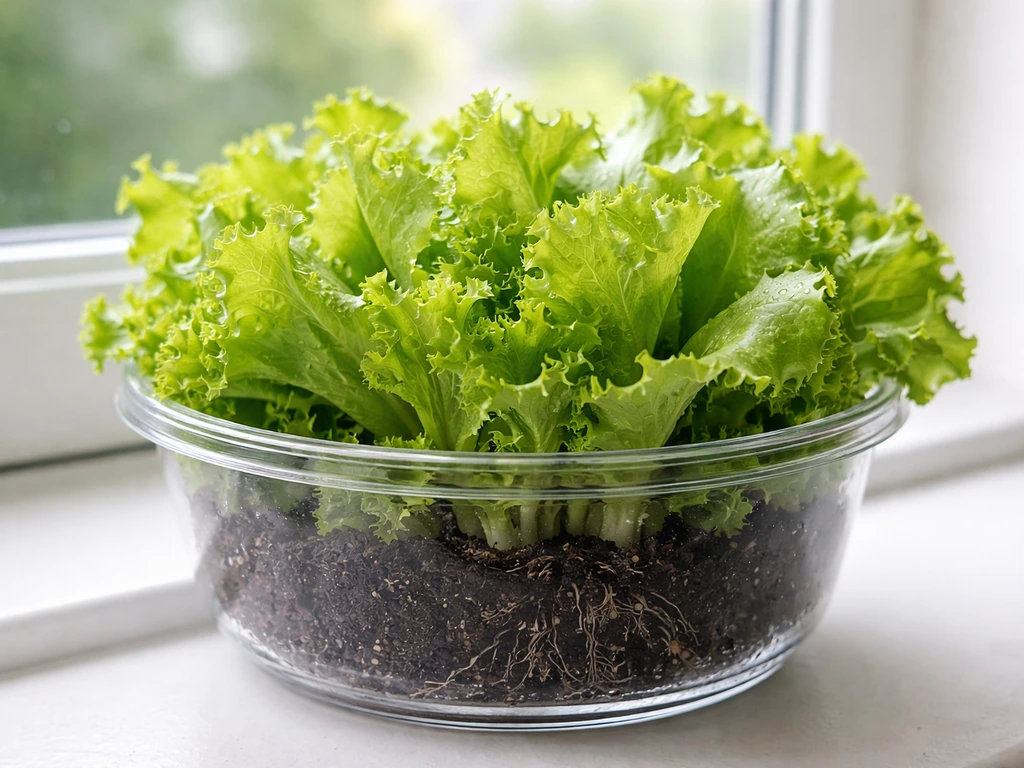
Salad bowl lettuce (Lactuca sativa) is a loose-leaf variety that forms an open, non-heading rosette of deeply lobed, frilly green leaves that look a bit like oak leaves. It never forms a tight head, which is exactly what makes it so container-friendly. You can harvest individual outer leaves continuously while the center keeps pushing new growth. The 'Red Salad Bowl' is the same thing with bronze-red coloring and just as easy to manage.
What sets salad bowl lettuce apart from many other varieties is its heat tolerance and slow-to-bolt reputation. It's described as both heat resistant and slow to bolt, with a days-to-maturity range of around 45–68 days depending on how you harvest. That's a big deal for container growers, because bowls heat up faster than garden beds and can stress your lettuce quickly in summer. If you're interested in exploring other loose-leaf types alongside it, varieties like lollo bionda or rocket lettuce behave similarly in containers and can be sown at the same time for a mixed bowl.
The 'bowl' in salad bowl lettuce isn't just a catchy name. It genuinely does well in a wide, shallow bowl-shaped planter, which is part of why it became a container gardening staple. It doesn't need deep soil to root well, it stays tidy, and the rosette shape naturally fills a bowl planter without getting leggy or floppy.
Picking the right container: size, depth, drainage, and placement
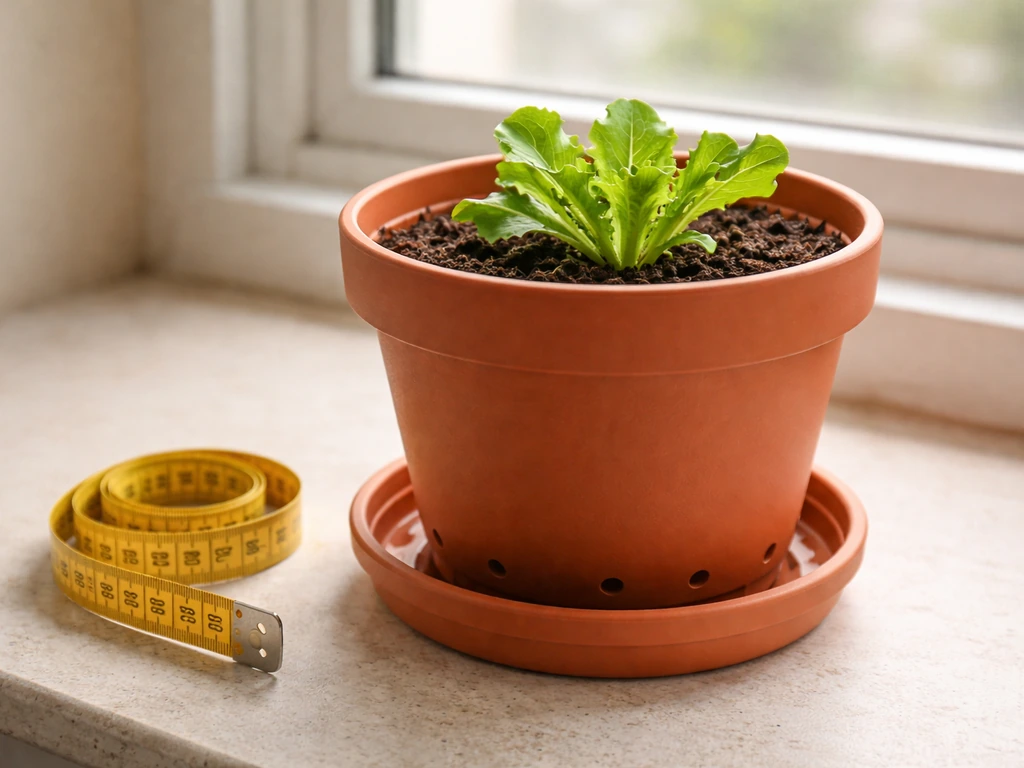
Lettuce roots are shallow, so the container doesn't need to be enormous. For a single salad bowl lettuce plant growing to full size, aim for a container at least 6–8 inches deep. For a mixed lettuce bowl with several plants, go wider: something closer to 18 inches in diameter and at least 8–10 inches deep gives you enough room for 3–5 plants without them fighting for moisture and nutrients. If you want a showpiece bowl that looks full and lush, a 12–18 inch wide container is the sweet spot.
Drainage is non-negotiable. Lettuce sitting in waterlogged soil will rot. Make sure your bowl has drainage holes. If you're using a decorative bowl that doesn't, either drill holes or use it as a cachepot with a draining inner container. Elevating the container slightly on feet or a saucer with pebbles helps air circulate underneath and stops roots from drowning after a heavy watering.
For placement, think shade strategy as much as sun. Outdoors, a spot that gets morning sun and afternoon shade is ideal, especially once temperatures climb past 70°F. Indoors, a south or west-facing window works for winter and early spring growing. In summer, move indoor bowls back from hot glass or use a sheer curtain to filter intense afternoon light. Light-colored pots and ceramic bowls also help keep root temperatures cooler than dark plastic containers.
Setting up your growing medium: soil, seed-starting mixes, and hydroponics
Never use garden soil in a container. It compacts, drains poorly, and often carries pathogens that cause damping-off in seedlings. Use a quality potting mix designed for containers. Look for one that's lightweight and well-draining, ideally with some perlite or coir already mixed in. If your mix feels dense, blend in about 20–25% extra perlite to improve drainage and aeration.
For starting seeds indoors before transplanting, a dedicated seed-starting mix (finer-textured, low in nutrients) gives seedlings a cleaner start and reduces the risk of rot or disease. Fill your seed-starting cells or a small tray, water until evenly moist (not soaking), and you're ready to sow. Once seedlings are 2–3 inches tall with their first true leaves, they can be potted up into your bowl with standard potting mix.
If you want to try hydroponics, salad bowl lettuce is genuinely well-suited to it. A simple kratky or deep water culture (DWC) setup with net pots and a nutrient solution works great. Target an electrical conductivity (EC) of around 0.8–1.6 mS/cm and a pH of 6.0–7.0. Lettuce grown hydroponically often matures faster and produces very clean, tender leaves. It's worth trying if you're growing indoors year-round and want maximum control over feeding.
Sowing, spacing, and thinning your lettuce bowl
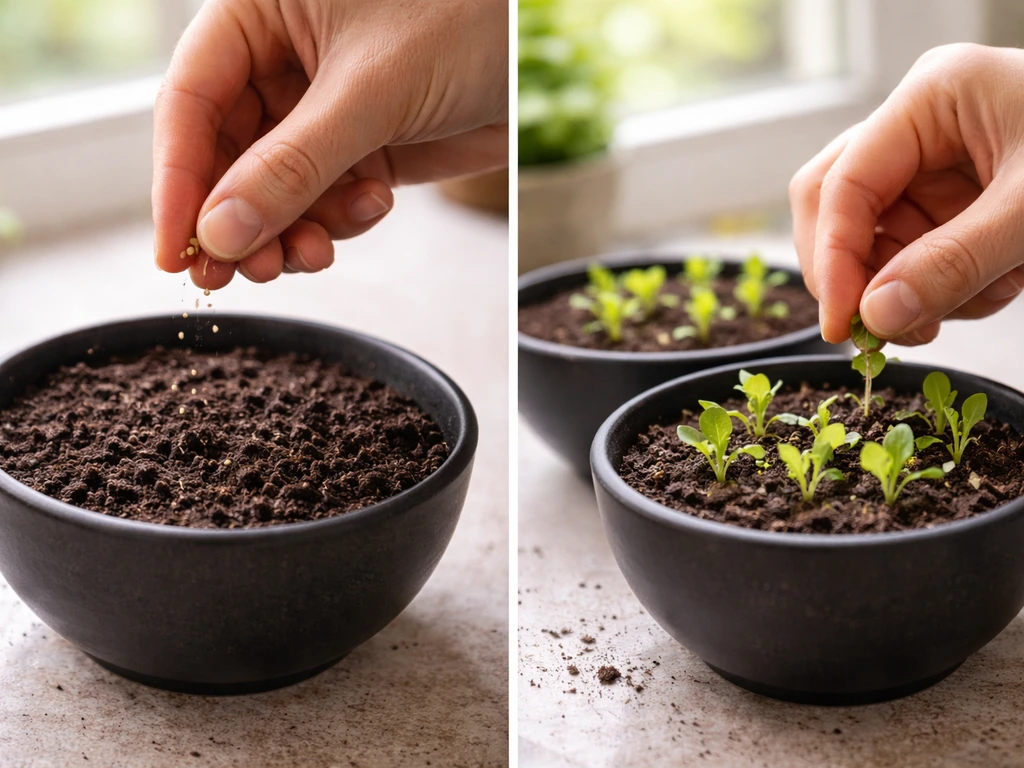
Plant seeds 1/4 to 1/2 inch deep. That's a consistent recommendation across multiple extension sources, and it holds up in practice. Too shallow and seeds dry out before germinating; too deep and they can't push through. In a container, I like to scatter seeds lightly across the surface, press them in gently with my finger, and cover with a thin layer of potting mix or vermiculite. Vermiculite is especially good because it holds moisture without crusting over.
Germination typically takes 3–10 days at soil temperatures of 60–70°F. If your soil is above 80°F, don't be surprised if seeds go dormant and refuse to sprout until things cool down. That's not a failed batch of seeds, it's just the plant's built-in heat protection. Move the container to a cooler spot and try again.
Once seedlings are up, thinning is the step most beginners skip and then regret. Crowded lettuce bolts earlier, gets leggy, and becomes disease-prone. Thin to about 4 inches apart initially. As plants grow, thin again to a final spacing of 10–12 inches for full-size rosettes. For a purely cut-and-come-again approach where you harvest young leaves, you can keep plants closer, around 4–6 inches apart, since you'll be trimming them before they fully expand. Thin by snipping at soil level rather than pulling, so you don't disturb the roots of neighboring plants.
If you're starting seeds indoors to transplant later, sow in small cells or pots 3–4 weeks before your last frost date (or 3–4 weeks before you plan to move the bowl to its outdoor spot). Harden off transplants over 5–7 days by setting them outside in a sheltered spot for a few hours a day before leaving them out full-time.
Light, temperature, and watering for indoor and outdoor bowls
Light
Outdoors, salad bowl lettuce does best in full sun during cool seasons and partial shade once temperatures warm. Indoors, it needs more light than most people expect. A bright windowsill can work in winter and early spring, but if your seedlings are stretching toward the light and getting leggy, that's a clear signal they're not getting enough. Under grow lights, aim for 14–16 hours per day at an intensity of around 150–200 µmol/m²/s PPFD at canopy level. A simple LED grow light positioned 6–12 inches above the plants handles this well.
Temperature
Lettuce thrives with nighttime temperatures around 50°F and daytime highs up to 68°F. It can handle light frost but struggles once daytime temps consistently exceed 75–80°F. Above that threshold, it starts to bolt (send up a flower stalk), which makes the leaves bitter and ends your harvest. Because containers heat up faster than in-ground beds, this can happen surprisingly quickly in summer, even with a heat-tolerant variety like salad bowl. Planning your growing season around this is the single most important temperature tip: grow in spring or fall outdoors, or control temps indoors year-round. For tips specific to pink lettuce, focus on cooler temperatures, steady watering, and consistent feeding so the leaves develop the best color.
Watering
Containers dry out faster than garden beds, so check your lettuce bowl every day in warm weather. The goal is consistently moist soil, not wet and not bone dry. Stick your finger an inch into the soil. If it's dry at that depth, water thoroughly until it runs from the drainage holes. In cooler weather or indoors, you may only need to water every 2–3 days. Inconsistent watering is one of the main causes of tipburn (brown leaf edges), because lettuce needs steady moisture to move calcium into its rapidly growing tissue. If you're seeing brown edges, that's the first thing to fix.
Feeding your lettuce and keeping growth going
Most quality potting mixes include some starter nutrients, so you don't need to fertilize immediately after planting. Start feeding around 3–4 weeks after sowing, or sooner if you notice pale, slow-growing plants. A balanced liquid fertilizer like a 20-20-20 diluted to about 1 ounce per 4 gallons of water, applied once a week, works well for container lettuce. Liquid fertilizers are better than granular for containers because they don't build up salts as quickly and you can control the dose more precisely.
Don't overwater and then fertilize, or the nutrients will flush straight through before roots can absorb them. Water when the soil needs it, then fertilize separately. Also, saturated soil causes nitrogen loss through a process called denitrification, so if your pot stays soggy, your plant can be hungry even if you've fed it recently. Good drainage and consistent (but not excessive) watering directly affects how well your fertilizer actually works.
Cut-and-come-again harvesting actually stimulates new leaf production, so regular harvesting is a form of maintenance. After each cutting session, it's a good time to give the plant a light liquid feed to help it push out the next flush of leaves. This rhythm of harvest and feed keeps the bowl productive for weeks.
When to harvest and how to keep it producing
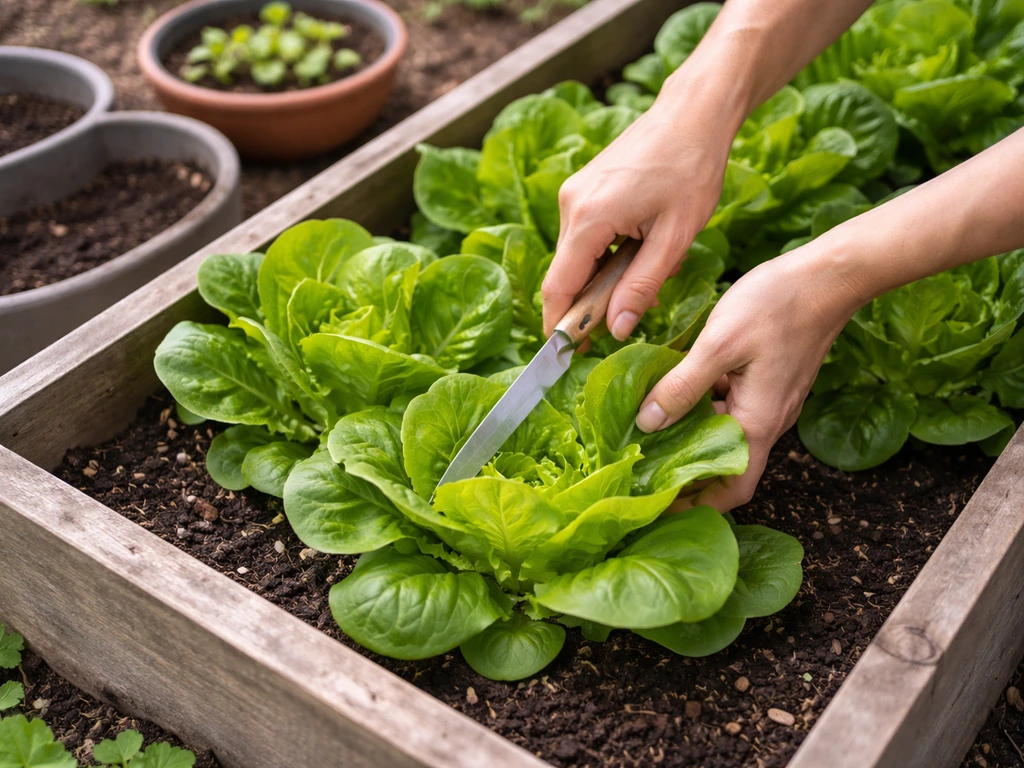
You can start harvesting salad bowl lettuce when plants are 5–6 inches tall, which often happens around 30–45 days after sowing. For a full rosette, wait until 45–55 days. The cut-and-come-again method is the way to go for maximum production: harvest outer leaves by cutting them at the base, leaving the central growing point untouched. The plant regrows from the center and you can repeat this every 7–14 days. Plants can stay productive for up to two months this way before they eventually bolt or tire out.
To keep a continuous supply going, start a new bowl every 3–4 weeks. By the time your first bowl starts slowing down, your second is ready to harvest. This succession planting approach means you're never without fresh lettuce, and it's especially easy with containers because you can run multiple bowls in a small space.
Harvest in the morning when leaves are crisp and hydrated. Rinse immediately and refrigerate in a damp paper towel inside a bag or container. Freshly harvested salad bowl lettuce keeps for 5–7 days in the fridge.
Fixing common problems before they ruin your bowl
Bolting
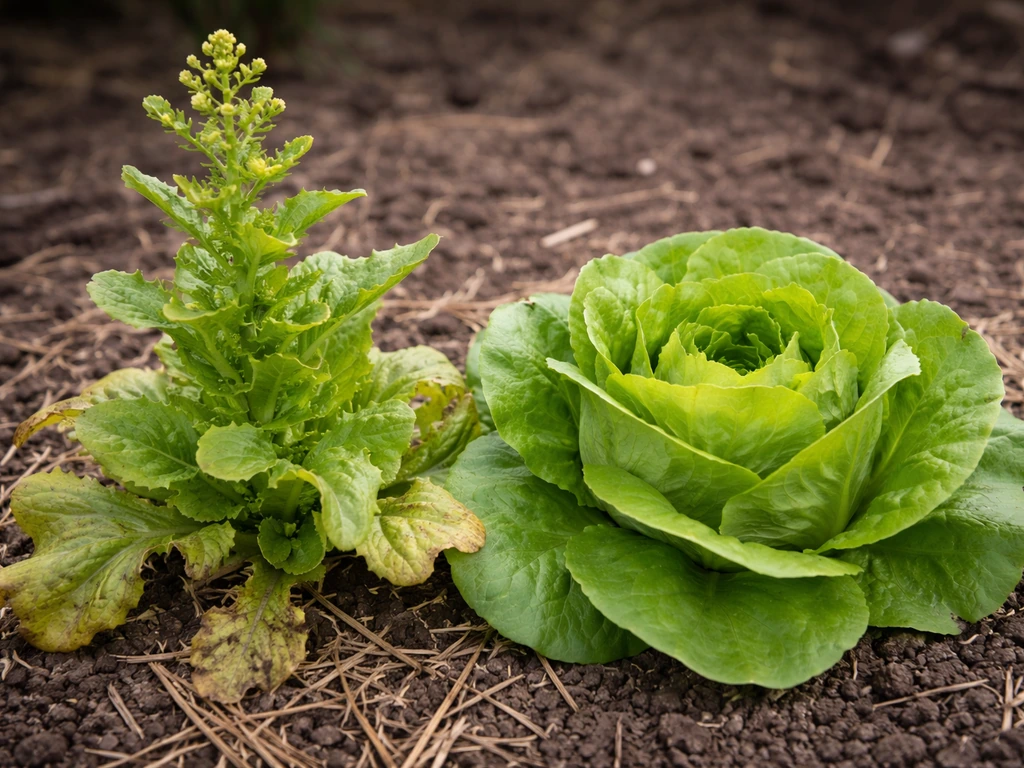
If your lettuce sends up a tall central stalk and the leaves turn bitter, it has bolted. This is usually triggered by heat or long days (more than 14 hours of light). Once bolting starts, you can't reverse it. Harvest whatever leaves are still edible, then replant. To prevent it: grow in spring or fall outdoors, use shade cloth when temperatures climb, and keep grow lights on a timer if growing indoors. Salad bowl lettuce is slower to bolt than many varieties, but it's not immune.
Legginess
Leggy seedlings that are stretched and pale are almost always a light problem. If you're growing indoors, move the container closer to your light source or increase light duration to 14–16 hours. If the plant is near a window and still stretching, supplement with a grow light. Outdoors, legginess can happen in deep shade, so try moving the bowl to a spot with at least a few hours of direct sun.
Germination failure
If seeds don't sprout within 10–14 days, check soil temperature. Above 80°F, lettuce seeds go dormant rather than germinate. Cool the container down (move indoors, add shade) and wait. Also check that your soil didn't dry out after sowing, because seeds need consistent moisture to germinate. If you suspect old seeds, do a quick germination test: wrap 5–10 seeds in a damp paper towel, seal in a bag, and leave at room temperature. If fewer than 7 out of 10 sprout in 10 days, get fresher seeds.
Tipburn
Brown or papery edges on inner leaves is tipburn. It looks like a disease but it's almost always a water and airflow issue. Lettuce can't move calcium fast enough into rapidly expanding leaf tissue when water delivery is inconsistent or when there's very little evapotranspiration (like in still, humid indoor air). The fix is to water more consistently, improve air circulation around the plant, and avoid letting the soil dry out completely between waterings. Adding calcium spray rarely solves it because the problem isn't soil calcium, it's how the plant moves water.
Pests
The most common container lettuce pests are aphids, slugs, and snails. Aphids cluster on the underside of leaves and cause curling and sticky residue. Knock them off with a strong water spray or apply insecticidal soap. For slugs and snails, set up traps (a shallow dish with beer works) or use iron phosphate bait near the container. Remove debris around the pot where they hide during the day. Indoors, aphids and fungus gnats (attracted to moist soil) are the main culprits. Let the top inch of soil dry between waterings to discourage gnats, and use yellow sticky traps to monitor.
Disease
Downy mildew appears as pale yellow patches on upper leaf surfaces with a grayish fuzz underneath, and it needs free moisture on the leaf to take hold. Water at the base rather than overhead, and improve air circulation between plants. Powdery mildew looks like white powder on leaves and tends to appear in warm, dry conditions on older plants. If you catch it early, removing affected leaves and improving spacing helps. Both diseases are best managed by spacing plants correctly from the start, which is another reason thinning matters. Damping-off (seedlings collapsing at the base) is a fungal problem common when seed-starting soil stays too wet. Use fresh seed-starting mix, don't overwater, and ensure good airflow.
Nutrient deficiency
Pale yellow leaves across the whole plant usually signal nitrogen deficiency, especially in containers that have been producing for a while. Start a regular feeding schedule if you haven't, or increase frequency slightly. If only lower leaves are yellowing while the rest of the plant looks normal, it may be natural senescence of older leaves rather than a deficiency. Salt buildup from over-fertilizing shows as white crust on the soil surface and brown leaf tips. If you see this, flush the container thoroughly with plain water to leach out excess salts, then cut back on fertilizer dose.
Quick-reference specs for your lettuce bowl
| Factor | Recommendation |
|---|---|
| Container depth | At least 6–8 inches (8–10 inches preferred for multiple plants) |
| Container width | 12–18 inches for 3–5 plants; minimum 6–8 inches for 1 plant |
| Seed depth | 1/4 to 1/2 inch |
| Germination time | 3–10 days at 60–70°F soil temperature |
| Final plant spacing | 10–12 inches for full rosettes; 4–6 inches for cut-and-come-again harvest |
| Ideal temperature | 50°F nights / up to 68°F days |
| Days to first harvest | 45–55 days (full rosette); leaves usable from 30–45 days |
| Indoor light | 14–16 hours/day at 150–200 µmol/m²/s PPFD |
| Fertilizer start | 3–4 weeks after sowing; weekly liquid feed at dilute strength |
| Harvest window | Up to 2 months with cut-and-come-again harvesting |
Growing salad bowl lettuce in a container really is as manageable as it sounds, even if you're doing it for the first time. Start with good drainage, a cool location, and consistent watering, and you'll likely be harvesting within six weeks. If something goes sideways, most problems trace back to temperature, light, or water, and the troubleshooting above covers the most common ones. Start your next bowl 3–4 weeks after your first and you'll have a steady supply of fresh greens without much fuss.
FAQ
How can I stop salad bowl lettuce from getting too hot in summer if containers warm up fast?
If your bowl is heating up in sun, use a simple timing fix first. Place it where it gets morning sun but gets shade after noon, and in very hot weather move it back under a porch or behind a taller plant during the hottest hours. A lighter-colored pot also reduces heat load on roots.
What happens if I accidentally cut into the lettuce center while harvesting outer leaves?
You can, but expect slower regrowth. For cut-and-come-again harvesting, remove only outer leaves and avoid cutting into the central rosette growing point. If the center is damaged, you may get fewer flushes and the bowl will likely bolt sooner.
Does the time of day I harvest affect flavor or texture for salad bowl lettuce?
Yes, but the leaf texture can change. To keep leaves crisp and frilly, harvest when the plant is hydrated (morning is best), then refrigerate immediately. Regular feeding later in the season helps too, because nutrient stress can make leaves tougher.
My salad bowl lettuce seeds won’t sprout, what should I check first besides using fresh seeds?
If seeds germinate poorly, the two most common causes are soil that is too hot and inconsistent surface moisture. Shade the container and keep the top layer evenly moist during the 3–10 day germination window, but never water so heavily that it stays soggy.
How do I know if my potting mix or watering technique is the real reason my lettuce is tipburning?
In most cases, yes. When the soil surface crusts or water runs straight through, even a “good” schedule can fail because roots are not getting steady moisture. Loosen the top inch gently (without disturbing roots) and make sure your potting mix is light and drains well, then water thoroughly until it drains.
Should I space salad bowl lettuce closer for baby leaves, or is thinning still necessary?
Start thin and adjust spacing based on your harvesting style. For baby leaves, closer spacing (about 4–6 inches) is fine since you trim before full rosette size. If you want larger rosettes, thin to 10–12 inches so airflow and water delivery stay consistent.
Can shade cloth or other coverings prevent bolting, especially indoors under grow lights?
Yes, and it’s a useful tool to avoid bolting. Use an insect net or shade cloth during hot spells, and keep an eye on day length if you’re using indoor grow lights on a long schedule. If you see a central stalk rising, harvesting won’t reverse bolting.
My lettuce leaves are turning pale or yellow, what should I do before adding more fertilizer?
It often indicates nutrient or moisture delivery issues, or salt buildup if you’ve been feeding regularly. First, check whether watering is consistent. If fertilizer has been ongoing, flush the container until water runs out the drainage holes, then pause feeding for about 1 week before resuming at a lower dose.
How can I tell if yellowing is from salt buildup versus a nitrogen deficiency?
Most “salt” symptoms show as crust on the soil surface and brown leaf tips, especially after repeated feeding in containers. Leach the salts with plain water, then switch to a weaker, more consistent liquid feeding rather than occasional strong doses.
Can I increase yield in the same bowl instead of starting a new bowl every few weeks?
Yes for container growing. If you want a larger harvest from the same bowl, keep the cut-and-come-again method but harvest frequently (outer leaves every 7–14 days) and re-feed lightly after harvest. Let the center regrow, and avoid waiting too long between cuttings.