Pink lettuce grows best when you pick a true red-leaf or red-romaine variety, keep temperatures between 60 and 70°F, give it plenty of light, and water it consistently so it never wilts. To learn the full process, including setup, sowing, and troubleshooting, see our guide on how to grow rocket lettuce pick a true red-leaf or red-romaine variety. The pink and ruby color comes from anthocyanins, and those pigments develop most intensely when the plant gets good light and stays stress-free. Skip those two things and you'll get green leaves instead of the rosy tones you're after.
How to Grow Pink Lettuce: Step-by-Step Guide
Marcus Holloway
18 Jun 2026
What 'pink lettuce' actually is and which varieties to buy
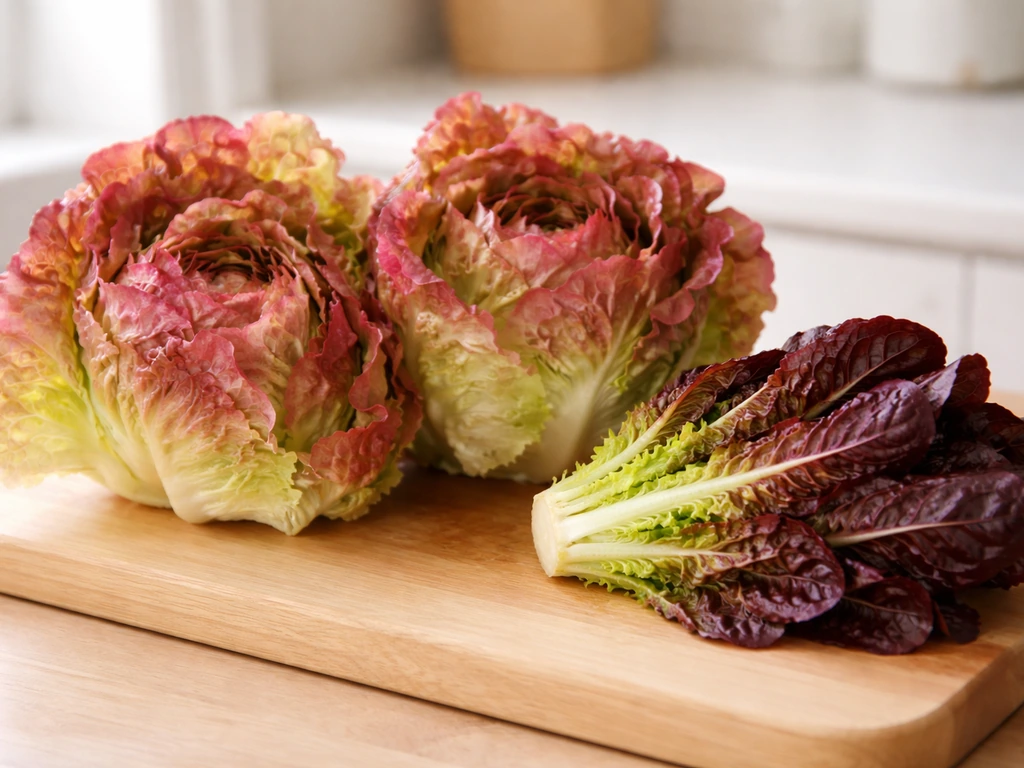
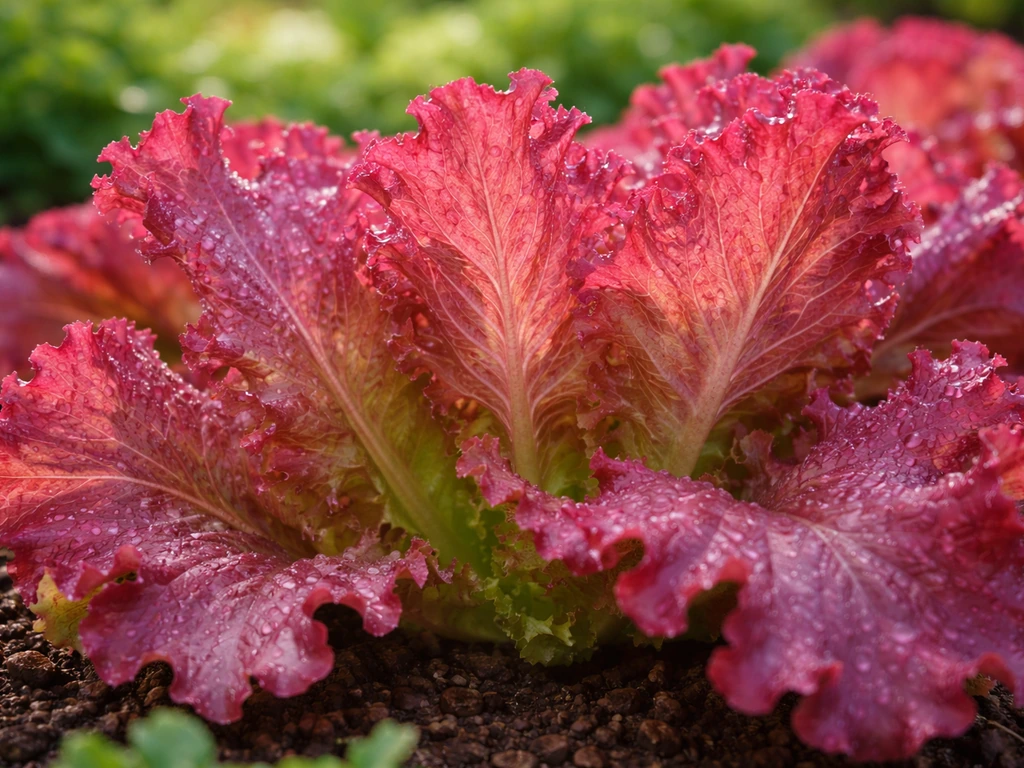
When most gardeners search for pink lettuce, they're really looking at the broader family of red-leaf and red-romaine lettuce cultivars. These are standard Lactuca sativa varieties whose outer leaves develop pink, bronze, or deep ruby tones thanks to anthocyanin pigments. True pink is the lighter end of that color range, and it shows up most clearly when outer leaves are young and light exposure is moderate. As the plant matures, those same leaves often deepen to red or bronze.
The varieties that consistently give you that rosy, pink-to-ruby look include:
- Ruby Gem (baby romaine): compact heads with vivid green hearts and ruby-red outer tops — one of the easiest for containers and the clearest pink-to-red display at home
- Ruby Red (loose-leaf): ruffled leaves that start green and shift to bronze-red as they mature — reliably colorful and widely available as seed or transplant
- Galactic (loose-leaf): a darker red-purple leaf variety recognized by university extension programs as a dependable salad green
- Lollo Rossa: a frilly, deeply lobed red leaf type with intense color at the tips — related to Lollo Bionda but the red version
- Red Salad Bowl: a loose, oak-leaf-shaped variety with soft pink-red outer leaves that stay tender at harvest
If you can only pick one variety to start with, go with Ruby Gem or Ruby Red. Both are forgiving, widely available from seed companies, and color up reliably without needing perfect conditions. Seed packets are far cheaper than transplants, and lettuce is fast enough from seed that you don't lose much time starting that way.
Choosing the right growing setup
Pink lettuce is genuinely versatile. I've grown it in outdoor raised beds, plastic window boxes on a balcony, under a single LED grow light in a spare room, and in a basic hydroponic reservoir. Each setup works, but each has a different weak point to watch for.
Outdoor garden bed
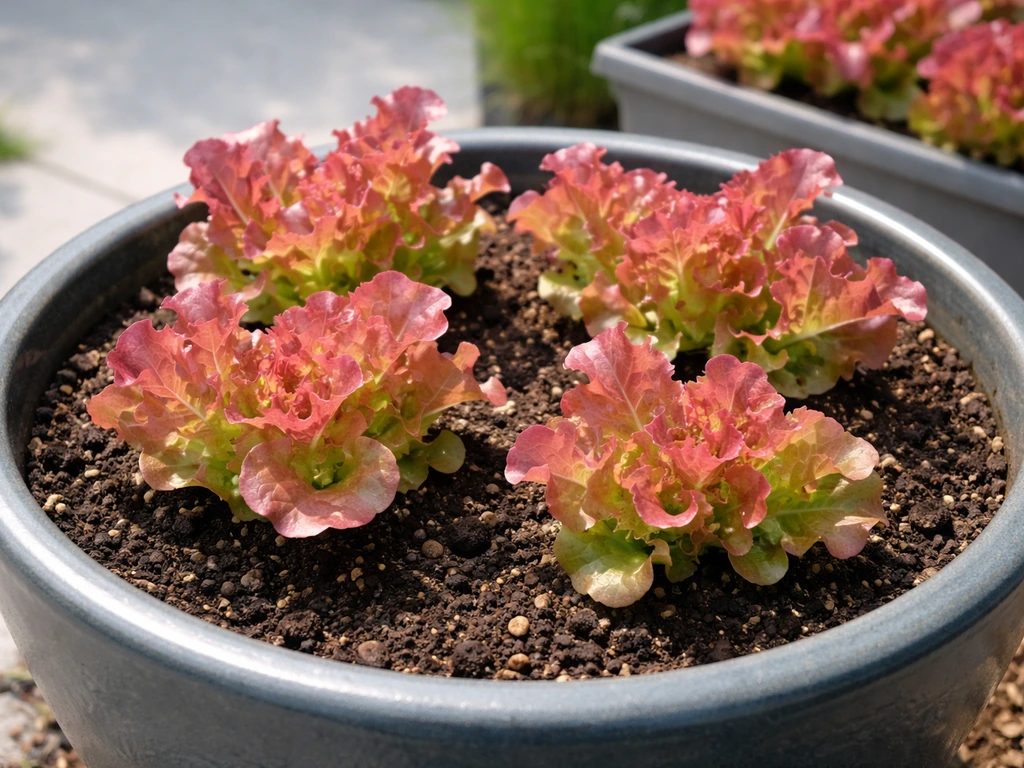
A garden bed is the lowest-maintenance option if you have outdoor space and cool weather. You get natural light, natural rainfall, and no equipment cost. The main risk is heat: lettuce bolts quickly once temperatures push past 80°F consistently. Plan to sow in early spring (4 to 6 weeks before your last frost) or late summer (8 to 10 weeks before your first fall frost) so the bulk of growth happens in cool weather. For a practical step-by-step lactuca sativa how to grow approach, follow these timing and temperature guidelines so your plants mature in cool weather.
Container or patio growing
A pot or window box is the best choice for apartment dwellers or anyone with limited space. Use a container at least 6 to 8 inches deep for leaf types and 10 to 12 inches deep for romaine or heading types. Containers dry out faster than garden beds, so you'll water more often, but you can also move them out of afternoon sun when a heat wave hits, which extends your harvest window significantly.
Indoor growing under lights
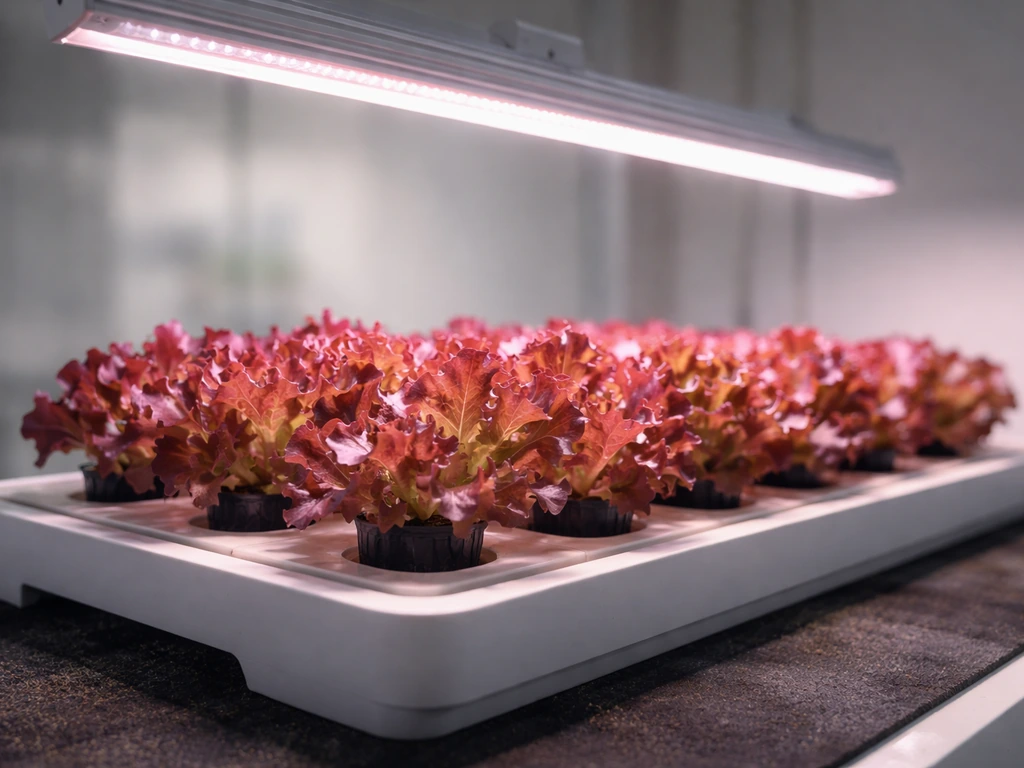
If you want year-round pink lettuce regardless of outdoor temperatures, grow it indoors under LED or fluorescent grow lights. Full-spectrum LEDs work best and also help drive anthocyanin development, which directly affects how pink the leaves get. Position lights 4 to 6 inches above seedlings and keep them on for 14 to 16 hours per day. Be careful not to go much beyond that: excessively high light intensity can actually stress lettuce, so more hours doesn't always mean more color.
Hydroponic systems
Lettuce is one of the best crops for hydroponics, and red-leaf varieties thrive in simple nutrient film technique (NFT) channels, deep water culture (DWC) buckets, or even a basic Kratky jar. Color development in hydroponic lettuce is strongly tied to light: growers consistently report that increasing light intensity or switching to a spectrum with more blue and red wavelengths visibly reddens the upper leaves. If you're running a hydroponic setup and the leaves stay green, light is usually the first thing to adjust.
Soil prep, container prep, and starting seeds
Good preparation before you sow saves a lot of frustration later. For outdoor beds, till the soil 8 to 10 inches deep, remove large clods and stones, and work in compost or aged organic matter to improve both drainage and moisture retention. Target a soil pH of 6.0 to 6.8 (most extension services land on that range for lettuce, and it applies whether you're in the ground or in a container). A pH outside that range ties up nutrients that the plant needs for both growth and color, so if your leaves look pale or stunted, testing and amending pH is often the fix.
For containers, use a high-quality potting mix rather than garden soil. Garden soil compacts in pots and restricts root growth. I mix potting mix with about 20 to 30 percent perlite for container growing: it keeps the mix well-drained and airy, which lettuce roots prefer.
Starting from seed
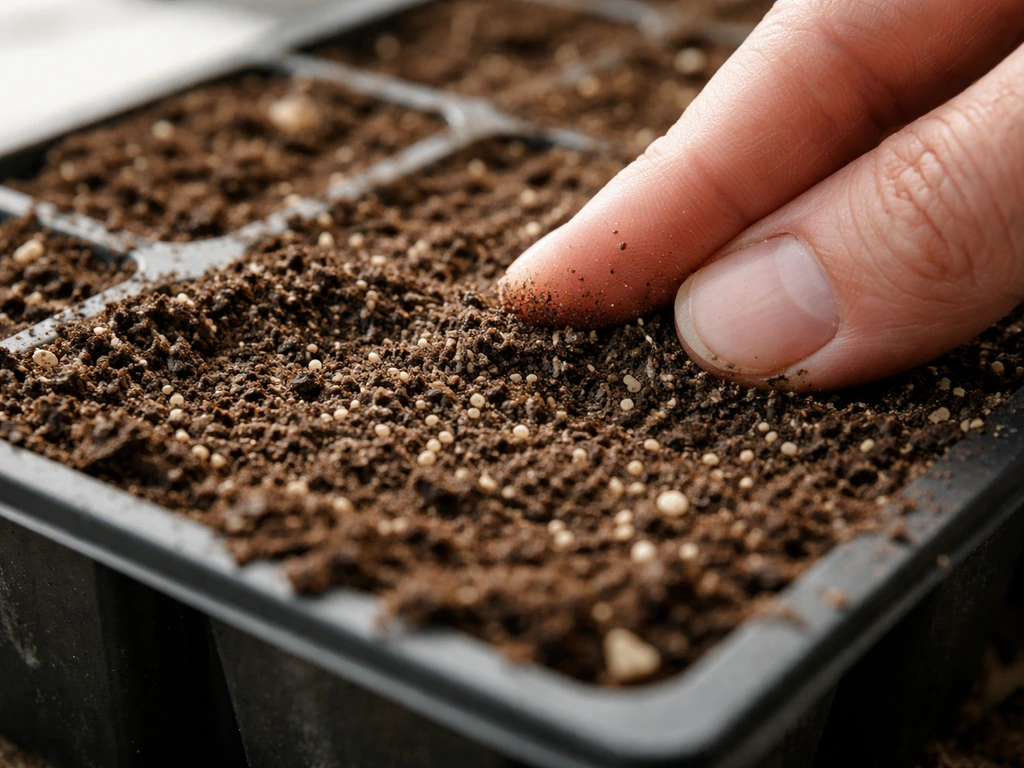
Lettuce seed is tiny and needs to be sown shallow: just 1/8 to 1/4 inch deep. Press the soil gently after sowing so there's good contact, then keep it consistently moist. Germination can happen at soil temperatures as low as 32°F, but the sweet spot is around 65 to 75°F, where you'll typically see sprouts in 5 to 10 days. Above 80°F, germination rate drops noticeably, so if you're starting seeds in summer, keep trays somewhere cooler until they sprout.
Starting from transplants
If you're buying starts from a nursery or growing your own indoors to transplant outside, the handoff moment matters. Water transplants immediately after planting and use a diluted starter fertilizer to reduce transplant shock. Don't over-harden transplants before moving them out: gradual acclimation to outdoor conditions over 4 to 7 days is enough. Stressed transplants often take longer to show their red coloring because the plant is prioritizing recovery over pigment production.
Light, temperature, and watering: the three levers for pink color
These three factors control how healthy your lettuce grows and, more specifically, how pink and vibrant it looks. Getting all three right at the same time is what separates pale, bland-looking leaves from the deep rosy tones you see in seed catalog photos.
Light
Anthocyanin production in red-leaf lettuce is directly tied to light intensity and spectrum. Research consistently shows that higher light intensity drives more anthocyanin, and that blue and red wavelengths are particularly effective. In practical terms: outdoor lettuce in full sun (6 or more hours of direct light) will color up better than plants in heavy shade. Indoors, full-spectrum LEDs with blue and red diodes do the job well. The outer, upper leaves tend to color first because they receive the most light exposure, so don't panic if inner leaves stay green, that's normal and part of the plant's natural coloration pattern.
Temperature
Lettuce is a cool-season crop and thrives when average daily temperatures stay between 60 and 70°F. It can tolerate short stretches of 80 to 85°F daytime heat if soil moisture is consistent and nights stay cool, but prolonged warmth, especially warm nights, triggers bolting and makes leaves bitter. Below 50°F growth slows, but flavor often improves slightly. For indoor growers, keeping your grow space below 75°F is worth the effort: a warm room under lights is one of the most common reasons indoor pink lettuce bolts before harvest.
Watering
Lettuce is extremely sensitive to water stress. A plant that wilts even briefly tends to redirect energy away from leaf quality and pigment production. Aim to keep the soil or growing medium consistently moist but never waterlogged. In containers and outdoor beds, this usually means watering every 1 to 2 days during warm weather. One practical tip: water at the base of the plant rather than overhead whenever possible, and let the soil surface dry briefly between waterings to discourage slugs and soil-borne disease. In hydroponics, keep your nutrient solution topped up and at a consistent EC level appropriate for lettuce (generally 0.8 to 1.6 mS/cm).
Spacing, fertilizing, and your harvest timeline
Spacing
For loose-leaf types like Ruby Red or Lollo Rossa, space plants 6 to 8 inches apart. For compact romaine types like Ruby Gem, 8 to 10 inches between plants is plenty. If you're growing in a traditional row layout, leave 12 to 18 inches between rows so you can walk and harvest without compacting the soil. Crowded plants compete for light and air circulation, which leads to pale leaves and increases the risk of fungal disease.
Fertilizing
Lettuce is a moderate feeder and doesn't need heavy fertilizing. A soil amendment with balanced compost at planting time handles most of the early nutritional needs. About 3 to 4 weeks after transplanting (or at thinning for direct-sown plants), apply a side-dressing of nitrogen-based fertilizer: roughly 1/4 cup of a 21-0-0 formula per 10 feet of row works well, following the extension guidance I've seen recommended repeatedly. After that, a second application at 6 to 8 weeks if growth looks slow is usually enough. Avoid over-fertilizing with nitrogen: it pushes leafy green growth but can actually reduce color intensity by diluting anthocyanin concentration in the leaf tissue.
Timeline from seed to harvest
| Stage | Timing from Sowing | Notes |
|---|---|---|
| Germination | 5–10 days | Soil temp 65–75°F ideal; shallow sow at 1/8–1/4 inch |
| Seedling thinning | 2–3 weeks | Thin to final spacing; use thinnings as microgreens |
| Color development begins | 3–4 weeks | Outer leaves start showing pink/red tones with good light |
| First baby-leaf harvest | 25–35 days | Loose-leaf types ready for cut-and-come-again picking |
| Full leaf harvest | 40–50 days | Ruby Red and similar varieties reach full maturity around 45 days |
| Transplant starts ready to move out | 3–5 weeks after indoor sowing | Harden off before planting outside |
When things go wrong: troubleshooting bolting, pests, weak color, and bitterness
Bolting (plant sends up a flower stalk)
Bolting is the most common failure point with lettuce. Once a plant bolts, the leaves become bitter and tough quickly and there's no reversing it. The trigger is almost always heat, with warm nights being especially problematic. If your lettuce is bolting: harvest immediately, even if leaves seem small, to get something edible before bitterness takes over. Next time, shift your planting date earlier in spring or switch to a fall crop so the plant matures in cooler conditions. Choosing a variety specifically bred as slow-to-bolt helps too, and many red-leaf types like Ruby Red are reasonably heat-tolerant for short stretches.
Pale, green, or colorless leaves (weak pink)
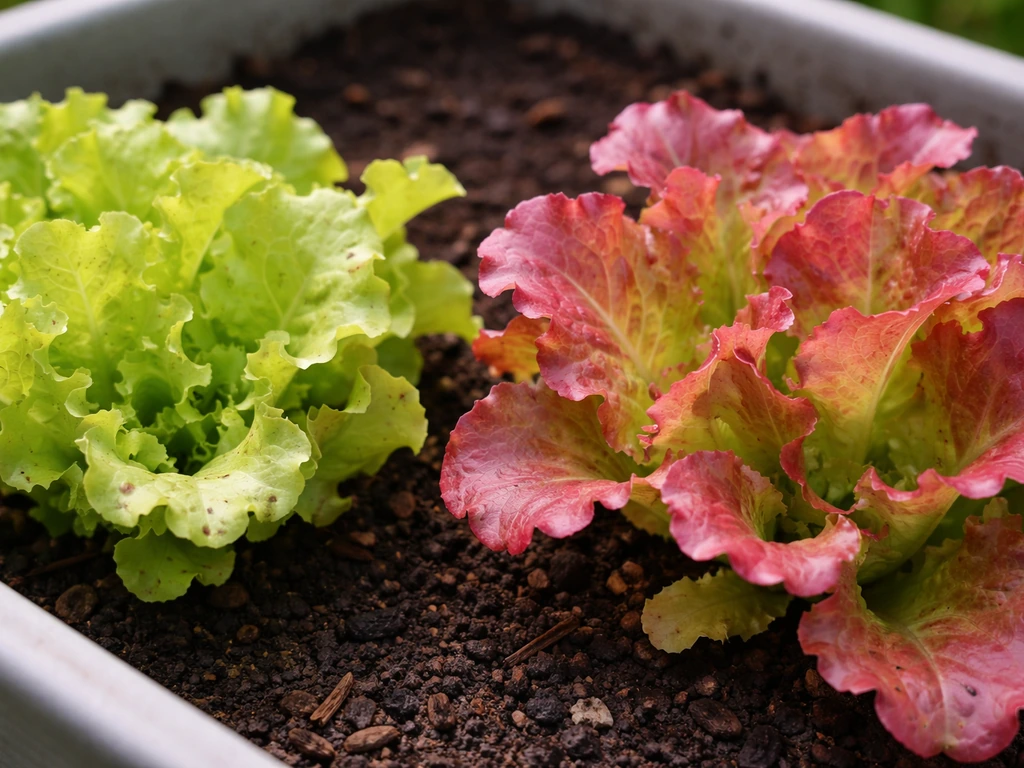
If your 'pink' lettuce looks mostly green, the fix is almost always more light. This is especially common with indoor or shaded outdoor plants. Move containers to a sunnier spot, lower your grow light closer to the canopy (4 to 6 inches for LEDs), or extend your lighting period to 14 to 16 hours indoors. Anthocyanin production responds to light within days, so you'll often see a color shift within a week of improving the light situation. Water stress or a soil pH that's too high can also mute color by limiting nutrient uptake, so check those if improving light doesn't help.
Bitter leaves
Bitterness shows up for two reasons: heat stress and delayed harvest. If the weather has been warm, harvest earlier than you planned. If the plant hasn't been stressed by heat, bitterness at harvest often means you've waited too long, overmature lettuce gets tough and bitter even without bolting. Start tasting outer leaves around the 35-day mark with leaf types and harvest as soon as flavor is where you want it. There's no reason to wait for a 'full' head if the leaves taste good earlier.
Aphids and slugs
Aphids are the most common pest on lettuce and tend to cluster on young leaves and along leaf midribs. A forceful spray of water knocks them off effectively; for heavier infestations, insecticidal soap works well and won't damage the leaves. Slugs are attracted to damp soil surfaces and do most of their damage at night. Avoid overhead watering in the evening, and let the soil surface dry slightly between waterings. If slugs are a persistent problem, a ring of diatomaceous earth around the base of plants or a slug trap nearby helps significantly.
Slow or stunted growth
If your seedlings look small and pale weeks after germination, check three things in order: soil pH (if it's outside 6.0 to 6.8, nutrients are unavailable regardless of fertilizer), watering frequency (a plant that dries out repeatedly never catches up fully), and temperature (if nights are dropping below 45°F, growth stalls). Transplant shock can also cause a 1 to 2 week slowdown in growth after moving plants outside, which is normal. Using a starter fertilizer at transplanting reduces this delay.
Harvesting, storing, and keeping the leaves coming
How to harvest
For loose-leaf types, use the cut-and-come-again method: harvest outer leaves by cutting them about 1 inch above the soil, leaving the growing point and inner leaves intact. The plant will continue producing for several more weeks. For compact romaine types like Ruby Gem, you can harvest individual outer leaves the same way or cut the whole head about 1 inch above the crown and let it regrow. Harvest in the morning when leaves are turgid and temperatures are coolest, leaf quality is noticeably better than harvesting in the midday heat.
Storing what you pick
Rinse leaves gently, spin or pat dry, and store them loosely wrapped in a damp paper towel inside a sealed container or bag in the refrigerator. Stored this way, fresh-picked pink lettuce will keep well for 5 to 7 days. Don't wash leaves you plan to store beyond a day or two until right before use: excess surface moisture speeds up deterioration.
Keeping the harvest going: succession planting and regrowing
The most reliable way to have continuous pink lettuce is succession planting: sow a new small batch of seeds every 2 to 3 weeks throughout the cool season. Each planting takes about 5 to 7 weeks from seed to first harvest, so staggered sowing keeps a steady supply coming without a big gap between harvests. Indoors under lights, you can do this year-round.
If you're using cut-and-come-again harvesting, a single plant can produce 3 to 4 harvests before quality declines. Once inner leaves start tasting bitter or growth slows to almost nothing, pull that plant and replace it with a fresh transplant or new direct sowing. Most indoor setups cycle plants out every 6 to 8 weeks, which is a good rhythm to get into.
Pink lettuce is genuinely one of the more satisfying crops to grow at home: it's fast, it's visual, and each variety has a slightly different character. If you've tried growing other lettuce before, say salad bowl types or lollo bionda, the growing process for red-leaf varieties is nearly identical, the main difference is paying closer attention to light to make sure those anthocyanins actually develop. If you specifically want to grow lollo bionda, use the same red-leaf lettuce basics but prioritize consistent light and cool temperatures so the leaves color up. Get the variety right, keep it cool, keep it watered, and give it good light. That's really most of the job.
FAQ
How do I tell if I’m growing “true pink” lettuce or just red-leaf that looks pink sometimes?
Look at the outer leaves when they are young, the true-pink look shows up as lighter pink-bronze tones rather than fully ruby red. If the color only appears at the very tips or only deepens right before harvest, it may be a red-leaf that trends darker rather than staying light-pink.
My lettuce colors up on the edges but the center stays green, is something wrong?
This is usually normal because the outer, upper leaves receive the most light. If you want more center color, rotate containers every few days and thin plants slightly so light and airflow reach the interior.
Will frost damage pink lettuce before it develops color?
Light frosts typically slow growth but do not instantly ruin lettuce. Harvest as the cold hits rather than trying to push full maturity, and for container plants bring them under cover overnight so temperatures stay more stable.
What’s the best way to prevent bolting if temperatures keep creeping above 80°F?
Use shade cloth during the hottest afternoon hours and keep the soil evenly moist, heat spikes plus water stress are the fastest bolting triggers. Also shift to earlier or later sowings, and consider slow-to-bolt red-leaf varieties for your main batches.
Can I get more pink color by adding fertilizer or increasing nitrogen?
More nitrogen often increases leaf growth but can dilute pigmentation and reduce the rosy tones. If color is weak, adjust light first, then only fine-tune nutrients, keeping nitrogen moderate and avoiding repeated heavy feeding.
How close should I place LED lights to avoid stressing the plants?
Start with lights about 4 to 6 inches above seedlings, if leaves start curling or look bleached, raise the light slightly or reduce intensity. Consistent gentle stress is worse than stable light, so aim for steady conditions rather than pushing brightness.
Do I need to measure EC and pH in hydroponics to grow pink lettuce?
EC helps you avoid nutrient starvation or excess, but the bigger color lever is light intensity. If color is muted, first increase lighting or adjust spectrum, then verify EC is in a lettuce-appropriate range and check pH so nutrients are actually available.
What watering schedule works best for pink lettuce in hot weather?
Water based on the medium, aim for evenly moist growing media, if the top layer dries and plants wilt even briefly you risk bitterness and poor pigment. In containers that often means checking daily during heat, watering at the base to reduce disease pressure.
Can I grow pink lettuce from store-bought lettuce?
Not reliably, lettuce from the grocery is usually not meant to be regrown and may be treated or have damaged roots. If you want to try, save seeds from your own plants or start from reputable seed, varieties labeled red-leaf or red-romaine are the ones that reliably develop pink tones.
Why are my leaves bitter even though my plants didn’t bolt?
Two common causes are overmaturity (harvest later than peak flavor) and heat stress during the few days before harvest. Start tasting outer leaves around the early harvest window and pick as soon as flavor matches what you want, do not wait for a “full head” if flavor is already good.
How do I harvest for regrowth without losing the pink color?
Use cut-and-come-again on loose-leaf types, cut about 1 inch above the soil while leaving the growing point intact. Harvest in the morning for best texture, and keep light consistent after harvest because anthocyanin intensity can change quickly with new growth.
My seedlings look pale and slow, what should I check first?
Check pH availability first (target the 6.0 to 6.8 range), then water consistency, and only then temperature. A tray that alternates dry and wet often looks nutrient-deficient even when fertilizer is present.
What spacing should I use if I want better color rather than maximum yield?
Give plants slightly more room than the bare minimum, crowded plants compete for light and airflow, leading to paler leaves. If you are between two spacing options, choose wider spacing so inner leaves get enough light to build anthocyanins.
How long will pink lettuce keep after harvest, and should I wash it?
If stored properly it stays best for about a week, but washing right away can shorten shelf life. For best quality, rinse gently only before use, and store leaves loosely with a lightly damp paper towel to maintain humidity without soaking.