Rocket lettuce (also called arugula, roquette, or rocket salad) is one of the fastest and most rewarding greens you can grow at home. Sow seeds directly into the ground or a container, keep the soil moist, and you'll be cutting tender leaves in as little as 35 days. The biggest trick is timing: rocket is a cool-season crop that turns bitter and bolts quickly in summer heat, so you want to plant it in early spring or fall. Everything else is straightforward.
How to Grow Rocket Lettuce From Seeds Step by Step
Marcus Holloway
27 May 2026
What rocket lettuce actually is and why it's worth growing
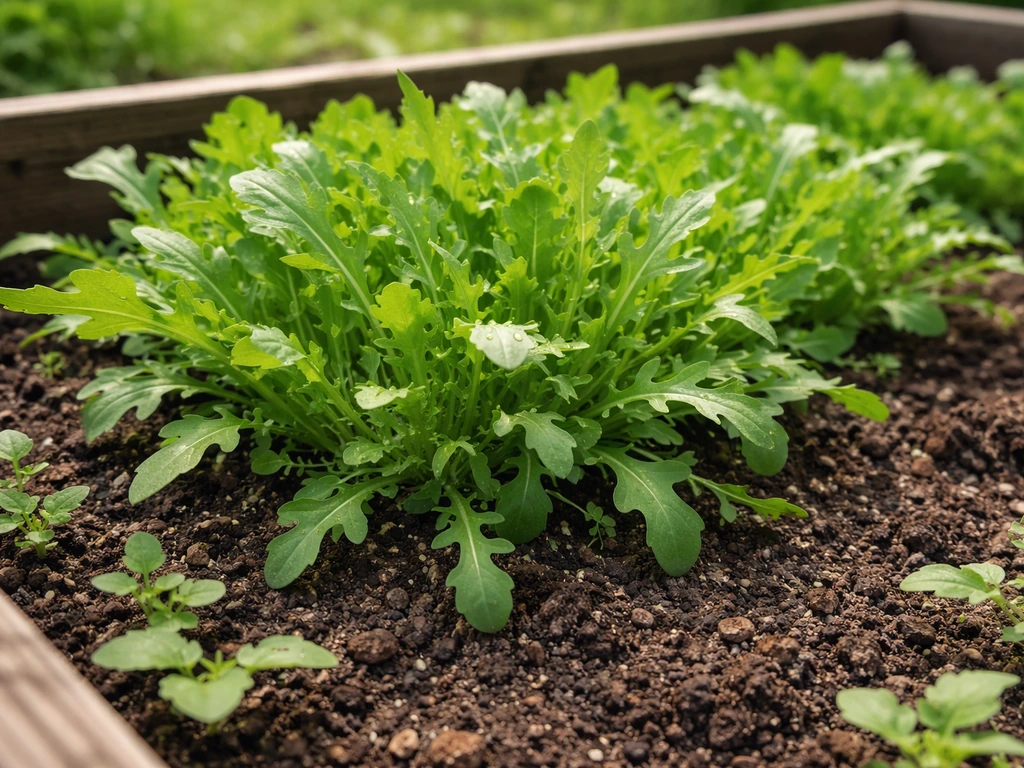
Rocket lettuce is Eruca sativa, a member of the Brassicaceae family (the same family as cabbage, broccoli, and mustard). Despite the word 'lettuce' in its common name, it's not technically a true lettuce like the Lactuca sativa varieties you'd grow for salad bowl lettuce or lollo bionda. It's more of a spicy, peppery salad green with deeply lobed leaves and a distinctive bite that mellows when the leaves are young and intensifies as they age or heat up. If you want the full walkthrough, follow our lactuca sativa how to grow guide for timing, sowing, and care tips.
What makes rocket especially appealing for home growers is its speed and flexibility. It works in outdoor beds, window boxes, deep containers, and even basic hydroponic setups indoors. You can harvest baby leaves in under four weeks, and a single sowing gives you multiple cuts. The key trade-off compared to milder lettuces is that rocket needs more careful timing around temperature to keep the flavor pleasant.
When and how to sow rocket from seed
Timing your sow
Rocket germinates in soil as cool as 40°F, which makes it one of the earliest crops you can get in the ground. The sweet spot for germination is between 45°F and 75°F soil temperature. In practice, I sow outdoors as soon as the soil is workable in early spring, usually four to six weeks before the last frost. For fall growing, count back four to six weeks from your first expected frost date and sow then. Avoid sowing in the height of summer: warm temperatures push the plant straight to flowering (bolting) and make the leaves aggressively bitter.
How to sow the seeds
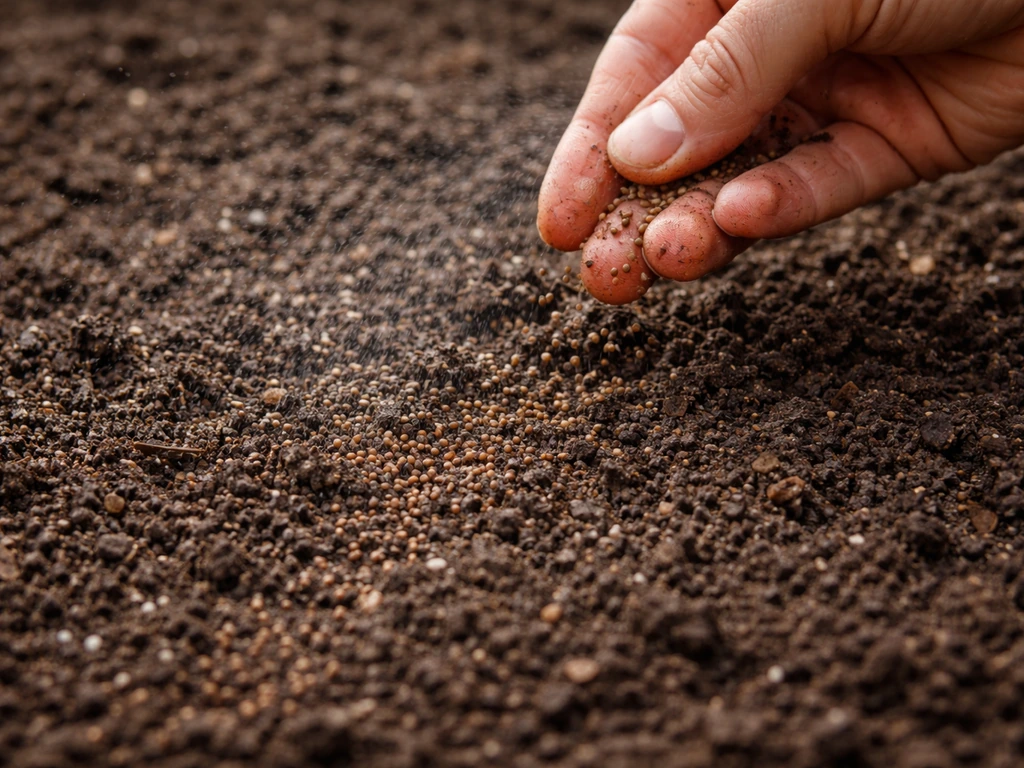
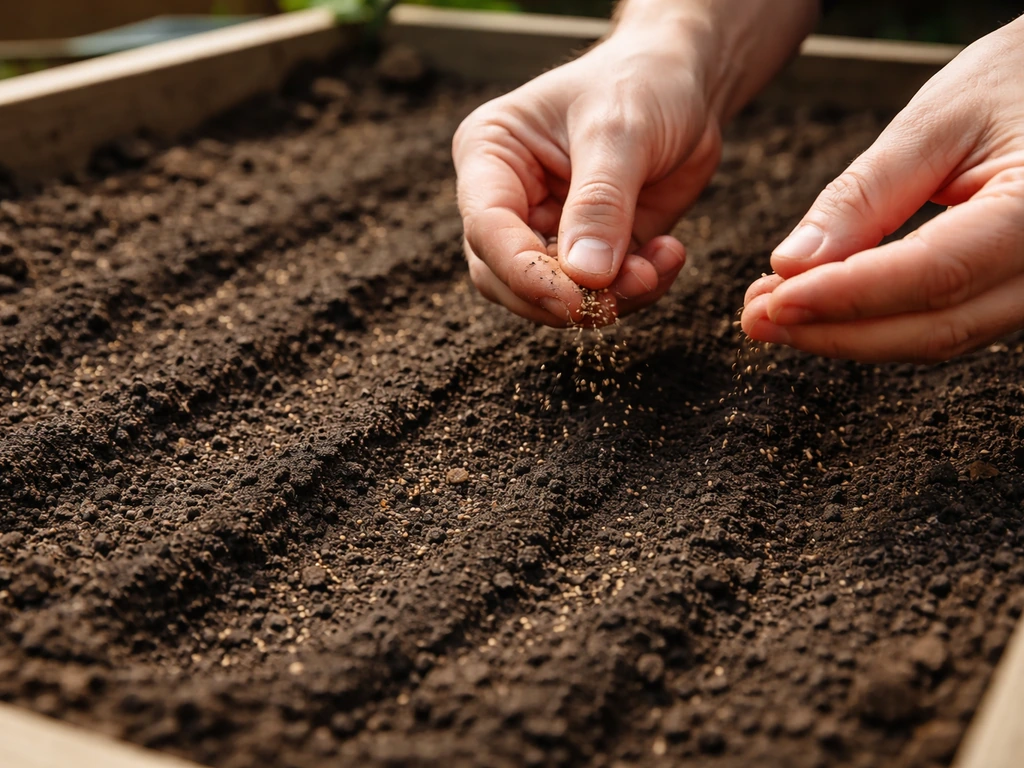
Rocket is almost always direct-sown rather than started in transplants. The seeds are tiny and straightforward to scatter. Here's exactly what to do:
- Prepare your bed or container with loose, well-drained soil. Rake it smooth.
- Scatter seeds thinly in rows or broadcast them across the surface. Either works fine for baby greens.
- Cover seeds with just 1/4 to 1/2 inch of soil. No deeper — they need light to trigger germination.
- Water gently so the surface stays consistently moist but not waterlogged.
- Expect sprouts in 4 to 7 days under good conditions.
- Thin seedlings to about 1 inch apart for baby greens, or space rows 7 to 9 inches apart if you're growing to full-sized leaves.
For containers, broadcasting works well: just sprinkle seeds across the surface of a pot or window box, press them gently into the soil, cover lightly, and water in. You'll thin as they fill out. One thing to watch at the seedling stage is damping-off, a fungal issue that collapses stems at the soil line. Keep air moving around seedlings and avoid overwatering right after germination to stay ahead of it.
Light, temperature, and soil setup
Light
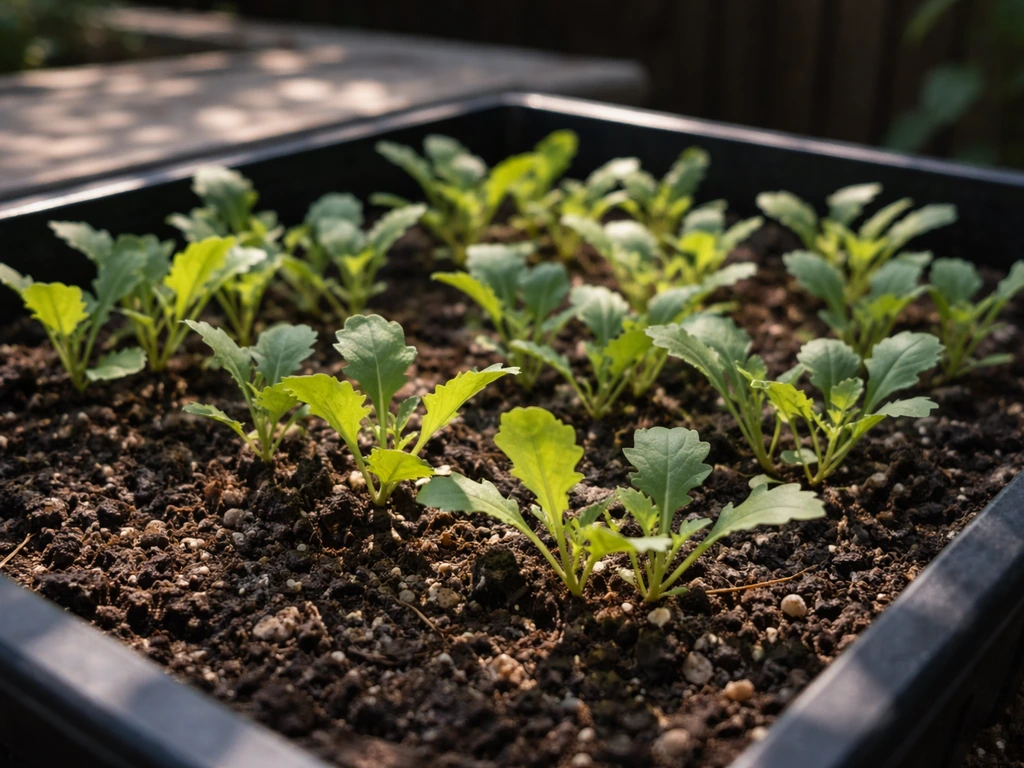
Rocket grows best in full sun to partial shade. Pink lettuce is usually grown for its red-tinged leaves, so follow the same rocket-friendly approach to light, cool temperatures, and consistent moisture, then harvest young for the best color and flavor full sun to partial shade. In cooler spring and fall weather, full sun is ideal and speeds up leaf production. In warmer periods, partial afternoon shade actually helps: it slows bolting and reduces the bitterness that comes with heat stress. Indoors, place your container in your brightest south- or west-facing window, or use a grow light set to 14 to 16 hours per day. Without enough light indoors, growth gets leggy and slow.
Temperature
The ideal growing temperature range is roughly 45°F to 65°F. Research shows that higher average temperatures during the growing cycle directly increase the peppery and bitter compounds in rocket leaves, so cooler conditions genuinely produce milder, more pleasant-tasting greens. Once daytime temperatures consistently push above 75°F to 80°F, bolting and bitterness become hard to avoid. This is why timing matters more with rocket than with most other salad greens.
Soil and containers
Rocket does best in rich, well-drained soil. For outdoor beds, work in compost before sowing to improve fertility and drainage. Aim for a soil pH of 6.0 to 6.8 for the best nutrient uptake. For containers, a good-quality potting mix works well with a pH between 5.5 and 7.5. Choose a container that's at least 6 to 8 inches deep to give roots room. Shallower pots dry out too quickly and stress the plants, which triggers bitterness and early bolting.
Watering, feeding, and spacing
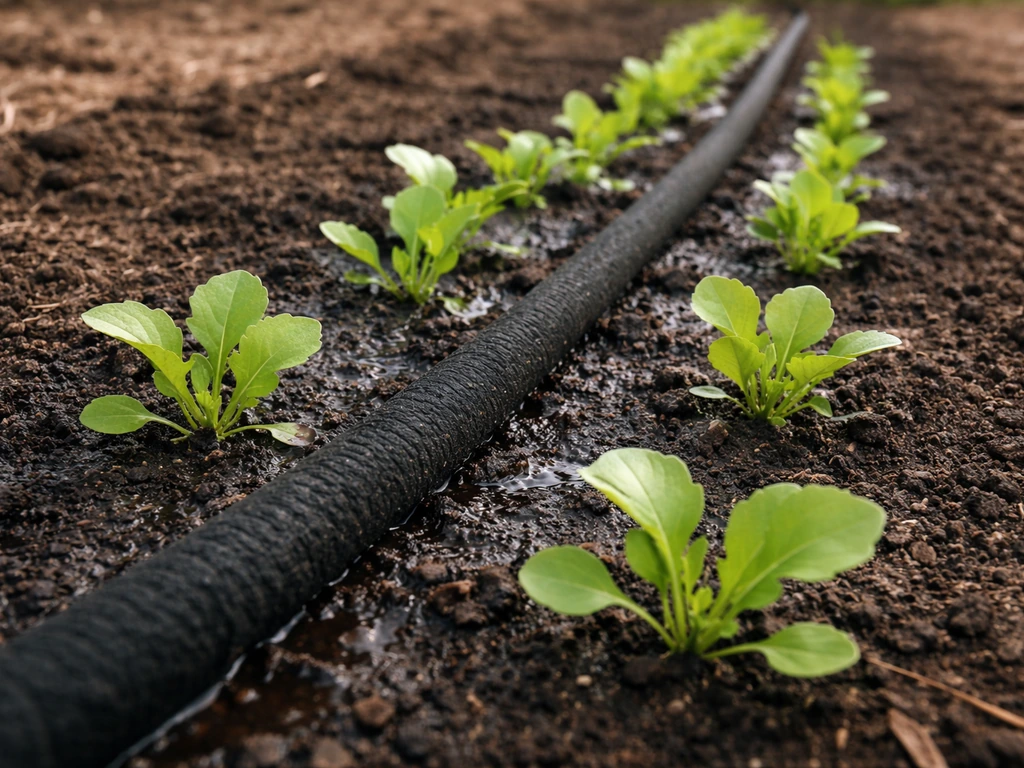
Consistent moisture is the single most important thing you can do for tender rocket leaves. Uneven watering stresses the plant and fast-tracks bolting and bitterness. Water when the top inch of soil feels dry, and aim to water in the morning so foliage dries out through the day. This reduces the risk of fungal problems like downy mildew, which is a real issue for rocket.
Container-grown rocket dries out much faster than in-ground plants, especially in warm weather or indoors with dry air. Check moisture daily and water more frequently than you think you need to. After three to four weeks of growth in a container, start a dilute liquid fertilizer once a week: something like a 20-20-20 balanced fertilizer at 1 oz per 4 gallons of water, or 1 to 2 tablespoons of fish emulsion per gallon. In an outdoor bed with compost-amended soil, you often don't need to feed at all for a spring crop.
For spacing, the approach depends on what size leaves you want. For baby greens (leaves around 2 to 4 inches), broadcast or sow densely and thin lightly, about 1 inch between plants is fine. For full-sized leaves, space rows 7 to 9 inches apart and thin plants to 4 to 6 inches within the row. Crowded plants compete for water and nutrients and are more prone to disease.
Harvesting and keeping the crop going with successions
When and how to cut
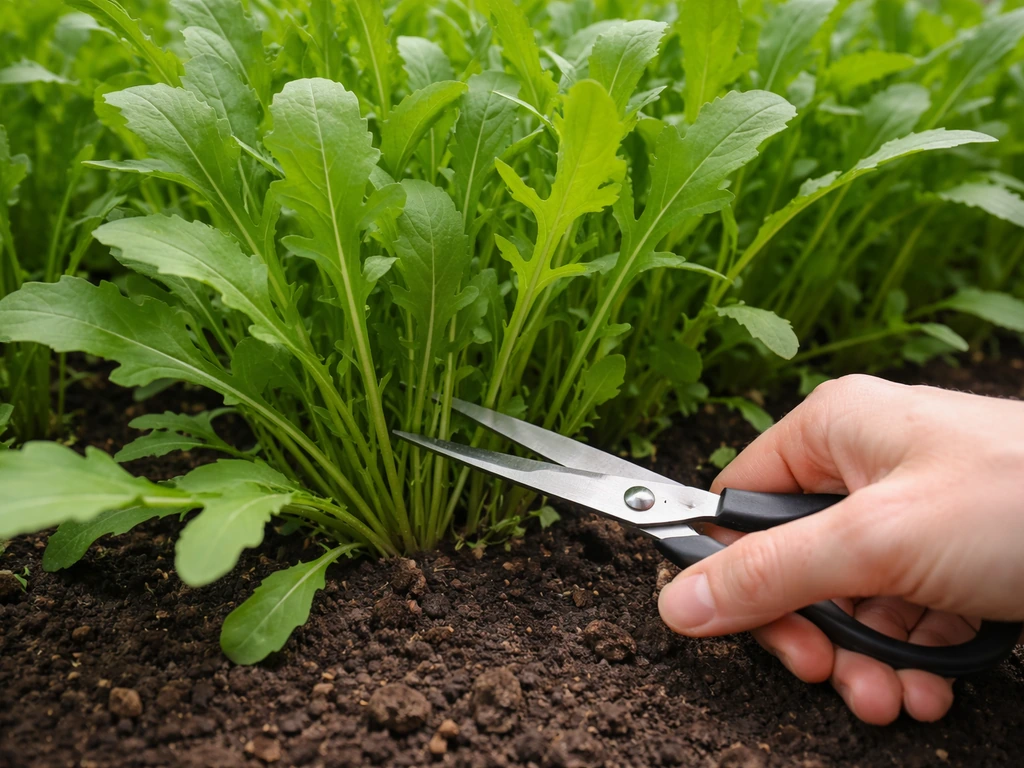
Rocket labeled as 'Rocket' on seed packets typically reaches harvest readiness around 35 days from sowing. For baby greens, cut when leaves are 4 to 6 inches tall. Use scissors or a sharp knife and cut the leaves about an inch above the soil level, leaving the growing crown intact. The plant will regrow and you can usually get one to two more cuts from the same sowing before quality drops. Don't wait too long between cuttings: older leaves get tougher and more bitter, and the plant puts energy into the flowering stem rather than leaf production.
Succession planting is your best tool
The smartest thing you can do with rocket is stagger your sowings. A single sowing bolts and finishes quickly, especially in spring when days are lengthening. Sow a new batch every two to three weeks from early spring through to about four to six weeks before your first fall frost. In spring, some growers space successions as close as 10 to 12 days apart to stay ahead of the crop cycling through. This keeps a steady supply of young, mild leaves coming rather than one big flush that turns bitter before you can use it all.
Solving the problems you'll actually run into
Bolting (going to seed too fast)
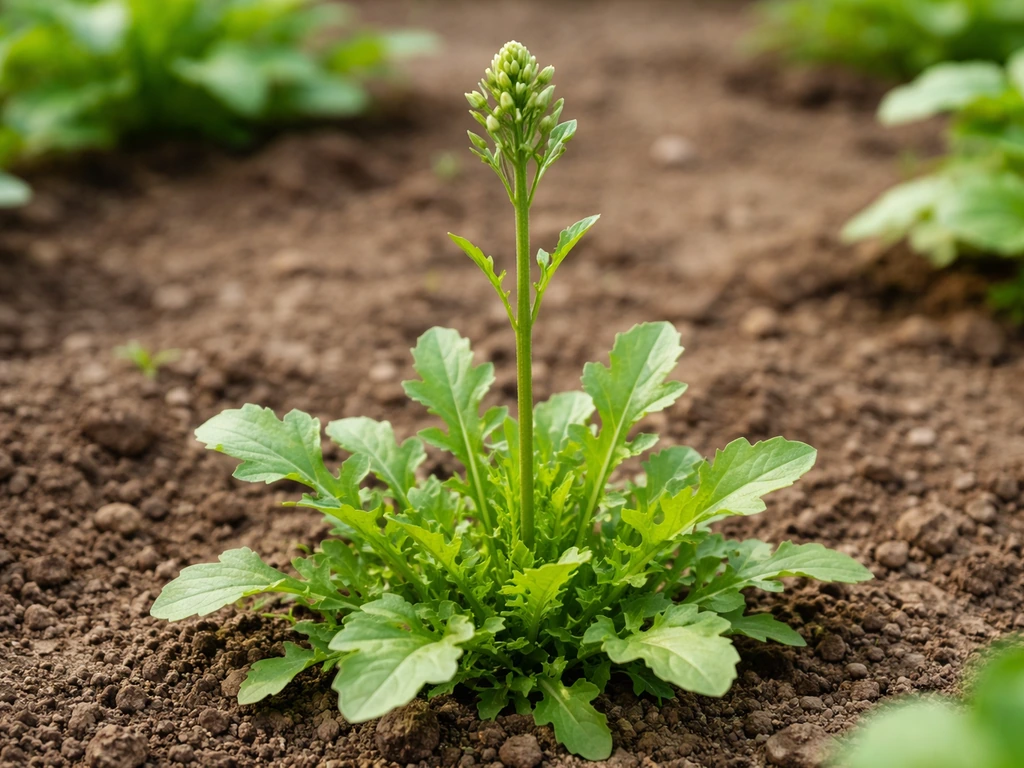
Bolting is the number one frustration with rocket. When temperatures climb and day length increases in late spring, the plant sends up a tall flower stalk and essentially stops producing usable leaves. Bolting accelerates noticeably with later spring planting dates. Later spring planting dates can make arugula bolt faster, which Purdue’s BrassicaBoltSummary shows when comparing bolting timing across planting dates and daylength factors [Bolting accelerates noticeably with later spring planting dates.
](https://www. purdue. edu/hla/sites/maynard/wp-content/uploads/sites/26/2024/01/BrassicaBoltSummary. pdf).
If your rocket is bolting, the main options are: pull the plant and resow for a fall crop, provide afternoon shade to cool things down slightly, or switch to a slower-to-bolt variety like wild rocket (Diplotaxis tenuifolia). Once the flower stalk has formed, the leaves already on the plant are too bitter and tough to enjoy.
Bitter or overly peppery leaves
Some spiciness is normal and expected from rocket, it's part of the appeal. But if leaves taste harsh or unpleasant rather than pleasantly peppery, the cause is almost always heat (either air temperature or soil temperature), older leaf age, or multiple harvests from the same plant increasing glucosinolate concentration.
The fix is: harvest younger and smaller leaves, grow during cooler periods, add shade cloth if temperatures are high, and start fresh sowings more frequently rather than letting one planting age out. Keeping the plant consistently watered also reduces stress-related bitterness.
Oregon State University Extension also notes that when plant quality is delayed, leaves may become bitter tasting, and that protecting plants from temperature extremes or shifts, such as with shade, can help [Keeping the plant consistently watered also reduces stress-related bitterness. ](https://extension. oregonstate. edu/sites/extd8/files/documents/54611/five-tips-growing-great-lettuce.
pdf).
Flea beetle damage
Flea beetles are the biggest outdoor pest problem for rocket. These tiny black beetles chew small round holes through leaves, often appearing almost overnight and making a healthy-looking planting look like lace within days. Rocket is particularly vulnerable because it's in the Brassicaceae family, which flea beetles target heavily. The most effective protection is a floating row cover installed immediately at sowing and kept sealed at the edges. Be careful when you lift it for watering or harvesting: beetles can get under the cover during those moments. In high-flea-beetle periods (late spring into summer), some growers skip outdoor rocket entirely and move growing indoors or into a protected container to avoid the problem.
Slow growth or leggy seedlings
If seedlings are growing slowly or stretching toward the light with thin stems, the most common cause is insufficient light, especially indoors. Move containers to a brighter window or add a grow light. Outdoors, slow growth in early spring is usually just cold soil, be patient, as temperatures above 45°F to 50°F will pick up the pace quickly. If growth stalls later in the season, check soil moisture first, then consider a dilute fertilizer application.
Downy mildew and other leaf issues
Downy mildew shows up as yellowish patches on upper leaf surfaces with a gray-white fuzzy coating underneath. It tends to appear in cool, humid, crowded conditions. Improve air circulation by thinning plants more aggressively, water at the base rather than overhead, and water in the morning. Remove affected leaves promptly. If the problem is severe, pull the planting and start fresh with a new sowing in a different spot.
Growing rocket indoors, in containers, and with hydroponics
| Setup | Key advantages | Main challenges | Top tips |
|---|---|---|---|
| Outdoor bed | Fast growth, no watering stress if soil is deep, easy succession sowing | Flea beetles, bolting in warm weather, weather exposure | Use row cover; sow early and in fall; add compost before planting |
| Container (outdoor or indoor) | Flexible placement, easy to move into shade or indoors | Dries out fast, needs regular feeding after 3-4 weeks | Use 6-8 inch deep pots; check moisture daily; fertilize weekly |
| Indoor window/grow light | Year-round growing, no flea beetles, climate controlled | Needs strong light (14-16 hrs grow light); can run warm indoors | Use a grow light if window is weak; keep room temperature below 70F if possible |
| Basic hydroponics | Consistent moisture, faster growth, no soil pests | Setup cost and learning curve; needs balanced nutrient solution | Rocket works well in NFT or ebb-and-flow systems; keep solution temperature cool; harvest early as baby greens |
Indoor container growing is the most practical year-round option for apartment growers. A 6 to 8 inch deep window box or pot on a south-facing sill works well in cooler months. The main indoor challenge is light: if your space doesn't get at least 4 to 6 hours of direct sun, supplement with a full-spectrum grow light. Indoor rooms also tend to be warmer than ideal for rocket in summer, which can cause the same bolting and bitterness issues as outdoor heat, so focus indoor sowings on fall through early spring if your home stays above 70°F in summer.
For a basic hydroponic setup, rocket adapts well and is actually a popular choice because it grows quickly and doesn't need deep root channels. Keep your nutrient solution at a balanced ratio and maintain temperatures on the cooler side. Harvest frequently as baby greens (4 to 6 inches) to get the best flavor before heat or plant maturity pushes bitterness up.
If you're already exploring other fast-growing salad greens hydroponically, rocket fits naturally alongside varieties like salad bowl lettuce or lollo bionda, all of which thrive with similar cool temperatures and consistent moisture. Rocket also grows well alongside other quick salad greens, and if you're specifically aiming for a continuous harvest of salad bowl lettuce, you can use the same basic cool-weather container approach described in how to grow salad bowl lettuce.
If you want lettuce with a similar feel at home, this guide also covers how to grow lollo bionda lettuce and keep it tender salad bowl lettuce or lollo bionda.
Your next steps today
If it's late May and you're reading this now, check your local temperatures first. If daytime highs are already pushing into the mid-70s°F or above, your best move is to wait for a fall sowing or set up an indoor container where you can control the environment. If you're in a cooler region or have a shaded spot, you can still get a spring sowing in with row cover and consistent watering.
Either way, grab seeds, prep your container or bed with good compost-amended soil, sow at 1/4 to 1/2 inch deep, keep the soil moist, and you'll have your first cut of peppery baby leaves within five weeks. If you specifically want to grow Lactuca virosa, the approach is similar, but you should plan for its particular requirements and source reliable seed or plant material.
FAQ
Can I start rocket lettuce indoors and transplant it?
Yes, but treat it like a cool-weather crop. If you must start indoors, sow in small pots and then transplant only after the seedling is established and nights are cool, since rocket dislikes root disturbance. Hardening off for several days helps it handle the outdoor shift, and you will still want to harvest at baby-leaf size quickly to avoid flavor turning harsher.
How many times can I cut the same rocket planting before it gets too bitter?
For baby leaves, cut frequently from multiple points on the plant, but do not keep taking harvests after the plant is clearly preparing to bolt. Once you see a flower stalk forming, flavor quality will drop fast, and the remaining leaves will be tougher and more bitter even if you keep cutting.
Will mulching help rocket lettuce, or can it cause problems?
Yes. If you use mulch (such as straw, leaf mold, or shredded bark), keep it light and avoid covering the crown. Mulch helps stabilize soil moisture and can slightly reduce heat stress, which helps slow bolting, but it can also trap humidity if it’s too thick, raising disease risk.
My rocket isn’t in full sun, yet it still tastes bitter. What should I check?
If your container is in a warm location, rocket can go bitter even if the plant looks healthy. Move the pot to morning sun with afternoon shade, and consider placing the container on a cooler surface (light-colored pot, not dark patio concrete). Soil temperature drives bitterness as much as air temperature.
What causes rocket lettuce to bolt early even when I water regularly?
Bolting can happen even with good watering if the plant is crowded or shaded unevenly. Thin according to your target leaf size, and aim for uniform light so the center plants are not competing. Dense stands also raise humidity and disease pressure, which can indirectly worsen stress.
How should I thin rocket seedlings without damaging the rest of the crop?
Quick, sharp thinning and harvesting help. If seedlings are too close, they compete for water and nutrients and are more likely to develop fungal issues. When thinning, remove extra seedlings at soil level rather than pulling, which can disturb neighbors.
What’s the best way to use shade cloth for rocket lettuce?
A small amount of shade can work, but use it strategically. In hot periods, provide afternoon shade (for example, a shade cloth) rather than heavy full-day shade, because overly low light can slow growth and lead to stretched, weaker seedlings.
How often should I water rocket in containers during hot weather?
If the soil dries down even briefly, rocket leaves can turn aggressively peppery quickly. Use a consistent schedule, check moisture daily in containers, and water when the top inch is dry. In very warm weather, consider splitting watering into two shorter sessions so the root zone stays evenly moist.
After pulling a bolting or diseased rocket planting, should I replant in the same spot?
You can replant immediately, but rotate location to avoid repeating pest and disease cycles. Flea beetles often reappear on new Brassicaceae in the same area, and downy mildew tends to recur where humidity and poor airflow stay similar.
If my rocket leaves taste harsh, is there anything I can do besides waiting for a new sowing?
Harvesting earlier is the most reliable fix, and it also reduces bitterness buildup. If you notice harsh flavor, cut smaller leaves (4 to 6 inches) and avoid stretching harvest intervals. If you already harvested multiple times from the same plant, start new sowings on a faster cadence instead of forcing more cuts.