Lollo Bionda is one of the easiest and most rewarding lettuces you can grow at home. Sow seeds 1/4 inch deep in well-drained, fertile soil when temperatures are between 45 and 75°F, give plants 6 to 8 hours of light per day, keep the soil consistently moist, and you'll be cutting frilly, sweet leaves in as little as 45 days. The main things that go wrong are heat (causes bolting and bitterness), waterlogged roots, and too much nitrogen all at once. Get those three right and Lollo Bionda basically grows itself.
How to Grow Lollo Bionda Lettuce Step-by-Step at Home
Marcus Holloway
23 May 2026
What Lollo Bionda actually is and what it needs to do well
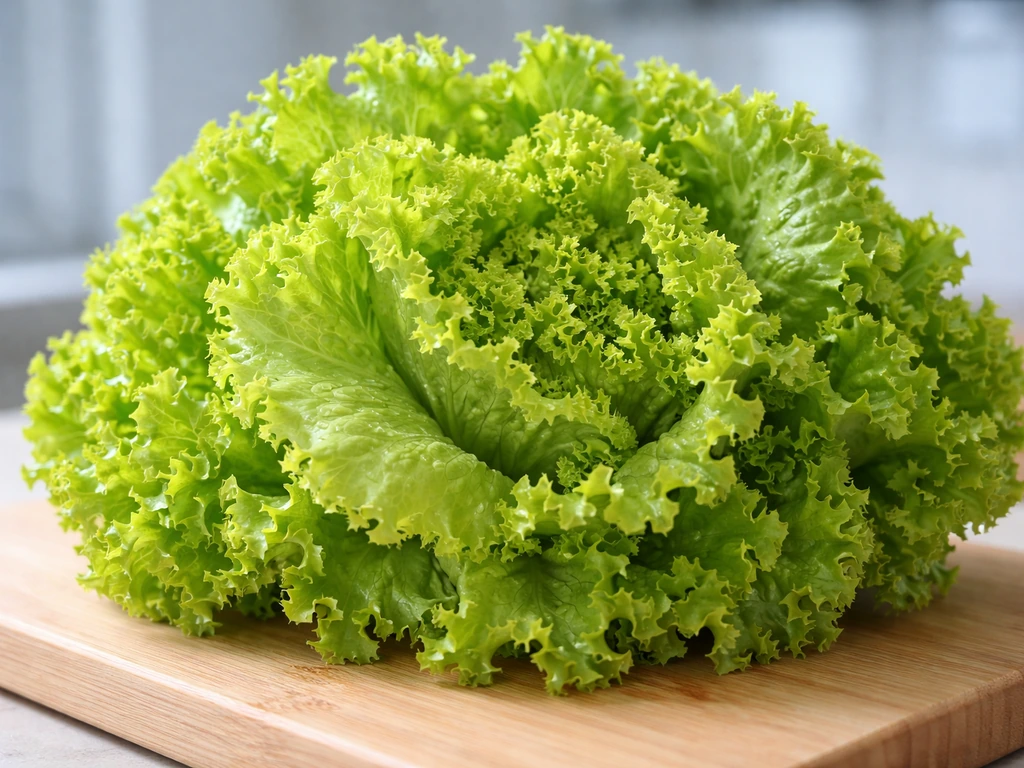
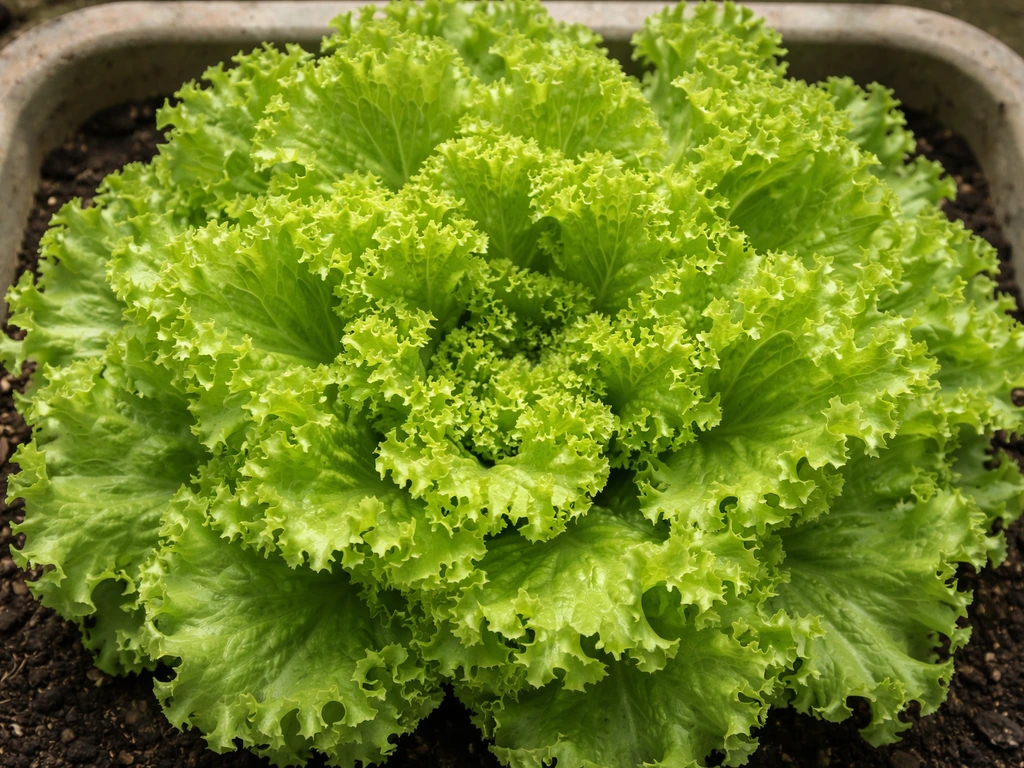
Lollo Bionda is a loose-leaf lettuce with a distinctive frilly, coral-like edge and a light green rosette form. The texture is delicate, the flavor mild and slightly sweet, and the frill is what makes it stand out in a salad bowl or on a plate. It's a variety that looks fancy but isn't difficult to grow. Like other loose-leaf types (salad bowl lettuce is a close cousin in the same style), it doesn't form a tight head, which means you can harvest leaves continuously rather than waiting for a full heart to develop.
What it genuinely needs is cool temperatures, consistent moisture, good drainage, and enough light to grow quickly without bolting. If you want to go a step further, the same cool-season approach helps you succeed with lactuca virosa as well cool temperatures. Lettuce is a cool-season crop, full stop. If you try to grow Lollo Bionda through summer heat, you're fighting the plant the whole time. Understanding that one fact shapes every decision you'll make: when to plant, where to place it, how to water, and when to harvest before the heat catches up.
When to plant and how temperature affects everything
The sweet spot for Lollo Bionda is daytime temperatures of 65 to 70°F and nighttime temperatures of 45 to 55°F. Seeds germinate best between 70 and 75°F. Once air temperatures consistently run above 75 to 80°F during the day, blank" rel="noopener noreferrer">bolting becomes a real risk, and above 80°F many lettuce types will start forming a seed head whether you like it or not. A study of lettuce seed development found that the day-length conditions during seed development can affect germinability and are linked with thermoinhibition behavior at high temperatures blank" rel="noopener noreferrer">day-length during seed development affects germinability. Soil temperatures above 80°F can actually make seeds go dormant, so you might sow and get nothing.
In practice, that means you have two planting windows in most climates: early spring (around 4 to 6 weeks before your last frost date, since lettuce tolerates light frost) and late summer to early fall (timed so the crop matures before hard freezes arrive). If you're in a mild-winter region, you can grow through winter. If you're in a hot climate, spring is a race to harvest before temperatures climb.
| Season | Typical Timing | Watch Out For |
|---|---|---|
| Early spring | 4–6 weeks before last frost | Late cold snaps below 28°F; sow indoors if unsure |
| Late summer/fall | 8–10 weeks before first hard frost | Residual summer heat delaying germination |
| Winter (mild climates) | October–February | Day length shortening; use row cover for frost below 28°F |
| Summer | Not recommended without shade | Bolting, bitterness, and germination failure above 80°F |
If it's already late spring and temperatures are creeping up where you are, start seeds indoors under grow lights or on a cool windowsill to get a head start, then transplant outside during a cooler stretch. A week or two of cooler weather early on makes a meaningful difference in how long your crop stays productive before it bolts.
Sowing seeds, spacing, thinning, and transplanting
Sowing depth and spacing
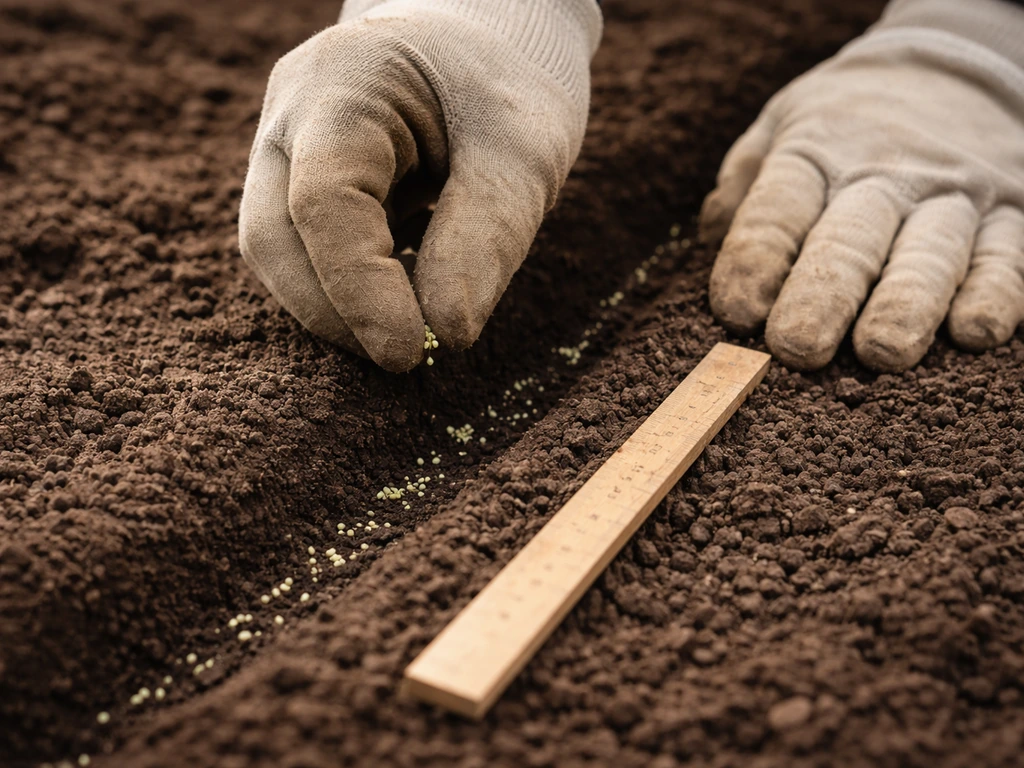
Sow Lollo Bionda seeds at 1/4 inch deep, no deeper than 1/2 inch. Very shallow sowing (as little as 1/8 inch) is fine too, since lettuce seeds actually benefit from some light exposure to trigger germination. I usually just press them lightly into moist soil, sprinkle a thin layer of fine compost over them, and firm gently. Don't bury them under heavy soil or they'll struggle to emerge.
For direct sowing outdoors, scatter seeds thinly in rows or wide beds and plan to thin later. Initial spacing can be every inch or two, then thinned progressively. For transplanting seedlings started indoors, space them about 8 to 12 inches apart. The standard recommendation for leaf lettuce is to thin to at least 4 inches for baby leaves and up to 12 inches for full rosettes, spacing plants 12 inches apart within rows for mature heads.
Thinning for better frills
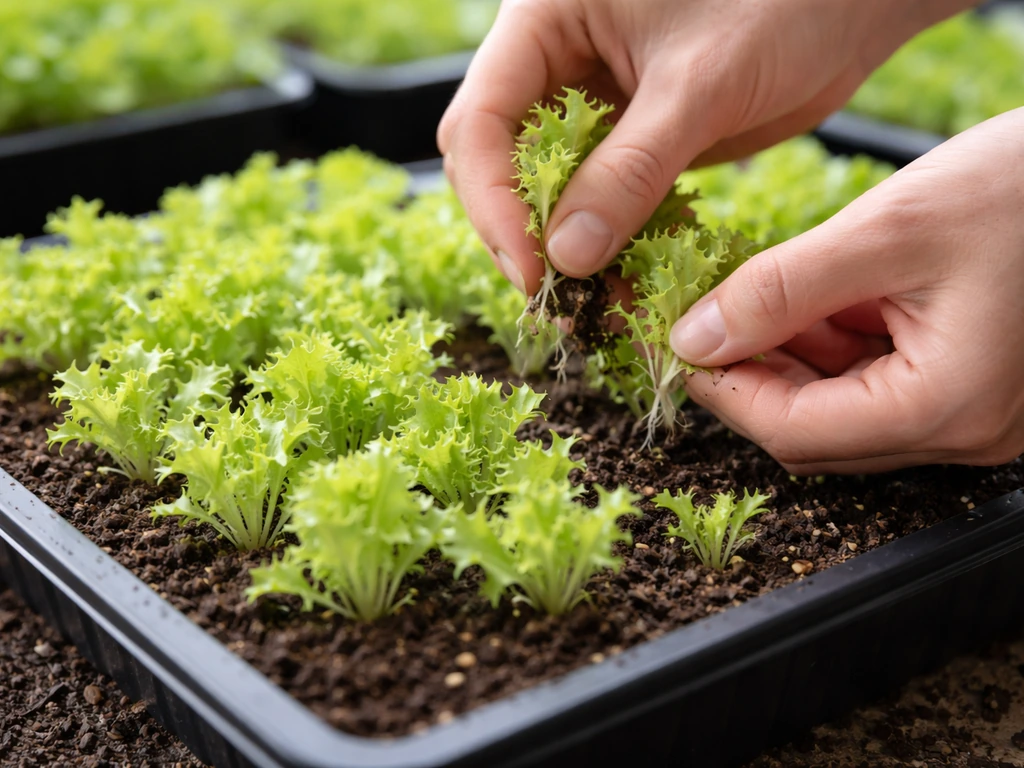
Thinning is the step most beginners skip, and it really matters for Lollo Bionda. Crowded plants compete for light and nutrients and you end up with spindly, pale, less frilly leaves. Thin when seedlings have their first true leaves. You can eat the thinnings, so nothing goes to waste. Pull or snip at soil level rather than yanking, which disturbs neighboring roots. Your goal is one plant every 4 inches minimum for cut-and-come-again harvesting, or 8 to 12 inches for full rosettes.
Transplanting seedlings
If you've started seeds indoors, transplant when seedlings have 2 to 3 true leaves and are about 2 to 3 inches tall. Harden them off over 5 to 7 days by placing them outside for increasing periods each day before leaving them out permanently. Transplant on an overcast day or in the late afternoon to reduce transplant shock. Water in well immediately after planting.
Light and watering: what changes between outdoor beds, containers, and indoors
Light requirements
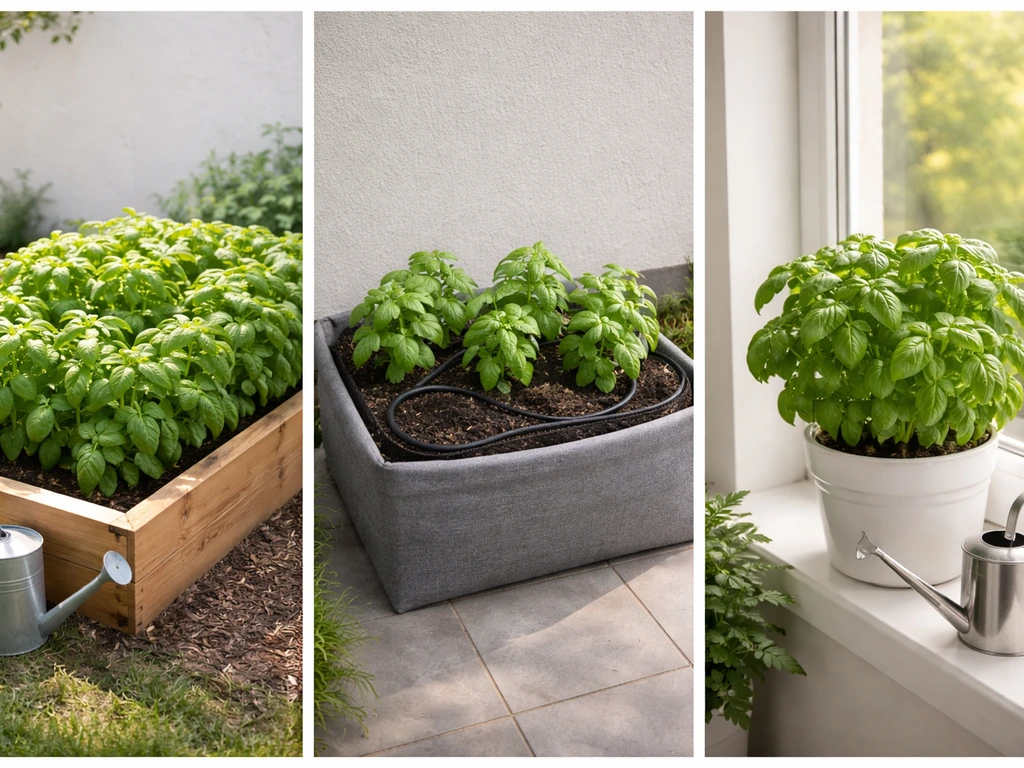
Lollo Bionda needs 6 to 8 hours of direct sunlight per day for outdoor growing. In hot climates or during warm spells, afternoon shade (after around 1 p.m.) actively helps by keeping leaf temperatures down and slowing bolting. East-facing spots that get morning sun and afternoon shade are genuinely useful in late spring.
For containers on a patio or balcony, aim for at least 6 hours of direct sun. If you only have a partly shaded spot, Lollo Bionda will still grow, just a bit more slowly and with slightly less intense flavor development. Indoors on a bright windowsill, south-facing is best in the northern hemisphere. If growth is leggy or pale, that's a light problem, not a watering one. Under grow lights, use full-spectrum LEDs positioned 4 to 6 inches above seedlings for 14 to 16 hours per day.
Watering routine
Lettuce has shallow roots and hates both drought and waterlogging. Outdoors in a garden bed, water when the top inch of soil feels dry and aim for consistent, even moisture throughout. Establishment (the first 2 weeks after sowing or transplanting) and the rapid growth phase right before harvest are the two periods where watering is most critical. Inconsistent moisture during those stages leads to bitter leaves and stress-induced bolting.
In containers, check soil moisture by pressing your finger about 1/4 inch into the mix. Water thoroughly when it feels dry at that depth, letting water flow out of the drainage holes. Don't let pots sit in standing water. Containers dry out faster than garden beds, so in warm weather you may need to water every day or even twice a day in smaller pots.
Water in the morning when possible. Wet leaves overnight encourage downy mildew, which thrives in cool, damp conditions and long periods of leaf wetness from overnight dew. If you notice grayish-purple fuzz on the undersides of leaves, that's downy mildew. Pull affected leaves immediately and improve airflow.
Soil, compost, and fertilizing for sweet, crisp leaves
Lollo Bionda wants fertile, well-drained soil with plenty of organic matter. Before planting, work compost into the top 6 inches of soil. A general-purpose garden compost mixed in at planting is enough to carry the crop through most of its life without additional feeding if your soil is already reasonably good.
If you want to fertilize, a light application of a balanced fertilizer at thinning or transplanting is the right timing. One practical approach: apply about 1/4 cup of a nitrogen fertilizer (such as 21-0-0) per 10-foot row about 4 weeks after transplanting, worked lightly into the soil around plants. Don't overdo nitrogen. Too much causes fast, loose, leggy growth, which looks wrong on Lollo Bionda's delicate frills and can delay the quality you're after. Yellowing on older lower leaves signals nitrogen deficiency. Excessively lush, floppy growth that doesn't match the frilly rosette form is the sign of too much.
For containers, use a good-quality potting mix rather than garden soil, which compacts in pots and drains poorly. Add a slow-release balanced granular fertilizer at planting according to the package rate, and top up with a diluted liquid feed every 2 to 3 weeks once the plants are established.
Container, indoor, and hydroponic setups
Containers and pots
Lollo Bionda does very well in containers, which is one reason it's such a good choice for apartment balconies and small patios. Use a pot that holds at least 4 to 6 gallons of growing medium and is at least 8 to 12 inches deep. Drainage holes are non-negotiable. Smaller containers are fine for a few plants harvested at the baby-leaf stage, but they dry out fast and the root environment is more prone to temperature swings, which stresses plants and accelerates bolting. For the most reliable results, go bigger.
You can plant several Lollo Bionda plants in a single large container, spacing them 6 to 8 inches apart for a productive cut-and-come-again setup. A window box works well too, as long as it's at least 8 inches deep. Every 3 to 4 weeks, sow a new small pot of seeds to keep a continuous supply coming.
Windowsill and indoor grow lights
A bright south-facing windowsill will grow Lollo Bionda, though you'll likely get slower growth and less intense frilling compared to outdoor plants in full sun. If the seedlings stretch toward the light and look leggy, the window isn't bright enough and you need supplemental lighting. LED grow lights at 14 to 16 hours per day fix this immediately. Keep temperatures on the cool side indoors if you can: 65 to 70°F during the day and a cooler room at night is ideal.
Hydroponic growing
Lollo Bionda is a natural fit for hydroponics because it's fast-growing, has a compact root system, and doesn't need a long growing season. The most common systems for home use are NFT (nutrient film technique) and deep water culture (DWC), both of which work well. Maintain the nutrient solution pH between 5.8 and 6.2, with 5.8 considered the sweet spot by most research. For EC, target around 0.8 to 1.0 mS/cm for seedlings and raise it slightly (1.2 to 1.6 mS/cm) for mature plants. Keep the solution temperature below 72°F to prevent root problems and maintain consistent oxygenation. Hydroponic Lollo Bionda typically matures 10 to 14 days faster than soil-grown plants, making it excellent for indoor year-round production.
Harvesting, extending the crop, and fixing common problems
When and how to harvest
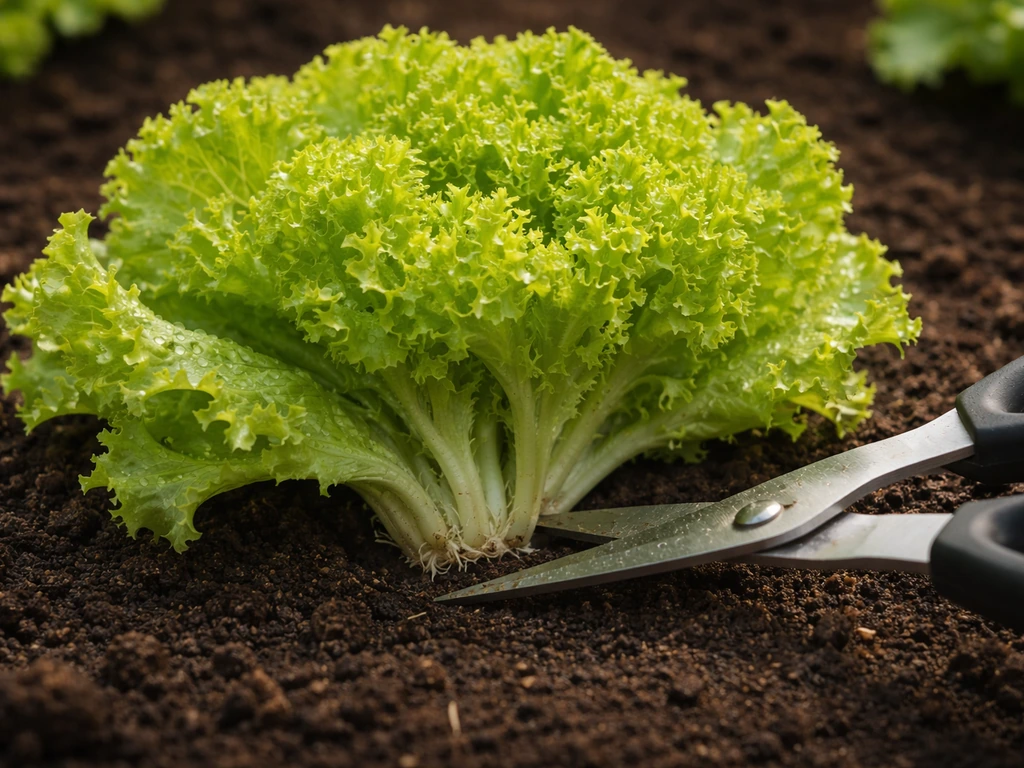
Lollo Bionda reaches harvestable size in 45 to 85 days from seed, depending on conditions and how you want to harvest it. The practical cue is leaf size: outer leaves at 4 to 6 inches long are ready to cut. For cut-and-come-again harvesting, use scissors or a sharp knife to cut outer leaves at the base, leaving the central growing point and younger inner leaves intact. The plant regrows and you can harvest again in 7 to 14 days. This approach easily doubles or triples your yield from a single planting.
For a full rosette, harvest the whole plant by cutting at the base when it has reached a good size but before any sign of bolting (the center beginning to elongate upward). Once you see that central stalk start to stretch, harvest immediately because the leaves will quickly become bitter. Baby-leaf harvesting (cutting at 3 to 4 inches) works for very dense plantings and gives you multiple earlier harvests, similar to how you might approach rocket lettuce or salad bowl lettuce in a mixed greens setup. If you want to compare techniques, you can use the same cool-season timing and leaf-by-leaf harvesting approach when learning how to grow rocket lettuce.
Keep the harvest going with succession planting
The easiest way to have Lollo Bionda consistently available is to sow a small batch every 3 to 4 weeks during your cool-season window. One container or a short row every few weeks means you're always partway through a harvest cycle. This matters because a single planting in spring usually reaches its peak and then bolts within a few weeks, so staggering them out gives you a much longer productive season overall.
Troubleshooting the most common problems
| Problem | Likely Cause | What to Do |
|---|---|---|
| Bolting (center stalk shooting up) | Temperatures above 75–80°F or long warm days | Harvest immediately; next sowing, add afternoon shade or move to spring/fall |
| Bitter leaves | Heat stress or bolting beginning | Harvest earlier; ensure consistent moisture; avoid high-nitrogen feeding in heat |
| Seeds not germinating | Soil temp above 80°F or too deep; or dry soil crust | Sow shallowly; keep moist; if hot, pre-sprout on damp paper towel in fridge for 24–48 hrs then sow |
| Leggy, pale, stretched growth | Insufficient light | Move to brighter spot or add grow lights for 14–16 hrs/day |
| Yellowing lower/older leaves | Nitrogen deficiency | Apply a diluted balanced liquid fertilizer; check soil isn't waterlogged |
| Floppy, overly lush growth | Too much nitrogen | Skip feeding for a cycle; ensure proper spacing and light |
| Gray-purple fuzz under leaves (downy mildew) | Cool, damp, poor airflow; overnight leaf wetness | Remove affected leaves; water in morning; improve spacing and airflow |
| Wilting despite moist soil | Root rot from poor drainage or overwatering | Check drainage holes; reduce watering frequency; repot in fresh mix if severe |
| Slow growth in containers | Pot too small, or root-bound | Upgrade to a 4–6 gallon container with 8–12 inch depth |
A quick daily check routine
Once your Lollo Bionda is in the ground or in its container, a 2-minute daily check covers most problems before they get serious. Feel the soil moisture at 1/4 inch depth. Look at the center of the rosette for any sign of upward stretching. Check the undersides of a few leaves for pests or mildew. Look at leaf color: deep, even green with good frill development is what you want. Anything pale, stretched, wilted, or bitter-smelling warrants immediate action. Lettuce grows fast, which means problems also escalate fast, but they also respond to fixes quickly if you catch them early.
Lollo Bionda is genuinely one of the more forgiving and satisfying lettuces to grow at home. If you’re looking for a full step-by-step guide to lactuca sativa, review our tips on how to grow lactuca sativa at home lactuca sativa how to grow. Get the temperature window right, keep moisture consistent, don't overdo nitrogen, and harvest before the heat arrives and you'll have bowls of fresh, frilly greens in under two months from seed. If you enjoy this style of loose-leaf growing, the same approach works beautifully for salad bowl lettuce and pink lettuce varieties, which share similar spacing, timing, and care requirements.
FAQ
Can I grow Lollo Bionda in summer if I shade it heavily?
You can sometimes extend harvests, but if daytime air temperatures stay above about 75 to 80°F, bolting risk rises quickly and leaves can turn bitter. Shade helps by lowering leaf temperature, but it does not fully stop heat-triggered bolting. The most reliable approach is to switch to a late-summer sowing or harvest early while temperatures are still below that threshold.
What do I do if my lettuce seeds do not germinate after sowing?
First check soil temperature, lettuce seeds germinate best around 70 to 75°F and can go dormant when soil runs above 80°F. Also keep the sowing depth shallow (no deeper than about 1/2 inch) and keep the surface consistently moist. If they are not sprouting after expected time, try a new batch using cooler conditions or start seeds indoors under grow lights.
How often should I water Lollo Bionda to avoid bitter leaves?
Aim for steady moisture, your target is the top inch of soil in the garden staying lightly moist, not drying out and not staying soggy. The most critical times are establishment and the final growth stretch before harvest. In containers, rely on the finger test at about 1/4 inch depth, since the same plant can require daily watering (or twice daily in small pots during heat).
Why are my leaves pale and frilly growth looks weak?
Paleness and poor frill usually point to light and temperature stress more than watering. Make sure you are getting at least 6 hours of direct sun outdoors, and use afternoon shade during warm spells. Indoors, if seedlings stretch toward the light, increase light intensity and extend grow-light time (14 to 16 hours per day) and keep the LEDs close enough for strong growth.
I thinned my seedlings, but they still feel crowded and slow. How should I space for continuous harvest?
For cut-and-come-again production, thin to at least about 4 inches between plants so each rosette has room to regrow. If you want fuller rosettes, thin wider, about 8 to 12 inches. If you realize it is crowded later, do a second thinning promptly when seedlings have enough size to avoid shocking the remaining plants.
Can I harvest leaf-by-leaf without damaging the plant’s growing point?
Yes, use scissors or a sharp knife and cut outer leaves at the base while leaving the center intact. Avoid tearing or yanking, since disturbing neighboring roots can slow regrowth. If the center begins to elongate upward, stop leaf-by-leaf harvesting and harvest the whole plant quickly to avoid bitterness.
My plants bolted, even though I harvested a few times. Will it regrow?
When bolting starts, the plant shifts energy toward seed stalk growth and leaf quality declines fast. Some regrowth can happen for a short window if you remove the right leaves, but you should expect bitterness and a falling yield. For best results, pull the bolting plants and start the next batch so you maintain a continuous cool-season harvest.
How do I prevent downy mildew and other leaf diseases on Lollo Bionda?
Control leaf wetness. Water in the morning so leaves dry during the day, improve airflow by thinning correctly, and avoid overcrowded containers. If you see grayish-purple fuzz on undersides, remove affected leaves immediately, then increase spacing and ventilation. Consider moving containers to a spot with more airflow if mildew repeats.
Is it okay to fertilize Lollo Bionda if my soil is already rich?
Often you do not need much, especially if you used compost and the plants look healthy. If you fertilize, do it lightly around thinning or transplanting, too much nitrogen can cause fast, floppy growth and reduce the frilly rosette look. If older lower leaves yellow, that can indicate nitrogen deficiency, but confirm before adding more, since other issues like poor drainage can also affect leaf color.
What pot size is enough if I only want a few baby leaves?
For baby-leaf harvests, smaller containers can work for a short run, but they dry faster and temperature swings can accelerate bolting. A safer approach is at least a 4 to 6 gallon container with drainage holes, which gives roots more stable conditions and usually improves flavor consistency.
Can Lollo Bionda be grown hydroponically on a small countertop setup?
Yes. It works well in NFT or deep water culture, keep nutrient pH in the 5.8 to 6.2 range and solution temperature below about 72°F to prevent root issues. For seedlings, target EC around 0.8 to 1.0 mS/cm, then raise to about 1.2 to 1.6 mS/cm as plants mature. Because it grows quickly, check levels more frequently than you would with slower crops.
How can I tell whether a problem is watering, nitrogen, or heat?
Use patterns. Heat stress often shows up first as upward stretching, bitterness risk increases rapidly when it is consistently hot. Water problems look like wilting or inconsistent growth that tracks soil dryness or waterlogged conditions. Too much nitrogen typically produces overly lush, floppy growth and a less defined frilly rosette, while nitrogen deficiency can show as yellowing on older lower leaves.