You can grow Boston lettuce indoors from seed to harvest in about 55 to 75 days, and with a cut-and-come-again approach you can keep harvesting from the same plant for several weeks. It does need consistent cool temperatures (60 to 70°F is the sweet spot), at least 12 to 14 hours of light per day if you're using grow lights, and well-draining containers. Get those three things right and Boston lettuce is honestly one of the easier crops to grow inside. If you follow these indoor conditions closely, you’ll be on track for a reliable harvest from seed to salad easier crops to grow inside.
How to Grow Boston Lettuce Indoors Step by Step
Marcus Holloway
8 Jun 2026
What to realistically expect before you start
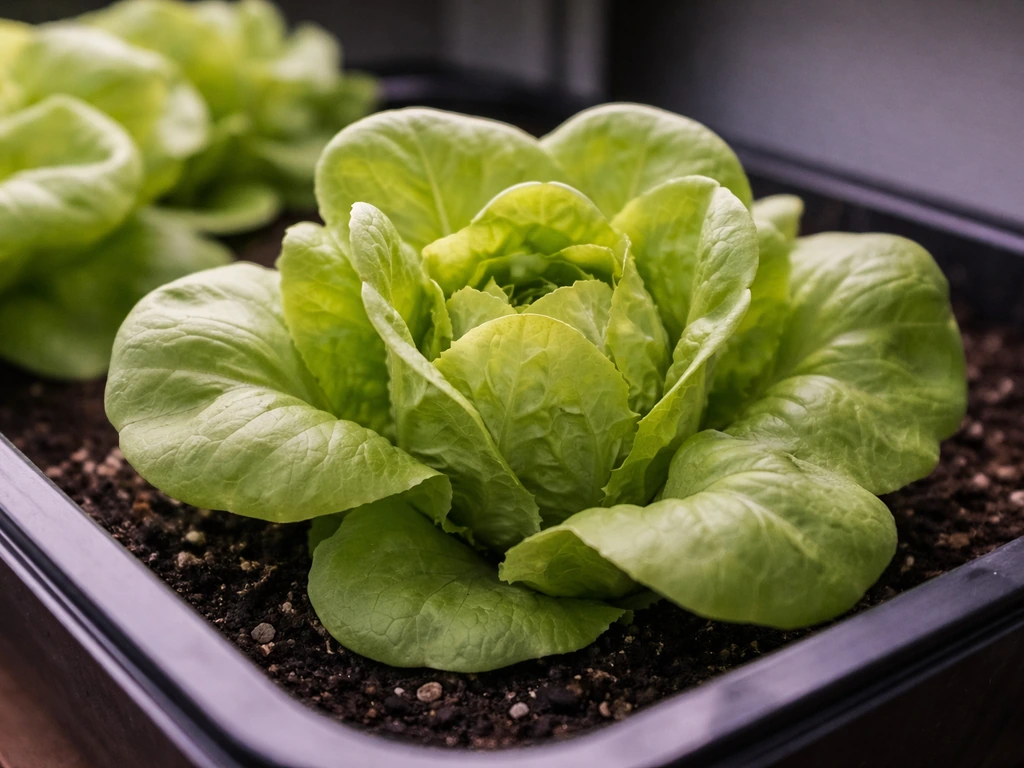
Boston lettuce, also called butterhead lettuce, forms a loose, soft-leaved head rather than a tight ball like iceberg. Indoors, you probably won't get a perfectly formed grocery-store head every time, and that's fine. What you will get is tender, buttery leaves that are genuinely better than anything from a bag. Expect one main head per plant, plus a few rounds of outer-leaf harvesting before the plant eventually bolts or exhausts itself. If you're in an apartment with limited south-facing window light, plan on a grow light; window-only growing is doable but slower and more prone to leggy plants. If you're already familiar with growing lettuce indoors in general, Boston is one of the most rewarding varieties to add to that rotation.
One thing worth saying upfront: Boston lettuce is notably sensitive to heat. UCDavis research on butterhead types points out that many popular varieties are not heat-tolerant and will bolt quickly when temperatures creep above 75 to 80°F. Indoors near a heating vent or in a warm kitchen, that's a real risk. Managing temperature is probably the single biggest indoor challenge with this variety.
Choosing the right Boston lettuce variety and seeds
Not all Boston lettuce seeds are the same. For indoor growing, you want a variety that combines slow-bolting characteristics with some disease resistance, since indoor humidity can make fungal problems worse. Cornell's vegetable crops research includes Boston-type cultivars specifically selected for disease resistance, and those are a smart starting point for container production. Look for variety names like 'Buttercrunch', 'Nancy', 'Divina', or 'Ermosa' when sourcing seeds.
- Buttercrunch: classic, widely available, slow to bolt, great texture — a reliable beginner choice
- Nancy: bred for disease resistance, compact head, well-suited to containers
- Divina: heat-tolerant relative to most butterheads, good for warmer indoor spaces
- Ermosa: excellent tip-burn resistance, which matters indoors where airflow is limited
- Tom Thumb: miniature butterhead, perfect for small pots and tight indoor spaces
Buy fresh seeds from this season or last. Lettuce seed viability drops significantly after two years. If you have old seeds, do a quick germination test on a damp paper towel before committing to a full sowing.
Setting up your indoor grow: containers, soil, drainage, and hydroponics
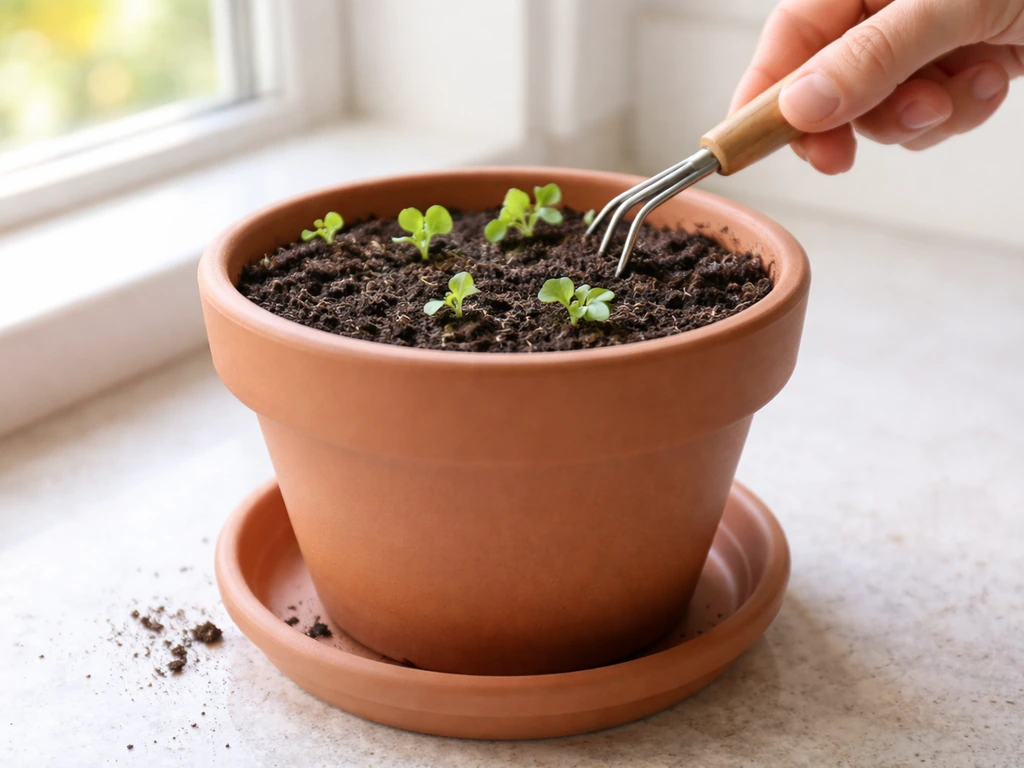
Container growing in soil
For soil-based growing, use a container that is at least 6 inches deep and 8 to 10 inches wide per plant. A 12-inch pot works well for one to two plants. Drainage holes are non-negotiable. Boston lettuce roots rot quickly in waterlogged soil, and without drainage holes you'll lose plants to overwatering almost every time. Fill with a high-quality potting mix (not garden soil, which compacts badly in containers) blended with about 20 to 25% perlite to keep it loose and well-aerated.
A drip tray under the pot is fine, but empty it 30 minutes after watering. Don't let pots sit in standing water. This one habit prevents most indoor root rot issues.
Hydroponic growing indoors
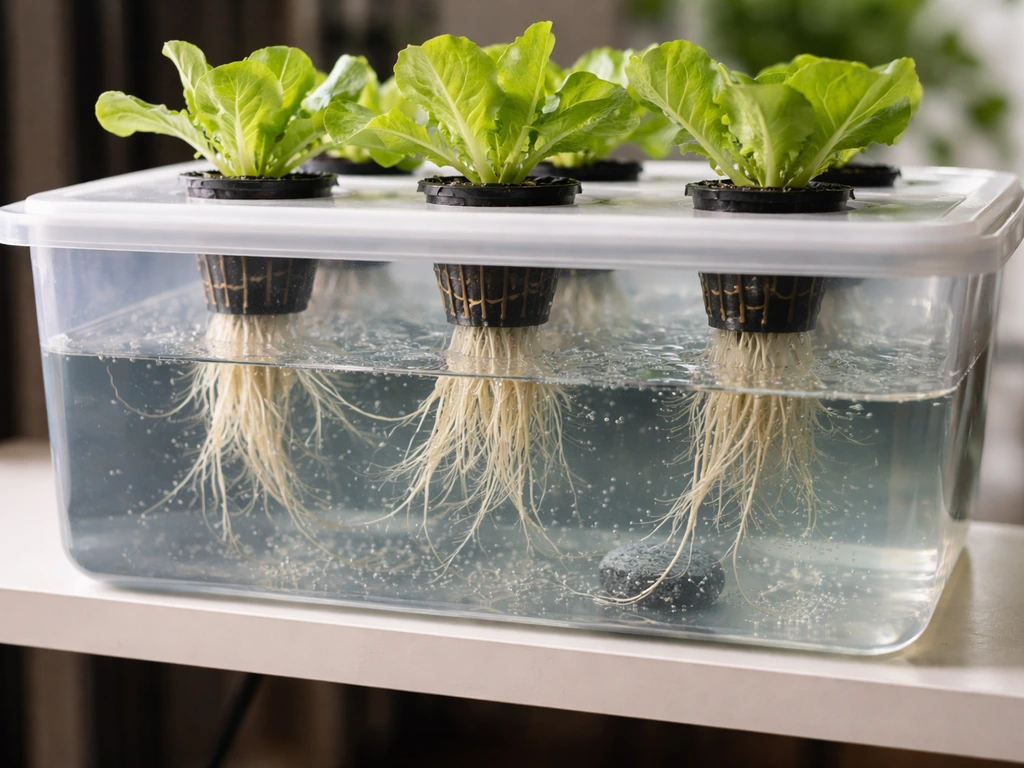
Boston lettuce also thrives hydroponically and actually grows faster without soil. A simple Kratky method (passive deep water culture) or a small NFT (nutrient film technique) system both work well. For Kratky, use net pots in a container with nutrient solution, leaving about an inch of air gap between the bottom of the net pot and the solution surface once the seedling has its first roots. Use a balanced hydroponic nutrient solution at an EC of around 0.8 to 1.2 mS/cm for young seedlings, increasing to 1.2 to 1.6 mS/cm once plants are established. Keep the pH at 6.0 to 7.0. Hydroponic Boston lettuce can reach harvest in as few as 40 to 50 days and is a great path for apartment growers without much space. If you want to go deeper on indoor hydroponic setups for lettuce generally, that's a whole topic on its own worth exploring. If you want, you can also follow the same indoor setup guidelines for wild lettuce, but still prioritize cool temperatures and consistent light indoor hydroponic setups for lettuce.
Light and temperature: getting these right makes everything else easier
Light requirements
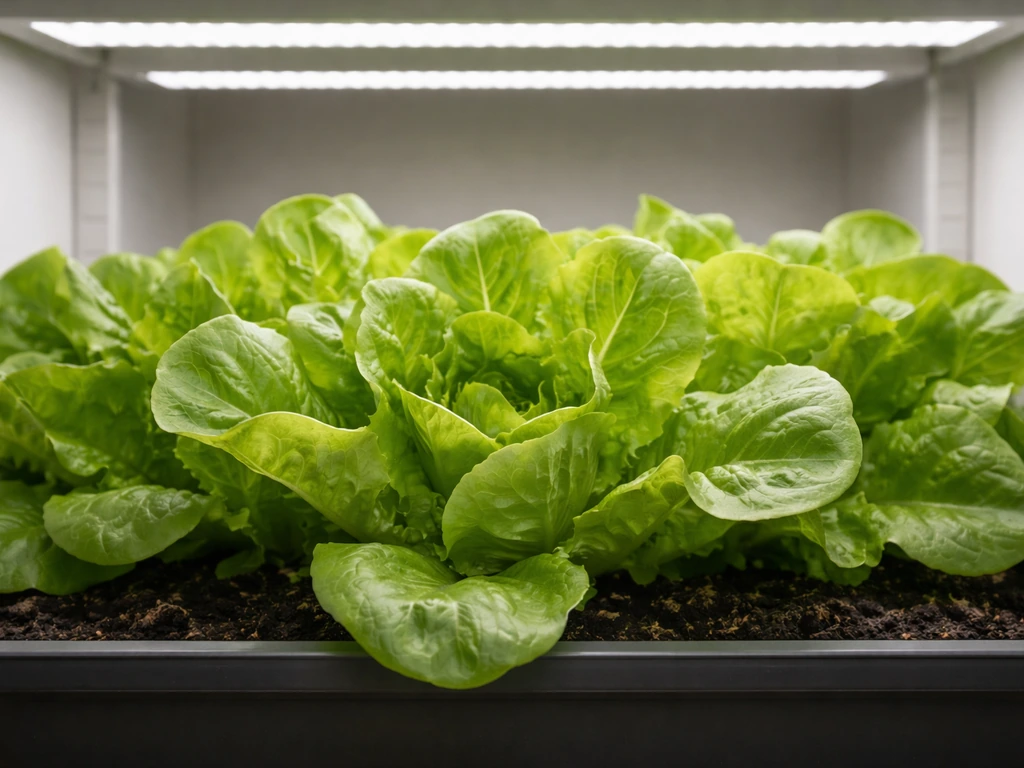
Boston lettuce needs 12 to 16 hours of light per day for strong, compact growth. A south- or west-facing window can work in summer when day length is longer, but most of the year indoors, natural light alone leads to leggy, stretched plants. A dedicated grow light is the reliable solution. Full-spectrum LED panels work best; look for a light with a color temperature around 5000 to 6500K and position it 6 to 12 inches above the tops of the plants. Lettuce doesn't need intense light like tomatoes, so a modest 20 to 30 watts of actual draw per square foot of growing space is plenty. If you're already using grow lights for other indoor lettuce, Boston fits right into that same setup. Set your light timer to 14 hours on, 10 hours off as a baseline.
Temperature targets
The ideal growing temperature for Boston lettuce is 60 to 70°F (15 to 21°C). It can tolerate down to about 45°F without damage and can handle brief spikes to 75°F, but prolonged warmth above 75°F triggers bolting. Keep plants away from heat vents, radiators, and south-facing windows that get direct afternoon sun in summer. If your indoor space runs warm, growing near an air conditioner or on a cooler basement shelf helps significantly. Seedling germination actually works at slightly cooler temps (55 to 65°F), so don't feel like you need to warm up the germination spot.
Watering, fertilizing, and building a simple routine
Watering
Water when the top inch of soil feels dry to the touch. For most indoor setups that means every 2 to 3 days, though this depends on pot size, temperature, and humidity. Water thoroughly until it drains from the bottom, then leave it alone until the soil dries again. Overwatering is the most common mistake I see with indoor Boston lettuce; the symptoms (yellowing lower leaves, wilting despite wet soil) look a lot like underwatering, which causes people to water even more and make the problem worse. When in doubt, stick your finger an inch into the soil. If it's still damp, wait.
Fertilizing schedule
Start with a good potting mix that includes some slow-release fertilizer, which covers the first 3 to 4 weeks. After that, a liquid balanced fertilizer (something like 10-10-10 or a vegetable-specific formula) applied at half strength once a week is plenty. University of Maryland Extension's lettuce guidance recommends sidedressing lettuce at 3 to 5 weeks after planting as a general fertility timing reference, which maps well onto a weekly liquid feed schedule starting around week 3 to 4 for containers. Don't over-fertilize with nitrogen; it pushes fast, lush growth that tastes more bitter and is more attractive to pests. Consistent and moderate beats heavy and occasional.
Simple weekly care routine
- Check soil moisture every 2 days; water when the top inch is dry
- Adjust grow light height as plants grow to maintain 6 to 12 inches of clearance
- Week 3 to 4: start weekly half-strength liquid fertilizer
- Check leaves for early signs of pests or tip burn when you water
- Empty drip trays 30 minutes after every watering
Planting, spacing, and thinning
Sow seeds directly into your container or a small seed-starting tray at a depth of about 1/8 inch (3mm). Boston lettuce seeds need light to germinate, so don't bury them deep. Press them gently into the surface and cover with the thinnest possible layer of fine vermiculite or potting mix. Mist the surface and keep it consistently moist (not soggy) at 55 to 65°F. Germination usually happens in 3 to 7 days.
Once seedlings have their first true leaves (usually at 10 to 14 days), thin to one plant per 8 to 10 inches if growing in a larger container. If you started in a seed tray, transplant seedlings at this stage. Handle them gently by the leaves rather than the stem, set them at the same depth they were growing before, and water in well. Thin aggressively; crowded Boston lettuce doesn't form proper heads and is more prone to disease and poor airflow.
If you want a continuous supply rather than one big harvest, stagger your sowings every 2 to 3 weeks. Start a new container while the current one is halfway through its growing cycle.
Growing timeline: from seed to harvest and beyond
| Stage | Timing from Sowing | What to Do |
|---|---|---|
| Germination | Day 3 to 7 | Keep surface moist, 55 to 65°F, minimal light needed |
| Seedling (cotyledons) | Day 7 to 14 | Move under grow lights, begin 14-hour light cycle |
| First true leaves | Day 14 to 21 | Thin or transplant to final spacing of 8 to 10 inches |
| Vegetative growth | Week 3 to 6 | Begin liquid fertilizer at week 3 to 4, water regularly |
| Loose head forming | Week 5 to 7 | Start harvesting outer leaves if needed; let head develop |
| Full harvest (head) | Day 55 to 75 | Cut head at base or harvest outer leaves for continued production |
| Second/third cuttings | Ongoing for 2 to 4 weeks post-harvest | Harvest outer leaves every 7 to 10 days; watch for bolting signs |
Purdue's vegetable reference notes that butterhead/Boston types take longer than loose-leaf varieties to reach maturity, with leaf types ready around 40 to 50 days and butterheads forming heads closer to 60 to 80 days depending on conditions. Indoors under consistent grow lights you're typically at the faster end of that range. When you're ready to harvest, you can either cut the whole head at the base about an inch above the soil and let it regrow, or harvest outer leaves progressively from the outside inward while the center continues to grow. The outer-leaf method extends your harvest window significantly.
When things go wrong: fixing common indoor problems
Bolting (plant going to seed early)
If your plant sends up a tall central stalk and the leaves start tasting intensely bitter, it's bolting. This is almost always a temperature or day-length problem indoors. UCDavis's research is pretty clear that butterhead types like Boston are among the most temperature-sensitive lettuce varieties. Check that your growing spot isn't above 75°F, particularly at night. If you're near a window, check for heat buildup during sunny afternoons. There's no reversing a bolt; harvest everything usable immediately and start fresh with a heat-tolerant variety like 'Divina' if this keeps happening.
Leggy, stretched growth
Tall, thin, pale stems reaching upward means the plant is light-starved. Either your light isn't strong enough, it's too far away, or you're not running it long enough. Lower the grow light to 6 to 8 inches above the plants, add an hour or two to your daily cycle (up to 16 hours max), or upgrade to a stronger LED panel. This is fixable early on, but very stretched seedlings often don't recover well and it's worth restarting with better light.
Bitter leaves
Some bitterness is normal in older outer leaves, but if the whole plant tastes sharp and unpleasant, heat is usually the cause. Stress from inconsistent watering, excess nitrogen fertilizer, and root-bound conditions in too-small a pot can also contribute. Harvest before the plant gets too mature, keep temperatures cool, and make sure you're not pushing heavy nitrogen feeds.
Tip burn (brown leaf edges)
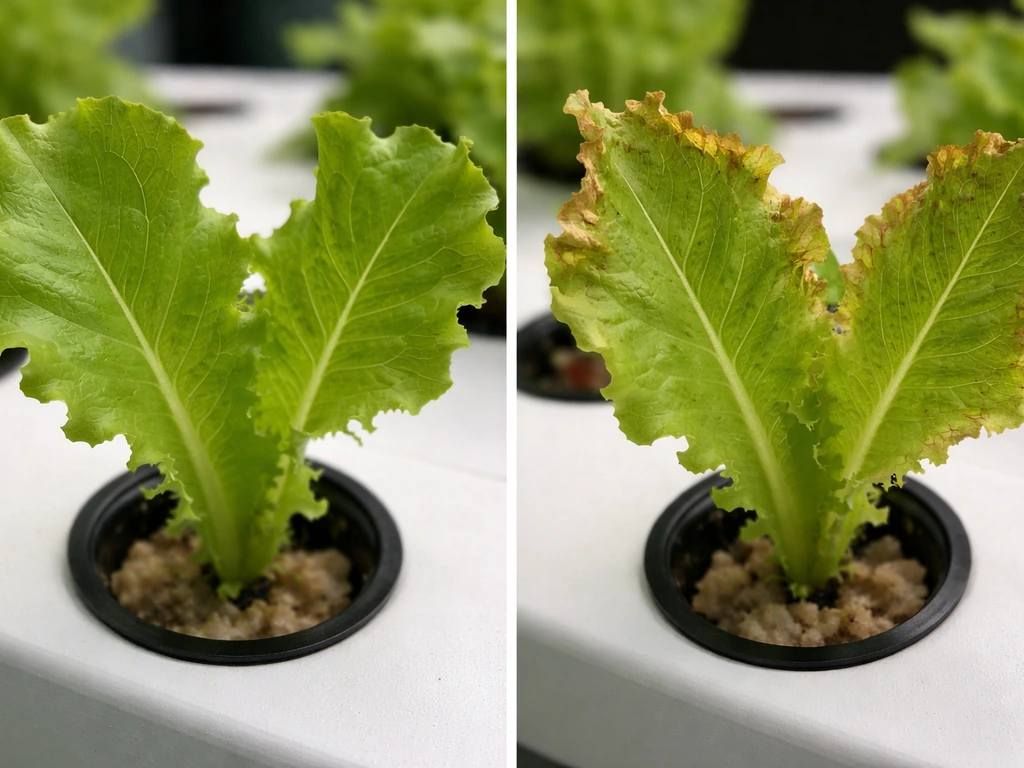
Tip burn shows up as brown, papery edges on inner leaves. It's a calcium distribution issue caused by poor airflow and humidity fluctuations, not usually a nutrient deficiency in your soil. The fix is better air circulation: add a small fan running on low near your plants for a few hours a day. Varieties like 'Ermosa' are specifically bred for tip-burn resistance if this is a recurring issue in your space.
Pests: fungus gnats and aphids
Fungus gnats are the most common indoor lettuce pest and almost always indicate overwatering or overly wet soil. Let the top inch of soil dry completely between waterings and top-dress with a thin layer of dry sand to disrupt the breeding cycle. Yellow sticky traps catch adults and help you monitor the population. Aphids occasionally show up on indoor lettuce; check the undersides of leaves weekly. A strong blast of water or a diluted neem oil spray (applied in the evening away from your grow light) deals with light infestations.
Poor germination
If less than half your seeds sprout, the most likely causes are: seeds that are too old, soil that's too wet or too dry at the surface, burial that's too deep, or germination temperatures above 75°F (lettuce germination drops off sharply in heat). Boston lettuce actually has better germination at cooler temperatures than most vegetables. Try germinating in a slightly cooler spot, sow fresh seeds, and keep the surface consistently moist with a light misting twice a day rather than heavy watering.
Your next steps based on where you are right now
If you're starting from scratch today: get a pack of 'Buttercrunch' or 'Ermosa' seeds, a 12-inch pot with drainage holes, a quality potting mix with added perlite, and a basic full-spectrum LED grow light on a timer. Once you’re comfortable growing indoors, you can adapt the same temperature and lighting targets to a greenhouse setup for more consistent results how to grow lettuce in a greenhouse. Sow this week, keep it at 60 to 70°F, and you'll be harvesting in 8 to 10 weeks. If you're already set up and just troubleshooting a problem, start with temperature and light before blaming your soil or seeds. If you want to explore faster results, a simple Kratky hydroponic setup for Boston lettuce can cut that timeline to 40 to 50 days and is surprisingly low-maintenance once you've got the nutrient solution dialed in.
FAQ
Can I grow Boston lettuce indoors year-round, or do I need to pause in summer?
You can grow year-round, but summer warmth can force bolting. If your indoor space often exceeds 75 to 80°F, plan to move plants away from sunny windows and heat sources, run a fan for airflow, and consider placing the grow light on a cooling spot (like near an AC vent) to keep leaf temperatures down.
How do I know if my grow light is too far away (before my plants get leggy)?
Watch the spacing between leaves and overall leaf thickness. If plants start stretching or leaves look lighter and thinner, raise the runtime first and then lower the light. A practical check is to keep the LED about 6 to 8 inches above the tops and confirm you are hitting your 12 to 16 hour daily light target.
What’s the best watering routine if I keep overwatering by mistake?
Use a moisture check plus a schedule backup. Finger-check the top inch each time, and only water when it feels dry. After you water, empty any runoff from the saucer within 30 minutes, and avoid “small sips” that keep the lower soil constantly damp.
Should I use tap water for indoor Boston lettuce, or does water quality matter?
Water quality matters mainly through temperature and consistency, and indirectly through pH and salts in container soil. Let tap water sit out so it is closer to room temperature, and if you notice repeated tip burn or salt buildup, consider occasionally flushing the pot with plain water and draining fully before refertilizing.
How often should I thin seedlings, and can I replant the extras?
Thin once, right after seedlings develop their first true leaves. For Boston lettuce, crowded plants rarely “catch up,” so remove the weakest ones. Replanting thinned seedlings can work if you transplant quickly and handle leaves gently, but many extras will underperform compared with starting with properly spaced seeds.
What container size is truly “minimum” if I only have small pots?
For Boston lettuce, going smaller usually reduces head quality and increases bolting risk because soil heats up and dries unevenly. If you must use small containers, keep at least 6 inches deep and 8 to 10 inches wide per plant with drainage holes; otherwise plan to harvest mostly outer leaves sooner.
Can I grow Boston lettuce in the same container multiple times (regrow after harvest)?
Yes, but regrowth is time-limited. If you cut the head low and leave the center growing point intact, you may get additional outer leaves and smaller regrowth. If growth slows, stems elongate, or bitterness increases, start a fresh sowing rather than pushing the same plant too long.
Why do my plants look healthy but taste bitter?
Bitter flavor indoors is most often linked to heat stress, inconsistent watering, or too much nitrogen. Confirm your nighttime temperatures stay below 75°F, harvest before the plant is fully mature, and use half-strength weekly feeding instead of heavy or frequent nitrogen boosts.
Does humidity cause problems for Boston lettuce indoors?
High humidity can worsen fungal issues and also contributes to tip burn when airflow is poor. Aim for steady conditions, avoid misting the foliage heavily after germination, and run a low fan near the plants for a few hours daily to keep leaf surfaces moving.
What causes tip burn even when I’m not over-fertilizing?
Tip burn is usually about calcium delivery within the plant, and indoor factors like fluctuating moisture, crowded airflow, and irregular watering are common triggers. Keep watering consistent, ensure the pot drains well, and increase gentle airflow before changing fertilizers.
How can I prevent fungus gnats without constantly treating the soil?
Let the top inch of soil dry between waterings, because adults breed in consistently wet media. Top-dress with a thin layer of dry sand and use yellow sticky traps to monitor. If you continue to see adults after improving drying, check for soggy spots in the pot or trapped runoff.
If my seeds sprout poorly, what’s the most common mistake in indoor germination?
The most common issue is temperature plus surface moisture. If the germination area goes above about 75°F, germination can drop sharply. Keep the surface consistently moist with light misting instead of soaking, and avoid burying seeds deeper than about 1/8 inch.
Should I fertilize before the first true leaves, or wait?
In most indoor setups, start with your potting mix that already contains some slow-release fertilizer, then begin weekly liquid feeding around week 3 to 4. Don’t rush nitrogen early, because rapid, lush growth increases bitterness risk and can attract pests.
How do I choose a variety if bolting keeps happening indoors?
If heat-triggered bolting is your problem, prioritize slow-bolting, butterhead types bred for cooler, indoor conditions. When buying seeds again, look for variety descriptions that mention slow bolting or disease resistance, and combine it with strict temperature control rather than relying on variety alone.