Wild lettuce grows best when you treat it like the rugged, fast-bolting plant it actually is: sow seeds shallowly (no deeper than 0.5–1 cm), keep soil cool and consistently moist, and get it into the ground or a container early in spring or fall. With the right conditions, you'll see germination in 7–14 days and harvestable leaves in about 6–8 weeks. The key is starting with viable seeds, not burying them too deep, and understanding that this plant is wired to bolt, so timing and temperature management matter more than with typical garden lettuce.
How to Grow Wild Lettuce From Seed Step by Step
Marcus Holloway
3 May 2026
What wild lettuce is and when to grow it
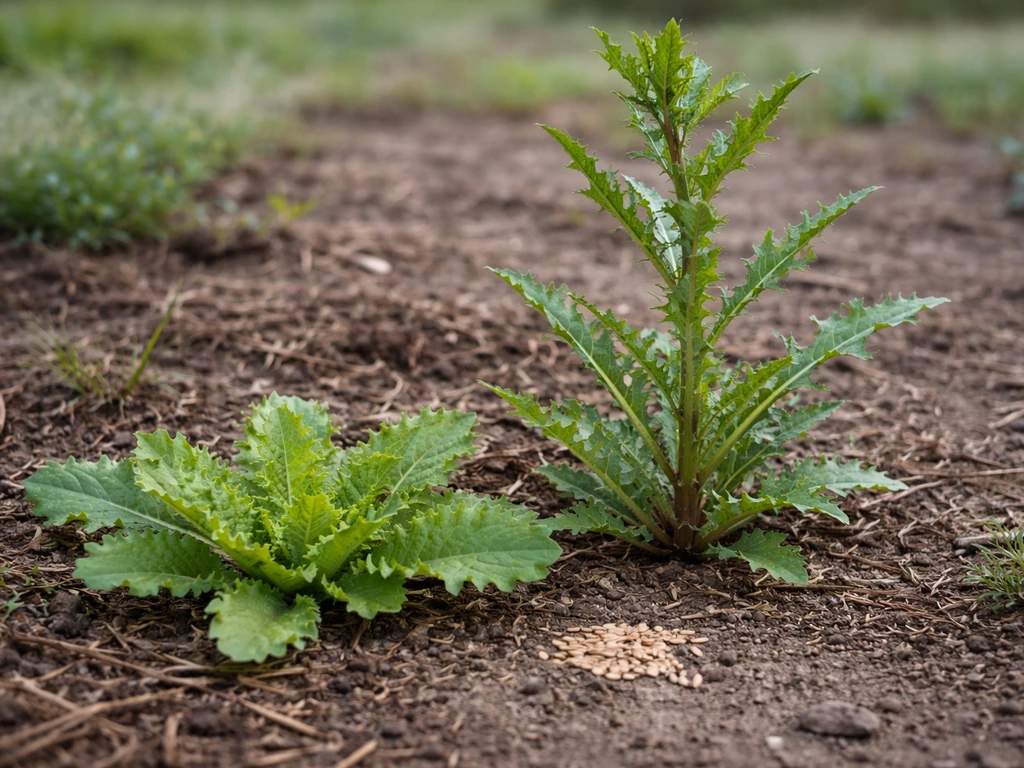
When people talk about growing wild lettuce, they're usually referring to Lactuca virosa, a biennial plant that can reach up to 200 cm (about 80 inches) tall with an upright, branching stem. It produces a milky latex sap (called lactucarium) and has a distinctly bitter, acrid taste and smell, which tells you right away this isn't your typical salad green.
A related species, Lactuca serriola (prickly lettuce), is also called wild lettuce and grows as either an annual or biennial with a deep taproot and the same milky sap. Both are native to the Mediterranean region and have naturalized widely. In some countries, including parts of the USA, Canada, and Australia, Lactuca serriola is classified as invasive, which is worth knowing before you plant it outdoors.
The best times to sow wild lettuce are early spring (as soon as soil is workable, typically 4–6 weeks before your last frost date) or early fall (about 8 weeks before your first hard frost). Like cultivated lettuce, wild lettuce prefers cooler growing temperatures and will push toward flowering once heat and long days kick in.
If you're growing indoors or in containers, you have more flexibility with timing, you can start seeds almost any time of year as long as you can manage temperature and light. To learn the exact steps for growing lettuce indoors, focus on lighting, temperature control, and shallow sowing so seedlings emerge reliably how grow lettuce indoors. That said, spring and fall sowings consistently perform best because they align with the plant's natural growth cycle.
Getting and preparing wild lettuce seeds
Sourcing good seed is the first place people run into trouble. Wild lettuce seeds are available from specialty herb seed companies and online retailers, look specifically for Lactuca virosa if that's your target species, and double-check that the listing matches. Seeds stored for more than 2–3 years lose viability quickly, so buy fresh, check the pack date, and do a quick germination test (lay 10 seeds on a moist paper towel, fold it up, and check after 10 days) if you're unsure. Expect at least 60–70% germination from good seed.
If you're tempted to collect wild seeds yourself, be thoughtful about it. The USDA Forest Service is clear that collecting from wild populations can reduce a plant's ability to reproduce in that location and affect long-term survival, so if you do collect, take only a small portion from a large, healthy population, and avoid sites where invasive weeds are present to prevent contaminating your seed stock. For most home gardeners, buying from a reputable supplier is easier and more reliable.
Before sowing, you don't need to do anything complicated. Cold stratification is not required for wild lettuce germination, in fact, research on Lactuca serriola shows that warm temperatures (25–30°C) can actually break any dormancy that cold exposure might have induced. Just make sure your seeds are dry, clean, and stored somewhere cool and dark until you're ready to plant. If you're sowing in containers, pre-moisten your seed-starting mix the night before so it's evenly damp, not soggy.
Seed starting and germination conditions
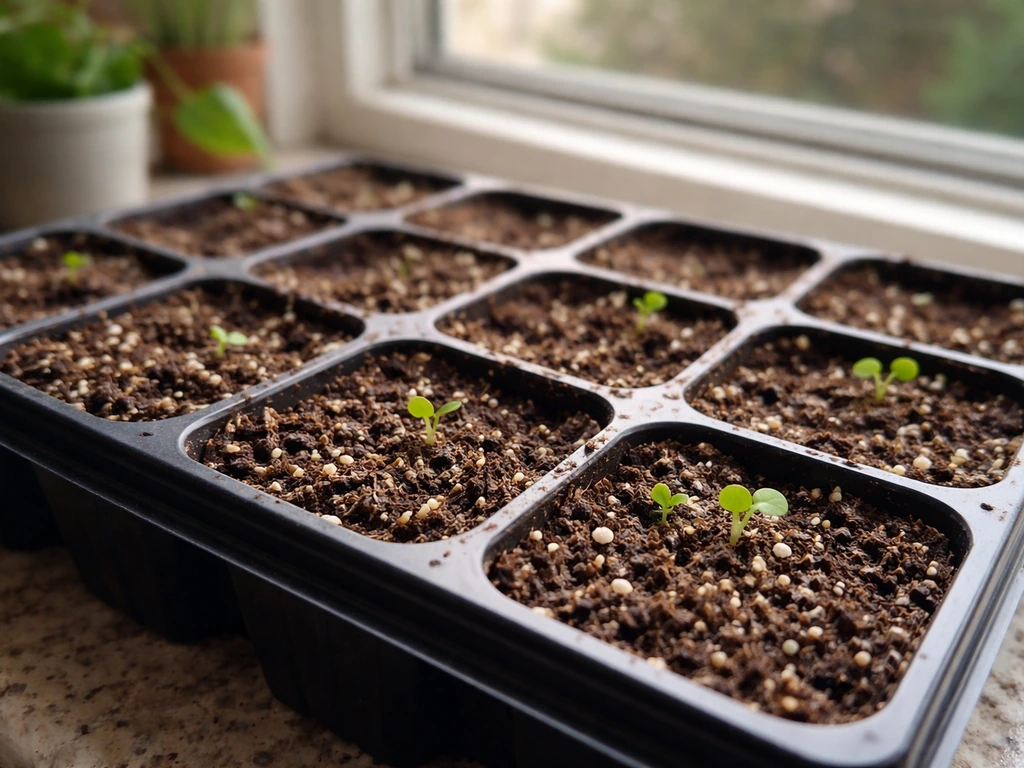
Wild lettuce seeds need light to germinate well. This is a classic mistake: burying them too deep essentially switches them off. For indoor seed starting, use a quality seed-starting mix (not heavy garden soil), fill your cells or flat, and press seeds onto the surface or just barely cover them. Keep the mix consistently moist, not waterlogged, by misting with a spray bottle rather than pouring. A clear plastic dome or plastic wrap over the tray helps hold humidity until germination.
Temperature is the other big variable. Wild lettuce germinates most reliably at soil temperatures between 15–20°C (59–68°F). If your seed-starting area is warm (above 24°C/75°F), germination rates can drop. A heat mat set to the low end of the range or simply a cool windowsill in spring can work well. Once seedlings emerge, remove the humidity dome immediately and move them to bright light to prevent leggy growth.
Expect germination in 7–14 days under good conditions. If nothing is happening by day 14, check that the mix hasn't dried out, the temperature is in range, and your seeds aren't too old. Sometimes a second attempt with fresh seed from a different supplier is the fastest fix.
Sowing depth, spacing, and thinning
Sow seeds at a depth of 0.5–1 cm (about a quarter inch) at most. Research on Lactuca serriola germination shows that emergence is highest from very shallow burial and drops off sharply beyond 5 cm, so the shallower the better. In practice, I press seeds lightly onto a prepared seedbed or seed-starting mix surface and dust them with just enough soil or fine vermiculite to barely cover. Outdoors, firm the soil gently after sowing to ensure good seed-to-soil contact.
For direct outdoor sowing, space seeds about 5–8 cm apart in rows 30 cm apart, then thin to 30–45 cm between plants once seedlings are 5 cm tall. Wild lettuce grows large, remember, it can hit 200 cm in its second year as a biennial, so it needs room. In containers, one plant per 10–12 inch pot works for leaf harvesting; if you're growing multiple plants, use a wider planter and keep the 30–45 cm spacing in mind.
If you started seeds indoors, transplant seedlings outdoors after they have 2–3 true leaves and outdoor temperatures are consistently above 7°C (45°F). Harden them off first: set them outside in a sheltered spot for increasing periods over 5–7 days before leaving them out full time. Transplanting in late afternoon or on a cloudy day reduces transplant shock.
Light, water, temperature, and feeding
Wild lettuce wants full sun to partial shade, at least 6 hours of direct light per day outdoors. Indoors, a south-facing window can work in spring and fall, but supplemental lighting makes a real difference. If you're growing it inside under grow lights, position them 15–20 cm above the seedlings and run them for 14–16 hours per day. For more on indoor setups, the same principles that apply to other lettuce varieties translate well to wild lettuce.
Water consistently to keep the root zone evenly moist but never waterlogged. Wild lettuce is not drought tolerant during active growth, dry soil stress triggers early bolting. In containers, check moisture daily in warm weather; a layer of mulch on outdoor beds helps retain moisture and regulate soil temperature. Avoid overhead watering in the evening, which leaves foliage wet overnight and invites fungal problems.
Wild lettuce grows best when daytime temperatures stay between 15–20°C (59–68°F). If you want a step-by-step indoor plan, the main focus is matching light and temperature to keep plants producing before they bolt how to grow wild lettuce indoors. Once temperatures consistently exceed 24°C (75°F), the plant shifts into its bolting/flowering mode, there's no reversing that once it starts. Providing afternoon shade in warmer climates can buy you a few extra weeks of leaf production.
Fertilizing is straightforward. Work a balanced slow-release granular fertilizer (something like 10-10-10) into your bed or container mix before planting. During active growth, a light liquid feed of diluted balanced fertilizer every 2–3 weeks is plenty. Avoid heavy nitrogen feeding late in the season, which pushes leafy growth at exactly the wrong time and can accelerate bolting.
Troubleshooting the most common problems
Poor or no germination
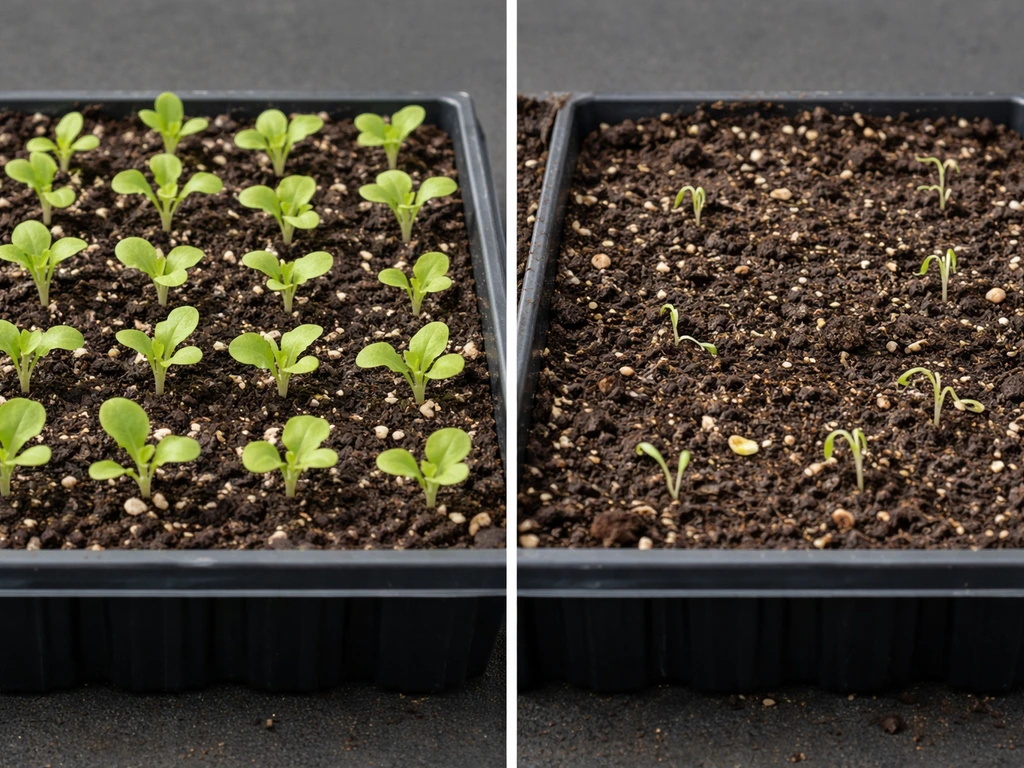
If seeds aren't sprouting by day 14, the most likely culprits are old seed, too-deep sowing, temperatures that are too warm, or a mix that dried out. Try again with fresh seed, barely cover them, and keep the medium at 15–20°C. If you're sowing in summer heat, move your tray somewhere cooler or wait for fall.
Damping off
Damping off is caused by fungal pathogens (including Pythium and Phytophthora water molds) and kills seedlings either before they emerge or just after, causing them to collapse at the soil line. It's almost always triggered by overwatering, poor drainage, or crowded conditions. Prevention is everything here: use fresh seed-starting mix, don't reuse old soil for seedlings, water from the bottom when possible, thin seedlings promptly so air can circulate, and make sure your containers drain freely. If you see it happening, remove affected seedlings immediately and let the mix dry down slightly before watering again.
Leggy seedlings
Legginess (long, weak stems with small leaves) means not enough light. Move seedlings to a brighter spot or lower your grow light to within 15 cm of the tops. Leggy seedlings can often be salvaged by burying the stem slightly deeper when you transplant, but it's better to give them adequate light from day one.
Early bolting
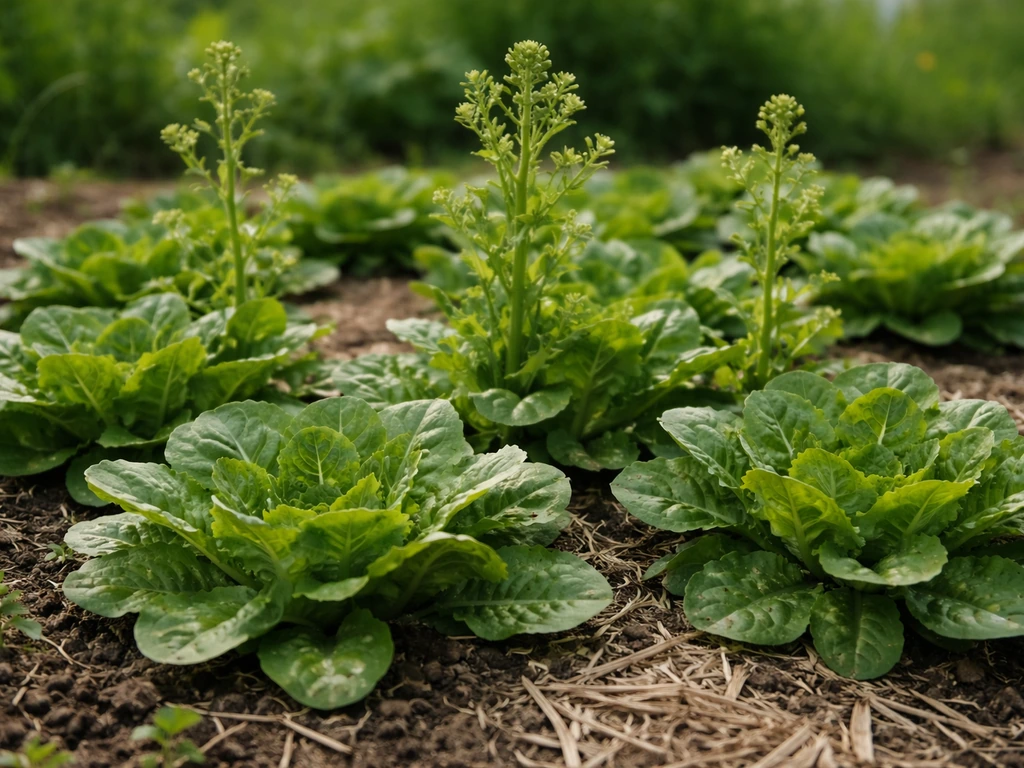
Wild lettuce bolts (sends up a flower stalk) when it has experienced cold temperatures (vernalization) followed by warming and long days. This is its natural biological trigger. If your plant bolts early, heat stress and water stress are usually contributing. You can't stop bolting once it starts, but you can delay it by keeping plants well-watered, providing afternoon shade in warm weather, and sowing at the right time. One important note: the UC IPM guidance is clear that bolting cannot occur until plants have first received that winter cold chilling, so spring-sown plants that haven't experienced winter cold won't bolt as fast as overwintered ones.
Pests and disease
- Aphids: Look for clusters on new growth and the undersides of leaves. Knock them off with a strong water spray or treat with insecticidal soap.
- Slugs and snails: They target young seedlings, especially in damp conditions. Use copper tape around containers, set beer traps, or apply iron phosphate bait.
- Powdery mildew: Shows up as a white dusty coating on leaves, usually in humid, warm conditions with poor airflow. Remove affected leaves, improve spacing, and avoid evening overhead watering.
- Root rot: Almost always caused by overwatering or poor drainage. If plants wilt despite moist soil, check the roots — brown, mushy roots signal rot. Improve drainage immediately and reduce watering.
Harvesting and keeping production going
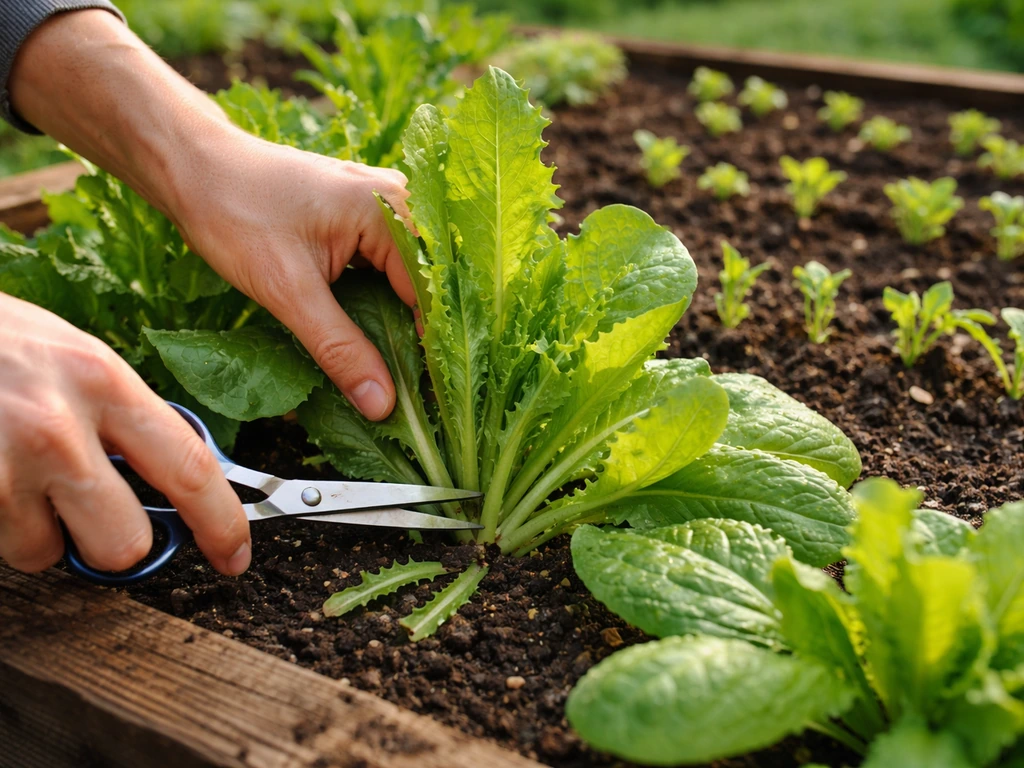
Wild lettuce leaves are ready to harvest when they're large enough to use, typically 6–8 weeks after sowing. Harvest outer leaves first, cutting them at the base with clean scissors or a knife, and leave the center growing point intact so the plant keeps producing. The younger, smaller leaves are less bitter, once leaves mature and the plant gets tall, bitterness intensifies significantly because of the lactucarium sap. Harvest in the morning when the sap content is highest if that's what you're after, or harvest young leaves any time for less bitter flavor.
For continuous production, succession sow every 3–4 weeks during your cool growing season. Start a new batch of seeds while the first planting is still growing, so you always have plants at different stages. Once a plant bolts, pull it and replant that space. In warmer climates, take a break during peak summer heat and resume sowing in late summer for a fall harvest.
If you want to save seeds, let one or two plants bolt and go to seed fully before collecting. The small achene seeds mature from the bottom of the flower head upward, collect when the fluffy seed heads appear and the seeds pull free easily. Store in a paper envelope in a cool, dry place, and use within 1–2 years for best germination rates.
Your next steps based on your setup
| Your Setup | What to Do First | Key Watch-Out |
|---|---|---|
| Outdoor garden bed, spring | Direct sow now at 0.5–1 cm depth once soil is above 7°C; thin to 30–45 cm | Don't let soil dry out during germination — mulch helps |
| Outdoor garden bed, summer | Wait for temperatures to cool below 24°C; plan a late summer/fall sow | Sowing in heat leads to fast bolting and poor germination |
| Container on a patio or balcony | Use a 10–12 inch pot, fresh potting mix, check drainage holes, sow 2–3 seeds and thin to 1 | Containers dry out faster — check daily in warm weather |
| Indoor seed starting | Use seed-starting mix, sow on surface, cover lightly, maintain 15–20°C, add grow light | Remove humidity dome immediately after germination to prevent damping off |
| Growing fully indoors | Use a grow light 14–16 hours/day, 15–20 cm above seedlings, keep temps cool | Heat from lights can push bolting — keep room cool if possible |
If you're already comfortable growing lettuce in containers or under grow lights, wild lettuce follows the same core principles, cool temperatures, consistent moisture, and shallow sowing. For a similar approach tailored to your greenhouse conditions, see the guide on how to grow lettuce in a greenhouse. If you want a deeper walkthrough on setting up light, watering, and temperature for indoor crops, see how grow lettuce indoors. The main difference is its size and its stronger bolting drive, which makes timing and temperature management more critical. If you want to explore growing other lettuce types indoors alongside wild lettuce, the same setup works well for most varieties.
FAQ
Is wild lettuce safe to eat, and why does it taste so bitter?
Wild lettuce (Lactuca virosa or Lactuca serriola) produces milky latex sap that contains bitter compounds, so it is often unpalatable and can be harmful if misidentified or consumed heavily. If you are growing it for food, harvest only very young leaves early and avoid using plants that you cannot confidently identify to the species.
How can I tell Lactuca virosa vs prickly lettuce (Lactuca serriola) when they’re seedlings?
Seedlings look similar, so focus on mature traits before committing plants for seed or harvest. Plan to confirm identity after plants form leaves and branching, noting features like overall plant form and leaf surface, since mislabeling is common and affects expectations for size and growth.
Do I need to thin seedlings, and what happens if I skip thinning?
Yes. If you do not thin, plants compete for light and airflow, which increases the risk of damping-off and produces weak, stressed growth that can bolt sooner. Thin once seedlings are large enough to handle (around the 5 cm stage mentioned) and leave the wider spacing for later leaf production.
What should I do if my seedlings germinate but immediately collapse at the soil line?
That pattern usually indicates damping-off from excess moisture, poor drainage, or reused/contaminated seedling media. Remove collapsed seedlings, let the mix dry slightly, improve drainage, and switch to bottom watering or careful misting to keep the surface from staying saturated.
Can I sow wild lettuce in summer to get a crop later?
You can, but germination and early growth may be slower and bolting risk is higher when temperatures exceed the mid-20s C range. A practical approach is to start when nights are cooler, or sow in late summer for fall harvest, and use shade during hot afternoons.
My seeds sprouted, but growth is slow. Is it temperature or light?
Usually light first. If stems stretch or leaves stay small, increase light intensity or lower grow lights to about 15 cm from the tops, and ensure a bright window or supplemental lighting. If growth is not stretching but is just sluggish, verify the soil temperature stays near 15 to 20 C and the medium stays evenly moist.
How long should I leave the humidity dome or plastic wrap on?
Remove it as soon as the first seedlings emerge, not later. Leaving it on too long can keep the surface overly wet, raising damping-off risk and encouraging leggy growth by reducing fresh air circulation.
Will wild lettuce grow well in shade, for example under a tree or on a balcony with limited sun?
It grows best with at least about 6 hours of direct sun outdoors. Partial shade can extend leaf harvest slightly in cooler seasons, but in low-light conditions expect slower growth, smaller leaves, and a higher chance of legginess indoors or weaker plants outdoors.
How do I prevent early bolting in containers?
Focus on three levers: keep soil consistently moist during active growth, avoid overheating the root zone, and provide afternoon shade in warm climates. Also, keep container plants spaced with one per pot size around 10 to 12 inches, since crowded roots tend to stress plants and speed up bolting.
Can I transplant after germination in a tray to improve success?
Yes, but do it at the right stage. Transplant when seedlings have 2 to 3 true leaves and outdoor temperatures are consistently above about 7 C, then harden them off for 5 to 7 days. Avoid transplanting in the hottest part of the day to reduce stress-triggered bolting.
How do I know when to harvest for less bitterness?
Harvest outer leaves while they are smaller and keep the center growing point intact. If bitterness is an issue, pick earlier in the morning for maximum sap content or prioritize very young leaves overall, since maturity and taller growth strongly increase bitterness.
What spacing should I use if I want a continuous supply of leaves without thinning later?
Plan spacing from the start. Outdoors, the article’s guidance (sow 5 to 8 cm apart, thin to 30 to 45 cm) exists because plants get large. If you do not want to thin, pre-sow at around the final spacing, or accept smaller, fewer leaves and increased bolting risk from overcrowding.
Is seed saving difficult, and when is the correct time to collect?
It can be. Collect only after the plants fully bolt and the fluffy seed heads appear, and the seeds pull free easily. Store seeds in a paper envelope in a cool, dry place and expect best germination within about 1 to 2 years, with faster loss if storage is warm or humid.
Can I reuse seed-starting soil for new sowings?
Avoid it for the seedling trays. Reusing old mix is a common contributor to damping-off because fungal spores can persist. Use fresh seed-starting mix for each round, and keep containers clean and draining well.