Yes, you can absolutely grow lettuce indoors, including green leaf lettuce and even head lettuce, year-round. Lettuce is one of the best crops for indoor growing because it stays compact, tolerates lower light than most vegetables, and grows fast enough that you can be harvesting in as little as 30 days. Whether you have a sunny south-facing window or a dark apartment with a grow light, there is a setup that works for you. This guide walks you through everything: choosing your variety, picking a container or hydroponic setup, getting the light and temperature right, planting from seed or regrowing from a lettuce head, and keeping the harvests coming continuously.
How to Grow Lettuce Indoors Step by Step (Leaf to Head)
Marcus Holloway
19 Apr 2026
Choosing the right lettuce type: leaf vs head
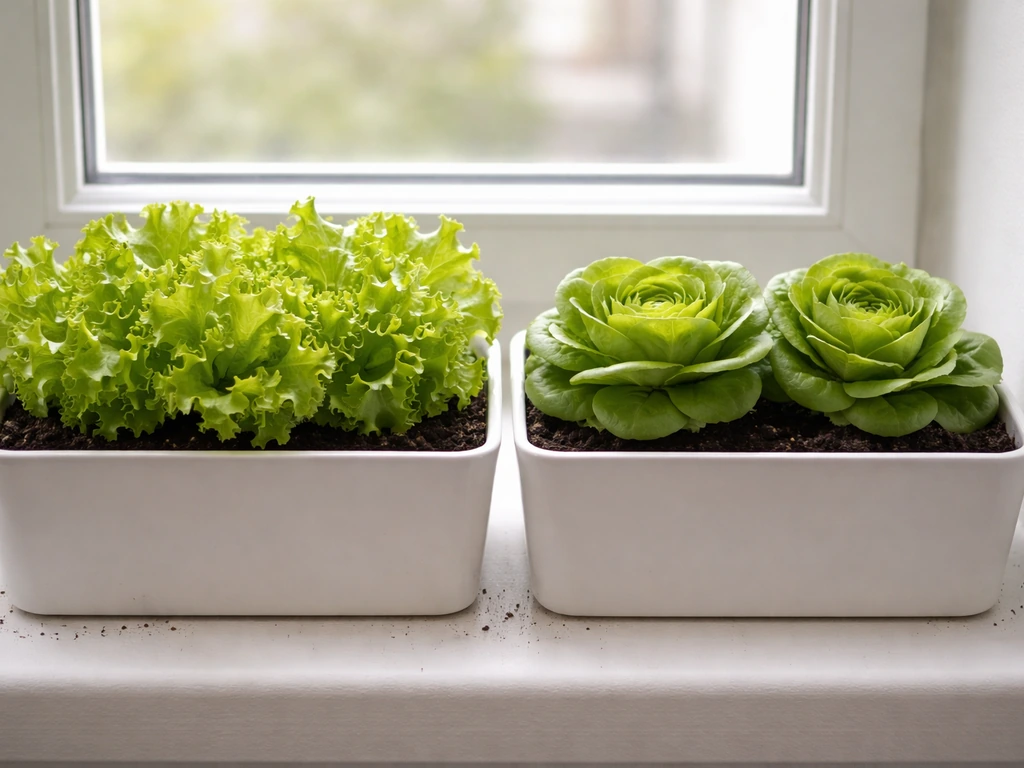
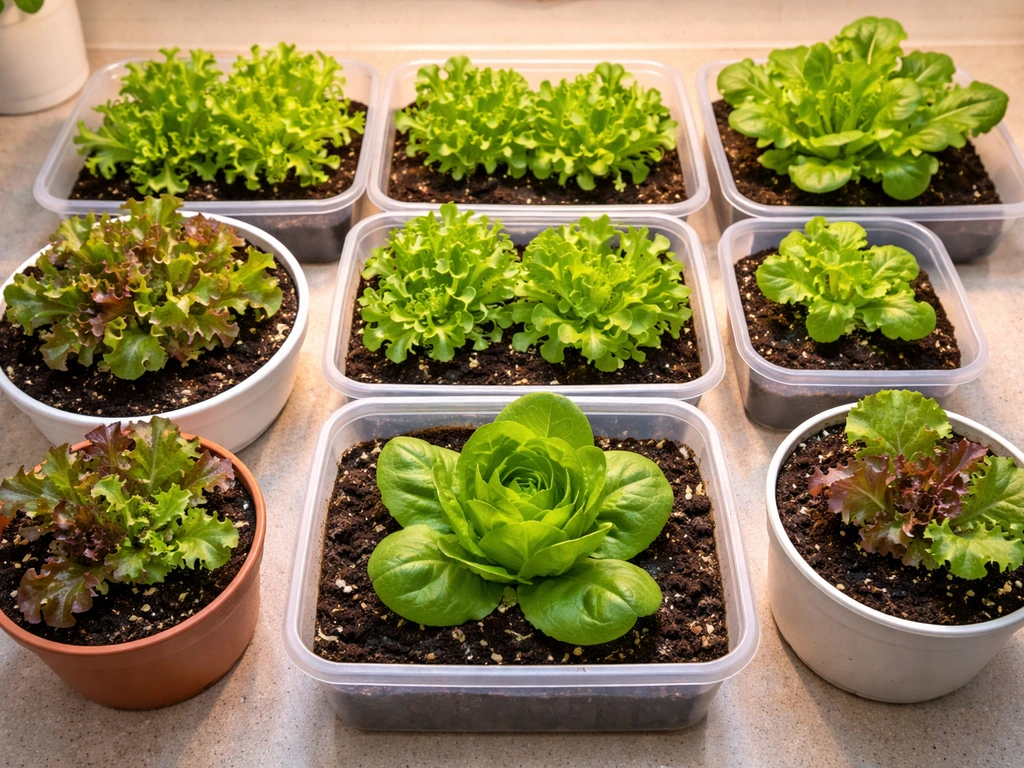
The single most important choice you make before planting anything indoors is whether you want leaf lettuce or head lettuce. They behave very differently in containers, and one is a lot more forgiving than the other.
Leaf lettuce (which includes green leaf, red leaf, oak leaf, and loose-leaf varieties) is the clear winner for indoor growing. It matures faster, is more cold-hardy, handles a wider range of temperatures, and can be harvested gradually by picking the outer leaves while the plant keeps producing. University of Delaware Extension notes that leaf lettuce is [easy to grow from seed and can be harvested any time from seedling stage up to full maturity at around 8 to 12 inches](https://www.
udel. edu/academics/colleges/canr/cooperative-extension/fact-sheets/leaf-lettuce/). Green leaf lettuce in particular is a great starter variety: it germinates quickly, grows steadily, and you can start cutting leaves in about 30 days. Oak leaf types are also worth trying because they tend to be more heat-tolerant, which helps when indoor temperatures creep up in summer.
Head lettuce (butterhead, romaine, crisphead/iceberg) is doable indoors but requires more patience, more space per plant, and tighter temperature control. Head types need time to form a dense center, so you are looking at 60 to 80 days before a proper harvest. If your indoor space gets warm or your light is inconsistent, head lettuce will struggle more than leaf types. Butterhead is the most forgiving of the head varieties for indoor conditions; romaine is a solid second choice. Skip crisphead/iceberg indoors unless you have a seriously controlled setup with strong, consistent light.
For beginners, I always recommend starting with a loose-leaf mix or a single green leaf variety. You will get faster results, more harvests per plant, and way more confidence before you move on to growing full heads.
Indoor setups: containers vs hydroponics
You have two main paths for growing lettuce indoors: soil-based containers or a hydroponic system. Both work well for lettuce. The right choice depends on your budget, how much maintenance you want to do, and how quickly you want results.
Soil-based containers (pots, window boxes, trays)
This is the most approachable setup if you are new to indoor growing. A pot, a window box, or even a plastic storage tub works fine as long as it has drainage holes. Soil-based containers are forgiving, easy to set up today with materials from any garden center, and they closely mimic outdoor growing. The downside is that you need to water attentively (soil dries out in containers faster than in ground beds) and nutrients in potting mix can deplete over several weeks.
Hydroponic and soilless systems
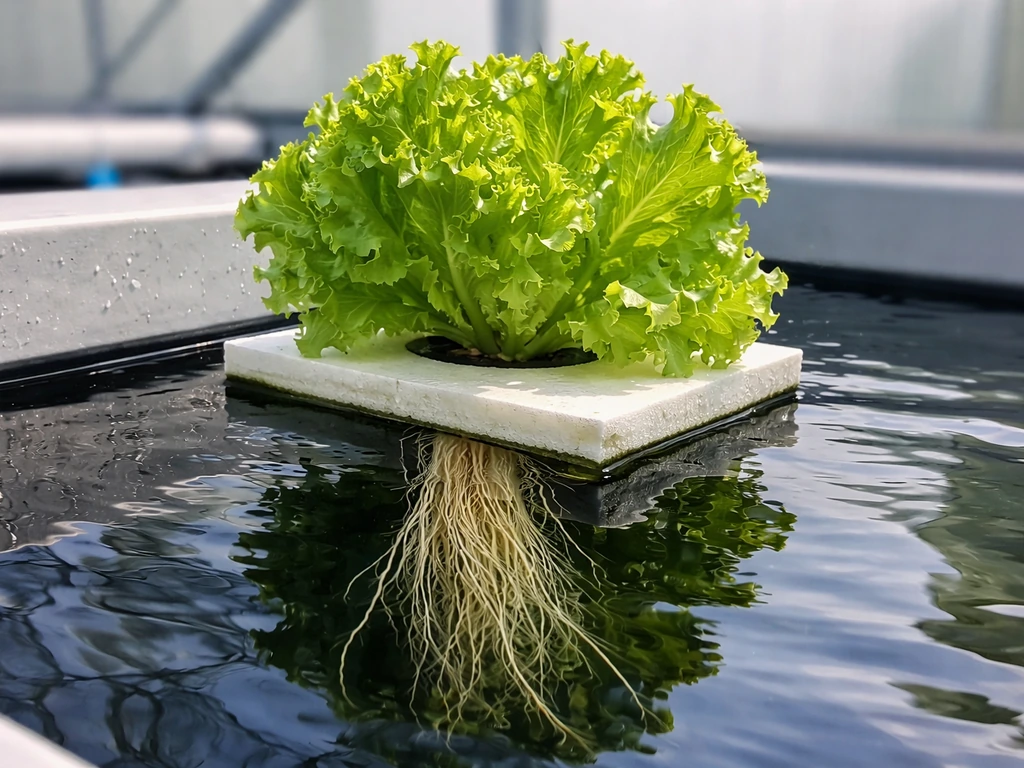
Hydroponic lettuce grows faster than soil-grown lettuce under the same light conditions because roots have direct, constant access to nutrients and oxygen. Deep water culture (DWC) is one of the most popular beginner hydroponic methods for lettuce: plants sit in net pots over a reservoir of nutrient solution, and an air pump keeps dissolved oxygen above the 5 mg/L threshold that research shows is important for healthy root function.
Nutrient film technique (NFT) and Kratky (passive, no-pump DWC) are also popular choices. If you want to try growing lettuce indoors with a grow light and a countertop hydroponic system, you can be harvesting leaf lettuce in 3 to 4 weeks. For a deeper look at pairing a grow light with a hydroponic or soil setup, that topic gets its own dedicated treatment elsewhere on this site.
| Feature | Soil Containers | Hydroponics (DWC/NFT) |
|---|---|---|
| Setup cost | Low ($5–$20 for pots and mix) | Medium to high ($30–$150+ for system) |
| Time to first harvest (leaf lettuce) | 30–45 days | 21–35 days |
| Maintenance level | Water every 2–3 days | Check reservoir/pH every 2–3 days |
| Beginner friendliness | Very easy | Moderate (requires pH/EC monitoring) |
| Best for | Windowsill, low-tech growing | Fast production, apartment setups with grow lights |
| Pest/disease risk | Moderate (fungus gnats) | Low (no soil), but root rot if oxygen is low |
My honest recommendation: if you have never grown anything indoors before, start with containers and a good potting mix. Once you have a feel for how lettuce grows and what it needs, a simple hydroponic setup is a natural and rewarding next step.
What to grow lettuce in: soil mix, containers, spacing, and drainage
Container size and drainage
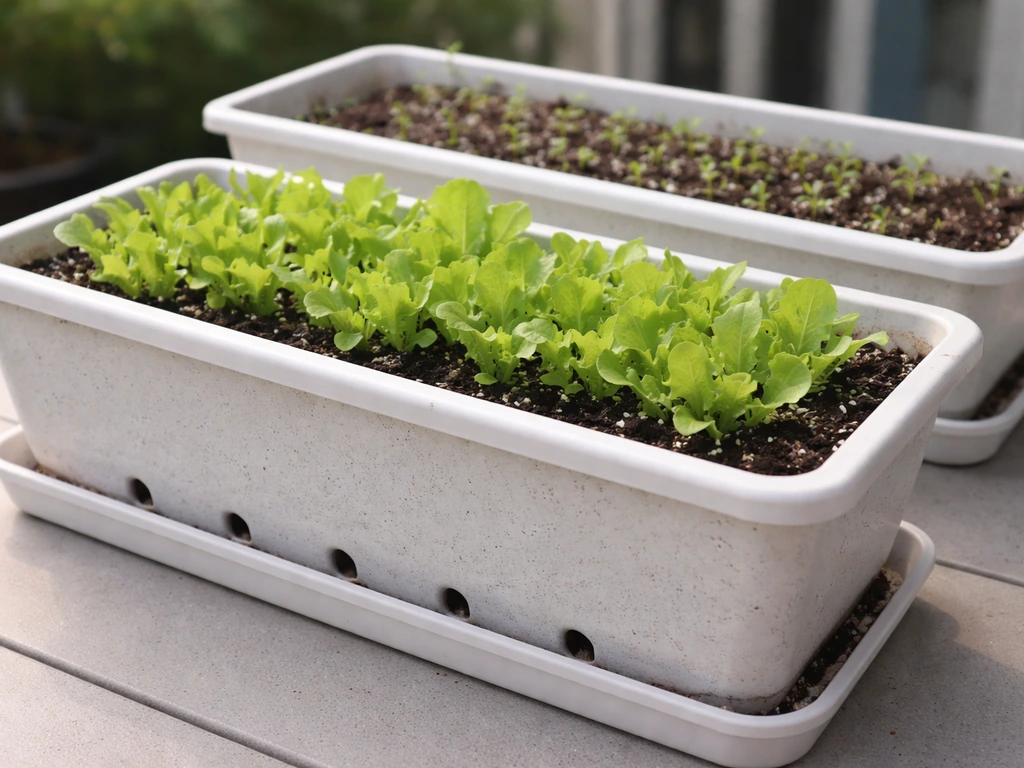
Lettuce roots are shallow, so you do not need deep pots. A container that is at least 6 inches deep works well for most leaf varieties; head lettuce benefits from 8 to 10 inches of depth. What matters more than depth is width: a wider container lets you plant multiple plants and gives you a better harvest per square foot of indoor space. Window boxes and rectangular planters are especially efficient.
The single non-negotiable requirement is drainage holes. Lettuce roots sitting in waterlogged soil will rot fast. If your pot does not already have holes, drill them. University of California guidance also suggests adding a thin layer of coarse gravel (about half an inch) at the bottom to encourage drainage and prevent the holes from getting blocked.
Soil mix
Use a quality lightweight potting mix, not garden soil. Garden soil compacts in containers, which chokes roots and kills drainage. A mix with perlite or vermiculite blended in (either pre-mixed or added by you, roughly 20 to 30% by volume) keeps the medium airy and draining well. Lettuce does not need a rich, heavy mix. A standard all-purpose potting mix is perfectly fine. For hydroponic setups, the growing medium shifts to something like rockwool cubes, hydroton (expanded clay pellets), or perlite in net pots, none of which provide nutrients on their own (that comes entirely from the nutrient solution).
Spacing
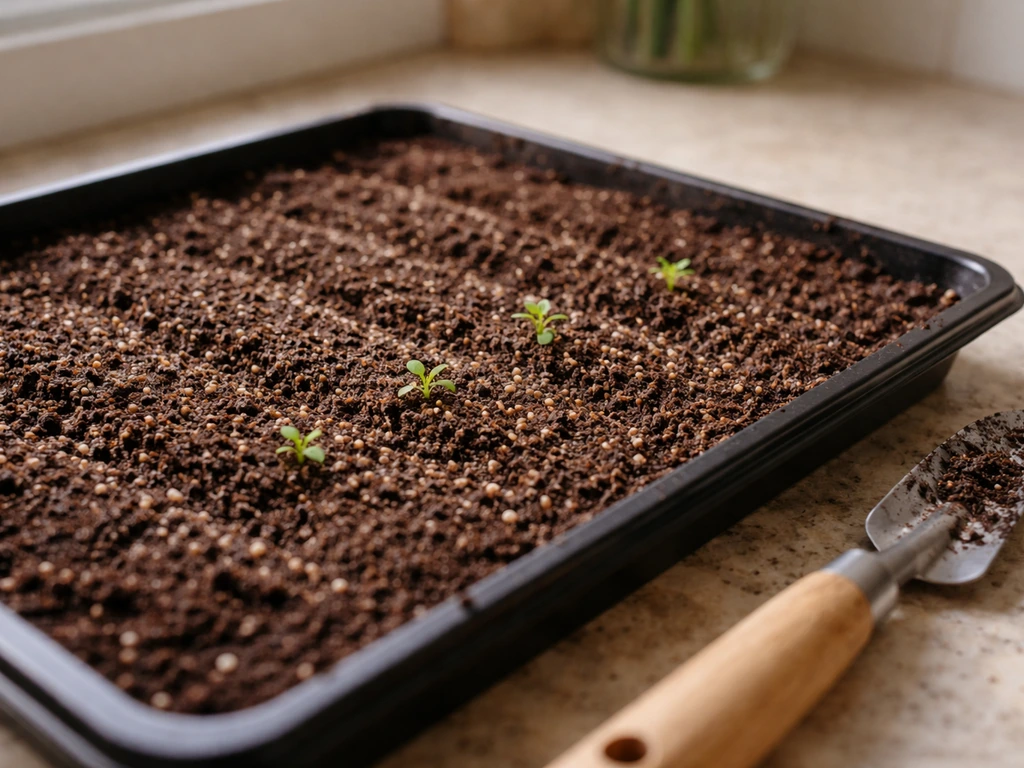
For cut-and-come-again leaf lettuce, you can sow seeds densely (about 1 inch apart) and thin or harvest as they fill in. For individual leaf lettuce plants you plan to keep growing, aim for 4 to 6 inches between plants. Head lettuce needs more room: space plants 8 to 10 inches apart so the head has room to form. If space is tight, stick with leaf varieties and plant them more densely, harvesting outer leaves frequently to keep airflow and light reaching the center of each plant.
Light and temperature planning for year-round indoor lettuce
How much light lettuce actually needs
Lettuce can grow in a bright window, but it does better with consistent, strong light. A south- or east-facing window that gets 4 to 6 hours of direct or bright indirect sun daily is workable for leaf lettuce. If your window gives you less than that, or if you are growing in winter when days are short, your lettuce will grow slowly and become leggy (stretched, pale, and weak). <a data-article-id="73B0A504-AD3F-4C70-8A9D-9E204A20D149">A grow light fixes this immediately.
For indoor lettuce production, research using light levels between 200 and 400 µmol/m²/s PPFD on a 14 to 16 hour daily cycle produces compact, healthy plants. You do not need to measure PPFD precisely as a home grower: a dedicated LED grow light positioned 6 to 12 inches above your plants and running 14 to 16 hours a day is a practical and effective approach.
If you want to go deeper on pairing grow lights with your setup, that is covered separately on this site.
Temperature targets and why they matter
Lettuce prefers daytime temperatures of 65 to 70°F and cooler nights in the 45 to 55°F range. Indoors, most people cannot get nights that cool without putting plants near a cold window or in a basement, and that is fine: lettuce will grow acceptably at a consistent 65 to 70°F.
What you must avoid is heat. Once temperatures hit 80°F or above, [lettuce will bolt (send up a flowering stalk), which makes the leaves bitter and ends your harvest. ](https://ipm. ucanr.
edu/home-and-landscape/bolting/) Purdue University's hydroponic production guidance lists the optimum temperature for lettuce at approximately 70°F, with warm temperatures driving excess growth and bolting. Oregon State University Extension also flags that big temperature swings, not just sustained heat, accelerate bolting risk. Indoors, keep your plants away from heating vents, radiators, and west-facing windows that get intense afternoon sun in summer.
Airflow
Do not skip airflow. Stagnant air in an indoor growing space contributes to fungal problems and makes it harder for plants to regulate temperature. A small fan running a few hours a day on low is enough. This is especially important if you are growing under lights in a closet or enclosed shelf.
Watering and fertilizing for fast, steady growth
Watering
The goal with indoor lettuce watering is consistent moisture without waterlogging. University of New Hampshire Extension guidance suggests watering thoroughly when the top quarter-inch of soil feels dry to the touch. In practice, indoor containers in a warm room often need watering every 2 to 3 days in summer and every 3 to 4 days in cooler conditions. Stick your finger into the top inch of soil: if it feels dry, water. If it feels moist, wait. Lettuce wilts fast when underwatered, but it rots at the roots when overwatered. When you do water, water until it drains freely from the bottom holes, then empty the saucer so the pot is not sitting in standing water.
Fertilizing in soil
Lettuce is a light feeder. A fresh potting mix has enough nutrients for the first 3 to 4 weeks. After that, apply a balanced liquid fertilizer (something with a roughly equal NPK ratio, or slightly higher nitrogen) every 3 to 4 weeks. UC IPM recommends light but frequent applications rather than one heavy dose, which can cause lush, soft growth that is more vulnerable to pests and disease. A half-strength dose of liquid fertilizer every 2 to 3 weeks is a safe, effective routine for containers.
Fertilizing in hydroponics
In hydroponic systems, lettuce needs a nitrogen concentration of roughly 75 to 100 ppm from your nutrient solution, and your solution pH should be maintained between 5.5 and 6.0. Outside that pH range, nutrients become less available to the plant even if they are present in the water. Test your pH every 2 to 3 days with an inexpensive pH meter and adjust as needed. Change out your reservoir solution fully every 1 to 2 weeks to prevent salt buildup and keep nutrient concentrations balanced.
Step-by-step planting: from seed and from a lettuce head
Growing from seed
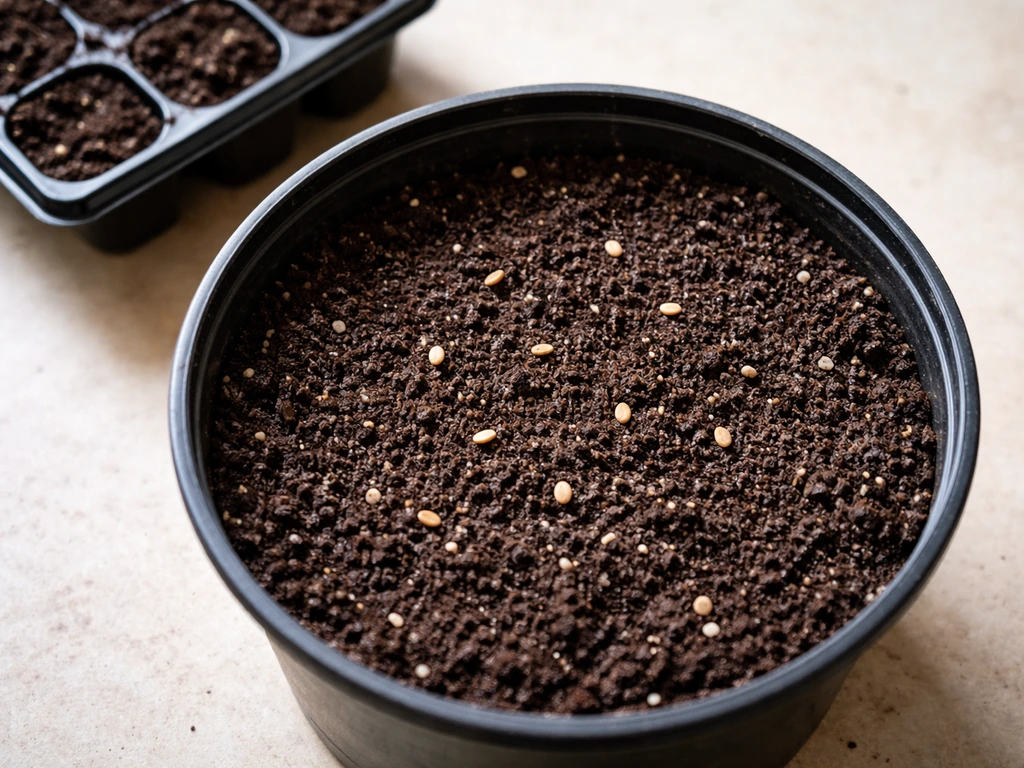
- Fill your container with moistened potting mix to about 1 inch below the rim.
- Scatter seeds thinly across the surface (for a cut-and-come-again approach) or place individual seeds 4 to 6 inches apart for plants you plan to grow to maturity.
- Press seeds lightly into the surface. Lettuce seeds need light to germinate, so do not cover them with more than a very thin dusting of mix (1/8 inch or less).
- Mist the surface with water and cover the container loosely with a clear plastic bag or humidity dome to retain moisture.
- Keep the container at room temperature (65 to 70°F). Under good conditions, lettuce germinates in as few as 2 to 3 days, though 5 to 7 days is more typical indoors.
- Once seedlings emerge, remove the cover and move the container into your brightest window or under your grow light.
- When seedlings are about 1 to 2 inches tall, thin them if needed so they are not competing for light and air. Eat the thinnings as microgreens.
- Begin harvesting outer leaves once plants reach 3 to 4 inches tall (for leaf lettuce) or wait for full head formation (60 to 80 days for head types).
Regrowing lettuce from a lettuce head (the water method)
This method works with romaine, butterhead, and most other lettuce types. It is not a full replacement for seed growing, but it gives you a quick secondary harvest from grocery store or garden lettuce that would otherwise go in the compost. Here is how to do it:
- Cut the leaves from your lettuce head, leaving about 1 inch of stem attached to the base.
- Place the stem base cut-side up in a shallow dish with about half an inch of water covering the base.
- Set it in a bright window or under a grow light.
- Change the water daily to prevent bacterial buildup and keep it fresh.
- You should see new leaf growth starting around day 7 to 10.
- A secondary harvest of small leaves is typically possible within 22 to 35 days under good light conditions.
- Once roots appear (usually within 1 to 2 weeks), you can transfer the base to a small pot of potting mix and continue growing it as a container plant for additional harvests.
Be realistic about what the water regrow method produces. You will get a modest flush of tender inner leaves, not a full head. The real value here is a quick win and a bit of fun with kitchen scraps. For a steady, meaningful supply of lettuce, seeds are the way to go.
Harvesting, succession planting, and troubleshooting common indoor problems
Harvesting leaf lettuce
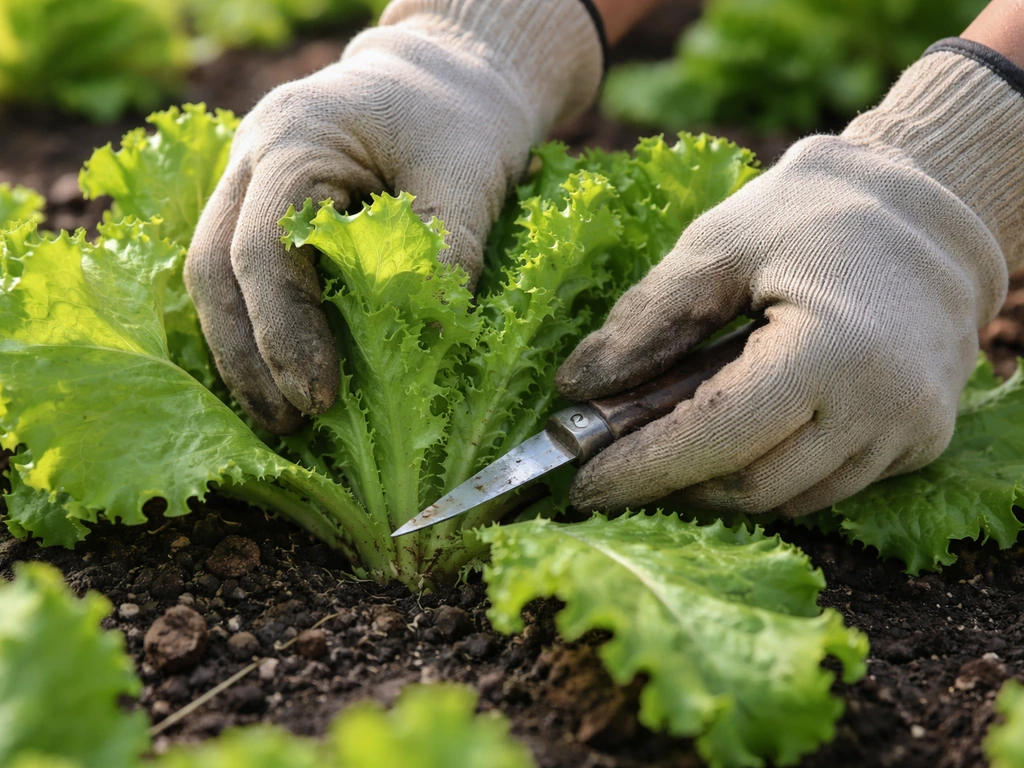
For leaf lettuce, harvest by breaking or cutting the outer leaves first while leaving the central growing tip intact. This cut-and-come-again approach keeps the plant producing for weeks. UC IPM confirms this is the right technique: remove the outer leaves and let the interior leaves continue developing. Harvest in the morning when the leaves are crisper and more hydrated. Once a leaf lettuce plant starts sending up a tall center stalk (bolting), harvest everything immediately because the leaves will turn bitter within days.
Harvesting head lettuce
Head lettuce should be harvested as soon as the head feels firm and dense when you squeeze it gently. Do not wait. UC IPM warns that overmature head lettuce bolts quickly, especially indoors where temperature fluctuations are common. Cut the whole head at the base. If a secondary rosette of leaves sprouts from the cut stump, you can harvest those too, though they will be smaller than the original head.
Succession planting for continuous harvests
The smartest way to always have fresh lettuce indoors is to stagger your planting. Start a new container or tray of seeds every 2 to 3 weeks. By the time your first planting is giving you its last leaves, your second planting is at peak harvest, and your third is just getting started. This takes almost no extra effort and means you never have a gap in supply. If space is limited, even two staggered containers make a noticeable difference.
Troubleshooting common indoor problems
- Leggy, stretched seedlings: This is almost always a light problem. Move the container closer to the window or lower your grow light to within 6 to 8 inches of the plant canopy. Leggy plants will not fix themselves, but new growth will be compact once light improves.
- Slow growth: Check temperature first (is it consistently above 75°F?), then check light duration (are you getting at least 12 to 14 hours of light, natural or artificial?), then check if the plant is due for fertilizer. All three are common culprits.
- Bolting (plant sends up a tall flower stalk): This is usually triggered by temperatures above 80°F, long day-length in summer, or a plant that has simply reached the end of its life. Harvest whatever leaves you can immediately. Next time, choose a bolt-resistant variety like an oak leaf type, keep temperatures below 75°F, and consider shortening your light period to 12 to 14 hours during summer months.
- Bitter leaves: Bitterness is almost always linked to heat or bolting. Keep temperatures in check and harvest leaf lettuce young (before it reaches full maturity) to keep flavor mild and sweet.
- Fungus gnats: These tiny flies breed in moist soil near the surface. Let the top half-inch of soil dry out slightly between waterings to disrupt their breeding cycle. Yellow sticky traps catch adults. A layer of sand or perlite on top of the soil also deters egg-laying.
- Yellowing leaves: Lower leaves yellowing on older plants is normal. If it spreads to upper leaves, it is likely a nitrogen deficiency. Feed with a balanced liquid fertilizer at half strength and reassess your fertilizing schedule.
- Root rot (especially in hydroponics): This usually means dissolved oxygen in your reservoir is too low or the reservoir is too warm. Make sure your air pump is running well, keep reservoir temperatures below 70°F, and check that dissolved oxygen stays above 5 mg/L if you have a meter.
Growing lettuce indoors year-round is genuinely one of the most accessible and rewarding things a home gardener can do. You can start today with a pot, some potting mix, and a packet of green leaf seeds from any garden center. Get that going, pay attention to light and temperature, and you will be harvesting in a month.
Once you are comfortable with the basics, branching into a dedicated indoor grow light setup or a simple hydroponic system opens up faster growth and bigger harvests. If you are interested in growing a specific variety like Boston lettuce indoors, or want to understand how indoor growing compares to a greenhouse setup, those are topics worth exploring as your confidence grows.
If you want to take your lettuce beyond a home setup, this guide on how to grow lettuce in a greenhouse explains the best conditions and techniques. If you want an even more foraging-focused option, this guide on how to grow wild lettuce explains what to look for and how to cultivate it.
If you are curious about a different type of lettuce, learn how to grow wild lettuce indoors using the right light, container, and care routine.
FAQ
Can I grow lettuce indoors with only a north-facing window?
Yes, but it is harder in practice. If you do not have direct sun, use a grow light on a timer for 14 to 16 hours per day, and keep the light 6 to 12 inches above the plants so they stay compact. Leaf lettuce is the best choice for low-window conditions, because it tolerates weaker light better and you can harvest frequently before it stretches.
How do I know when to harvest head lettuce indoors if it never forms a perfect head?
Do not chase “full” head formation like you would outdoors if your home runs warm. For indoor conditions, aim for early harvest, especially for butterhead or romaine. Check the firmness regularly, and harvest as soon as the head feels dense, because indoor temperature swings can trigger early bolting.
What should I do if my lettuce wilts but the soil still feels moist?
A simple test is to look at leaf feel and soil moisture, not just the calendar. Water when the top quarter-inch of soil feels dry to the touch, then water until runoff occurs and empty the saucer. If you see persistent wilting with wet soil, that can be a root-rot sign from overwatering.
My indoor room gets warm in summer, will lettuce still work?
Most lettuce varieties dislike extended heat. If your room regularly hits 80°F or above, switch to leaf lettuce, increase airflow, and position plants away from heat sources. You may also need to run the light and fan more efficiently, or move the grow area to a cooler room to prevent bolting.
Can I grow lettuce in a small apartment balcony container indoors and harvest more often?
Yes, but treat it as a “leaf harvest” plan, not a full-head plan. Use tighter spacing (about 1 inch between seedings initially), harvest outer leaves often, and avoid letting the center stay shaded or stagnant. Thin to 4 to 6 inches between plants once they are large enough to avoid overcrowding stress.
Should I sow lettuce continuously or plant it all at once?
It depends on your goal. If you are growing for continuous leaf harvest, start seeds every 2 to 3 weeks in separate containers. If you want bigger harvests from fewer plants, you can start more seeds at once, then stagger harvest dates by cutting leaf outer growth instead of replanting immediately.
What lettuce varieties are best for beginners growing indoors?
Green leaf and oak leaf are usually the easiest. If you specifically want the most forgiving variety for indoor heat variation, choose oak leaf types. For faster “cut-and-come-again” results, stick with loose-leaf or green leaf rather than crisphead/iceberg.
How much fertilizer should I use, and how do I avoid burning lettuce indoors?
Use fertilizer lightly and on schedule, because lettuce is sensitive to excess nutrients, especially indoors where salts can build up. For containers, half-strength liquid fertilizer every 2 to 3 weeks is a safe baseline. If leaves look overly lush but weak or if tips brown, reduce feeding and check for drainage.
My indoor lettuce is tall and pale, what is the most common cause?
Start by ruling out light first. Leggy, pale growth usually means insufficient intensity or too-high light distance, not a fertilizer issue. Adjust the grow light height and duration, keep leaves from being shaded by others, and only then consider changing nutrients.
Can I grow lettuce in a closet or indoor shelf without problems?
Yes, but only if you manage humidity and airflow. A sealed or tightly enclosed shelf can raise disease risk, even if temperature is fine. Use a small fan, avoid wet leaves when watering, and give plants enough space so air can move between them.
Is it better to start lettuce from seed indoors or buy seedlings for faster harvest?
For leaf lettuce, the best “seedling to harvest” timing depends on variety and conditions, but you can usually begin picking outer leaves once plants have a usable leaf size, then keep cutting in cycles. For head types, transplanting helps only if you can maintain consistent light and temperature, otherwise you lose time to stress.
What is the biggest mistake that causes lettuce to rot indoors?
Avoid letting lettuce sit in standing water, and use drainage holes every time. If you are using a tray under the pot, empty it after watering. In hydroponics, do not let solutions go stagnant without changing them on schedule, because oxygen and nutrient balance degrade over time.
How should I store lettuce I harvest indoors to keep it crisp?
A common approach is to harvest in the morning, since leaves are more crisp and hydrated then. If you must harvest later in the day, keep a cool environment afterward and refrigerate promptly. For best flavor, harvest just before you plan to eat.