You can grow bibb lettuce indoors from seed to harvest in as little as 45 to 65 days, depending on the variety, and the whole process is genuinely beginner-friendly if you get two things right: enough light and cool temperatures. Bibb (also called butterhead) is one of the best lettuces to grow inside because it stays compact, forms a loose tender head, and is slower to bolt than crisphead types. Set it up correctly and you will be cutting leaves in about six weeks.
How to Grow Bibb Lettuce Indoors: Step-by-Step Guide
Marcus Holloway
14 Jun 2026
Best bibb lettuce varieties for indoor growing
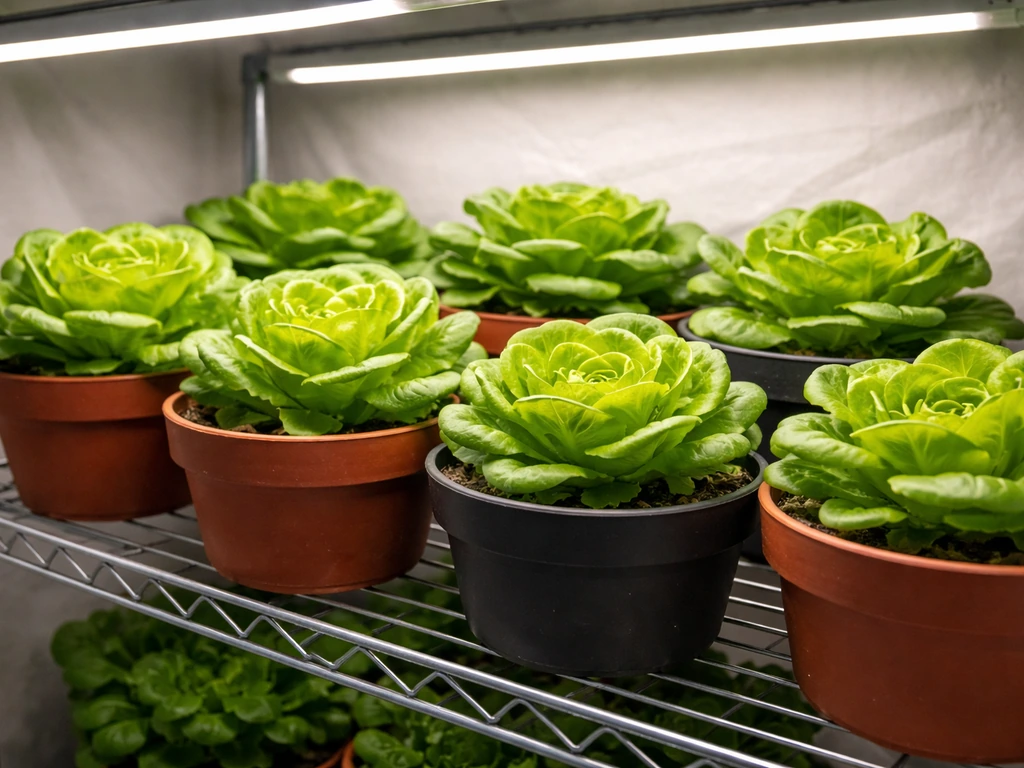
Not every bibb variety performs equally well in a container under lights. You want something compact, bolt-resistant, and fast enough to keep you rewarded. Here are the ones worth your time indoors.
| Variety | Days to Maturity | Size/Notes | Bolt Resistance |
|---|---|---|---|
| Tom Thumb | ~45 days | Very compact, perfect for small containers and tight spaces | Excellent — resists bolting better than most larger butterhead types |
| Buttercrunch | ~65 days | Thick, crisp, juicy leaves; 6-inch rosette | Strong — reliably slow to bolt |
| Burpee's Bibb | ~57–60 days | Classic bibb flavor, standard head size | Good — described as early-maturing and slow-bolting |
| Summer Bibb | ~62 days | Slightly larger head; better for warmer indoor conditions | Moderate — bred with heat tolerance in mind |
Tom Thumb is my first pick for anyone growing in an apartment or under a single grow light panel. It reaches maturity in about 45 days, fits happily in a 6-inch pot, and the compact size means you can grow several heads side by side. Buttercrunch is the go-to if you want that classic bibb texture and a slightly bigger, more satisfying head. Both are widely available from seed suppliers right now.
Setting up your indoor grow space
Getting this foundation right is honestly more important than any other step. Bibb is forgiving of beginner mistakes in watering and fertilizing, but it will not forgive a dark corner or a hot room.
Grow lights vs. a sunny window
A south-facing window in summer can work if it delivers 6 or more hours of direct sun, but most indoor windows simply do not provide enough intensity or duration. Bibb lettuce needs a PPFD (photosynthetic photon flux density) of roughly 150 to 350 µmol/m²/s for 14 to 16 hours per day. A standard window in most homes delivers well under 100 µmol/m²/s on most days. The practical result: window-grown bibb gets leggy, pale, and produces loose, floppy leaves rather than a tender rosette. A dedicated LED grow light positioned 6 to 12 inches above the plants is the more reliable path, especially if you are starting seeds. Set a timer for 14 to 16 hours on and give the plants a genuine dark period, they need that rest for respiration and healthy growth.
Container choice
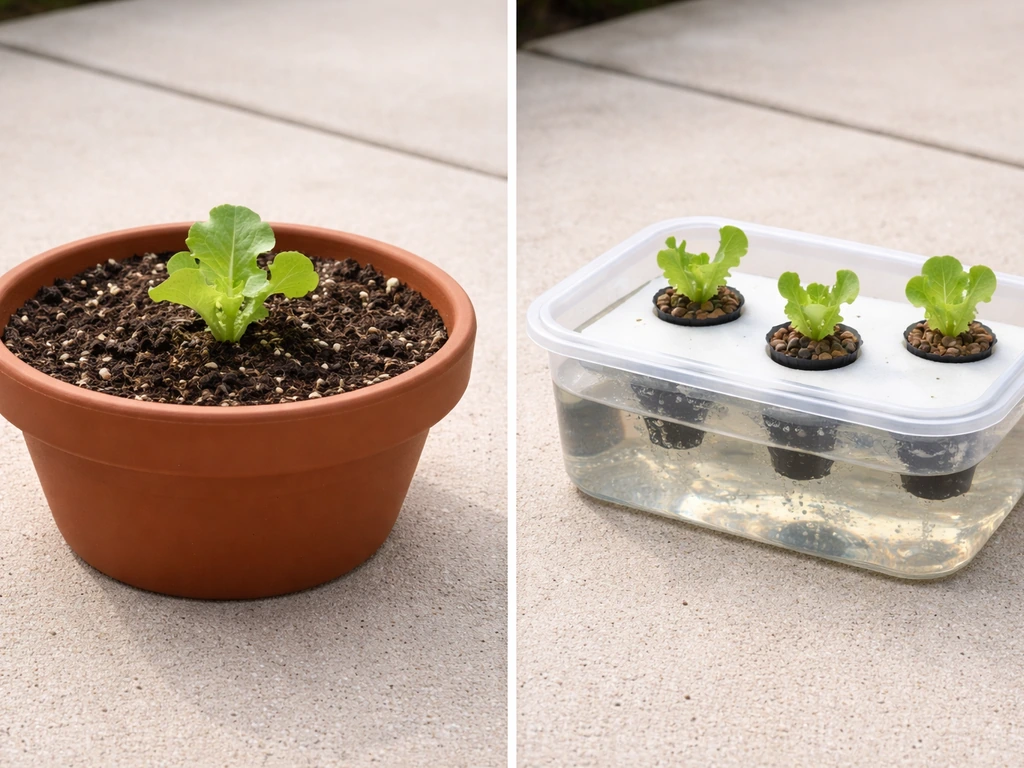
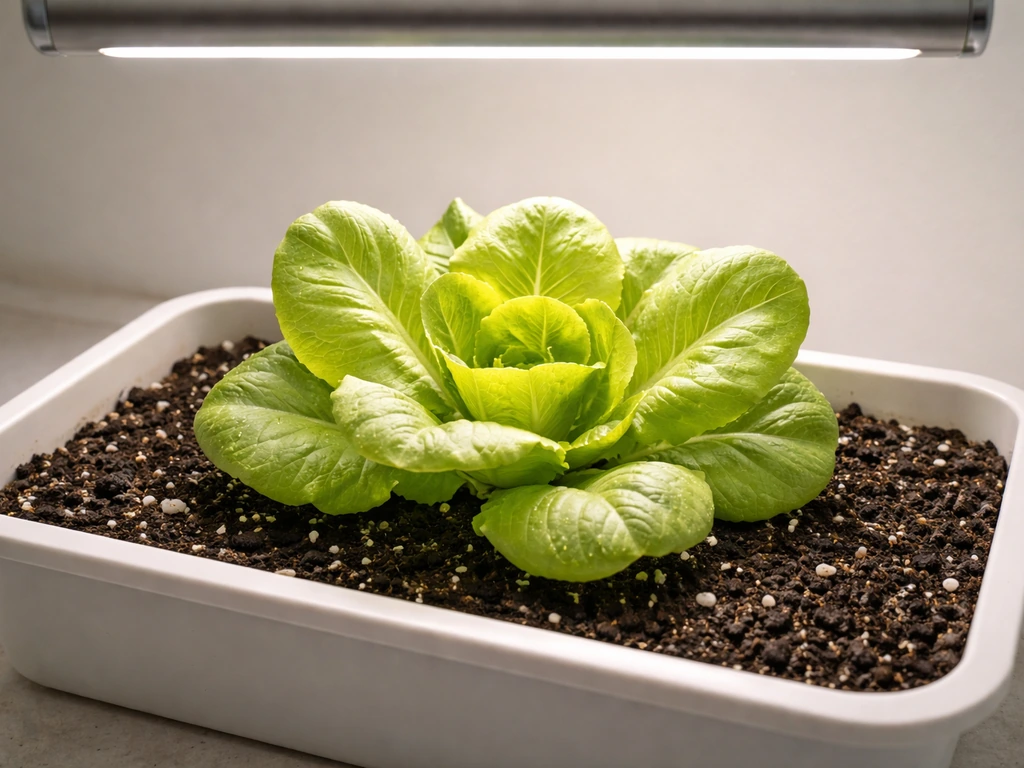
Bibb lettuce has a shallow root system, so you do not need deep pots. A container 6 to 8 inches deep works well for individual heads. For growing multiple plants, a window box or rectangular tray at least 6 inches deep and 12 inches wide lets you space several heads comfortably. The most critical thing: drainage holes. Lettuce sitting in waterlogged soil will develop root rot fast. If your container does not drain freely, drill holes or switch containers before you plant.
Soil vs. hydroponics
Both work well for bibb. In soil, use a quality peat- or coco-based potting mix, not garden soil, which compacts in containers and drains poorly. Avoid heavy, nutrient-dense mixes marketed for tomatoes or flowering plants; they often have too much nitrogen for lettuce seedlings. For hydroponics (nutrient film technique, deep water culture, or a simple Kratky setup), bibb lettuce is one of the best-suited crops. Target 100 to 150 ppm nitrogen in your nutrient solution, keep the pH between 5.8 and 6.2, and you will see noticeably faster growth than soil. If you are a beginner who wants the simplest possible setup, start with a soil container. If you want faster harvests and are comfortable with a little more setup, a basic Kratky hydroponic jar is genuinely easy and very effective for bibb.
Starting seeds and transplanting bibb lettuce
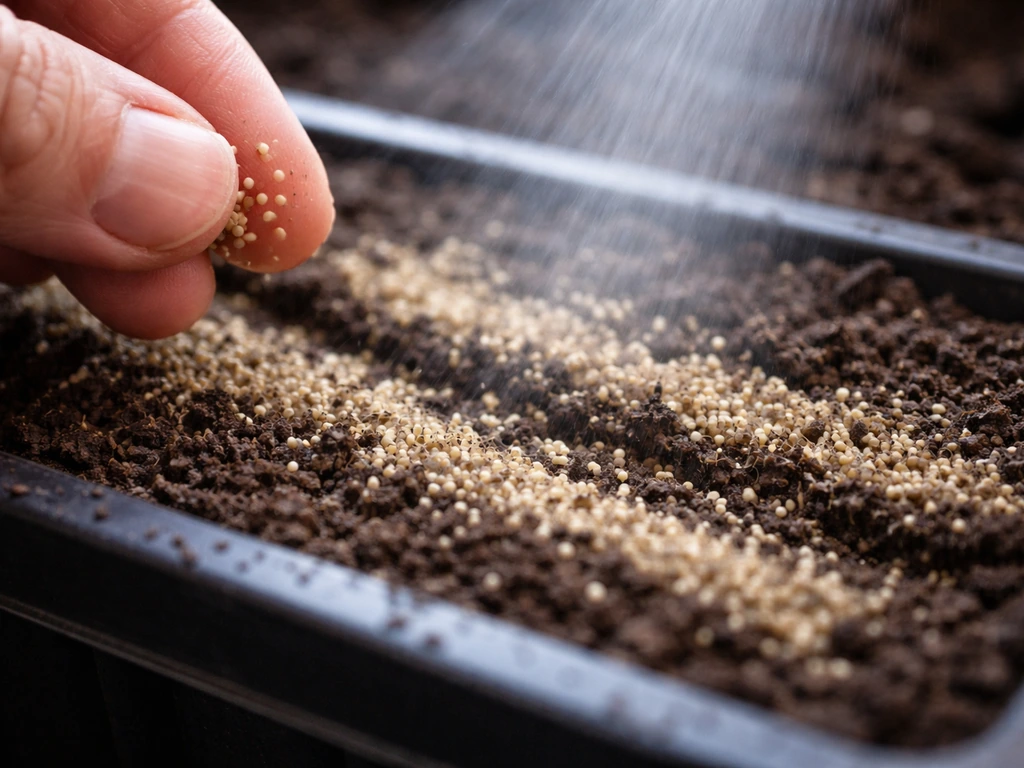
Bibb lettuce seeds are tiny and need light to germinate, so do not bury them. Sow at 1/8 to 1/4 inch deep, barely covered. A thin layer of fine vermiculite over the seeds is ideal because it holds moisture while still letting some light through. Lettuce germinates best when the soil temperature is around 65 to 70°F. At room temperature (68 to 72°F), you should see sprouts in 3 to 7 days.
Water seeds in gently, a hard stream will wash them out of their shallow planting depth. A spray bottle or a gentle-rose watering can is best. Keep the surface consistently moist but not soggy until germination. Once seedlings emerge, get your grow light on them immediately. Seedlings left without strong light will stretch toward any available source and become leggy within days.
If you start seeds in a tray, thin or transplant seedlings once they have two true leaves, usually around 10 to 14 days after germination. Transplant gently to avoid disturbing the taproot. If you are transplanting purchased starts, plant them at the same depth they were growing, do not bury the crown. Bibb recovers from transplanting quickly because the roots are small and compact.
Light, temperature, watering, and humidity
Light targets
Aim for 14 to 16 hours of light per day at a PPFD of 150 to 250 µmol/m²/s for mature plants, with a daily light integral (DLI) of 14 to 18 mol/m²/day. In practice, with a decent full-spectrum LED panel positioned 8 to 12 inches above your plants, you will hit this range comfortably. Always give the plants a dark period of 8 to 10 hours, continuous light can actually stress lettuce and cause tip damage.
Temperature
This is the single biggest factor in whether your bibb stays tender or bolts. Keep daytime temperatures between 60 and 70°F. Bibb can handle nights down to around 45°F, and the slight drop between day and night temperatures actually promotes compact, tender growth. What you want to avoid is temperatures above 75°F for extended periods, that is what triggers bolting, where the plant sends up a flower stalk and leaves turn bitter. If your grow space gets warm under lights, a small fan for airflow helps. Keep your grow area away from heat vents, sunny windowsills that heat up in the afternoon, and any spots that exceed 75°F regularly.
Watering
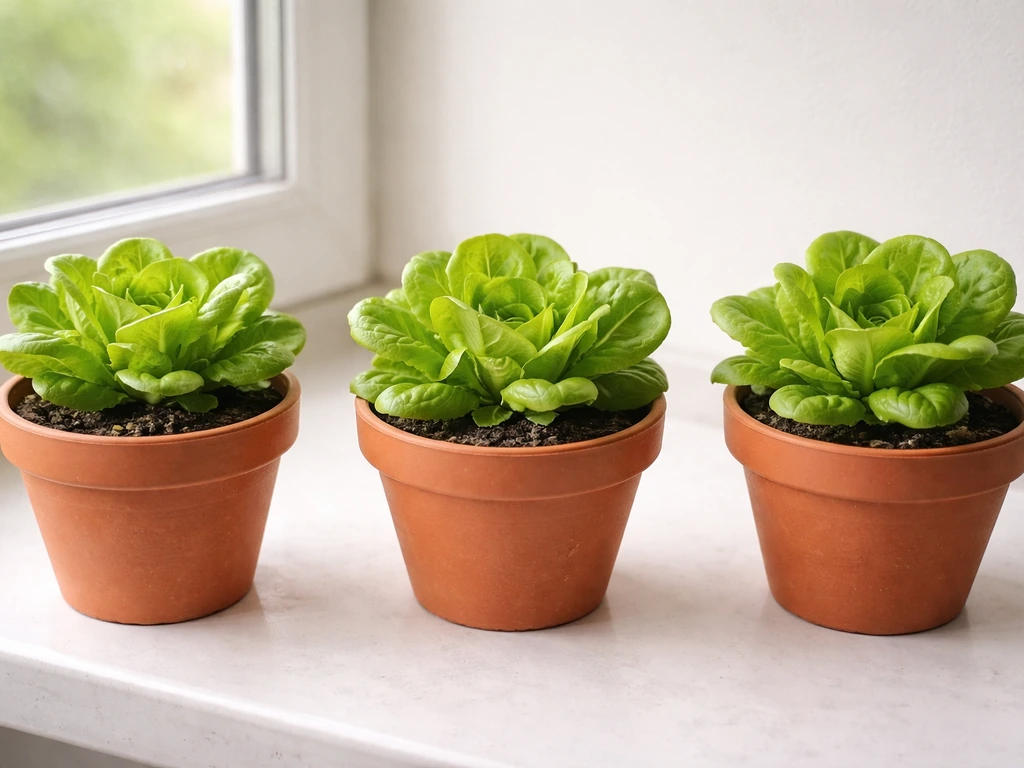
Bibb lettuce wants consistently moist soil, not wet, not dry. In a container indoors, check the top inch of soil daily. Water when it feels dry to the touch, which in most indoor environments means every 1 to 2 days. Inconsistent watering (letting it dry out repeatedly) leads to bitter leaves and tip burn. Overwatering leads to root rot and damping-off in seedlings. The goal is evenly moist, and with a well-draining potting mix and containers with drainage holes, this is easy to hit. Water until you see a small amount drain from the bottom, then stop.
Humidity and airflow
Bibb does not need high humidity and actually benefits from moderate airflow. Standard indoor humidity of 40 to 60% is fine. A small fan on low running for a few hours a day keeps air moving, which helps prevent fungal diseases and strengthens stems. Do not blast lettuce with a fan directly, gentle circulation is the goal.
Fertilizing and spacing for the best heads
Spacing
For full bibb heads, space plants 8 to 10 inches apart. This gives each plant room to form a proper rosette (Buttercrunch, for example, forms a 6-inch rosette at maturity). Tom Thumb can be spaced slightly closer at 6 to 8 inches because of its compact size. If you are growing for baby leaves rather than full heads, you can sow more densely and harvest by cutting outer leaves early, which effectively acts as a cut-and-come-again approach.
Fertilizing
Bibb lettuce is not a heavy feeder, and over-fertilizing is a common beginner mistake. With a standard quality potting mix, you usually do not need to add any fertilizer for the first 2 to 3 weeks. After that, apply a balanced liquid fertilizer (like a 10-10-10 or similar) at half the recommended label rate every 2 weeks. In hydroponic setups, target 100 to 150 ppm nitrogen in your nutrient solution. Avoid pushing nitrogen too hard, excess nitrogen causes rapid, soft growth that is more prone to tip burn, pests, and disease. A good check for container plants: when you water with liquid fertilizer, you should see about 10% of the water drain out the bottom, which prevents salt buildup in the soil.
Harvesting, succession planting, and keeping it going
When and how to harvest
You have two harvest options with bibb. The first is harvesting outer leaves as the plant grows, starting around 3 to 4 weeks after germination, which extends the productive life of each plant. If you are growing bibb from seed, you can also use this timing to estimate how long it takes to grow bibb lettuce from start to harvest how long does it take to grow bibb lettuce. The second is cutting the whole head at the base once it reaches full size, typically at 45 to 65 days depending on your variety. For that classic bibb experience, soft, buttery, loosely cupped inner leaves, wait for the head to form properly before cutting. Harvest in the morning when the leaves are crisp and hydrated. Cut at or just above the soil line with a clean knife.
Succession planting
The best way to keep fresh bibb on your table is to start a new batch of seeds every 3 to 4 weeks. With a 45 to 65-day maturity window, staggered plantings mean you are always 2 to 3 weeks away from another harvest. This is easy to manage indoors because you control the environment year-round. I usually keep two or three containers going at different stages, one ready to cut, one mid-growth, and one just germinated. Once a head is harvested, you can replant that container immediately.
Storing harvested bibb
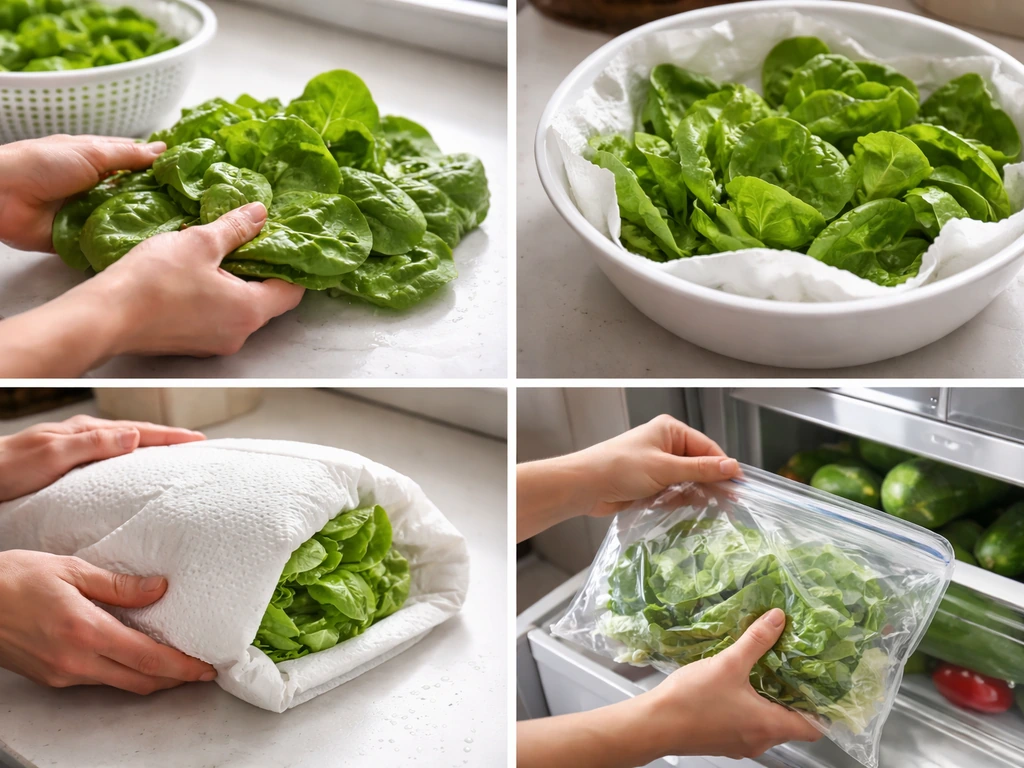
Bibb wilts quickly after harvest because of its high water content. Rinse leaves gently, spin dry, wrap loosely in a paper towel, and store in a sealed bag in the refrigerator. It keeps well for 5 to 7 days. For the best flavor, use it within 2 to 3 days of cutting.
Troubleshooting common indoor problems
Leggy, stretched seedlings
If your seedlings are tall, thin, and flopping over within a week of germination, the cause is almost always insufficient light. Move your grow light closer (to about 6 to 8 inches above the seedlings) or increase the photoperiod to 16 hours. If you are relying on a window, supplement with even a basic LED grow bulb. Once seedlings are leggy, you can bury the stem slightly deeper when transplanting, but prevention is better. Get the light intensity right from day one.
Bolting (plants going to flower)
If your bibb sends up a tall central stalk and the leaves start tasting bitter, it has bolted. The fix is prevention: keep temperatures below 75°F, choose slow-bolting varieties like Tom Thumb or Buttercrunch, and harvest promptly once heads reach size. If you see early signs of bolting (elongating center leaves, slight bitterness), harvest the whole plant immediately, the outer leaves are still usable. There is no reversing a bolt, but choosing the right variety and managing heat will prevent it in the first place.
Damping-off in seedlings
Damping-off looks like brown, water-soaked stems at the soil line, often causing seedlings to suddenly topple. It is caused by fungal pathogens (Pythium, Phytophthora) that thrive in wet, warm conditions. If it happens, it usually kills the affected seedlings quickly. To prevent it: use fresh, sterile potting mix; water only when the surface feels dry; avoid covering seeds too deeply; and ensure good air circulation. If damping-off appears, remove affected seedlings immediately and let the soil dry more between waterings. Warming the soil to 70 to 75°F during germination and giving seedlings strong light right away also reduces the conditions that favor this disease.
Aphids
Aphids are small, soft-bodied insects that cluster on undersides of leaves and at growing tips. They suck plant sap and can cause curled, distorted leaves. If you spot them: spray plants thoroughly with insecticidal soap solution, making sure to coat the undersides of all leaves where aphids hide. Repeat every 3 to 5 days for 2 to 3 treatments. Insecticidal soap works by direct contact, so coverage is everything. Isolate any affected plant immediately to prevent spread to other containers.
Fungus gnats
Fungus gnats are tiny flies whose larvae live in moist soil and feed on roots, which stunts growth in young plants. Adults are mostly a nuisance, but larval damage is a real problem for seedlings. The fix: let the top inch of soil dry out between waterings (fungus gnat larvae need consistently moist soil to survive), and use yellow sticky traps to catch adults. For active infestations, drench the soil with a Bacillus thuringiensis var. israelensis (Bti) product (sold as Gnatrol or similar), which kills young larvae on contact with the soil. Preventing overwatering is the most effective long-term control.
Tip burn (brown leaf edges)
Tip burn shows up as brown or papery edges on inner leaves. It is a physiological issue linked to inconsistent watering, heat stress, or excessive nitrogen rather than a disease or pest. To fix it: water more consistently, lower temperatures if possible, and back off on fertilizer. Tip burn on inner leaves is common in warm conditions or when plants are stressed near harvest time, if the outer leaves look fine, the plant is still worth harvesting.
Slow or stunted growth
If your bibb is growing unusually slowly or looks pale and stunted weeks after germination, run through this checklist: light duration is at least 14 hours per day at adequate intensity; temperature is between 60 and 70°F; the soil is staying consistently moist; and you have started fertilizing after the first 2 to 3 weeks. Pale yellow-green leaves often point to nitrogen deficiency, start a gentle liquid feeding schedule. Very slow growth in hydroponics usually means the nutrient solution pH is off or the concentration is too low.
Growing bibb indoors is one of the more satisfying things you can do as a home gardener. The timeline is short enough that you see results quickly, the flavor of a home-grown bibb head is noticeably better than anything from a grocery store, and once you have the setup dialed in, it practically runs itself. If you are curious about how bibb compares to other indoor lettuce options like Batavia or Black Seeded Simpson, those varieties follow similar principles but have different spacing and flavor profiles worth exploring. If you want to try another option, you can use the same indoor lettuce setup and follow a black seeded simpson lettuce schedule for timing and spacing. For now, start with Tom Thumb or Buttercrunch, get your light on a timer, and your first harvest is only about six weeks away. If you are wondering how does bibb lettuce grow, the six-week timeline you are about to follow is a great place to start.
FAQ
Can I grow bibb lettuce indoors with only a window if I use a reflective surface?
Yes, but only if you control heat and light. Bibb tolerates cooler nights, and gentle day night swings help it stay compact, but if your grow light or room pushes temperatures above about 75°F for extended periods, it will bolt or develop bitterness. Use a thermostat or thermometer near the canopy, not just in the room, and keep lights on a timer so daytime heat does not drift upward.
Why do my bibb lettuce plants keep leaning or stretching even though I have a grow light?
It can work, but most people still end up under the right light intensity and end up with leggy plants. If you try it, rotate the containers every day or two and choose the brightest orientation you have, then watch for pale, floppy leaves (low light signs). For stable results, even a small LED supplement usually makes a big difference for color and head formation.
What’s the best way to prevent bitterness besides lowering the temperature?
Check for two common issues: uneven light distribution and a light cycle that is too short. When leaves lean, the affected side is usually getting less PPFD. Make sure the lamp is centered and within the 6 to 12 inch range mentioned in the guide, and verify the timer gives 14 to 16 hours with a real uninterrupted dark period (8 to 10 hours).
How much fertilizer is too much for indoor bibb, especially in small pots?
Avoid cutting or harvesting too early. Bibb can taste bitter when stressed during heat or when the plant is close to bolting, but it can also become unpleasant if you repeatedly remove outer leaves too aggressively. If you want whole heads, wait until the rosette is formed, harvest in the morning, and keep nitrogen moderate.
Can I reuse potting mix for another indoor bibb crop?
In small containers, salt and nutrient buildup can happen even when you follow label rates. A practical rule is to ensure fertilizer applications do not repeatedly dry the mix and then re-wet it hard. When you do fertilize, water normally first, then apply diluted fertilizer, and confirm about 10% runoff drains out to reduce salt buildup.
My seedlings got “damping-off” symptoms, how do I adjust my watering going forward?
It is not recommended for seedlings. Reusing potting mix increases the chance of disease carryover and can change drainage and moisture retention after multiple cycles. If you do reuse in mature-plant containers, at minimum remove old roots, refresh with new mix, and consider sterilizing your container, but for best results start with fresh potting mix.
Do I need to treat for aphids if I only keep one container indoors?
Switch from a schedule to a moisture check, then correct for how fast your mix dries. After damping-off, let the top inch dry slightly before watering again, and use gentle watering so you do not oversaturate. Also confirm drainage holes and avoid seed-burying, because both wet and overly deep sowing increase risk.
How can I tell whether my problem is tip burn, nutrient imbalance, or something else?
Even one container can get aphids if you bring plants, soil, or bouquets indoors. Use prevention by inspecting the undersides of leaves every few days and acting immediately when you see clusters. Insecticidal soap requires thorough coverage and repeated applications, so treating once and waiting usually does not finish the job.
Should I harvest baby leaves or full heads first if I want the longest total harvest window?
Tip burn usually shows as brown, papery edges on inner leaves and is commonly tied to inconsistent watering or heat and, sometimes, excess nitrogen. If the outer leaves also look badly affected, or if you see fuzzy growth, stem collapse, or widespread wilting, reassess for root issues, fungal disease, or pests. For tip burn, the fastest fixes are consistent moisture, slightly cooler conditions, and backing off fertilizer until new growth is normal.
Can I speed up harvest by increasing light hours above 16 hours?
Baby leaves first is a good strategy if you want continuous production while you troubleshoot or fine-tune your light and temperature. Cut outer leaves as the plant grows to keep it productive, then let one or more plants reach full head size once your conditions are dialed in. This also reduces stress from trying to “wait for perfection” on every plant.
In hydroponics, why are my bibb plants growing but staying small?
More light hours are not automatically better. Lettuce can stress under continuous light, and the guide’s target includes a daily dark period for healthy growth. If you want to adjust, increase intensity slightly (by lowering the light within safe distance) or keep photoperiod within 14 to 16 hours, then reassess growth and color over a few days.
How often should I replace hydroponic nutrient solution for indoor bibb?
Two frequent causes are nutrient strength and pH drift over time. If your solution is too dilute, growth stalls, and if pH moves outside 5.8 to 6.2, nutrient uptake slows and plants stay pale. Test and correct pH, then check whether your nitrogen target (100 to 150 ppm) matches your actual mixing ratio, not just what you intended to add.