Bibb lettuce grows as a compact butterhead, forming a loose rosette of tender, cupped leaves that slowly tighten into a soft head over roughly 55 to 75 days in cool weather. It germinates fast, goes through a visible leafy rosette stage before cupping inward, and then forms its characteristic buttery head. The whole process is driven by cool temperatures, consistent moisture, and enough light. Get those three things right and Bibb is one of the easiest, most rewarding crops you can grow at home, in a raised bed, a container on a balcony, or even indoors under grow lights.
How Does Bibb Lettuce Grow From Seed to Harvest
Marcus Holloway
8 Jun 2026
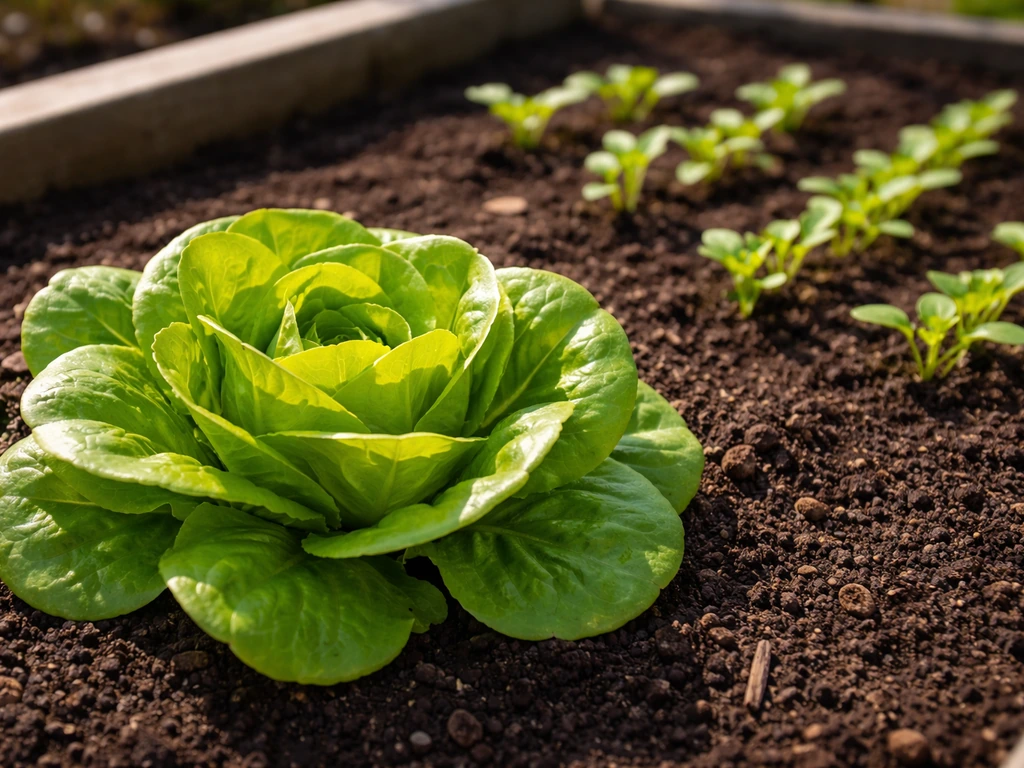
How Bibb lettuce actually grows (the stages you'll see)
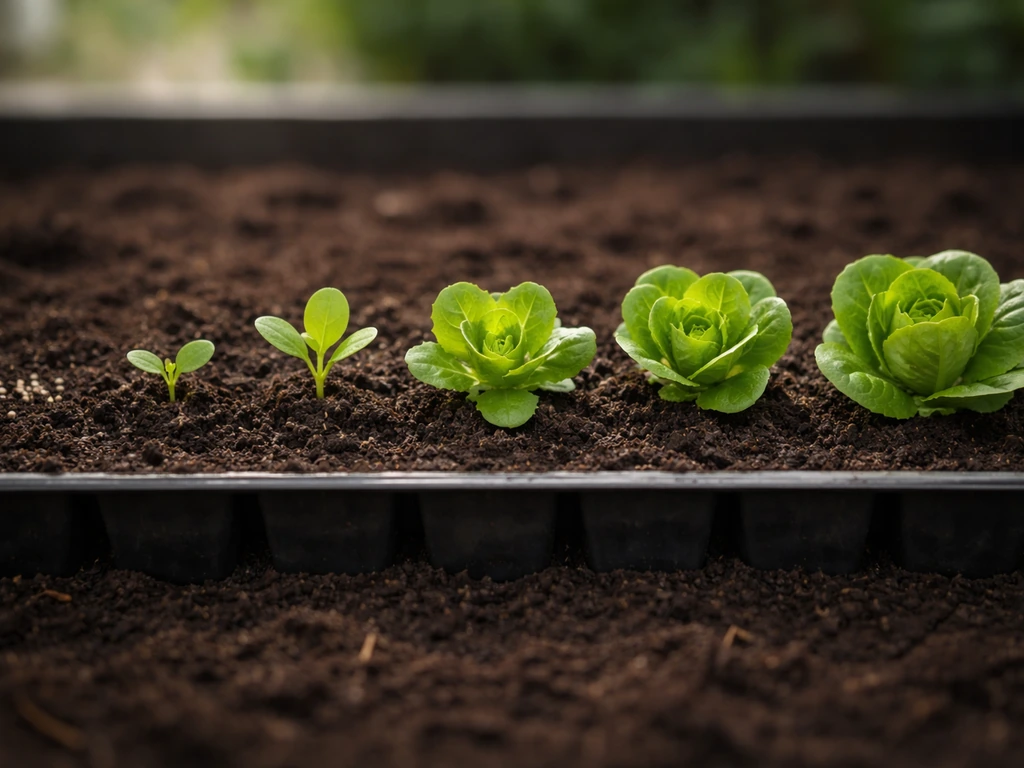
Bibb lettuce moves through six recognizable stages: seed, cotyledon, seedling, rosette, cupping, and heading. After germination, the seed sends up two small seed leaves (cotyledons) within a few days. True leaves follow quickly, and within a couple of weeks you'll have a small seedling. That seedling fans out into a circular rosette, a flat cluster of leaves radiating from a center point. This rosette stage is where Bibb spends most of its growing time. Then the leaves start to cup inward and overlap, forming the loose, soft head that makes Bibb so good for salads and lettuce wraps. The transition from rosette to cupped head is your cue that harvest is approaching.
The pace of all this depends heavily on season. A fall-planted Bibb in cool weather can be ready in around 65 days from germination. A winter-grown head can take closer to 120 days because cool, low-light conditions slow everything down, so you may need more patience than in fall or spring how long does it take to grow bibb lettuce. A winter-grown head in a cold frame or cool indoor setup can take closer to 120 days because cool, low-light conditions slow everything down. That's not a failure, just the plant's pace in those conditions. Knowing the stage you're at helps you make better decisions about thinning, watering, and when to stop waiting and just harvest.
When to plant: timing is everything with Bibb
Bibb lettuce is a cool-season crop, and that's non-negotiable. If you want step-by-step details on how to grow bibb lettuce successfully, focus on the timing, light, and consistent moisture from day one. It grows best when daytime temperatures stay between 60 and 70°F and nights stay above freezing. Above 75°F the plant starts thinking about bolting (sending up a flower stalk), and once that happens the leaves turn bitter fast. Your planting windows are spring (4 to 6 weeks before your last frost date) and fall (about 8 weeks before your first fall frost). In many regions you can also get a winter crop going in a cold frame, hoop house, or indoors under lights.
If you're in a cooler climate like the upper Midwest or Pacific Northwest, you may be able to stretch production into summer by planting in partial shade or choosing a heat-tolerant Bibb variety. In hotter regions, focus entirely on spring and fall windows and don't try to push through July and August outdoors. Seed directly into the ground or into containers as soon as the soil is workable in spring. Bibb germinates at soil temperatures as low as 40°F, though 60 to 65°F speeds things up considerably.
Soil and container setup: getting the foundation right
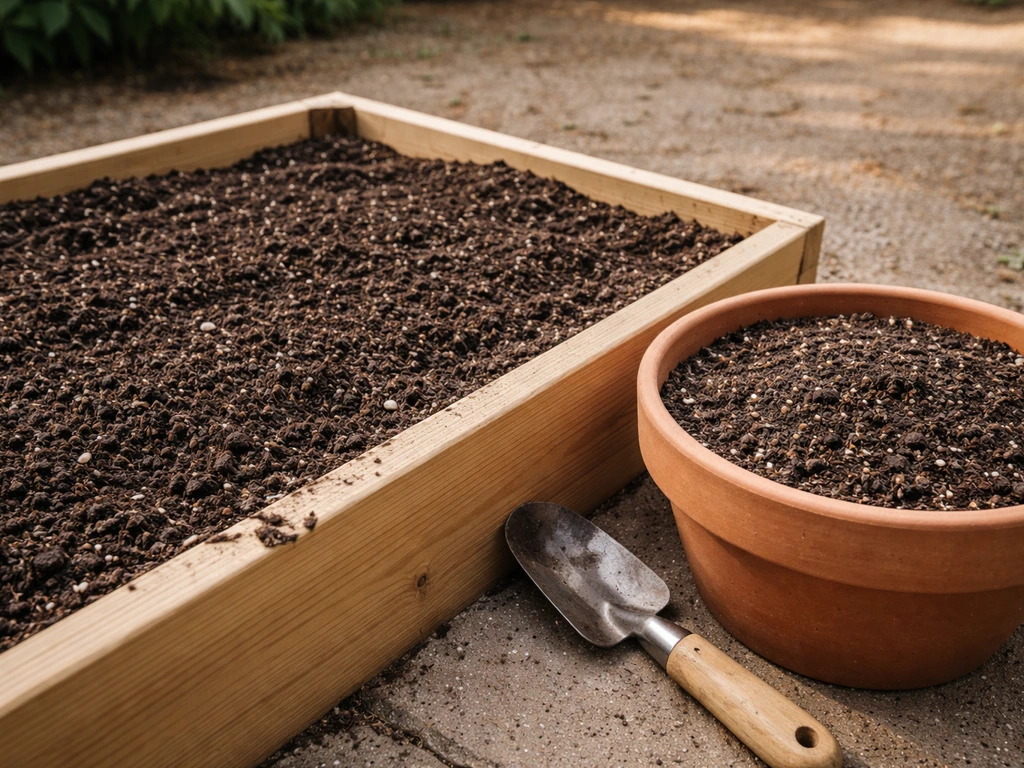
Whether you're planting in an outdoor bed, a raised bed, or a container, Bibb wants loose, well-draining soil with plenty of organic matter. In the ground or a raised bed, aim for a medium-textured soil: sandy loam, silt loam, or a mix that holds moisture without staying soggy. Work in a couple of inches of compost before planting. Soil pH should sit between 6.0 and 7.0. If you've never tested your soil, an inexpensive test from a garden center is worth the few dollars, since pH affects how well Bibb can access calcium, which ties directly into tipburn prevention.
For containers, use a high-quality potting mix rather than garden soil, which compacts too easily in pots and restricts the fine root system Bibb develops. A pot at least 8 inches deep and 10 to 12 inches wide works well for one or two heads. Raised beds are honestly my favorite setup for Bibb: they drain well, warm up faster in spring, and you can control the soil mix from the start. Fill them with a blend of compost, topsoil, and a bit of perlite for drainage. For indoor growing, the same potting mix advice applies, and drainage holes are absolutely required since lettuce roots sitting in water rot quickly.
Light and watering: the two things that make or break Bibb
Getting the light right
Outdoors, Bibb does best with 6 hours of direct sun in cool weather. For black-seeded Simpson lettuce, the light and moisture basics are the same, but keep an eye on temperature to prevent bolting. In warmer spring or early summer conditions, afternoon shade actually helps, preventing the soil from heating up and reducing bolting risk. Indoors or under grow lights, Bibb needs around 12 to 14 hours of light per day.
Growing Bibb indoors under grow lights also helps you keep temperatures and light consistent for better heads. Full-spectrum LED grow lights positioned 6 to 12 inches above the plants work well. If your seedlings are stretching and getting leggy indoors, that's almost always a light intensity problem, not a watering issue. Move the light closer or add more hours.
Watering consistently without overdoing it
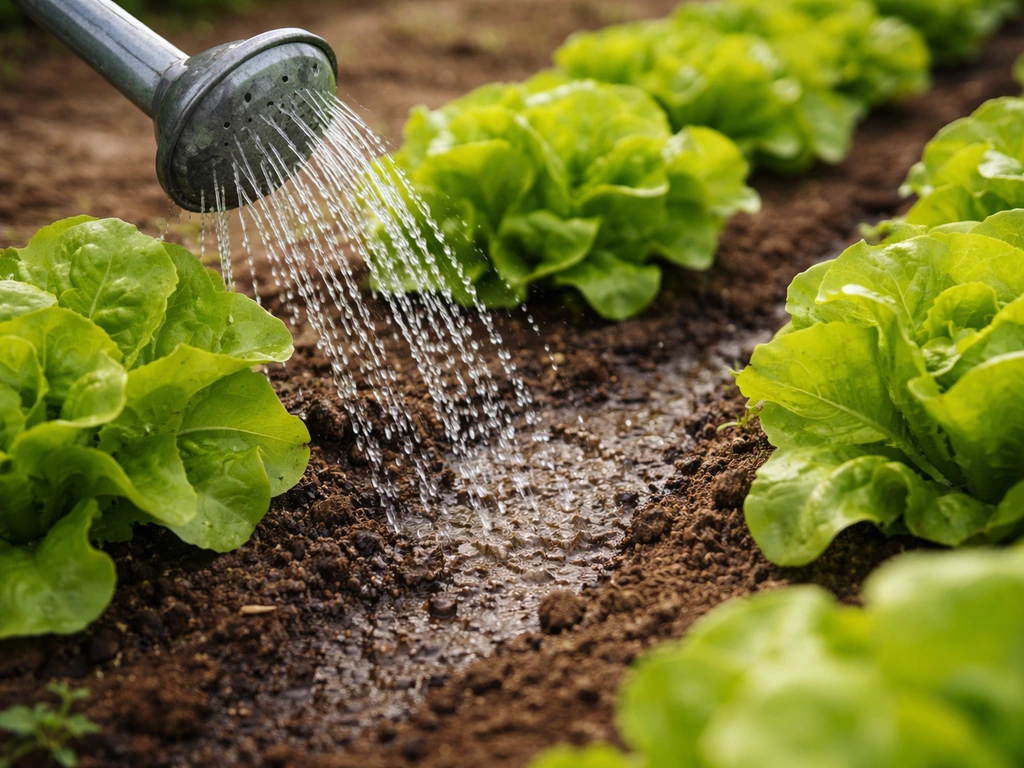
Bibb lettuce has shallow roots, which means it dries out faster than deeper-rooted vegetables and needs consistent moisture rather than deep, infrequent watering. Powdery mildew can develop without free moisture, since spores can spread and germinate without leaf wetness.
Water when the top inch of soil feels dry. In warm weather, that might mean watering every day for containers. The goal is to keep the soil evenly moist but never waterlogged. Uneven watering is one of the main causes of tipburn, a disorder where the inner leaf margins turn brown.
This happens because water stress reduces how well the plant can move calcium to developing leaves. Keep watering steady and you'll largely avoid it. In containers, feel the soil rather than watering on a schedule, since sun exposure and ambient temperature change how fast pots dry out.
Spacing, thinning, and transplanting
If you're direct seeding, sow seeds about a quarter-inch deep and don't worry about spacing them perfectly at first. Thin once seedlings are an inch or two tall, spacing plants 4 to 10 inches apart within a row and 12 to 24 inches between rows. For Bibb specifically, I lean toward the wider end of in-row spacing (8 to 10 inches) because good air circulation reduces disease pressure and the heads come out bigger and better formed. UMD Extension guidance for lettuce includes caterpillar and worm pest management and notes that pest-management planning often accounts for different pest types such as cabbage loopers and armyworms. Crowded Bibb produces small, stressed heads that are more prone to rot.
You can start seeds indoors 3 to 4 weeks before transplanting and move seedlings outside after hardening them off for about a week. Transplanting works well as long as you don't disturb the roots too much. Lettuce is sensitive to root disturbance, so use cell trays or small pots rather than a flat, and transplant before seedlings get too large. A seedling with 3 to 4 true leaves transplants cleanly. Larger seedlings don't recover as easily, and the stress can trigger early bolting in warm weather.
Feeding Bibb lettuce: less is more
Bibb is not a heavy feeder, and overfeeding, especially with high-nitrogen fertilizers, can produce lush but soft, floppy leaves that are more susceptible to disease and less flavorful. If you've added good compost to your soil before planting, you may not need to fertilize at all for a spring crop. For a fall crop or for container-grown plants where nutrients leach out with regular watering, a balanced, slow-release fertilizer worked into the potting mix at planting is usually enough. If growth looks sluggish mid-season, a light dose of a balanced liquid fertilizer at half strength can help. Avoid high-nitrogen liquid feeds late in the season since they push leafy growth at the expense of head formation.
For raised beds, topping the bed with an inch of compost each season before planting is often all the feeding Bibb needs. The goal is steady, moderate nutrition, not a growth surge. If you're doing soil testing (which I recommend at least once for a new bed), follow the recommendations from that test rather than guessing at what to add.
Pests, diseases, and what to do when things go wrong
Common pests
- Aphids: Small soft-bodied insects clustered on leaf undersides or at the center of forming heads. Spray them off with a strong stream of water or use insecticidal soap. Check heads closely since aphids hide inside the cupped leaves.
- Cabbage loopers and armyworms: Green caterpillars that chew irregular holes in leaves. Hand-pick them or use Bacillus thuringiensis (Bt), a safe biological control that targets caterpillars without harming other insects.
- Slugs: Leave slime trails and chew ragged holes, usually at night. Remove mulch close to the plant base, use slug traps with beer, or apply iron phosphate bait around the bed.
Common diseases
- Downy mildew: In moist weather, look for pale yellow patches on upper leaf surfaces and a grayish-purple fuzzy growth on the undersides. Improve air circulation by thinning plants, avoid overhead watering in the evening, and remove affected leaves promptly.
- Botrytis (gray mold): A fuzzy gray mold that develops on leaves or at the base of plants in wet, humid conditions. Remove affected plant material, improve drainage, and space plants properly to keep air moving.
- Powdery mildew: White powdery coating on leaves, and unlike downy mildew, it can develop even without leaf wetness. Remove affected leaves and avoid stressing the plant with drought, which makes it more susceptible.
Growth problems and fixes
| Problem | Likely Cause | Fix |
|---|---|---|
| Leggy, stretched seedlings | Not enough light | Move closer to a window or lower your grow light to 6–8 inches above the plants |
| Wilting in the afternoon | Heat stress or underwatering | Water in the morning, mulch around plants, provide afternoon shade if temps are above 75°F |
| Tipburn (brown leaf margins) | Uneven watering reducing calcium transport | Water consistently, never let soil fully dry out between waterings |
| Bolting (plant sends up a flower stalk) | Heat or temperature swings | Harvest immediately; bolted lettuce turns bitter fast. Plant earlier next season. |
| Small, underdeveloped heads | Crowding or nutrient deficiency | Thin to 8–10 inches and apply a balanced fertilizer at half strength |
| Slow or stalled growth | Soil too cold or compacted | Check soil temperature (below 40°F stalls growth); loosen soil and add compost |
Harvesting Bibb and keeping it fresh
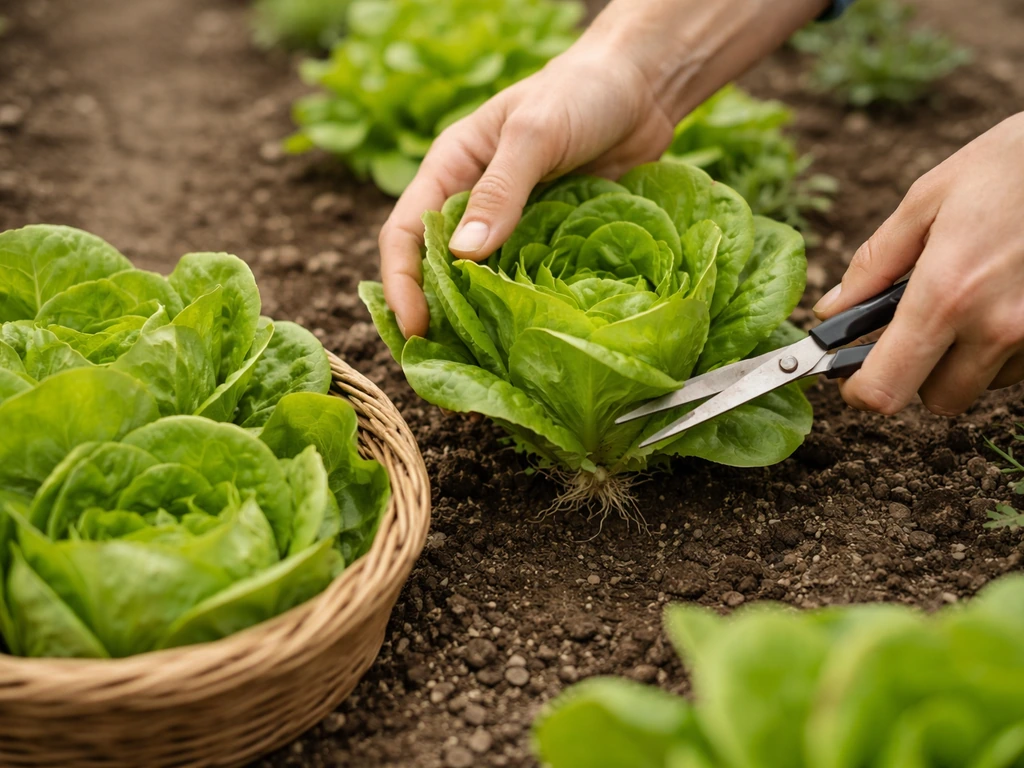
Bibb is ready to harvest when the head feels lightly firm when you cup it in your hand and the inner leaves have cupped inward. Don't wait for it to feel as solid as a romaine or iceberg head. Bibb heads are naturally loose and soft. If you wait too long, the plant bolts and the leaves turn bitter quickly. When in doubt, harvest early rather than late.
To harvest, use a clean knife or scissors and cut about an inch above the soil line. Leaving that small stub sometimes encourages a second flush of loose leaves, though the regrowth won't form a true second head. If you want to maximize your harvest, consider cutting the whole plant at once rather than harvesting outer leaves over time, since Bibb heads develop better when left intact until they're ready.
After harvest, keep the outer wrapper leaves on the head for protection. Wrap the head loosely in a dry lint-free towel, place it in a perforated plastic bag, and refrigerate it. A normal refrigerator running between 38 and 42°F is ideal. Stored this way, Bibb keeps for up to two weeks, though it's honestly best in the first few days. Lettuce is highly perishable and deteriorates noticeably as temperature rises, so keep it in the coldest part of your fridge and don't leave it sitting at room temperature for more than an hour or two before eating.
If you want to keep a continuous supply coming, succession plant every two to three weeks throughout your cool-season window. Start the next round of seeds while your current crop is in the cupping stage and you'll rarely run out. Growing Bibb indoors under lights extends that window even further, letting you produce fresh heads year-round regardless of what the weather outside is doing. If you want a quick, step-by-step plan, see our guide on how to grow batavia lettuce.
FAQ
How do I know when my Bibb lettuce is ready to harvest if it still looks leafy and not very “firm”?
Use the leaf cupping cue, not a tight-head cue. When the inner leaves start overlapping inward and the center feels lightly firm when gently cupped, harvest soon. Bibb heads are naturally loose, so “soft but cupped” is normal, and waiting for a hard, romaine-like feel usually risks bitterness or bolting.
What should I do if my Bibb lettuce is getting leggy or the plants look stretched indoors?
Treat it as a light issue first. Leggy growth usually means the light is too far away or hours are too short, even if you are watering correctly. Move full-spectrum LEDs closer, increase daily light duration, and keep seedlings on a consistent schedule to prevent uneven growth.
Why is my Bibb getting tipburn even though I water regularly?
Tipburn often comes from uneven moisture, not just lack of watering. Check that the soil stays evenly moist, especially near the center of container pots where hot spots dry faster. Also avoid high-nitrogen feeding that can encourage excess leaf growth and intensify calcium transport problems.
Can I grow Bibb in summer if I put it in partial shade or a cooler microclimate?
Partial shade can extend production, but summer still raises bolting risk if nights warm up. In hotter regions, focus on spring and fall, and treat shade as support, not a guarantee. If you try it, aim for afternoon shade, monitor daily temperatures, and be ready to replace plants quickly if heads start loosening and bittering.
What is the best way to water Bibb in containers, since they dry out faster than garden beds?
Water based on the top inch of soil rather than a fixed schedule. Containers can dry a little each day under sun and wind, so feel the soil morning and late afternoon during warm stretches. Water until excess drains from the bottom, then let the top inch dry slightly before watering again to prevent waterlogging.
How thick should I sow and how do I thin Bibb without shocking it?
Sow lightly and thin early. Once seedlings are about an inch or two tall, remove extras so remaining plants have airflow and enough space to form larger heads. Do not wait until they are crowded and stressed, because overcrowding increases disease risk and can lead to small, soft heads that rot faster.
Should I fertilize Bibb during the season, and how do I avoid overfeeding?
If your soil has compost, you may not need fertilizer for a spring crop. For container plants or fall growth, use a balanced, slow-release approach at planting, and only consider a light half-strength liquid feed if growth stalls. Avoid late-season high-nitrogen products, since they can produce floppy leaves and reduce proper head formation.
Will Bibb regrow into a second harvest after I cut it?
It may regrow a bit, especially if you leave a small stub above the soil, but it usually will not form a true second full head. For maximum quality, cut the whole plant when it reaches the cupped, ready stage, and plan succession plantings for ongoing supply.
What spacing should I use if I want bigger heads, and how tight is too tight?
For Bibb, wider within-row spacing typically helps head size and reduces rot pressure because airflow improves. A common approach is to thin to about 8 to 10 inches apart in-row. If plants are packed tightly, you often get smaller, stressed heads that cup poorly and spoil faster after harvest.
How should I store harvested Bibb to keep it from wilting quickly?
Keep it cold, dry on the outer surface, and sealed loosely. Leave wrapper leaves on, wrap the head loosely in a dry lint-free towel, place it in a perforated bag, and refrigerate in the coldest area. Aim to eat within the first few days, since lettuce quality declines faster as the fridge warms up.