Black-Seeded Simpson is one of the easiest lettuces you can grow. It's a loose-leaf variety that goes from seed to first harvest in about 46 to 50 days, germinates reliably in 7 to 10 days at soil temps between 60 and 70°F, and works beautifully in outdoor beds, containers, or hydroponic setups.
How to Grow Black-Seeded Simpson Lettuce Step by Step
Marcus Holloway
14 May 2026
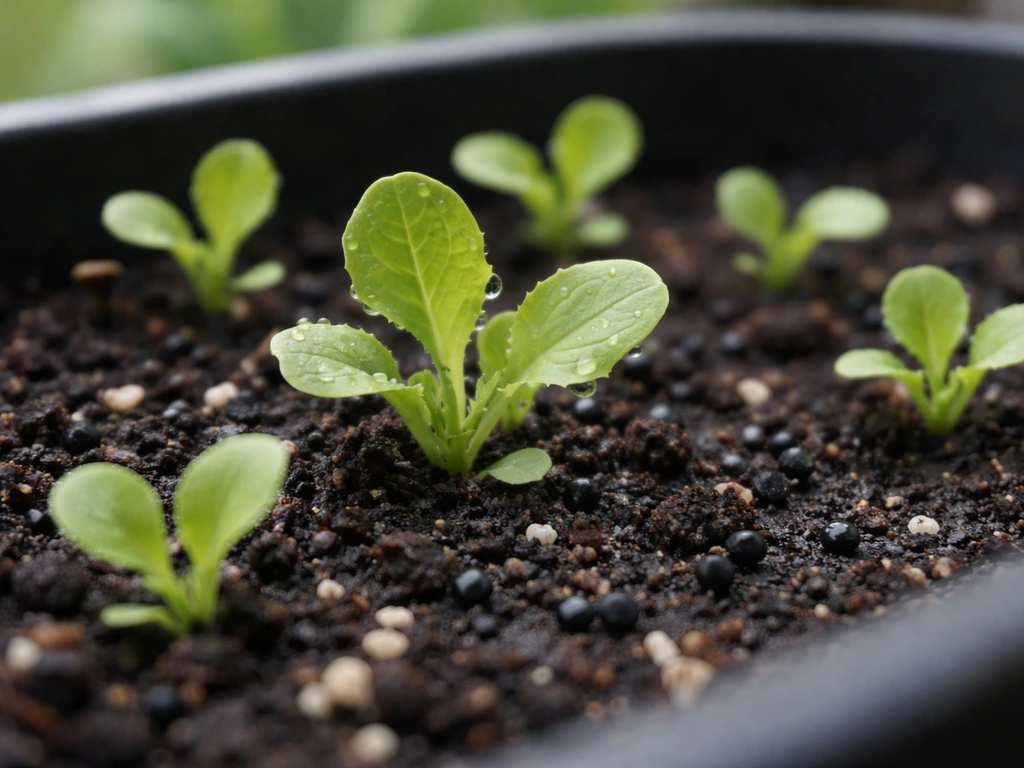
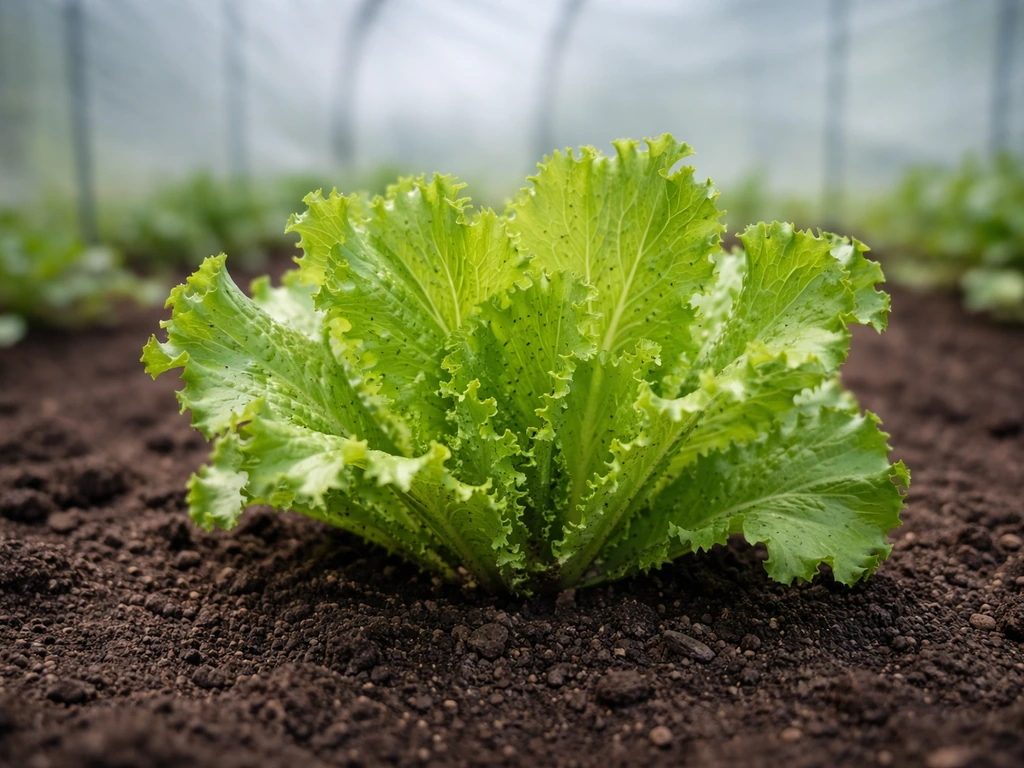
Gurney’s describes Black-Seeded Simpson lettuce as a loose-leaf type, not a tight heading variety, with upright, crinkly light-green leaves and a compact plant habit Black-Seeded Simpson is a loose-leaf lettuce type. Sow seeds 1/8 inch deep, space plants 6 to 8 inches apart once thinned, keep moisture consistent, and you'll have crisp, crinkly light-green leaves ready to cut in under two months.
The details below will walk you through every step.
What Black-Seeded Simpson actually needs to thrive
This variety is a cool-season crop, full stop. It performs best when daytime temperatures stay between 60 and 70°F and nights don't dip below freezing. Once temperatures push consistently above 75 to 80°F, you're on borrowed time before it bolts. If you're planting in mid-May right now, and you're in a warm climate, prioritize afternoon shade or plan a container setup you can move. In cooler regions or with morning-only sun, you've got a great window ahead of you.
Light is important but not in the way people assume. Black-Seeded Simpson doesn't need blazing full sun. Six hours of direct light per day is the sweet spot. More than that in warm weather accelerates bolting. Indoors, a south-facing window works, but a good grow light set to 14 to 16 hours per day will reliably outperform most windowsills. These same indoor light hours also work well for growing Bibb lettuce indoors, since it needs bright but not scorching illumination to stay compact grow light set to 14 to 16 hours per day. Airflow matters too, especially if you're growing indoors or in a tight container cluster. Stagnant, humid air is where fungal problems start.
- Ideal temperature for growing: 60 to 70°F daytime, above 32°F at night
- Soil temperature for germination: 60 to 70°F
- Light requirement: 6 hours of direct sun outdoors, or 14 to 16 hours under grow lights
- Airflow: essential indoors and in humid climates to prevent disease
- pH range: 6.0 to 7.0 for soil; 5.5 to 6.5 for hydroponic solutions
Soil beds, containers, or hydroponics: choosing your setup
Outdoor garden beds
If you're growing in the ground, loosen the soil to about 6 inches deep and work in compost before planting. Black-Seeded Simpson has a relatively shallow root system, so it doesn't need deep beds, but it does need soil that drains well and doesn't crust over. Raised beds are ideal because you control the soil quality and drainage from day one. Aim for a loose, friable mix with decent organic matter.
Container growing
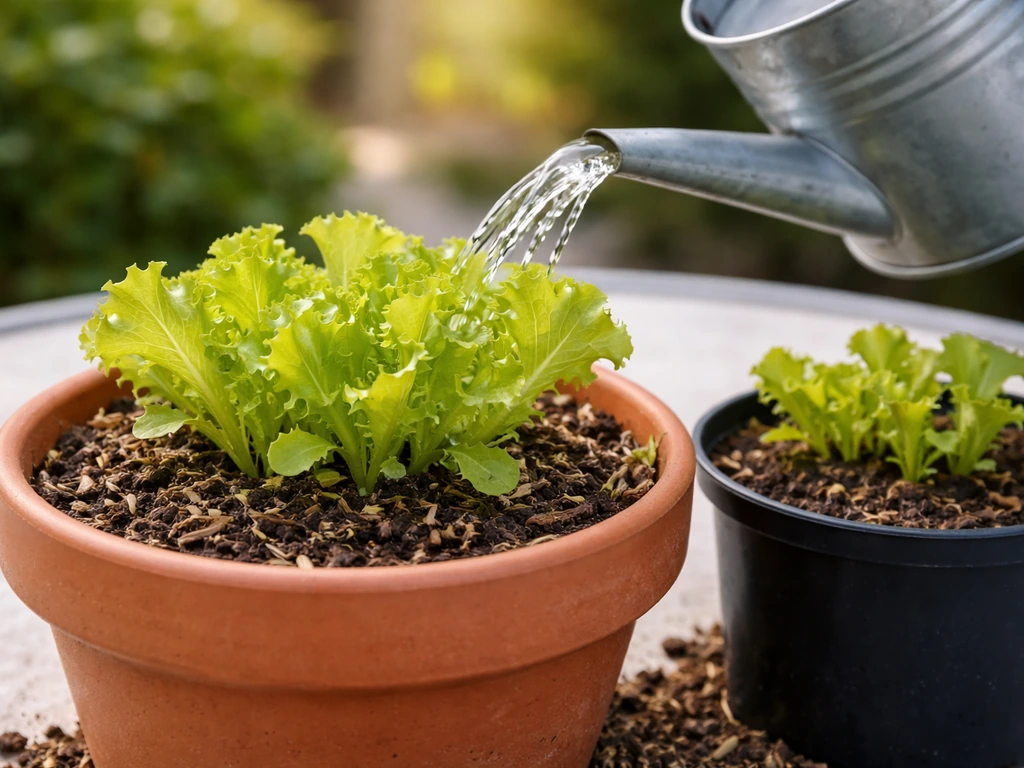
Containers work great for Black-Seeded Simpson, and this is actually one of my favorite ways to grow it because you can move it out of afternoon heat. Use a container that's at least 6 to 8 inches deep and has drainage holes. A window box, a fabric grow bag, or a standard 12-inch pot all work. Fill it with a high-quality potting mix, not garden soil, which compacts in containers and slows drainage. Because containers dry out faster than beds, you'll need to check moisture daily in warm weather.
Hydroponic setups
Lettuce is genuinely one of the best crops for hydroponics, and Black-Seeded Simpson is no exception. It grows fast, doesn't need deep root channels, and responds well to nutrient film technique (NFT), deep water culture (DWC), or Kratky (passive) systems. Set your nutrient solution pH between 5.5 and 6.5 and use an EC (electrical conductivity) of around 0.8 to 1.2 mS/cm for lettuce. Start seeds in rockwool cubes or rapid rooter plugs, then transfer to your system once the roots are 1 to 2 inches long. Keep the water temperature below 70°F to prevent root rot.
| Setup | Best For | Key Requirement | Watch Out For |
|---|---|---|---|
| Outdoor bed | High-volume growing, established gardeners | Well-draining amended soil | Heat and bolting in warm climates |
| Container | Apartment dwellers, beginners, flexibility | Quality potting mix, drainage holes | Dries out quickly, needs daily checks |
| Hydroponics | Year-round indoor growing, fast growth | pH 5.5 to 6.5, EC 0.8 to 1.2 | Root rot if water temp exceeds 70°F |
How to plant: timing, sowing depth, and spacing
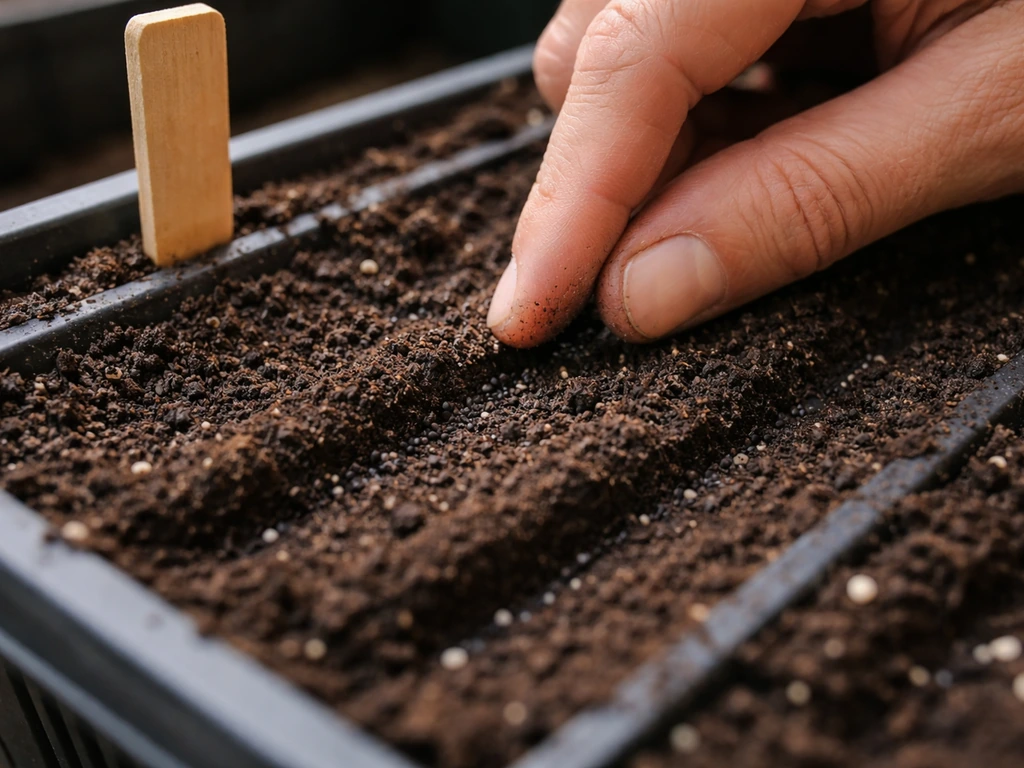
Black-Seeded Simpson seeds go in the ground (or container) at a depth of just 1/8 inch. That's barely covered. Press the soil gently over them after sowing so there's good seed-to-soil contact, but don't bury them deep or they'll struggle to push through. You can direct sow outdoors or start indoors 3 to 4 weeks before your last frost date. Since we're in mid-May 2026 right now, if you're in a cooler region you can direct sow immediately. If you're somewhere warm, starting indoors in a cool spot or using a shade cloth outdoors will give you better results.
Expect germination in 7 to 10 days when soil temps are in the 60 to 70°F range. One Andrews Seed planting guide for BLACK-SEEDED-SIMPSON lists days to emerge as 7 to 10 and recommends covering seed lightly at about 1/8 inch depth, gently firming the soil days to emerge in 7 to 10 days. If your soil is colder than that, germination can still happen but may take a few extra days. If you see nothing after 14 days at proper temperatures, check that seeds haven't dried out or been displaced by watering. Sow seeds in rows spaced about 12 to 18 inches apart, or scatter them across a bed and thin later.
Once seedlings are up and have their first true leaves, thin to 6 to 8 inches apart. I know it's hard to pull out seedlings you just watched sprout, but crowded lettuce gets leggy, competes for nutrients, and is more prone to disease. You can eat the thinnings, which are tender and delicious. If you started indoors and want to transplant, harden off seedlings over 5 to 7 days by gradually increasing outdoor exposure before planting them in their final spot.
Daily and weekly care routine
Watering
Lettuce wants consistent moisture, not wet feet. For outdoor beds, water deeply every 2 to 3 days and let the top inch of soil guide you. Stick your finger in: if it's dry an inch down, water. For containers, that can mean watering daily in warm, dry weather. Avoid overhead watering in the evening because wet foliage overnight is an invitation for fungal disease. Morning watering is ideal. For hydroponics, monitor your reservoir level daily and top it off as needed, aiming to keep roots consistently in contact with the nutrient solution.
Light management
Outdoors, position your bed or container where it gets morning sun and some afternoon shade if temperatures are already climbing. Indoors, run grow lights 14 to 16 hours a day, keeping them 4 to 6 inches above the tops of the plants if using fluorescent or LED panels, or follow the manufacturer's distance recommendations for higher-intensity lights.
Temperature control
This is the one you can't ignore. If daytime temps are consistently above 75°F, shade cloth rated at 30 to 40% reduction makes a real difference. Indoors, keep your growing area between 60 and 70°F. Heat is the fastest way to ruin a lettuce crop, and Black-Seeded Simpson, while it has decent heat tolerance for a loose-leaf, will still bolt when it gets too warm for too long.
Fertilizing
Lettuce is a light feeder but it does need nitrogen to produce lush, flavorful leaves. If you amended your soil with compost before planting, you may not need much supplemental fertilizer at all. If growth looks slow or leaves are pale, apply a diluted liquid nitrogen fertilizer (something like fish emulsion or a balanced liquid feed at half strength) every 2 to 3 weeks. Don't overfeed: too much nitrogen late in the grow can actually push bolting and make leaves taste bitter. For hydroponics, follow the lettuce-specific ratios for your nutrient line and keep EC in the 0.8 to 1.2 range through the vegetative stage.
Caring for your plants from seedling to harvest
Thinning and transplanting without stress
Thin when seedlings are 1 to 2 inches tall. Snip them at soil level with scissors rather than pulling them out, which can disturb the roots of neighboring plants. If transplanting seedlings you started indoors, do it on a cool, cloudy day or in the evening to reduce transplant shock. Water them in well immediately after planting and keep them moist for the first week.
Pest and disease checks
Check under leaves every few days, especially once plants are 3 to 4 weeks old. Aphids are the most common pest on lettuce and tend to cluster on the undersides of leaves near the center of the plant. A strong spray of water knocks most of them off. Slugs are a nighttime problem in moist beds.
Set beer traps or use diatomaceous earth around the base of plants if you see ragged holes in leaves. For disease, the main ones to watch for are powdery mildew (white powdery coating on leaves) and bottom rot (Rhizoctonia), which shows up as brown mushy spots at the base. Both are usually caused by poor airflow and excess moisture. Improve air circulation, reduce overhead watering, and remove affected outer leaves immediately.
Harvesting and getting repeat cuttings
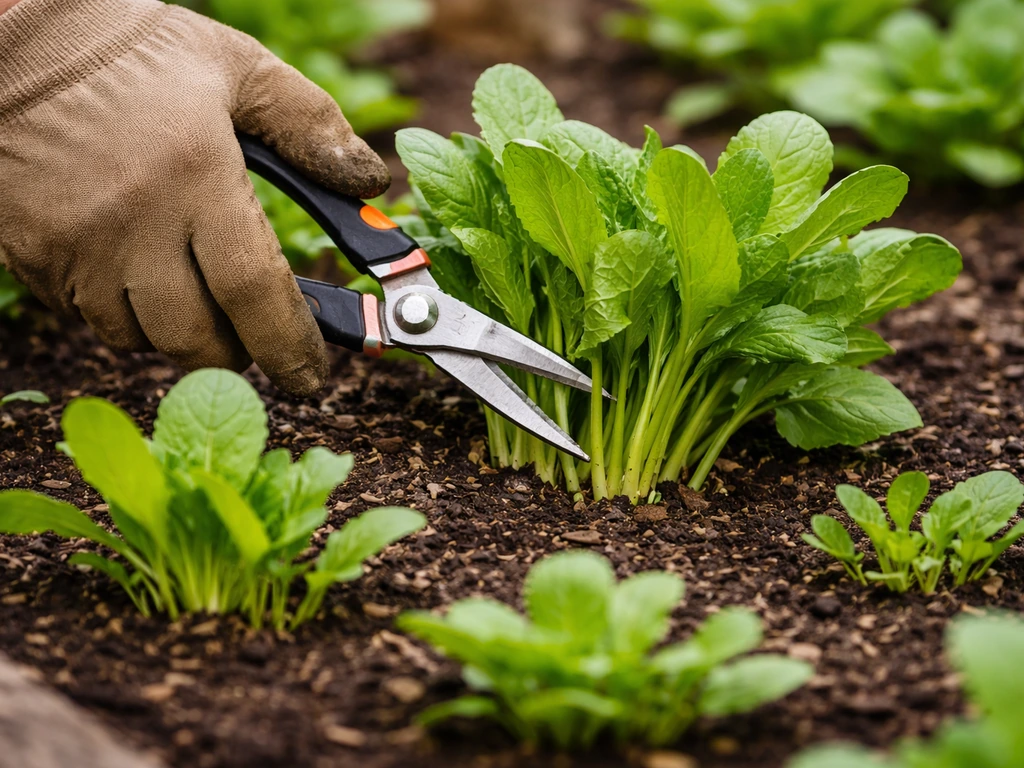
Black-Seeded Simpson reaches maturity in about 46 to 50 days from sowing, but you don't have to wait that long for your first taste. Batavia lettuce is another popular type, and you can grow it with similar timing, watering, and temperature control techniques how to grow batavia lettuce. You can start harvesting outer leaves when the plant is about 4 to 6 inches tall, which typically happens around 30 days in.
This cut-and-come-again approach is the most efficient way to use this variety. Use scissors or a sharp knife to cut outer leaves about 1 inch above the soil, leaving the central growing point intact. The plant will continue producing new growth from the center for several more weeks.
For a larger harvest, you can cut the entire plant at about 1 inch above the soil line once it's fully mature. In many cases, Black-Seeded Simpson will regrow from the stump and give you a second smaller flush of leaves. Don't wait too long to harvest once the plant is mature: as soon as you see the center starting to elongate and push upward (the first sign of bolting), harvest everything immediately. The leaves are best when they're still crisp and before any bitterness sets in.
To keep a continuous supply of fresh leaves, stagger your sowings every 2 to 3 weeks. By the time you're harvesting your first planting, your second will just be getting started. This succession planting approach is the smartest thing you can do if you want lettuce on the table consistently. It also lets you try growing different varieties side by side, the way some gardeners compare Black-Seeded Simpson to varieties like Bibb or Batavia to find their personal favorite.
If you want to compare varieties more deeply, look at this guide on how to grow Bibb lettuce for similar timing and temperature tips. If you are also wondering how does Bibb lettuce grow, the main basics are the same, but the timing and leaf-harvest window can differ a bit.
Fixing bolting, bitterness, and slow growth fast
Bolting
If your plant is sending up a tall central stalk with small leaves and starting to flower, it's bolting. This is triggered by heat, long days, or stress. You can't reverse it, but you can harvest immediately and get usable leaves before they turn fully bitter. Prevention is the fix: plant at the right time, use shade cloth in warm weather, and water consistently. If you're in a warm climate and your spring window is short, prioritize early morning planting dates and plan to grow again in early fall when temperatures drop.
Bitterness
Some bitterness in lettuce is heat-related, but it can also happen when plants are stressed by inconsistent watering, nutrient deficiency, or being left too long before harvest. If your leaves taste more bitter than expected, harvest sooner next time (outer leaves at 30 to 35 days rather than waiting for full maturity), keep watering more consistent, and check that your plants aren't getting baked by afternoon sun.
Slow growth or leggy seedlings
Slow growth is almost always a light or temperature issue. If seedlings are tall and spindly rather than compact and upright, they're reaching for more light. Move them closer to the light source or increase daily light hours indoors. If growth is just slow all around, check soil temperature: if it's below 50°F, germination and early growth will crawl. Warm the soil with black plastic mulch or move containers to a warmer spot. If growth stalls mid-cycle and leaves are pale or yellowing, give the plant a half-strength nitrogen feed and see if it responds within a week.
Poor germination
If seeds aren't sprouting after 10 to 14 days, the most common culprits are seeds planted too deep, soil that dried out during the germination window, or soil temperatures outside the ideal range. Lettuce seeds are tiny and need light and warmth to trigger germination. Keep the top inch of soil consistently moist (not soaking) from sowing until sprouts appear. If you're sowing into very warm soil above 75 to 80°F, germination can actually be inhibited. Try refrigerating seeds for 24 hours before planting (a technique called pre-chilling) to help break dormancy in warm conditions.
FAQ
How do I stop Black-Seeded Simpson from bolting when the weather suddenly warms up?
Once days are staying above about 75 to 80°F, the most reliable salvage is to harvest immediately (outer leaves first, then the whole plant if the center is elongating) and shade the remaining plants using 30 to 40% shade cloth. Pair that with consistent moisture, especially avoiding long dry gaps, since heat plus drought triggers faster stem elongation.
Can I grow Black-Seeded Simpson in partial shade, like under a tree or on a balcony with limited sun?
Yes, but aim for at least around 6 hours of direct light daily. If your location is closer to dappled light, containers near reflective surfaces (light-colored walls or boards) can help. If plants get tall and loose, it usually signals insufficient light rather than a watering problem.
What’s the best way to water so I don’t get mildew or bottom rot?
Water in the morning and keep foliage as dry as practical, since wet leaves overnight are a common trigger. Use the “top inch” check for beds, and for containers water until it drains, then empty saucers so the pot does not sit in runoff. In very humid conditions, thin a bit more aggressively to increase airflow.
How often should I fertilize if I already added compost?
If you amended the bed and seedlings are growing normally with reasonably deep green color, you can usually hold off on extra fertilizer. Start with a diluted liquid nitrogen feed only if growth slows or leaves look pale, every 2 to 3 weeks. Avoid late, heavy nitrogen, because it can push bitterness and faster bolting.
Why are my lettuce seedlings leggy, and what should I change?
Leggy growth usually means the plants are reaching for light or are being shaded too much. Move containers closer to the light source or increase indoor light duration/intensity. Also confirm spacing after thinning, because crowded plants stretch and compete, which can worsen airflow and disease risk.
My seeds sprouted but stopped growing, what should I check first?
First check soil temperature. If the soil is below about 50°F, growth will crawl even if germination happened. If temperatures are okay, then look for inconsistent moisture and mild nitrogen shortage, a half-strength feed can help within a week if nutrients are the limiting factor.
What’s the safest way to thin without damaging nearby plants?
Don’t pull seedlings out if they are close, snip them at soil level with scissors instead. This reduces root disturbance and helps neighbors stay stable. If you’re transplanting from indoors, do it on a cool cloudy day or in the evening and water in well right after planting.
How can I tell if my lettuce bitterness is from heat versus watering issues?
Heat-related bitterness typically comes when temperatures are high for several days, often alongside faster bolting. Watering stress often shows up after uneven watering (brief dry spells, then heavy watering), where leaves may taste bitter sooner or inconsistently. Your quick test for next cycle is to harvest earlier (outer leaves sooner) and keep moisture steady, especially during warm afternoons.
Can I re-grow Black-Seeded Simpson after cutting, and when should I harvest again?
Yes. If you cut outer leaves leaving the center intact, the plant continues producing for several more weeks. If you cut the whole plant near the soil at full maturity, many times you will still get a second smaller flush, but monitor the center closely and harvest as soon as it starts elongating to prevent bitter, bolting growth.
What should I do if hydroponic lettuce starts developing root problems?
Check reservoir temperature first and keep it under about 70°F, root rot becomes much more likely as water warms. Next, verify pH and EC are in the lettuce-friendly range, then make sure the roots are fully in contact with nutrient solution (not floating dry). If growth stalls, confirm adequate light duration as well.
Are there any common mistakes with seed depth and spacing?
Yes, the biggest one is planting too deep. Black-Seeded Simpson seeds are tiny and should be barely covered, about 1/8 inch, with gentle seed-to-soil contact. The second common mistake is under-thinning, crowded plants become leggy and more disease-prone, so thin to about 6 to 8 inches apart once true leaves appear.
How do I use succession planting without wasting seed or ending up with gaps?
Stagger sowings every 2 to 3 weeks and match the schedule to your local growing window. If warm weather is likely to hit soon, sow a smaller batch every 2 weeks and plan to harvest quickly, rather than sowing a large batch that could all bolt at the same time.