Bibb lettuce grows best in cool weather, maturing in roughly 55 to 68 days from seed depending on the variety. Sow seeds 1/4 inch deep, keep the soil between 60 and 70°F, give plants 6 inches of space once thinned, and harvest before temperatures push consistently above 75°F and you will get the tender, buttery heads this variety is known for. Miss that timing window and you get bolting and bitterness instead of salad.
How to Grow Bibb Lettuce From Seed Step by Step
Marcus Holloway
29 Apr 2026
Choosing a bibb variety and planning your sowing schedule
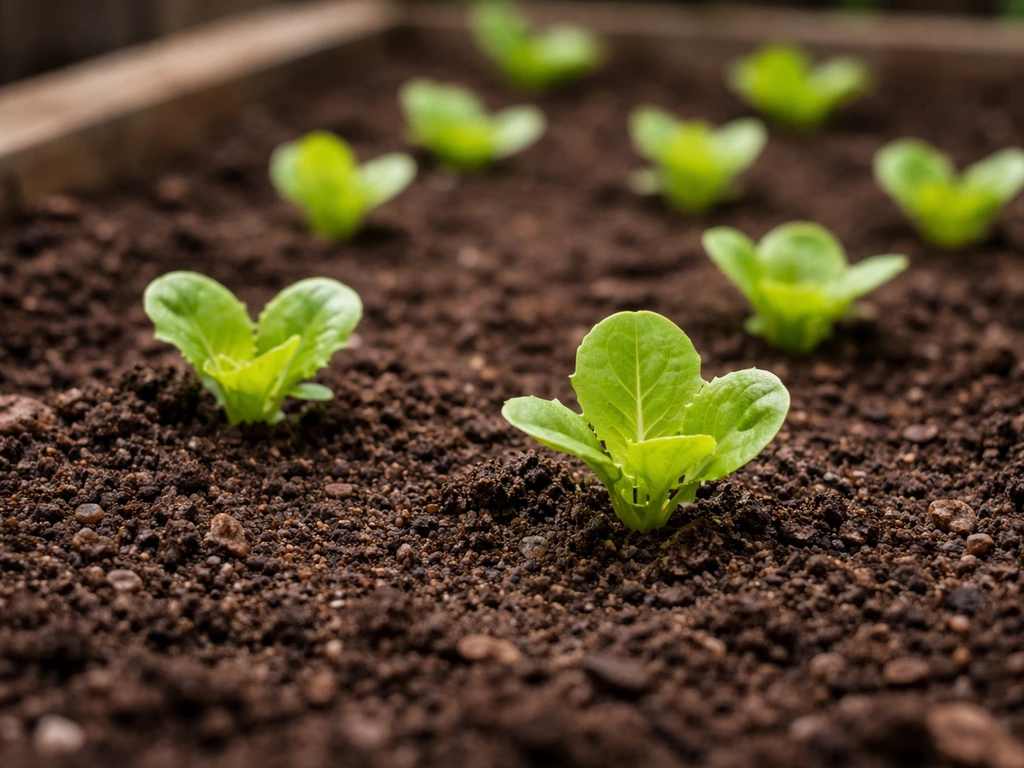
Bibb is a type of butterhead lettuce, so when you shop for seeds you will see it listed under butterhead or bibb/Boston categories. Reliable varieties worth growing include Buttercrunch, Caliente, Skyphos, Esmeralda, Summer Bibb, and Harmony. Food Network notes that Bibb is “butter lettuce,” also called “Bibb or Boston lettuce.” blank" rel="noopener noreferrer">Reliable varieties worth growing include. Buttercrunch is the easiest to find and one of the most forgiving for beginners. If you live somewhere with hot summers, look for any variety labeled bolt-resistant or slow-to-bolt, because that trait will buy you extra weeks of harvest before the plant gives up.
The single most important planning decision with bibb is timing. Lettuce is a cool-season crop. You want heads forming while daytime temperatures are between 60 and 70°F and nights are mild. That means working backward from your local last frost date in spring, or forward from your first fall frost date for an autumn crop. For spring planting, start seeds indoors 4 to 6 weeks before your last frost date, or direct sow outdoors 2 to 4 weeks before the last frost once the soil has warmed above 40°F. For fall planting, count back 65 to 75 days from your first expected frost and sow accordingly. Two seasons per year is very achievable with good planning.
Seed starting: germination steps and troubleshooting
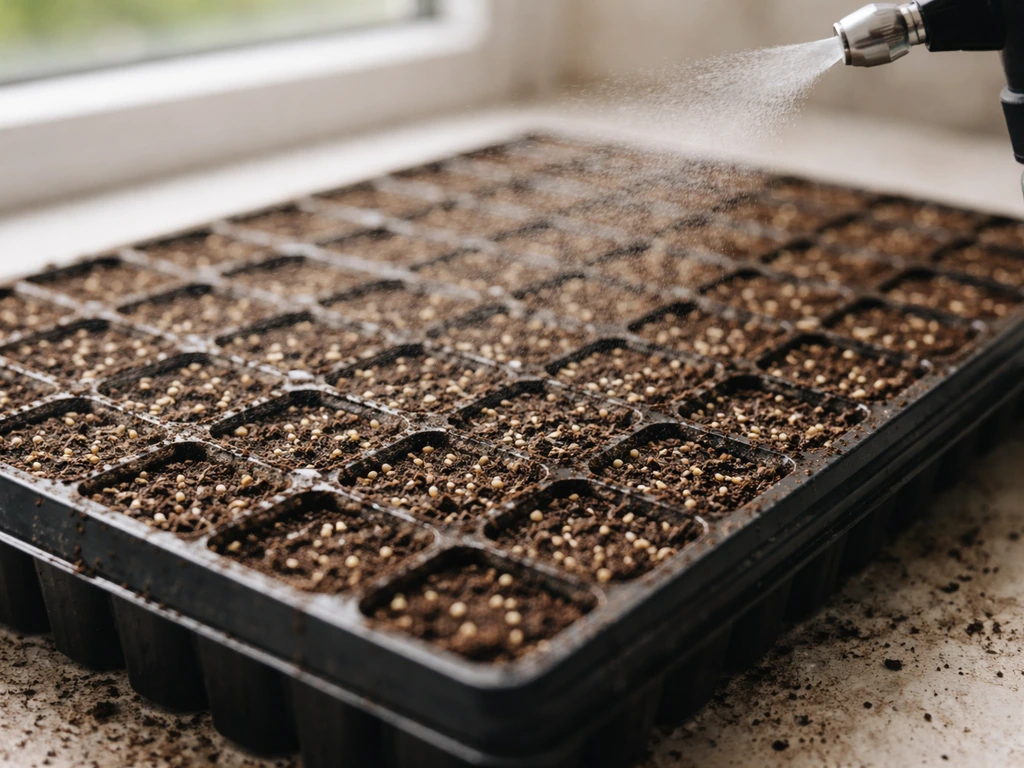
Lettuce seeds are tiny and need light to germinate well, so do not bury them deep. Sow at 1/4 inch depth, or even shallower, and press seeds gently into moist starting mix so they make good contact with the medium. Keep the surface consistently moist but not soggy. Germination happens fastest between 60 and 70°F. At soil temperatures below 40°F germination essentially stalls, and at temperatures above 80°F germination rates drop sharply. If you are starting indoors in spring and your house is warm, the windowsill might actually be too warm for the seed tray. A cool basement corner or an unheated room is often better.
You should see sprouts in 7 to 14 days under good conditions. If you get nothing after two weeks, the most likely culprits are soil that is too cold, seeds buried too deep, or a starting mix that dried out during germination. Bibb seeds are also light-sensitive, so make sure the tray gets indirect light even before the seeds sprout.
The biggest seedling killer after germination is damping off, a fungal problem where seedlings collapse at the base and turn mushy. It spreads fast in wet, stagnant conditions. Prevent it by watering from the bottom (set the tray in water and let the mix absorb it), making sure the container has drainage holes, and avoiding misting the tops of seedlings repeatedly. Good air circulation helps a lot. If seedlings start collapsing despite all that, remove affected plants immediately, reduce watering frequency, and improve airflow.
Transplanting vs. direct sowing and spacing
You can grow bibb either way and both approaches work well. Starting indoors gives you a head start and more control over germination conditions, which matters in early spring when outdoor soil is still cold and unpredictable. Direct sowing is simpler and avoids transplant shock, and it works best when your outdoor conditions are already in the ideal germination range.
If starting indoors, transplant seedlings outside after about 4 weeks when they have 2 to 3 true leaves and outdoor temperatures are consistently above freezing. Harden off seedlings over 5 to 7 days by setting them outside in a sheltered spot for a few hours each day before leaving them out full time. This step matters, especially for tender bibb seedlings that have never felt wind or direct sun.
Spacing is where a lot of gardeners shortchange themselves. Bibb forms a real head and needs room to do it. Thin or transplant to 6 inches apart, which gives each plant space to develop a compact, layered head without crowding. Crowded plants produce looser, leafier growth and are more prone to disease because airflow is restricted. In rows, keep rows about 12 inches apart. If you are planting in a wide bed, a grid pattern with 6-inch spacing in all directions works well.
Light, temperature, and watering needs for tender heads
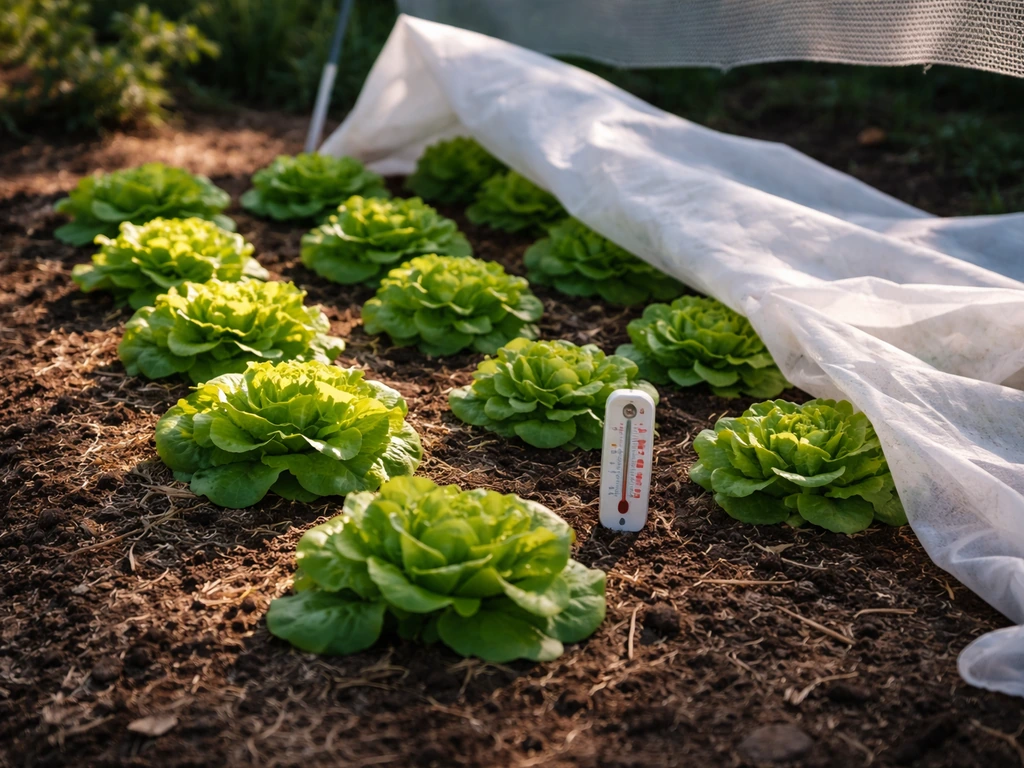
Bibb lettuce needs at least 6 hours of direct sun outdoors, though in hot climates afternoon shade in the 2 to 6 p.m. window will extend your season considerably. Too little light and plants grow slowly and produce thin, floppy leaves. Too much intense afternoon heat and plants start forming a seed stalk rather than filling out a head.
Temperature is the most critical variable. blank" rel="noopener noreferrer">Bibb thrives between 60 and 70°F. When daytime temperatures climb above 75 to 80°F consistently, especially combined with long days, the plant shifts energy toward flowering. That is bolting, and once it starts you cannot reverse it. Cool nights help a lot, which is why fall crops in many regions actually taste better than spring ones.
Watering consistently is important for tender, mild-tasting leaves. Bibb has shallow roots and dries out faster than you might expect, especially in warm weather or containers. Aim to keep the top inch of soil evenly moist, watering every 1 to 2 days in warm weather and every 2 to 3 days in cool weather. Water at the base of plants rather than overhead to reduce disease risk. If leaves start to wilt during the coolest part of the morning, the plant genuinely needs water. If they only wilt in afternoon heat but perk up in the evening, that is heat stress and not necessarily a watering problem.
Feeding and plant care: thinning, nutrients, and preventing stress
Bibb is not a heavy feeder, but a steady, light supply of nitrogen encourages the leafy growth you want. If you amended your bed with compost before planting, you may not need to add much else. In depleted soil or containers, a diluted balanced fertilizer or a liquid nitrogen source applied every 2 to 3 weeks during the growing period keeps growth steady. Avoid heavy nitrogen doses close to harvest as they can contribute to tipburn, where the inner leaf edges brown and die. Calcium uptake matters for preventing tipburn too, so avoid over-applying potassium fertilizer, which can interfere with calcium availability.
Thinning is one of those steps gardeners skip and then wonder why their heads are small. If you direct sowed, thin seedlings to 6 inches apart once they are about 2 inches tall. Use scissors to snip extras at soil level rather than pulling, which disturbs neighboring roots. The thinnings are edible, so toss them in a salad. After thinning, no other structural support is needed since bibb is a compact, low-growing plant. Just keep an eye on the base of plants for crowding or debris that holds moisture.
Growing bibb in containers, indoors, and hydroponics
Bibb adapts well to container growing, which is actually one of its best features. Because each plant only needs 6 inches of space, a 12-inch pot can comfortably hold 2 to 3 plants. Use a container at least 8 inches deep to give roots room, fill it with a light, well-draining potting mix, and make sure there are drainage holes. Containers dry out faster than garden beds, so plan on checking moisture daily in warm weather. The portability is a real advantage: you can move the pot to chase cooler spots or avoid afternoon sun as temperatures rise.
Growing bibb indoors is covered in more depth in the companion guide on indoor bibb lettuce, but the main thing to know is that light becomes your biggest challenge. Growing bibb lettuce indoors is easiest when you treat it like a controlled cool-season crop and keep bolting risk low with consistent temperatures Growing bibb indoors. A bright south-facing window is rarely enough on its own.
A full-spectrum LED grow light positioned 6 to 12 inches above seedlings for 14 to 16 hours per day is far more reliable for consistent head formation. Without adequate light, indoor plants grow leggy and fail to form tight heads. Keep indoor temperatures in the 60 to 68°F range, which is cooler than most people keep their homes, so a basement or garage setup often works better than a kitchen counter.
For hydroponic growing, bibb is one of the most popular lettuce varieties for good reason: it performs exceptionally well in systems like deep water culture or nutrient film technique. Target a pH of 5.5 to 6.5 in your nutrient solution and an EC of 0.8 to 1.2 mS/cm for most growth stages. Keep solution temperature between 65 and 72°F. Monitor pH and EC every few days because they drift, and out-of-range values block nutrient uptake even when the nutrients are technically present. Bibb grown hydroponically typically matures faster than soil-grown plants and produces notably tender leaves.
Pests, diseases, and common problems
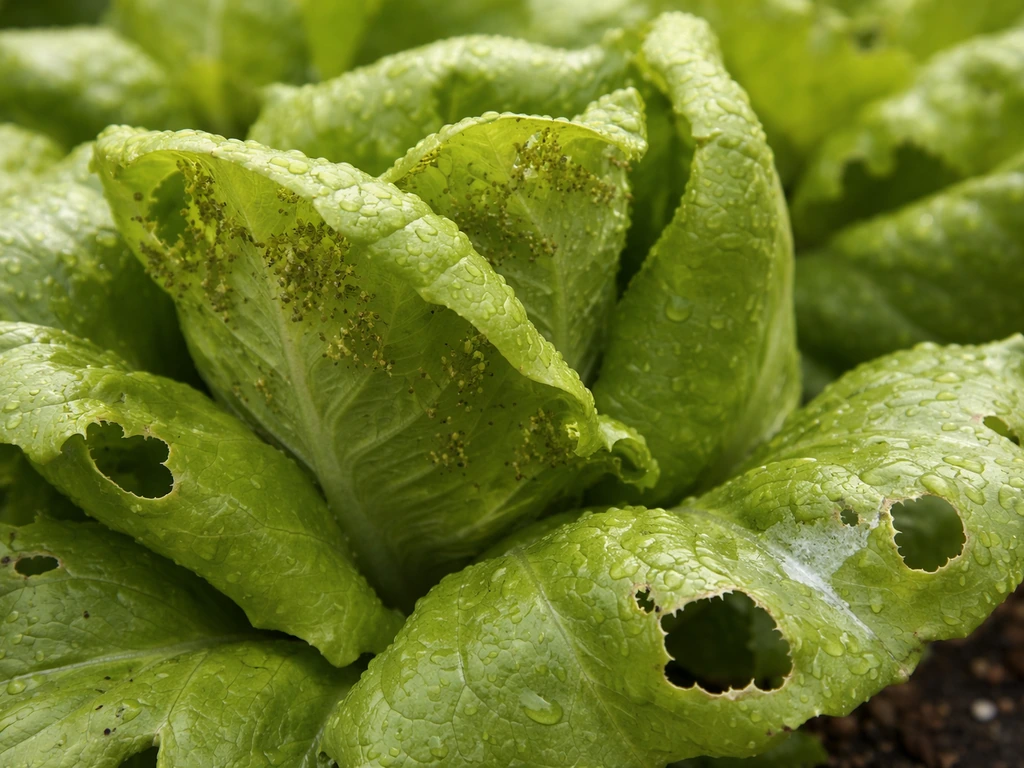
Bolting and bitter leaves
Bolting is the most common failure with bibb lettuce and it is almost always a timing or temperature problem. When days lengthen past about 13 to 14 hours and temperatures stay warm, the plant reads that as a signal to flower. Once you see the center of the plant pushing upward and elongating, bolting is underway and the leaves will quickly turn bitter. The only real fix is better timing next season. Short-term, harvest everything immediately when you see early bolt signs and use the leaves right away before bitterness fully sets in.
Pests to watch for
- Aphids: look for clusters of soft, tiny insects on undersides of leaves; knock off with a strong water spray or use insecticidal soap.
- Slugs and snails: most active at night and in wet weather; use iron phosphate bait or handpick at dusk.
- Cutworms: sever seedlings at soil level overnight; use cardboard collars around transplant stems as a barrier.
- Lettuce root aphids: cause sudden wilting; check the root zone if plants collapse without obvious above-ground cause.
Disease problems
Downy mildew, caused by Bremia lactucae, is the most common disease issue with bibb. It thrives in cool, wet conditions and shows up as yellow patches on upper leaf surfaces with a white-gray fuzzy growth underneath. It spreads quickly in spring when nights are damp. The best prevention is good air circulation, avoiding overhead watering, and choosing resistant varieties when available. If you see it, remove affected leaves immediately and avoid wetting foliage. Botrytis (gray mold) is another one to watch in wet or greenhouse conditions: it looks like gray fuzzy growth on leaves and stems. Remove affected tissue, improve airflow, and let the soil surface dry slightly between waterings.
Slow growth and leggy seedlings
If seedlings are thin and stretching toward the light, they need more light, closer to the source. Outdoors this usually means moving to a sunnier spot. Indoors it means lowering the grow light or increasing the wattage. Slow overall growth in established plants usually points to temperatures that are too cold, nitrogen deficiency, or both. If growth stalls and leaves are pale, a diluted liquid fertilizer typically brings plants back within a week.
Harvesting and succession planting for repeat harvests
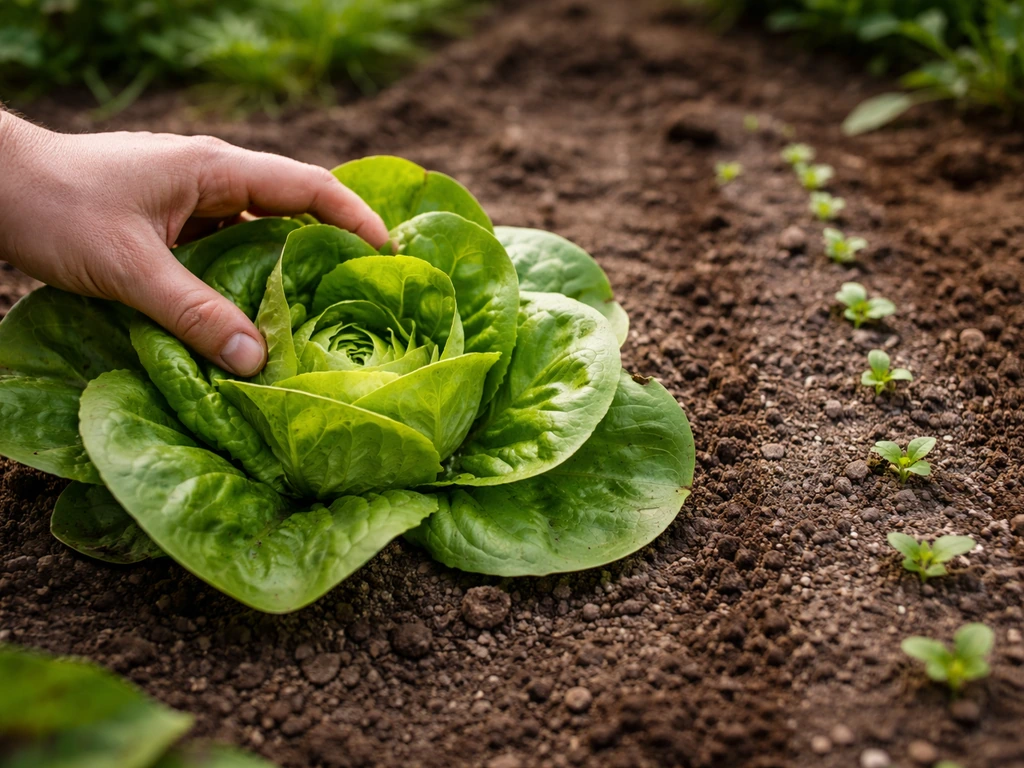
Bibb is ready to harvest when the center of the plant forms a loose, cupped head and the inner leaves feel soft and densely layered. That is typically 55 to 68 days from sowing depending on variety and conditions. Knowing the days to harvest helps you time your sowing so you can avoid heat-driven bolting how long does it take to grow bibb lettuce.
Do not wait for it to look like a tight supermarket head: bibb forms a more open, rosette-like structure than iceberg. The best way to harvest is to cut the entire head at soil level with a sharp knife in the morning when leaves are crisp and full of moisture. You can also harvest outer leaves progressively if you prefer a cut-and-come-again approach, though bibb does not regenerate as vigorously as loose-leaf types after a full harvest.
Succession planting is how you keep fresh bibb coming for weeks instead of getting one big harvest and then nothing. Sow a new small batch of seeds every 2 to 3 weeks throughout the cool season. In spring, keep succession planting until about 6 weeks before your average first hot spell. In fall, keep sowing until about 8 weeks before your first hard frost. With three or four successions going, you will have heads at different stages and a continuous supply of salad greens. It is one of the more satisfying things about growing lettuce: the rhythm of it once you get it going.
| Stage | Key action | Watch out for |
|---|---|---|
| Seed selection | Choose bolt-resistant bibb variety suited to your season | Vague 'butterhead' labels without days-to-maturity listed |
| Sowing | 1/4 inch deep, moist mix, 60–70°F soil temperature | Soil too cold (below 40°F) or too warm (above 80°F) |
| Germination (7–14 days) | Keep surface moist, good indirect light | Damping off from overwatering or poor airflow |
| Seedling stage | Thin to 6 inches apart, harden off transplants | Leggy growth from insufficient light |
| Growing on (weeks 3–8) | Water consistently, feed lightly every 2–3 weeks | Bolting triggered by heat and long days |
| Harvest (day 55–68) | Cut at soil level in the morning | Waiting too long after bolt signs appear |
| After harvest | Sow next succession immediately | Gap in supply from not staggering plantings |
FAQ
Can I wait until bibb forms a tight head like iceberg, or should I harvest earlier?
Yes, but don’t treat it like iceberg. Bibb is typically harvested when the head is loose, cupped, and the inner leaves are dense and soft. If you wait for a tight, “stacked” look, you’ve likely pushed closer to bolting and bitterness, especially as temperatures rise.
Does bibb lettuce regrow after harvesting outer leaves, or will it only produce one harvest?
If you prefer cut-and-come-again, harvest outer leaves in the morning and leave the center growing, but bibb is less vigorous at regrowing than loose-leaf types. Expect smaller subsequent yields, so plan on a full head harvest as your main harvest method.
What happens if I start bibb lettuce indoors too early and it gets big before transplanting?
Don’t start seeds too early indoors just because you can. If seedlings outgrow their space, get leggy, or root-bound, they often establish poorly and can bolt sooner after transplant. Aim to transplant at about 4 weeks, when plants have 2 to 3 true leaves, and keep them under cool conditions during hardening off.
My bibb is starting to bolt. Should I try to save it or restart?
Toss the gamble if you see persistent bolting behavior in the center, because once the plant commits to flowering, flavor degrades quickly. The practical move is to harvest immediately, use the leaves right away, and restart new seeds for a better-timed replacement rather than trying to “save” the current plant.
Why do my bibb leaves get tipburn even though I fertilized?
Overfeeding is a common mistake. Too much nitrogen close to harvest can contribute to tipburn, and irregular watering makes calcium uptake inconsistent. If you’re unsure, pause high-nitrogen inputs, switch to steady light feeding only when needed, and keep moisture even.
How can I tell if my watering schedule is causing poor head formation?
If your goal is tender heads, avoid letting soil swing between soggy and dry. Inconsistent moisture often shows up as browning edges and loose, weak heads. Use base watering, check the top inch of soil daily in warm weather, and water on a schedule you can maintain.
Should I mulch bibb lettuce, and does it affect bolting risk?
Bibb usually doesn’t need a heavy mulch in cool weather, but a thin layer can help stabilize moisture. In hot climates, use mulch to prevent rapid drying, and combine it with afternoon shade to reduce heat stress that triggers bolting.
What time of day is best to harvest bibb, and does it affect taste or texture?
Yes. Harvesting in the morning helps because leaves are crisp and hydrated, and it reduces the chance of rapid bitterness development from heat exposure. If you harvest later in the day, cool the lettuce quickly before storage to keep texture from fading.
I’m not getting sprouts. What are the most likely reasons bibb seeds won’t germinate?
If germination fails, the most common causes are seeds buried too deeply, starting mix drying out before sprouting, and soil that is too cold or too warm for the germination window. Also note that lettuce seeds are light-sensitive, so keep them on the surface with gentle press-in rather than covering heavily.
How do I know whether my indoor bibb issue is lack of light versus temperature?
For indoor setups, treat light as the limiting factor. Move from “bright window” to a grow light when you see stretching. Keep the light about 6 to 12 inches above seedlings and run it long enough (about 14 to 16 hours) to prevent loose, non-heading growth.
Any specific watering or soil tips for growing bibb lettuce in containers?
For container bibb, prevent salt buildup and uneven moisture by periodically refreshing the potting mix and ensuring thorough drainage. In hot weather, check moisture daily, because shallow roots dry faster in pots, and drought stress can reduce head quality.