Batavia lettuce grows in about 55 to 65 days from seed to harvest, tolerates heat better than most other lettuce types, and gives you a crisp, mildly sweet leaf that holds up in summer gardens where other varieties bolt and turn bitter. TastingTable notes that Batavia lettuce is valued for its heat tolerance compared with many other lettuce types. You can direct sow or transplant, grow it in beds or containers, cut individual leaves or harvest whole heads, and even grow it hydroponically indoors year-round. It's genuinely one of the most forgiving lettuces you can grow, and this guide walks you through every stage.
How to Grow Batavia Lettuce Step by Step Guide
Marcus Holloway
24 May 2026
What Batavia lettuce is and why it's worth growing
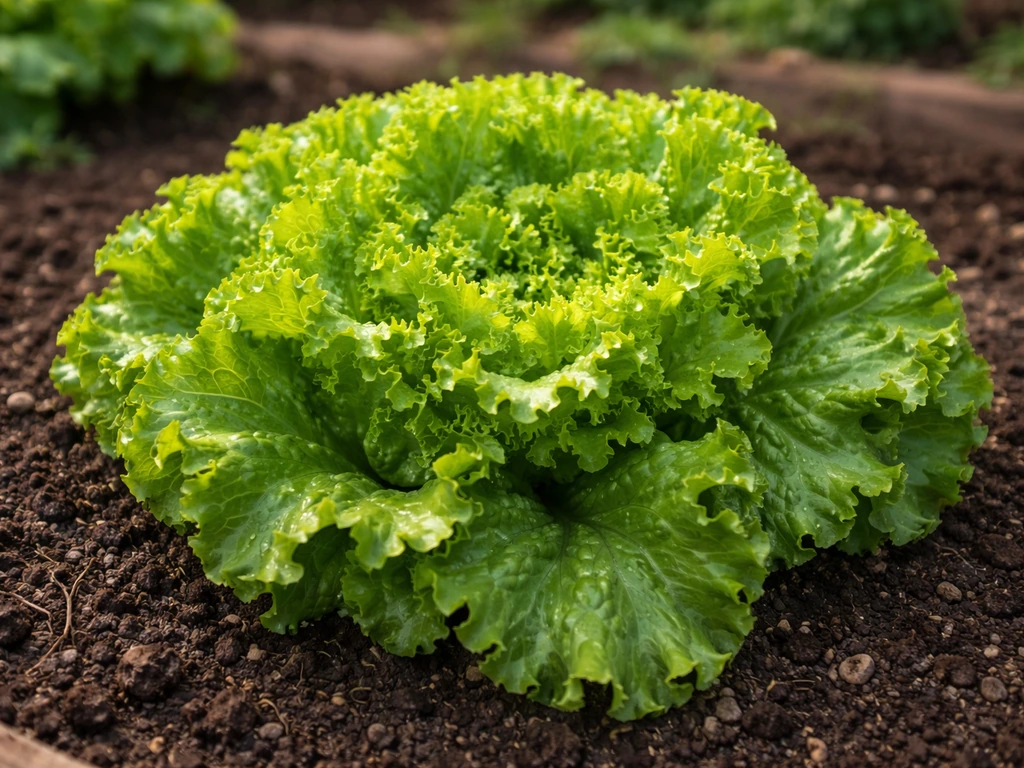
Batavia is a distinct lettuce type that sits somewhere between a loose-leaf and a crisphead. It forms an open, fairly dense rosette of wavy or crinkled leaves with a crispy texture that's closer to iceberg than to butter lettuce, but without the tight, compact head. The flavor is mild and slightly sweet, and it stays that way longer into warm weather than most other varieties because Batavia is genuinely heat tolerant and bred with good bolt resistance. That's the trait that separates it from butterhead types like Bibb or Boston, which tend to collapse into bitterness once temperatures rise.
Popular Batavia varieties include Flashy Trout's Back, Nevada, Loma, Concept, and Tropicana. Many seed packets will explicitly call out bolt resistance and describe the harvest window as ranging from baby greens at around 30 days to full rosettes at 55 to 65 days. That flexibility is a real advantage, especially if you're new to lettuce growing. You don't have to wait for a perfect moment to harvest.
If you've grown Bibb lettuce before, Batavia will feel familiar in terms of sowing and care, but it handles heat stress much more gracefully and tends to stay productive longer into the season. If you want the step-by-step details, check our guide on how to grow Bibb lettuce for the best results If you've grown Bibb lettuce before. That makes it a great next step if you've already got some lettuce experience under your belt.
Choosing seeds, timing your planting, and whether to start indoors
Picking the right variety
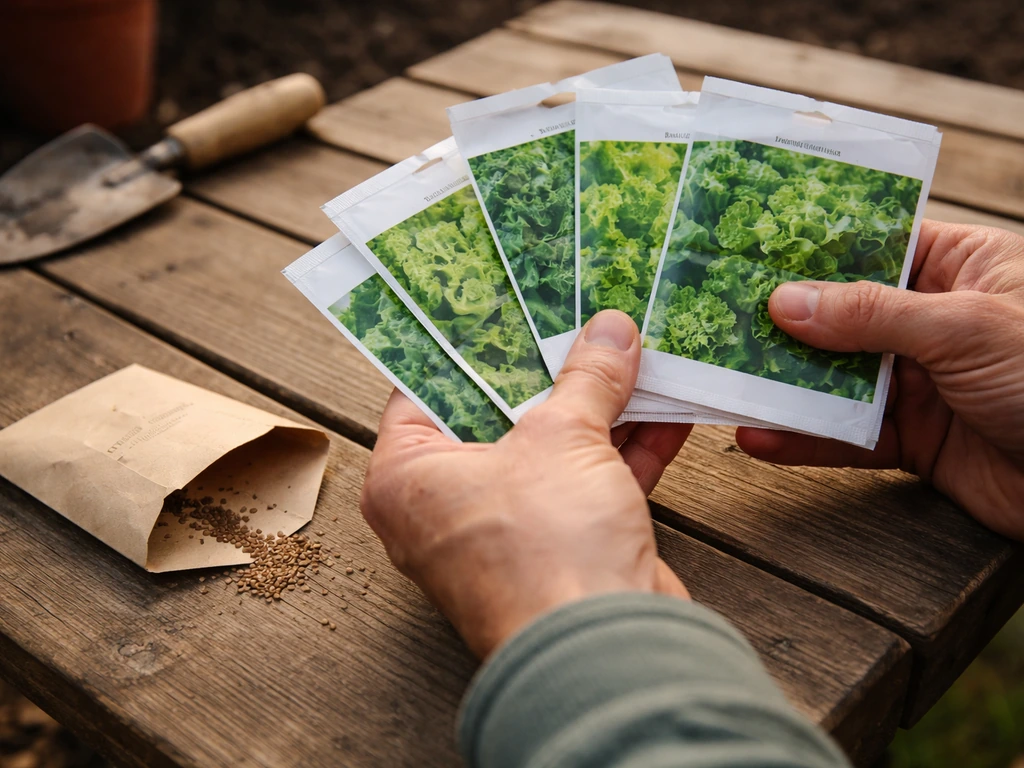
Start with a variety that's clearly labeled as heat tolerant or bolt resistant, especially if you're planting for a late spring or summer crop. Nevada and Concept are reliable performers in warm climates. If you want something with visual interest, Flashy Trout's Back has beautiful red spotting and is equally productive. For an organic option with pelleted seeds (which are much easier to handle and space), Tropicana is a solid pick from West Coast Seeds.
When to plant
Batavia lettuce is a cool-season crop that also handles warmth better than most. The ideal soil temperature for germination is between 40°F and 75°F (4°C to 24°C), with 65°F to 70°F being the sweet spot for fast, even sprouting. In most climates, this means planting in early spring (4 to 6 weeks before your last frost date), again in late summer for a fall crop (6 to 8 weeks before your first fall frost), and potentially through the winter in USDA zones 7 and above with light protection. Because Batavia has good frost tolerance, you can push the season in both directions, planting earlier in spring and later in fall than you'd risk with heat-sensitive types.
Seed vs. transplant
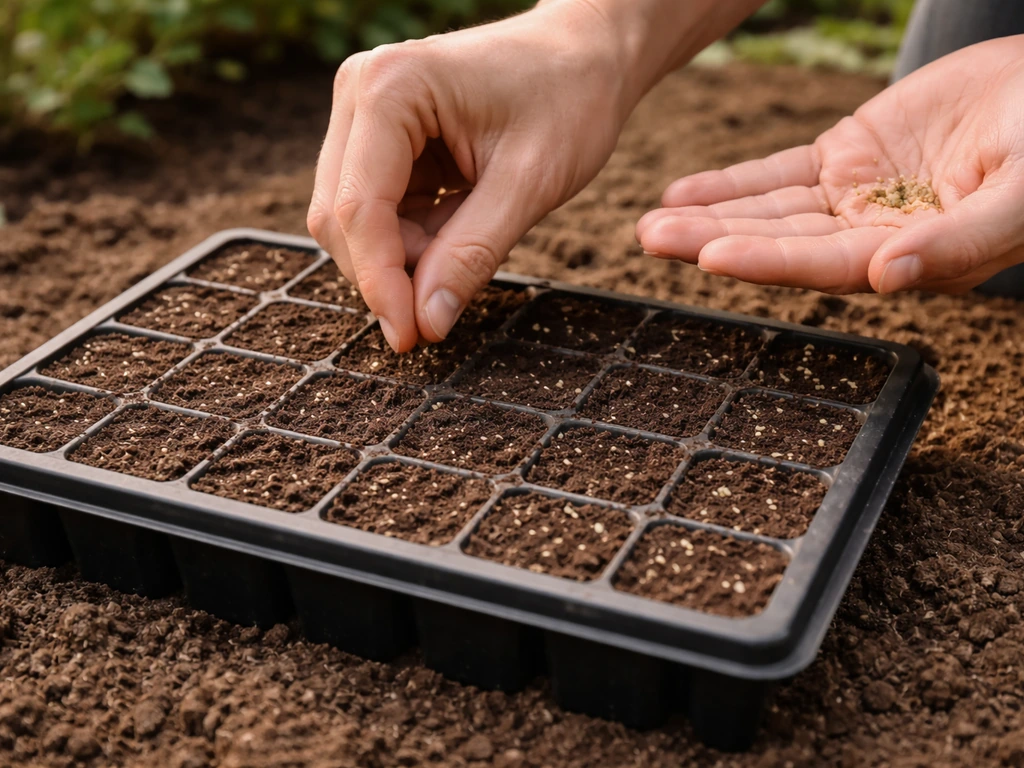
Direct sowing outdoors is the easiest and most economical approach for Batavia. Sow seeds about 1/8 inch deep, barely covering them because they need some light to germinate. Starting transplants indoors is useful when you want to get ahead of the season by 3 to 4 weeks, or if you're gardening in a short-season climate. Sow in cell trays or small pots, keep them under a grow light at around 60°F to 65°F, and transplant once seedlings have 3 to 4 true leaves and outdoor temps are consistently above freezing. Avoid letting transplants get root-bound or leggy. If they're stretching toward the light, move them closer to the bulb or increase light hours.
Setting up your growing space: beds, raised beds, and containers
Outdoor beds and raised beds
Batavia lettuce needs at least 6 hours of direct sun for best growth, though in hot climates it benefits from afternoon shade, especially when temperatures climb above 75°F to 80°F. In a traditional bed, space plants 10 to 12 inches apart if you're growing to full rosette size. For a cut-and-come-again approach where you harvest baby leaves repeatedly, you can sow more densely at about 2 to 4 inches apart and thin as you harvest. Aim for soil that's loose, moisture-retentive, and rich in organic matter. Work in a 2-inch layer of compost before planting. Lettuce roots are shallow, so it doesn't need deep soil, but it does need consistent moisture and good drainage. A raised bed is ideal because it warms up faster in spring and drains freely.
Container growing
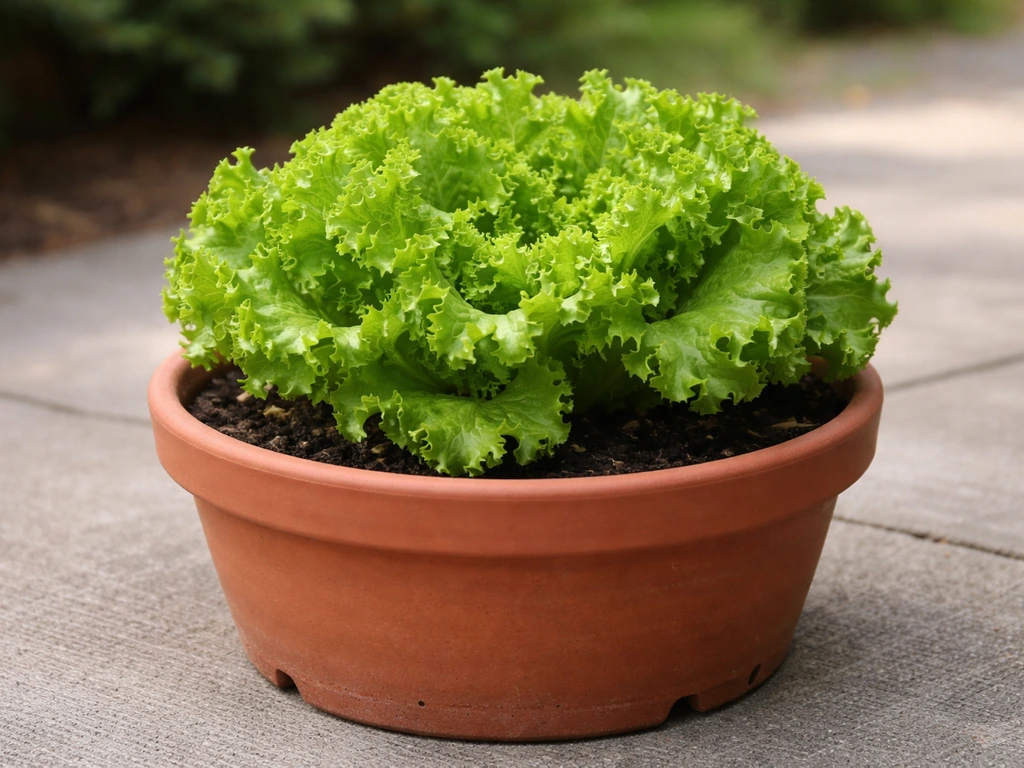
Batavia grows well in containers as long as the pot is at least 6 to 8 inches deep and has drainage holes. A 12-inch pot comfortably holds one full-sized plant. A long window box (24 inches or more) can hold 3 to 4 plants spaced 8 inches apart. Use a high-quality potting mix, not garden soil, which compacts in containers and suffocates roots. Because containers dry out faster than garden beds, you'll need to check moisture more frequently, usually daily in warm weather. Light exposure, airflow, and access to water are the three things that matter most in a container setup. Keep containers away from walls or structures that trap heat and prevent air movement.
| Setting | Min. Container/Bed Depth | Spacing Per Plant | Best For |
|---|---|---|---|
| Outdoor bed | 8 inches | 10–12 inches | Full heads, high yield |
| Raised bed | 8 inches | 10–12 inches | Cut-and-come-again, spring/fall |
| Container (pot) | 6–8 inches | One per 12-inch pot | Patio, balcony growing |
| Window box | 6–8 inches | 8 inches apart | Baby leaves, small harvests |
| Hydroponic system | N/A (net pots) | 6–8 inches center to center | Year-round indoor growing |
Watering and feeding for sweet, non-bitter leaves
Watering
Consistent moisture is the single biggest factor in keeping Batavia leaves sweet and preventing premature bolting. Lettuce is about 95% water, and when it dries out and then gets flooded, you get stress that directly leads to bitterness and bolting. Aim to keep the top inch of soil consistently moist, not waterlogged. In outdoor beds, that usually means watering 2 to 3 times per week in mild weather and daily in hot, dry spells. In containers, check daily and water when the top half-inch feels dry. Water at the base of the plant rather than overhead to keep leaves dry and reduce the risk of rot and mildew. Drip irrigation or a soaker hose is ideal for beds.
Feeding
Batavia is a leafy green, which means it needs nitrogen to produce lush, sweet leaves. If you've already amended your soil with compost, you may not need to fertilize heavily. For beds with decent soil, a balanced slow-release granular fertilizer (something like a 10-10-10) worked in at planting is usually enough for the whole crop. For containers, where nutrients leach out with every watering, feed every 2 weeks with a diluted liquid fertilizer, either a balanced formula or a nitrogen-focused one like fish emulsion. Keep the concentration on the lighter side, especially for beginners. Over-fertilizing doesn't make lettuce grow faster, it just makes it produce more stem than leaf. Stop feeding about 2 weeks before your final harvest to let the plant settle.
Harvesting Batavia lettuce and extending the season with succession planting
When and how to harvest
You can start harvesting baby Batavia leaves as early as 30 days after sowing, once leaves are 3 to 4 inches long. For full rosettes, wait until 55 to 65 days when the plant has formed a nice, open head. Bibb lettuce typically takes about 45 to 60 days to grow from seed to harvest, depending on temperatures and whether you harvest baby leaves or full heads how long does it take to grow bibb lettuce. To harvest as cut-and-come-again, use clean scissors or a sharp knife to cut outer leaves about 1 inch above the soil, leaving the inner growing point intact. The plant will regrow and you can harvest again in 7 to 14 days depending on growing conditions. For a full head harvest, cut the entire plant at the base. Do your harvesting in the morning when leaves are coolest and most crisp, and use or refrigerate them quickly.
Succession planting to keep harvests coming
The best way to have fresh Batavia lettuce consistently is to stagger your sowings every 2 to 3 weeks. Start a new small batch of seeds while the previous planting is still growing. In spring, you can do 3 to 4 successions before heat becomes a problem. In fall, start your successions 8 to 10 weeks before your first frost and work backward. Succession planting takes almost no extra effort and completely solves the feast-or-famine problem that comes from planting everything at once.
Troubleshooting common problems
Bolting
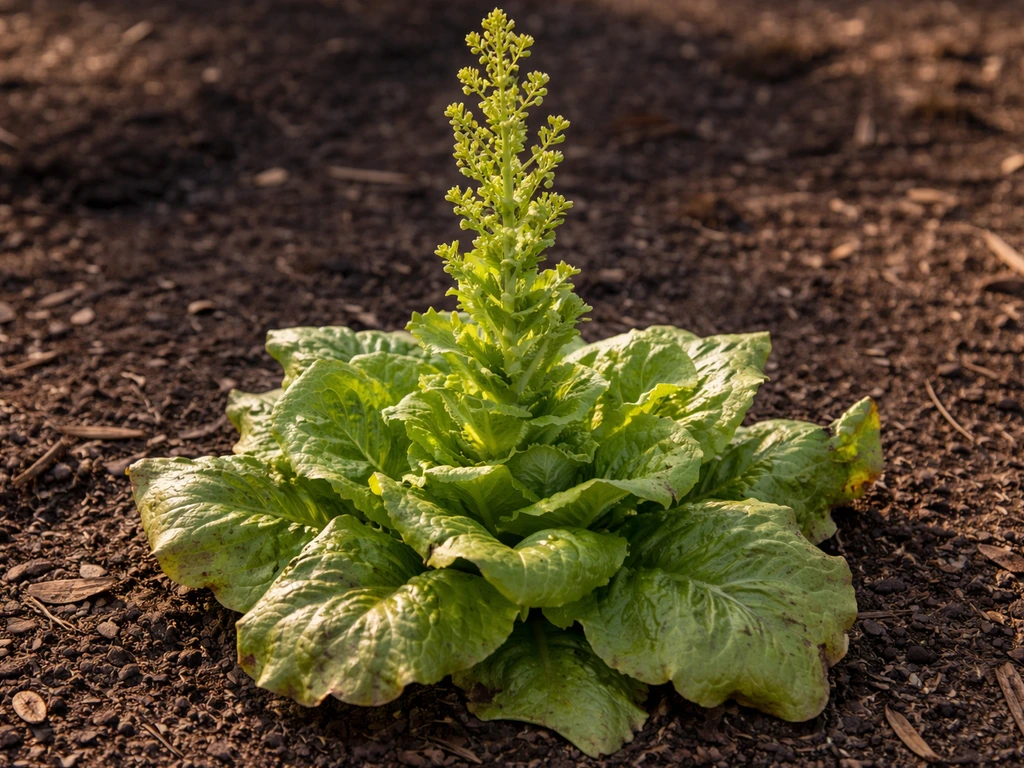
If your Batavia lettuce shoots up a tall center stalk and the leaves start tasting bitter, it has bolted. This is triggered by heat and long days. Batavia is more bolt-resistant than most lettuces, but it's not bolt-proof. Prevention is easier than treatment: choose bolt-resistant varieties, provide afternoon shade during hot weather, water consistently, and harvest outer leaves regularly to delay the plant's reproductive urge. If it bolts, harvest everything immediately and eat what you can while cutting your losses.
Bitterness
Bitter leaves almost always come down to heat stress, drought stress, or an over-mature plant. If your leaves taste bitter, check your watering first. If the soil has been drying out between waterings, that's likely the cause. Harvest earlier next time, increase water frequency, and consider adding mulch around the base of plants to retain moisture and cool the roots.
Pests
Aphids are the most common lettuce pest. You'll often find them clustered on young leaves or the underside of outer leaves. A strong spray of water knocks most of them off. If the infestation is heavy, insecticidal soap spray works well and is safe for edible crops. Slugs and snails are a problem in cool, moist conditions. Set out copper tape around containers, use diatomaceous earth around bed edges, or set beer traps overnight. Check under leaves at dusk when slugs are most active.
Rot, tip burn, and mildew
Tip burn (brown, papery leaf edges) is a calcium uptake issue, usually caused by inconsistent watering rather than a calcium deficiency in the soil. Fix your watering schedule and it typically resolves in new growth. Bottom rot and powdery mildew are both caused by poor airflow and excess moisture on leaves. Space plants properly, water at the base, and remove any dead or dying outer leaves promptly to improve air circulation. If mildew appears, remove affected leaves and improve drainage.
Leggy seedlings and poor germination
If seeds aren't sprouting, check soil temperature first. Lettuce seed goes dormant above 80°F (27°C), so seeds sown into hot summer soil may simply refuse to germinate. Move seed starting indoors and use a heat mat set to 65°F to 70°F. If seedlings are leggy and pale, they're not getting enough light. Move them within 2 inches of a grow light, or to a south-facing window, and increase light duration to 14 to 16 hours per day.
Growing Batavia lettuce indoors and in hydroponic systems
Batavia adapts well to indoor container growing and hydroponic setups, which makes it a great variety for year-round production. If you're specifically aiming for a leafier, softer head, see how to grow Bibb lettuce indoors for a closely related indoor setup and care tips. The approach is similar to growing any lettuce indoors, but Batavia's compact, open rosette shape and its slightly larger frame compared to petite butterhead types like Bibb mean you'll want to give it a bit more room in your system.
Indoor container growing
Indoors, the biggest challenge is light. Batavia needs 14 to 16 hours of artificial light per day to grow properly without stretching. A full-spectrum LED grow light positioned 4 to 6 inches above the plant canopy is the most efficient option. Use a timer to keep the schedule consistent. Keep indoor temperatures between 60°F and 70°F. If your home runs warmer, grow Batavia near a cool window in winter and use your grow light as a supplement. Water more carefully indoors since there's no rain and no natural drainage from the soil surface. Check moisture at the root level, not just on the surface.
Hydroponic growing
In a nutrient film technique (NFT) or deep water culture (DWC) hydroponic system, Batavia lettuce thrives when you maintain a solution pH of 5.5 to 6.5 and an electrical conductivity (EC) of 0.8 to 1.6 mS/cm. Use a lettuce-specific nutrient formula or a balanced complete nutrient solution. Keep water temperature between 65°F and 72°F to avoid root rot. Space net pots 6 to 8 inches apart center to center. Batavia grows faster in hydroponics than in soil, often maturing in 40 to 50 days, and the flavor tends to be exceptionally mild and sweet because the plant receives nutrients on demand without stress cycles. Ensure strong airflow over the canopy to prevent mildew and keep leaves dry.
If you're already growing other lettuce varieties hydroponically, like Bibb or Black Seeded Simpson, Batavia fits right into the same system with minimal adjustment. If you specifically want to grow Black Seeded Simpson lettuce, follow the same timing and moisture tips but start with its distinct seeds and spacing needs. It just needs a slightly larger net pot footprint and a little more light intensity to develop its characteristic crisp texture.
Your next steps
The practical path forward is simple: pick a bolt-resistant Batavia variety, decide whether you're planting outdoors or in containers (or both), and sow your first batch now if temperatures and timing allow. Set up a watering routine before the plants go in the ground, not after they start showing stress. Plan your first succession sowing 2 to 3 weeks after your initial planting. Harvest outer leaves early and often, and you'll keep the plant productive far longer than if you wait for a full head. Batavia is one of those vegetables that rewards attention to a few simple details, consistent moisture, good airflow, and harvesting before heat peaks, and it's forgiving enough that beginners can succeed on their first attempt.
- Choose a bolt-resistant Batavia variety suited to your season (Nevada, Concept, or Tropicana for warm climates; Flashy Trout's Back for visual variety)
- Sow seeds 1/8 inch deep in soil at 65°F to 70°F, or start transplants 3 to 4 weeks before your outdoor planting date
- Space full-size plants 10 to 12 inches apart; use 6 to 8 inch spacing for cut-and-come-again baby leaves
- Water consistently at the base, keeping the top inch of soil moist without waterlogging
- Feed containers every 2 weeks with diluted liquid nitrogen fertilizer; amend outdoor beds with compost at planting
- Begin harvesting outer leaves at 30 days, or wait for a full rosette at 55 to 65 days
- Start a new succession sowing every 2 to 3 weeks throughout spring and again in late summer
- If growing indoors, use a full-spectrum LED grow light for 14 to 16 hours per day at 60°F to 70°F
FAQ
How can I tell when my Batavia lettuce is mature enough to harvest?
Look for a rosette that feels full but still open, and harvest baby leaves at 3 to 4 inches long. For full rosettes, wait until the plant reaches its labeled window (typically 55 to 65 days) and the outer leaves are crisp, not limp.
Should I thin Batavia seedlings, and what spacing works best?
Yes. For full-size rosettes, thin or sow to 10 to 12 inches apart. If you want cut-and-come-again baby leaves, keep them closer (about 2 to 4 inches) and plan to thin as you harvest so airflow stays good.
What’s the best way to prevent bitterness besides “water consistently”?
Avoid letting soil go dry, then flooding. Use mulch to stabilize moisture, water at the base (not overhead), and harvest outer leaves earlier rather than waiting for the biggest possible size, since over-mature leaves often turn bitter even if watering seems fine.
My Batavia bolts during a heat wave, what should I do after it flowers?
Harvest the remaining edible leaves immediately and remove the plant if it becomes mostly stem and seed stalk. You can still save seeds from bolt-resistant varieties, but for eating quality, replant with a fresh succession when temperatures drop or when you can add afternoon shade.
Why are my Batavia leaves tasting bitter but the weather isn’t that hot?
Check for drought stress (irregular watering), nutrient imbalance (too much nitrogen can shift growth), or timing (harvesting too late). Also confirm you’re not overwatering, since soggy soil and low oxygen can stress plants and affect flavor.
Can I grow Batavia lettuce in partial shade?
Yes, but aim for at least 6 hours of direct light. In warm areas, afternoon shade helps a lot when temperatures push above 75°F to 80°F, but deep shade can slow growth and increase mildew risk due to slower drying.
What’s the correct approach to succession planting so I don’t run out of lettuce?
Start a new batch every 2 to 3 weeks, but also match the batch to expected heat. In spring, you may need fewer later successions, and in fall start earlier (roughly 8 to 10 weeks before your first frost) so plants mature before cold slows growth.
Do I need to fertilize Batavia, and how do I avoid “too much growth”?
If you used compost at planting, you often need little extra feeding in beds. In containers, fertilize more consistently but lightly, every couple of weeks with diluted liquid fertilizer, and stop feeding about 2 weeks before final harvest to keep flavor balanced.
What should I do if my Batavia seedlings are leggy or pale?
Increase light immediately. Move seedlings closer to the grow light (within about 2 inches), or extend light to 14 to 16 hours per day. Also keep transplant temps cool enough to discourage stretching, and avoid overcrowding in trays.
How do I reduce pests on Batavia without damaging the leaves?
For aphids, a forceful water spray is usually enough, focus on the underside of leaves. For slugs, use physical barriers or traps and check at dusk. Remove heavily infested or damaged outer leaves to reduce breeding sites and improve airflow.
My container lettuce dries out too fast, what’s the easiest fix?
Use a larger pot (at least 6 to 8 inches deep), switch to a quality potting mix that holds moisture, and add a thin mulch layer on top if it doesn’t interfere with watering. In hot weather, plan on checking moisture daily, and water at the base.
How should I harvest Batavia to keep it producing?
For ongoing harvests, cut outer leaves about 1 inch above the soil, leaving the inner growing point intact. Harvest in the morning for crispness, and remove any spent outer leaves promptly so the plant can focus energy on fresh growth.
Are there any watering tips to prevent rot and mildew?
Water at the base or with drip/soaker lines to keep leaves dry. Improve airflow by spacing plants appropriately and removing dead outer leaves. In humid weather, check the canopy regularly, because mildew can start quickly when leaves stay wet.