Leaf lettuce grows from seed in about 45 to 60 days, starting with germination in as little as 12 hours under good conditions, then pushing out its first true leaves within a week, and eventually forming a loose rosette of leaves you can start cutting once the plant reaches 4 to 6 inches tall. Unlike head lettuce, it never forms a tight ball, it just keeps producing new leaves from the center as long as you keep cutting and the weather stays cool. That cut-and-come-again habit is what makes leaf lettuce one of the most rewarding crops for a home gardener.
How Does Leaf Lettuce Grow From Seed to Harvest
Marcus Holloway
24 Jun 2026
How leaf lettuce grows: the full lifecycle
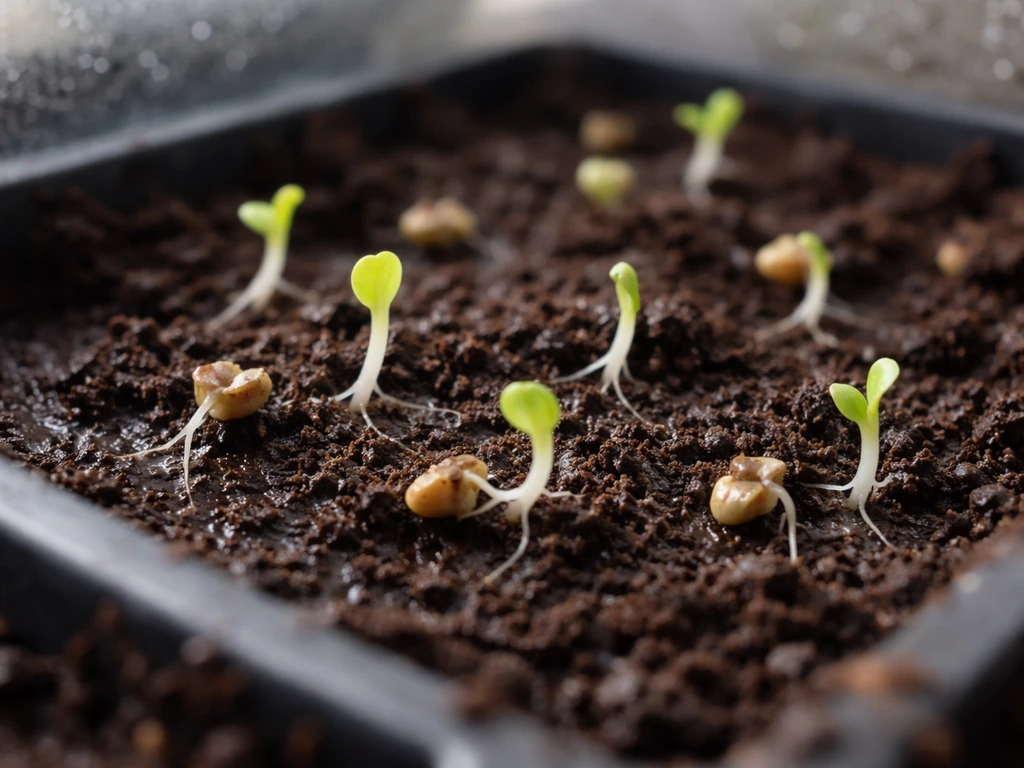
Leaf lettuce starts as a tiny seed that, given moisture and reasonable warmth, will crack open and send down a root and up a shoot within 12 to 24 hours of absorbing water. Do lettuce grow underground? No, lettuce grows above ground from a crown while its roots stay in the soil. The first thing you see above soil is a pair of smooth, oval seed leaves called cotyledons.
These aren't the real lettuce leaves, they're just the plant's starter fuel. The true leaves appear within about 7 days in fall-like conditions, or closer to 20 days if your soil is cold (below 50°F). From there, the plant enters a vegetative phase where it pumps out leaf after leaf from a central growing point called the crown. This is the phase that matters most for harvest.
The crown sits right at or just above soil level, and it's what makes cut-and-come-again harvesting work. When you cut the outer leaves or trim the whole plant 2 inches above the soil, the crown keeps generating new growth. As long as you don't slice into or damage the crown, the plant regrows. The lifecycle ends when the plant bolts, sending up a tall flower stalk, which is triggered by heat and long days.
Once you know the climate and growing conditions, you can follow a simple timeline for how head lettuce grows from seedling to harvest lifecycle ends when the plant bolts. Once bolting starts, leaf quality drops fast, turning bitter and tough. Understanding that progression from germination to vegetative growth to bolting is the core of growing leaf lettuce well.
The conditions leaf lettuce actually needs
Temperature
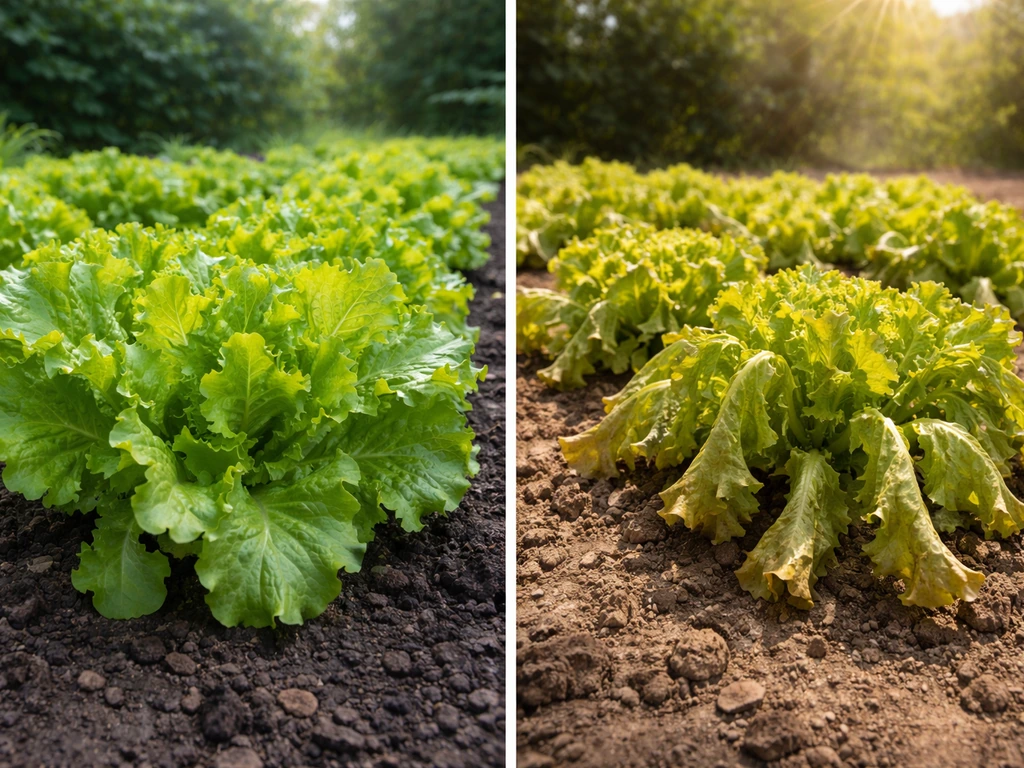
Leaf lettuce is a cool-season crop through and through. It grows best when average daily temperatures sit between 60 and 70°F. Growth slows noticeably as temperatures push past 75°F, and above 80°F sustained heat accelerates bolting. High temperatures and heat spells can accelerate bolting, so keeping lettuce in cooler conditions helps slow the transition to a tall flower stalk heat accelerates bolting. That said, most leaf lettuce tolerates light frost, which means early spring and fall are the sweet spots in most climates. If you're timing a planting right now in late June, you're likely heading into heat, which means focusing on heat-tolerant varieties, shade cloth, or moving to an indoor or climate-controlled setup.
Light
Outdoors, leaf lettuce does well with 6 hours of direct sun in cool weather. In summer, afternoon shade actually helps slow bolting. Indoors or under grow lights, aim for 12 to 14 hours of light per day, that's the range that keeps lettuce producing without triggering early bolting from light stress. If your indoor seedlings are stretching tall and spindly rather than growing compact and bushy, they're not getting enough light. Move them closer to the light source or increase hours before they get leggy.
Water and moisture
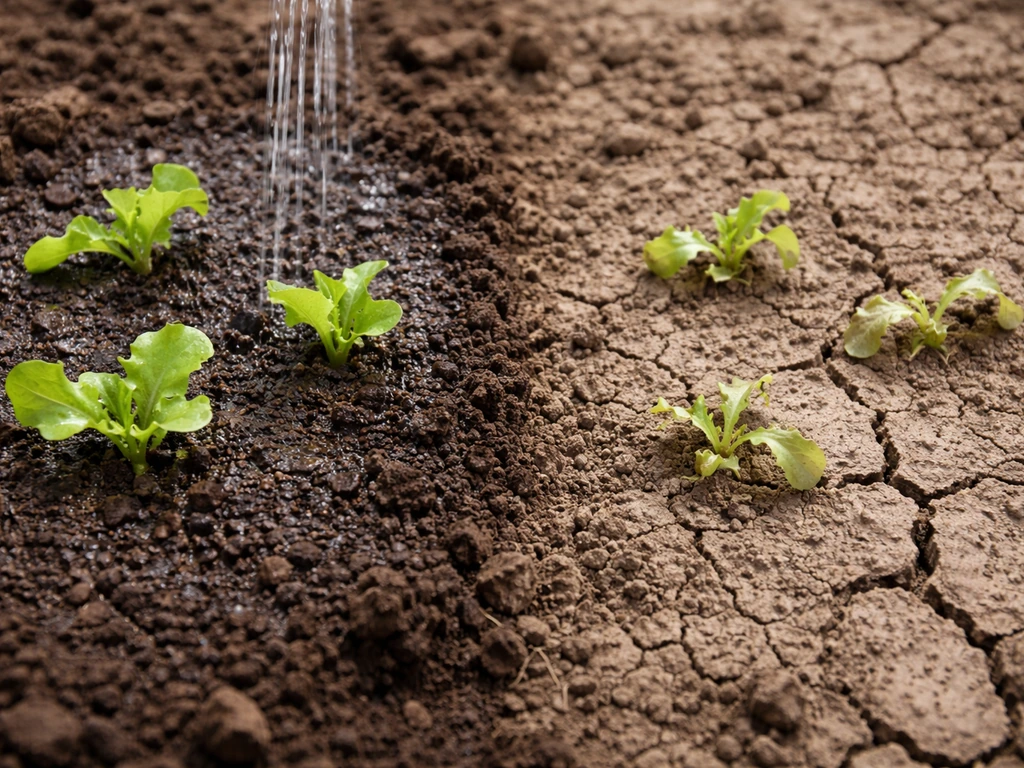
Consistent, even moisture is non-negotiable for good leaf lettuce. The soil should stay evenly moist but not waterlogged. The biggest mistake I see is letting the soil dry out and then drenching it, that moisture swing is exactly what causes tipburn, the browning of leaf edges that looks like a disease but is actually a water stress response. It causes a transient calcium deficiency in the fast-growing leaf tissue, even when calcium is present in the soil. Water before harvest too: lettuce is noticeably crisper when you've kept it well watered in the days leading up to cutting.
Planting setups: soil, containers, and hydroponics
Garden beds and raised beds
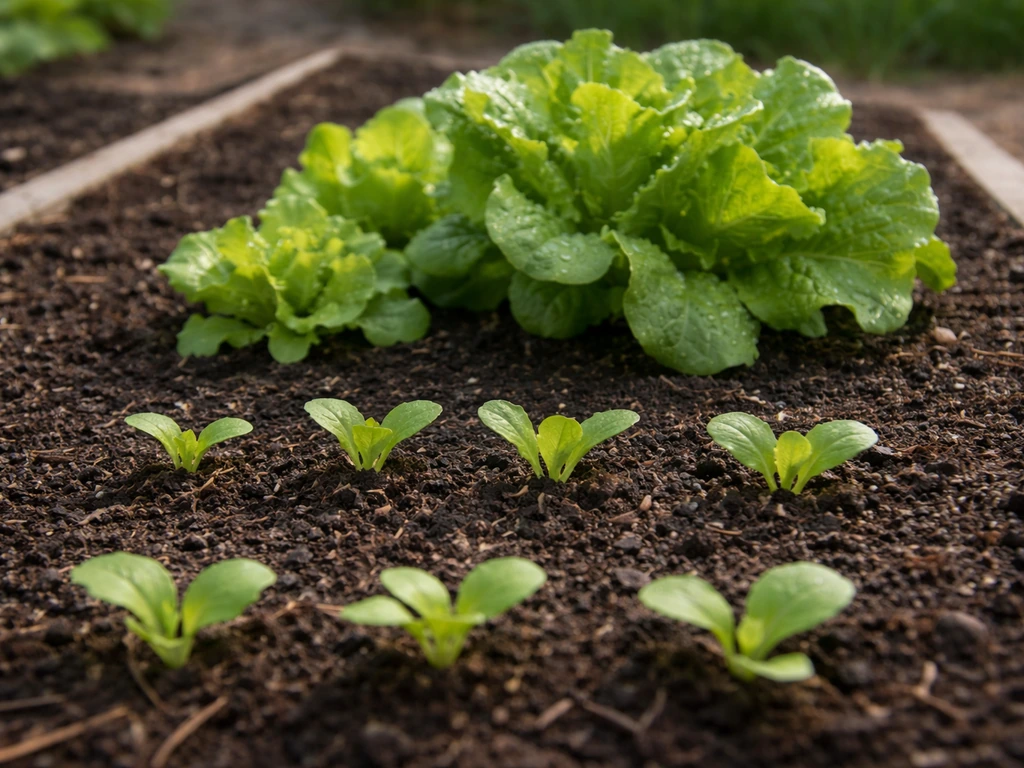
Direct sowing outdoors is simple and effective. Sow seeds 1/4 to 1/2 inch deep into loose, well-draining soil with plenty of organic matter. Rows should be 18 to 30 inches apart if you're growing in traditional rows, though in raised beds you can broadcast seeds more densely and thin later. Keep the seed bed consistently moist until germination, lettuce seeds are tiny and they'll stall out if the surface dries. When leaf lettuce starts to grow, you will usually see tiny sprouts emerge first, then small, rounded true leaves form as the plant settles in seed bed consistently moist until germination. A light covering of vermiculite or a fine mist a couple times a day helps.
Containers
Containers work great for leaf lettuce because you can move them around to catch sun or dodge afternoon heat. Use a pot at least 6 to 8 inches deep with drainage holes. A good potting mix that holds moisture without getting soggy is ideal, garden soil alone tends to compact and drain poorly in pots. Containers dry out faster than ground beds, so you'll likely need to water more frequently, sometimes daily in warm weather.
Hydroponics
Leaf lettuce is one of the best crops for hydroponics, and it grows noticeably faster in a well-managed system. The two numbers you need to watch are pH and EC (electrical conductivity, which measures nutrient concentration). Keep pH in the 5.5 to 6.0 range and EC between 0.8 and 1.2 mS/cm. At seedling stage, stay toward the lower end of that EC range, around 0.8 to 1.0, and increase slightly as the plant matures. If your pH drifts outside the target range, the plant can't absorb nutrients even if the solution is fully loaded with them. Test your water before adding nutrients, since tap water chemistry varies a lot by location.
Spacing, thinning, and fertilizing
Crowding is one of the most common reasons leaf lettuce underperforms. In a bed or container, thin seedlings so individual plants are spaced about 6 to 8 inches apart once they've grown their first true leaves. Yes, it feels wasteful to pull out seedlings, but the ones you leave will grow larger, healthier leaves and be more resistant to disease. Crowded plants get poor airflow, which invites fungal problems, and they compete for water and nutrients.
For fertilizing in soil or raised beds, a moderate nitrogen application at planting gets things started, place fertilizer in a band about 2 inches below the seed if applying at sowing time. Avoid going heavy on nitrogen, though: excess nitrogen can actually contribute to tipburn and makes plants more prone to bolting. A balanced slow-release fertilizer or regular applications of compost are usually enough. In containers, a diluted liquid fertilizer every 2 weeks keeps things moving without overfeeding.
Leaf lettuce varieties worth growing
Choosing the right variety makes a real difference, especially if you're dealing with heat. Here are some reliable options:
| Variety | Type | Days to Maturity | Notable Trait |
|---|---|---|---|
| Red Sails | Loose-leaf | 45 days | Good heat tolerance, slow to bolt |
| Salad Bowl | Loose-leaf | 50 days | Oak-leaf shape, mild flavor, heat tolerant |
| Red Salad Bowl | Loose-leaf | 50 days | Red version, cut-and-come-again performer |
| Great Lakes | Crisphead/Leaf | 80+ days | Cold-hardy, reliable in cooler climates |
| Black Seeded Simpson | Loose-leaf | 45 days | Classic beginner variety, very fast to harvest |
If you're growing right now in summer heat, Red Sails and Salad Bowl are your best bets outdoors. For fall or spring planting, nearly any leaf variety will do well.
Timeline and how to harvest for multiple cuttings
Here's a realistic timeline from seed to first harvest under good conditions at 60 to 70°F:
- Day 1: Sow seeds 1/4 to 1/2 inch deep, water gently.
- Days 1 to 3: Germination begins; seedling shoots emerge from soil.
- Days 7 to 10: First true leaves appear (in warm soil); up to 20 days in cold soil.
- Days 14 to 21: Seedlings are 2 to 3 inches tall; thin to final spacing.
- Days 30 to 40: Plants are 4 to 6 inches tall; you can start harvesting outer leaves.
- Days 45 to 55: Full harvest size; cut the whole plant 2 inches above soil for cut-and-come-again.
- Days 60 to 70: Second and third cuts possible if conditions stay cool.
For cut-and-come-again harvesting, you have two approaches. The first is to snap or snip the outer, larger leaves while leaving the younger inner leaves and the crown intact, the plant keeps growing from the center and you get a continuous trickle of leaves. The second approach is to cut the whole plant about 2 inches above the soil line with sharp scissors or a knife. The crown regenerates and gives you another full head in 2 to 3 weeks. Both work. I prefer the whole-plant cut for cleaner regrowth, but the outer-leaf method gives you more flexibility.
Succession sowing is the best way to keep fresh lettuce coming all season. Sow a new small batch every 2 weeks during your cool-season window. That way you're never waiting weeks for a harvest and you're not stuck with a glut all at once. In spring, start your last succession about 6 weeks before your average daytime high consistently hits 75°F. In fall, start your first succession about 8 weeks before your first hard frost.
One honest note on timing: lettuce becomes bitter and tough if you wait too long to harvest. If leaves are getting large and the plant looks like it wants to stretch upward, cut it now. Waiting rarely improves things.
Bolting and heat stress: how to deal with it
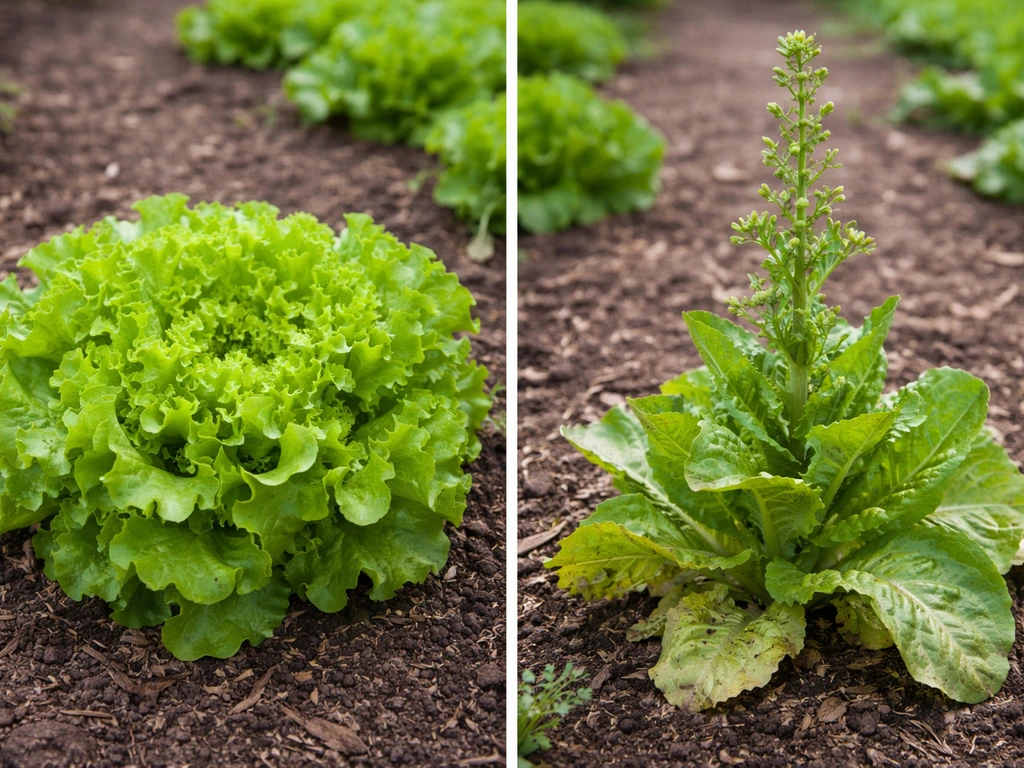
Bolting is when leaf lettuce shifts from producing leaves to producing a tall flower stalk. It's triggered by sustained heat (especially above 75 to 80°F) and long days. Once the stalk appears, leaves quickly become bitter and the plant is essentially done. You can eat the leaves at the early sign of bolting, they're still edible just more bitter, but you won't get more quality cuttings.
The best defense against bolting is timing. Plant in spring as early as the soil can be worked, or in fall when temperatures drop. If you're growing right now in late June and your temperatures are routinely in the 80s, expect bolting to happen fast regardless of variety. Your realistic options are: move plants to afternoon shade, use 30 to 50 percent shade cloth over the bed, or shift your lettuce growing indoors or into a basement under grow lights where you control temperature.
If you notice a plant starting to bolt, the center starts stretching upward, leaves get narrow and pointed, harvest the whole plant immediately. Get what you can before the leaves turn fully bitter. Then consider pulling it and replanting with a heat-tolerant variety, or just waiting until late summer to start a fall succession.
Troubleshooting: what to do when things go wrong
Seeds aren't germinating
If seeds aren't emerging after 10 days, check three things: soil temperature, moisture, and seed depth. Lettuce seeds go dormant above about 80°F soil temperature, this is called heat dormancy and it's a common summer problem. If your soil is hot, move to a shaded spot or start seeds indoors where it's cooler. Also check that the seed bed hasn't dried out even once since sowing. Finally, make sure seeds aren't buried too deep, anything more than 1/2 inch is too deep.
Seedlings are leggy and falling over
Leggy, stretched seedlings mean not enough light. Outdoors this sometimes happens on cloudy early spring days, but it's most common with indoor starts placed too far from a window or grow light. Move them closer to the light source immediately, within 2 to 4 inches of a grow light if using one. You can bury leggy seedlings slightly deeper when transplanting to compensate, but prevention is easier.
Growth is slow
Slow growth usually comes down to one of three things: temperature too cold (below 45°F slows everything), nutrients too low (especially nitrogen, which drives leafy growth), or inconsistent watering. Check all three before adding more fertilizer, over-fertilizing a cold, wet plant does nothing useful. If growing in containers, check whether roots have filled the pot and are circling, root-bound plants stall out and need to be moved up to a larger container.
Brown leaf edges (tipburn)
Tipburn, brown, papery edges on leaves, is almost always a moisture management problem, not a disease. It happens when water stress causes a transient calcium deficiency in the fast-growing outer leaf tissue, even when calcium is present in the soil. The fix is consistent watering: never let the soil dry out completely between waterings. Mulching around plants helps retain moisture. If tipburn appears after a dry spell, water consistently going forward, new growth should come in clean.
Aphids
Aphids cluster on the undersides of leaves and in the folds of young growth. A strong spray of water knocks most of them off. For persistent infestations, insecticidal soap applied directly to the affected areas works well. Check plants regularly, small aphid populations are easy to manage; large ones get messy fast. Avoid excess nitrogen fertilizer, which produces the soft, lush growth that aphids favor.
Downy mildew and powdery mildew
Downy mildew shows up as yellowish patches on the upper leaf surface with a white, dusty or fluffy growth on the underside. It spreads quickly and is very hard to eradicate once established, so the goal is prevention: good plant spacing for airflow, avoiding overhead watering in the evening, and not crowding plants. Powdery mildew looks different, it's a white powdery coating on the upper leaf surface and tends to appear when days are warm and nights are cool. For both diseases, cultural controls (spacing, airflow, watering timing) are far more effective than trying to treat an established infection. Remove and dispose of heavily affected leaves immediately.
Transplanting vs. direct sowing
Leaf lettuce can be direct-sown or transplanted from starts. Direct sowing is easier and usually works well because lettuce seed is cheap and germinates quickly. Transplanting is useful when you want to get a head start indoors before the last frost, or when you want to fill a gap in a bed immediately with a plant already 3 to 4 weeks along. If transplanting, handle the roots gently and water in well. Transplants can show brief wilting for a day or two, that's normal. Keep the soil consistently moist during establishment and they'll recover quickly.
Your next steps for continuous harvests
If you haven't started yet, the most useful thing you can do right now is decide where you're growing: outdoors in a bed or container (which means timing around heat if it's summer), or indoors under lights where you control conditions year-round. If you're curious about the full process, see our guide on how do lettuce grow for step-by-step planting to harvest decide where you're growing. Pick a fast variety like Black Seeded Simpson or Red Sails, sow a small batch today, and set a reminder to sow another batch in 2 weeks. That staggered rhythm is what turns a one-time harvest into steady fresh greens on your counter.
Keep the soil moist, give it enough light, stay ahead of heat with timing or shade, and harvest before the plant bolts. Leaf lettuce is genuinely forgiving if you get those basics right. And if something goes wrong, leggy seedlings, tipburn, a plant that bolts in week four, treat it as information, adjust one thing, and sow another round. That's really how you learn to grow it well.
FAQ
How often should I harvest leaf lettuce, and when is the best time of day?
Harvest every few days once leaves are usable (about 4 to 6 inches tall), and cut in the morning if you can. Cooler, turgid leaves handle cutting better and store crisper for longer than evening harvests.
Should I remove older leaves or just cut the whole plant every time?
You can do either, but avoid repeatedly trimming tiny amounts from the same outer edge. If the plant looks crowded or uneven, a 2-inch whole-plant cut is cleaner because it resets the growth pattern and helps you maintain an intact crown.
What if the crown gets damaged, will the plant die or regrow?
If you nick or scrape the crown deeply, regrowth often stalls or becomes patchy. The practical approach is to inspect the center, remove leaves so you can see it, and if the crown browns or collapses, replant quickly rather than waiting for weeks.
How do I know when leaf lettuce is about to bolt, before it becomes bitter?
Early signs include the center stretching upward, leaves becoming narrower and more pointed, and the plant forming a tighter, less leafy rosette. If you see those changes, harvest immediately and plan a succession with a heat-tolerant variety.
Can I grow leaf lettuce in full sun, or is shade always required?
You don’t need shade in cool weather, 6 hours of direct sun is usually fine. In warm spells, afternoon shade matters most because that is when heat and day length combine to trigger faster bolting.
Why are my lettuce leaves bitter even though my plants are still leafy?
Bitterness commonly comes from heat stress, harvesting too late, or letting the soil dry between waterings. If the plant is still producing but taste is off, cut sooner and keep moisture even for the next harvest batch.
What spacing should I use for loose rosettes in beds versus containers?
In beds, thin to about 6 to 8 inches between plants once true leaves form. In containers, the same spacing can crowd fast depending on pot width, so prioritize fewer plants per pot to maintain airflow and reduce fungal issues.
My lettuce keeps getting tipburn, what should I change besides watering?
Check for consistent moisture first, then look at fertilizer strength. Overly rich nitrogen can increase growth speed and stress margins, making tipburn worse even if you water. Also ensure the plant isn’t root-bound in containers, because stressed roots struggle to deliver calcium to fast-growing tissue.
How can I prevent pests like aphids without over-treating?
Start with removal and prevention, a strong water spray knocks down most aphids early. Avoid heavy nitrogen, because it encourages soft growth that attracts aphids. If populations persist, insecticidal soap works best when you cover the underside of leaves where they cluster.
What should I do if I see mold or mildew on leaves?
Don’t wait for it to spread. Remove affected leaves immediately, improve airflow by thinning or spacing, and avoid wetting foliage late in the day. For best results, focus on prevention because established infections are difficult to reverse.
Is it better to direct sow or transplant for faster harvest?
Direct sowing is often simpler and gives reliable cut-and-come-again growth. Transplanting is best when you need a quick start, filling a gap, or you’re managing temperature indoors, but transplants must be kept consistently moist for a short establishment period.
How deep should I sow seeds, and what happens if they are too deep?
Sow about 1/4 to 1/2 inch deep. Deeper sowing slows emergence and can reduce stand quality because lettuce seeds have limited energy reserves, especially in cooler or drying soil.
Can I re-sow right after a harvest from the same spot?
Yes, but rotate or reset soil health when possible. If you’re reusing the same bed area repeatedly, refresh with compost and watch for pests or disease carryover. In warm periods, time the next sowing to precede heat or use shade to avoid an early bolt.
If germination is slow, what is the most likely cause during summer?
Heat dormancy is the most common summer issue. If the soil is staying above about 80°F, seeds may sit without sprouting even when moisture is adequate, so shift to shade, start indoors in cooler conditions, or wait for a cooler window.