Lettuce does not grow underground. The part you eat, the leaves, grows above the soil. If you want the full step-by-step, start with how do lettuce grow from seed, including depth, light, and temperature how lettuce grows above ground. What's underground is the root system, and it stays there doing its job of pulling up water and nutrients while the leafy canopy does its thing up top. Lettuce is not a root vegetable. There's no edible bulb, tuber, or storage organ hiding below the surface like you'd find with carrots, potatoes, or onions. If you're wondering whether you need to dig to harvest it, you don't. You cut or pull the leaves from above ground.
Do Lettuce Grow Underground? What Grows Below vs Above
Marcus Holloway
30 Apr 2026
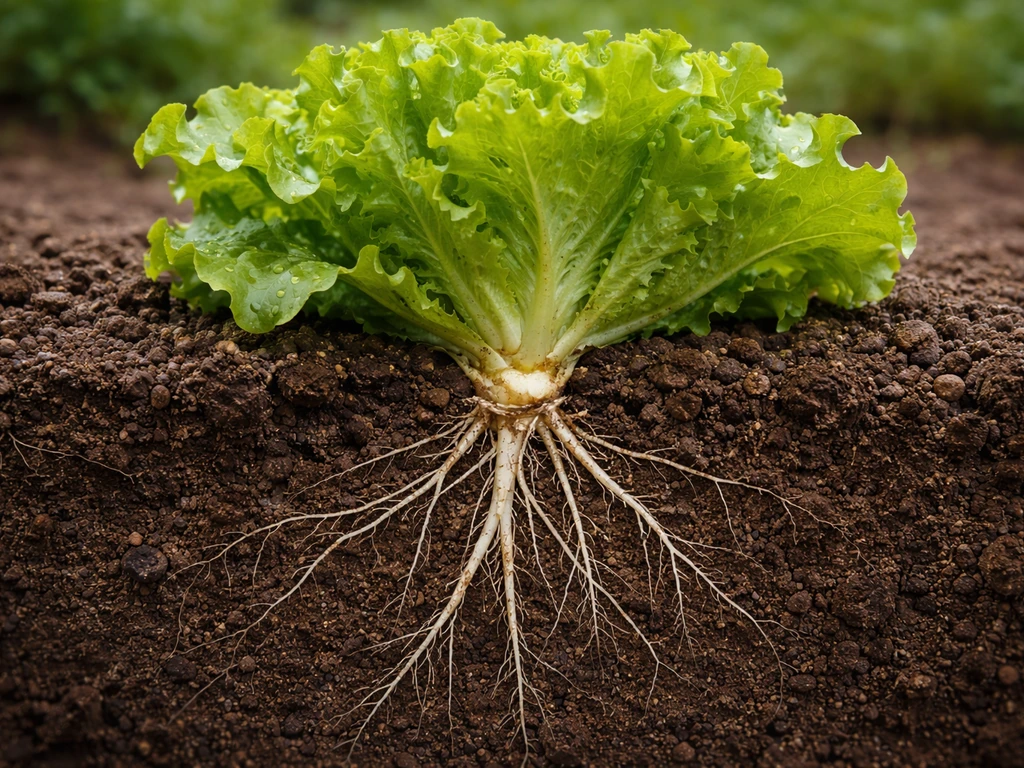
What's actually above ground vs. below ground in a lettuce plant
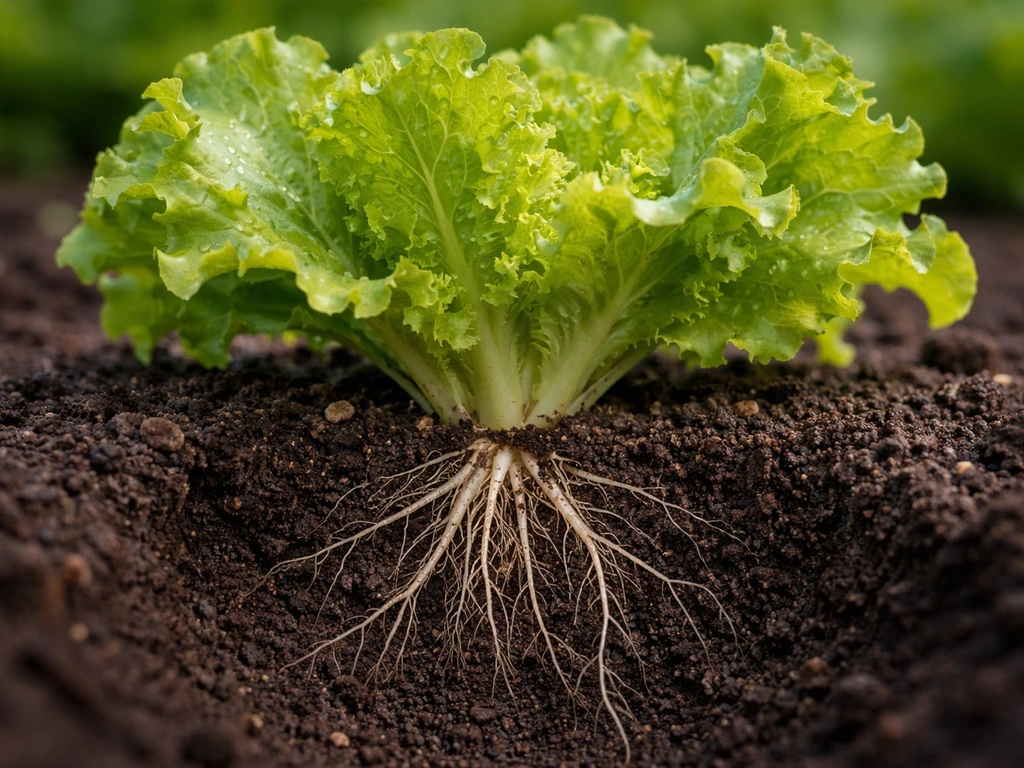
Here's how to picture it. When lettuce is growing well, you've got two distinct zones. Above the soil you have the leaves, which are the entire point of growing lettuce, and the lower stem that the leaves attach to. Right at the soil surface sits what's called the crown, which is the transition zone between the root system and the stem. Below the soil you have the roots, including a central taproot and a network of smaller horizontal roots that branch out near the surface.
The crown is worth knowing about because it's the most vulnerable part of the plant. It's not an edible structure and it's not a storage organ. It's more like the plant's hub, where everything connects. Damage to the crown (from pests, disease, or planting too deep) can kill the whole plant even when the leaves above look fine. Cornell researchers studying lettuce crown girdling focus specifically on this zone precisely because problems here don't always show up immediately in the leaves above.
Everything you harvest is above that crown. Whether you're growing loose-leaf varieties and snipping outer leaves as you go, or growing a head type like romaine or butterhead that forms a tight rosette, it all happens above ground.
How lettuce is planted and what happens underground during germination
Lettuce seed is tiny, and that matters a lot for how you plant it. The general rule is to sow seeds about 1/8 to 1/4 inch deep, with some guidance going up to 3/8 inch in certain soil conditions. University of Arizona guidelines note that only about 10 to 15 percent of the seed should even be visible in the row after planting. That gives you a sense of how shallow this is. You're essentially just barely covering the seed with soil.
Once the seed is in the ground and absorbs moisture, germination kicks off. The very first thing to emerge from the seed is the radicle, which is the embryonic root. It pushes downward into the soil before anything breaks the surface. So technically, the first growth from a lettuce seed happens underground. But within days, the seedling shoots upward and the leaves begin developing above the soil. From that point on, root growth continues down while all the edible development happens up top.
If you're starting with transplants instead of direct seeding, the same principle applies. You're planting a small seedling into the ground, setting it at the depth it was already growing at, so the crown sits right at or just above the soil surface. You're not burying the plant deeper to encourage more growth. Deeper is not better with lettuce.
How deep lettuce roots actually go
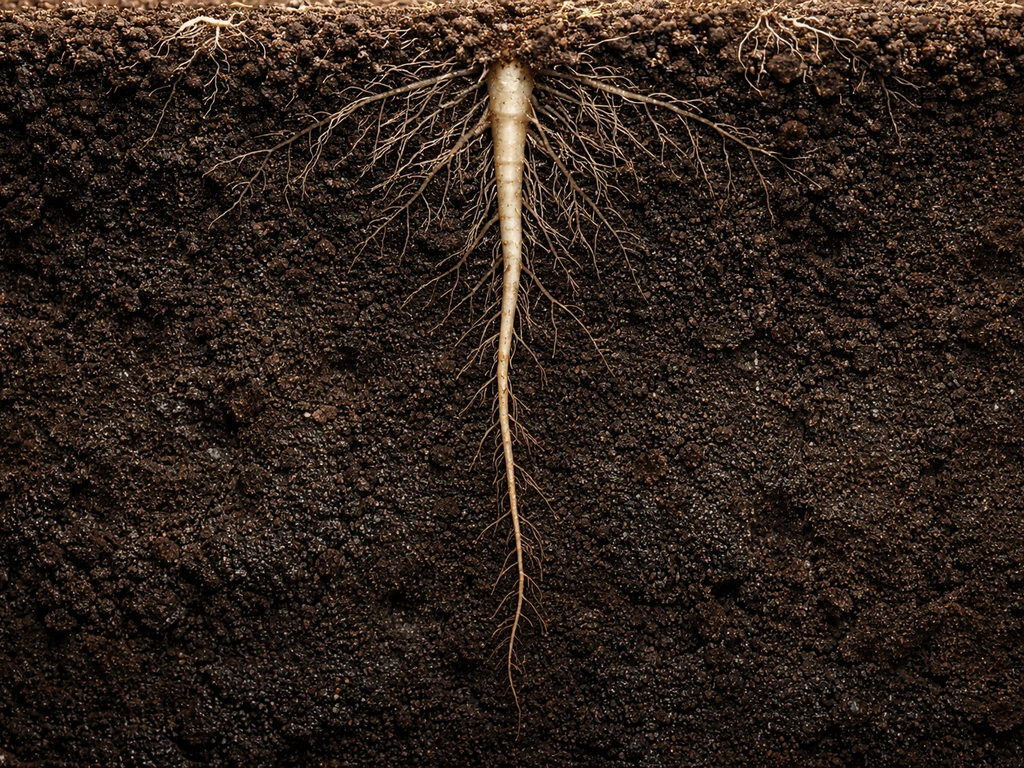
Lettuce does develop a taproot that can push down fairly aggressively in loose, moist soil, with some research suggesting growth rates up to about an inch per day under ideal conditions. But don't let that fool you into thinking lettuce is a deep-rooted plant in terms of what matters for growing it. The horizontal roots near the surface are where nearly all the water and nutrient absorption happens. University of Minnesota Extension is clear on this: the upper, shallow root zone does the heavy lifting, not the taproot.
This is why keeping the top few inches of soil consistently moist matters so much. If that shallow zone dries out, the plant stresses quickly even if the taproot is pushing deeper into moist subsoil. It also means shallow cultivation around lettuce is fine, but you can nick those surface roots if you dig more than an inch or two near the plant.
For soil conditions, aim for a pH between 6.0 and 6.5. Lettuce is a light feeder but it does need a balanced, well-drained growing medium. Heavy clay that holds too much water will suffocate the roots, while very sandy soil that drains too fast will dry out that critical surface root zone too quickly.
Does 'underground' mean something different in containers or hydroponics?
The short answer is yes, and it's worth thinking through each setup separately.
Outdoor beds
In a traditional garden bed, underground means actual soil below the surface. Roots grow down into that soil, and as long as your soil is loose, well-drained, and kept consistently moist in the top layer, lettuce does well. The main thing to avoid here is compacted or waterlogged soil, both of which cut off oxygen to the root zone.
Containers and pots
In a container, underground means within the growing medium inside the pot. The concept is the same, but the risks shift. Containers can dry out fast, stressing that shallow root zone, or they can stay too wet if drainage is poor. University of Maryland Extension guidance on container gardening is direct: drainage holes are non-negotiable. A pot without adequate drainage will cause roots to rot even if the top of the soil looks fine. Keep the medium evenly moist but not saturated, and lettuce in containers performs just as well as it does in a bed.
Hydroponic systems
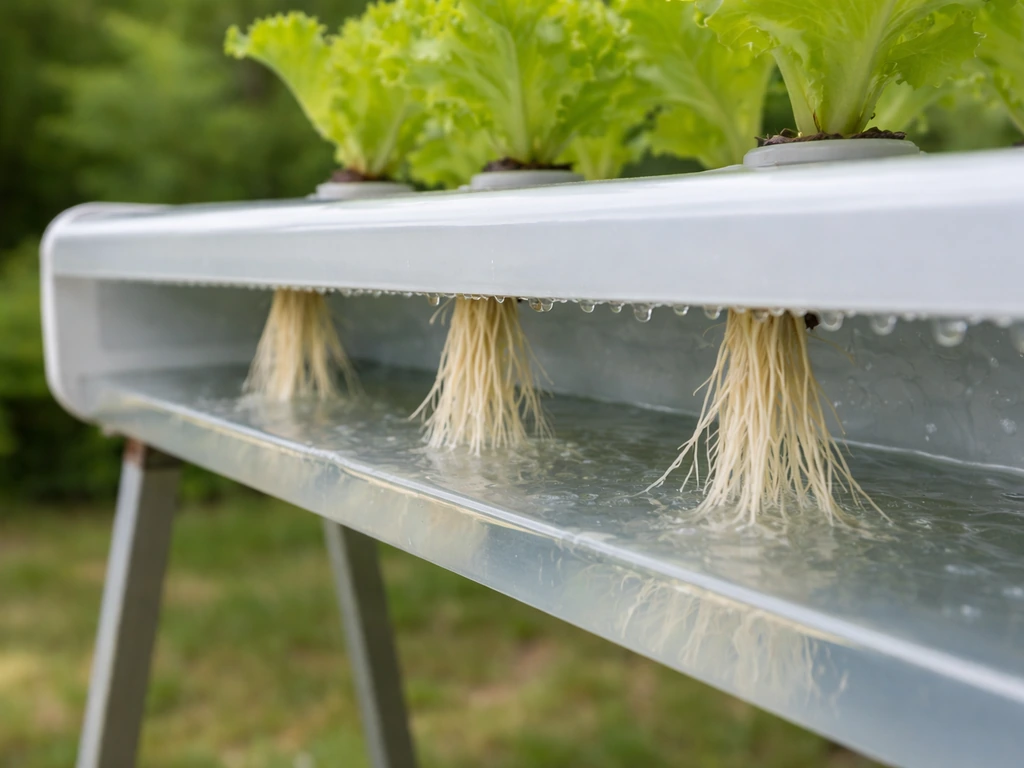
In hydroponics, there is no soil at all, so the whole idea of underground changes entirely. In a nutrient film technique (NFT) system, roots hang down into channels where a thin, recirculating stream of nutrient solution flows past them. In deep water culture (DWC), roots are fully submerged in oxygenated nutrient solution. Either way, the leaves still grow above the water line or channel while the roots are suspended below in solution. The spatial relationship is the same: leaves up top, roots down below. The medium just isn't soil.
| Growing Setup | What 'Underground' Means | Key Root Concern |
|---|---|---|
| Outdoor bed | Roots in soil below surface | Compaction or waterlogging |
| Container/pot | Roots in growing medium inside pot | Poor drainage, fast drying |
| NFT hydroponics | Roots in nutrient film channel | Solution flow rate and oxygenation |
| DWC hydroponics | Roots submerged in oxygenated solution | Oxygen levels in water |
Why lettuce gets confused with root vegetables (it's not one)
A lot of beginner confusion comes from grouping lettuce with plants that have edible underground parts. It makes sense at first because you plant lettuce in the ground, so it feels like something edible must be forming down there. But lettuce has no underground storage organ. It doesn't form a bulb like an onion (which is a modified underground stem surrounded by fleshy scales used to store energy), and it doesn't form a tuber like a potato (also a modified underground stem, just swollen with starch). Carrots and beets are true root crops where you eat the actual root. Lettuce uses its roots only for anchoring and uptake.
Lettuce is a leafy green, and the whole point of the plant from a gardening standpoint is what it produces above ground. How lettuce grows at the leaf level (whether it's a loose-leaf type, a heading variety like iceberg, or a romaine that forms an upright heart) is all above-ground behavior. Understanding that distinction makes it much easier to know what to expect when you grow it, when to harvest, and what a healthy plant actually looks like.
One other thing worth mentioning: bolting. When lettuce gets too hot or stressed, it transitions from leafy vegetative growth to producing a flowering stalk. That tall stalk grows upward, above ground, not downward. Cool-season crops like lettuce bolt when exposed to temperatures above roughly 25 to 30 degrees Celsius (77 to 86 degrees Fahrenheit). When that happens, the leaves turn bitter and the plant is essentially done for harvest. It's a growth behavior happening entirely above ground, not below it.
If something went wrong with your lettuce today, start here
The question of whether lettuce grows underground often comes from a practical place: something isn't working, and you're not sure what's happening. Here are the most common scenarios and what to do right now.
Seeds aren't germinating
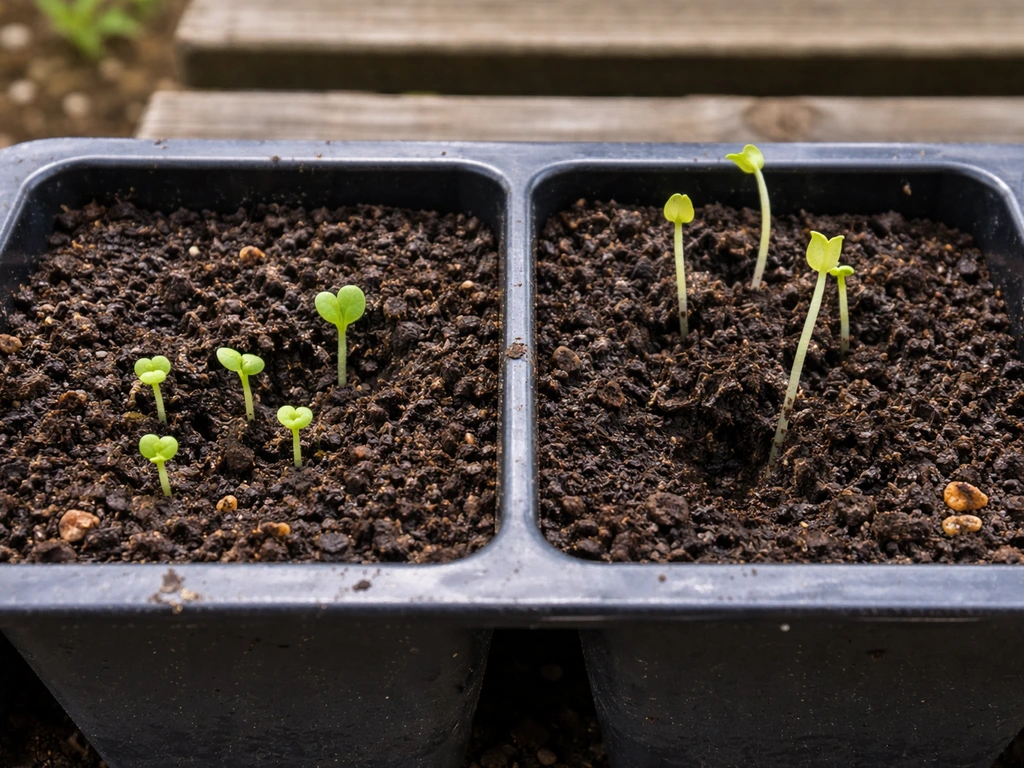
First check how deep you planted them. If you buried seeds deeper than about 3/8 inch, they may not have enough energy to push through the soil before they exhaust their reserves. If you can identify where you sowed, gently scratch the surface to see if seeds are still sitting there intact. If they are, don't replant deeper, just thin out the soil above them slightly and keep the surface moist. If seeds were planted correctly but still aren't sprouting, check soil temperature. Lettuce germinates best between 60 and 70 degrees Fahrenheit (about 15 to 21 degrees Celsius). At 25 degrees Celsius or above, germination can be inhibited or completely stall.
Seedlings emerged but look weak or leggy
Weak, stretched seedlings almost always mean insufficient light, not a root problem. Move outdoor containers to a sunnier spot, or if you're growing indoors, get the light source closer to the seedlings. Also check that the soil near the surface isn't drying out between waterings. Since lettuce depends heavily on that shallow root zone, even brief dry periods slow growth noticeably.
You planted transplants too deep
If you buried the crown below the soil surface, you risk crown rot and poor growth. If you just planted recently, carefully loosen the soil around the plant and lift it slightly so the crown sits at or just above the soil line. Water it in gently afterward. If it's been in the ground for a week or more and looks okay, leave it alone, disturbing established roots does more harm than good at that point.
Leaves look distorted or have brown tips
Brown or burnt-looking leaf tips, especially on inner leaves, is often tipburn, a calcium deficiency in developing tissue. It's common in both soil and hydroponic growing and is usually related to moisture inconsistency, poor airflow, or nutrient imbalance rather than a root zone issue. Keep soil evenly moist, ensure good airflow around the plants, and if you're growing hydroponically, check that your nutrient solution has adequate calcium levels.
Plant bolted before you could harvest
If a tall flower stalk appeared and the leaves turned bitter, the plant bolted from heat or day-length stress. At this point the plant is done for fresh eating. Pull it, compost it, and replant. Going forward, time your lettuce plantings for cooler weather, which in most climates means spring (well before summer heat) or fall. If you're in a warm climate, look for bolt-resistant varieties specifically bred for heat tolerance.
Roots look brown or slimy (containers or hydroponics)
This is root rot, almost always caused by lack of oxygen. In containers, check that drainage holes aren't blocked and that you're not overwatering. Let the medium partially dry between waterings. In DWC systems, check your air pump and air stones. Roots need oxygenated water, not stagnant water, and even a few hours without adequate oxygen can cause root rot to start.
Lettuce is a forgiving plant when you understand how it grows: leaves up, roots shallow, harvest above ground. Once that clicks, most of the confusion about how to plant it, water it, and troubleshoot it gets a lot easier to work through.
FAQ
Does anything edible grow underground, like a hidden bulb or storage organ?
Yes, the earliest lettuce growth starts underground. The radicle (embryonic root) emerges first, then the shoot pushes up quickly. So the seed is in soil, but the edible part (leaves) develops above the soil line.
If the roots are thick, can I harvest them like carrots or potatoes?
No. Lettuce does not form a swollen root you can harvest like a potato or a true root crop like a carrot. Even the thickening taproot is mainly for anchoring and water or nutrient uptake, not for eating.
How deep should I plant lettuce transplants so they grow well?
You should avoid burying lettuce deeper than necessary because the crown is the vulnerable transition point. With transplants, set the seedling at the same depth it grew in previously, then make sure the crown ends up at or slightly above the soil surface.
Is deep watering better for lettuce since it has a taproot?
Aim to keep the top few inches consistently moist, because most absorption happens in that shallow root zone. If you only water deeply, the surface can dry out and the plant will stall or turn bitter even when deeper soil is still wet.
Why do I get leaf tipburn even when my soil has plenty of fertilizer?
More fertilizer can worsen leaf tipburn. Lettuce needs balanced nutrition, and strong swings in moisture or salts can trigger calcium-related tipburn in new tissue. Instead of heavy feeding, prioritize steady moisture and appropriate nutrient strength (especially in hydroponics).
Can I harvest lettuce more than once, and where does regrowth happen?
No. Lettuce can be cut-and-come-again (especially loose-leaf types) because new outer leaves keep forming from above the crown. For head lettuces, harvest timing matters more, because once it bolts or forms a tight structure poorly, regrowth is limited.
If I pull leaves from the plant, how do I avoid damaging the crown?
Don’t pull established plants up by force if you only want leaves. Gentle harvesting from above reduces crown injury. If the crown gets damaged, the plant may stop altogether, even when leaves still look okay for a short time.
How close to the plant can I weed or loosen soil without harming roots?
Yes, but don’t confuse a seedling’s roots with a “deep root crop” mentality. For loose-leaf lettuce, shallow cultivation and careful weeding near plants are safest, since horizontal roots are close to the surface and can be nicked by deeper hoeing.
If my lettuce turns bitter and sends up a stalk, is that a root problem or something else?
Bolting happens above ground when lettuce is stressed by heat or day-length. When it bolts, it sends up a flowering stalk and leaves usually become bitter. The practical fix is reseeding or replanting for cooler periods, and choosing bolt-resistant varieties if your summers are warm.
What are the most common reasons lettuce seeds don’t sprout after planting?
If seeds fail to sprout, the underground part is usually about depth and temperature, not about planting in a “deeper for better” way. Lettuce seed is tiny, sow shallow (roughly 1/8 to 1/4 inch), and keep it moist, then check that soil temperatures are in the recommended germination range.