Lettuce grows from seed or from transplants (nursery starts you buy and plant directly). Those are your two real options. Seeds are cheaper, give you more variety choices, and work great for direct sowing outdoors or starting a tray indoors. Transplants get you a few weeks ahead of schedule and are easier if you're a beginner who doesn't want to manage the germination stage.
What Does Lettuce Grow From Seed or Transplants
Marcus Holloway
15 May 2026
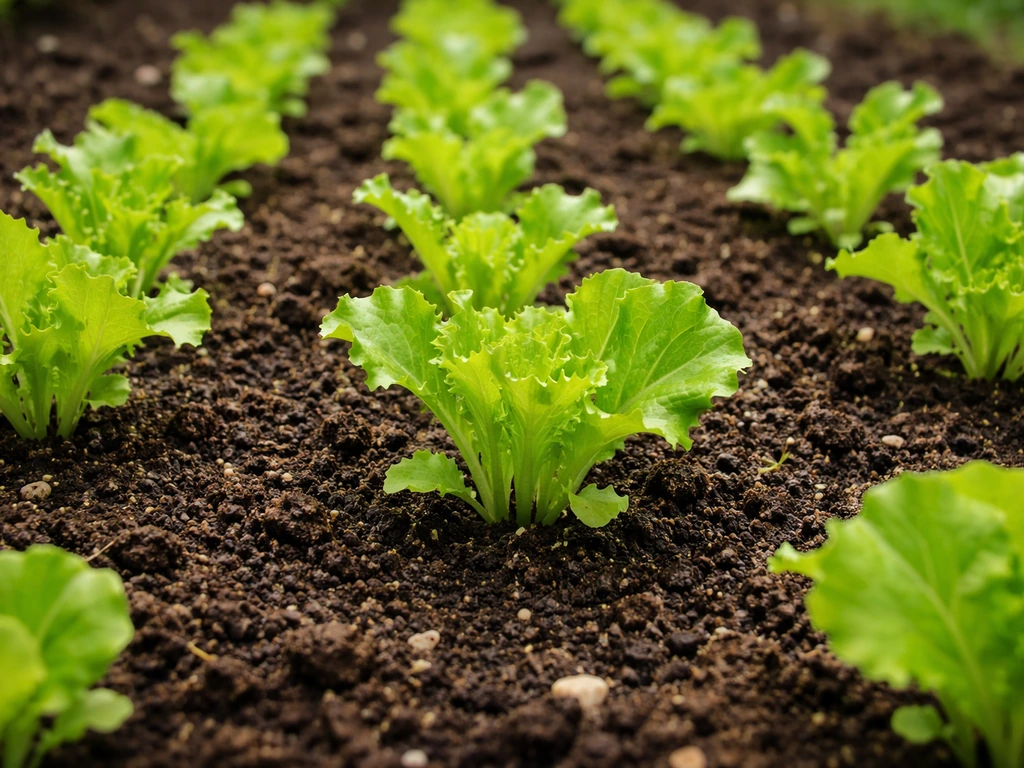
You may have seen claims about regrowing lettuce from the cut base of a head, and while you can get a few leaves that way, it doesn't produce a full, reliable crop, so for actual growing purposes, stick with seeds or transplants. Lettuce does not grow underground; it develops above the soil as a leafy plant grow lettuce underground.
What lettuce actually grows from: seeds vs transplants
Lettuce is a cool-season annual, which means it completes its whole life cycle in one season: sprout, grow, bolt, and set seed. Every lettuce plant you'll ever harvest started as a tiny seed. The question is whether you handle that germination stage yourself or buy a transplant where someone else already did it for you.
Seeds are the most common starting point for home gardeners. You get access to dozens of varieties you'd never find as transplants at a garden center, everything from butter lettuce to speckled romaine to oak leaf types. A single seed packet costs a couple of dollars and contains enough seed to grow far more lettuce than most families can eat. The tradeoff is that you're responsible for germination conditions and early seedling care.
Transplants (also called starts or seedlings) skip the germination window entirely. You plant them straight into your bed or container and they're already 3 to 4 weeks along. They're great for spring gardening when you want to hit the ground running before heat arrives, and they're a solid choice for beginners. The downside is limited variety selection and a slightly higher per-plant cost.
A quick note on the 'regrow from cuttings' idea: if you've seen videos showing lettuce sprouting from a cut stem base placed in water, that's real but limited. You'll get a handful of small leaves, not a full plant. It's a fun kitchen experiment, not a reliable growing method. For an actual harvest, you need seeds or transplants.
Starting lettuce indoors vs sowing it outdoors
Where you start your lettuce depends on your timing, climate, and setup. Both approaches work well when you match them to the right conditions.
Starting indoors
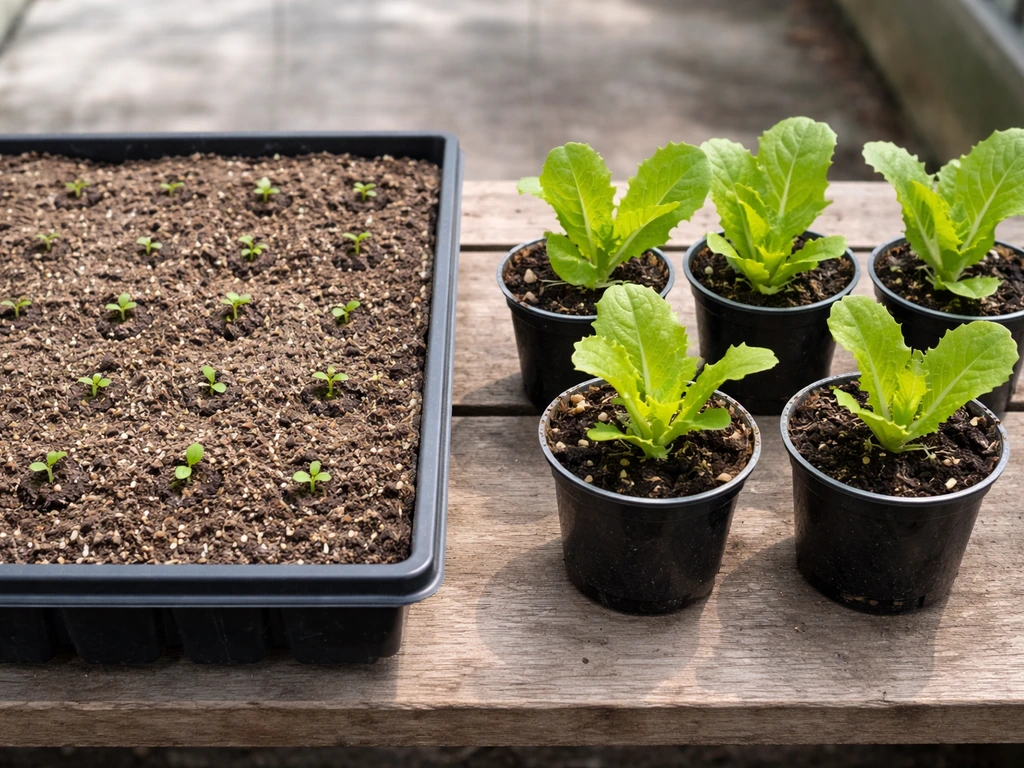
Starting indoors gives you control over temperature and moisture during the vulnerable germination stage. It also lets you get lettuce going 3 to 4 weeks before your last frost date, so plants are ready to go outside the moment conditions allow. As your seedlings start to grow, you will see tiny leaves forming and a small rosette developing, which becomes the lettuce plant how lettuce looks when it starts to grow.
Use a 128-cell seed tray or small pots filled with sterile seed-starting mix. Sow seeds on the surface or press them just barely under the mix, lettuce seeds need light to germinate, so deep burial kills your germination rate. Keep the tray at around 70°F and consistently moist but not waterlogged. Don't put covered trays in direct sunlight, which can overheat the enclosed space.
Direct seeding outdoors
For outdoor beds, you can direct sow lettuce as soon as the soil is workable in spring, which typically means soil temps of at least 40°F. Lettuce is cold-tolerant enough to handle light frosts once established, so don't wait for warm weather. Scatter seeds thinly in rows or a broadcast pattern, press them lightly into the surface, and keep the soil evenly moist until germination. This method works especially well for loose-leaf varieties that you harvest by cutting outer leaves rather than waiting for a full head. If you want to grow leaf lettuce specifically, you’ll use the same overall steps, but choose a loose-leaf type and harvest by cutting outer leaves as it grows loose-leaf varieties.
Growing lettuce from seed: germination and early care
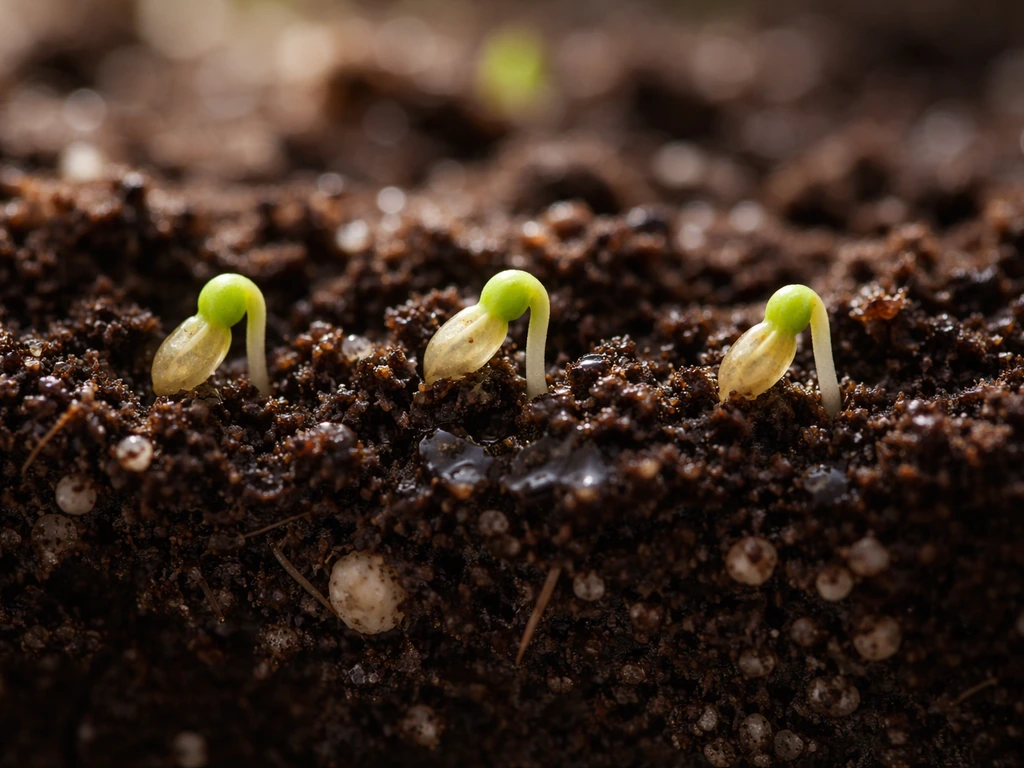
Lettuce seeds germinate best between 55°F and 65°F. At those temperatures, you'll typically see sprouts in 7 to 10 days. The germination window extends down to around 32°F to 35°F, but at those cold extremes it takes much longer. On the upper end, soil temperatures above 80°F push lettuce seeds into dormancy, they simply won't sprout until things cool down. This is one of the most common reasons gardeners complain that their lettuce seed 'didn't work.'
Depth matters a lot with lettuce. Unlike larger vegetable seeds that get buried an inch or more, lettuce seeds are tiny and need light to trigger germination. Press them gently into the surface of your seed-starting mix or garden soil, just barely covered, or even left at the surface with a light misting to keep them in contact with the growing medium. Think of it as 'barely tucked in' rather than planted.
Once sprouts appear, your job is to keep them from getting leggy or damping off. Leggy seedlings happen when light is too low, the seedlings stretch toward whatever light they can find and end up thin, weak, and floppy. If you're growing indoors, put the tray under a grow light for 14 to 16 hours a day, keeping the light close (2 to 4 inches above the seedlings). Natural windowsill light is rarely enough on its own.
Damping off, which is when seedlings suddenly collapse at the soil line and die, is caused by fungal pathogens that thrive in overly wet conditions. Damping-off is more likely in wet soils, and UW Extension recommends decontaminating tools and not overwatering to help prevent it [Damping off is caused by fungal pathogens that thrive in overly wet conditions. ](https://hort. extension.
wisc. edu/articles/damping/). [Use fresh sterile potting mix, water from the bottom rather than overhead when possible, and don't let trays sit in standing water. ](https://extension.
usu. edu/planthealth/research/damping-off. php)
When seedlings started indoors are about 3 to 4 weeks old and have their first true leaves, it's time to harden them off before transplanting outside. Reduce watering slightly and move them to a sheltered outdoor spot for progressively longer stretches over 2 to 3 days. This toughens up the plant tissue so the transition to outdoor conditions doesn't shock them.
Growing lettuce from transplants: timing, spacing, and setup
If you're buying transplants from a nursery or garden center, you're skipping to the easy part. The main things to get right are timing, spacing, and planting technique.
Plant transplants out in early spring, aiming to get them in the ground while temperatures are still cool. Lettuce that sits in heat above 75°F to 80°F will bolt (send up a flower stalk), turn bitter, and stop producing usable leaves. If your transplants look a little stressed or you're planting on a warm day, transplant in the morning or on a cloudy day to reduce transplant shock and give roots time to settle in before the sun beats down.
Spacing depends on the lettuce type you're growing. Here's a quick reference for common types:
| Lettuce Type | Plant Spacing | Row Spacing |
|---|---|---|
| Iceberg, Romaine, Butterhead (full size) | 10–12 inches apart | 15–18 inches between rows |
| Leaf lettuce and smaller types | 8–10 inches apart | 12–18 inches between rows |
| Mini heads (containers, intensive beds) | 6 inches in a grid | 6 inches in a grid |
For containers and indoor setups, use a well-draining potting mix rather than garden soil, which compacts too easily in pots. Hydroponic growers can skip soil entirely and use net pots with a growing medium like rockwool or clay pellets. The principles are the same: cool temperatures, consistent moisture, and good light.
After planting, water transplants in well and keep the soil evenly moist for the first week while roots establish. Lettuce roots are shallow, so they dry out faster than you'd expect, especially in containers.
Light, temperature, and watering essentials
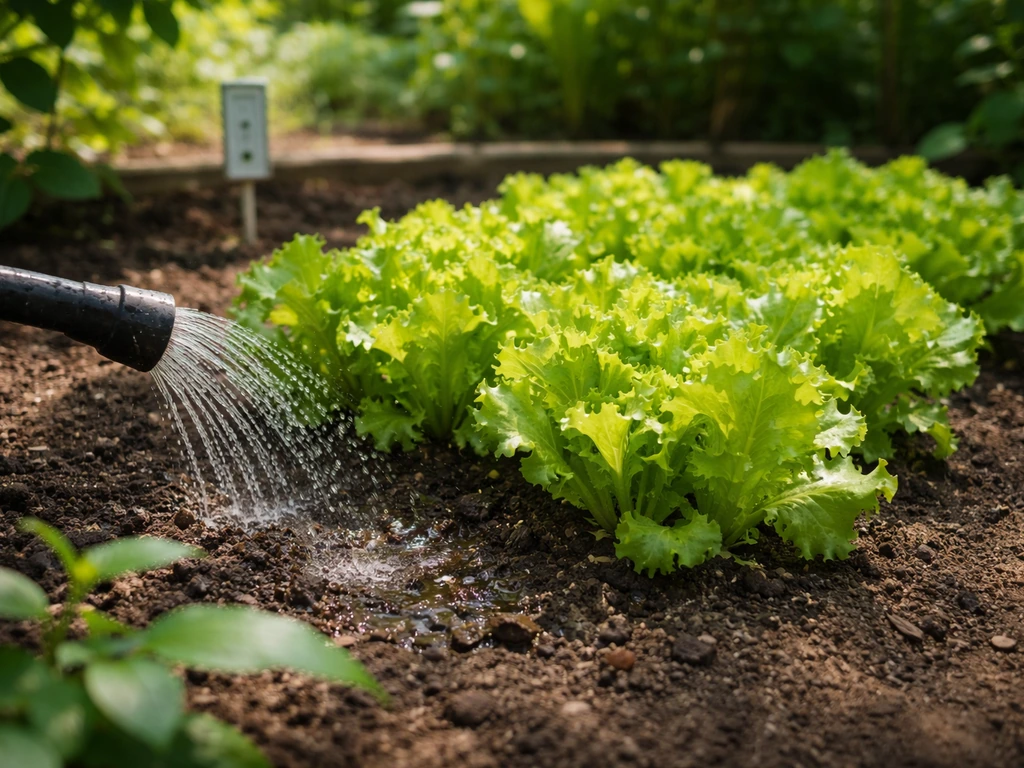
Lettuce isn't fussy, but it does have a narrow comfort zone. Get these three conditions right and you'll grow great lettuce almost anywhere.
Light
Outdoors, lettuce grows well in full sun to partial shade. In warm climates, afternoon shade actually helps prevent bolting. Indoors or in hydroponic systems, you need supplemental lighting, aim for 14 to 16 hours of light per day from a full-spectrum grow light. Insufficient light is the number one reason indoor lettuce grows slowly, gets leggy, or tastes bland.
Temperature
Lettuce's sweet spot is 55°F to 70°F. It handles light frost without damage, but once daytime temperatures push consistently into the 80s, bolting kicks in fast. For outdoor growers, this means focusing your lettuce growing on early spring and fall. For indoor and hydroponic growers, it means keeping your grow space cool, standard room temperature (around 70°F) is workable but not ideal for extended production.
Watering
Lettuce needs consistently moist soil, but not wet. The roots are shallow, so they respond quickly to both drought and overwatering. In outdoor beds, check soil moisture every day or two and water when the top inch feels dry. In containers, you may need to water daily in warm weather. In hydroponic systems, monitor your reservoir and nutrient solution concentration regularly. Inconsistent watering is the second most common reason lettuce crops fail after temperature problems.
Why your lettuce isn't growing (and how to fix it)
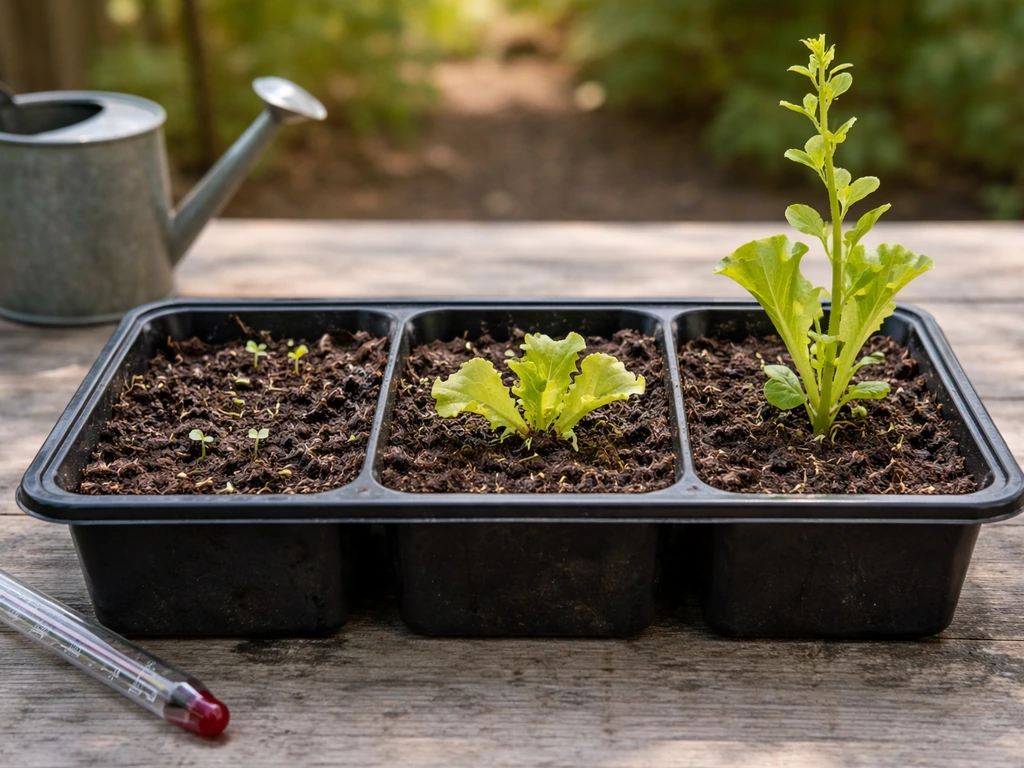
Most lettuce problems come down to a handful of root causes. Here's how to diagnose and fix the most common ones.
- Seeds won't germinate: The most likely culprit is soil temperature. If it's above 80°F, seeds go dormant. Wait for cooler conditions or move seed trays to a cooler indoor spot. Also check that seeds aren't buried too deep—lettuce needs light to sprout, so surface sowing or barely covered is correct. Old seeds also have lower germination rates, so start with fresh seed each season.
- Seedlings are leggy and weak: Not enough light. Move them under a grow light or closer to a bright window. Indoors, lettuce needs at least 14 hours of light daily. Leggy seedlings can be salvaged by burying the stem slightly deeper when transplanting, which encourages more root development.
- Seedlings collapse at the base and die: This is damping off, caused by fungal pathogens in wet soil. Always use sterile potting mix, avoid overwatering, and improve airflow around seedlings. Don't reuse old trays without sterilizing them first with a 10% bleach solution or 70% alcohol. There's no cure once a seedling has damped off, but you can stop it from spreading by removing affected plants immediately and reducing moisture.
- Lettuce bolts and turns bitter: Bolting is triggered by heat and long days. If temperatures climb above 75°F to 80°F consistently, lettuce prioritizes flowering over leaf growth. You can't reverse a bolt, but you can delay it by using shade cloth outdoors, watering in the heat of the day to cool the soil, or choosing bolt-resistant varieties. For indoor and container growers, this is a sign your growing space is too warm.
- Slow growth in containers or indoors: Check light first (always), then check nutrients. Lettuce in containers depletes nutrients faster than in-ground plants. Use a balanced liquid fertilizer every 2 to 3 weeks. In hydroponic setups, check your nutrient solution concentration with an EC meter and make sure pH is in the 6.0 to 7.0 range for soil or 5.5 to 6.5 for hydroponics.
- Inconsistent watering causes tip burn or wilting: Tip burn (brown, crispy leaf edges) is a calcium deficiency triggered by inconsistent watering, not a lack of calcium in most cases. Keep moisture consistent so the plant can uptake nutrients evenly. Wilting that recovers in the evening is heat stress; wilting that doesn't recover is usually underwatering or root rot from overwatering.
Your next steps for starting lettuce today
If you're starting from scratch right now, here's exactly what to do depending on your situation: Follow these steps and you'll be able to learn how do lettuce grow from seed or transplants, even if you're starting today.
- If it's early spring and your soil is workable (40°F or above): Direct sow seeds outdoors. Press them barely into the soil surface, water gently, and expect sprouts in 7 to 10 days if temperatures are in the 55°F to 65°F range.
- If you want a head start or grow indoors: Fill a seed tray with sterile seed-starting mix, surface-sow lettuce seeds, mist with water, cover loosely with plastic wrap to hold humidity, and keep at 70°F. Move the tray under a grow light as soon as you see sprouts.
- If you bought nursery transplants: Plant them out in prepared soil or containers at the spacing above. Transplant in the morning or on a cloudy day, water well, and watch soil moisture daily for the first week.
- If your lettuce isn't growing: Run through the troubleshooting list above starting with temperature and light—those two factors cover the majority of failures. Fix conditions before replanting, or you'll get the same result.
Once you've got germination and early growth dialed in, the rest of lettuce growing is mostly about maintaining cool conditions and consistent moisture. Different varieties grow and look quite differently as they mature, loose-leaf types spread out into rosettes while head types form tighter, denser structures, so if you want to go deeper on what to expect as your plants develop, it's worth getting familiar with how specific lettuce types grow through their full life cycle.
FAQ
What does lettuce grow from in the ground, is it a root crop or a leafy plant?
Lettuce grows from a seed or a transplant and develops as a leafy rosette above the soil surface. You will see the head or loose leaves form at ground level, not underground like potatoes or onions.
Can I grow lettuce from store-bought lettuce heads or cut stems I keep in water?
You may get a few fresh leaves for a short time, but it usually does not produce a full, harvestable plant. For reliable results, start with seeds or nursery transplants instead.
Why won’t my lettuce seeds sprout even though I followed the planting steps?
The two biggest causes are temperature and seed depth. Lettuce seeds tend to stall above about 80°F because they go dormant, and if seeds are buried too deeply they cannot access light needed for germination.
Do lettuce seeds need light to germinate, and how thin should I cover them?
Yes, lettuce seeds need light. Keep them barely covered or press them into the surface so they stay in contact with the growing medium, even a light sprinkling or misting is better than thick soil coverage.
How long should I expect before I see sprouts from lettuce seed?
At ideal temperatures (roughly 55°F to 65°F), sprouts typically appear in about 7 to 10 days. Colder conditions can still work but take much longer, so don’t assume failure too early if nights are near freezing.
Should I direct sow lettuce in rows or broadcast it, and does it matter for germination?
Both work, broadcast seeding can be especially convenient for loose-leaf types. What matters most is that seeds are pressed lightly into the surface and the soil stays evenly moist until seedlings emerge.
When should I thin lettuce seedlings if I direct sow?
Thin after seedlings have established and are sturdy enough to handle. Leaving too many plants in place increases competition for water and light, which can lead to leggy growth and slower, smaller leaves.
How close together can I plant lettuce without causing bolting or poor growth?
Use spacing based on the type you bought (loose-leaf needs more room than very compact seedlings, head varieties form denser rosettes). If plants touch tightly early on, airflow drops and heat builds, both can push plants toward bitterness or bolting.
What’s the best way to harden off lettuce before transplanting?
Do it gradually over 2 to 3 days by moving seedlings to a sheltered spot outdoors and reducing watering slightly. The goal is to acclimate them to wind and sun intensity without letting them dry out completely.
How do I reduce transplant shock when moving lettuce from indoors or from nursery cells?
Plant on a cooler part of the day, like morning or cloudy weather, and water in thoroughly right after planting. Keep the soil evenly moist for about the first week so shallow roots can reestablish.
Why does my indoor lettuce taste bland or grow slowly?
Insufficient light is a common cause. Give 14 to 16 hours under a full-spectrum grow light and keep the light close enough that seedlings do not stretch toward the lamp.
Can lettuce handle frost, and what about sudden cold snaps after I sow or transplant?
Lettuce is generally frost-tolerant once established. If you expect an early hard freeze right after transplanting, consider extra protection like row cover to prevent stress while roots are settling.
What should I do if my lettuce is getting leggy, even though temperatures are cool?
Legginess is usually a light problem. Increase light intensity or duration (and keep the grow light close, typically a few inches), because warm air alone does not cause long, weak stems if light is adequate.
What nutrient or fertilization strategy works best when lettuce is planted from seed vs transplants?
Seedlings can be sensitive to strong fertilizers, so start with gentle feeding once plants are established (often after true leaves appear). Transplants may handle light feeding sooner, but avoid overfeeding early because excess salts can stress shallow-rooted lettuce.