Head lettuce grows as a cool-season annual that forms a tight rosette or compact head over roughly 55 to 80 days, depending on variety. Lettuce grows from seed after it germinates, then forms a head once temperatures and timing are right what lettuce grows from. If you want the full picture of how do lettuce grow from seed to harvest, focus on cool temperatures, consistent moisture, and the right variety for heading.
How Does Head Lettuce Grow: Seed to Harvest Guide
Marcus Holloway
19 May 2026
You start it from seed or transplant in early spring or fall, keep the soil consistently moist, give it at least 6 hours of light, and protect it from heat above 75°F to prevent bolting. Get the temperature, spacing, and timing right, and you'll pull firm heads. Skip those details, and you'll end up with a tall, bitter, flowering mess.
What head lettuce actually is (and which variety to pick)
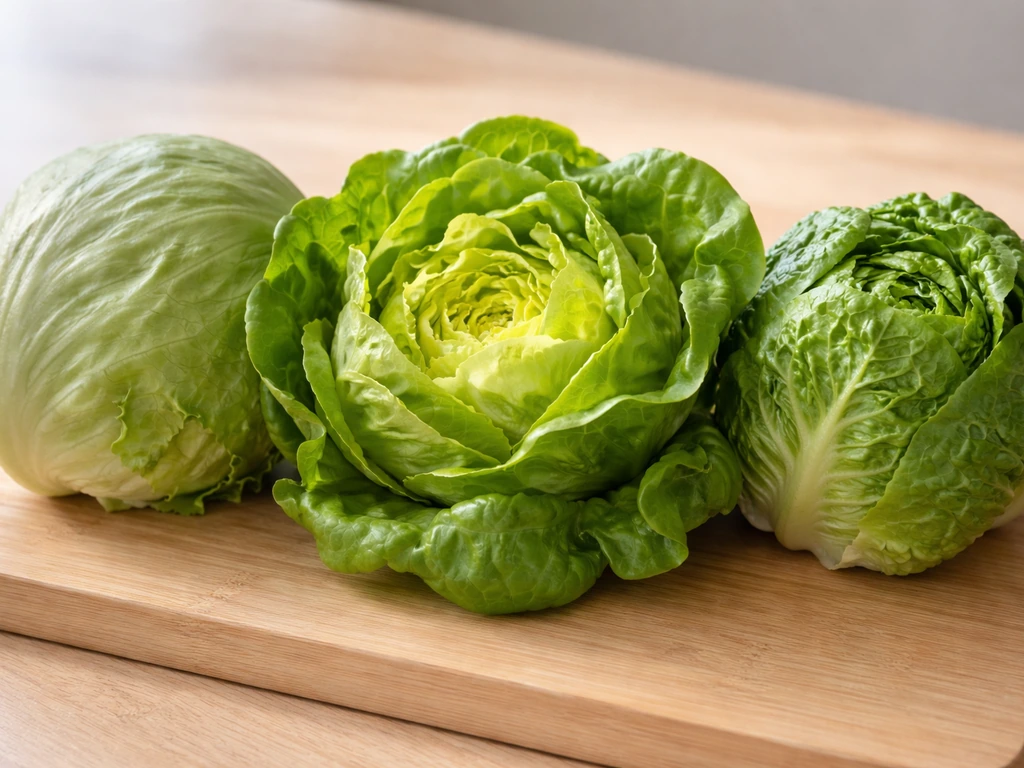
"Head lettuce" covers any lettuce type that forms a central, densely packed head rather than loose, open leaves. There are a few distinct types, and knowing which one you're growing changes your timeline, spacing, and how forgiving the plant is.
| Type | Examples | Head style | Days to maturity | Difficulty |
|---|---|---|---|---|
| Crisphead (Iceberg) | Iceberg, Great Lakes | Tight, crunchy, dense | 70–80 days | Harder — needs very long cool season |
| Butterhead | Buttercrunch, Boston, Bibb | Loose-heading, soft, buttery | 55–65 days | Moderate — still needs cool temps but more forgiving |
| Romaine (Cos) | Parris Island, Little Gem | Upright, elongated, semi-crisp | 65–75 days | Moderate — handles a bit more heat than crisphead |
If you're a beginner, start with butterhead. Varieties like Buttercrunch or Boston form heads faster, tolerate slightly warmer springs, and don't demand the long, perfectly cool stretch that iceberg needs. Iceberg is genuinely harder at home because it needs sustained cool temperatures for weeks before heads firm up, and most home gardens don't give you that window reliably. Romaine sits in the middle and is a great all-around choice. The difference between how head lettuce grows versus how leaf lettuce grows comes down to that head-forming stage, leaf types skip it entirely and can be harvested continuously, while heading types need uninterrupted cool, moist conditions to close up into a firm head.
The growing conditions that actually make heads form
Temperature
This is the single biggest factor. Lettuce wants air temperatures between 45°F and 75°F for active, healthy growth. Once air temps consistently push past 80°F, growth slows, leaves turn bitter, and the plant starts sending up a seed stalk instead of forming a head. Penn State Extension puts it plainly: hot days cause bitter taste and bolting. On the cold end, seedlings can handle a light frost, but germination needs warmer soil, Oregon State University Extension gives the optimum soil temperature for lettuce germination as 75°F, with a workable range of 40–80°F and a hard minimum of 35°F.
Light
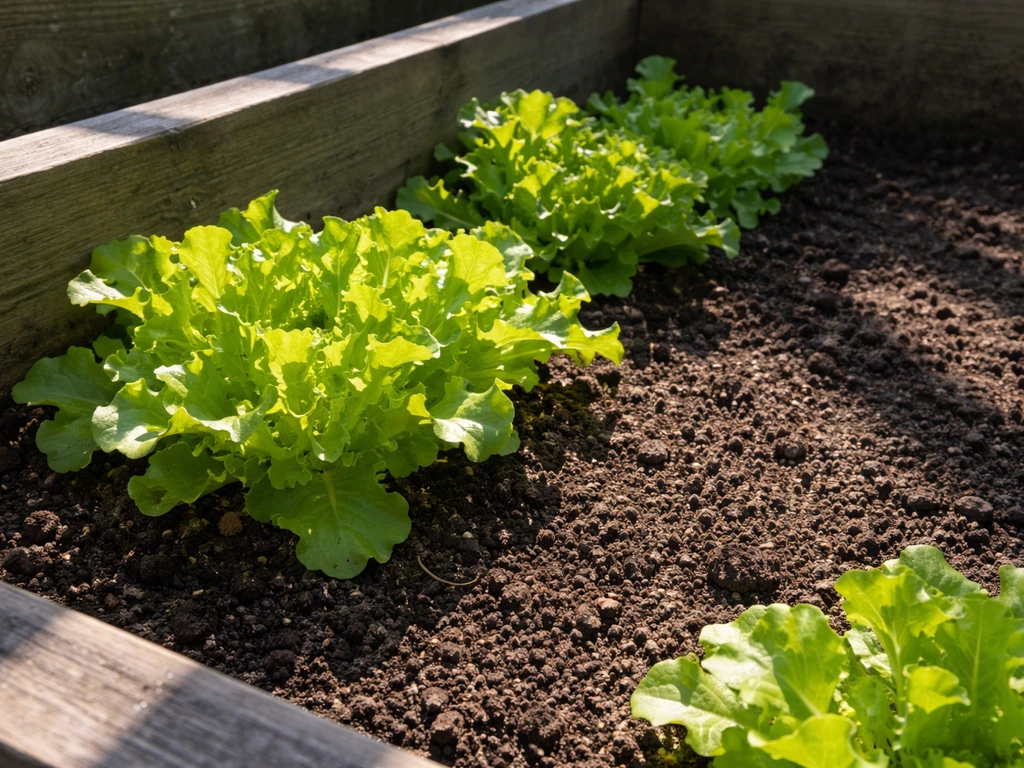
Head lettuce needs at least 6 hours of direct sun outdoors. More is fine in cool weather, but afternoon shade in late spring actively helps when temperatures start climbing. Indoors, you'll want full-spectrum LED grow lights running 14–16 hours a day for the vegetative growth phase, then dialing back slightly as heads approach maturity. Long day length is actually one of the triggers for bolting, so if you're growing under lights year-round, keeping photoperiod at 14 hours or less is a smart insurance policy.
Soil, pH, and container setup
For outdoor beds and containers, aim for a well-draining, loose soil with a pH of 6. 0 to 6. 8. The University of Delaware Extension targets 6.
5 as the ideal for lettuce, and Oklahoma State University Extension confirms the workable range sits between 6. 0 and 6. 8. Compact or waterlogged soil leads to shallow roots and loose, flabby heads.
Some gardeners even ask whether lettuce can grow underground, but head lettuce still needs soil or a potting mix with proper depth and moisture do lettuce grow underground. If you're growing in containers, use a good-quality potting mix, not garden soil, which compacts and drains poorly in pots. Head lettuce needs room: a 12-inch-deep container works for butterhead, but crisphead varieties really want a larger, deeper bed.
Raised beds are excellent for head lettuce because you control drainage and soil quality entirely.
Starting from seed vs buying transplants
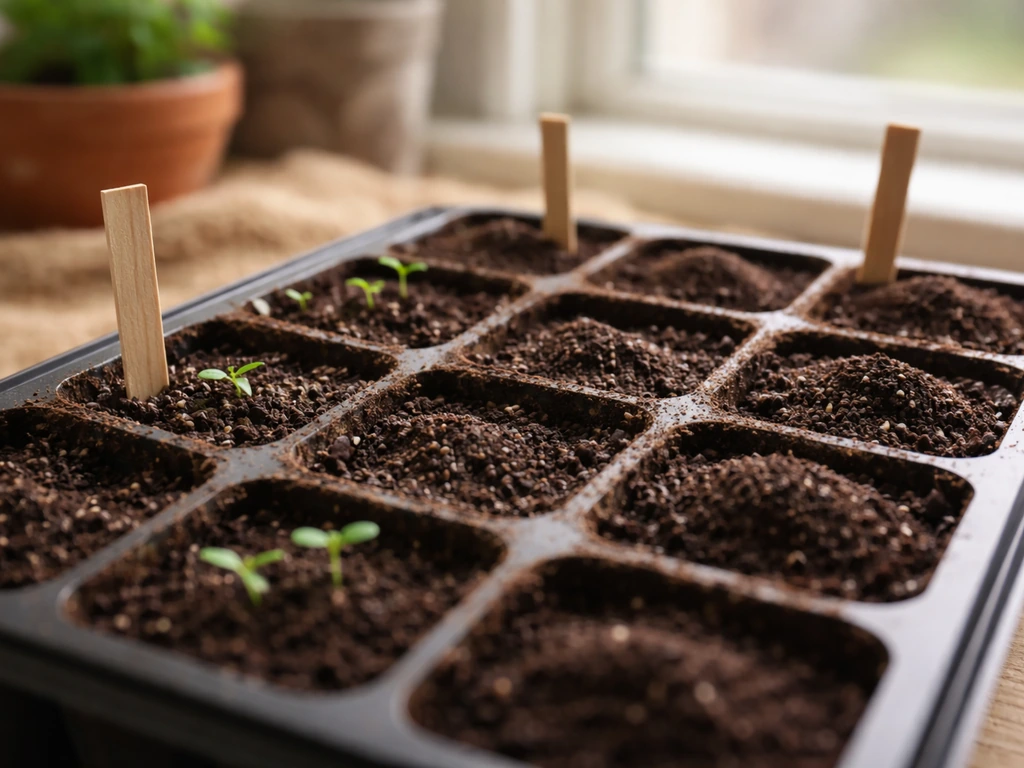
You can go either way, but seeds give you more variety options and cost less. Here's how to think about it:
- Seeds indoors: Start 4–6 weeks before your last expected frost date. Sow seeds about 1/4 to 1/2 inch deep in a seed-starting mix. Germination takes 7–10 days at a soil temp around 70–75°F. Use a heat mat if your home is cool.
- Seeds direct-sown outdoors: Works well for fall plantings. Sow 2–3 weeks before your first fall frost date. Thin aggressively once seedlings emerge — overcrowding is one of the top reasons heads don't form.
- Transplants from a nursery: Cuts 4–6 weeks off your timeline. Great if spring is short or you missed your window. Harden off transplants over 5–7 days before putting them in the ground or a container.
- Transplant timing: Get transplants in the ground 2–4 weeks before your last frost date in spring, or 8–10 weeks before your first fall frost.
One thing I've learned: lettuce roots are shallow and delicate. When transplanting, disturb the root ball as little as possible and water immediately. Transplant shock stalls growth and can push the plant toward stress-bolting before it ever forms a head.
Planting and spacing, this is where most heads fail
Crowded lettuce does not make heads. It makes tall, reaching, loose growth as plants compete for light and air. Proper spacing is non-negotiable for heading types, and the requirements differ by variety.
| Lettuce type | In-row spacing | Between-row spacing |
|---|---|---|
| Crisphead (Iceberg) | 12–15 inches | 20–30 inches |
| Butterhead / Romaine (Cos) | 8–12 inches | 12–18 inches |
| Leaf / Loose types (for reference) | 4–10 inches | 12–24 inches |
These numbers come from University of Maryland Extension and Utah State University Extension guidance, and they reflect what it actually takes for a head to form without competition. If you're direct-seeding, sow seeds 1 inch apart and thin to final spacing once seedlings have 2–3 true leaves. Don't skip thinning, it feels wasteful, but it's the difference between getting heads and getting a crowded mess. Use scissors to snip extras at the soil line rather than pulling, so you don't disturb neighboring roots.
In raised beds, stagger plants in a grid at the butterhead/romaine spacing and you'll fit more than you expect. In containers, one butterhead plant per 10–12 inch pot is realistic. Crisphead iceberg in a container is tough, it really wants the space and root run of an in-ground bed.
Watering and feeding to keep heads on track
Watering
Lettuce is about 95% water, and uneven moisture is a stress trigger. Aim for 1 to 1.5 inches of water per week, delivered consistently. The soil should stay evenly moist, not soggy, not dry enough to crack. In containers, check daily during warm weather because pots dry out fast. Water at the base of the plant rather than overhead if you can; wet leaves sitting overnight invite fungal problems like botrytis and downy mildew, both of which are serious in head lettuce where the inner leaves stay moist.
Feeding
Lettuce is a light to moderate feeder. It responds best to nitrogen, which drives the leafy growth that closes into a head. Utah State University Extension recommends applying roughly 1/4 cup of a nitrogen fertilizer like ammonium sulfate (21-0-0) per 10-foot row about 4 weeks after transplanting, or at thinning time for direct-seeded plants. In containers, a balanced liquid fertilizer (like a 10-10-10 or similar) every 2–3 weeks works well. Don't overfeed with nitrogen late in the season, it pushes leafy growth at the expense of head tightness and can accelerate bolting.
Avoiding stress that ruins flavor and heads
- Heat stress: Shade cloth rated 30–40% can buy you 1–2 extra weeks in spring before you have to pull plants.
- Drought stress: Even one or two days of dry soil during the heading stage can cause bitter, loose, or bolting plants.
- Tipburn: If inner leaves develop brown, papery edges, that's a calcium deficiency disorder (recognized by Agriculture Victoria as a calcium uptake issue tied to rapid growth and poor water movement). Consistent moisture and airflow help prevent it.
- Over-fertilizing: Too much nitrogen late in the season makes plants lush but loose — they don't firm up into heads.
How long it takes and how to harvest
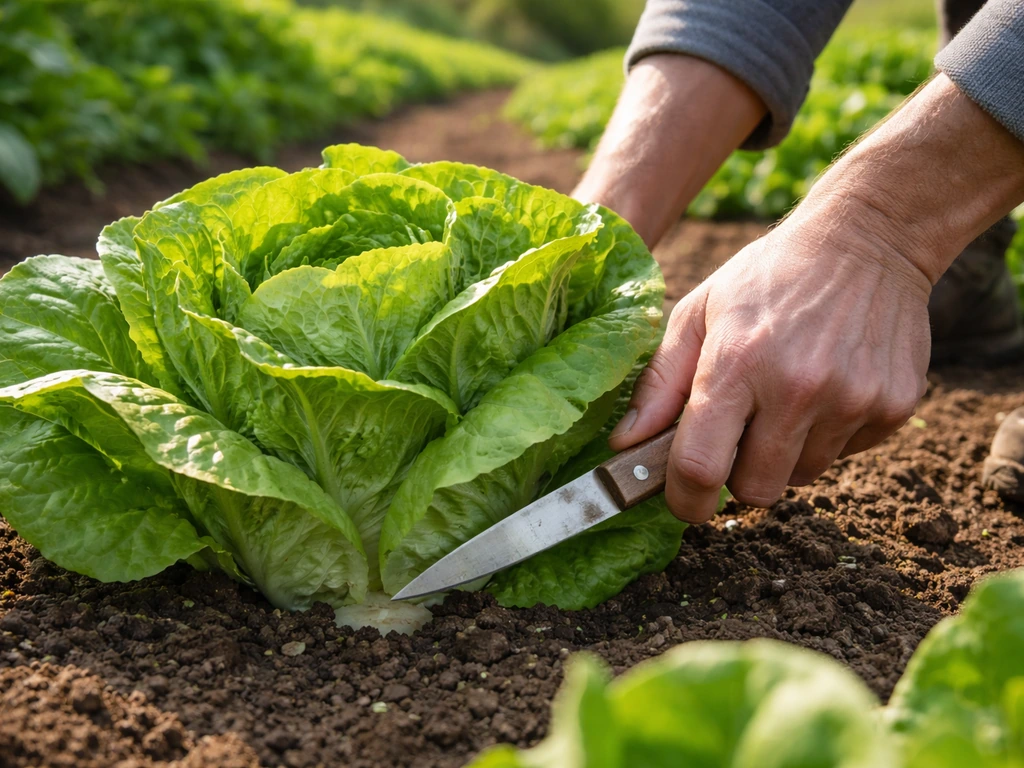
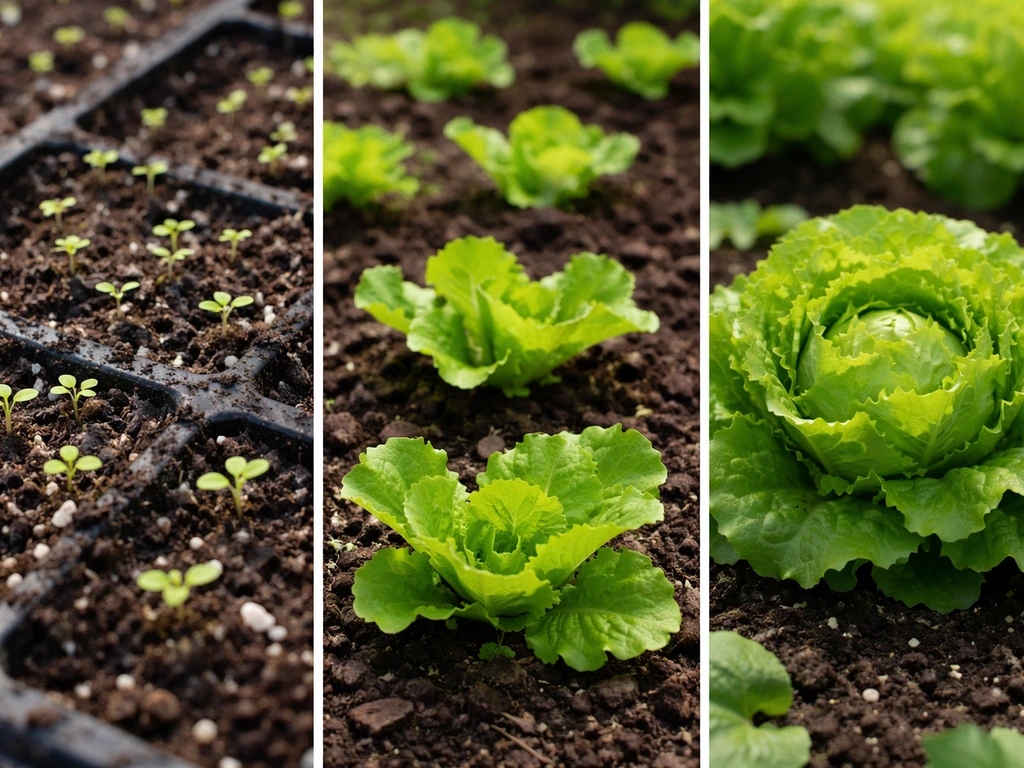
Here's a realistic week-by-week picture from seed to harvest for butterhead and romaine (the two most practical choices for most home gardeners):
- Days 1–10: Germination. Seeds sprout at 70–75°F soil temperature. You'll see cotyledons (seed leaves) emerge first.
- Days 10–25: Early seedling stage. True leaves develop. Keep soil moist and thin to final spacing by day 20–25.
- Days 25–45: Active vegetative growth. Leaves grow rapidly. This is when nitrogen feeding matters most.
- Days 45–60: Early heading. Butterhead and romaine start to fold inward and form a loose central head. Keep moisture very consistent here.
- Days 55–75: Harvest window. Butterhead is ready when the center feels firm and heads are 4–6 inches across. Romaine is ready when the inner leaves are tightly packed and the head is 6–8 inches tall. Iceberg takes the full 70–80 days and needs the head to feel dense before cutting.
- Post-harvest: Head lettuce doesn't regrow the way leaf lettuce does after cutting. Once you cut the head, the plant is done. A few outer leaves may continue, but plan to replant.
To harvest, use a sharp knife and cut the stem just above the soil line. Harvest in the morning when leaves are cool and turgid for the best storage life. If you see the center starting to elongate or the plant shooting upward, that's bolting, harvest immediately, even if the head isn't fully formed, because the flavor goes downhill fast once that starts.
Troubleshooting the most common head lettuce problems
Bolting (plant shooting up and flowering)
Bolting is the number one complaint with head lettuce. It's triggered by heat above 75–80°F, long daylight hours (more than 14 hours), or even a prolonged cold snap early on, according to UC IPM. Once it starts, you can't reverse it. Fix: time your planting so heads form during cool weather. For spring plantings, count backward from your average first hot day. For fall, count backward from your first hard frost. If bolting starts, harvest whatever you have immediately, the outer leaves are often still edible.
Bitter leaves
Bitterness follows heat and water stress almost every time. Penn State Extension links slow growth from heat directly to bitter flavor development. If your lettuce tastes sharp or unpleasant, the plant was stressed. Fix for next time: provide shade in warm weather, water consistently, and harvest earlier in the season. You can sometimes reduce mild bitterness by harvesting in the early morning and chilling leaves immediately.
Head not forming or head too loose
This usually comes down to one of three things: spacing is too tight, temperatures were too warm during the heading stage, or the variety you planted simply needs more time than your season allows. If X happens (plants stay open and leafy past day 50), try Y: check spacing, check daytime temps, and confirm you're growing a heading type, not a loose-leaf variety. Some "heading" varieties sold at big-box stores are actually semi-heading and never form a tight head regardless of care.
Pests: aphids, slugs, and caterpillars
Aphids cluster on the undersides of leaves and in the tight inner head, this is a big problem with crisphead types because you may not notice them until harvest. Blast with water early. Slugs are another classic lettuce pest. University of Minnesota Extension recommends checking both the leaf surfaces and underneath leaves and debris, especially after wet nights. Slug traps (shallow dishes with beer) work surprisingly well. Caterpillars from cabbage loopers chew irregular holes; hand-pick at night or use Bt (Bacillus thuringiensis) spray.
Disease: downy mildew, powdery mildew, and botrytis
Downy mildew shows up as yellow patches on the upper leaf surface with gray-purple fuzz underneath, and it needs wet, humid conditions with free water on leaves to take hold. Powdery mildew looks like a white dusty coating and can actually thrive in warm, drier conditions without free water. Botrytis (gray mold) attacks the base and inner head during cool, wet weather. All three are best prevented by good airflow, spacing, and keeping foliage dry. If you see downy or powdery mildew, remove affected leaves and improve ventilation. Severely affected plants should be pulled and disposed of (not composted).
Tipburn (brown leaf edges inside the head)
If you cut open a head and see brown, papery edges on the inner leaves, that's tipburn. It's a calcium deficiency disorder caused by the plant's inability to move enough water and calcium into rapidly growing inner leaves fast enough, especially during warm spells or when soil moisture is inconsistent. It's very common in butterhead varieties. Keep watering consistent and avoid pushing growth too fast with heavy nitrogen doses during the heading stage.
Growing head lettuce indoors and in hydroponic systems
Growing head lettuce indoors or hydroponically is genuinely one of the best ways to produce reliable heads year-round, because you control the temperature and light completely. Butterhead is by far the most popular choice for indoor and hydroponic systems, it's compact, heads relatively quickly, and performs extremely well in water-culture systems.
Indoor container growing
Use a 10–12 inch pot with good drainage and a quality potting mix. Place under full-spectrum LED grow lights for 14–16 hours a day. Keep the room between 60°F and 70°F for best head formation. Water when the top inch of soil feels dry, and feed with a diluted balanced liquid fertilizer every 2 weeks. The main challenge indoors is heat from lights, if your lights raise the ambient temperature above 75°F, plants will bolt just like they would outdoors.
Hydroponic growing
Deep water culture (DWC) and nutrient film technique (NFT) are both excellent for butterhead and romaine. For hydroponic lettuce, maintain your nutrient solution at a pH of 5.8 to 6.2 (Oklahoma State University Extension puts the broader acceptable range at 6.0–7.0 for the root environment, but most hydroponic growers find 5.8–6.2 most reliable in practice). Keep your electrical conductivity (EC) between 1.2 and 1.8 mS/cm, lower EC for seedlings, stepping up slightly as plants mature. Temps in the reservoir should stay below 72°F to prevent root rot and discourage bolting. Lettuce is one of the most beginner-friendly crops for hydroponics precisely because it's fast and low-maintenance once the system is dialed in.
Whether you're growing on a sunny windowsill, in a raised bed, or in a DWC bucket, the fundamentals don't change: cool temperatures, consistent moisture, appropriate spacing, and the right variety for your setup. Head lettuce rewards attention to those basics with dense, crisp, genuinely satisfying heads that are worth every bit of the effort.
FAQ
How can I tell whether my lettuce is heading or just growing loose leaves?
Watch the center, heading varieties should start forming a compact “heart” that tightens as days cool. If the plant stays tall and keeps producing outward leaves without closing at the center, you likely bought a semi-heading or wrong-type variety, or you planted too late into warm weather.
When is the best time of day to harvest head lettuce for storage?
Harvest in the morning as the leaves are most turgid, then cool the heads quickly. If you can, rinse lightly only if needed and dry thoroughly before refrigerating, excess surface water inside a tight head speeds up gray mold.
My lettuce is bitter, but temperatures weren’t that high. What else could cause it?
Bitterness can also come from irregular watering (letting soil dry out too long, then flooding), or harvesting too late after the plant has been stressed. Aim for evenly moist soil, and if the day-to-day pattern is erratic, switch to mulching to stabilize moisture.
How do I prevent bolting when my weather is unpredictable in spring?
Stagger plantings every 10 to 14 days so not all heads hit the heading stage at the same time. Use row cover or shade cloth during warm spells, and prioritize butterhead or romaine, which generally tolerate slightly warmer conditions than iceberg.
What container size is actually enough for crisphead iceberg?
Plan for a larger footprint than people expect, especially for iceberg. A small pot usually produces loose, stressed plants that bolt or never tighten, if you are limited on space, choose butterhead or romaine instead of crisphead.
Do I need to thin lettuce even if seedlings look healthy?
Yes, thinning is what creates space for airflow and enough root development to form a tight head. Instead of pulling, snip extras at the soil line to avoid damaging neighboring roots, which can trigger stress and delay heading.
Should I water lettuce from above or at the base?
Water at the base when possible, wet leaves overnight increase disease risk, especially botrytis in dense inner leaves. If you must use overhead watering, do it early in the day so foliage dries quickly.
What do I do if my inner leaves are turning brown and crispy edges (tipburn)?
Reduce growth speed swings by keeping moisture consistent and avoiding heavy nitrogen right when the head is trying to close. Also make sure the plant is not root-bound in a container, because restricted roots can worsen the calcium-water movement problem.
Why do I see aphids only after I cut the head open?
Aphids hide in the tight interior and can be difficult to spot on outer leaves. Check under leaves and inside the outer layers early, and if you notice them, use a strong water rinse before the head fully tightens so they do not become inaccessible.
Can I compost lettuce that had downy mildew or botrytis?
Avoid composting severely affected plants, especially if the disease was extensive or the head was badly compromised. Instead, discard in accordance with local waste guidance, then clean tools and improve airflow for future plantings.
My lettuce germinated poorly outdoors, what should I adjust?
Lettuce seed needs warmer soil than many people assume, if the bed is cool and wet, germination stalls. Consider starting earlier when soil temperatures are in the workable range, or germinate indoors and transplant once seedlings are established.
How close to a fertilizer schedule can I push before it affects head tightness?
Head lettuce can get loose or bolt if nitrogen is pushed too hard late in the season. Use a modest feeding schedule, then stop or lighten once heads begin forming, in containers monitor more closely because nutrients concentrate faster.
Is hydroponic lettuce always more reliable than soil?
Hydroponics can be very consistent, but only if you control reservoir temperature, pH, and EC. If your grow room runs above about 75°F from the lights or warm air, you can still trigger bolting even in nutrient systems.