Lettuce grows from a tiny seed to a harvest-ready plant in as little as 25 days for baby leaf types, or up to 60 to 120 days for full crisphead varieties. The process follows a predictable path: germination, seedling development, vegetative growth, and then either harvest or bolting if you wait too long or temperatures spike. Once you understand that cycle and know which levers to pull (temperature, light, water, spacing, and nutrients), growing lettuce becomes genuinely straightforward, whether you're working with a backyard bed, a patio container, or a basic hydroponic setup on your kitchen counter.
How Do Lettuce Grow From Seed to Harvest
Marcus Holloway
18 Apr 2026
How lettuce growth actually works, seed to harvest
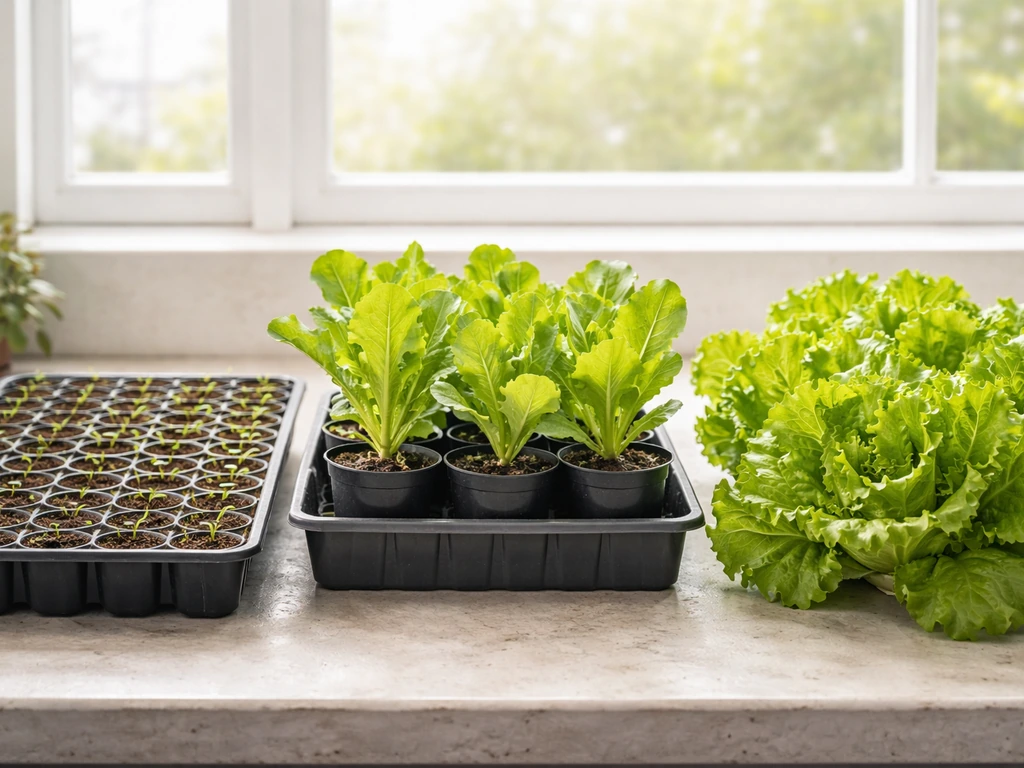
Lettuce moves through several distinct stages, and knowing what's happening underground and above ground at each one helps you make better decisions. If you've ever wondered what lettuce grows from, the answer is a small, elongated seed that needs light, moisture, and cool temperatures to wake up. Here's how the stages play out in practice.
- Germination (days 1–15): Seeds absorb moisture, crack open, and send out a root and then a shoot. Under good conditions (15–20°C / 59–68°F), you'll see sprouts in 2 to 7 days. Above 25°C (77°F), germination drops sharply.
- Seedling stage (days 7–21): The first true leaves appear after the cotyledons (seed leaves). At this point the plant is fragile and needs consistent moisture, indirect or moderate light, and cooler air.
- Vegetative growth (days 21–60+): This is where most of the leaf mass builds up. The plant expands outward or upward depending on variety. Conditions here directly control how fast you reach harvest.
- Bolting / pre-harvest decision point (day 35+): Warming temperatures or long days can trigger the plant to shift energy toward a seed stalk rather than leaves. For most gardeners, harvest needs to happen before this point.
- Harvest window: Leaf types can be picked as baby greens from around day 25 onward. Head types like crisphead need 60 to 120 days for a full head to form.
One thing worth knowing: lettuce is technically a cool-season crop with a full life cycle of roughly 130 days from seed to seed, with the vegetative stage running from germination to about day 35, followed by a bolting stage through day 75. But as a home gardener, your goal is to harvest well before any of that late-stage flowering happens. You're essentially racing against heat and maturity, and you want to win.
It's also worth clarifying that lettuce does not grow underground in any meaningful way. The edible part is entirely above the soil surface. Only the roots are below ground, and they stay relatively shallow, which is why containers and hydroponic systems work so well for this crop.
The conditions lettuce needs to germinate and grow well
Temperature
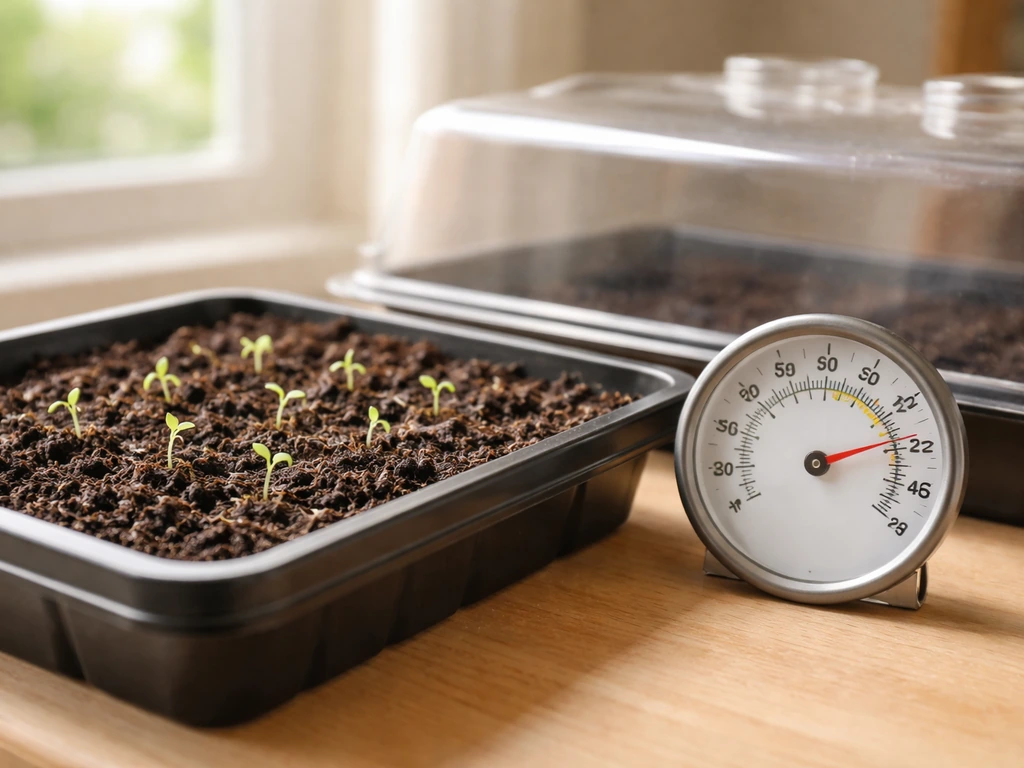
This is the single biggest factor most beginners underestimate. Lettuce germinates best between 15 and 20°C (59–68°F). Once you get above 25°C (77°F) consistently, germination rates fall and the plants that do grow will be stressed. During the seedling and vegetative stages, aim for daytime temperatures in the 12–20°C range (54–68°F). For hydroponic setups specifically, a greenhouse or indoor air temperature close to 70°F is considered optimal, with anything above 80°F pushing the plant toward bolting rather than leaf production.
Light
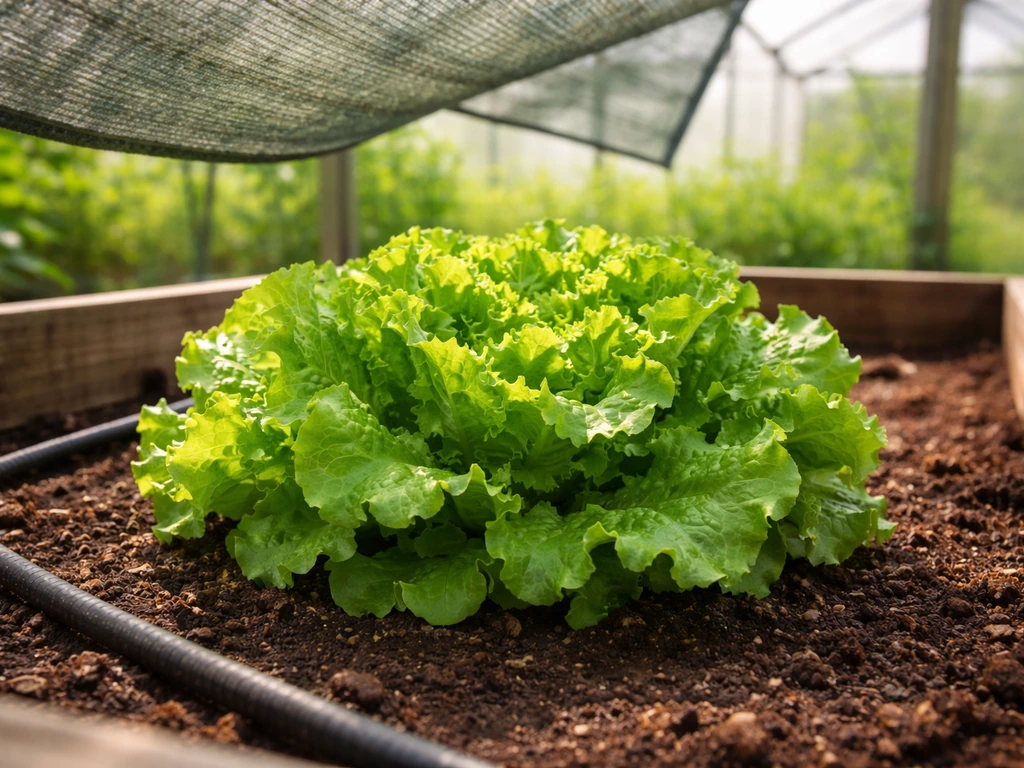
Lettuce needs moderate light, not the intense full sun that tomatoes or peppers demand. Outdoors, 6 hours of direct sun works well in spring and fall. In summer or warm climates, afternoon shade actually helps prevent bolting. Indoors, a south or east-facing window works for small plantings, but most indoor growers get better results with a basic LED grow light set 4 to 6 inches above the seedlings for 14 to 16 hours per day. Leggy, stretched seedlings are almost always a light problem.
Water
Lettuce likes consistently moist soil but not waterlogged roots. In outdoor beds, water at the base rather than overhead to keep leaves dry and reduce disease pressure. In containers, check daily because they dry out faster. In hydroponic systems, the roots are in constant contact with the nutrient solution, so oxygenation of that solution becomes critical rather than drainage. One thing that applies across all systems: letting the root zone dry out completely stresses the plant and slows growth noticeably, especially during the vegetative stage.
Soil, containers, or hydroponics: what to use and how to set it up
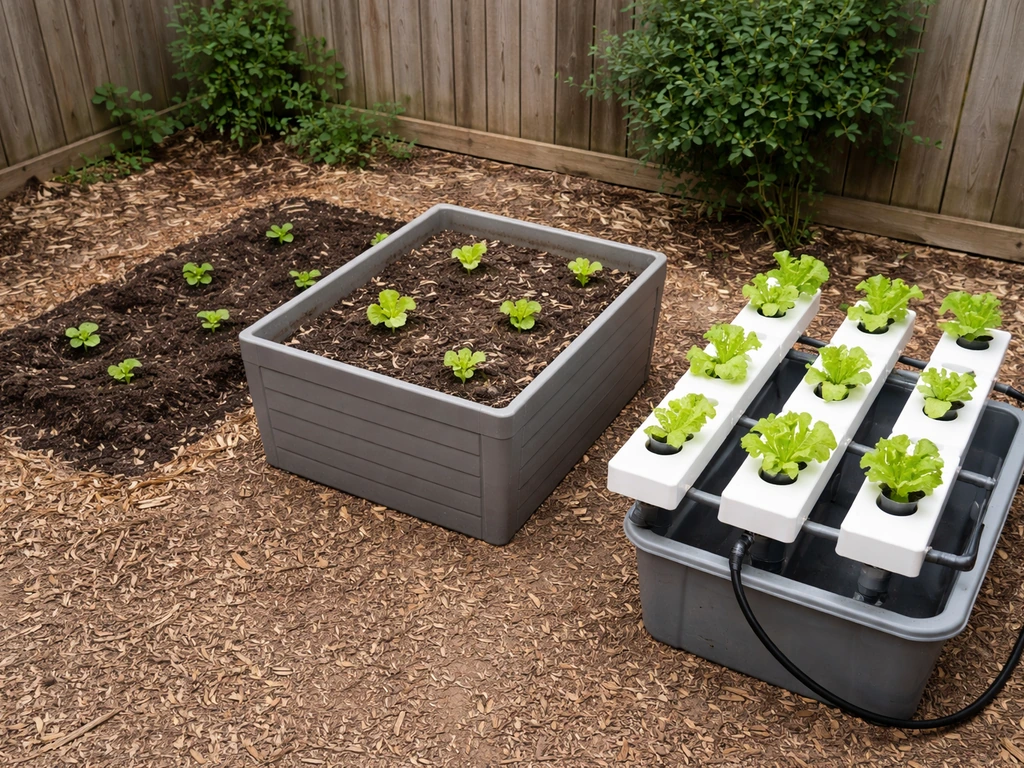
Each growing method works well for lettuce, but they have genuinely different requirements. Here's a practical comparison:
| Growing Method | Best For | Key Setup Notes | Main Watch-Out |
|---|---|---|---|
| Outdoor soil bed | Larger plantings, multiple varieties, spring/fall growing | Loamy, well-draining soil; amend with compost; water at base not overhead | Drainage issues and overhead watering increase bottom rot risk |
| Container/pot | Apartment growers, patios, small spaces, indoor growing | Use a well-draining potting mix, not garden soil; 6–8 inch depth minimum | Dries out faster than beds; needs more frequent watering and feeding |
| Hydroponic (NFT or DWC) | Year-round indoor growing, fast harvests, water efficiency | Maintain nutrient solution pH 5.5–7; EC around 1.2–3 dS/m; ensure root oxygenation | pH and EC need regular monitoring; equipment cost upfront |
For soil and bed growing, the main disease concern is bottom rot, which is made worse by too much overhead irrigation and poor drainage. Setting transplants shallow (just enough to anchor the root ball) helps avoid crown rot. For hydroponics, nutrient film technique (NFT) and deep water culture (DWC) are the most common home setups. In a DWC system, keep pH between 6 and 7, and in NFT systems, a pH range of 5.
Oklahoma State University Extension notes that maintaining nutrient-solution pH within an optimum range is important because pH influences nutrient availability keep pH between 6 and 7. 4 to 6.
2 with an EC around 1. 2 has been shown to produce good results. More broadly, hydroponic solutions are typically managed between an EC of 1 and 3 dS/m, so lettuce sits at the lower end of that range, which makes sense for a leafy green that doesn't need heavy feeding.
My recommendation: if you're a beginner, start with containers using a quality potting mix. You get more control over the environment than an outdoor bed, without the complexity of managing a hydroponic nutrient solution right away. Once you've grown a few successful rounds, the jump to a simple hydroponic tray system is very manageable.
Planting step by step: seeding, thinning, and spacing
Starting seeds
Sow seeds about 1/4 inch deep. Because lettuce seed is very tiny, UGA Cooperative Extension recommends planting it shallow, about 1/8 to 1/4 inch deep, so you do not bury it too deeply Sow seeds about 1/4 inch deep. In a bed or container, make a shallow trench with your finger or a pencil tip, drop 2 to 3 seeds every few inches, and cover lightly with soil. Don't pack it down. Keep the surface moist (not soaked) until germination. In seed trays for indoor starting, surface-sow and just barely press seeds into moist starting mix. They need some light to germinate, so don't bury them deeply.
Thinning and transplanting
Once seedlings have their first true leaves, thin to one plant per spot. This feels brutal if you're new to gardening, but overcrowded lettuce grows slowly, gets leggy, and is more prone to disease. Snip extras at soil level rather than pulling, to avoid disturbing neighbors. If you're transplanting starts from a tray to a bed or container, set them shallow, just until the root ball is covered. Deep planting invites bottom rot, especially in heading types. Transplants typically reach harvest 30 to 40 days after going in the ground, which is significantly faster than direct-seeded crops.
Spacing by variety
Spacing matters more than most beginners realize. Crowded plants compete for nutrients and airflow, which slows growth and encourages disease. Use these as your working targets:
| Lettuce Type | In-Row Spacing | Between Rows | Notes |
|---|---|---|---|
| Romaine | 12 inches | 15–18 inches | Needs room to develop upright head |
| Butterhead | 12 inches | 12–15 inches | More compact; good for containers |
| Crisphead | 8–12 inches | 12–18 inches | Longest to mature; give plenty of room |
| Loose-leaf | ~1 inch (baby) to 6 inches (full) | 12–18 inches | Can cut-and-come-again at baby stage |
Feeding and caring for lettuce as it grows
Lettuce is not a heavy feeder, but it does need consistent, available nitrogen to keep pushing new leaf growth. In soil, work compost into the bed before planting and then apply a balanced fertilizer (like a 10-10-10 or similar) at planting. A side-dress of nitrogen fertilizer mid-season keeps growth moving, especially for heading types that are in the ground for 60 or more days. Splitting fertilizer into a pre-plant application and a mid-season side-dress follows standard extension guidance for vegetable nitrogen management and prevents the burn risk that comes with heavy single applications.
Heading varieties, particularly crispheads and butterheads, have higher calcium requirements than leaf types. Calcium deficiency shows up as tip burn on inner leaves, which is especially common in hot weather or when watering is inconsistent. If you're seeing brown, papery edges on the youngest inner leaves, irregular watering is usually the culprit. Heading types benefit from steady moisture and calcium availability throughout their longer growing period.
In hydroponic systems, the nutrient solution does all the work that soil and fertilizer do in a bed. Keep your solution fresh (change it or top it off every 1 to 2 weeks depending on system size), monitor EC and pH regularly, and make sure aeration is working. For containers, liquid fertilizer diluted to half-strength every 2 weeks during active growth is a simple, reliable approach.
Common problems and how to fix them fast
Slow or patchy germination
If seeds aren't sprouting after 10 to 14 days, temperature is the most likely cause. Check your soil or surface temperature, not just the air. If it's above 25°C (77°F), germination slows dramatically. Try moving seed trays somewhere cooler or germinating indoors if the season is running warm. Old seed (more than 2 to 3 years) also loses viability quickly, so if you're using older stock, sow more densely. Utah State University Extension recommends planting lettuce seeds about 1/4 to 1/2 inch deep and advises timing sowing relative to your area's last frost (https://extension.usu.edu/yardandgarden/research/lettuce-in-the-garden.php) How to Grow Lettuce in Your Garden | USU (Utah State University Extension).
Leggy seedlings
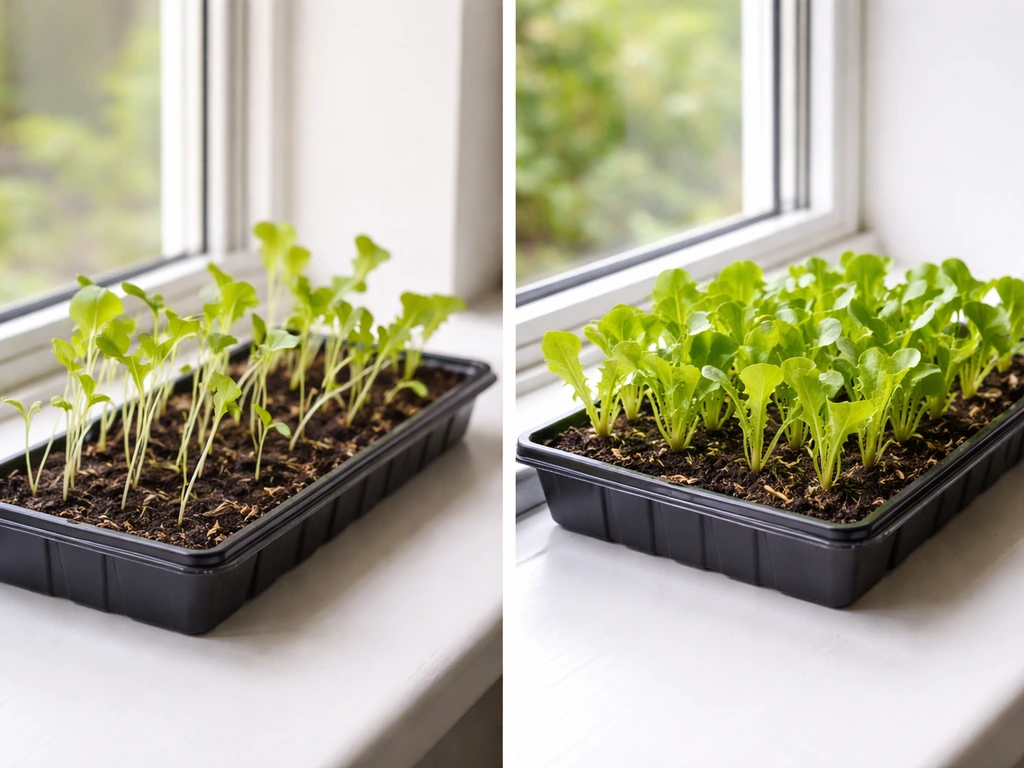
Long, thin stems flopping over are almost always a light problem. Move seedlings closer to the light source, or if you're using a grow light, drop it to within 4 to 6 inches of the leaf canopy. This is one of the most common beginner mistakes and one of the easiest to fix. You can also gently add a bit more growing medium around the base of leggy seedlings to support them while they strengthen up. What lettuce looks like when it starts to grow matters here: healthy seedlings should be compact and sturdy with upright leaves, not stretched and pale.
Bolting
Bolting is when the plant sends up a tall seed stalk, which makes leaves bitter and ends the harvest window. It's triggered primarily by heat and day length. Temperatures consistently above 25°C (77°F) accelerate bolting, shifting the plant from leaf production toward reproduction. If you notice a thick central stalk forming and upward growth, harvest immediately. Prevention is better than response: time your planting for spring or fall to avoid summer heat, provide afternoon shade in warm climates, and choose bolt-resistant varieties (more on that below).
Downy mildew
This is the most common fungal disease on lettuce. It shows up as yellow spots on the top surface of leaves and fuzzy white growth on the underside. It thrives in cool, damp conditions when leaves stay wet. To reduce risk, water at the base rather than overhead, space plants to allow airflow, and avoid late-evening watering that leaves foliage wet overnight. Once it appears, remove affected leaves and improve airflow. There's no cure once a plant is heavily infected, so prevention and early removal are your best tools.
Aphids
Aphids cluster on the undersides of leaves, leaving behind sticky honeydew residue and distorting new growth. They also spread plant viruses between crops, which can cause long-term problems in a garden with multiple vegetable hosts. Check the undersides of leaves regularly. A strong spray of water knocks most off; insecticidal soap works for heavier infestations. If you're growing indoors or in a hydroponic system, aphids are less common but not impossible, especially if you're bringing in starts from outside.
When to harvest and which variety to grow
Harvesting at the right time
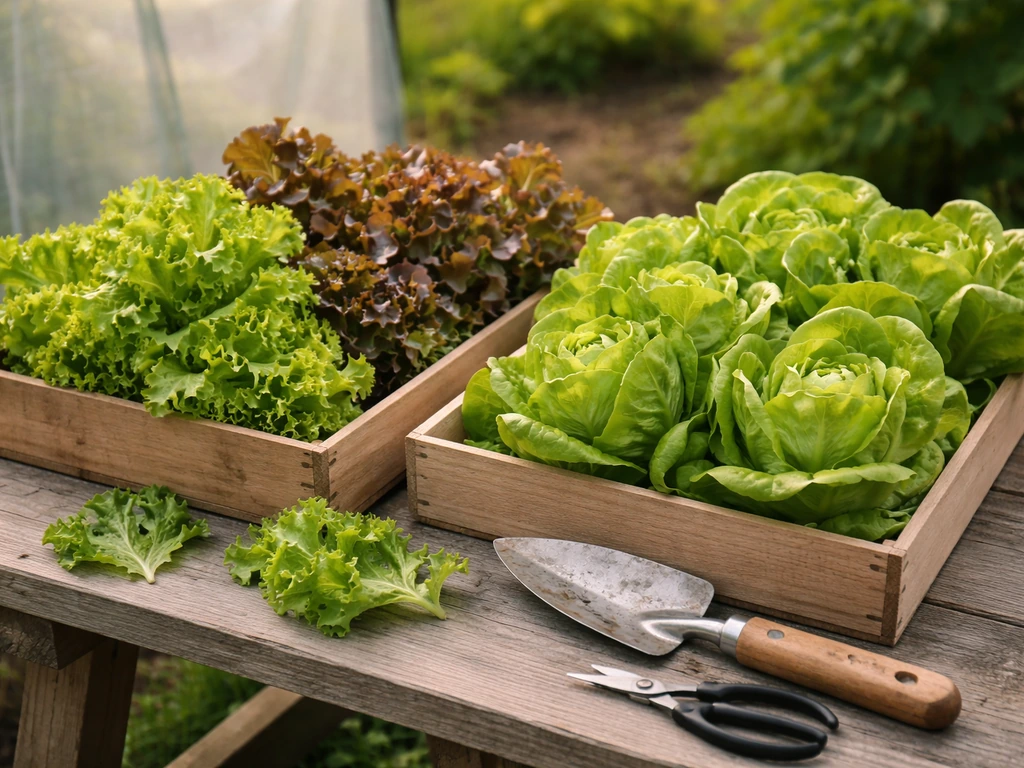
For loose-leaf lettuce, you can start harvesting outer leaves as early as 25 to 27 days after sowing. Cut leaves from the outside in, leaving the central growing point intact for continued production. This cut-and-come-again method can extend your harvest window by weeks. For heading types, wait until the head feels firm and full when you gently squeeze it. Romaine and butterhead heads are typically ready around 42 to 70 days; crisphead can take 60 to 120 days depending on conditions. Transplants generally hit harvest 30 to 40 days after going in the ground, which is why starting indoors and transplanting is popular for heading types.
Choosing the right variety for your setup
Variety selection is one of the highest-leverage decisions you can make, and it's worth thinking about before you buy seeds. How leaf lettuce grows differently from head types is a real consideration: leaf varieties are faster, more forgiving of imperfect conditions, and much easier to harvest repeatedly. How head lettuce grows requires more patience, more space, and more consistent conditions over a longer season. Here's a quick guide to matching variety to your situation:
- Beginner or small space: Start with loose-leaf varieties like 'Black Seeded Simpson' or 'Red Sails'. They're fast, forgiving, and work in containers as small as 6 inches deep.
- Containers or indoor growing: Butterhead types like 'Buttercrunch' are compact and form a soft head in 42 to 70 days. They do well in pots and handle lower light conditions better than crispheads.
- Hydroponic setups: Loose-leaf and butterhead types thrive in NFT and DWC systems. Their faster turnover (21 to 29 days to first harvest for leaf types) matches well with the frequent-harvest approach hydroponics enables.
- Warm climates or summer growing: Look specifically for varieties labeled 'slow to bolt' or 'heat-tolerant'. 'Jericho' (romaine) and 'Sierra' (leaf) are well-regarded for warm-season tolerance.
- Outdoor fall or spring beds: Romaine and crisphead types perform well here because the cooler temperatures extend the vegetative window and let heads develop fully.
What to do this week based on where you are
If you're starting from scratch right now in mid-to-late April, you're in a good position in most of the Northern Hemisphere. Spring planting is on or the tail end is coming. Here's how to move forward depending on your situation:
- Starting from seed indoors: Sow a loose-leaf or butterhead variety in moist seed-starting mix, 1/4 inch deep. Place under a grow light or in a bright window. Keep the environment between 15 and 20°C. You should see sprouts within a week.
- Ready to transplant: Harden off indoor starts by moving them outside for increasing periods over 5 to 7 days before planting out. Set them at shallow depth in prepared, compost-amended soil at the spacings listed above. Water in well.
- Already growing but struggling: Diagnose the issue first. Slow growth points to temperature, light, or nutrition. Leggy seedlings mean more light. Yellowing leaves suggest nutrient deficiency or overwatering. Adjust one variable at a time.
- Planning a hydroponic setup: Get your system running and stable (correct pH and EC) before adding plants. Start with a simple DWC tub or NFT channel, use loose-leaf or butterhead starts, and target a pH of 5.5 to 6.5 and an EC around 1.2 to start.
- Summer approaching and heat is a concern: Prioritize bolt-resistant varieties, plan for shade cloth over outdoor beds, and consider shifting to indoor or container growing where you can control temperature more easily.
Lettuce rewards attentiveness more than any special skill. Check your plants every day, especially during germination and the first three weeks of growth. That's when most problems start and when they're easiest to fix. Once you've got a healthy plant in the vegetative stage and you're managing temperature and moisture, you're most of the way there.
FAQ
My lettuce seedlings are leggy and falling over, what should I do first?
If you see seedlings with pale, stretched stems and flopped over growth, it is usually not a watering issue. Increase light intensity or move the light closer, then keep seedlings consistently moist but not soaked. Once they look greener and more upright, you can gently add a thin layer of medium around the base to help them stand.
Can I grow lettuce in a small container without it bolting or drying out?
Yes, you can grow lettuce in small pots, but you must treat it like a faster-drying crop. Use a pot with good drainage, keep the soil evenly moist, and harvest leaf types earlier (outer leaves sooner) because crowded, dry roots can trigger bitter flavor and bolting.
Which is easier to maintain, soil, containers, or hydroponics, for beginners?
The “best” method depends on how you want to manage risk and effort. Soil and containers are simpler but require vigilant watering to avoid bottom rot, especially with overhead irrigation. Hydroponics can grow lettuce quickly, but you must monitor pH and aeration, and you cannot ignore oxygen and EC trends because problems escalate fast in recirculating systems.
Should I start lettuce indoors or direct-sow it in the garden?
Lettuce can be started indoors or direct-seeded depending on your temperature window. If your outdoor soil stays warm, indoors starting helps because you can control surface temperatures, then transplant shallowly. If outdoor temps are cool and stable, direct sowing works well, but you still need to protect the seedbed from drying.
How do I know exactly when to harvest lettuce so it stays sweet?
Harvest timing changes the flavor. Leaf lettuce tastes sweetest when picked young, and you can use the cut-and-come-again method for weeks. For heads, wait until the head feels firm but do not overrun the temperature window, because once a central stalk starts, leaves can turn bitter quickly.
What should I do if the weather suddenly turns hot and my lettuce is about to bolt?
A sudden hot stretch often causes bolting, but you can reduce risk by using timing and microclimate tricks. Plant earlier in spring or into cooler fall weather, provide afternoon shade in warm locations, and choose varieties labeled bolt-resistant. If a heat wave hits, harvest what you can immediately rather than waiting for “perfect size.”
What can I do about the common fuzzy white growth and yellow spots on lettuce?
If leaves have yellow spots with fuzzy growth on the underside, remove affected leaves early and improve airflow. Also stop late-evening overhead watering so foliage dries before night. There is no quick cure once it becomes widespread, so prevention and early removal matter most.
My lettuce seeds did not sprout after two weeks, how can I troubleshoot it step by step?
Old seed often fails because viability drops, and temperature is the main living factor you can control. If sprouting is slow beyond about 10 to 14 days, measure the surface or soil temperature and correct it, then consider switching to fresher seed. If you must use old seed, sow a bit more densely and thin only after true leaves appear.
Why do my heading lettuces get tip burn, and what should I adjust first?
For heading types, irregular watering commonly leads to tip burn because internal growth is disrupted during uneven calcium uptake. Keep moisture steady, avoid letting the root zone swing from wet to dry, and if you see tip burn on inner leaves, focus on consistent watering before adding more fertilizer.
In hydroponics, what mistakes most often slow lettuce growth even if I’m feeding?
For hydroponic lettuce, pH and EC drift can be subtle but cause stress that looks like slow growth or early quality loss. Top off or change the solution on a regular schedule, verify aeration is working, and check pH with a meter, not by guesswork, because lettuce sits better at the lower end of typical leafy-greens EC.