Yes, you can grow lettuce from lettuce, and depending on what you mean by that, there are two solid approaches. The first is regrowing a new flush of leaves from a leftover lettuce base (the cut-off stump from a store-bought head). The second is starting fresh from seed using a whole lettuce plant as your inspiration, not your starting material.
How to Grow Lettuce From Lettuce: Regrow Step by Step
Marcus Holloway
19 Apr 2026
To understand the full process and options, including regrowing from the base and starting from seed, see how to grow lettuce from a head of lettuce. Both work. Both are beginner-friendly. The key is knowing which part of the lettuce actually has regrowth potential, and what conditions you need to make it happen.
In most cases, lettuce will regrow from the cut base once or a few times, as long as you keep the conditions right does lettuce grow back after harvesting.
Which parts of lettuce you can actually regrow
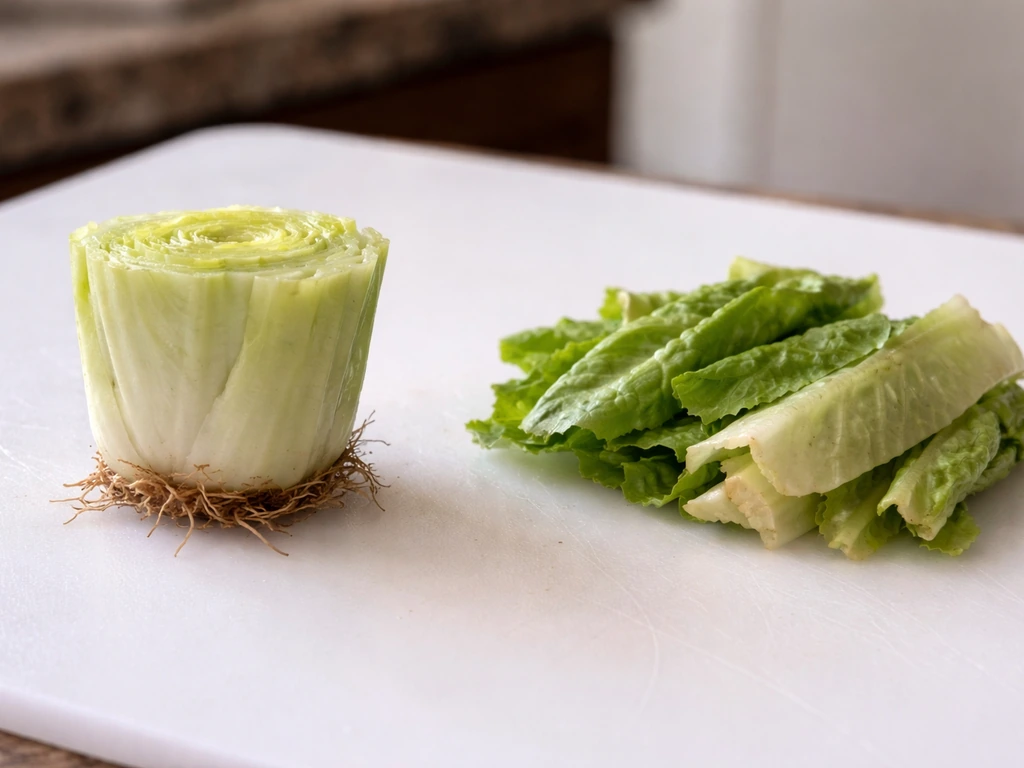
Not every part of a lettuce plant will regrow, so let's be specific. The only part worth trying to regrow is the base, that dense, pale stub at the bottom of a romaine, butterhead, or leaf lettuce head after you've cut or pulled off the leaves. It still contains the growing point (the crown), which is where new leaf growth originates.
Individual leaves or leaf tops will not regrow. If you just have a handful of outer leaves with no base attached, there's nothing to work with. Similarly, don't expect a full, grocery-store-quality head to reform. What you'll get from a regrown base is a new flush of smaller, tender inner leaves, think loose-leaf growth, not a tight head. Romaine bases work especially well for this. Iceberg is the most disappointing option because it rarely produces usable regrowth before bolting or rotting.
The core (the solid central stem inside a head) is a related question, and in short, if there's still a crown attached to it with some stem tissue, it has a chance. If you are wondering can you grow lettuce from the core, the key detail is whether the crown is still attached to that core. But a fully stripped core with no attached leaf base won't take off reliably.
Method 1: Regrowing lettuce from an old or leftover head (step-by-step)
This is the quick-win method that works well for romaine and most loose-leaf types. Here's exactly how to do it:
- Cut the leaves off your lettuce head, leaving about 1 to 2 inches of base intact. The base should look healthy — pale green or white, with no slimy spots.
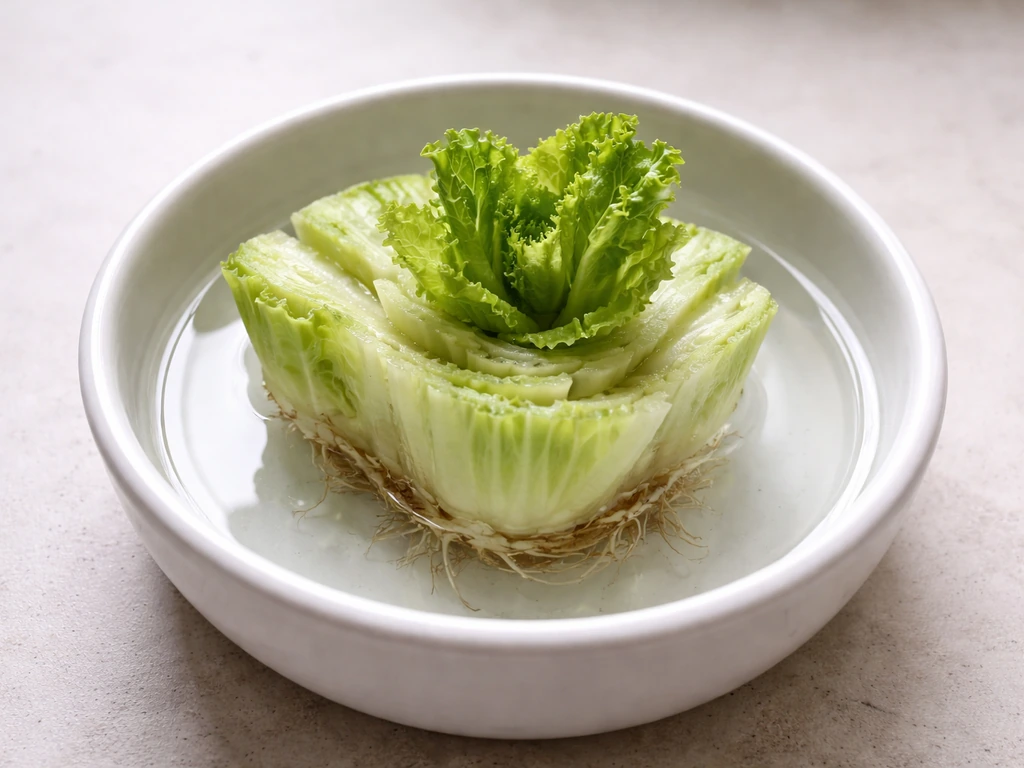
- Place the base cut-side up in a shallow dish or bowl with about half an inch of clean, room-temperature water. The water should touch the bottom of the base but not submerge the cut surface entirely.
- Set it on a windowsill or under a grow light where it gets bright indirect light for at least 6 hours a day. A south-facing or west-facing window works well indoors.
- Change the water every 1 to 2 days to prevent bacterial buildup and rot. This step is non-negotiable — stale water is the number one cause of failure.
- Within 3 to 5 days, you should see small new leaves emerging from the center of the base. Roots typically begin to show within 7 to 10 days.
- Once you have visible roots that are at least half an inch long, you can either keep growing in water or transplant the base into a small pot of moist potting mix. Burying it just enough so the base is stable but the new leaves are above the soil line.
- Continue watering regularly and keep it in bright light. Harvest the new leaves when they reach 3 to 4 inches tall by snipping the outer leaves first.
Realistic timeline: expect small leaf growth in 3 to 7 days and harvestable leaves in about 2 to 3 weeks from the day you first set the base in water. This method won't produce as much lettuce as growing from seed, but it's genuinely useful for extending your harvest from an existing head or just getting kids interested in how plants grow.
One important expectation check: this regrowth cycle works well once, sometimes twice. Research from Michigan State University Extension suggests you can blank" rel="noopener noreferrer">repeat the harvest process 1 to 3 times at roughly 10-day intervals before quality and leaf production start to decline noticeably. After that, the plant is spent.
Method 2: Growing lettuce from scratch (seeds to harvest)
If you want a real, ongoing supply of lettuce rather than a one-time flush from a saved base, starting from seed is the right move. It's not harder, it's just a longer timeline that pays off much better in yield.
Sowing the seeds
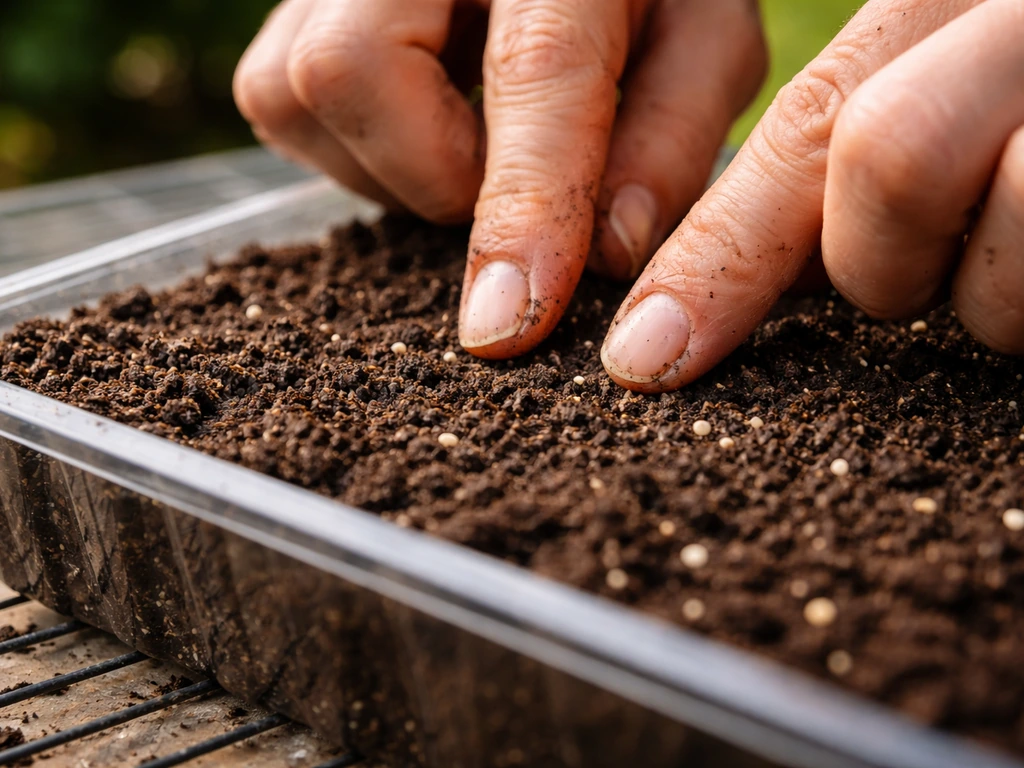
Lettuce seeds are tiny and need to be planted shallow, about 1/8 inch deep. Any deeper and they'll struggle to push through. You can direct-sow into a container or outdoor bed, or start seeds in small cells or trays and transplant later. Both approaches work fine for beginners.
Germination speed depends heavily on soil temperature. At around 70°F, lettuce seeds can sprout in as little as 2 days. Drop the soil temp down to around 50°F and you're looking at 1 to 2 weeks. The optimum range is 60 to 75°F, with a hard maximum of about 85°F, above that, germination becomes erratic. Minimum soil temperature for germination is around 32 to 35°F, though at that cold, growth will be very slow. Nebraska Extension’s seed germination table for leafy greens similarly lists lettuce germination starting around 35°F and provides typical days to germinate under optimum conditions of about 2 to 3 days Minimum soil temperature for germination is around 32 to 35°F.
From seedling to transplant
If you started seeds indoors, transplant seedlings outdoors (or into a larger container) once they have 2 to 3 true leaves and nighttime temperatures are reliably above 32°F. Lettuce is cold-tolerant but not frost-proof at the seedling stage. Space transplants according to type: romaine, butterhead, and iceberg types need 10 to 12 inches between plants with rows 15 to 18 inches apart. Loose-leaf varieties can go a bit tighter at 8 to 10 inches apart with rows 12 to 18 inches wide.
Good variety choices for home growers include romaine, butterhead, and colorful loose-leaf mixes. These are reliably productive, bolt-resistant compared to iceberg, and well-suited to containers and raised beds alike.
Light, temperature, and watering: what actually matters
Lettuce is a cool-season crop and that shapes everything about how you manage it. Getting these three conditions right makes the difference between crisp, productive plants and a bitter, bolted mess.
Temperature
The sweet spot for growing lettuce is daytime temperatures of 68 to 75°F and nighttime temperatures of 60 to 65°F. Never let temperatures consistently exceed 77°F, above that threshold, lettuce bolts (sends up a flower stalk), becomes bitter, and can develop tipburn or loose, fluffy heads that fall apart. This is especially important to manage in late spring and early summer when outdoor temps climb quickly. If you're growing indoors, you have much more control and can extend the season significantly.
Light
For the water-regrowth method indoors, bright indirect light works fine for the first week or two. Once you transplant into soil, lettuce needs at least 6 hours of direct or bright indirect light daily. South- or west-facing windows are your best bet indoors. If you're under grow lights, 14 to 16 hours of light per day at a modest intensity keeps lettuce happy without stressing it. For outdoor containers or beds, morning sun with afternoon shade is ideal in warmer months, it slows bolting.
Watering
Lettuce has shallow roots and needs consistent moisture, not soggy soil, but never bone dry. In containers, water when the top inch of soil feels dry. Outdoors, that often means every 2 to 3 days depending on your climate. Inconsistent watering is a direct cause of bitterness and tip burn. If you're using the water-dish regrowth method, changing the water every 1 to 2 days is your version of watering.
Planting setup: containers, spacing, soil, and water options
One of the best things about lettuce is how flexible it is for different home setups. Here's how to adapt based on what you have:
| Setup | Container/Vessel | Growing Medium | Best For |
|---|---|---|---|
| Windowsill water regrowth | Shallow bowl or dish | Water only (change every 1–2 days) | Quick regrowth from a saved base; short-term harvest |
| Indoor soil pot | 6–8 inch pot minimum per plant | Quality potting mix with good drainage | Longer-term growing from transplants or seeds |
| Outdoor container | At least 8–12 inches deep, wide pot or grow bag | Potting mix or well-draining garden soil | Balcony or patio growing; multiple plants per container |
| Simple hydroponic/water method | Mason jar, bin, or net-cup setup | Water with added nutrients (or plain water short-term) | Apartment growing without soil; extended regrowth |
| Outdoor raised bed or garden | Raised bed at least 6 inches deep | Loose, fertile garden soil amended with compost | Highest yield; best for multiple rows and succession planting |
For drainage, always make sure pots and containers have holes at the bottom. Waterlogged soil rots lettuce roots fast, and that goes double for the regrowth bases. If you're adapting the water-dish method to something more permanent (a hydroponic-style setup), use a net cup or small container that holds the base above the waterline so only the roots are submerged. This mimics how basic hydroponic systems work and dramatically reduces rot risk.
Soil choice matters for in-pot or in-ground planting. Use a light, loose potting mix for containers, heavy garden soil compacts in pots and drains poorly. For outdoor beds, amending with compost before planting improves both drainage and fertility.
When and how to harvest, and keeping it producing
For regrown bases, harvest when the new leaves reach 3 to 4 inches tall. Use scissors to snip outer leaves first, leaving the inner growth intact to keep producing. This cut-and-come-again approach is the most efficient way to get multiple rounds of harvest from one base.
For seed-started plants, you can begin harvesting individual outer leaves once plants are about 4 to 6 inches tall, typically 4 to 6 weeks after germination depending on variety and conditions. For a full head, wait until the head feels firm and compact, romaine usually takes 65 to 80 days from seed.
Harvest in the morning when leaves are crisp from the cool night. Refrigerate immediately after cutting, lettuce has a short shelf life and wilts quickly at room temperature. Loosely wrap harvested leaves in a damp paper towel and store in the refrigerator crisper drawer. They'll stay fresh for 5 to 7 days this way.
To keep production going from regrown bases, remember that most plants give you 1 to 3 good harvests at roughly 10-day intervals before growth slows and quality drops. At that point, compost the spent base and start a new one. From seed-started plants outdoors, practice succession planting, sow new seeds every 2 to 3 weeks so you always have a plant at a harvestable stage.
When things go wrong: troubleshooting the most common problems
The base is rotting
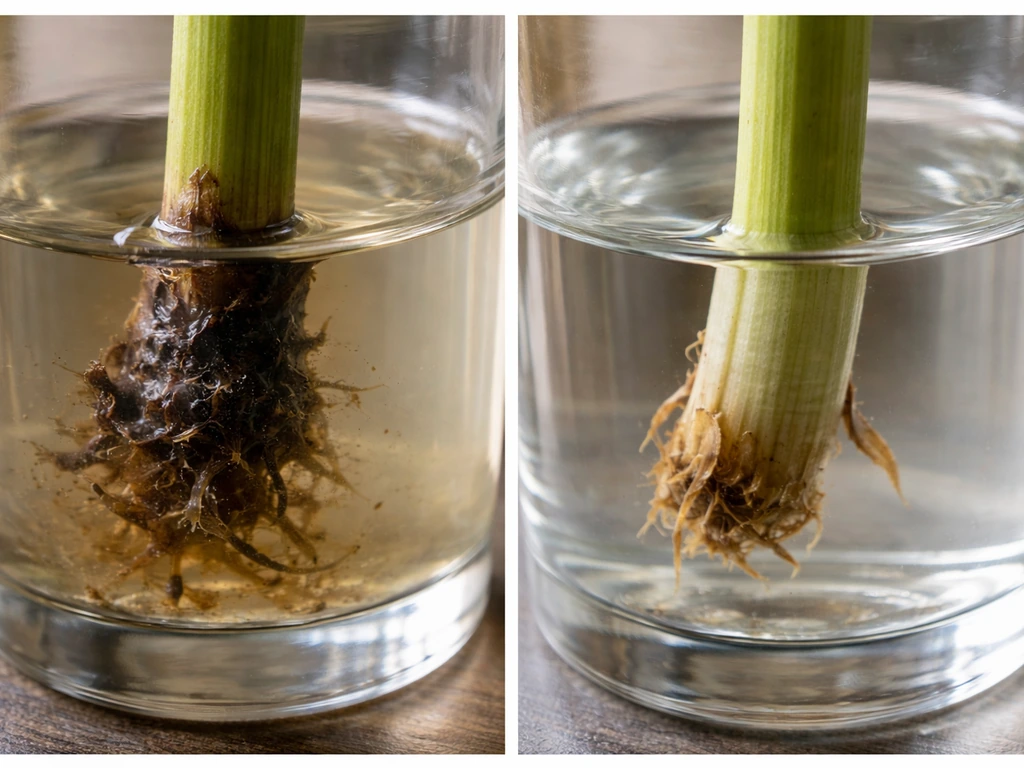
Rot is the most common failure with the water-regrowth method, and it almost always comes down to two things: stale water or a base that was already damaged before you started. Change the water every 1 to 2 days without fail. If you see sliminess or discoloration within the first few days, trim off the affected tissue with a clean knife, rinse the base, and start fresh with clean water. If more than half the base is mushy, it's not worth saving, start with a new piece. Planting in well-drained soil (or using a raised setup in hydroponics) also significantly reduces gray mold and Botrytis rot risk.
No roots or new growth appearing
If you're past day 10 and seeing nothing, check a few things. First, is the temperature too cold? Below 50°F, growth slows dramatically. Move the base to a warmer spot. Second, is there enough light? A dark countertop away from windows won't cut it. Third, was the base too old or dried out before you started? A wilted, desiccated base from a week-old head in the fridge often won't take. Use the freshest possible cut base for best results.
Leggy, spindly growth
If new leaves are tall and thin rather than compact and leafy, the plant is stretching toward light it's not getting enough of. Move it closer to a window or under a grow light. Leggy growth is also common when temperatures are too warm, try a cooler location and make sure you're not exceeding that 75 to 77°F ceiling.
Bitter leaves
Bitterness almost always signals heat or water stress. If your lettuce is consistently bitter, the plant has likely been exposed to temperatures above 77°F, experienced inconsistent watering, or is starting to bolt. Move it to a cooler spot, water more consistently, and harvest earlier rather than waiting for maximum leaf size. Leaves harvested young are almost always milder than older, larger leaves on a stressed plant.
Pests and disease
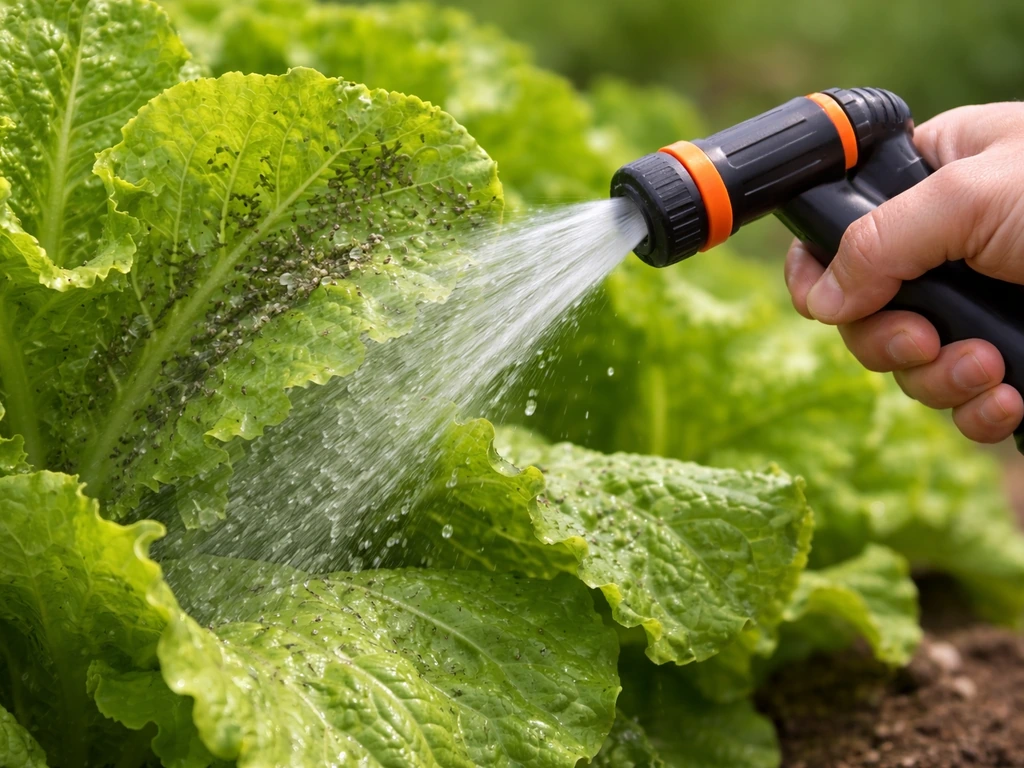
Common lettuce pests include aphids, slugs, and caterpillars. Check the undersides of leaves regularly and knock aphids off with a strong stream of water. Slugs are most active at night and in wet conditions, reduce mulch near plant bases and use physical barriers if they're a persistent problem. For disease, watch for gray mold (Botrytis), which shows up as fuzzy gray patches on leaves or the base, especially in damp, crowded conditions. Improve air circulation, remove affected leaves immediately, and avoid wetting foliage when you water. Downy mildew and powdery mildew can also appear in humid conditions, both are managed by spacing plants properly, watering at soil level rather than overhead, and choosing resistant varieties when possible.
If the first try doesn't work, here's what to do next
Don't give up after one failed base. The regrowth method has a real learning curve around water freshness and temperature, and most people nail it on the second or third try once they've seen what a healthy base versus a rotting one looks like. Try a fresh romaine head from the store, make a clean cut to leave at least 1.5 inches of base, and follow the water-change schedule religiously. If indoor temperatures are above 75°F, find a cooler windowsill or try it in spring or fall when ambient temps are more favorable.
If the regrowth method just isn't working in your space, pivot to seeds. If you want to rely on scraps instead of starting from seed, use the water-dish regrowth steps earlier in this guide how to grow lettuce from scraps. A packet of loose-leaf lettuce seeds costs almost nothing, germinates within days at room temperature, and gives you far more control over the outcome. The regrowth method is a fun, low-effort supplement to seed growing, not a replacement for it. Many home gardeners do both: keep a base in water on the windowsill for quick snips while a full container of seed-started plants develops in the background.
FAQ
Will any store-bought lettuce work for regrowing, or do I need a specific type?
If your lettuce base is already separated from the crown, regrowth is unlikely. To check, look for the pale stub where leaves joined the plant (the crown area) and make sure a small amount of leaf-stem tissue is still attached. A base that is mostly dry, browned, or stripped down to an inert core tissue usually will not restart reliably.
How does using lettuce that has been refrigerated for days affect regrowth?
Yes, you can, but the best results come from starting with as-fresh-as-possible heads and making your cut just before regrowth. If the head was sitting in the fridge for a long time before you cut it, the base often dries out or is partially damaged, which increases rot and reduces the chance you will see leaves by day 3 to 7.
For regrowing from the base, should the crown be in water or soil?
Choose one style and stick to it for the best odds. For the classic water-dish method, keep only the base touching water and keep the crown above the waterline. For soil regrowth, set the base in light, well-draining mix and keep the crown at or just above the soil surface, so it stays damp but not submerged.
What should I do if my regrowth base starts to smell or get slimy?
If you see a few outer leaves starting to rot, trim back to healthy tissue with a clean knife, rinse the base, and refresh the water (or change it if using a jar). If more than half of the base is mushy, slimy, or collapsing, restart with a new base since the rot can spread quickly.
Is it okay to mist the lettuce or water it from above to keep it fresh?
No, watering from above is a common mistake for lettuce regrowth, especially indoors. Watering foliage can encourage gray mold, mildew, and spotting. Use the “water when the top inch is dry” approach for soil, and for water-dish regrowth, rely on water changes rather than misting leaves.
My regrown lettuce is growing tall and thin. Does it need fertilizer?
Thin, pale, and stretchy growth that flops over usually means not enough light, not a lack of fertilizer. Move it closer to a bright window, rotate the container daily, or increase grow light exposure. Once you’re in the soil stage, lettuce generally does not need heavy feeding for good leaf regrowth.
When should I harvest regrown lettuce for best flavor and repeat rounds?
Harvest early and harvest often. For the regrowth base, snip outer leaves as soon as they reach about 3 to 4 inches, leaving the inner growth intact. If you wait for very large leaves, you may get more bitterness or faster decline after the first cycle.
What should I do if my lettuce starts bolting after regrowth or after planting seeds?
Lettuce bolts fastest when temperatures stay high. If you see a tall central flower stalk starting, switch to damage control: harvest leaves immediately for what you can get, then move the plant to the coolest location you have (shade, cooler room, or a fan for airflow). For next successions, sow in cooler periods and use varieties that hold longer.
How can I reduce the chance of gray mold when I’m growing lettuce indoors?
A good rule is to keep the environment cool and airflow active. In crowded beds or a closed indoor setup, gray mold risk rises. Space plants according to type, remove any spotted or fuzzy patches right away, and avoid overhead watering so leaves do not stay wet.
After my lettuce stops producing, should I save anything or clean up the setup?
Yes, if you don’t want more plants, you can compost the spent base after the last useful harvest. However, you should not let any rotting or moldy material sit in the same indoor growing area. Rinse your container or vessel with hot soapy water and let it dry fully before restarting with a new base or moving new seedlings in.