Yes, you can grow lettuce from the core, and it actually works pretty reliably if you use the right type of head and keep a few basic conditions in check. Cut romaine, butterhead, or leaf lettuce about 1 inch from the bottom, set that stub cut-side up in about half an inch of water, give it a bright spot, and you'll typically see new leaves emerging within 3 to 5 days.
Can You Grow Lettuce From the Core? Step-by-Step Guide
Marcus Holloway
28 Apr 2026
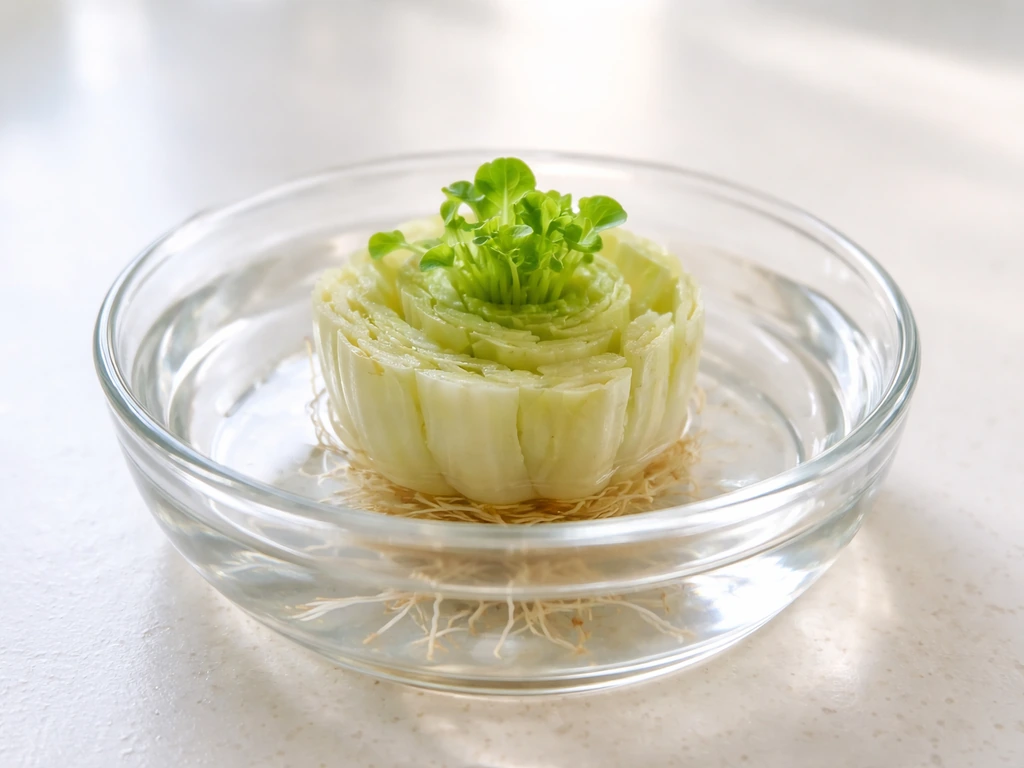
To regrow lettuce in water, place the stem end in a shallow dish with about 1/2 inch (1 cm) of water half an inch of water.
If you are wondering does lettuce grow back after harvesting, cutting romaine, butterhead, or leaf lettuce about 1 inch from the bottom and starting the stub in water is the key first step. It won't grow back into a full grocery-store head, but you'll get several rounds of fresh baby leaves from the same base before it runs out of steam.
What 'the core' actually means (and which heads are worth trying)
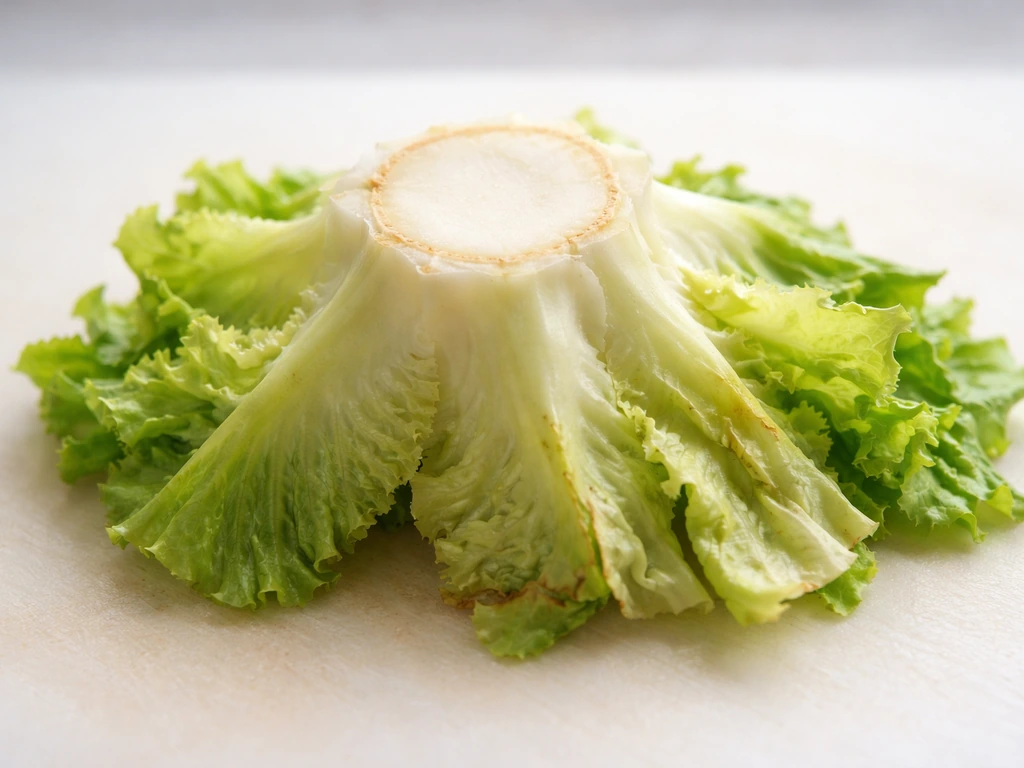
The 'core' or 'base' is that dense, pale stub at the bottom of a lettuce head after you've cut or pulled off most of the outer leaves. It's the crown tissue where new leaf growth originates, and it's what makes this whole trick possible. Think of the pale, compact bottom inch or two of a romaine head after you've sliced the leaves away for a salad. That's your regrowth base.
Here's the thing: not every base is worth trying. The base needs to have some remaining leaf-stem tissue still attached at the crown. A fully stripped core with zero leaf-base material left on it won't take off reliably. If you bought a romaine heart (the pre-trimmed kind) and peeled every layer off trying to get at it, what's left is usually too bare to do much. You want a base where you can still see some pale leaf stubs around the edges.
Romaine is the best candidate by a wide margin. It has a firm, structured base with plenty of crown tissue, and it roots and re-leafs more consistently than other types. Butterhead (like Boston or Bibb) also works well. Loose-leaf varieties can work too, though they tend to be less predictable. Iceberg is generally not worth the effort: its tightly packed, modified structure just doesn't respond well to water rooting. If you're starting today, grab a romaine head and you'll have the best shot.
How to regrow lettuce from the core: step by step
This is genuinely one of the easier kitchen-scrap projects you can do. You need the lettuce base, a shallow dish or bowl, water, and a decent light source. That's it.
- Cut your lettuce head about 1 to 2 inches from the bottom, leaving a solid stub with some leaf tissue still visible around the crown. Don't cut too close or you'll have almost nothing to work with.
- Set the base cut-side up in a shallow dish or bowl. Add room-temperature water until it covers just the bottom half-inch to one inch of the stump. You do not want the whole base submerged.
- Place the dish somewhere bright: a south- or west-facing windowsill, or directly under a grow light.
- Change the water every 1 to 2 days to keep it fresh and prevent bacterial buildup. This is the step most people skip, and it's one of the main reasons bases rot.
- Watch for small white roots to emerge from the underside of the base and new pale-green leaf tips to poke up from the crown. This typically takes 3 to 7 days.
- Once roots are a half-inch to an inch long and leaves are actively growing, you can either keep harvesting from the water setup or transplant the base into a container with potting mix.
- If transplanting: use a pot with drainage holes (at least 6 inches deep), fill with moist potting mix, and bury the base so only the new leaves are above the soil surface. Keep the soil consistently moist but not waterlogged.
Whether you stay in water or move to soil is partly personal preference. Water is easier to monitor and requires no extra supplies, but soil usually produces stronger, longer-lasting growth because the plant gets access to nutrients. If you want more than a few quick harvests, transplanting to soil is the better long-term move.
Light, water, and temperature: getting the conditions right
Light
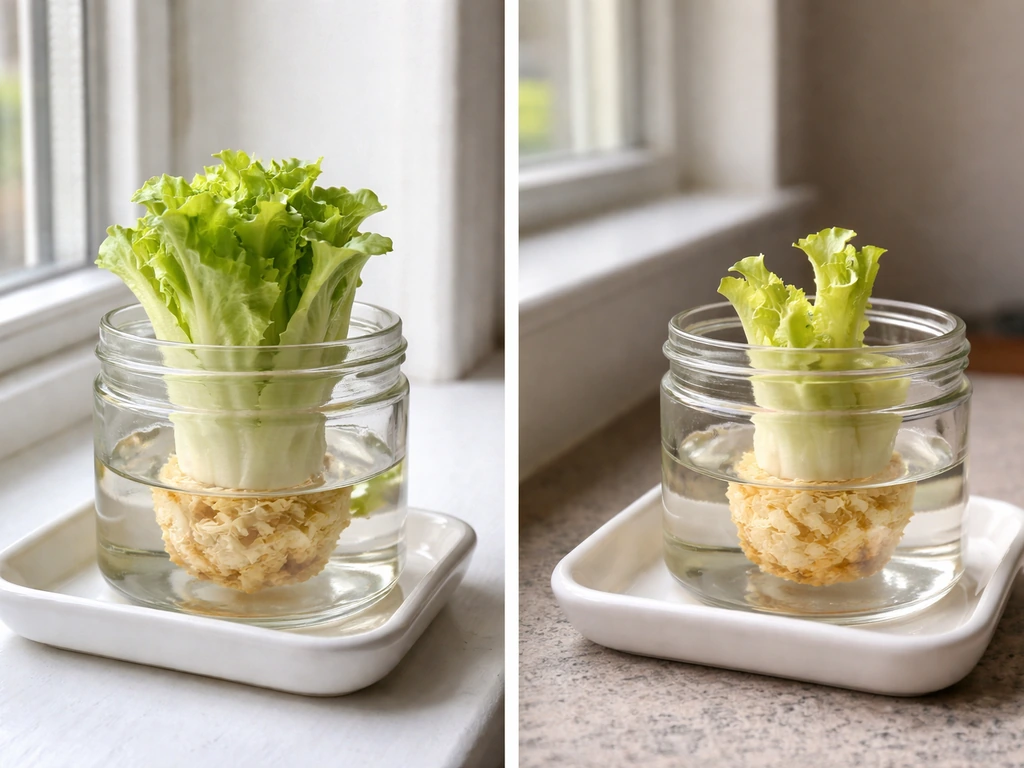
Lettuce needs at least 4 to 6 hours of direct or bright indirect light per day to regrow well. Indoors, a south-facing windowsill in spring or summer can work, but a north-facing window in winter almost certainly won't give you enough. If your windowsill is dim, a simple LED grow light set to run 14 to 16 hours per day makes a big difference. Insufficient light is the most common reason for weak, leggy, pale regrowth indoors. If the new leaves are reaching toward the window and looking spindly rather than compact, that's a light problem.
Water
During the water-rooting phase, keep the level at half an inch to one inch, covering just the base of the stump. More water than that encourages rot rather than roots. Change it every day or two with fresh room-temperature water. Once you've transplanted to soil, water consistently to keep the mix moist but not soggy. Lettuce is shallow-rooted and dries out fast, especially in small containers, so check the soil daily.
Temperature
Lettuce is a cool-season crop, and that matters even for regrowth from a base. The ideal range is roughly 65 to 70°F during the day and 45 to 55°F at night. In those conditions, the plant stays leafy and mild-tasting. Once temperatures push consistently above 75 to 80°F, lettuce shifts into stress mode: leaves get bitter, growth slows, and the plant starts heading toward bolting (going to seed).
The USU Extension notes that lettuce is sensitive to heat and that soil temperatures above 80°F can cause lettuce (and other crops) to go dormant soil temperatures above 80°F can cause lettuce to go dormant. If you're growing indoors in a warm apartment in summer, keep the base away from heat vents and hot sunny glass.
Outdoors, consider moving the container to partial shade during the hottest part of the day.
What to expect: timing, roots, leaves, and whether to transplant
Here's an honest timeline of what typically happens, so you're not left guessing.
| Timeframe | What You'll See |
|---|---|
| Days 1 to 2 | Not much visually; the base is settling and starting to form callus tissue at the cut surface |
| Days 3 to 5 | Small pale leaf tips emerging from the crown; possible white root nubs on the underside |
| Days 5 to 10 | Visible new leaves, 1 to 2 inches tall; roots half an inch or longer if conditions are good |
| Days 10 to 14 | Harvestable baby leaves if light and temperature are on point; roots ready for transplanting to soil |
| Weeks 2 to 4 | Ongoing leaf production if transplanted to soil; expect 1 to 3 good harvest rounds before quality drops |
Realistic expectation check: this process produces baby leaves and young greens, not a full replacement head. The regrown leaves will be smaller and more tender than the original, which is actually a plus for salads. You won't be pulling off a crisp 12-inch romaine head. But you can get genuinely useful, fresh greens from a base you'd otherwise compost, and that's the whole point.
Transplanting to soil at around the 10-day mark usually extends the productive life of the base significantly. In water alone, the plant has no nutrients to draw from, so it gradually depletes what's stored in the base tissue. Soil gives it a longer run.
When things go wrong: fixing the most common problems
The base turns slimy or starts to rot
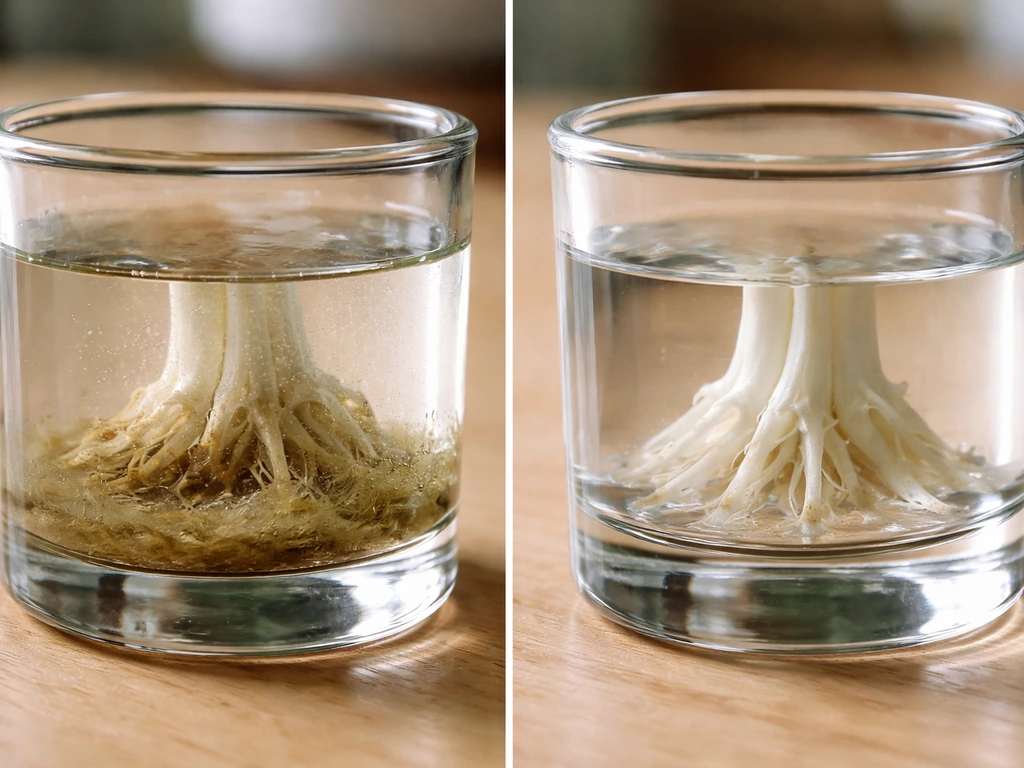
This is the most common failure, and it's almost always a water issue. If you're not changing the water daily or every other day, bacteria build up fast. Too much water covering the cut surface also promotes rot. If you notice sliminess early, rinse the base under cool water, scrape off any soft or discolored tissue with a clean knife, refill with fresh water at the correct level (half an inch), and move it to better airflow. If the rot has reached the crown where the new leaves are emerging, the base is done. Compost it and start with a fresh head.
No roots or leaves after a week
If nothing is happening after 7 days, check two things first: light and temperature. A dark corner won't trigger growth regardless of water quality. Second, make sure the base wasn't cut too close to the bottom, leaving no viable crown tissue. If the cut surface looks healthy (cream-colored, not brown or slimy) but growth just isn't starting, try moving it to a brighter spot and give it another few days. Some heads are simply further along in their natural lifecycle and won't respond well.
Leggy, pale, stretched-out new leaves
This is a light problem. The plant is reaching for a source it can't quite find. Move it closer to the window, or switch to a grow light. Once you improve the light, new growth should come in more compact and greener. The leggy leaves that already grew won't fix themselves, but you can harvest and eat them and let the next flush grow in better conditions.
Bitter leaves or early bolting
Bitterness and bolting are almost always heat and day-length related. When temperatures climb above 75 to 80°F consistently, or when days get long (as they do in summer), lettuce reads that as a signal to flower and set seed. The leaves become bitter, a central stalk starts to elongate, and the plant is essentially done as a food source. If you see a tall central stalk forming, harvest everything immediately and use it. There's no reversing bolt. To prevent it: keep the plant cool, give it some afternoon shade if outdoors in summer, and water consistently since water stress accelerates bolting.
Growth stalls after a strong start
If you got good early growth but it's now slowing down, and you're still growing in water, the base has probably exhausted its stored energy. This is normal. Transplant to soil if you haven't already. If you're already in soil and growth is stalling, check that the soil isn't waterlogged (which limits oxygen to roots) and that the plant is getting enough light.
Harvesting and keeping the greens coming
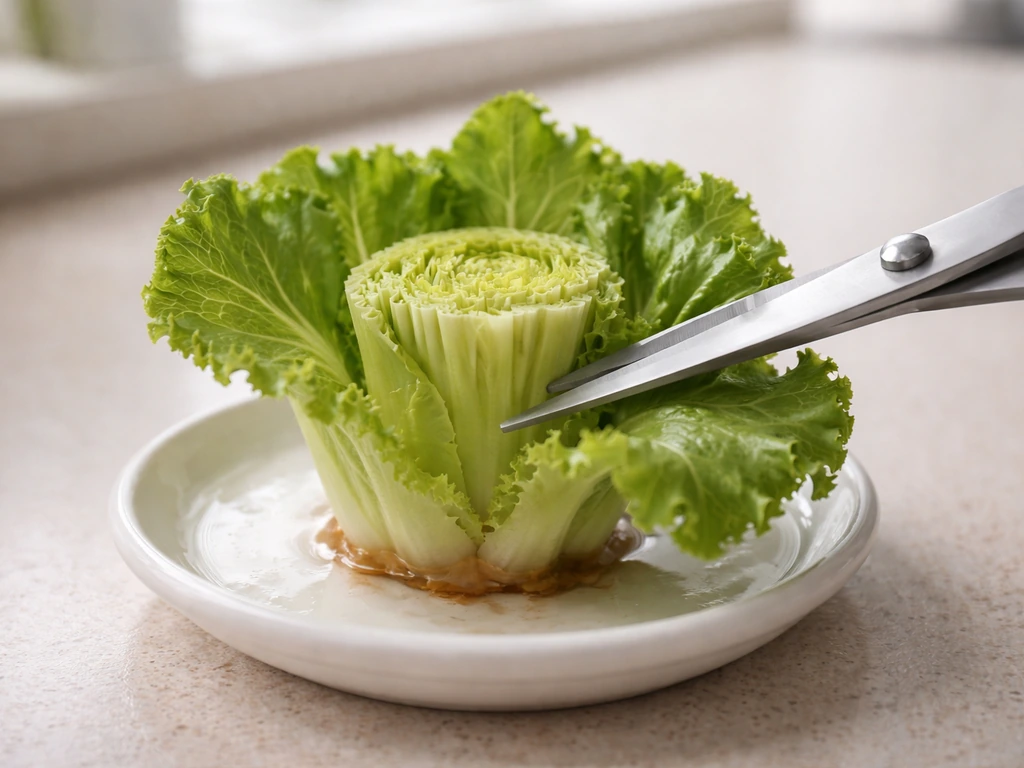
Once your regrown leaves are 3 to 4 inches tall, they're ready to harvest. Use clean scissors or a knife and cut the outer leaves first, leaving the central crown untouched so it can keep producing. This cut-and-come-again approach is the same principle used with loose-leaf lettuce in any garden setting, and it works here too.
Realistically, most regrown bases will give you 1 to 3 good harvests at roughly 10-day intervals before the quality drops off. You'll notice the leaves getting smaller, thinner, or more bitter as the base reaches the end of its productive life. At that point, compost it and start fresh with a new head. The whole cycle from cutting a new base to your first harvest is less than two weeks, so starting over isn't a big deal.
If you want a continuous supply, stagger your starts. Keep one base in water rooting while another is already in soil producing leaves. That way you're always a harvest away from fresh greens without any gap. It's a small system, but it works surprisingly well on a kitchen counter or a bright windowsill year-round.
Growing from the core is closely related to the broader idea of regrowing lettuce from scraps and growing a new head from an existing head. To learn more about the exact process and timing, see our guide on how to grow lettuce from lettuce regrowing lettuce from scraps. grow lettuce from the core regrowing lettuce from scraps.
If you want more detail beyond the core method, use this guide to learn how to grow lettuce from scraps in other ways too. The core method is one of the most beginner-friendly entry points, but if you want to push further into producing fuller heads or more consistent yields, exploring soil-based setups and specific variety selection opens up a lot more possibilities.
FAQ
Can you grow lettuce from the core in soil right away, without water rooting first?
Yes, but do it only after you’ve seen new leaf buds. If you transplant immediately from a just-cut base, the stress plus rot risk is higher. Wait about 7 to 10 days, then move to soil while the crown tissue still looks cream-colored and firm.
How much of the lettuce core should be in the water?
No, don’t submerge the crown. Keep only the very bottom edge of the stump in water (about half an inch to one inch deep). If water covers the cut surface where new leaves are emerging, it encourages rot.
In soil, how do you prevent overwatering or drying out the regrowing lettuce?
Water every day in hot weather, but you’re aiming for evenly moist, not constantly wet. Use shallow containers and check drainage, because waterlogged soil reduces oxygen to shallow roots and will stall growth even if the plant looks alive.
What are the signs that the core has rotted and can’t be saved?
If you see a strong rotten smell, brown mushy tissue, or slime spreading toward the center, that’s a sign to discard. If only a small edge looks questionable, you can rinse, scrape soft tissue with a clean knife, and restart in fresh water, but once the crown is affected it usually will not recover.
If my regrown lettuce starts bolting, can I stop it or reverse it?
It’s better to keep the plant on the cool side and harvest regularly. Once you notice a central stalk starting to elongate, remove the whole stalk and any bitter outer leaves, then use the greens quickly. There is no true “bottle-back” reversal of bolting.
How should I harvest so the core keeps producing longer?
Treat it like baby greens. Pick outer leaves first and leave the crown intact, but if leaves are very small, you can harvest just the tenderest tops to encourage another flush. Avoid cutting too close to the crown, since that reduces future regrowth.
Should you fertilize lettuce regrowing from the core?
Yes, but use it sparingly and only once you transplant to soil. A light, balanced fertilizer (low dose) can help if you want more than 1 to 3 harvests, but heavy feeding can make lettuce taste stronger or more bitter. For water-only setups, fertilizer won’t work since there’s no nutrient source.
Why are my new lettuce leaves pale, leggy, or weak?
That usually comes from insufficient light or warm temperatures. If the new leaves are pale and reaching, increase light hours (14 to 16 under a grow light setup) and keep temps closer to the cool range. Existing leggy leaves won’t get greener, but the next growth should improve.
What’s the easiest way to have a continuous supply of regrown lettuce?
Yes, but the most effective approach is to start with multiple heads or stagger your bases. Keep one base in water and another already in soil so one harvest is ready while the other is rooting and building new leaves.
If I keep getting slimy water or slimy bases, what should I change?
Rinse the base and change the water, then improve airflow around it (don’t cover it tightly). Good hygiene matters most during the first week. If you repeatedly get sliminess even with daily water changes, try a cleaner container and keep the water level at the correct shallow depth.