Loose-leaf lettuce absolutely grows back after harvesting, and you can get two, three, or even four cuts from the same plant if you harvest correctly and keep conditions cool. Head lettuce is a different story: once you cut the full head, regrowth is minimal at best. The type of lettuce you're growing, how you cut it, and whether the plant is close to bolting are the three things that determine whether you get a second harvest or a stump that does nothing.
Does Lettuce Grow Back After Harvesting? Regrowth Guide
Marcus Holloway
28 Apr 2026
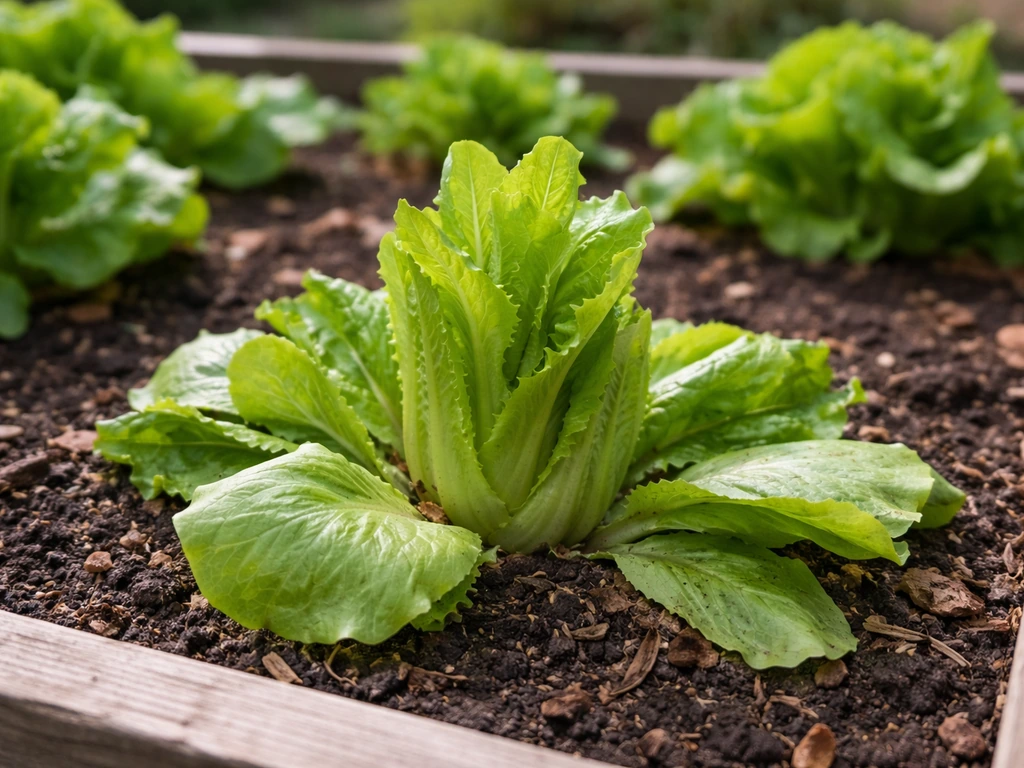
Loose-leaf vs. head lettuce: what actually grows back
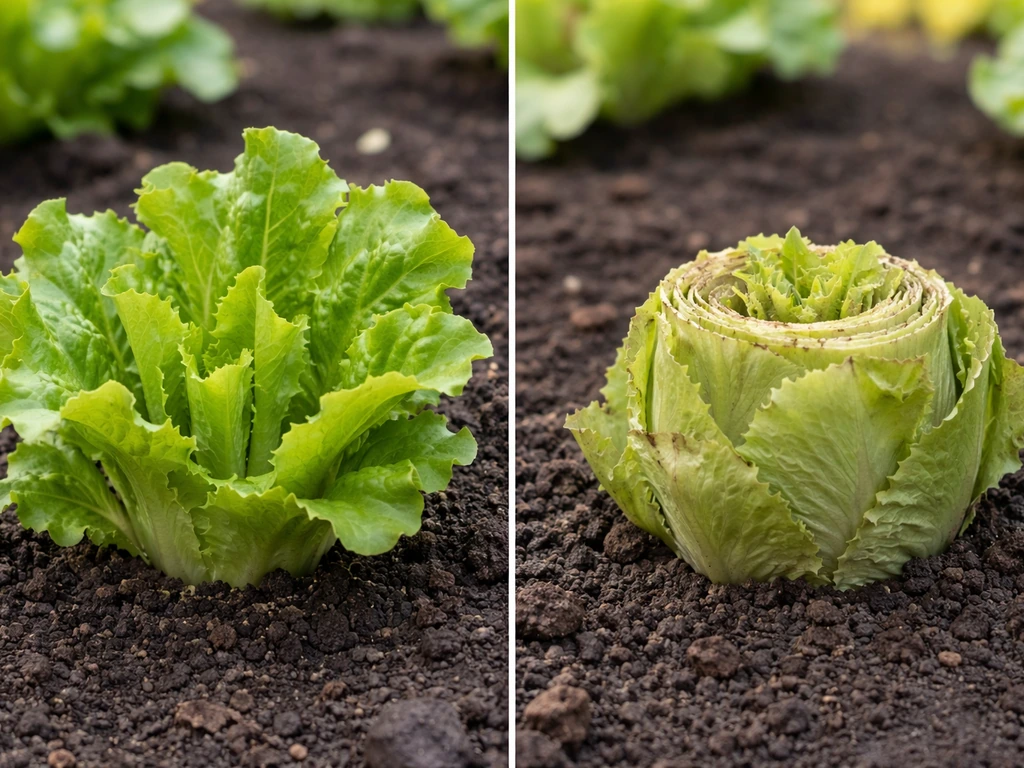
Loose-leaf lettuce (sometimes called garden lettuce or cut-and-come-again lettuce) grows from a central crown that keeps pushing out new leaves as long as the plant is alive and hasn't bolted. When you harvest outer leaves or cut the whole plant back, that growing point in the center stays intact and picks right back up. In good conditions, you'll see new growth within 7 to 14 days.
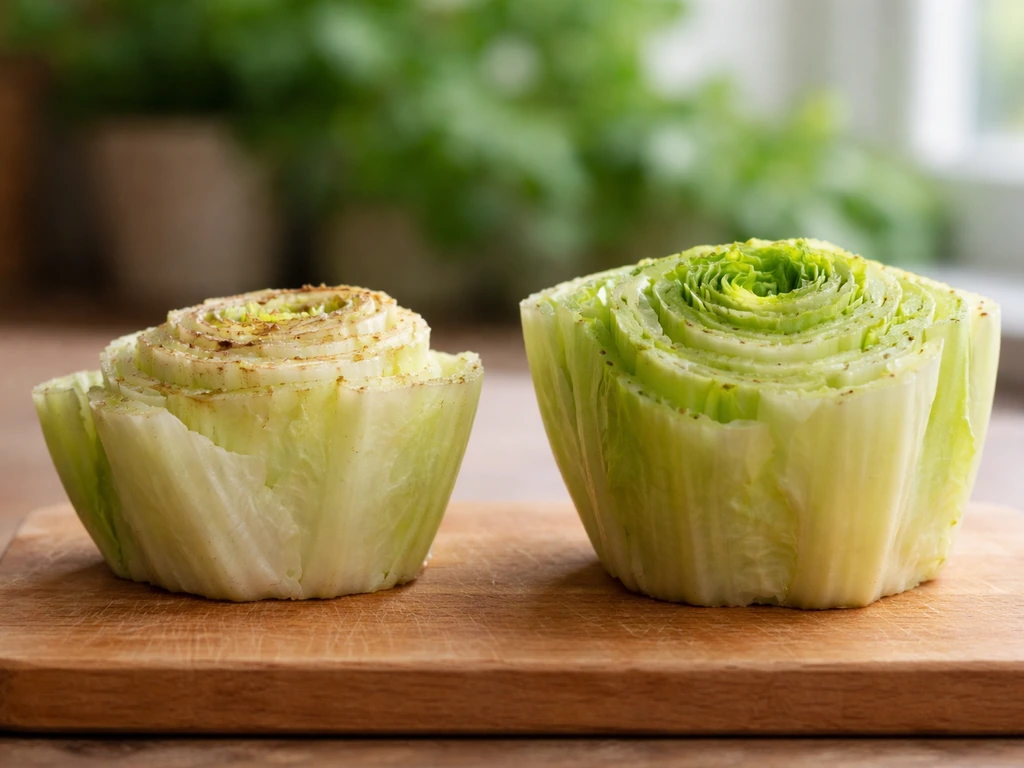
Head lettuce, including iceberg, works differently. The plant's energy goes into forming that tight, layered head, and when you harvest the whole head by cutting through the stem, you're removing most of what drives new growth. There's usually not enough plant material left to produce anything worth eating. Some gardeners report a few small leaves sprouting from the leftover base, but honestly, it's rarely productive enough to bother waiting for. If regrowth is your goal, you're better off growing loose-leaf from the start. If you want to grow lettuce from a head of lettuce, focus on whether you can manage any regrowth from the leftover base and keep conditions cool to maximize your chances.
Romaine sits somewhere in between. You can use the outer-leaf method on romaine and get decent second cuts, especially early in the season before heat sets in. But if you harvest the whole head at once, you're in the same boat as iceberg. Red leaf and green leaf varieties are the real stars here because they're built for repeated harvesting.
How and when to harvest so your lettuce keeps producing
There are two solid approaches to harvesting for regrowth, and which one you use depends on how much lettuce you want at once.
The outer-leaf method
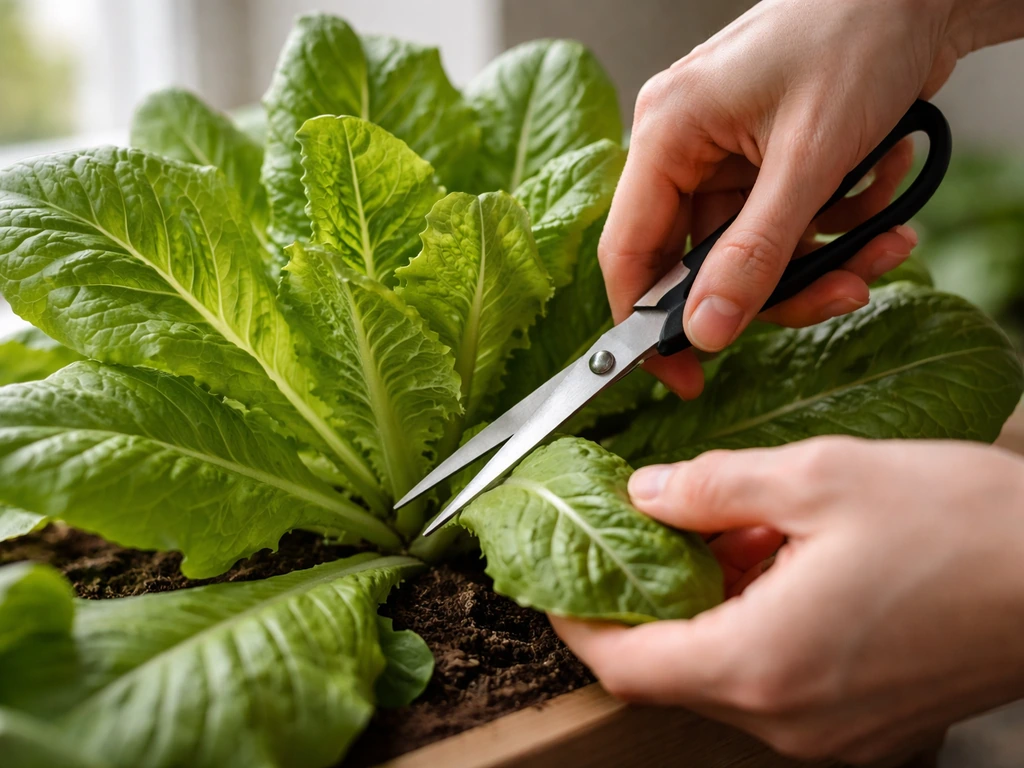
This is the most forgiving approach and the best one for beginners. You snap or snip the outermost, oldest leaves off at the base, leaving the inner crown completely untouched. The plant barely notices and keeps growing. Oregon State University Extension notes that loos-leaf lettuces can be harvested and regrown when cut or handled properly, supporting repeated harvests for some types loose-leaf lettuces can be harvested and regrown when cut or handled properly. Never take more than about one-third of the plant's foliage in one session. Go over the same plant every few days rather than stripping it all at once.
The cut-and-come-again method
This one gets you a bigger harvest all at once. Use clean scissors or a sharp knife and cut straight across the plant, leaving at least 1 inch of stem above the soil line. The crown and root system stay intact, and within one to two weeks new leaves push up from that base. Do not cut down to the soil. If you cut too low and nick the crown, the plant may not recover.
Timing matters too. Harvest in the morning before the day heats up. Lettuce leaves are at their crispest and most hydrated in the morning, and cutting when it's cooler reduces stress on the plant. If your spring temperatures are already creeping up, morning harvesting also gives the plant the cooler part of the day to start recovering.
The conditions that decide whether lettuce regrows or gives up
Temperature is the biggest factor
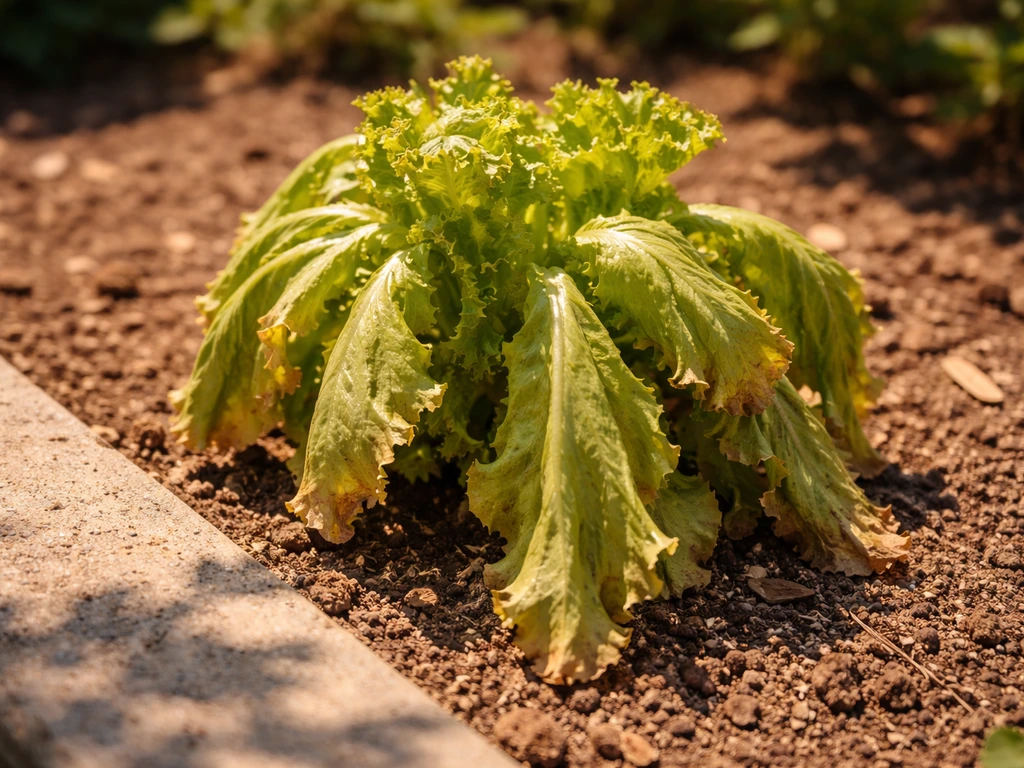
Lettuce is a cool-season crop, and it's not subtle about it. Optimal germination happens around 70 to 75°F, and once temperatures push past 80 to 85°F during the day (especially if nights stay warm), the plant shifts its energy toward flowering rather than leaf production. This is bolting, and once it starts, regrowth after harvesting slows dramatically and eventually stops. Research shows bolting can begin after as few as 8 days of sustained high temperatures, which is faster than most gardeners expect. Warm nights are especially damaging to head quality and regrowth potential, even when daytime highs seem manageable.
Water consistency
Lettuce draws moisture from the top foot of soil or less, so it's very sensitive to surface dryness. Inconsistent watering stresses the plant and can trigger bolting. Water in the morning, keep moisture even, and don't let the plant wilt between harvests. In containers especially, soil dries out faster, so you may need to water daily during warm spells.
Light
Longer days (more hours of light) are one of the triggers for bolting in lettuce. This is why spring plantings eventually bolt as summer approaches, even if temperatures stay reasonable for a while. If you're growing indoors or under grow lights, you can actually control this: keep your light cycle at 14 hours or less to slow bolting. Outdoors, using shade cloth in the afternoon during late spring can buy you a few extra weeks of productive growth.
Soil fertility
Nitrogen is the nutrient most directly tied to leaf production. If regrowth is slow and the older leaves are yellowing uniformly, nitrogen deficiency is a likely culprit. This shows up as pale, stunted new growth after cutting. A nitrogen-rich fertilizer or a top-dress of compost right after harvesting gives the plant the fuel it needs to push out new leaves quickly.
Will lettuce grow back next year or every year?
Lettuce is almost always grown as an annual, meaning it completes its life cycle in one season, sets seed, and dies. It doesn't come back on its own the following spring the way a perennial herb might. So if you're wondering whether your lettuce patch will just regrow next year without you doing anything, the honest answer is no, not reliably.
That said, there are a few ways to get lettuce growing again year after year without starting completely from scratch every time. The simplest is re-sowing: just plant new seeds each season. In mild climates, you can sow in late summer for a fall harvest, or in late winter for an early spring crop. If you let one plant go to seed intentionally, it may self-seed in your garden, and you'll get volunteer seedlings the following season without doing anything.
Overwintering is the other option. In colder climates, lettuce can survive winter under protection: a cold frame, row covers, or straw mulch can keep plants alive through frost. It's technically still an annual, but you're extending its life across winter rather than letting it die and replanting. Some heritage varieties were traditionally grown this way. Indoors, you can grow lettuce year-round entirely by controlling temperature, light, and humidity, which is where container and hydroponic growing really shines. If continuous fresh lettuce is the goal, staggered indoor sowings every two to three weeks is the most reliable strategy.
What to expect from different lettuce types
| Lettuce Type | Regrowth Potential | Best Harvest Method | Bolting Resistance |
|---|---|---|---|
| Loose-leaf (green or red) | Excellent: 2–4 harvests possible | Outer-leaf or cut-and-come-again | Moderate to high, especially red-leaf varieties |
| Red leaf (e.g., New Red Fire) | Excellent: one of the best for repeated cuts | Outer-leaf or cut-and-come-again | High: slower to bolt, better in warmer months |
| Romaine | Good if harvested correctly: outer leaves work well | Outer-leaf method; avoid full head harvest | Moderate: some bolt-resistant varieties available |
| Butterhead | Fair: some regrowth if base is left intact | Outer-leaf method | Lower than loose-leaf types |
| Iceberg / crisphead | Poor: minimal useful regrowth after full harvest | Harvest whole head only | Low: bolts quickly with heat |
Red-leaved varieties are specifically noted by extension services as better choices for warmer months because they're slower to bolt than green types. If you're growing in a climate where spring heats up fast, varieties like New Red Fire give you a longer productive window and more chances for a second cut. Colorado State University research on lettuce bolting resistance shows that variety selection combined with sowing date has a measurable impact on how many days you get before bolting kicks in.
How to get the most out of your second (and third) harvest
- Stagger your plantings every 2 to 3 weeks. Instead of one big crop, keep a rolling cycle going so you always have plants at different stages. When one planting bolts, another is ready to harvest.
- Fertilize right after you cut. Apply a balanced liquid fertilizer with nitrogen after each harvest, or top-dress with a thin layer of compost. This replaces what the plant will use to push out new leaves.
- Never take more than one-third of the plant at once. This is the most common mistake that kills regrowth. Take less than you think you should, especially early in the season.
- Leave at least 1 inch of stem when doing a full cut-and-come-again harvest. Cutting lower than that risks damaging the crown.
- Use afternoon shade when temperatures climb. A shade cloth at 30 to 40 percent rated shade can drop leaf-surface temperatures enough to prevent premature bolting and keep regrowth coming.
- Water consistently and at the root zone. Lettuce doesn't need to be watered from overhead. Drip irrigation or bottom-watering in containers keeps moisture even without the disease risk of wet leaves.
- Watch for the first signs of bolting (a tall central stalk forming) and harvest everything immediately. You won't stop the process, but you'll get one more good harvest before the leaves turn bitter.
Why your lettuce didn't grow back (and how to fix it)
If you harvested and nothing came back, or growth stalled, one of these is usually responsible:
- You cut too low. If you cut below 1 inch or damaged the crown, the plant can't recover. With future plants, use clean scissors and cut straight across higher up the stem.
- The plant bolted before or right after you cut. Check if there's a thick central stalk forming or if the remaining leaves taste bitter. Bolted plants redirect all energy to flowering and won't produce good leaf regrowth. At this point, pull the plant and resow.
- It's too hot. If daytime temps are regularly above 80 to 85°F and nights are warm, regrowth will be slow or non-existent even if you did everything else right. Move containers to a cooler spot, add shade cloth, or accept that the season is over and plan a fall sowing.
- Nitrogen deficiency is slowing things down. Yellowing older leaves and pale, stunted new growth after cutting are the signs. Feed with a nitrogen-rich liquid fertilizer and you should see improvement within a week.
- You took too much at once. Harvesting more than one-third of the plant stresses it significantly and slows regrowth. Give the plant a few extra days and make sure it has water and nutrients.
- The variety you chose isn't suited for repeated cutting. Head lettuce types like iceberg simply don't regenerate well. If you want reliable regrowth, switch to a loose-leaf or red leaf variety.
- Inconsistent watering. Drought stress between harvests can cause the plant to prioritize survival over new leaf production. Check soil moisture at least once a day in warm weather.
It's also worth knowing that growing lettuce from existing scraps or a store-bought head is a related approach some gardeners try, especially for the base or core of romaine or leaf lettuce. You can also try this technique to grow lettuce from the core, especially with romaine or leaf lettuce bases. To learn the best steps for starting with a store-bought head, see how to grow lettuce from a head of lettuce. That's a slightly different technique from harvesting your garden-grown plant and waiting for regrowth, but the same rules about keeping the crown intact and providing good light and moisture apply across both methods.
The short version if you want to act today
If your loose-leaf lettuce is already growing, go ahead and harvest the outer leaves or cut it back to 1 inch above the soil, water it, give it a light fertilizer, and you should see new growth within 7 to 14 days. If temperatures are already climbing, add shade, harvest in the morning, and keep watering consistent.
If it's already bolting (look for a tall center stalk and bitter-tasting leaves), harvest everything now, pull the plant, and either resow or wait until fall. Lettuce doesn't come back on its own next year, so plan on sowing fresh seed each season, or use staggered plantings to keep a continuous supply going.
You can even ask, can you grow lettuce from the core, and the answer is usually yes if you start with a healthy romaine base and keep it cool while it regrows.
FAQ
How can I tell if my lettuce crown survived the harvest?
Loose-leaf can regrow after harvesting, but only if the crown stays intact. If you see the center collapsing, a mushy or blackened base, or a hollow stem where the crown should be, regrowth is unlikely. In that case, remove the plant and resow rather than waiting.
Can I cut my loose-leaf lettuce hard the first time and still get regrowth?
Yes, you can harvest again, but the key is how much foliage you take each time. Avoid removing more than about one-third of the leaves in a single session, then harvest outer growth every few days to keep the crown producing new leaves.
Why is my lettuce not regrowing after I harvested it, even though I left the crown?
If temperatures are near or above 80 to 85°F, regrowth slows because the plant shifts toward flowering. Shade the bed or container during the hottest part of the day, harvest in the morning, and keep nights as cool as possible (move containers to a cooler spot) to buy time.
Could my watering schedule be preventing lettuce regrowth?
Overly wet or waterlogged soil can also stop regrowth by stressing roots. Water in the morning as recommended, but make sure the soil drains well and the surface is only evenly moist, not constantly soggy between harvests.
What happens if I cut too close to the soil when trying to get a second cut?
If you cut too low and nick the crown, the plant often fails to restart. For the “cut across the plant” method, leave roughly 1 inch of stem above the soil line and avoid scraping or cutting into the crown tissue.
Does romaine regrow the same way loose-leaf does?
For romaine, outer-leaf harvesting often works best early in the season. If you harvested the whole romaine head-like, expect minimal regrowth similar to iceberg, especially as heat and long days build.
How soon after harvesting should I fertilize to encourage regrowth?
You generally should not fertilize again every day or immediately after a light harvest. A single light, nitrogen-leaning top-dress or gentle feed right after harvesting is usually enough, then pause until you see new growth.
When should I stop trying to get regrowth and switch to resowing?
Bolting changes everything. Look for a tall center stalk, tighter bitter leaves, and a plant that stops putting out tender new foliage. If those signs are present, harvest any remaining leaves for eating, then pull the plant and resow for the next window.
Does container gardening change how I should water for regrowth?
Lettuce grown in containers often needs more frequent watering because the top soil dries quickly. Check daily during warm spells, and prioritize even moisture over large “soak and dry” cycles to keep the plant from bolting.
Can I reliably get lettuce regrowth indoors, and how do light settings matter?
Lettuce can be grown indoors, but it still responds to day length and temperature. Keep the grow-light cycle at 14 hours or less, maintain cool conditions if possible, and you can stagger sowings every two to three weeks for consistent harvests.
Does the store-bought lettuce core regrow the same way garden lettuce does?
Yes, you can sometimes restart growth from the base of purchased romaine or leaf lettuce, but it is less predictable than harvesting your own plant. The same crown rule applies, and you still need stable moisture and good light, otherwise the base may rot or stall.
If lettuce survives winter, will it definitely keep regrowing next spring?
Lettuce is usually not a “many-year” plant, even if it survives winter. Overwintering can keep it alive longer, but it may still bolt once days warm up, so plan on treating it as an annual with an extended season rather than a permanent crop.