Yes, you can absolutely grow lettuce in pots from seed, and it is one of the most beginner-friendly things you can do in a small garden or on a balcony. The short version: fill a pot at least 15–20cm deep with good compost, sow seeds 1cm deep, keep them moist and in a bright spot, thin them out as they grow, and you will have fresh leaves in as little as 4–6 weeks. The slightly longer version is what the rest of this guide covers, because the details around pot size, variety choice, watering, and timing are what actually separate a thriving crop from a bolted, bitter disappointment.
How to Grow Lettuce in Pots From Seed Step by Step
Marcus Holloway
18 Apr 2026
Best container setup for lettuce pots
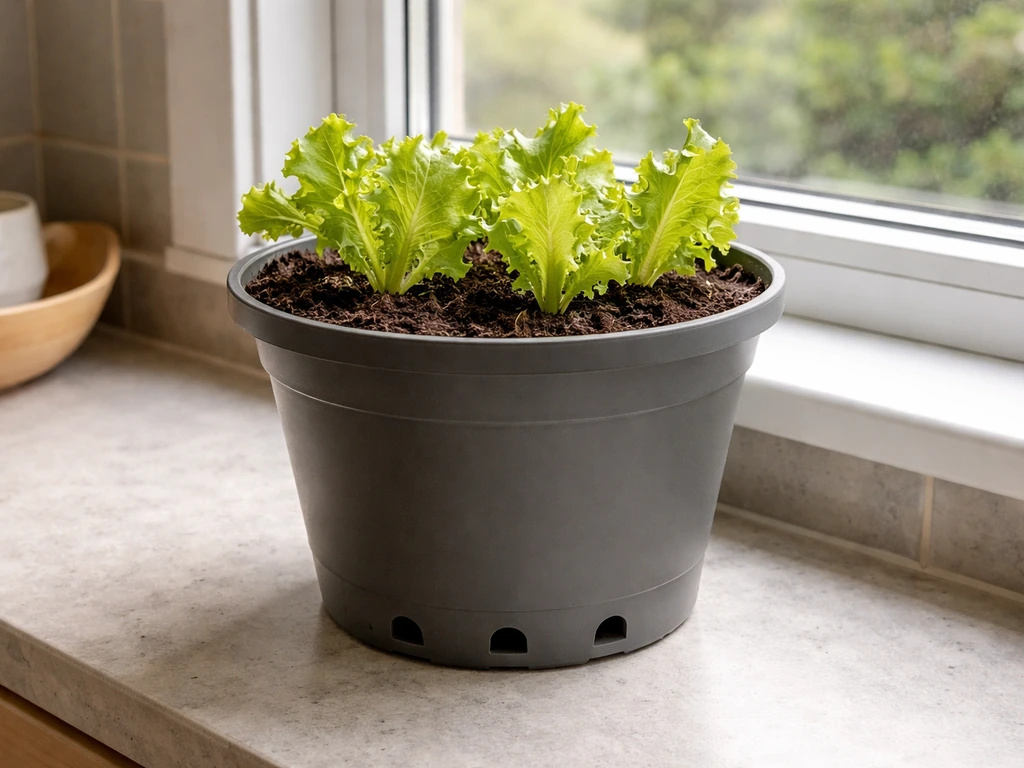
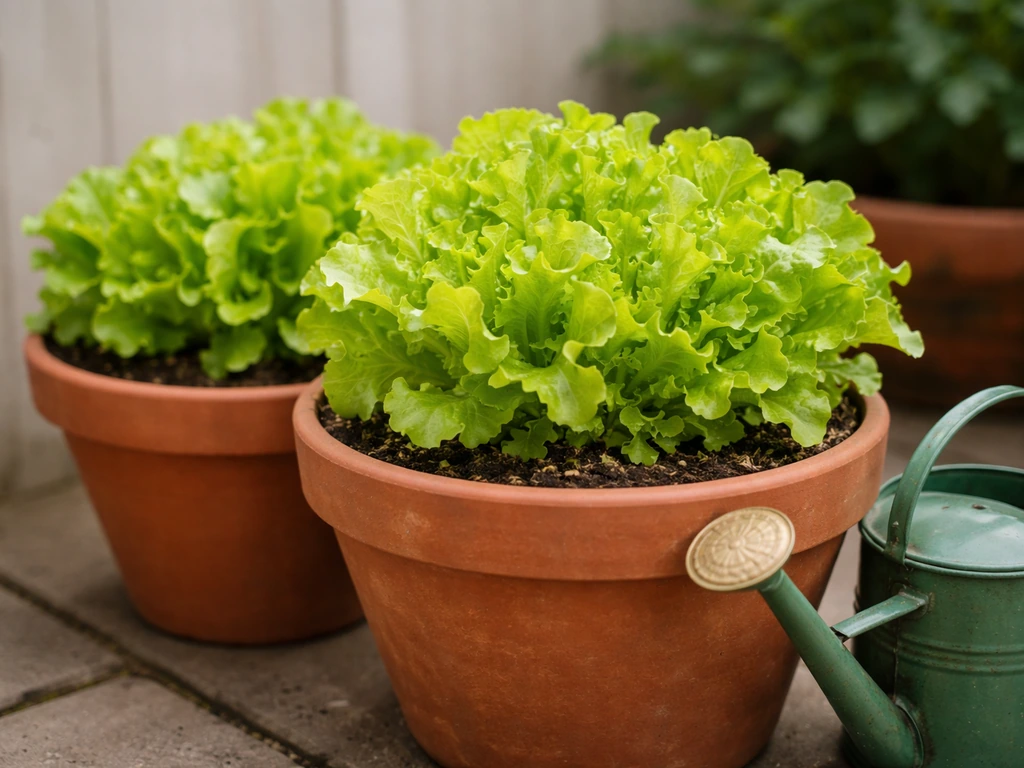
Lettuce is not demanding about its container, but a few things matter a lot. Drainage is non-negotiable. If your pot does not have holes in the base, add some before you do anything else. Garden Organic recommends making holes about 1–2cm wide if you are repurposing a container that lacks them. Sitting in waterlogged compost is the fastest way to kill a lettuce seedling.
Depth matters more than most beginners expect. Homes & Gardens puts the minimum at 15cm (six inches), and that is a genuine minimum for loose-leaf varieties. For hearting types like butterhead or romaine, I would aim for at least 20–25cm. The RHS suggests aiming for containers with at least 45cm depth and width for window boxes and salad planters, which also cuts down how often you need to water and feed. Wider and deeper pots hold more compost, which acts as a buffer against drying out and overheating, both of which cause lettuce to bolt.
When it comes to plant density, Thompson & Morgan's guidance is practical and easy to remember: roughly 3 plants per grow bag, or 1 plant per 30cm (12in) pot. That spacing gives each plant enough root run and air circulation to stay healthy. If you are growing a mix of cut-and-come-again leaves rather than full heads, you can sow more densely and harvest earlier. For a dedicated look at which type of container works best for lettuce, it is worth thinking through material and shape before you buy anything new.
Add a thin layer of gravel or broken crocks over the drainage holes before filling with compost. This keeps the holes clear without losing soil. Then fill to about 2cm below the rim so water does not run straight off when you irrigate.
Choosing lettuce varieties for pot growing (incl. UK timing)
Not all lettuce varieties suit pot growing equally well. Loose-leaf and salad leaf mixes are the easiest choice for containers because you harvest them as cut-and-come-again crops over several weeks, meaning you get more from a single sowing. Varieties like 'Salad Bowl', 'Lollo Rossa', and 'Oak Leaf' stay compact, bolt more slowly than hearting types, and are very forgiving of the heat fluctuations that pots experience. Butterhead varieties like 'Tom Thumb' are also excellent for pots because they form small, tight heads that fit comfortably in a 20cm pot.
For UK growers, timing determines which varieties to reach for. The main outdoor season runs from March through to September, but you can extend it significantly in both directions with a little cover. The RHS advises sowing indoors in early February and planting out under cloches in early March for the first early crops. At the other end of the season, sowing outdoors in early August and covering plants with cloches from late September gives you harvests into early winter. For pot growing specifically, that early February indoor sowing is very easy to manage because you are already in a controlled environment.
In the height of summer (July to August in the UK), choose heat-tolerant or slow-bolt varieties specifically labelled as such. Standard varieties sown in midsummer without shade will bolt fast. Look for 'Sioux', 'Mottistone', or 'Density' in catalogues. Understanding how lettuce performs differently in containers versus open ground helps set realistic expectations for each season.
| Lettuce Type | Best for Pots? | UK Sowing Window | Harvest Style |
|---|---|---|---|
| Loose-leaf / Salad mix | Excellent | Feb–Aug (indoor Feb, outdoor Mar–Aug) | Cut-and-come-again |
| Butterhead (e.g. Tom Thumb) | Very good | Mar–Jul | Full head or baby leaves |
| Cos / Romaine | Good (needs depth) | Mar–Jun | Full head |
| Iceberg / Crisphead | Less ideal | Apr–May | Full head only |
| Winter varieties (e.g. Arctic King) | Good under cover | Aug–Sep | Full head or leaves |
Soil mix and pot size: what works in practice
Use a peat-free multi-purpose compost as your base. Lettuce is not a heavy feeder, so you do not need a specialist vegetable compost, but you do want something that drains well and holds moisture at the same time. A common mistake is using garden soil straight from the border, which compacts badly in pots and drains poorly. If you want to improve water retention without causing waterlogging, mix in about 20–25% perlite or horticultural grit.
Lettuce likes a slightly neutral to mildly alkaline pH, roughly 6. UC ANR IPM’s lettuce cultural tips also recommend keeping soil pH in the 6.0 to 6.5 range pH 6.0 to 6.5. 5–7.5 according to GrowVeg.com's soil pH guidance. Most bagged multi-purpose composts sit naturally within that range, so you rarely need to adjust. If you are reusing old compost from last season, refresh it with some fresh compost and a slow-release granular fertiliser before sowing, since depleted compost produces thin, pale seedlings.
For pot size, pair the size to what you are growing. A 20–25cm wide pot works for a single butterhead or a small cluster of loose-leaf plants. A 40–50cm window box or trough is better for growing a row of plants you can harvest continuously. Deeper is almost always better because it insulates roots from temperature swings. The RHS's 45cm minimum recommendation for salad planters is solid advice if you want to water less often and get more consistent growth.
How to grow lettuce from seeds in a pot
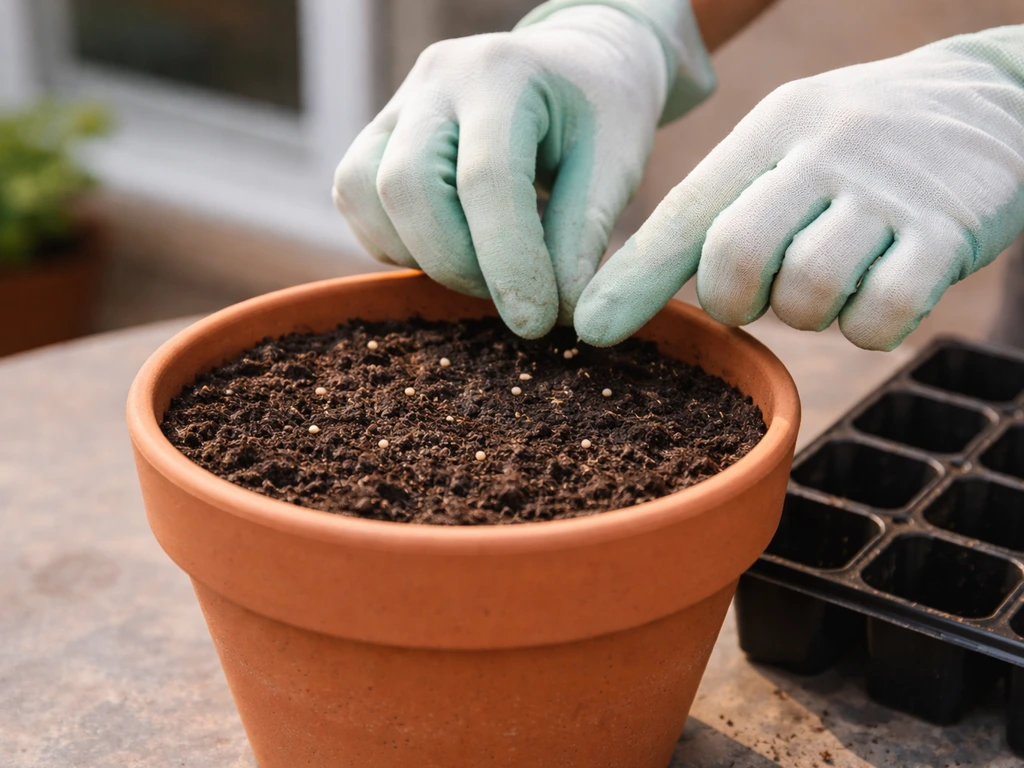
Direct sowing vs. starting in trays
For pot growing, you have two practical options: sow directly into the final pot, or start seeds in small pots or modular trays and transplant later. Direct sowing is simpler and works well from March onwards when temperatures are reliably above about 7°C. The RHS recommends starting in small pots or seed trays filled with moist, peat-free seed compost if you want an even earlier or more controlled start, which is the better approach for February sowings on a windowsill.
If you start in modules, you can transplant seedlings once they have two or three true leaves, spacing them 15–30cm apart depending on the variety. This approach lets you sow under cover without giving up your final pots to seedlings that may not all germinate. For most beginners, direct sowing into a larger pot or planter is easier to manage and avoids any transplant shock. If you want a deeper look at the whole container process, this guide on how to grow lettuce in a container covers the full lifecycle in detail.
Sowing depth, spacing, and germination
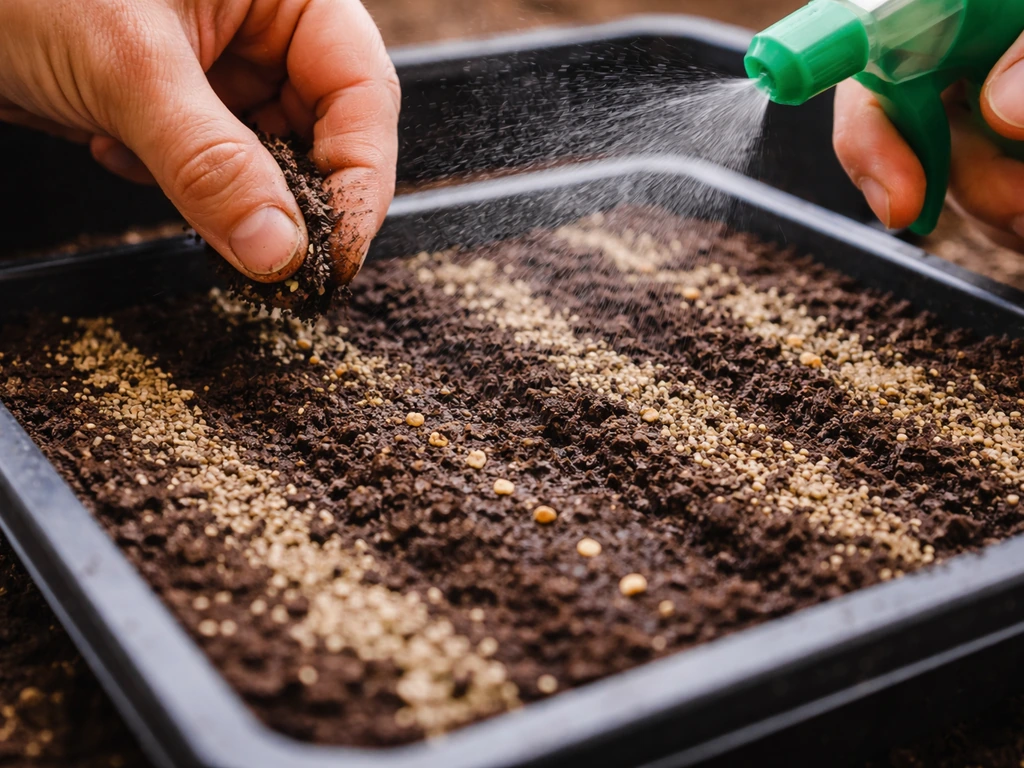
Sow seeds at 1cm (about half an inch) deep. Both the RHS and BBC Gardeners' World are consistent on this, and it is a depth worth sticking to. Too shallow and the seeds dry out before germinating. Too deep and they struggle to push through, especially in heavy compost. Sow thinly, spacing seeds roughly 2–3cm apart if direct sowing, or two seeds per module if using trays.
Cover with compost or vermiculite, water gently with a fine rose or spray bottle, and keep the surface moist but not sodden. Germination typically happens within 7–14 days at temperatures between 10–20°C. At 20°C you will often see germination in 5–7 days. Above 25°C, lettuce seeds can go dormant and refuse to germinate at all, which is a common frustration in a hot late-spring windowsill. If you are sowing in summer, move the pot somewhere cooler at night to encourage germination.
Thinning seedlings
Once seedlings are about 2–3cm tall, begin thinning. The RHS advises thinning gradually rather than all at once: first to about 8–10cm apart, then again to the final spacing of 15–30cm depending on variety. Pinch or snip rather than pull, so you do not disturb the roots of neighbouring seedlings. Thinning is one of those jobs beginners always put off for too long, but crowded seedlings quickly become leggy and disease-prone, so it is worth doing on schedule.
Light and temperature: where to place your pots
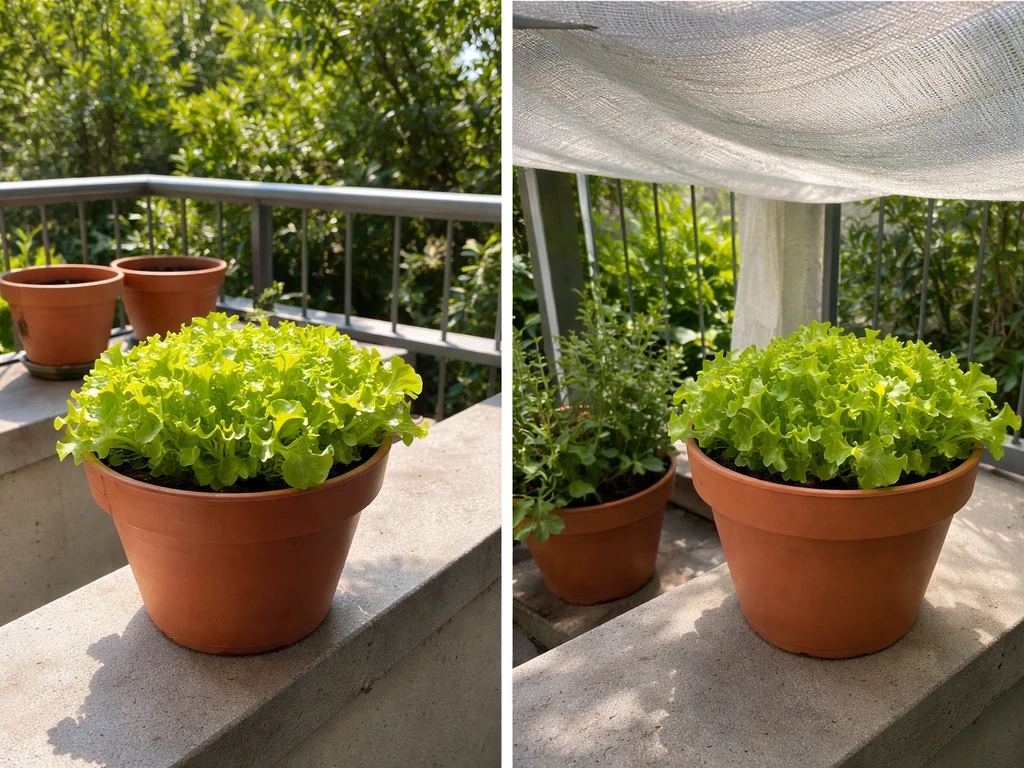
For most of the year, a sunny spot is exactly what lettuce wants. A south or west-facing balcony, windowsill, or patio works well from March through May and again in September and October. Full sun in these cooler months helps the plants grow compact and flavourful.
The situation changes in midsummer. The RHS is clear that if you are sowing or growing lettuce from mid-June through to August, you need to provide light shade during the hottest part of the day. Without it, pots heat up rapidly, roots get stressed, and plants bolt. Sarah Raven also points out that partial shade combined with sufficient soil depth is the key to keeping container lettuce from overheating in summer. In practice, this means placing pots where they get morning sun but are shaded from roughly midday onwards, or using a piece of shade netting draped over a frame.
Temperature is the other half of this equation. Lettuce grows best between 10°C and 20°C. Below about 5°C, growth slows to almost nothing, although hardy winter varieties tolerate light frosts if protected. Above 25°C, growth accelerates in the wrong direction: plants rush to flower rather than producing leaves. This is called bolting, and once a plant bolts, the leaves turn bitter and the game is essentially over for that plant. Keeping pots cool, well-watered, and shaded in summer is your main defence against it.
For indoor growing on a windowsill, make sure the pot is right against the glass to maximise light. A south-facing windowsill in spring is usually fine. A north-facing one in winter will produce leggy, pale seedlings that never amount to much. A grow light positioned 10–15cm above the seedlings for 14–16 hours a day solves the problem if you are serious about year-round indoor growing.
Watering, thinning, and feeding for container lettuce
Watering
Container lettuce needs consistent moisture. Pots dry out much faster than beds, especially in warm weather or on exposed balconies. Check the compost daily in summer by pushing a finger about 2cm into the surface. If it feels dry, water. If it feels damp, wait. Lettuce roots are shallow, so they cannot pull water up from deep reserves the way established garden plants can.
Water at the base rather than over the leaves, especially in cool or damp conditions. Wet foliage sitting overnight is an invitation for fungal problems. Water in the morning if you can. BBC Gardeners' World notes that keeping lettuce well watered in warm weather directly helps prevent bolting and keeps leaves tasting mild rather than bitter, which makes it one of the most important things you can do in a heatwave.
Be careful not to overwater seedlings in the early stages. Cool, wet compost around young seedlings is the main trigger for damping-off, a fungal condition that causes seedlings to collapse at the base. Sowing at the right depth (1cm) and keeping compost moist but not waterlogged encourages rapid germination and gets seedlings past the most vulnerable stage quickly. If you see seedlings tipping over at soil level, improve airflow and reduce watering immediately.
Feeding
Fresh compost contains enough nutrients to keep lettuce going for 4–6 weeks. After that, plants in pots will start to run short, especially nitrogen, which is what drives leafy growth. A liquid feed applied every 1–2 weeks from week five or six onwards keeps things moving. The RHS advises using liquid fertiliser to drench the roots of container plants rather than simply watering over the surface, so mix your feed at the recommended rate and pour it in until you see it drain from the base. A balanced liquid feed or one slightly higher in nitrogen works well for leafy crops.
Cut-and-come-again harvesting
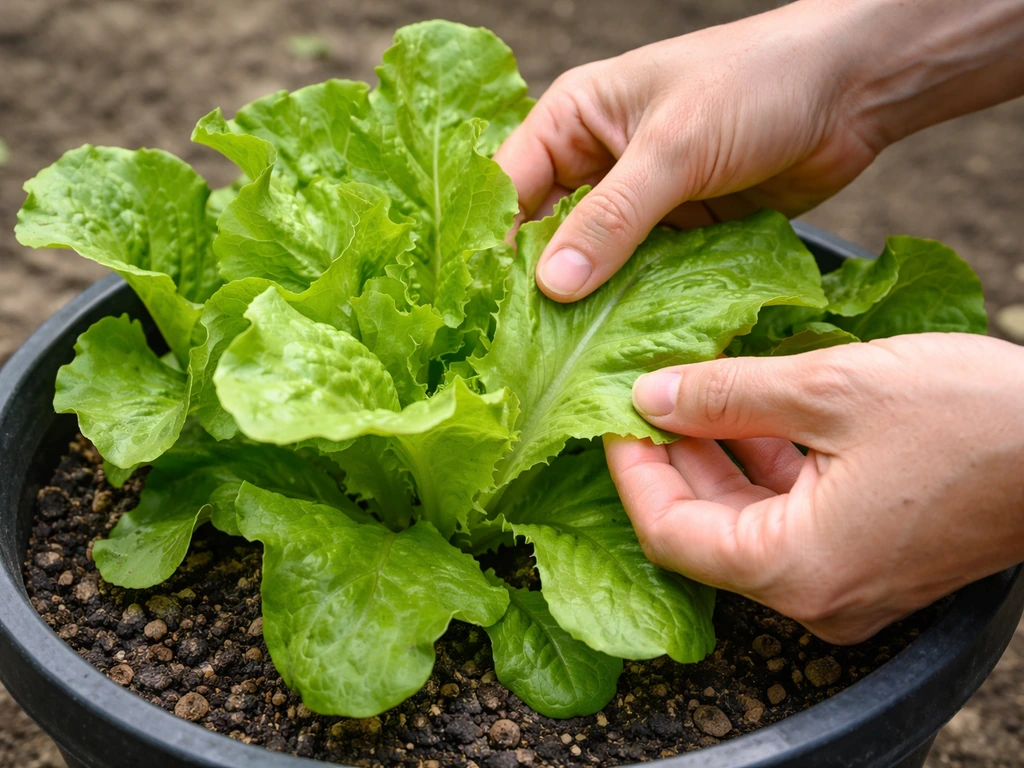
If you chose loose-leaf varieties, you can begin harvesting leaves as soon as they are large enough to eat, usually at around 4–5 weeks from germination. Cut leaves from the outside of the plant, leaving the central growing point intact. The plant will regrow and you can harvest again in another week or two. This method, which the RHS specifically highlights as ideal for pot systems, dramatically extends the productive life of a single sowing. For a full breakdown of this approach, growing cut-and-come-again lettuce in containers goes into all the detail on timing and technique.
Harvest timing and troubleshooting common problems
When to harvest
Loose-leaf varieties are ready to cut from about 4–6 weeks after sowing. Butterhead and cos types take longer, typically 8–12 weeks to a full head. Harvest hearting types when the head feels firm when gently squeezed. Do not leave them too long once they reach this stage: within a week or two of maturity, most varieties will begin to bolt in any conditions that are even slightly warm or dry.
Troubleshooting
- Slow or no germination: usually caused by compost that is too cold (below 7°C), too dry, or too wet. Move the pot somewhere warmer, check moisture levels, and try again. If it is summer and temperatures are above 25°C, the seeds may have gone dormant. Cool them down overnight and try again.
- Leggy, pale seedlings: almost always a light problem. Move the pot closer to the window, or add artificial light. Do not compensate by adding more fertiliser; that makes it worse.
- Seedlings collapsing at the base (damping-off): caused by cool, wet conditions. Improve drainage, reduce watering, increase airflow, and if sowing again, do so when conditions favour quick germination.
- Bolting (plants shooting up and flowering): triggered by heat, drought, or age. Once bolted, leaves become bitter and the plant is done. Prevention is the only real fix: keep plants cool and well watered, choose slow-bolt varieties in summer, and harvest regularly so plants do not sit for too long.
- Bitter or tough leaves: usually heat stress or the plant approaching the end of its life. Harvest earlier next time, and ensure consistent watering throughout the season.
- Pale yellow leaves: likely a nitrogen deficiency in older compost. Start liquid feeding immediately and consider refreshing the compost for your next sowing.
Your week-by-week plan from today
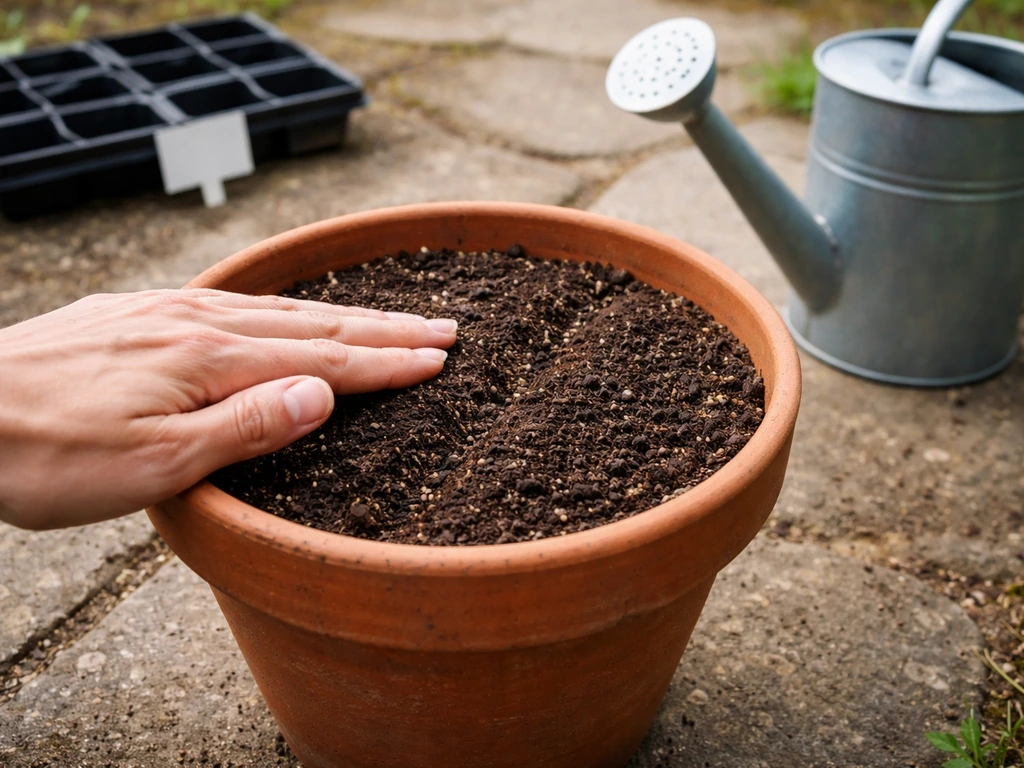
Since it is mid-April right now, conditions are close to ideal for starting lettuce in pots outdoors across most of the UK. Here is a simple plan to get moving today.
- Today: Choose a pot (at least 20cm deep), check drainage holes are clear, and fill with fresh peat-free multi-purpose compost to 2cm below the rim.
- Today: Sow a loose-leaf variety like 'Salad Bowl' or 'Oak Leaf' at 1cm depth, spacing seeds roughly 3cm apart. Water gently and place in a sunny spot.
- Week 1–2: Check moisture daily and keep the surface just damp. Look for germination from day 7 onwards.
- Week 3: Thin seedlings to about 8–10cm apart once they are 2–3cm tall.
- Week 4–5: Thin again to final spacing of 15–30cm. Begin harvesting outer leaves from loose-leaf types.
- Week 6 onwards: Start liquid feeding every 1–2 weeks. Continue harvesting cut-and-come-again leaves regularly to delay bolting.
- Weeks 8–12: If growing hearting types, check for firm heads and harvest before plants bolt. Sow a follow-on batch of seeds every 3–4 weeks to keep a continuous supply going through the summer.
If you want to branch out beyond individual pots, the same principles apply in larger setups. Growing lettuce in a planter box is a natural next step once you are comfortable with the basics, and lets you grow a much wider variety of types in one go. The fundamentals of soil, watering, and light are identical, but the extra space means more plants and a longer harvest window before any single one bolts.
FAQ
What should I do if my lettuce seeds won’t germinate in the pot?
If seeds do not germinate after about 14 days, first check the temperature and surface dryness (lettuce can go dormant above 25°C, and it will also fail if the compost dries right at the top). Then confirm the seeding depth is truly around 1 cm, and don’t bury them deeper in an attempt to “protect” them. If the surface crusts over, lightly loosen the top layer and mist, rather than soaking the pot.
My lettuce bolted early in the summer, how can I stop it next time?
Bottle-neck issues usually come from overheating or uneven watering. In summer, give midday shade (move the pot, use shade cloth, or position for morning sun only) and water at the base in the morning so the root zone stays evenly moist. Also avoid nitrogen-heavy feeding late in the season, because fast, lush growth can tip into quicker bolting when temperatures rise.
How do I thin lettuce in pots without damaging the remaining seedlings?
For most container lettuces, start thinning once seedlings are about 2 to 3 cm tall, and do it in two stages as your guide already suggests. If you thin by pulling, the remaining plants can get disturbed and become stunted, so pinch or snip and keep seedlings with enough spacing for airflow. If the pot is crowded and you’re behind schedule, it’s better to thin sooner than to “wait for the final spacing,” because overcrowding makes the plants leggy and more prone to problems.
Why is my pot lettuce staying soggy or wilting, and how do I fix the watering schedule?
If your compost stays wet for long periods, it usually means the pot lacks drainage, the mix is too water-retentive, or the pot sits in a tray that collects runoff. Make sure there are holes, use the gravel or crocks only over the holes (not as a thick layer inside), and pour until you see drainage from the base, then empty the saucer. In cool weather, you should water less often and rely more on finger checks.
How much and how often should I fertilize container lettuce without causing bolting or bitterness?
The quickest symptom-based approach is: use a nitrogen-friendly balanced liquid early for leafy growth, then back off once you’re within a few weeks of expected harvest and switch to slightly more balanced feeding (still liquid, still at the recommended rate). Overfeeding can cause rapid, soft growth that bolts sooner under heat. Underfeeding shows up as pale leaves and slow growth, which you can correct with a light feed rather than switching to fresh compost mid-cycle.
Why are my lettuce leaves bitter, even though they look healthy?
Bitterness is often from stress, especially heat plus inconsistent moisture. The practical fix is to keep the soil evenly moist, add midday shade, and harvest promptly once leaves are the right size, because waiting until large can worsen bitterness. Also avoid harvesting after the plant starts to bolt, since that’s when the flavor shifts most noticeably.
Can I start lettuce in modules and transplant into the final pot, and what’s the easiest way to avoid transplant shock?
Yes, but transplanting is most successful when you handle seedlings gently and only move them once they have a couple of true leaves. Keep the root ball intact, transplant into prepared, well-watered compost, and water in immediately. To reduce shock, transplant on a mild day (not hot sun) and give a short period of shade for a couple of days.
How can I get a steady supply of lettuce from a single pot instead of one big harvest?
If you want a continuous harvest from one pot, stick to cut-and-come-again leaf varieties and harvest from the outside regularly, leaving the center growing point untouched. Avoid taking all the outer leaves at once, because it can slow regrowth. If you want more head-like harvests instead, stagger sowings every 2 to 3 weeks into separate pots so you are not harvesting everything at the same time.