Grow cut-and-come-again lettuce in containers by sowing loose-leaf varieties densely in a pot at least 6 to 8 inches deep, keeping the soil consistently moist, feeding every one to two weeks, and cutting leaves back to about 1 inch above the soil with scissors. If you want the full step-by-step routine for grow lettuce in a container, the rest of this guide walks through variety, timing, and daily care. The plant regrows from its crown and is ready for a second cut in roughly 2 to 3 weeks. With good light, consistent water, and a balanced liquid fertilizer, you can get two solid harvests per planting before flavor and regrowth quality drops enough to justify replanting.
How to Grow Cut-and-Come-Again Lettuce in Containers
Marcus Holloway
22 May 2026
What cut-and-come-again actually means (and which containers work)
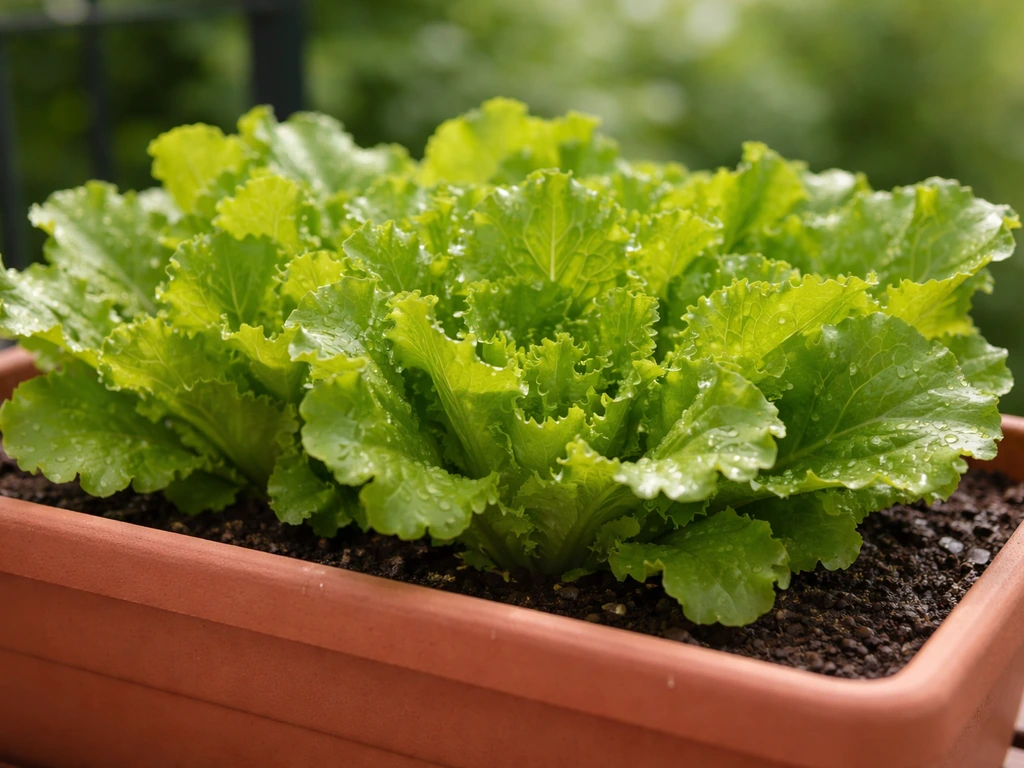
Cut-and-come-again is a harvesting method, not a specific variety. You cut young leaves close to the base of the plant, leave the crown intact, and let it regrow for another round. The Royal Horticultural Society describes it well: you are harvesting young leaves before the plant fully matures, which produces several rounds of small, tender, mild-flavored leaves over a longer period than a single-harvest approach would allow. The key is that all the regrowth comes from the crown, that central growing point just above the soil. If you cut too deep and damage the crown, regrowth stalls or stops entirely.
For containers, this method is ideal because you are not trying to grow a full head of lettuce to maturity. Smaller, quicker cuts mean less demand on the limited root volume of a pot. Almost any container works as long as it has drainage holes and enough depth. Salad boxes, planter boxes, window boxes, fabric grow bags, and standard plastic or terracotta pots all do the job.
If you are learning how to grow lettuce in a planter box, focus on drainage holes, consistent moisture, and choosing a loose-leaf, cut-and-come-again type so it keeps regrowing after each harvest planter boxes. If you are already thinking about which specific container to buy or build, that is worth exploring separately, but the harvesting method itself adapts to nearly any setup.
Picking the right varieties and timing your sowing
Loose-leaf lettuce varieties are your best option for cut-and-come-again in containers. They do not form tight heads, so you can cut outer leaves or the whole plant without disrupting a central head. Good picks include Oak Leaf, Salad Bowl, Black Seeded Simpson, Lollo Rossa, and Buttercrunch (though Buttercrunch is technically a loose-head type, it responds well to leaf harvesting). Mesclun mixes designed for cut-and-come-again work beautifully too, since they include several leaf types that regrow at slightly different rates, giving you more variety in each cut.
Timing matters more than most beginners expect. Lettuce is a cool-season crop that bolts (sends up a flower stalk, turning bitter) when temperatures consistently exceed 75°F. If you are starting indoors, you can sow nearly any time of year as long as you control temperature. If you are growing on a balcony or patio, aim for spring (4 to 6 weeks before your last frost) and again in late summer or early fall for a second season. In cooler climates, a summer container indoors near a window or under grow lights keeps things going through the hottest months.
Succession sowing is worth building in from the start. Sow a new container every 2 to 3 weeks, and you will always have a container coming into its first cut just as an older one is winding down. I will cover this in more detail toward the end of this guide.
Container size, soil, drainage, and spacing
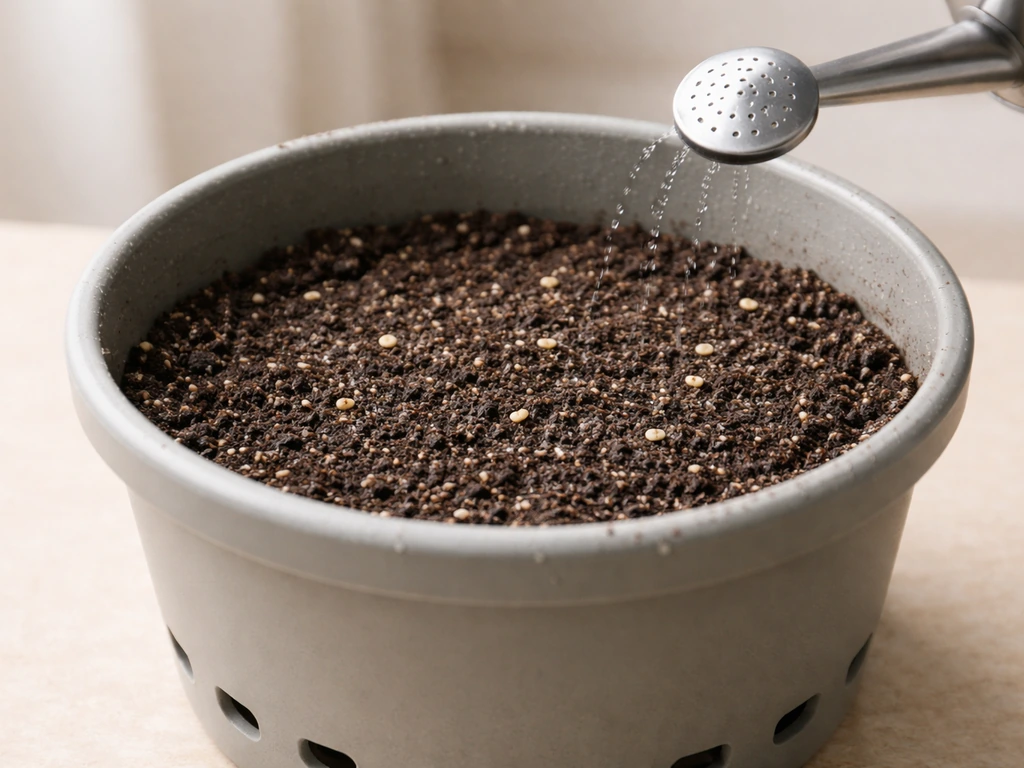
For cut-and-come-again lettuce, a container that is at least 6 to 8 inches deep gives roots enough room to stay consistently moist without waterlogging. If you are specifically wondering how to grow lettuce in pots, focus on loose-leaf varieties, consistent moisture, and regular feeding for steady regrowth. Width matters more than depth here: a 12-inch wide pot fits a good number of plants, but a long window box or planter box gives you even more growing surface for the same amount of care. Drainage holes are non-negotiable. Lettuce sitting in soggy soil will rot at the crown, and once that happens, no amount of care brings it back.
Use a good-quality potting mix rather than garden soil, which compacts in containers and drains poorly. A mix with some perlite or vermiculite improves drainage and aeration. If you want to go soilless, lettuce grows well in coco coir with regular liquid feeding, and it is a natural fit for anyone moving toward hydroponic or semi-hydroponic growing. Avoid using straight compost, which holds too much water and can cause fungal issues in the crown area.
For cut-and-come-again sowing, you can plant more densely than you would for full-head lettuce. Sow seeds about 1 inch apart (or scatter them in a thin, even layer for a carpet-style planting) and cover with about 1/8 inch of soil. Germination occurs anywhere from just above freezing up to a soil temperature of 75°F, with 60 to 65°F being ideal.
UMass Amherst’s fact sheet for lettuce, endive, and escarole notes that optimum soil temperature for lettuce is about 75°F, with germination possible as low as 32°F Germination occurs anywhere from just above freezing up to a soil temperature of 75°F. Once seedlings are up and have a true leaf or two, thin to about 2 to 4 inches apart if you want individual plants to regrow well.
If you are harvesting the whole planting in one cut (baby leaf style), you can leave them denser.
Light and temperature: indoors vs outdoors
Lettuce needs at least 6 hours of direct light per day outdoors, or 12 to 16 hours under grow lights indoors. Outside, a south- or east-facing spot works well in spring and fall. In summer, light shade during the hottest part of the afternoon actually helps slow bolting, so a spot that gets morning sun and afternoon shade is often better than full sun all day.
Indoors, a bright south-facing windowsill can work, but in most homes the light intensity is not quite enough for fast, dense leaf growth. A simple LED grow light set 4 to 6 inches above the container makes a significant difference. The sweet spot for temperature is between 45°F and 75°F. Multiple days above 75°F will trigger bolting. If you are growing outside and a heat wave is coming, move the container to shade or indoors temporarily. This is one of the biggest advantages of container growing over in-ground beds.
| Condition | Outdoors (Spring/Fall) | Indoors (Year-Round) |
|---|---|---|
| Light needed | 6+ hours direct sun | 12-16 hours under grow lights |
| Ideal temperature range | 45°F to 65°F | 55°F to 70°F |
| Bolting risk | Higher in summer | Low if temps controlled |
| Flexibility | Limited by season | Grow any time of year |
| Best container placement | South or east-facing patio | South window or under lights |
Watering and feeding to keep the regrowth coming
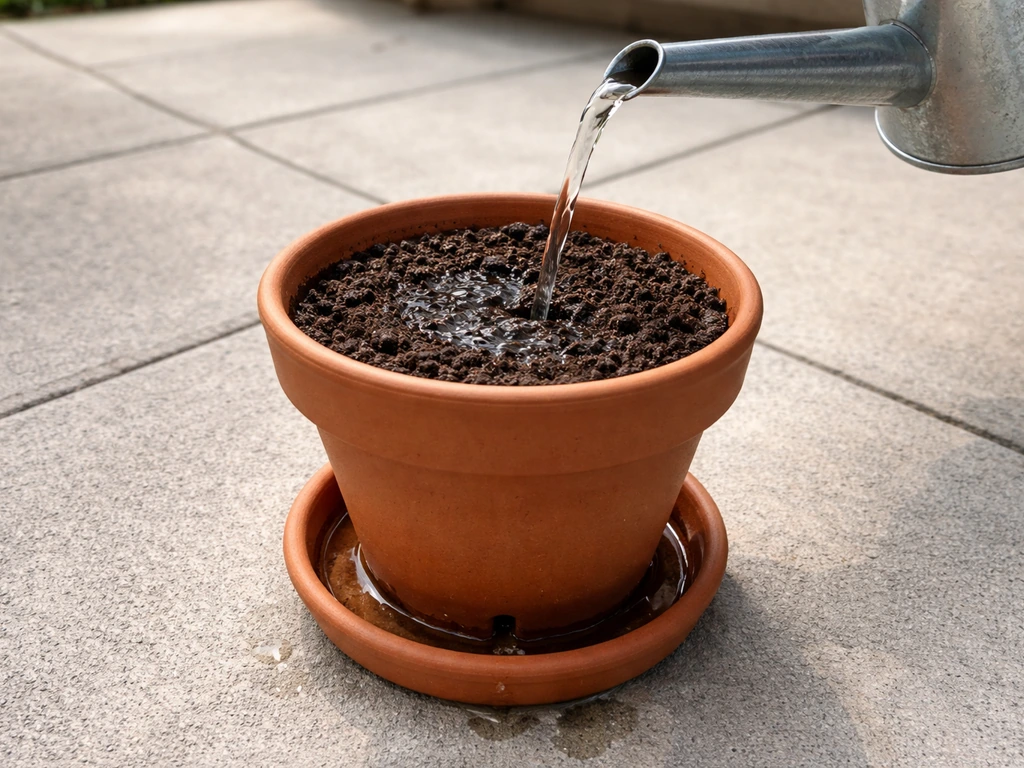
The root zone in a container dries out far faster than in-ground soil, especially in warm weather or if the pot is small. University of Maryland Extension puts it plainly: keep container root systems moist at all times. In practice, that usually means checking moisture daily and watering every 1 to 2 days in warm weather, every 2 to 3 days in cooler conditions. Stick your finger an inch into the soil. If it feels dry, water thoroughly.
When you water, do it slowly and completely until water drains from the bottom holes. A few shallow waterings are far less effective than one long, thorough soak because shallow watering does not wet the full root zone and encourages roots to stay near the surface where they dry out fastest. After a cut, consistent moisture is especially important because the plant needs energy to push out new leaf growth.
For feeding, container lettuce needs more regular fertilization than in-ground plants because nutrients leach out with every watering. A balanced liquid fertilizer such as a 10-10-10 or similar applied every 1 to 2 weeks works well. University of Minnesota Extension suggests starting regular fertilizer applications somewhere between 2 and 6 weeks after planting, depending on your potting mix and how fast the plants are growing.
University of Minnesota Extension also gives a starter fertilizer example for vegetables: thin to one plant and apply 1½ tablespoons of 5-10-5 in one gallon of water. For cut-and-come-again containers, I lean toward starting around week 2 to 3 because the repeated harvests put more demand on the plant.
If you prefer a granular fertilizer, something like a 10-10-10 applied according to package directions and watered in works, but liquid options are easier to control in a container setting. A practical approach: if your label says one scoop per gallon every two weeks, try half a scoop per gallon every week instead for steadier nutrient delivery.
How to harvest properly
The exact cutting technique matters more than most people realize. Use sharp, clean scissors or garden snips. Dull tools crush stems rather than cutting them cleanly, which slows healing and invites disease into the cut. Cut the leaves about 1 inch above the soil level, leaving the crown and a short stub of stem intact. That crown is where every new leaf emerges, so protecting it is the whole point of the method.
You have two approaches: cut the whole planting at once (a full harvest of all leaves in the container at one time) or harvest outer leaves individually as they reach a usable size, leaving younger inner leaves to continue growing. For a densely sown container, the whole-cut approach is simpler and gives you a large amount at once. For more individually spaced plants, outer-leaf picking gives you smaller amounts more continuously. Both work with cut-and-come-again varieties.
- Wait until leaves are 3 to 5 inches tall before the first cut. This gives the plant enough leaf area to photosynthesize well after the cut.
- Cut cleanly 1 inch above the soil, leaving the crown untouched.
- Water and fertilize immediately after cutting to support regrowth.
- Expect regrowth in about 2 weeks, with the second cut ready 2 to 3 weeks after the first.
- After the second cut, assess the plant. If regrowth is slow, sparse, or the leaves taste bitter, it is time to replant that container.
Post-harvest care is simple: water well, give a half-strength liquid fertilizer dose, and keep the container in good light. Avoid letting the soil dry out in the days immediately after cutting, as the plant is at its most vulnerable when it has little leaf area to support itself.
Troubleshooting common problems
Bolting and bitterness
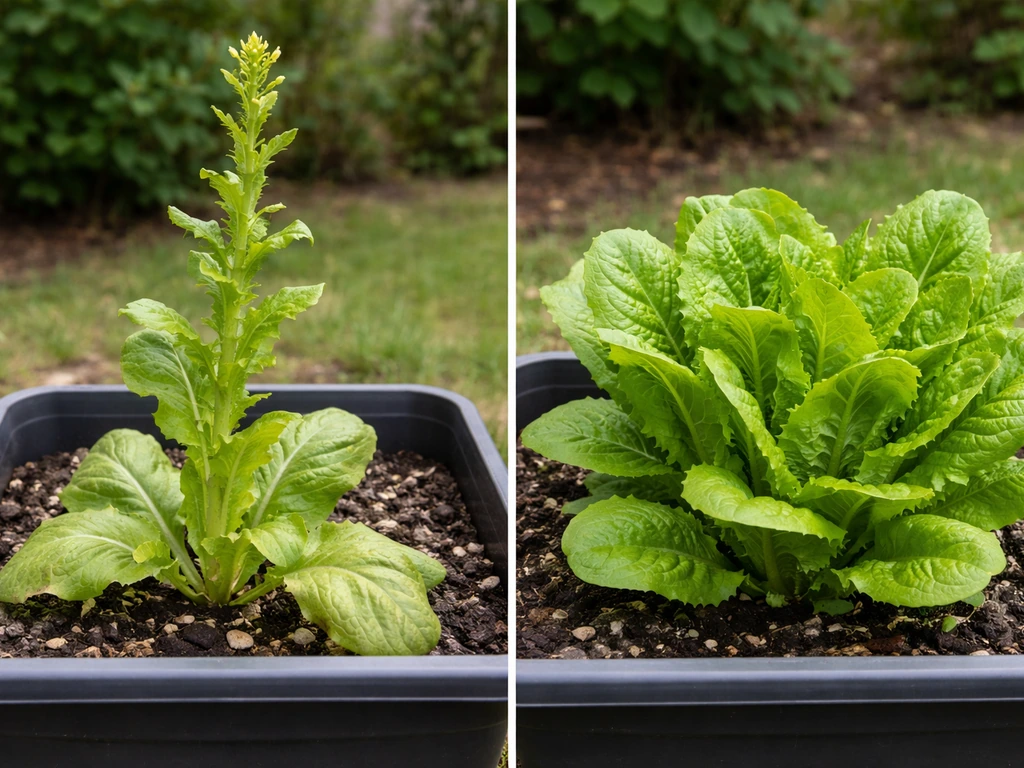
If your lettuce shoots up a tall central stalk with small leaves, it has bolted. The trigger is heat: multiple days above 75°F are enough to start the process. Once bolting starts, you can cut the flower stalk off and hope for a brief reprieve, but the leaves will already be more bitter. Move the container somewhere cooler. If it is midsummer and temperatures are not dropping, just compost that planting and wait for fall. Bitterness without a visible bolt can also come from underwatering, which stresses the plant and concentrates bitter compounds in the leaves.
Poor or slow regrowth after cutting
If your container is not regrowing well after a cut, run through this checklist: Is the soil staying moist? Did you cut too deep and nick the crown? Is the light adequate? Have you fertilized recently? Any one of these can stall regrowth. If you cut properly and the plant still fails to regrow within 3 weeks, that particular planting has likely reached the end of its productive life and should be replaced.
Pests and disease in containers
Aphids are the most common pest on container lettuce, clustering on the underside of leaves and in the crown area. Knock them off with a strong stream of water or spray with insecticidal soap. Slugs are a problem on outdoor containers at ground level; raise the pot on pot feet or use a copper tape barrier. For fungal issues (like damping off in seedlings or crown rot in established plants), the fix is almost always improving drainage and reducing overwatering. Make sure water is escaping through the drainage holes after every watering.
Container-specific issues
- Drying out too fast: Move to a shadier spot, use a larger container, or water more frequently. Small dark-colored containers in direct sun dry out extremely quickly.
- Waterlogging: Check that drainage holes are not blocked. If using a saucer, empty it after watering so roots are not sitting in standing water.
- Salt buildup: White crusty deposits on the container rim mean salts from fertilizer are accumulating. Flush the container thoroughly with plain water every few weeks.
- Leggy, pale growth indoors: Not enough light. Move closer to a window or add a grow light.
Succession planting: how to keep fresh greens coming
The honest reality of cut-and-come-again lettuce in containers is that each planting gives you roughly two good harvests before quality drops. That is not a failure, it is just the nature of the method. The way to have a continuous supply is to stagger your sowings so a new container is always coming into its first harvest as an older one winds down.
A practical plan: start a new container every 2 to 3 weeks during your growing season. If you have three or four containers going at different stages, you will be harvesting from at least one of them almost every week. In cool weather (spring and fall), lettuce grows faster and you may be cutting every 2 weeks. In warmer conditions, regrowth slows and the risk of bolting rises, so you may need to keep containers cooler or move them indoors.
When a container has given its second cut and regrowth looks weak, do not keep hoping for a third. Pull the plants, refresh the potting mix with a bit of compost or slow-release fertilizer, and resow. Some gardeners top-dress with a thin layer of fresh potting mix and resow directly; I prefer starting with fully fresh mix every second or third cycle to avoid nutrient depletion and root disease buildup.
If you are already thinking about expanding beyond a single container, the same cut-and-come-again principles apply whether you are using a planter box, a window box, or multiple pots on a shelf under lights. The spacing, watering, and feeding approach stays consistent. The containers themselves are really the only variable, and once you have the harvesting rhythm down in one pot, scaling up is straightforward.
FAQ
How soon can I start harvesting cut-and-come-again lettuce from my container?
It is usually better to wait until leaves reach a usable size, typically when they are a few inches long. If you cut too early and remove almost all leaf area, the plant has less energy to regrow, so your first “real” harvest is delayed. A common approach is to take the biggest outer leaves first, leaving younger inner leaves and the crown untouched.
What should I do if my container lettuce stays soggy or seems to waterlog?
Check the crown and soil surface after watering. If you see standing water, a sour smell, or consistently wet-looking mix, reduce how often you water and confirm the pot truly drains through the bottom holes. For compacted mix, empty and refresh with a lighter potting mix rather than repeatedly watering a waterlogged root zone.
How close should grow lights be for container cut-and-come-again lettuce, and how many hours should I run them?
A grow light should be close enough that leaves are growing upright and not stretching. Start around 4 to 6 inches above the container and adjust if you notice leggy growth (raise intensity or lower the light) or if leaves look stressed and bleached (move the light slightly farther or add a timer for softer peaks). Keep the light on for 12 to 16 hours indoors to mimic cool-season day length.
Can I use cut-and-come-again harvesting with any lettuce variety, including head lettuce?
Yes, but it often changes your timing. “Cut-and-come-again” works best with loose-leaf types, because they regrow from the crown without needing to form a head. If you accidentally grow a heading lettuce variety, harvesting behavior can be disappointing, and the plant may try to complete head growth or bolt when stressed. Choose loose-leaf or mesclun mixes for the most reliable regrowth.
My lettuce regrows smaller and slower after each harvest, what are the most likely causes?
If you are getting smaller leaves after each cut, it is commonly fertilizer or light related. Feed with a balanced liquid about every 1 to 2 weeks (half-strength right after a cut is a good starting point), and make sure the container is getting the daily light requirement. Also avoid letting the mix dry between cuts, because repeated drought stress makes regrowth slower and more bitter.
Is it okay to cut everything in one go, or should I limit how much I remove each time?
A good rule is to keep harvesting whenever leaves are ready, but avoid taking more than about half the foliage at once from a single plant. If you clear too much, regrowth takes longer and the crown stays exposed when growth is restarting. For a densely sown container, a whole-cut is fine, just do it early enough that plants still have time to rebound before heat or seasonal slowdown.
How can I prevent bolting when a heatwave hits my balcony or patio?
Multiple days above about 75°F often start bolting. To buy time, move the container to afternoon shade, use a windbreak, and if possible bring it indoors during the hottest part of the day. Even if you cut the flower stalk once it appears, flavor usually shifts already, so it is better to switch the container location to reduce heat stress before bolts fully develop.
What succession-sowing schedule works best if I want lettuce almost every week?
Start a new container in advance of when you will be harvesting heavily. Since each planting typically gives about two solid harvest rounds, sow on a 2 to 3 week schedule during your season, and keep at least 3 containers going if you want steady weekly picking. If your weather is warming, shorten the interval (closer to 2 weeks) so you do not run out when older ones taper off.
How often should I water container lettuce, and how do I know when the potting mix is actually dry?
Yes. In warm weather, check moisture more frequently, sometimes daily, because container mix can dry out quickly. Water slowly until you see drainage, then stop. If your container drains extremely fast, consider slightly larger pots, more mix depth, or mulching the soil surface lightly with a thin layer to reduce evaporation.
If my lettuce does not regrow after a cut, what troubleshooting checklist should I follow?
If regrowth stalls after 3 weeks, re-check four things in order: crown damage (cut too deep), moisture consistency (let it dry too much), light (not enough direct light or too weak a grow light), and recent feeding (nutrients leached out). If those are correct and the crown still looks unhealthy, pull the planting and replant fresh mix, since crown rot or depleted roots can linger.
When should I replace the potting mix, and is top-dressing enough after the second harvest?
Do not mix garden soil into the container. Refreshing means replacing most of the potting mix (not just topping it off) when a planting completes its second cut, especially if you saw issues like crown rot, persistent fungus, or poor regrowth. A fresh potting mix reduces disease buildup and restores aeration, which is hard to recover with repeated top-dressing.
What is the best way to harvest so I do not end up with wasted lettuce or a depleted plant?
A practical way is to harvest what you can use while still leaving some young leaves to keep photosynthesis strong, and then do a larger cut once most leaves are at a similar size. For example, you can take outer leaves every few days, and when the plant is ready for a full harvest round, cut back to about 1 inch above the soil. This reduces waste and helps you avoid repeatedly re-cutting tiny inner leaves.