Yes, you can absolutely grow lettuce in a container, and it's one of the most rewarding crops to do it with. Lettuce is shallow-rooted, fast-maturing, and genuinely well-suited to pots, window boxes, and planters. Whether you're working with a balcony, a kitchen windowsill, or a small backyard patio, a single well-chosen container can produce enough fresh greens to keep your salad bowl stocked for weeks. Here's exactly how to do it, start to finish.
How to Grow Lettuce in a Container Step by Step
Marcus Holloway
18 Apr 2026
Picking the right container and size
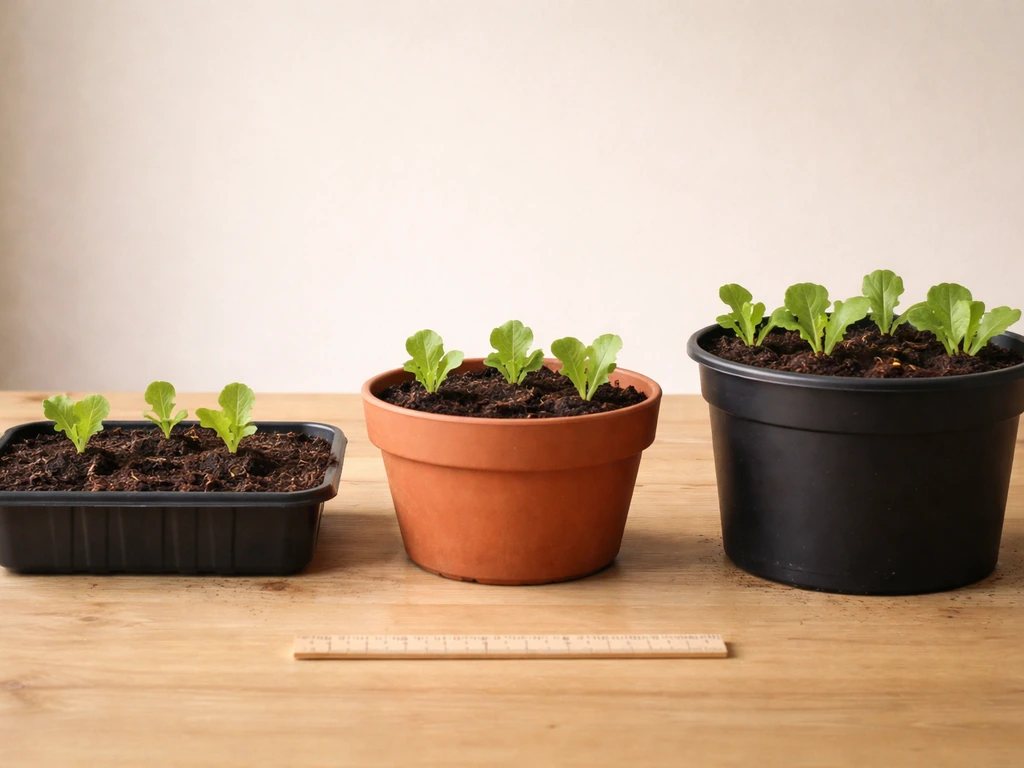
Container size matters more than most people think, but lettuce is forgiving compared to deep-rooted crops. The single most important thing is depth: aim for at least 6 inches of depth for loose-leaf varieties, and 8 to 12 inches for head-forming types. Width is where you get your yield, so go as wide as your space allows. A 12-inch pot works well for a small harvest of loose-leaf lettuce, but a 24-inch window box or a wide planter will let you grow significantly more and thin progressively without running out of room.
If you're working with very small containers, a 5 to 6 inch pot can support one or two small lettuce plants, making it a decent entry point for apartment growers with limited space. But if you want a real, ongoing harvest, bigger is better. The best container to grow lettuce is one that gives roots room to spread, drains freely, and doesn't overheat in direct sun. Dark-colored plastic pots absorb heat and can spike soil temperatures, so light-colored or terra cotta containers are generally a smarter choice if you're growing in a sunny spot.
Drainage is non-negotiable. Every container you use needs drainage holes at the bottom. Lettuce roots sitting in waterlogged soil is one of the fastest ways to kill a crop. If a pot doesn't have holes, drill them yourself or use it as a decorative outer sleeve with a draining inner pot.
Setting up your soil and growing medium
Don't use straight garden soil in containers. It compacts, drains poorly, and creates an environment that suffocates lettuce roots. Instead, use a good-quality potting mix formulated for containers. Look for something that feels light and slightly spongy when you squeeze it. The University of Maryland Extension makes the point clearly: container media should not be packed tightly, and the mix should remain airy after you fill your pot. Gently fill to about an inch below the rim.
Lettuce prefers a soil pH between 6.0 and 6.8. Most quality potting mixes fall somewhere in that range by default, but if you're having repeated growth problems and you suspect pH is off, a cheap soil test kit will confirm it. For soil amendment, mix in a balanced slow-release fertilizer or a handful of finished compost before planting. Michigan State University Extension recommends incorporating a balanced fertilizer or compost before planting lettuce, and I've found this step makes a noticeable difference in early leaf color and growth speed.
If you want to try a soilless option, a peat-based or coir-based mix works well and holds moisture consistently, which lettuce appreciates. Avoid anything too coarse or heavily perlite-heavy on its own, as it will dry out too fast for container lettuce.
Starting lettuce from seed in your container
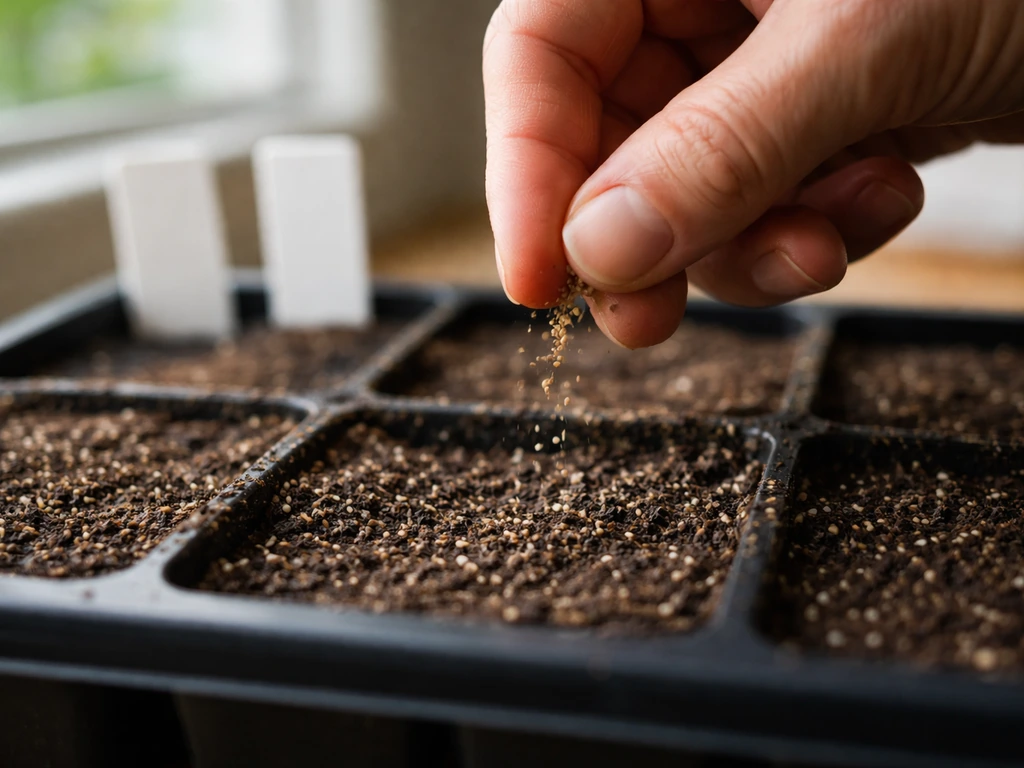
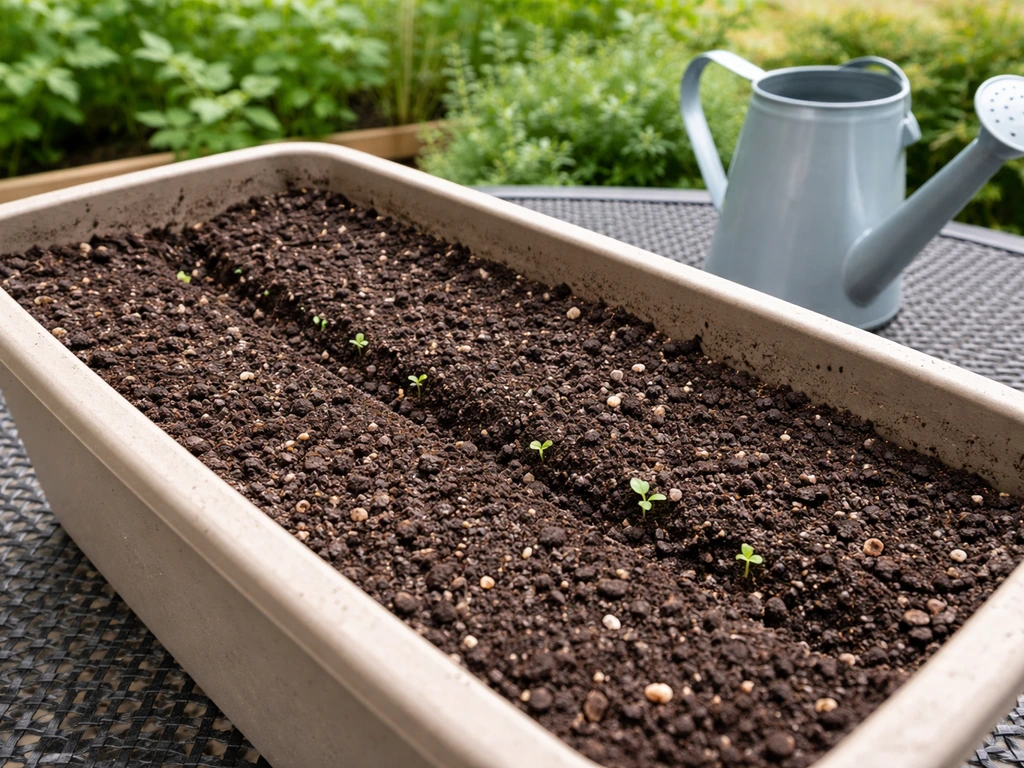
Growing from seed is easy and significantly cheaper than buying transplants, especially if you want to grow multiple varieties. Lettuce seeds are tiny, so handle them carefully. Scatter them thinly across the surface of your moistened potting mix, then press them down lightly with your fingertips. Don't bury them deeply. Lettuce seeds need light to germinate, so the rule is to cover them with just a very thin layer of mix (about 1/8 inch) or leave them almost entirely on the surface.
Germination speed depends heavily on temperature. The optimum soil temperature for lettuce seed germination is around 55 to 75 degrees Fahrenheit. At that range, you can expect seedlings to emerge anywhere from 3 to 15 days. If your temperatures push above 80 degrees, germination rates drop significantly and the seeds may fail to sprout at all. If you're sowing indoors in warm weather, keep the container somewhere cooler until the seeds sprout, then move it to your preferred growing spot.
Spacing and thinning after germination
For loose-leaf varieties, sow seeds about 1 inch apart across the surface. For head types, space seeds or thin seedlings to about 8 inches apart so the heads have room to form properly. Once seedlings are about an inch tall, thin ruthlessly. Crowded lettuce produces weak, leggy plants that compete for nutrients and airflow. Snip thinned seedlings at the soil line rather than pulling them, to avoid disturbing the roots of neighboring plants. The thinnings are edible, so toss them in a salad.
If you're growing in a longer planter box, you have even more flexibility with spacing and staggered planting. Growing lettuce in a planter box is a great way to do a mini succession sowing: plant one end of the box two weeks before the other and you'll get a more extended harvest window rather than everything maturing at once.
Light, temperature, water, and feeding
Light and temperature
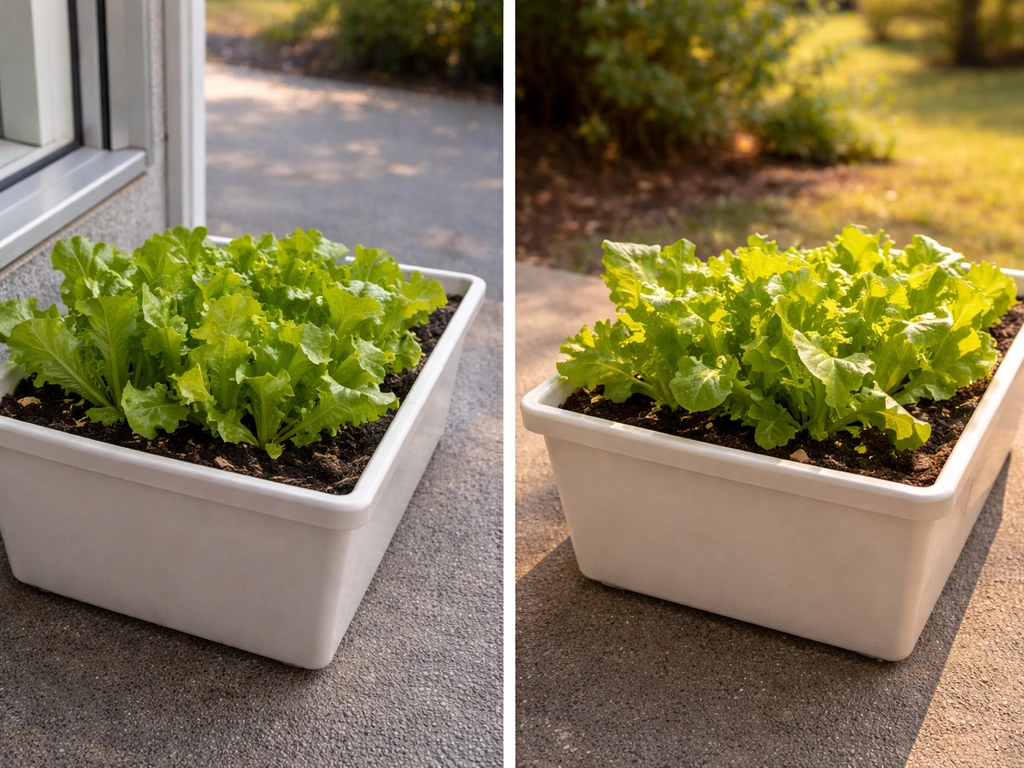
Lettuce is a cool-season crop and performs best when daytime temperatures stay between 60 and 70 degrees Fahrenheit. It can handle light frost but struggles hard once temperatures consistently push above 80 degrees. One big advantage of container growing is mobility: you can move your pot to dodge the worst of the afternoon heat in summer, or push it into a warmer microclimate in early spring. Lettuce needs about 6 hours of sunlight per day, but in hot climates, dappled afternoon shade will actually extend your growing season by slowing down bolting.
Watering
Lettuce in containers needs to stay consistently moist, not sopping wet and not dry. Container soil dries out much faster than in-ground beds, especially in terracotta pots or during windy or warm days. A good baseline is to check the top inch of soil daily. If it's dry to the touch, water it. In hot or breezy conditions, that might mean watering once a day or even twice. In cool, cloudy weather, you might go two to three days between waterings. The University of Maryland Extension specifically warns against overwatering lettuce because it promotes root and leaf diseases, so the goal is even moisture, not soggy soil.
Water deeply when you do water, so moisture reaches the full root zone. And don't let the container sit in a tray of standing water for extended periods. Poor moisture conditions can also trigger bolting, so inconsistency in watering is something to genuinely watch out for.
Fertilizing
Container lettuce needs regular, light feeding because nutrients flush out of potting mix faster than they do from garden soil. If you started with a slow-release fertilizer or compost in your mix, you have a head start, but plan to apply a diluted liquid fertilizer (something balanced like a 10-10-10 or a fish emulsion) every two to three weeks once the plants are actively growing. Don't over-fertilize with nitrogen, as it can push lush but weak growth. Wisconsin Extension notes that lettuce is prone to micronutrient deficiencies when container fertility is neglected, so consistency matters more than heavy doses.
Loose-leaf vs head lettuce: what changes in a container
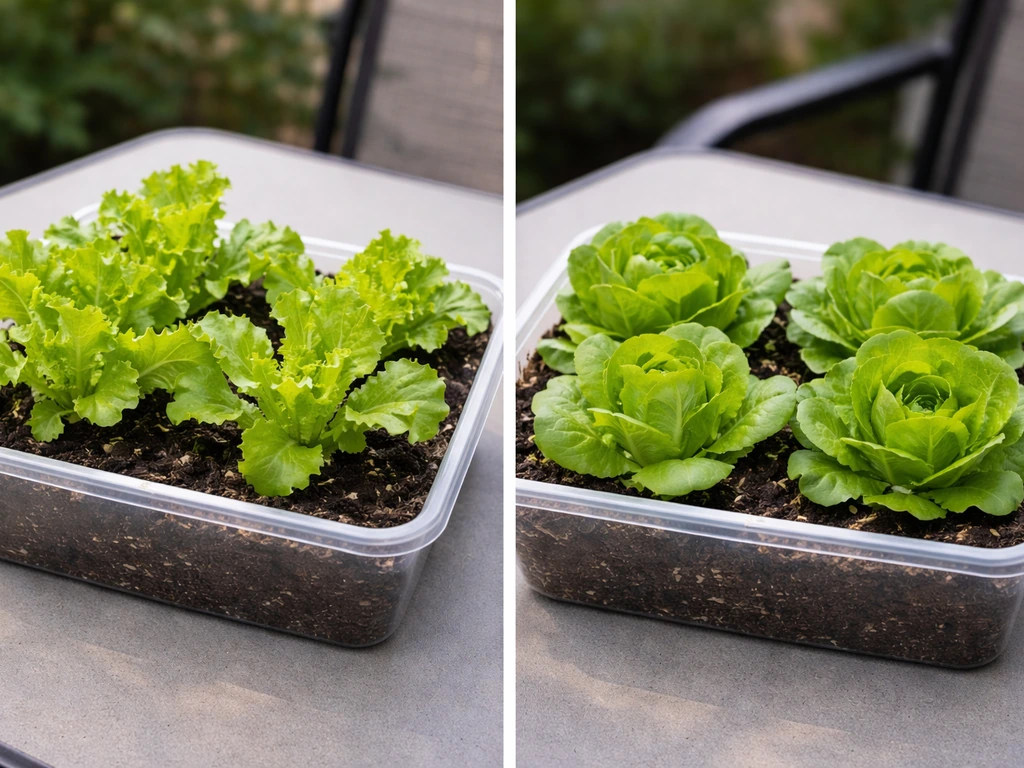
The main practical difference between loose-leaf and head lettuce in containers comes down to spacing and timeline. Loose-leaf varieties like Red Leaf, Oak Leaf, and salad bowl types are the most container-friendly. They're faster to mature, don't need as much space per plant, and let you harvest outer leaves repeatedly without pulling the whole plant. If you want the simplest, most productive container lettuce experience, start here.
Head lettuce (like Butterhead, Romaine, or Crisphead types) takes longer, needs more room per plant (that 8-inch spacing rule applies), and forms a usable head over roughly 60 to 80 days. You can absolutely grow head lettuce in containers, but you'll need a deeper, wider pot and more patience. A 12-inch or larger pot can support one or two small head-type plants comfortably. For anyone curious whether containers can realistically support these crops from the start, growing lettuce in a container is definitely achievable for both types with the right setup.
| Feature | Loose-Leaf Lettuce | Head Lettuce |
|---|---|---|
| Examples | Red Leaf, Oak Leaf, Salad Bowl | Butterhead, Romaine, Crisphead |
| Minimum container depth | 6 inches | 8–12 inches |
| Spacing per plant | 1 inch (sow), thin to 4–6 inches | 8 inches |
| Days to harvest | 30–45 days | 60–80 days |
| Harvest method | Outer leaves continuously | Cut whole head at base |
| Container difficulty | Easiest | Moderate |
| Regrowth after harvest | Yes (cut and come again) | Limited to no regrowth |
If you're new to container lettuce, I'd strongly recommend starting with a loose-leaf variety. The faster feedback loop, the ongoing harvests, and the more forgiving spacing all make for a much better first experience.
Harvesting and keeping the salad coming
For loose-leaf lettuce, start harvesting outer leaves once the plant is about 4 to 6 inches tall, usually 30 to 45 days after germination. Always leave the inner growing point (the small cluster of leaves at the center) intact. Snip or pinch off the outer leaves and the plant will keep producing. This is the cut-and-come-again method, and it's incredibly productive. Growing cut-and-come-again lettuce in containers can give you multiple harvests from a single planting over four to six weeks before the plant eventually bolts or declines.
For head lettuce, wait until the head feels firm and full when you press it gently. Cut the whole head at the base with a clean knife. Some head types will push out a second flush of small leaves from the remaining stump, though it's modest compared to the original head. Don't expect the same cut-and-come-again performance from head types.
The best strategy for continuous salads is succession planting: start a new container of seeds every two to three weeks. That way, as one batch finishes, another is coming into its harvest window. University of Minnesota Extension recommends mid-spring and again in late summer as the two prime windows for cool-season greens like lettuce, and that timing translates directly to container gardeners too.
If you're growing in pots rather than longer planters, the container-specific approach to timing and yield works exactly the same way. Growing lettuce in pots follows the same succession logic: stagger your sowing dates and you'll rarely be without fresh leaves.
When things go wrong: fixing common container lettuce problems
Bolting (plant goes to flower)
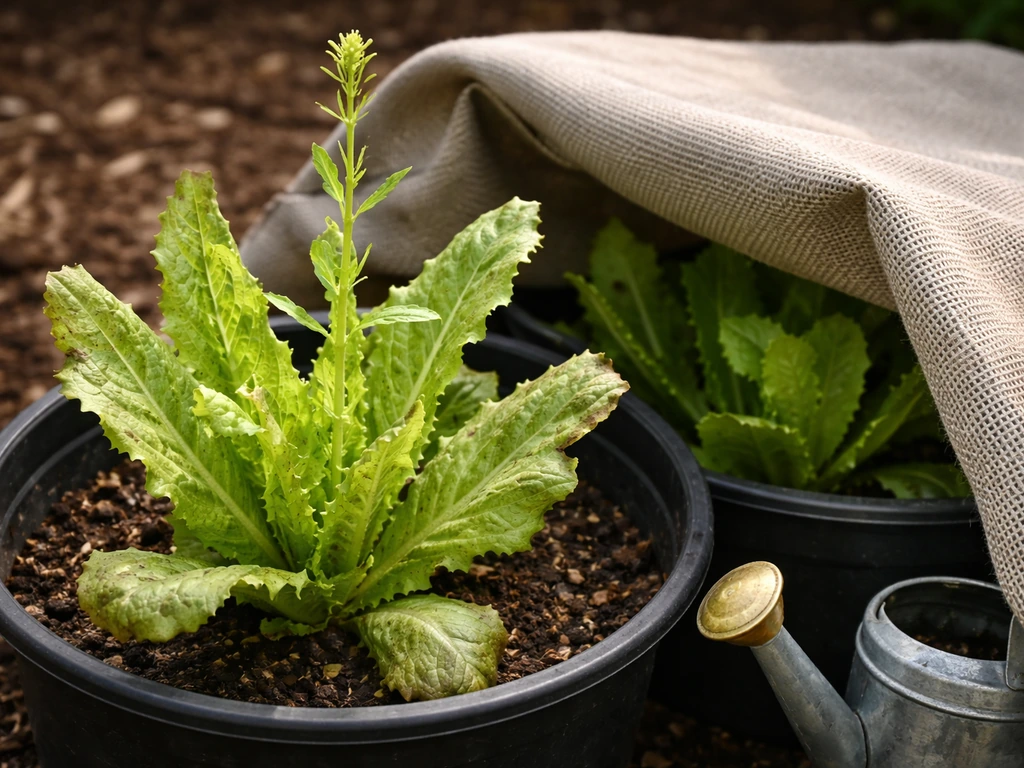
Bolting is the most common container lettuce complaint, and it almost always comes down to heat. When temperatures stay above 80 degrees Fahrenheit, lettuce shifts from leaf production into reproductive mode: the center stem shoots up, the leaves turn bitter, and the plant is effectively done producing. If you see the center starting to elongate rapidly, harvest everything immediately and compost the plant. To delay bolting, move your container to afternoon shade, water more consistently (drought stress accelerates bolting), and choose heat-tolerant varieties for warm-weather growing. Oak leaf and other slow-bolting types give you meaningfully more time. University of Maryland Extension specifically recommends heat-resistant varieties for extending the season.
Seeds not germinating
If seeds aren't sprouting after two weeks, temperature is usually the culprit. Lettuce seed germination drops sharply above 80 degrees and also stalls if the soil is too cold (below 40 degrees). Try moving the container to a cooler location, or place it on a heat mat set to around 65 to 70 degrees if you're starting seeds too early in spring. Also check that you haven't buried the seeds too deep: more than 1/4 inch of covering can block germination in lettuce. Finally, old seeds (more than 2 to 3 years old) have significantly reduced viability. When in doubt, use fresh seed.
Pests: aphids, whiteflies, and slugs
Aphids cluster on the undersides of leaves and cause curling and yellowing. Knock them off with a strong stream of water or apply insecticidal soap. Whiteflies are another common container pest, especially indoors. Biological controls like parasitic wasps in the Encarsia and Eretmocerus genera can manage whitefly populations effectively outdoors without any chemicals. For container growing, yellow sticky traps and reflective mulch on the soil surface also help interrupt whitefly cycles. Slugs tend to be more of an outdoor container problem: if you see irregular holes in leaves overnight, look for slugs under the pot and around the rim at night, then remove them by hand or use a pet-safe slug bait.
Powdery mildew and disease
Powdery mildew shows up as a gray-white, dusty coating on the upper and lower surfaces of leaves. It's more common in humid, low-airflow conditions. Prevention is the best approach: space plants properly so air moves between them, avoid watering late in the evening (wet leaves overnight invite disease), and choose resistant varieties when available. UC IPM notes that planting in full sun and following good cultural practices controls powdery mildew in most home garden cases without needing any sprays. If you already have it, remove affected leaves and improve airflow.
Slow or uneven growth
If some plants are thriving and others are lagging in the same container, check a few things. First, is the container getting even light? Rotate it every few days if one side is shaded. Second, are you watering evenly across the surface? Dry pockets in the mix lead to patchy growth. Third, has it been long enough? Lettuce from seed takes real time, and slow germination in cooler conditions is normal. If growth is universally slow and the leaves are pale, your plants are probably hungry: give them a dose of diluted balanced fertilizer and reassess in a week.
Container lettuce is genuinely one of the most beginner-friendly crops you can grow, but it does reward paying attention. Check your plants daily, stay ahead of the heat with timing and variety choices, keep moisture consistent, and harvest regularly. Do those things and you'll have fresh salad from your container far sooner than you'd expect.
FAQ
Can I grow lettuce in a container on a kitchen windowsill or indoors?
Yes, but keep lettuce toward the cooler side of a kitchen window. If the spot gets direct sun for most of the day, watch for soil overheating (especially in dark pots) and plan to move the container or provide afternoon shade to prevent bolting.
What potting mix should I use, and can I reuse old soil?
Avoid peat-based mixes that stay soggy and old, reused potting soil. Instead, refresh with new container mix each season (or at least top-dress and break up the old layer), because compaction and nutrient depletion cause poor growth.
How do I thin lettuce seedlings without damaging neighbors?
Thin by snipping at the soil line, and do it early, when seedlings are about 1 inch tall. If you wait too long, overcrowding reduces airflow and triggers weak, leggy plants that bolt sooner.
Should I mulch my container lettuce to reduce watering?
Use a shallow layer of mulch or a light reflective option only if it doesn't block light from seedlings. For established plants, a thin mulch layer can slow evaporation, but avoid burying the crown or covering young seedlings too deeply.
My lettuce looks sick and the soil feels wet, what should I check first?
If your container stays wet, you likely overwatered or the drainage is inadequate. Make sure there are drainage holes, water only until excess runs out, and empty saucers or trays promptly, since standing water increases root and leaf disease risk.
How often should I fertilize container lettuce after the initial planting?
For continuous harvest, keep feeding lightly and regularly, then increase slightly once plants start making new leaves. Stick to diluted balanced fertilizer every 2 to 3 weeks, since container nutrients wash out faster than in-ground beds.
What’s the best way to correct pale or slow-growing container lettuce?
Use a fertilizer schedule, but don’t chase color with heavy nitrogen. If leaves are pale or growth is slow, a balanced feed helps, while too much nitrogen can produce soft growth that struggles in heat and can invite pests.
I’m starting seeds indoors and my home is warm, how can I improve germination?
Yes, you can, but lettuce seeds generally prefer cooler conditions. If your home is warm, start seeds near a cooler window or use a heat mat set to around 65 to 70°F until germination, then move them to your normal spot.
How do I know when to water, and how do I avoid overwatering?
Lettuce is picky about consistent moisture, not constant wetness. Water deeply when the top inch dries, and consider watering more than once per day only during heat waves, especially for terracotta or very small pots.
Which lettuce varieties hold up best when temperatures get hot?
Pick varieties based on your local highs. For warm periods, slow-bolting types like oak leaf tend to last longer, and afternoon shade plus earlier succession sowing helps you stay ahead of stress.
If my lettuce seeds won’t sprout, what are the most common causes?
It’s often either temperature or seed problems. Check that seeds weren’t buried too deep (lettuce needs light), confirm the container is in the right temperature range (roughly 55 to 75°F), and use fresh seed if nothing happens after about two weeks.
Why are some plants doing great while others in the same pot fail?
Use tight spacing early only until seedlings emerge, then thin promptly. After thinning, keep plants spaced enough for airflow, and rotate the pot so light is even, since uneven light often looks like nutrient or watering issues.
What should I do if my lettuce starts bolting mid-season?
Treat bolting quickly. If the center stem starts elongating, harvest immediately to salvage usable leaves, then compost the plant and restart with a fresh sowing in the same container size to keep salads going.
How do I handle pests or diseases on container-grown lettuce without harming it?
Most common issues respond to environment changes. For aphids, a strong water rinse and insecticidal soap work well, while powdery mildew improves with better airflow and avoiding wet leaves overnight.