The best container for growing lettuce is a wide, shallow planter or window box that is at least 6 to 8 inches deep, with good drainage holes, and holds enough soil to stay consistently moist without getting waterlogged. The Iowa State Extension store’s container vegetable gardening guide advises filling containers with at least 6 to 8 inches of potting mix [at least 6 to 8 inches deep](https://store. extension. iastate.
Best Container to Grow Lettuce: Types, Size, and Varieties
Marcus Holloway
30 Apr 2026
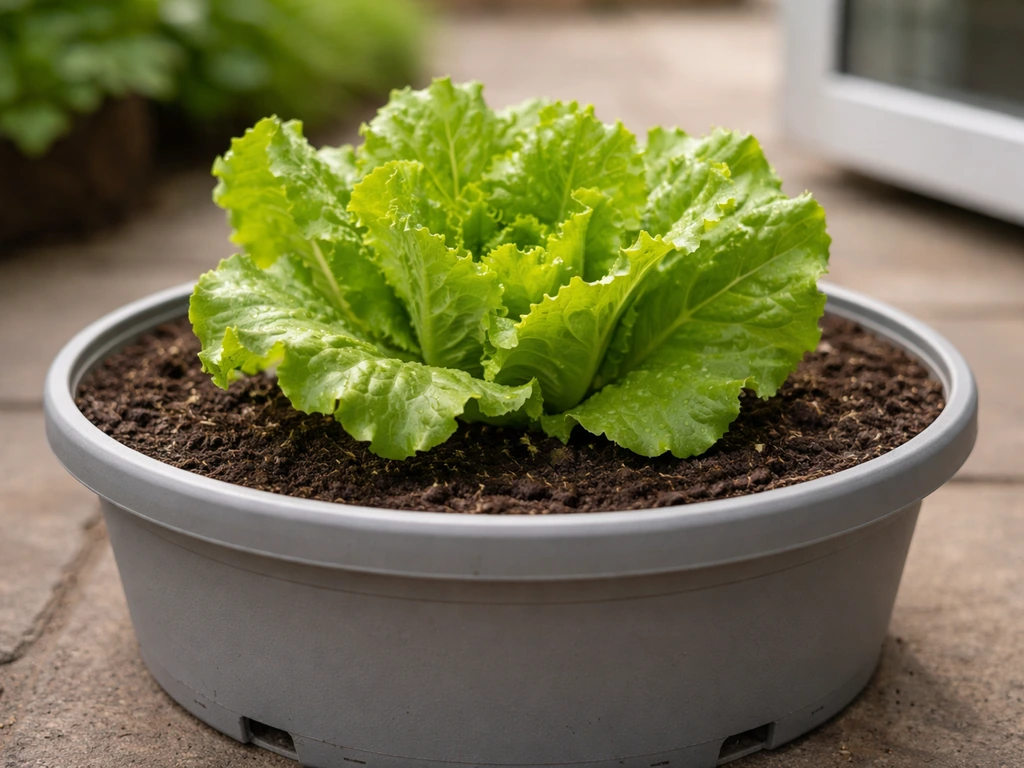
edu/Product/Container-Vegetable-Gardening-PDF). If you want a quick, beginner-friendly overview, can you grow lettuce in a container is a good next step before you pick your planter size and drainage holes. Pair that with a compact, fast-maturing leaf or butterhead variety like Buttercrunch, Salad Bowl, or Red Sails, and you can be cutting fresh lettuce in as little as 30 to 35 days from seed.
If you want one setup that works reliably for most people, a self-watering planter in the 12- to 18-inch width range, filled with a quality potting mix, placed in a spot that gets 4 to 6 hours of light per day, is hard to beat.
Best lettuce varieties for containers
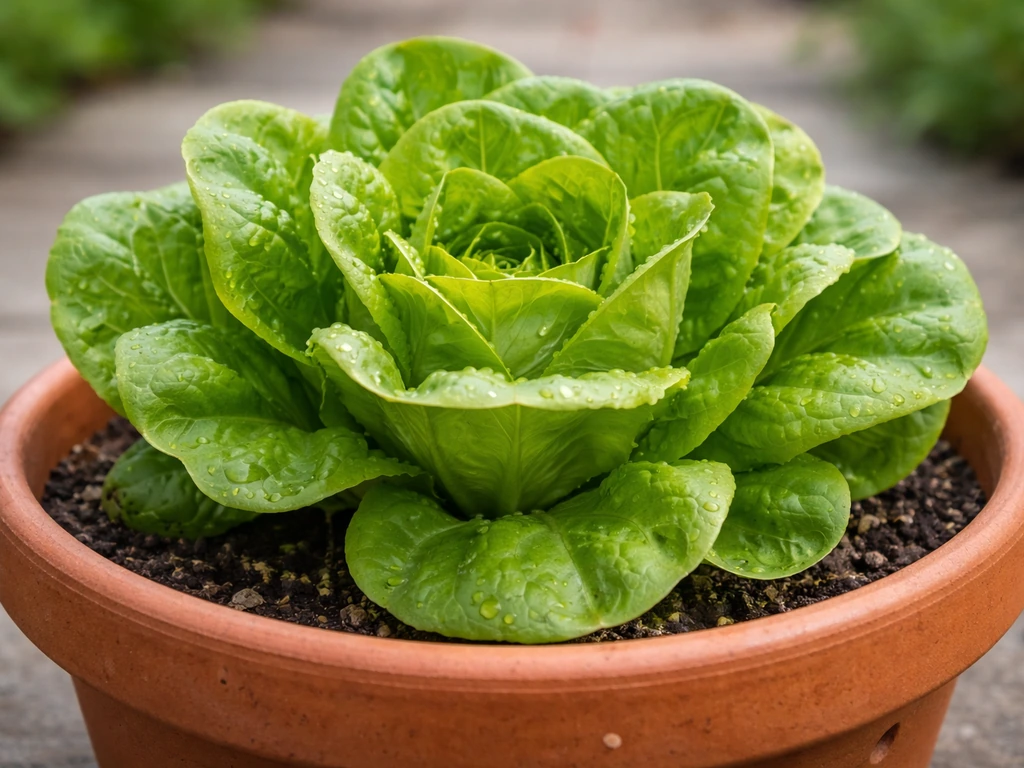
Not every lettuce type thrives in a pot. Big crisphead types like iceberg need a lot of root space and time, and they tend to disappoint in containers. What works best are compact, loose-leaf types and small butterheads that mature quickly, tolerate some shade, and respond well to cut-and-come-again harvesting. These are the varieties I'd plant first.
| Variety | Type | Days to Harvest | Why It Works in Containers |
|---|---|---|---|
| Buttercrunch | Butterhead (bibb) | 55–65 days | Compact, slow to bolt, great flavor |
| Red Sails | Loose-leaf | 30–35 days (leaves) | Fast, cut-and-come-again, heat tolerant |
| Salad Bowl | Loose-leaf | 30–35 days (leaves) | Wide, low growth habit suits window boxes |
| Tom Thumb | Butterhead (miniature) | ~60 days | Tiny heads perfect for small pots |
| New Red Fire | Loose-leaf | 30–35 days (leaves) | Vivid color, non-heading, easy to harvest |
| Jericho | Romaine | 60–70 days | Upright, efficient footprint in deeper pots |
| Green Towers | Romaine | 70 days | Tall and narrow, suits deeper planters |
| Winter Density | Romaine/butterhead hybrid | 60 days | Dense, cold-tolerant, good for spring/fall |
For beginners, I always recommend starting with a loose-leaf mix or Red Sails. You'll be harvesting outer leaves in about a month, which keeps you motivated and gives the plant time to keep producing. Buttercrunch is a close second if you want that soft, buttery texture. Avoid heading types unless you have a container that is at least 10 inches deep and you are committed to a longer growing window.
Best container types: pots, planters, grow bags, and self-watering options
The container type matters less than the size and drainage, but different formats have real trade-offs worth knowing about before you buy or repurpose something from your garage.
| Container Type | Best For | Main Advantage | Watch Out For |
|---|---|---|---|
| Standard pot (plastic or terracotta) | Single plants or small clusters | Easy to find, works anywhere | Terracotta dries out fast; check daily in heat |
| Window box / planter box | Multiple plants, balconies, railings | Fits tight spaces, great for succession planting | Make sure drainage holes are adequate |
| Grow bag (fabric) | Outdoor patios, good airflow | Air-prunes roots, prevents overwatering | Dries out faster than hard containers |
| Self-watering planter | Busy schedules, indoor use | Reservoir reduces daily watering | Still needs monitoring; reservoir can breed algae if neglected |
| Hanging basket | Small leaf varieties, space saving | Good light exposure on all sides | Dries out very quickly, needs frequent watering |
My personal go-to for lettuce is a self-watering rectangular planter, roughly 24 inches long and 8 inches deep. The reservoir keeps moisture consistent, which lettuce loves, and I can fit six to eight plants in one box. If you are growing outdoors on a patio, fabric grow bags work great because the air-pruning effect keeps roots healthy and you rarely deal with root rot. Just know that grow bags in warm weather may need watering once or even twice a day during a hot spell.
One thing to flag about self-watering planters: the reservoir design does help prevent overwatering, but it is not foolproof. If the wicking system gets clogged or you let standing water sit in the reservoir too long without refreshing it, problems can still develop. Drain and refill the reservoir every couple of weeks to keep things fresh.
Container size specs: depth, width, spacing, and soil volume
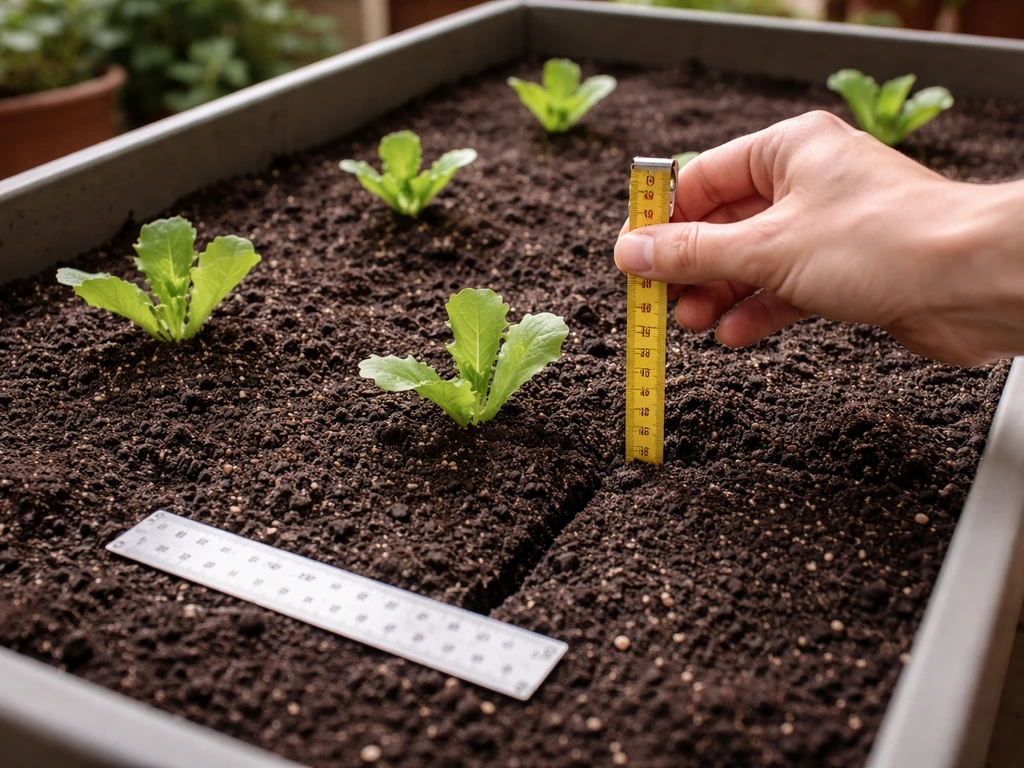
Lettuce has a relatively shallow root system, which is why it does so well in containers that would be too small for tomatoes or peppers. But "shallow" doesn't mean "any old pot." There is a meaningful difference between a container that barely keeps a plant alive and one that gives you a real harvest.
- Minimum container depth: 6 to 8 inches for most leaf and butterhead varieties
- Minimum container volume: 2 quarts per plant as an absolute floor, though 2 gallons per plant gives much better results
- Spacing: 4 to 6 inches between loose-leaf plants; 6 to 8 inches for butterheads and romaine
- Width: aim for at least 12 inches wide so you can plant more than one or two heads
- For a window box or planter box, 8 inches deep by 18 to 24 inches long is a practical minimum
If you are planting a single small butterhead like Tom Thumb, a half-gallon pot can technically work, but I'd still opt for something in the 1- to 2-gallon range for better moisture retention and root development. Crowding is the most common mistake I see in container lettuce. When plants are too close, they compete for water, nutrients, and light, and you end up with weak, leggy growth and smaller yields. Give each plant its space and you will be rewarded.
Use a high-quality potting mix, not garden soil. Garden soil compacts in containers and kills drainage. A mix with perlite, compost, and some moisture-retaining coir hits the sweet spot for lettuce. Fill the container to about an inch below the rim to allow for watering without overflow.
Light and placement for container lettuce (indoor vs. outdoor)
Lettuce is one of the more forgiving vegetables when it comes to light, which makes it an excellent candidate for balconies, north-facing windows, and shaded patios. That said, "forgiving" has limits.
Outdoor placement
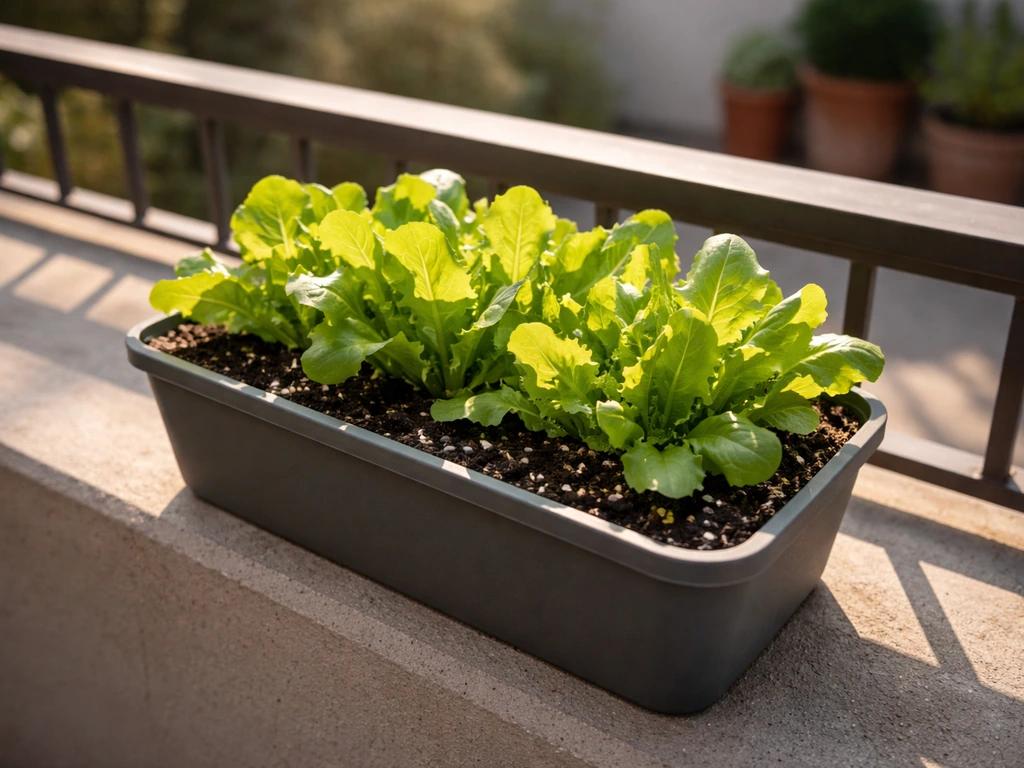
In spring and fall, full sun works well and actually speeds up growth. Aim for at least 4 to 6 hours of direct light per day. In summer, that full sun becomes a problem because heat triggers bolting (more on that in the troubleshooting section). Move containers to a spot that gets morning sun and afternoon shade once temperatures start climbing above 75 to 80°F.
Colorado State University Extension also recommends avoiding hot summer temperatures for container lettuce, since lettuce is largely a spring and fall crop Move containers to a spot that gets morning sun and afternoon shade once temperatures start climbing above 75 to 80°F. .
Baby leaf lettuce can handle mostly indirect light in summer and still produce decent harvests.
Indoor growing under grow lights
If you are growing lettuce indoors without a south-facing window that gets strong direct light, an LED grow light makes a real difference. Position the light 12 to 18 inches above your plants and run it for 14 to 16 hours a day. This mimics the long days of spring, which is exactly what lettuce wants. A basic full-spectrum LED panel in the $30 to $60 range is plenty for a window box or two. Indoor lettuce under lights tends to be a little softer and slightly less intense in flavor than outdoor-grown, but it is absolutely harvestable and fresh.
A bright south- or east-facing windowsill can work without supplemental lighting, but be honest about how much light it actually gets. If growth is very slow and plants look pale or stretched, add a grow light rather than waiting and hoping.
Watering and drainage rules (and how to prevent soggy roots)
Lettuce needs consistent moisture. It wilts fast when it dries out, and it rots at the roots when it stays too wet. The goal is soil that feels like a wrung-out sponge: moist through and through, but not dripping. Here is how to stay in that range.
- Check moisture daily by pressing your finger about an inch into the soil. If it feels dry, water thoroughly until it drains out the bottom.
- Never let containers sit in saucers full of standing water for more than an hour or two. Empty the saucer after watering.
- Make sure every container has at least one, preferably multiple, drainage holes. No exceptions.
- In hot weather, check twice a day. Small pots and grow bags dry out fast and can stress plants within hours.
- Water in the morning when possible. Wet foliage overnight encourages fungal problems.
- For self-watering planters, check the reservoir level every few days and refill when it gets low.
If your lettuce is wilting but the soil is wet, that is usually a root health issue, not a watering issue. Stop watering for a day, check that drainage is working, and inspect the roots if you can. Soggy, dark roots that smell bad indicate rot, often caused by a container sitting in water or soil that doesn't drain well. Prevention is everything here: start with the right potting mix and make sure your drainage holes are clear.
Planting approach and growth timeline (seeds vs. transplants, succession)
Seeds vs. transplants
Both work well for containers. Seeds are cheaper and give you more variety options, but they require thinning and add a few weeks to your timeline. Transplants from a nursery let you skip that early stage and get to harvest faster, which is great if you are new to this or want results quickly. I usually start with seeds for loose-leaf types because they are so fast and easy to direct-sow, and I use transplants when I want a specific butterhead variety that takes longer to mature.
To direct-sow in a container, sprinkle seeds thinly across the surface, press them gently into the soil, cover with about an eighth of an inch of potting mix, and keep the surface moist until germination, usually 5 to 10 days. Once seedlings reach about 2 inches tall, thin them to the proper spacing. Yes, it feels wasteful to pull out seedlings, but overcrowding kills yield.
Growth timeline
- Germination: 5 to 10 days
- Baby leaf harvest (cut-and-come-again): 30 to 35 days from seed
- Full butterhead or romaine heads: 55 to 85 days from seed depending on variety
- Transplant to first harvest: subtract 3 to 4 weeks from seed-to-harvest numbers
Succession planting
The single best thing you can do for a steady supply of container lettuce is succession planting. Every two to three weeks, sow a new container or a new section of your planter box. This staggers the harvest so you are not swimming in lettuce one week and then waiting six weeks for the next batch. A window box or long planter is perfect for this: start one end, wait two weeks, start the other end. By the time the second planting is ready, you have harvested or finished the first.
Troubleshooting container lettuce problems
Bolting (plant goes to seed suddenly)
Bolting is triggered by warm temperatures, typically once sustained temperatures push above 75 to 80°F. The plant senses summer coming and rushes to produce seeds. Leaves turn bitter, the center stem shoots up, and the harvest is basically over. To prevent it, move containers to shade during heat waves, water consistently (drought stress speeds up bolting), and switch to heat-tolerant varieties like Jericho or New Red Fire in summer. If your lettuce has already bolted, harvest whatever leaves you can, compost the plant, and wait for cooler weather to restart.
Slow or stunted growth
If your plants look small and are barely growing, the usual culprits are insufficient light, too little soil volume, or a container that has gone dry too many times. Check your light situation first. If plants are pale and stretched toward the light source, they need more. Next, check the pot size: if roots are circling the bottom or poking out of drainage holes, the plant is rootbound and needs a bigger container. Feed with a diluted liquid fertilizer every two weeks if you are not using a pre-fertilized potting mix.
Yellowing leaves
Yellow lower leaves on an otherwise healthy plant are usually just older leaves dying off naturally. That is normal. But if yellowing spreads up the plant or new growth is pale, you are likely looking at a nitrogen deficiency. Use a balanced liquid fertilizer at half strength and see if new growth greens up within a week. Yellowing combined with soggy soil points back to root rot and drainage problems.
Wilting despite watering
If lettuce wilts on a hot afternoon but recovers by evening, that is normal heat stress and not a crisis. Make sure the container is in shade during the hottest part of the day. If the plant wilts and does not recover overnight, check the roots. Persistent wilting despite wet soil almost always means root damage, either from rot, rootbound conditions, or (less commonly in containers) root aphids.
Pests: aphids and caterpillars
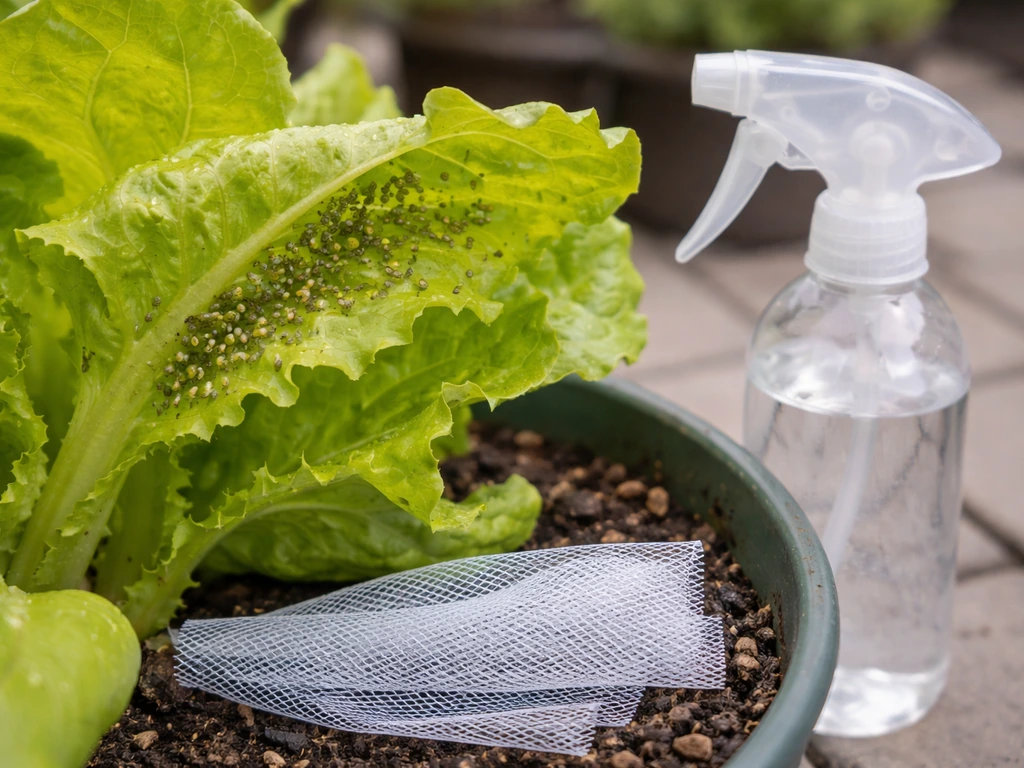
Aphids are the most common container lettuce pest. They cluster on the undersides of leaves and in the growing tip, sucking sap and leaving a sticky residue. Check plants every few days. If you spot them early, a strong blast of water knocks most off.
For persistent infestations, insecticidal soap spray applied directly to the aphids works well. Look specifically for lettuce aphids, which can be whitish-green and easy to miss, and lettuce root aphids, which feed below the soil surface and can cause wilting that mimics drought stress. Caterpillars, especially cabbage loopers, will chew ragged holes in leaves. Hand-pick them in the evening when they are active, or use Bacillus thuringiensis (Bt), a safe biological insecticide that targets caterpillars without harming beneficial insects.
Your next steps
If you are starting from scratch today, here is a practical path forward. Pick up a self-watering planter or a standard window box that is at least 8 inches deep and 18 inches wide. Fill it with a quality potting mix. Choose a loose-leaf variety like Red Sails or Salad Bowl for a fast first harvest, or Buttercrunch if you want that butterhead experience.
Sow seeds or drop in transplants, space them 4 to 6 inches apart, and place the container where it gets 4 to 6 hours of light. Water when the top inch of soil feels dry, and plan your first cut-and-come-again harvest in 30 to 35 days. Set a reminder to start a second container in two weeks so you have a continuous supply coming in.
From there, the real learning happens by paying attention to your specific plants and conditions, but you have everything you need to get a great first harvest. To keep lettuce producing instead of ending after the first harvest, use a cut-and-come-again approach with loose-leaf varieties in your containers cut-and-come-again lettuce. If you want the full step-by-step, use this guide on how to grow lettuce in a container.
FAQ
What is the best container size if I only have a narrow planter?
Yes, but choose a wider container and plan for more frequent watering. In a narrow pot, lettuce dries out faster and the roots can get uneven moisture, which increases bitterness and bolting risk. A good rule is to prioritize width and drainage (not just depth), then check the top inch of soil daily in warm weather.
How do I know if I’m watering container lettuce too much or too little?
Aim for soil moisture that stays consistently moist, not soggy, and use the “wrung-out sponge” feel as your guide. If you see standing water in the saucer or reservoir, empty it and let the mix breathe before watering again. If your self-watering planter reservoir is clear but plants droop, the issue is often root stress, not lack of water.
Can I harvest lettuce more than once from the same container, and does it depend on variety?
If you want more than one harvest from the same plants, grow loose-leaf types and cut outer leaves rather than pulling the whole plant. For heading types in containers, expect a shorter harvest window and a higher risk of disappointing heads if heat hits early. Loose-leaf plants tolerate repeated harvesting better because they regrow from protected centers.
Should I fertilize container lettuce, and how often should I feed it?
Too much fertilizer can make lettuce grow soft, fast, and more prone to pest issues while also blunting flavor. If you are using a pre-fertilized potting mix, skip feeding for the first couple of weeks. When you do fertilize, use half-strength and only as needed, especially in containers where nutrients can build up.
Can I use garden soil or reused potting mix for growing lettuce in containers?
Use potting mix with added aeration, then top up if the mix settles after watering. Garden soil compacts quickly in containers and reduces oxygen around roots, which leads to rot or stunting. A practical approach is to start with fresh potting mix each season and avoid mixing in large amounts of old soil that no longer drains well.
My lettuce is wilting even though the container feels wet, what should I check first?
If the soil surface stays wet but leaves wilt, check roots for dark, mushy tissue and a sour smell (root rot signs). Also verify drainage holes are not blocked by a clogged liner, compacted mix, or debris. Let the container drain fully, then resume watering only when the top inch begins to dry.
Why are my container lettuce plants taking a long time to produce usable leaves?
Look for variety maturity. Fast loose-leaf types can be cut-and-come-again in about a month, but baby heads and butterheads may take longer and may not regrow as persistently. If you keep getting small yields, confirm spacing first, then reassess light and heat exposure before changing varieties.
How much spacing do container lettuce plants actually need?
Crowding is the fastest way to shrink yields. For most leaf lettuce, thin to about 4 to 6 inches between plants, and avoid “just a little closer” because competition accelerates water stress and makes leaves smaller. If you started with transplants, still follow spacing rules, since roots expand quickly in a confined container.
What should I do if my lettuce keeps bolting in summer, even in a good container?
In very hot weather, the most reliable adjustment is shifting to morning sun and afternoon shade, then using consistent moisture management. Self-watering helps, but it can still lag behind when temperatures are high, so monitor daily and refresh reservoirs on schedule. Heat-tolerant varieties can also reduce bolting when heat waves are unavoidable.
Are fabric grow bags still a good option if I’m growing lettuce on a patio?
Yes, but keep the roots cool and reduce evaporative stress. Fabric grow bags can dry faster than rigid planters, so watering frequency typically increases, and mulch on top of the mix can help. Also watch for consistent moisture, because fabric bags can exaggerate both drought stress (bitterness, bolting) and temperature swings.
What’s the quickest way to deal with aphids on container lettuce without damaging the plants?
If pests appear, start by checking the underside of leaves and the growing tip for clusters, since early detection matters. For aphids, a direct water blast can knock most off before populations explode. If you see consistent problems, insecticidal soap works best when applied directly to pests, and repeat as needed because eggs and hidden individuals may survive.
How can I tell nitrogen deficiency from normal leaf aging or drainage problems in container lettuce?
If only lower leaves are yellow while the plant otherwise looks healthy, it can be normal aging. If new growth is pale or yellowing spreads upward, check for nitrogen deficiency, then consider drainage and root health because overwatering can mimic nutrient problems. For a clear next step, confirm soil moisture and only then adjust feeding.