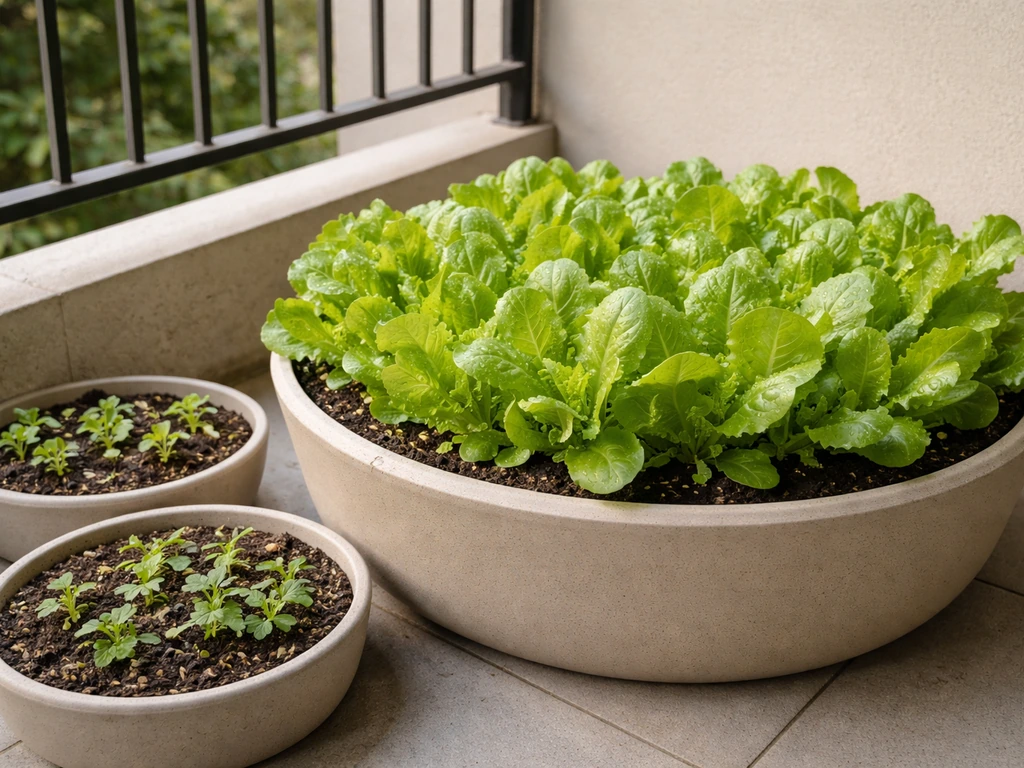
Yes, you can absolutely grow lettuce in a container, and it's one of the best vegetables to start with if you're working with limited space. Lettuce has naturally shallow roots, most of them active in the top 6 to 12 inches of soil, which means it doesn't need a deep planter or a big yard. A 12-inch pot on a balcony, a window box, or a rectangular planter box on a patio can produce enough fresh leaves for regular salads. If you're still deciding, the best container to grow lettuce comes down to depth, drainage, and enough soil volume to keep moisture steady. Whether you're an apartment dweller with a sunny windowsill or a gardener who just wants greens closer to the kitchen door, containers genuinely work well for lettuce.
Can You Grow Lettuce in a Container? Setup and Care
Marcus Holloway
13 May 2026
Why lettuce is such a good fit for containers
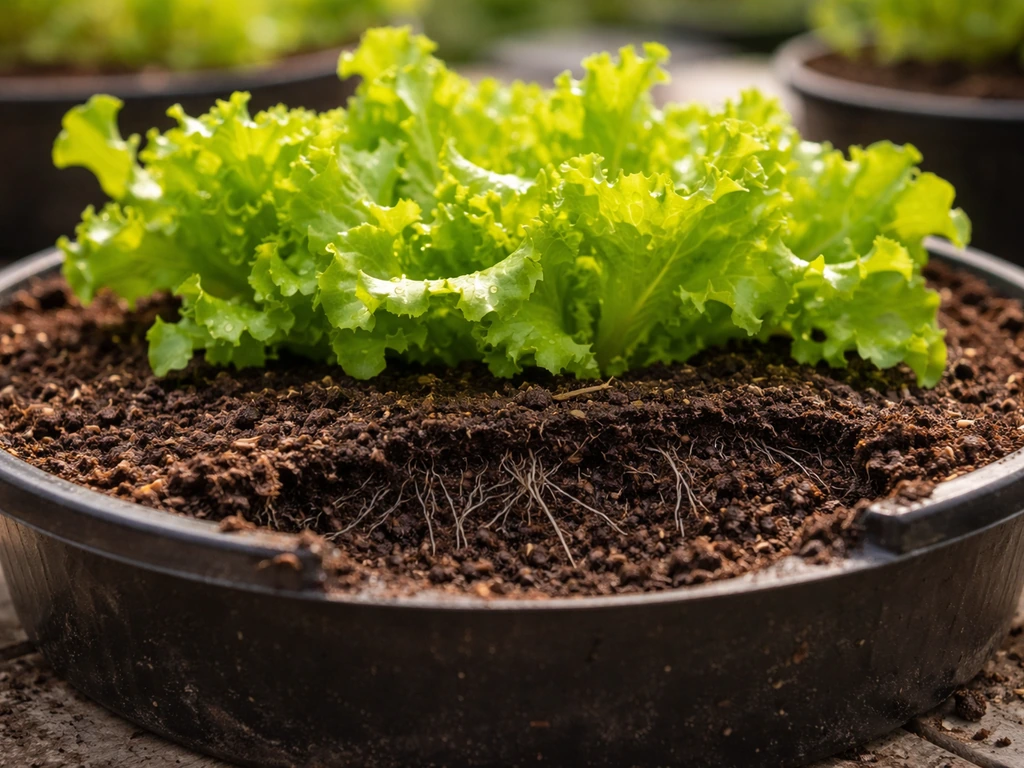
Lettuce's shallow, relatively weak root system is the main reason it adapts so well to container growing. Unlike tomatoes or squash, it doesn't need deep soil or a large volume of growing media to thrive. Its compact growth habit also means you can fit several plants into a single pot without crowding, and because you're harvesting leaves rather than waiting for fruit, the turnaround from seed to table is fast, typically 45 to 60 days depending on variety and conditions.
Containers also give you a level of control you don't get in a garden bed. You can move them to catch more sun, shift them into shade when a heat wave rolls in, and dial in your watering more precisely. For lettuce, which is genuinely fussy about temperature and moisture, that flexibility is a real advantage. The main tradeoff is that containers dry out faster than garden beds, especially shallow ones, so you do need to stay on top of watering.
Getting the container right: depth, width, and drainage
The minimum potting mix depth for lettuce is 6 inches, but 8 inches is the better target and what most university extension programs recommend. Going shallower than 6 inches causes real problems: roots can hit the bottom of the container, the soil dries out faster, and there's less buffer against temperature swings. If the container is too shallow, you'll notice wilting between waterings and generally stunted growth. CSU Extension specifically calls out 8 inches as the target depth for leaf lettuce, and I've found that's the sweet spot in practice.
For volume, aim for at least 4 to 6 gallons of growing media, with a container depth of 8 to 12 inches. Width matters too because it determines how many plants you can fit and how quickly the soil surface dries. A wider, shallower container will dry out faster at the surface than a narrower, deeper one, so you may need to water more frequently in a broad window box than in a deeper round pot.
Drainage holes are non-negotiable. Without them, water pools at the bottom of the container, roots sit in saturated media, and you get rot. Drill multiple holes if your container doesn't have them already. Oregon State Extension also recommends making sure your potting mix drains freely rather than holding water like a sponge, which is why your soil choice matters as much as the container itself.
| Container type | Depth | Volume | Plants it holds | Notes |
|---|---|---|---|---|
| 12-inch round pot | 8–10 inches | ~3–5 gallons | 2–3 loose-leaf plants | Great starter container; dries moderately fast |
| Window box (24 inches) | 6–8 inches | ~4–6 gallons | 4–6 loose-leaf plants | Good for balconies; watch for fast drying in heat |
| Rectangular planter (18x12 inches) | 8–12 inches | ~6–8 gallons | 4–6 plants | Versatile; good balance of depth and surface area |
| Half-barrel or large tub | 12+ inches | 15+ gallons | 8–12 plants | Best results; slower to dry out; suits multiple varieties |
Picking the right lettuce varieties for container growing
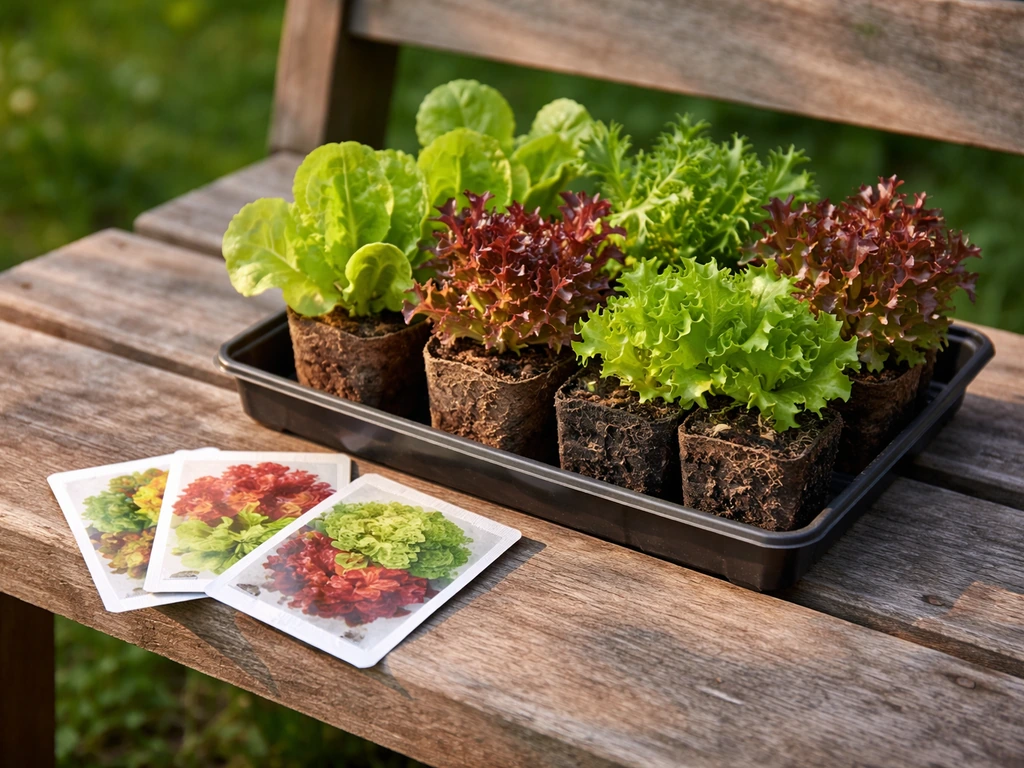
Loose-leaf varieties are the best choice for containers, and they're what I'd recommend to anyone starting out. They grow fast, you harvest individual leaves rather than waiting for a full head, and they don't need as much root space as heading types like iceberg. Varieties like 'Black-Seeded Simpson,' 'Oak Leaf,' 'Red Sails,' and 'Lollo Rossa' are reliable performers in pots. If you want to try a butterhead, 'Tom Thumb' was bred specifically for small spaces and does well in containers. Romaine (cos) types work too but need a bit more depth and space than loose-leaf.
If you're growing indoors or in a lower-light spot, lean toward loose-leaf varieties with a slower tendency to bolt. In hot climates or if you're planting in late spring, look for varieties labeled 'heat-tolerant' or 'slow to bolt,' such as 'Jericho' or 'Nevada.' Heat-tolerant varieties won't completely resist bolting in extreme heat, but they'll give you a longer harvest window before the plant gives up and goes to seed.
Soil, planting, and spacing basics
Use a quality potting mix, not garden soil
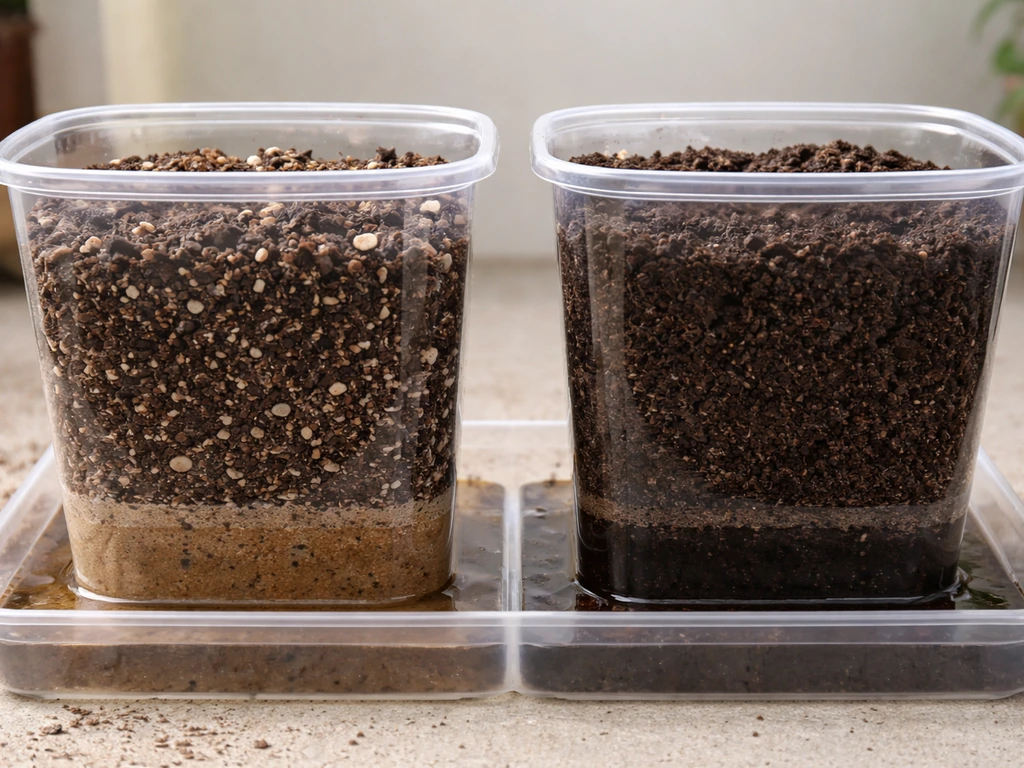
Garden soil is too dense for containers. It compacts over time, drains poorly, and can introduce pests and diseases. Use a packaged potting mix from a garden center, or make your own using roughly 40% peat or coir, 30% perlite or pumice, and 30% compost. That ratio drains freely while still holding enough moisture for lettuce, which wants consistent but never waterlogged soil. The perlite or pumice is especially important in shallow containers because it prevents compaction and improves airflow to the roots. Some gardeners go even lighter on the compost, around 5 to 10%, especially if they plan to fertilize separately.
Direct sowing vs. transplanting
Both methods work in containers. Direct sowing is easier and what I usually recommend for beginners. Sow seeds 1/4 to 1/2 inch deep, cover lightly with potting mix, and firm the surface gently. Penn State Extension notes that the seed coat needs to stay moist for germination to happen, so keep the container in a spot where you can check it daily and water gently with a mister or watering can with a rose head. Germination typically takes 7 to 14 days depending on temperature.
If you're starting from transplants you've grown indoors, harden them off first over about a week by gradually increasing their outdoor exposure before moving them to their final container. Transplants can get you a head start of 2 to 3 weeks, which matters in regions with short cool seasons.
Spacing for container lettuce
For loose-leaf varieties, space plants about 6 to 8 inches apart if you want to harvest whole plants or large individual leaves. If you're doing a cut-and-come-again approach where you just snip outer leaves, you can go tighter, around 4 inches apart. To grow cut-and-come-again lettuce in containers, keep watering consistently and harvest only the outer leaves so the plant keeps producing cut-and-come-again approach. Sow a few extra seeds and thin to the right spacing once seedlings reach about an inch tall. Thinning feels wasteful but it genuinely matters: overcrowded plants compete for moisture and airflow, which increases disease risk in the confined environment of a container.
Light, temperature, and watering for container lettuce
How much light does container lettuce actually need?
Lettuce is one of the more shade-tolerant vegetables, which makes it realistic for balconies or spots that don't get full sun all day. NC State Extension notes that 3 to 4 hours of direct sunlight is enough to grow edible leaves, while 5 to 6 hours noticeably improves performance, and 8 hours is the ideal target. CSU Extension also puts the recommendation at about 6 hours. In practice, I'd aim for at least 5 to 6 hours for a reliable harvest. Below that, growth slows and leaves can be pale and spindly, but you'll still get something edible. Oregon State Extension also confirms that lettuce can tolerate light shade, which sets it apart from fruiting vegetables.
Temperature: lettuce is a cool-season crop
The ideal average daily temperature for lettuce is 60 to 70°F. Below about 45°F, growth slows significantly. Above 75 to 80°F, lettuce starts to bolt, becoming bitter and sending up a seed stalk. This is the single biggest challenge with container lettuce in summer, and it's also where containers give you an advantage: you can move them to shadier, cooler spots when temperatures rise. If you're growing in late spring or summer, position your container where it gets morning sun and afternoon shade, and consider heat-tolerant varieties. For most gardeners, spring and fall are the prime seasons for container lettuce.
Watering container lettuce
Containers dry out faster than garden beds, and shallow containers dry out fastest of all. How often you need to water depends on container size, potting mix, wind exposure, temperature, and humidity. In warm weather, a shallow window box in full sun may need watering every day. In cooler, overcast conditions, you might water every two to three days. The rule I follow is simple: stick your finger an inch into the soil. If it feels dry at that depth, water thoroughly until it drains from the holes at the bottom. Never let lettuce wilts between waterings, since water stress causes bitterness and bolting. At the same time, never let the container sit in standing water.
Common problems and how to fix them
Bolting (your lettuce is going to seed)
Bolting is what happens when lettuce responds to heat or long days by sending up a tall seed stalk. The leaves become bitter and the plant essentially stops being useful as food. Oregon State Extension is clear that hot temperatures are the main driver. If you see a stalk forming, harvest everything you can right away. To prevent it: grow in spring or fall, use heat-tolerant varieties, move containers into afternoon shade during warm spells, and harvest regularly to keep the plant in a productive growth phase.
Soil drying out too fast
If your container dries out within a day even after a thorough watering, you either have a too-small container, a soil mix that drains too fast, or both. Increase the container size if possible, add a bit more coir or peat to the mix to improve moisture retention, and consider using a container with a light-colored exterior to reduce heat absorption. Mulching the surface of the potting mix with a thin layer of straw or shredded leaves can also slow evaporation noticeably.
Mildew and fungal issues
Two main fungal problems show up in container lettuce. Downy mildew appears as yellow patches on the upper leaf surface with fuzzy white growth underneath, and it's associated with cool, humid conditions and poor airflow. Powdery mildew looks like gray-white powdery coating on leaf surfaces and actually thrives in warm, dry conditions rather than wet ones, which surprises a lot of gardeners. For both: improve airflow by not overcrowding plants, avoid wetting leaves when watering, and remove affected leaves promptly. If powdery mildew is a recurring issue, choose mildew-resistant varieties for future plantings.
Pests: aphids and slugs
Aphids cluster under leaves and on new growth, causing distortion and stickiness. Check the undersides of leaves regularly and knock aphids off with a strong jet of water, or use insecticidal soap. Slugs are a problem in damp conditions and at night. Raising containers off the ground helps, and copper tape around the container rim can deter them. Because containers are a contained environment, pest issues tend to be easier to manage than in an open garden bed as long as you catch them early.
Slow germination or uneven sprouting
If seeds are slow to germinate, temperature is usually the culprit. Lettuce seeds germinate best between 60 and 70°F. At higher temperatures, germination drops off sharply. Make sure the soil surface stays consistently moist but not soggy during the germination period, and avoid sowing into cold soil below 40°F. Uneven sprouting often comes from uneven seed depth or inconsistent moisture. Sow shallow (1/4 inch is plenty), firm the surface gently, and mist daily until sprouts appear.
Harvesting and keeping your container producing
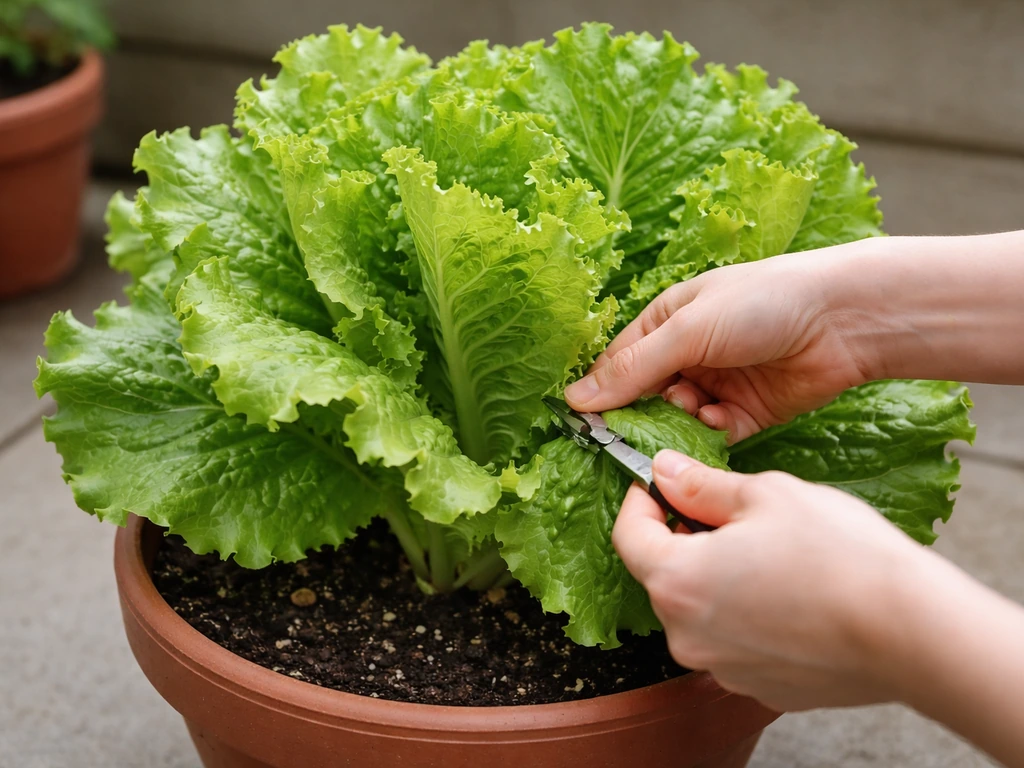
Start harvesting individual outer leaves once plants are 4 to 6 inches tall. Take no more than one-third of the leaves from any plant at a time, always picking from the outside in. This lets the younger inner leaves keep growing. For a more efficient approach, cut the whole plant down to about 1 inch above the soil surface once it reaches 4 to 6 inches. New growth will emerge from the center, and NC Cooperative Extension notes you can get a second, sometimes third cut this way. University of Maryland Extension puts the regrowth window at about 25 to 30 days between cuts under good conditions.
Don't let plants go past their peak. USU Extension warns that delayed harvesting leads to bitter, tough leaves, and once bolting starts, the eating quality deteriorates fast. As soon as you see a central stalk forming, either harvest the whole plant or pull it and replace it with a new sowing.
To keep a steady supply of fresh lettuce from containers, stagger your sowings every 2 to 3 weeks rather than planting everything at once. This is called succession planting, and it's the single most practical change you can make to go from one short harvest window to continuous greens for months. If you have multiple containers, keep one at each stage: germinating, establishing, and actively harvesting. That way you're never waiting more than a couple of weeks for fresh leaves.
Your quick-start plan for a first container harvest
- Choose a container at least 8 inches deep with drainage holes. A 12-inch round pot or a 24-inch window box both work well as a first container.
- Fill with a quality potting mix, not garden soil. Aim for a mix with perlite or pumice for drainage.
- Sow loose-leaf lettuce seeds 1/4 inch deep, spaced about 2 inches apart. Thin to 4 to 6 inches once seedlings emerge.
- Place the container where it will get 5 to 6 hours of sunlight. Morning sun and afternoon shade is ideal if you're in a warm climate.
- Water when the top inch of soil feels dry. In warm weather, check daily.
- Begin harvesting outer leaves once plants reach 4 to 6 inches tall. Take no more than one-third of the plant at a time.
- Start a second container 2 to 3 weeks after the first for a continuous harvest.
Container lettuce is genuinely one of the easiest and most rewarding things you can grow at home. The setup is simple, the turnaround is fast, and once you have a succession planting rhythm going, you'll have fresh salad greens on demand. If you want to go deeper on any part of this, the topics of choosing the best container for lettuce, growing in a planter box specifically, and cut-and-come-again harvesting techniques in containers are all worth exploring as your next steps.
FAQ
Can you grow lettuce in a container without full sun, like on a mostly shaded balcony?
Yes. If you can get at least 3 to 4 hours of direct sun, loose-leaf types usually still produce usable leaves. For best results in low light, keep the container closer to the light source, harvest more often (so plants stay productive), and expect slower growth with paler, thinner leaves during darker weeks.
What size container is too small for lettuce, even if it’s shallow-rooted?
If the container dries out faster than you can water it (for example, wilting within a day after thorough watering), it is too small for your conditions. In that case, step up container volume rather than just adding more water, because very small pots overheat and can stress lettuce into bitterness and bolting.
Should you reuse potting mix from last season for container lettuce?
It’s usually better to refresh rather than fully reuse. Old mix compacts, drains differently, and can carry over pests or diseases. A practical approach is to replace a portion (for example, top 1/3 to 1/2) with fresh potting mix and compost, then monitor drainage and moisture retention before planting the next crop.
How often should you water container lettuce if weather changes day to day?
Use a soil check, not a calendar. Stick a finger about 1 inch into the mix, water thoroughly when that depth is dry, and stop if water is pooling. On windy days or in bright summer sun, you may need more frequent watering than you did earlier in the week, even if temperatures feel similar.
Do you need to fertilize container lettuce, and what’s the risk of overdoing it?
Most container setups benefit from some feeding because potting mix has limited nutrition. If you fertilize, do it lightly and consistently, because too much nitrogen can lead to overly soft growth that’s easier for pests to damage and can worsen mildew pressure in humid weather. If you notice rapid leaf growth with weak structure, pause feeding and rely on light, balanced support.
Can you grow lettuce in containers using hydroponics instead of potting mix?
You can, but it’s a different system. Lettuce does well in hydroponics because roots stay oxygenated, but you must manage nutrient concentration and pH, and you cannot treat it like standard container potting soil. If you want a low-maintenance option, soil-based containers are usually simpler for beginners.
What should you do if your lettuce starts to bolt in the container?
When you see a seed stalk forming, harvest immediately if you still want leaves, then plan to replant because flavor quality drops quickly. To reduce future bolting, move the container into afternoon shade during warm spells, choose slow-to-bolt or heat-tolerant varieties, and increase harvest frequency so plants stay in leafy production rather than rushing to seed.
Why do my lettuce seedlings come up unevenly or slowly?
Most uneven sprouting comes from inconsistent moisture or incorrect temperature. Lettuce seeds germinate best in the mid-60s Fahrenheit range, so avoid sowing into cold, inactive mix. Keep the surface lightly moist during germination, and sow at shallow depth (about 1/4 inch), because seeds planted too deep often struggle.
How do you prevent fungal issues in containers if the weather is humid?
Focus on airflow and dry leaf surfaces. Don’t crowd plants, remove affected leaves promptly, and water at the soil level rather than misting foliage. If powdery mildew keeps returning, switch to mildew-resistant varieties for the next sowing and consider thinning earlier to improve circulation.
Can you harvest lettuce multiple times from the same plant in a container?
Yes, and it’s often the best container strategy. For cut-and-come-again, remove only outer leaves (typically no more than about one-third of the plant at a time), always working from the outside in. This keeps inner leaves growing so you get repeat harvests instead of a single big head.
What’s the best way to manage slugs and other pests in container setups?
Early detection matters. Check nightly or after damp weather, because slugs often appear when conditions are cool and wet. Raising the pot off the ground and using barriers like copper tape around the container rim can help, and knocking aphids off early prevents them from spreading while plants are still tender.