Butter lettuce takes about 55 to 70 days from seed to harvest in most home garden conditions. If you're starting from transplants, you can cut that down to roughly 25 to 40 days from the time you put them in the ground (or in your hydroponic system). Those ranges aren't vague hedging, they reflect real differences in variety, temperature, and growing method that you can actually control.
How Long Does Butter Lettuce Take to Grow? Timeline to Harvest
Marcus Holloway
18 May 2026
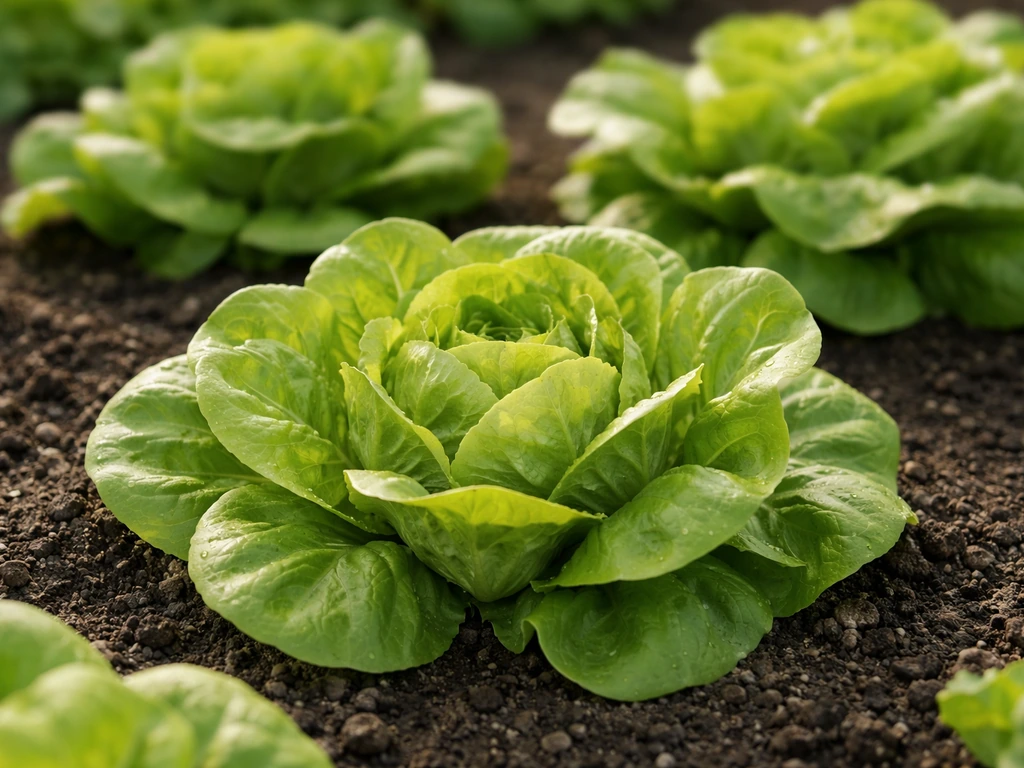
One quick note on naming: 'butter lettuce,' 'butterhead lettuce,' and 'Buttercrunch' are used almost interchangeably in most seed catalogs and gardening guides. Buttercrunch is simply one of the most popular butterhead cultivars. For the purposes of timing and growing guidance, treat them as the same category. Everything in this article applies to all of them.
The butter lettuce growth timeline at a glance
Here's the baseline you can plan around. These numbers assume reasonably good conditions: soil temperatures in the 60–70°F range, consistent moisture, and adequate light.
| Stage | Timeframe from Seed | Notes |
|---|---|---|
| Germination (radicle emergence) | 3–5 days | Faster at 60–70°F soil temp; can germinate as low as 32°F but very slowly |
| Seedling establishment | Days 5–14 | First true leaves appear; needs consistent moisture |
| Leaf and rosette development | Days 14–40 | Outer leaves expand; head begins forming on butterhead types |
| Head fill / near-harvest | Days 40–60 | Loose head fills out; outer leaves firm up slightly |
| Harvest window | Days 55–70 from seed | Pick before any bolting signs appear |
| From transplant to harvest | 25–40 days | Hydroponic systems can be even faster (27–42 days) |
Wisconsin Extension data puts butterhead's days to first harvest at roughly 42 to 70 days, which lines up with what most home gardeners experience. Pinetree and Andrews Seed both list Buttercrunch specifically at about 53 to 65 days from sowing. Purdue's vegetable guides note that butterhead and cos types typically mature in 60 to 70 days, so if you're seeing that number on a seed packet, it's accurate for outdoor garden conditions.
How butter lettuce actually grows, from seed to harvest
Understanding what's happening at each stage helps you recognize when things are on track and when something's wrong. Here's what to expect as your butter lettuce moves through its life cycle.
Germination (days 1–5)
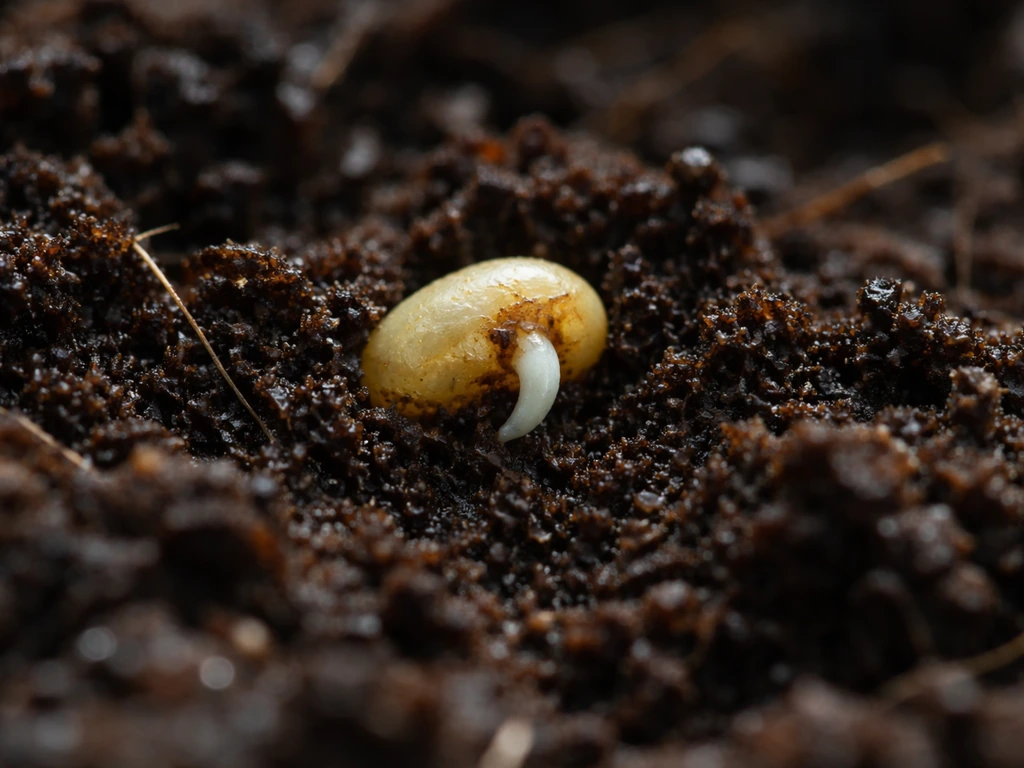
The radicle (the first tiny root) emerges within 3 to 5 days at a soil temperature around 60 to 62°F. Lettuce can technically germinate at temperatures as low as 32°F according to UMass Extension, but don't expect speed at that end of the range. The sweet spot for germination is 60 to 70°F soil temperature. Above 75°F, germination rates drop off noticeably. If you're sowing in summer and wondering why nothing sprouted, heat is usually the culprit.
Seedling stage (days 5–14)
After the radicle, you'll see the first seed leaves (cotyledons) push through the soil, followed by the first true leaves within about 10 to 14 days. To grow butter lettuce from roots, start by establishing healthy plants, then keep temperatures cool and moisture consistent as the roots take hold. This is a delicate stage, keep moisture consistent but don't waterlog the soil. Thin or plan your spacing now because crowded seedlings will fight for light and nutrients from day one.
Vegetative and rosette growth (days 14–40)
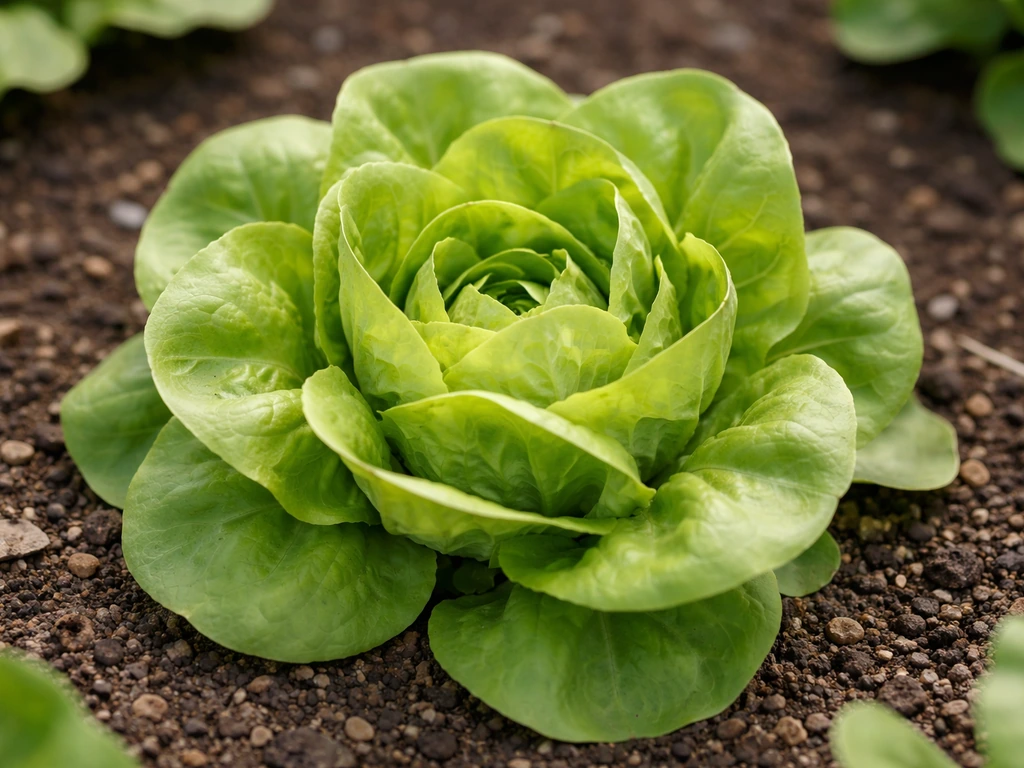
This is where the plant puts on most of its leaf mass. Butterhead types start to cup and overlap their leaves inward, forming the loose, soft head they're known for. Growth during this phase is heavily temperature-dependent, cool nights around 50°F and daytime highs in the 60s are ideal. This stage is also when nutrient availability matters most, so if your soil is light on nitrogen, you'll see slow, stunted growth.
Head fill and harvest window (days 40–70)
Butter lettuce doesn't form a tight, dense head like iceberg. What you're looking for is a loose, cupped rosette of tender, slightly waxy leaves. When the head feels full but still soft and the inner leaves are pale yellow-green, it's ready. Don't wait for it to look like a grocery store head, it won't. If you see the center starting to elongate or any hint of a stalk forming, harvest immediately, as bolting has begun. USU Extension cautions that high temperatures of 80°F or more after establishment can trigger bolting and seed head formation in many lettuce crops harvest immediately, as bolting has begun.
What changes how long it takes
The 55 to 70 day baseline assumes average conditions. Several factors can push you toward the fast end or slow you down significantly.
Temperature is the biggest lever
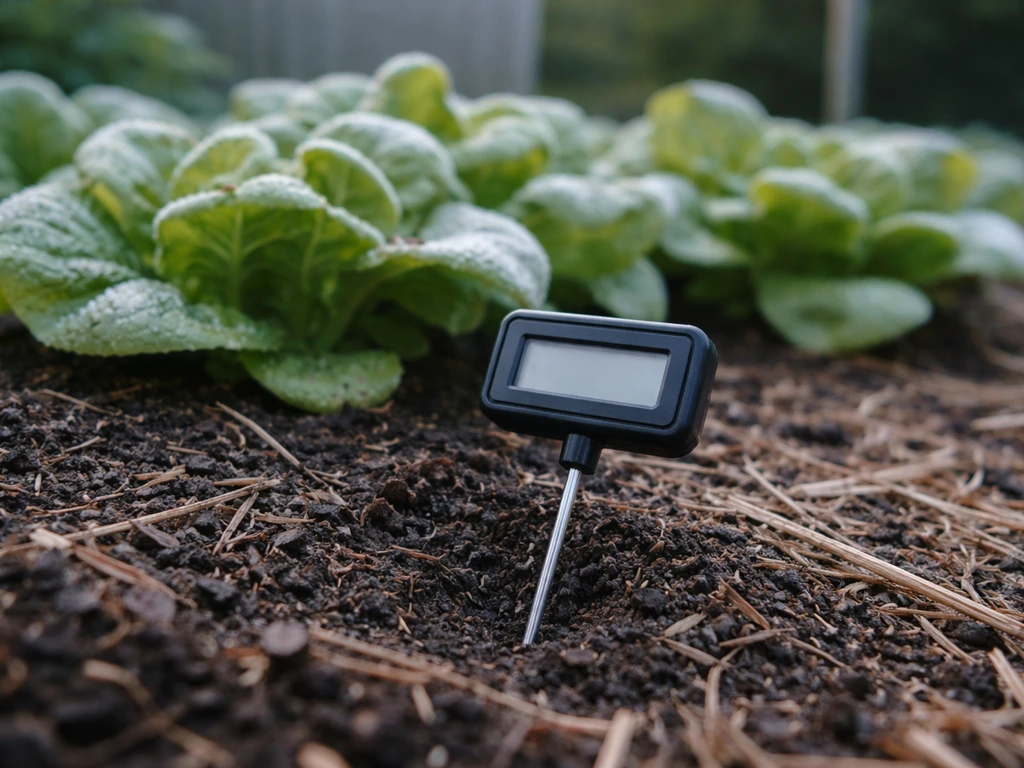
Butter lettuce grows best when nighttime temperatures stay around 50°F and daytime highs stay under 68°F, according to University of Minnesota Extension. If you want a step-by-step guide, see butter lettuce how to grow for everything from sowing to harvest timing. If your days are consistently above 75°F, expect problems: blank" rel="noopener noreferrer">bolting risk rises sharply, and once temperatures exceed 80°F, lettuce may send up a flowering stalk within days. At that point, the flavor turns bitter and the harvest window closes fast. On the cool side, temperatures below 50°F at night slow everything down but don't ruin the crop. Cold can actually intensify sweetness.
Light
Lettuce needs good light but is more tolerant of partial shade than many vegetables. Outdoors, 6 hours of direct light works well. In low-light conditions (a shaded patio, a dim indoor window), growth slows noticeably and plants become leggy. If you're growing indoors under LEDs or fluorescents, plan for 12 to 16 hours of light per day to compensate for lower intensity.
Variety differences
Within the butterhead family, there's real variation. Buttercrunch is listed at 53 to 65 days by most seed companies. Other butterhead varieties can run from 55 to 75 days. Always check the days-to-maturity on your specific seed packet, and note whether those days are calculated from direct seeding (which most are, including Territorial Seed's Buttercrunch listing). If you're using transplants, subtract roughly 3 to 4 weeks from that number to estimate time in the garden.
Soil quality and nutrition
Nitrogen is the nutrient that matters most for leafy lettuce growth. Nitrogen-deficient butter lettuce shows up as stunted plants with overall pale, yellowish leaves, the whole plant looks washed out, not just the older leaves. USU Extension recommends applying nitrogen fertilizer about 4 weeks after transplanting, or at thinning time if you direct-sowed. Don't wait until you see deficiency symptoms to fertilize; by then, you've already lost time.
Spacing and crowding
Overcrowding is one of the most common reasons butter lettuce takes longer or never forms a proper head. Illinois Extension recommends thinning butterhead and Bibb types to 6 to 8 inches apart. Wisconsin Extension and USU both suggest 8 inches between plants with 12 to 18 inches between rows. UMD Extension's range goes up to 10 inches in-row for butterhead. My rule of thumb: thin early and thin ruthlessly. It feels wrong to pull perfectly good seedlings, but those extra plants will cost you in the long run.
Seeds vs. transplants
Starting from transplants is the fastest path to harvest. If you start seeds indoors 3 to 4 weeks before your transplant date, those seedlings hit the garden already past the slow seedling stage. Purdue notes that butterhead can be harvested about 4 weeks after transplanting (versus 7 weeks from seed sown directly outdoors). For hydroponic systems, Purdue Extension puts harvest at 25 to 35 days after transplanting into the system, even faster.
How your growing method changes the timeline
| Growing Method | Typical Days to Harvest | Key Timing Notes |
|---|---|---|
| Outdoor garden bed (direct seed) | 55–70 days from sowing | Soil temp and season matter most; spring and fall plantings work best |
| Outdoor garden bed (transplants) | 28–40 days in garden | Start seeds indoors 3–4 weeks earlier; total ~55–70 days from seed |
| Containers outdoors | 55–70 days from seed | Soil dries faster; monitor moisture closely; temps in pots rise quickly |
| Indoor grow lights (soil/containers) | 45–65 days from seed | Stable temps accelerate growth; 12–16 hrs light per day needed |
| Hydroponic (indoor) | 25–42 days after transplant | Fastest method; Bibb types can start harvest as early as day 27–35 |
Outdoor beds
This is the most variable environment. Spring and fall are your best windows in most climates, aim to have your crop maturing before daytime highs consistently exceed 75°F. In spring, count back 60 to 70 days from your expected first hot stretch and sow accordingly. In fall, count back from your first hard frost date. Butter lettuce can handle light frost, so fall timing gives you a bit more flexibility at the tail end.
Containers
Container growing works well for butter lettuce because you can move pots to manage temperature and light. The catch is that containers dry out faster and heat up more than in-ground beds. On a warm day, a dark container sitting in full sun can have soil temperatures well above air temperature, hot enough to stress roots and trigger premature bolting. Use light-colored containers and check moisture daily once the plant hits the vegetative growth phase.
Hydroponic and indoor systems
Indoor hydroponic growing removes most of the weather variables and speeds things up considerably. Commercial and home hydro systems typically see harvest in 25 to 42 days after transplanting, with some tabletop systems like Rise Gardens indicating harvest can start from day 27. The key is keeping nutrient solution at the right concentration and maintaining air temperature in the mid-60s°F during the day and 55 to 60°F at night, similar targets to what Ball Seed's commercial GrowerFacts use. If you're growing butterhead lettuce indoors under lights, stable cool temperatures and consistent nutrients will reliably beat outdoor timing.
Step-by-step: how to hit your target harvest date
Here's the practical approach I'd use from day one. how to grow butterhead lettuce step-by-step. Work backwards from when you want to harvest and forward from when you're planting.
- Pick your target harvest date and count back 60 days. That's your sowing date for direct seeding outdoors. If you want to use transplants, count back 60 days but plan to start seeds indoors at the 35-day mark before transplanting.
- Sow seeds at 1/4 inch depth (up to 1/2 inch if your soil is very loose). Press the soil gently — lettuce seeds need good contact but don't like being buried deep. Sow a few extra seeds per spot since not all will germinate.
- Keep soil temperature in the 60–70°F range during germination. If you're starting indoors, a seedling heat mat set low can help. Expect radicle emergence in 3 to 5 days under these conditions.
- Thin seedlings to 6 to 8 inches apart (butterhead types) once they have their first true leaves, roughly 10 to 14 days after germination. If you're in a full outdoor row setup, space rows 12 to 18 inches apart. Thinning early prevents competition and speeds overall development.
- Water consistently. Lettuce has shallow roots and can't pull moisture from deep in the soil. Keep the top inch of soil moist but not waterlogged. In containers, check daily and water whenever the top inch feels dry.
- At thinning time (or 4 weeks after transplanting), apply a nitrogen-containing fertilizer. A balanced liquid fertilizer or a granular vegetable fertilizer scratched into the soil surface works fine. This is the growth phase where nitrogen makes the most difference.
- Watch your temperatures. If forecasts show several days above 75°F, consider shade cloth during the hottest part of the day. For containers, move them to a shadier spot temporarily. For outdoor beds, a floating row cover used as shade (not for frost protection) can buy you extra days before bolting.
- Harvest when the head is full and leafy but before any center elongation starts. For butter lettuce, that means a loose cupped rosette with pale, tender inner leaves. Don't wait for a tight, firm head — that's not how butterhead grows.
When your butter lettuce is growing slowly (and what to do)
If you're past day 30 from sowing and your plants look small and stalled, work through this checklist before assuming the crop is a loss.
Check temperature first
Temperature is responsible for more slow-growth problems than anything else. If your nights are dropping below 45°F consistently or your days are running above 75°F, growth will stall or the plant will redirect energy into bolting. For cold conditions, a row cover can raise temperatures by 4 to 8°F. For heat, shade cloth rated for 30 to 40% shade reduction is your best option.
Look at the leaves for clues
- Pale yellow-green overall, stunted plant: nitrogen deficiency. Apply a balanced liquid fertilizer immediately and consider side-dressing with a granular nitrogen source.
- Leggy, stretched stems reaching toward the light: not enough light. Move containers, thin overhead obstruction, or add supplemental grow lights for indoor setups.
- Wilting despite wet soil or rotted base: overwatering or poor drainage. Ease up on watering, improve drainage, or repot container plants into fresh mix.
- Small, dark, tough leaves: heat stress. The plant is conserving resources. Provide shade and check if bolting has already begun at the center.
- Good-looking plant but no head forming after day 40: spacing issue. If plants are closer than 6 inches, they likely won't form proper heads. You can harvest individual outer leaves and let the rest of the plant continue.
Know when to harvest early rather than wait
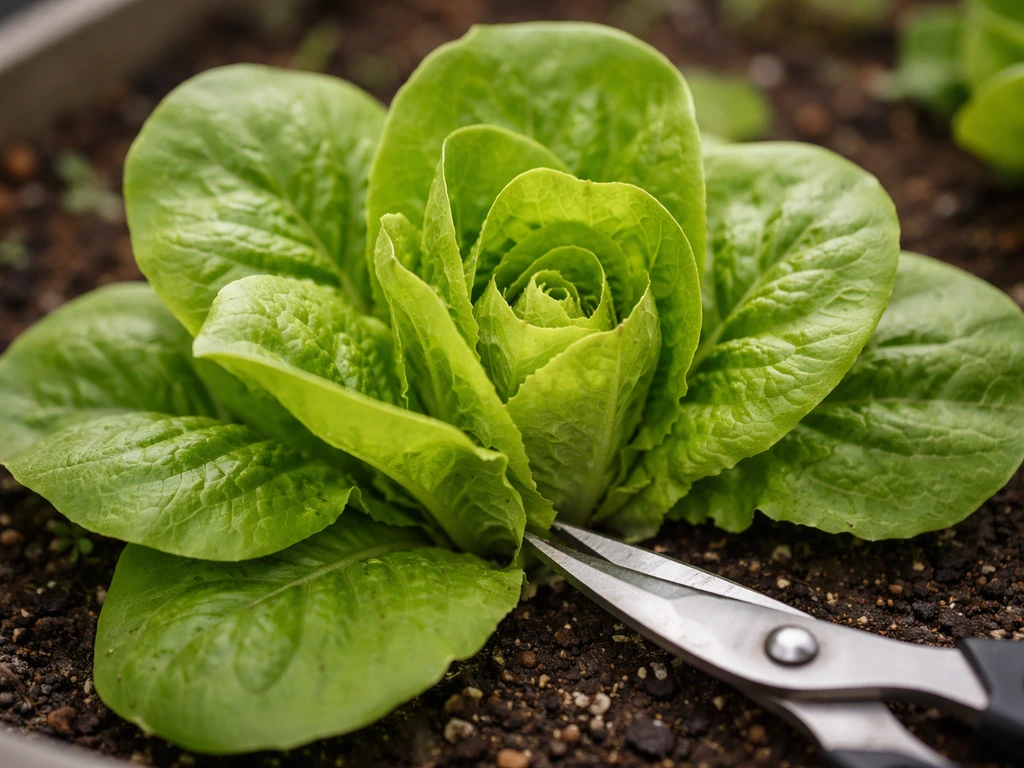
One thing I've learned the hard way: butter lettuce rewards early harvesting far more than patient waiting. If you see the center starting to push upward, even slightly, don't wait another week hoping it fills out more. Cut it. Once bolting starts, bitterness sets in fast and the texture changes. A smaller head harvested at day 50 will taste better than one you waited on until day 70 and lost to bolting. Size and texture tell you more than the calendar does: a loose, cupped, soft head with pale inner leaves is ready, full stop.
Also worth knowing: you don't have to harvest the whole plant at once. Butter lettuce responds well to cut-and-come-again harvesting where you take outer leaves and let the center keep growing. This effectively extends your harvest window by a week or two beyond that initial maturity date, which is especially useful in containers or when space is limited.
Planning multiple harvests with succession sowing
One planting of butter lettuce gives you a relatively short harvest window before it bolts. The smarter approach is to sow every 2 to 3 weeks through the cool season so you always have a planting coming up just as the previous one finishes. In spring, you can typically get 2 to 3 successions in before heat shuts things down. Fall planting can extend into early winter in mild climates. If you're growing indoors with temperature control, succession planting becomes even more powerful because you're not constrained by season at all.
Whether you're growing a standard butterhead variety, Buttercrunch specifically, or experimenting with other butterhead cultivars, the core timeline and care approach stays the same. The details on spacing, transplanting technique, and variety selection for different settings are worth digging into further if you want to optimize beyond the basics covered here.
FAQ
Why is my butter lettuce taking longer than the 55 to 70 day timeline?
The most common causes are nighttime temps staying below about 45°F or frequent daytime highs above 75°F, both of which slow leaf growth or trigger bolting. A second frequent issue is overcrowding, which reduces light and airflow, so thin to the recommended in-row spacing early. Also check nitrogen, if plants look uniformly pale and stunted, growth can lag even when temperatures are fine.
Can I harvest butter lettuce earlier than the “days to maturity” on the seed packet?
Yes. For butterhead, you can start harvesting when the rosette feels full but the inner leaves are still pale and soft. Waiting until it looks more like a tight supermarket head can backfire because butter lettuce can elongate quickly once bolting begins, and taste turns bitter fast.
How do I tell the difference between normal cupping and early bolting?
Normal readiness looks like a loose, cupped rosette with overlapping leaves and no visible stalk. Early bolting signals include the center starting to lift, an obvious upright elongation, or a developing stem-like structure in the middle. If you see any center lift, harvest immediately rather than waiting for “perfect size.”
What should I do if seeds sprout but seedlings stall for a week or more?
First, verify soil temperature is in the 60 to 70°F germination sweet spot, and that it is not spiking above about 75°F in the day. Next, make sure the soil stays consistently moist but not waterlogged, then thin promptly. If growth is pale across the whole plant at that point, you may need nitrogen rather than just more water.
Does butter lettuce grow faster in containers than in the ground?
It can, but containers often grow slower during heat waves because they warm and dry faster, which can push plants toward bolting. If you use a container, choose a light-colored pot and check moisture daily once the plants are actively growing. Otherwise, the timeline may slip compared with a well-managed in-ground bed.
How late in the season can I plant butter lettuce and still harvest?
Plan based on avoiding sustained daytime highs above 75°F. A practical method is to count back from your expected first consistent hot stretch in spring, or from your first hard frost date in fall. Butter lettuce tolerates light frost, but quality declines if it experiences long warm spells that trigger bolting before maturity.
Is cut-and-come-again harvesting better than one-time harvest for flavor and yield?
It can extend your harvest window. Taking outer leaves while leaving the center can buy roughly an extra week or two if temperatures stay cool. However, once the center starts elongating, cut-and-come-again will not stop bitterness, so switch to full harvest as soon as bolting signs appear.
Why are my inner leaves turning pale or yellow even though the plant is growing?
Pale inner leaves can be a normal indicator that the head is at a harvestable stage, especially for butterhead types. If the entire plant is uniformly yellowish or washed out, that points more toward nutrient issues, commonly low nitrogen, rather than a normal coloration shift.
Can I grow butter lettuce indoors, and what changes to the timeline should I expect?
Indoor growing under lights usually shortens time because you can hold temperatures consistently cool and avoid weather swings. In general, you should expect faster harvest only if you also give enough light duration (often 12 to 16 hours with common setups) and keep nutrients balanced, otherwise the plants can become leggy and lag behind the expected schedule.
What’s the best spacing to prevent delayed heading?
Thin early and to the right in-row distance, typically around 6 to 8 inches for butterhead in many guidance ranges, with wider spacing possible depending on variety and row setup. Crowding is a top reason for slow growth and poor head formation, because plants compete for light, airflow, and soil nitrogen.
If I’m using transplants, when should I plan my harvest relative to transplant day?
Use the packet’s days-to-maturity to estimate garden time, then adjust by subtracting about 3 to 4 weeks when using transplants. As a rule of thumb from transplant day, butterhead harvest often occurs around the one-month mark in good conditions, and hydroponic systems can be faster if temperatures and nutrient strength are stable.