Yes, you can regrow butter lettuce from its roots, and it actually works pretty reliably if you start with a fresh crown. Save the base of a head you just harvested or bought at the store, keep about an inch of stem attached to the roots, and either set it in a shallow dish of water or plant it directly into moist soil.
How to Grow Butter Lettuce From Roots: Step-by-Step
Marcus Holloway
13 May 2026
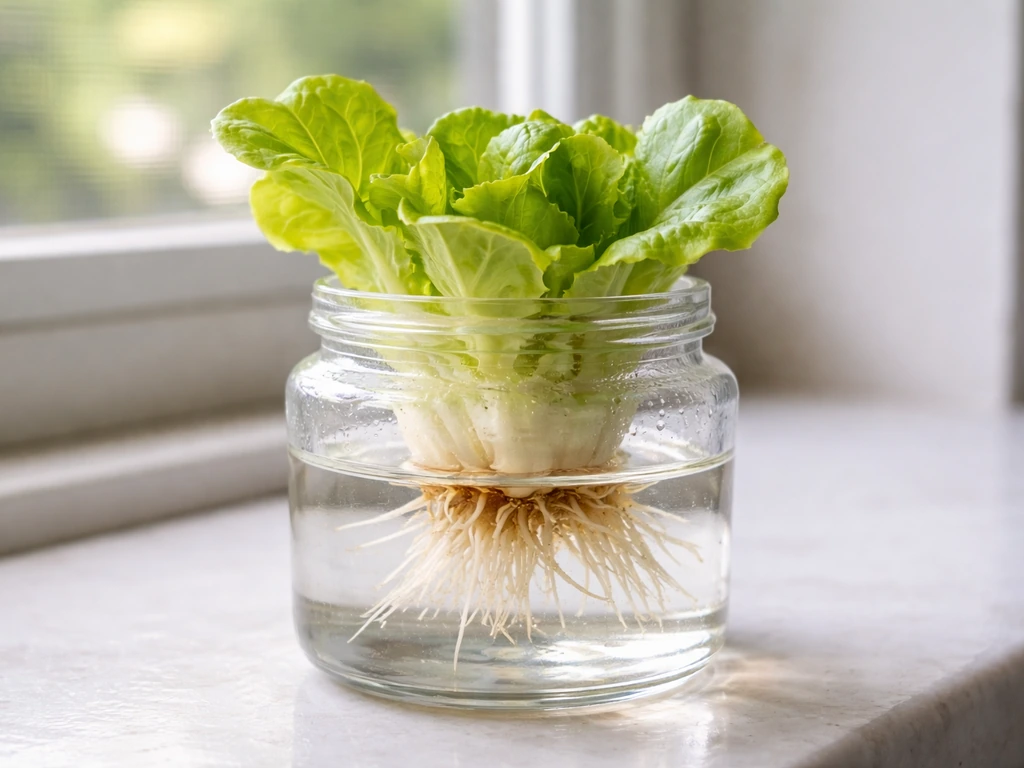
If you want tighter, more consistent heads, you can also learn how to grow buttercrunch lettuce from seed with the right light, soil, and temperature. Within 3 to 7 days you'll see new leaves pushing out from the center. You won't get a full second head every time, but you'll get enough fresh leaves for salads, and with the right conditions you can repeat the process several times before the plant gives up.
If you want to grow butterhead lettuce beyond just regrowing, the next step is starting with proper seed or starter plants and following the full care routine fresh leaves for salads.
Can butter lettuce regrow from store-bought roots
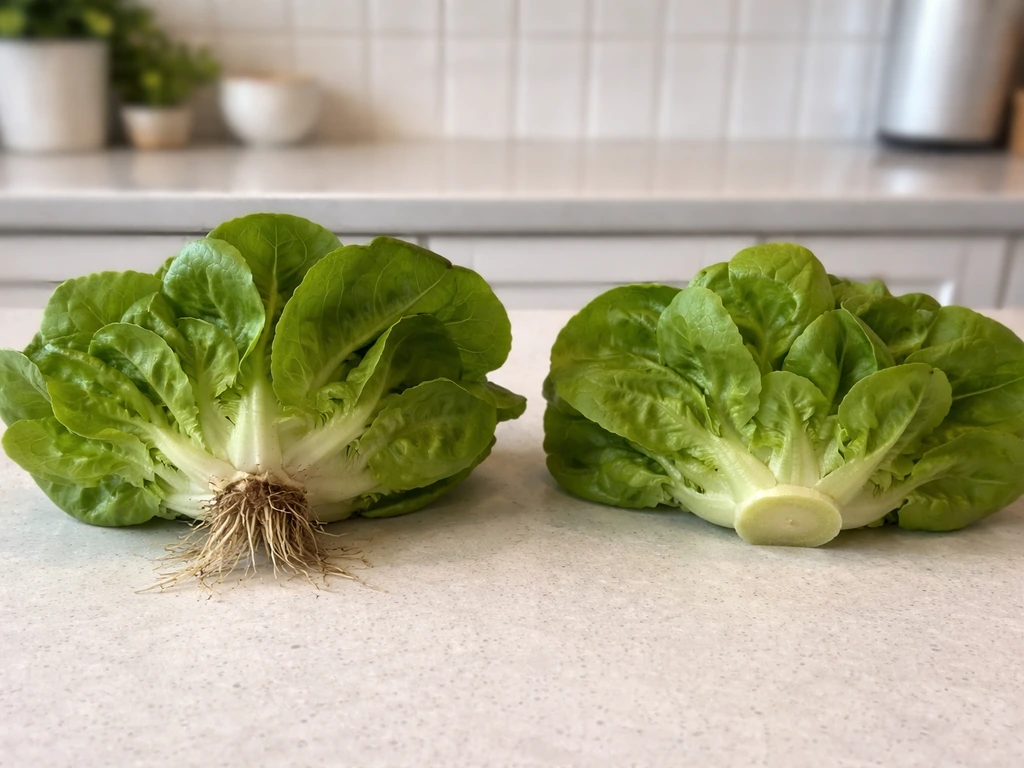
Store-bought butter lettuce with the root base still attached can absolutely regrow. The key word is 'attached.' If the crown (the dense, pale base where the leaves meet the stem) is intact and the roots are still there, even in trimmed form, the plant has what it needs to push out new growth. Butter lettuce is a butterhead type, which makes it one of the better candidates for this kind of regrowth because it forms a compact rosette from a single crown rather than spreading across multiple stems.
What you're really working with is a living crown, not just a root. The crown holds the meristematic tissue, which is the part that actually generates new leaves. As long as that center point is undamaged and not rotted, regrowth is possible. Roots help anchor the plant and absorb water, but even crowns with very short stub roots can sprout when placed in water. That said, the more root material you save, the faster and stronger the regrowth tends to be.
One honest caveat: regrowth from a store-bought crown is going to give you loose outer leaves and new inner growth, not a tight full head like you started with. Think of it as a cut-and-come-again situation rather than a full head replacement. If you want consistent full heads, growing from seed is the better path. But for quick, low-effort fresh leaves from something you were about to compost, regrowing from roots is hard to beat.
Preparing the roots and materials for re-growth
Before you put your crown anywhere near water or soil, a little prep work goes a long way. Here's what to gather and how to set yourself up for success.
What to save from the lettuce
When you cut or pull your butter lettuce, leave at least 1 to 2 inches of stem below the lowest leaves. If roots are attached, keep them. If you're working with a store-bought head that was cut clean, you'll just have the crown stub, which is fine. Peel off any wilted, slimy, or yellow outer leaves right down to firm tissue. You want clean, healthy-looking stem material with the pale growing center visible.
Trimming and cleaning
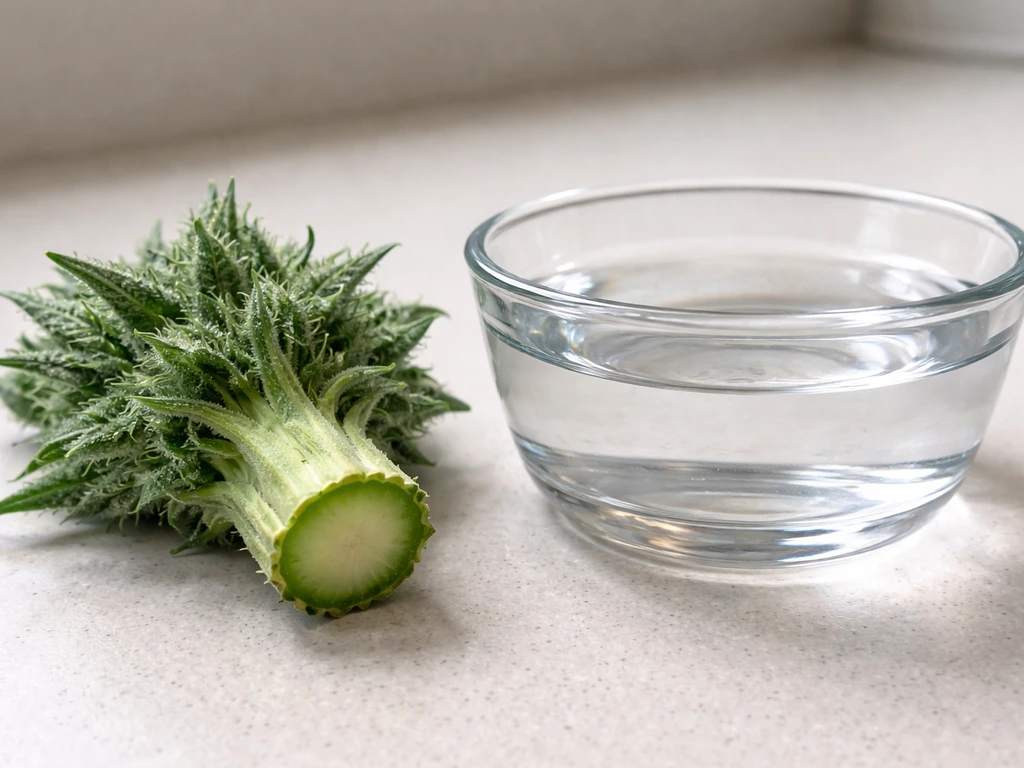
Rinse the crown gently under cool water to remove any soil or debris. If the cut end looks brown or dried out, trim it back lightly with a clean knife to expose fresh tissue. Avoid cutting into the crown itself. The goal is a clean base without damaged or decaying material, since any rot on the cut end can spread upward quickly once the crown is sitting in moisture.
Choosing your growing method and materials
- Water method (quick start): A shallow bowl or glass with about half an inch to one inch of water. No soil needed at first. Good for checking if the crown is viable before committing to a container.
- Soil/container method (best for sustained growth): A small 4- to 6-inch pot filled with a light, well-draining potting mix. Seed-starting mix or a mix of potting soil and perlite (roughly 3:1) works well. Avoid heavy garden soil in containers because it holds too much moisture around the crown.
- Outdoor garden bed: Works well if temperatures are between 45°F and 75°F (7°C to 24°C). Prepare loose, amended soil and plant the crown at soil level, not buried deep.
- Hydroponic or water-culture style: Set the crown in a net cup or small holder over a reservoir with diluted liquid nutrients. Change water every 2 to 3 days to prevent stagnation.
Step-by-step: growing butter lettuce from roots (indoors or outdoors)
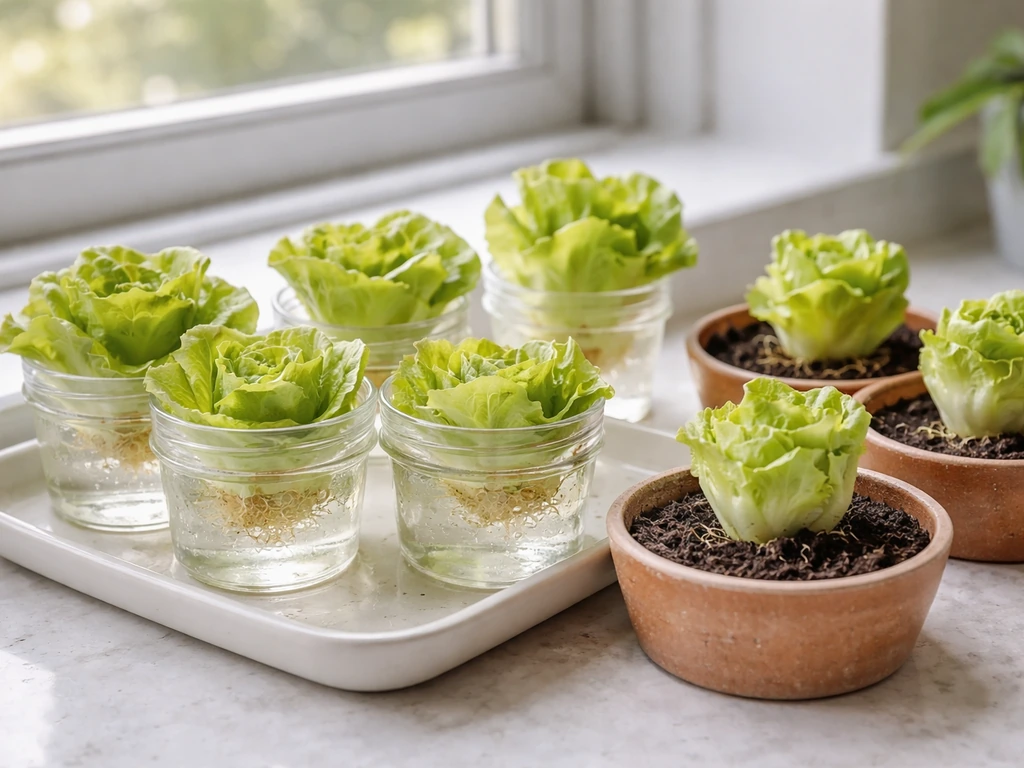
- Prepare the crown: Trim away any damaged outer leaves and clean the base as described above. You should be left with a firm, pale crown with either stub roots or short trimmed roots still attached.
- Choose your method: Water glass for a quick test, small container for indoor growing, or a prepared garden bed or raised bed for outdoor growing.
- Water method start: Place the crown cut-side down in a shallow dish with about half an inch of water. The water should touch the base of the crown but not submerge it. Set it on a bright windowsill.
- Change the water daily or every other day. Stagnant water breeds rot fast, especially in warm indoor conditions.
- Watch for new root growth and leaf sprouts within 3 to 7 days. Once you see 2 to 3 new leaves and roots that are at least half an inch long, the crown is ready to transplant into soil if you want continued growth beyond a few leaf pickings.
- Soil method (indoors or outdoors): Plant the crown so the base sits right at the soil surface. Do not bury the crown or pack soil tightly against it. Firm the soil gently around the roots and water lightly.
- For outdoor planting, space crowns at least 6 to 8 inches apart to allow airflow and room for leaf expansion.
- Water immediately after planting, then let the top inch of soil dry slightly before watering again. Overwatering at this stage is the most common cause of crown rot.
- Keep the setup in bright, indirect light for the first few days while roots establish, then move to full light (more on this in the next section).
- Expect harvestable outer leaves in 10 to 14 days indoors, or 7 to 10 days outdoors in ideal cool conditions.
Light, temperature, and container setup for fastest regrowth
Light
Butter lettuce wants bright light but not intense, scorching sun. Indoors, a south- or east-facing windowsill that gets 4 to 6 hours of direct light per day is ideal. If your space doesn't offer that, a grow light set 4 to 6 inches above the crown for 12 to 14 hours a day works extremely well. Avoid going much beyond 14 hours of light, as long photoperiods combined with heat are exactly the conditions that trigger bolting, which makes leaves bitter and stops productive leaf growth.
Temperature
The sweet spot for butter lettuce regrowth is 60°F to 70°F (15°C to 21°C). It will tolerate a bit lower (down to about 45°F/7°C) and still grow, just more slowly. Once temperatures consistently push above 75°F to 80°F (24°C to 27°C), bolting risk climbs sharply, especially when paired with long days. Indoors in late spring or summer, this means keeping regrowing crowns away from heat sources and out of direct afternoon sun through west-facing windows. Outdoors, regrowing in fall, late winter, or early spring gives you the best window.
Container setup
For a single crown, a 4- to 6-inch pot is enough. For multiple crowns (which is a great idea if you want continuous harvests), use a rectangular planter at least 8 inches wide and 6 inches deep, spacing crowns 6 inches apart. Make sure your container has drainage holes. A container that holds standing water at the bottom is a crown rot setup. If you're using a cache pot or decorative outer pot, empty it after watering so the inner pot doesn't sit in water.
Watering, feeding, and spacing for healthy heads
Watering
Water when the top inch of soil feels dry to the touch. For most indoor setups, that means every 2 to 3 days. Outdoors in cool weather, every 3 to 4 days is typical unless you get rain. Always water in the morning rather than evening.
This matters because wet crowns that stay damp overnight are prime targets for Botrytis (gray mold and crown rot), which thrives in sheltered, humid conditions around the base of the plant. UC IPM recommends reducing Botrytis (gray mold) and crown rot risk by [keeping beds and surfaces as dry as possible](https://ipm. ucanr. edu/PMG/GARDEN/VEGES/DISEASES/lettucebotrot.
html), watering in a way that allows drying (such as morning or early day), harvesting before rainy or humid periods, and removing diseased plants. Morning watering gives the crown time to dry out during the day.
When watering, aim at the soil rather than directly onto the crown. Bottom watering (setting the pot in a tray of water for 15 to 20 minutes and letting the soil wick it up) works great for container-grown regrowth crowns and keeps the crown itself dry.
Feeding
For short-cycle regrowth (just getting a few pickings over 2 to 3 weeks), you can skip fertilizer entirely if your potting mix is reasonably fresh. If you want to push the plant for longer or you're growing in depleted soil, a diluted liquid nitrogen-focused fertilizer (like a fish emulsion or balanced liquid feed at half strength) every 7 to 10 days is plenty. Don't over-fertilize: too much nitrogen on a small regrowing crown can produce lush, weak growth that's more susceptible to disease and pests.
Spacing
Crowns packed too close together stay wet longer and compete for light, which leads to leggy, pale growth. Give each crown at least 6 inches of space in a container or garden bed. Outdoors in a bed, 8 inches between crowns gives better air circulation, which directly reduces crown rot and mold risk.
Troubleshooting when roots don't sprout or leaves turn bad
| Problem | Likely cause | What to do |
|---|---|---|
| Crown goes slimy or rots at the base | Sitting in too much water, poor drainage, or damaged tissue left on the crown | Trim back to clean tissue, let dry for a few hours, restart in fresh water or dry potting mix. Water less and avoid wetting the crown directly. |
| No new growth after 7 to 10 days | Crown too cold, crown kept in low light, or the crown was already stressed/damaged before you saved it | Move to a warmer, brighter spot. Check that the growing center isn't brown or mushy. If it is, the crown is lost. |
| New leaves are pale or very small | Not enough light, or roots haven't established enough to support leaf growth yet | Increase light duration or intensity. Be patient for the first week as roots establish. |
| Leaves taste very bitter | Heat stress or the plant is starting to bolt | Move to a cooler spot. Harvest immediately before flavor gets worse. Once bolting starts it can't be reversed. |
| Leaves turn brown at the edges | Inconsistent watering, low humidity indoors, or fertilizer burn | Check soil moisture more regularly. If using fertilizer, dilute further. Mist lightly or place a tray of water nearby to raise local humidity. |
| Gray fuzzy mold on the crown or base | Botrytis crown rot from excessive moisture, poor airflow, or damaged tissue | Remove affected leaves immediately. Improve airflow around the plant. Water only in the morning. Remove badly affected crowns entirely to prevent spread. |
| Crown sprouts then stops growing after a week or two | Normal behavior for a one-time regrowth cycle, or nutrient depletion in the medium | Add a diluted liquid feed. Understand that some crowns only have one strong regrowth cycle before they're spent. |
Harvest timing and how to get repeat cuttings
Start harvesting outer leaves as soon as they're big enough to use, usually 10 to 21 days after planting the crown depending on your conditions. Don't wait for a full head to form because, with regrowing crowns, you'll often get a rosette of looseleaf-style growth rather than a tight butterhead. Pick outer leaves first and leave the inner growing point untouched. This cut-and-come-again approach can extend your harvest window by several weeks.
For repeat cuttings, always leave at least 4 to 6 leaves on the plant at any one time so it can continue photosynthesizing and pushing new growth. A good rule of thumb: take no more than one-third of the leaves in any single harvest. The plant can usually sustain 2 to 4 harvest cycles from a single crown before growth slows significantly or the plant bolts.
If your regrowing crown starts sending up a thick central stalk (the telltale sign of bolting), harvest everything immediately and compost the crown. Once bolting begins, the leaves turn increasingly bitter and the plant stops producing tender growth. To avoid this, keep temperatures below 75°F and don't push light exposure beyond 14 hours per day, especially in late spring and summer.
To keep fresh lettuce coming continuously, stagger your crowns so you're starting a new one every week or two while an earlier one is being harvested. If you find yourself interested in growing fuller heads rather than relying on regrowth alone, starting new plants from seed is the natural next step. If you want to learn the full process for starting butter lettuce, use this guide on butter lettuce how to grow.
The regrowth method is a great way to get familiar with what butter lettuce needs before committing to a full growing cycle, and the conditions you've dialed in for your regrowing crowns are the same ones you'll use for growing from scratch. If you are growing from seed instead of regrowing a crown, you can also look up how long does buttercrunch lettuce take to grow for more exact timing.
FAQ
Can I regrow butter lettuce from a store-bought base if the roots are mostly gone or trimmed short?
If the crown is intact but only a short, dried root stub is attached, it can still work, especially in water. Trim off clearly brown or slimy cut tissue, then keep the meristem (the dense pale center) dry as possible between waterings. In practice, regrowth is slower with minimal roots, and you may get a smaller rosette and fewer harvest cycles before it fades.
What’s the best way to set up butter lettuce crowns in water without causing rot?
Yes. For water regrowth, use a shallow container so the roots are wet but the crown sits above the water line. Change the water every 1 to 3 days to prevent bacterial buildup, and use cool, room-temperature water. Once new leaves are a few inches long, you can move to soil to reduce rot risk and improve growth.
My regrowing crowns stay wet and look mushy, what should I change?
Pick a place where the crown dries during the day. Morning watering helps, but you can also reduce splash on the crown by watering the soil directly or using bottom watering. If you notice persistent dampness at the base, loosen the potting mix slightly around the crown and improve airflow (a small fan near the plants can help).
How do I tell if my butter lettuce is bolting, and what should I do right away?
If you see a thick central stalk or the plant suddenly elongates, bolting is starting. Immediately harvest the leaves you can use, then remove and compost the crown because further leaf growth will turn bitter and tough. To prevent it next time, keep temperatures under about 75°F, avoid long light cycles beyond 14 hours, and shift crowns away from hot afternoon sun.
Should I fertilize regrowing butter lettuce, and how do I avoid overdoing it?
Don’t fertilize heavily. For regrowth, start with none if your mix is fresh, and only add a light nitrogen-leaning feed at half strength if growth stalls. If leaves come out very soft, pale, and fast but the crown stays prone to rot, that’s often overfeeding plus moisture, so stop fertilizer and focus on drier crown conditions.
Why did my regrowing butter lettuce slow down after the first harvest?
A common issue is harvesting too much at once. Always leave at least 4 to 6 leaves on the plant and take no more than about one-third per harvest. If growth pauses, wait for new leaves to regrow to a usable size before the next cut, and check that light and watering schedules are consistent.
Will regrowth produce a full, tight butterhead again like the original?
It’s normal to get loose outer leaves and a compact rosette rather than a perfect second full head. If you want tighter heads, start new plants from seed or starters. Regrowth is best treated as cut-and-come-again for fresh leaves, not a guaranteed head replacement.
What spacing should I use when growing multiple butter lettuce crowns at once?
Space is partly about light, but it also controls moisture around the crown. Give each crown about 6 inches of breathing room in containers, and about 8 inches in garden beds if you’re aiming to keep foliage dry and prevent mold. Crowding creates a humid microclimate that can end regrowth early.