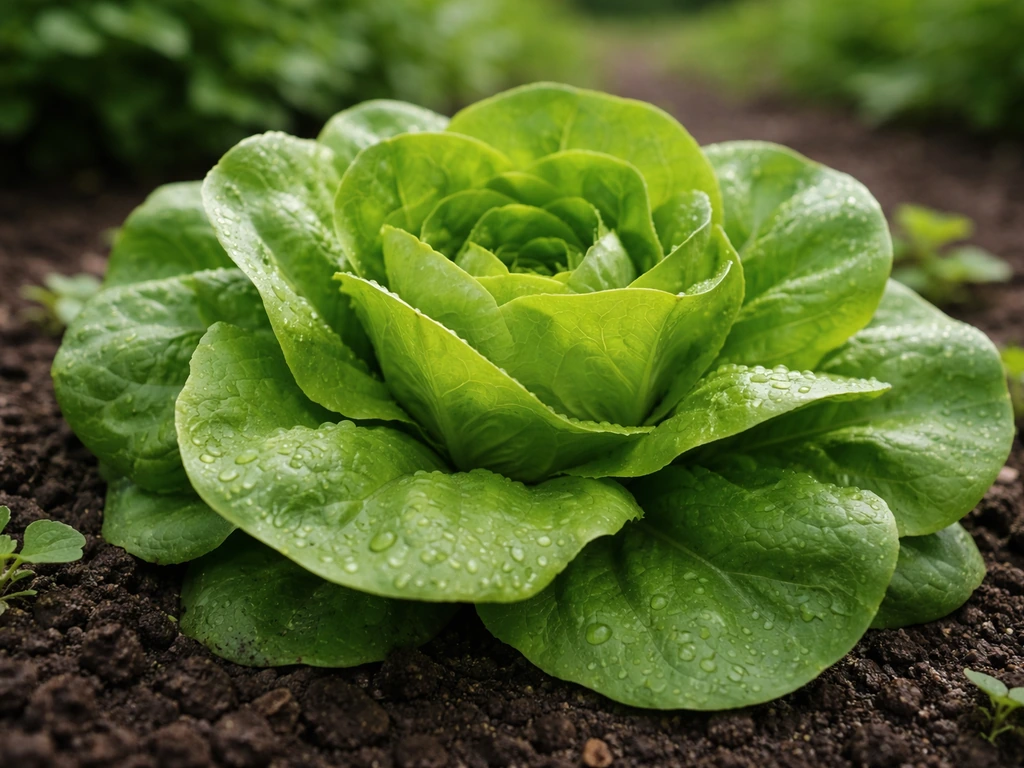
Buttercrunch lettuce takes about 65 days from seed to a full, harvestable head, with germination happening in 4 to 10 days depending on soil temperature and moisture. Gurney’s seed listing for Buttercrunch also gives a germination window of 7 to 10 days germination of 7 to 10 days. If you start transplants indoors 3 to 4 weeks early and then move them outside, you can cut that outdoor time down considerably and expect your first full heads around 5 to 6 weeks after transplanting. You can start picking outer leaves even earlier, usually around 30 to 40 days from sowing, once plants have a decent rosette going.
How Long Does Buttercrunch Lettuce Take to Grow?
Marcus Holloway
17 May 2026
How buttercrunch lettuce actually grows
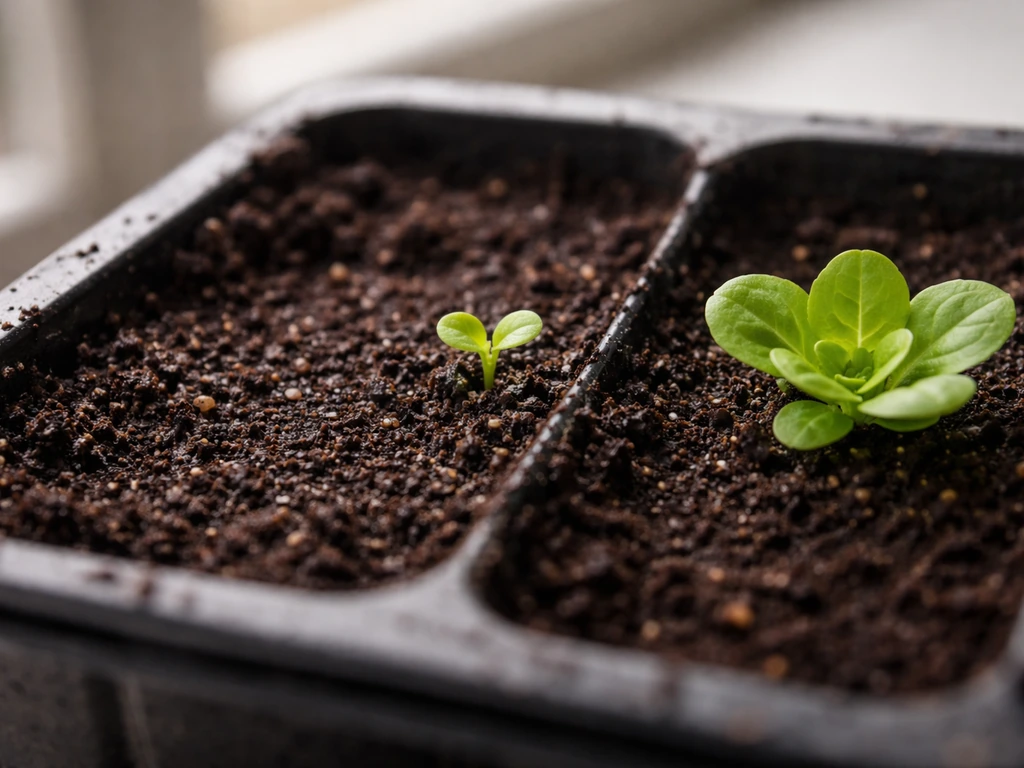
Knowing the stages helps you figure out exactly where your plant is and whether it's on schedule. Buttercrunch moves through six distinct phases: seed, cotyledon, seedling, rosette, cupping, and heading. Each stage has a rough time checkpoint you can use to gauge progress.
- Seed stage: Nothing visible yet. Germination begins the moment the seed absorbs water at the right temperature. Keep soil moist and between 55°F and 70°F and you'll see sprouts in 4 to 10 days.
- Cotyledon stage: The first two tiny seed leaves appear. This happens almost immediately after germination and lasts only a few days. The plant is just establishing its root system.
- Seedling stage: The first true leaves emerge. This is the phase between cotyledons and a recognizable rosette. Your buttercrunch starts looking like actual lettuce here, roughly 2 to 3 weeks from germination.
- Rosette stage: The plant fills out into a circular cluster of leaves. This is when outer leaves become large enough for your first harvest. You're typically at 30 to 40 days from sowing at this point.
- Cupping stage: The inner leaves begin curling inward and upward, forming that characteristic buttercrunch cup shape. You're getting close to full maturity around 50 to 55 days.
- Heading stage: The center tightens into a loose but defined head. Full maturity at 65 days. This is peak harvest time before any bolt risk.
Buttercrunch is a butterhead type, so unlike a romaine or crisphead, the final head stays fairly loose and tender rather than forming a tight ball. That's actually good news because the harvest window is more forgiving. You don't have to hit day 65 exactly. Once the plant reaches the cupping stage, you have a couple of weeks of usable harvest before it starts to bolt. UC IPM notes that bolting can be triggered by prolonged cold temperatures, hot temperatures, or long daylight hours Once the plant reaches the cupping stage, you have a couple of weeks of usable harvest before it starts to bolt..
Timeline by starting method
Whether you direct sow or start with transplants makes a real difference in how you track your harvest date. The 65-day figure on seed packets refers to days from sowing outdoors. If you want a quick answer, check how long butter lettuce takes to grow and what changes that timeline. If you start indoors and transplant, the clock works differently.
| Starting Method | Days to First Leaf Pick | Days to Full Head | Notes |
|---|---|---|---|
| Direct sow outdoors | 30–40 days | 53–65 days | Easiest; seed goes straight into garden bed or container |
| Indoor start, then transplant | 20–30 days after transplanting | 35–45 days after transplanting | Start seeds indoors 3–4 weeks before last frost; total time from first seed is similar but you control the early environment |
| Hydroponic (DWC or NFT) | 18–25 days after transplanting seedlings | 30–45 days after transplanting | Fastest method; total from seed typically 40–55 days |
If you're transplanting, start seeds indoors about 3 to 4 weeks before your target outdoor planting date. At that point seedlings should be roughly 3 to 4 weeks old and ready to go into the ground or a container. Once transplanted, expect outer leaves to be pickable in about 3 weeks and full heads in 5 to 6 weeks. The total time from that very first seed is roughly the same as direct sowing, but you get a head start on the season and better control over early germination conditions.
What changes the timing
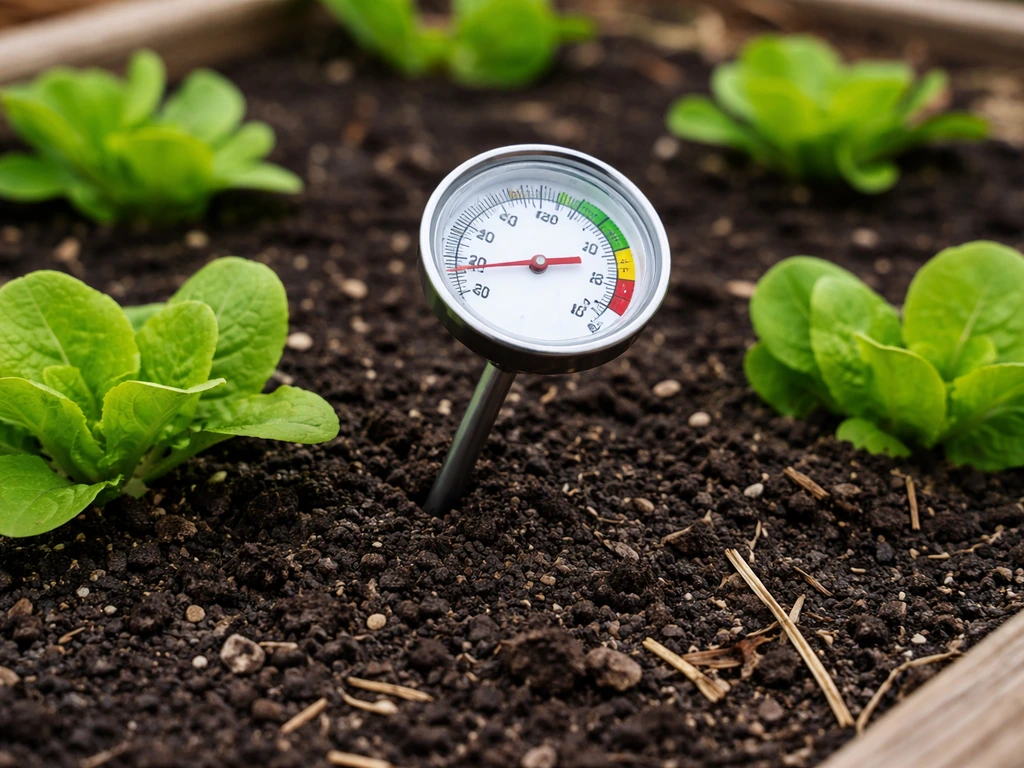
The 65-day number is a solid average, but your actual harvest date can shift by a week or two in either direction depending on growing conditions. These are the factors that matter most.
Temperature
This is the single biggest variable. Buttercrunch grows best at 60 to 65°F and germinates best below 70°F. At optimal temperatures, growth is steady and the 65-day timeline holds. Push above 75°F during germination and you'll see patchy, slow emergence. Once seedlings are established, sustained heat above 80°F speeds the plant toward bolting rather than heading, which can cut your usable harvest short. On the cold side, soil temps below 40°F slow everything way down. The plant won't die, but it won't move quickly either.
Light
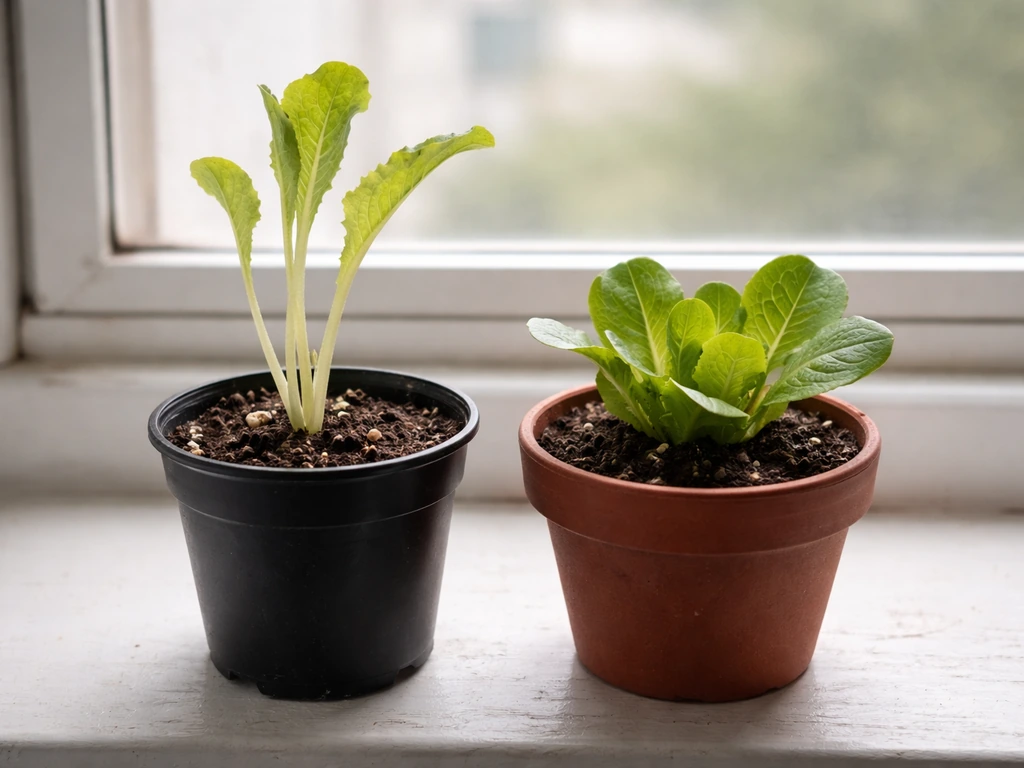
Lettuce grows fastest with full sun and daytime temperatures in the 65 to 75°F range. Indoors or in low-light spots, growth slows noticeably and plants tend to get leggy rather than developing good heads. Long days (12 hours or more of daylight) also increase bolt risk, especially combined with warm temperatures. This is why spring and fall are the sweet spots for buttercrunch outdoors.
Watering and soil moisture
Inconsistent moisture is one of the most common reasons germination takes longer than expected or stalls out entirely. Germination starts when the seed absorbs water. If the soil dries out before the radicle emerges, the process gets interrupted. Keep the soil consistently moist (not waterlogged) through the entire germination window. After that, lettuce still needs steady moisture to keep growing without stress, but it's more forgiving once it has a root system established.
Nutrients
Buttercrunch is a relatively light feeder, but nitrogen drives leaf production. In a nutrient-poor soil or a container where nutrients have been depleted, growth will slow down noticeably, particularly from the rosette stage onward. High salt concentrations in the root zone (from over-fertilizing or certain growing media) can also slow germination significantly.
Spacing
Crowded plants compete for water, nutrients, and light. If you direct-sow and don't thin, the whole batch tends to produce smaller, slower-developing heads. For buttercrunch heading to full maturity, aim for 8 to 10 inches between plants. If you're harvesting as loose-leaf before full heading, you can get away with tighter spacing, but heading quality will still be better with adequate room.
Outdoor vs indoor/container vs hydroponic: how the timeline shifts
Where and how you grow buttercrunch changes your realistic harvest window more than most people expect. Here's how each environment typically plays out.
Outdoor garden beds
This is the classic buttercrunch environment and where the 65-day benchmark was built. You get natural light, seasonal temperature swings, and soil that buffers moisture reasonably well. The main variable outdoors is weather. A cold snap in early spring slows things down by a week or more. A heat wave in late spring can rush the plant toward bolting before you reach full heading. Direct sow as soon as soil can be worked in spring, or try a fall planting about 8 weeks before your first frost date for a second harvest.
Containers and indoor growing
Containers dry out faster than garden beds, which can slow germination and stress plants between waterings. Indoor growing also usually means less light than a sunny outdoor bed, which stretches the timeline by a week or two. Under a good grow light (at least 12 to 16 hours of light daily) in a room kept around 65°F, buttercrunch will grow reasonably close to the outdoor timeline. Under a dim window, expect 70 to 80 days or more and noticeably looser heads. Container size matters too: buttercrunch heading to full maturity does best in a pot at least 8 inches deep and wide.
Hydroponic systems
Hydroponics is where buttercrunch really speeds up. In a deep water culture (DWC) or NFT system, you're delivering oxygen-rich, nutrient-balanced water directly to the roots around the clock. Seedlings started in a nursery tray are typically ready to move into a raft or NFT channel at around 18 days old. From there, harvest is often ready in another 30 to 45 days, putting the total from seed at roughly 40 to 55 days. That's a meaningful 10 to 20 day savings compared to soil growing. The tradeoff is the setup cost and the need to monitor pH and nutrient levels closely.
If your buttercrunch is growing slower than expected
Slow growth almost always traces back to one of a handful of causes. Here's how to diagnose and fix the most common ones. If your buttercrunch timing is off, you can use the same approach as in how to grow butterhead lettuce to diagnose issues like temperature, light, watering, and spacing.
- Germination hasn't started by day 10: Check soil temperature first. If it's below 50°F or above 75°F, that's your answer. Move containers indoors or into a warmer spot, or use a heat mat set to 65°F. Also check moisture: if the top inch of soil has dried out at any point, re-moisten thoroughly and wait another 5 to 7 days.
- Seedlings are leggy and thin: Almost always a light problem. Outdoors, try a sunnier location. Indoors, move the light closer (2 to 4 inches above seedlings for most grow lights) or extend the light period to 14 to 16 hours.
- Growth stalls after the seedling stage: Usually nutrients or spacing. If plants are crowded, thin to at least 6 inches apart (more if you're heading toward full heads). If spacing is fine, top-dress with a balanced fertilizer or apply a diluted liquid feed.
- Plant looks healthy but bolting instead of heading: Bolt risk goes up sharply when temperatures exceed 75°F consistently or day length hits 12 or more hours. If this is happening outdoors in late spring, harvest immediately, even if heads aren't full. Shade cloth can buy you a few extra days in warm weather.
- Transplants wilting and not growing after being moved outside: Transplant shock. Make sure you hardened off seedlings over 7 to 10 days before planting out. Keep transplants well-watered and shaded for the first few days after planting. They usually bounce back within a week.
- Uneven germination across the bed or tray: Soil temperature or moisture inconsistency across the bed. Try covering with a light row cover or plastic wrap until sprouts appear to retain even moisture and warmth, then remove immediately once you see green.
Your practical next steps
If you're planting today, count forward 65 days from your sow date and mark that as your target full-head harvest. To get started with butter lettuce, follow these steps for soil, spacing, and watering to support steady growth butter lettuce how to grow. If you want to start from roots rather than seed or transplants, follow the steps in this guide on how to grow butter lettuce from roots.
Mark day 35 to 40 as your first outer-leaf harvest window. Keep soil between 55°F and 70°F through germination, consistent moisture throughout, and thin to 8 to 10 inches once seedlings are established. If you're starting indoors, begin seeds 3 to 4 weeks before your last frost date and plan to transplant when seedlings are 3 to 4 weeks old.
For anyone growing in a hydroponic system, trim your total expectations to 40 to 55 days and focus on keeping pH in the 6. 0 to 7. 0 range and nutrient solution temperature cool. If your timeline slips, use the troubleshooting points above to trace the cause before assuming the variety is the problem.
Buttercrunch is reliable and forgiving. If you want the full walkthrough, follow these steps for how to grow buttercrunch lettuce from seed to harvest. Most slow-growth issues are fixable once you know what to look for.
FAQ
If my buttercrunch is ready, how do I know it is actually at the “harvestable head” stage and not just big outer leaves?
Look for the rosette to fully expand into cupping, the leaves should start forming a noticeable head shape (not just a larger plant). Also check firmness, when you gently gather the outer leaves the head should hold together more than loose-leaf plants, outer-leaf picking is usually earlier but full heads need that cupping to heading transition.
Can I extend the harvest window if I cut early or harvest in stages instead of waiting for day 65?
Yes. You can keep harvesting outer leaves once the plant has a strong rosette, and many growers will take a first outer-leaf pass around the 30 to 40 day window, then continue picking periodically. However, heat and long days still push bolting, so the last best harvest usually comes after cupping starts, before the plant bolts.
What happens if germination takes longer than 10 days, does that automatically make the whole 65-day timeline slip?
Not always, but it often does. If seeds stay in cold or drying soil, emergence can be delayed and the plant enters subsequent stages later, which commonly adds days to the full-head harvest. If germination is late because of cool temperatures, you may still reach full head, just count forward again from the first consistent sprouting rather than the original sow date.
How should I calculate days when I start seeds indoors and then transplant outdoors?
Use two clocks. Count days from sowing to determine how old your seedlings are at transplant time (usually 3 to 4 weeks old), then estimate the additional outdoor time to full heads as about 5 to 6 weeks after transplant. For outer leaves, expect roughly 3 weeks after transplant for a first meaningful harvest pass.
Does buttercrunch take longer to grow in winter, or will it just bolt later instead?
In cold conditions it usually slows down rather than delaying bolting. Soil temps below about 40°F tend to slow the whole process, so harvest shifts later by more than a week. Indoors under lights you can recover some speed, but outdoor winter low light plus cold temperatures is the usual reason timelines stretch.
Will overwatering or soggy soil affect how long buttercrunch takes to grow?
Yes. Buttercrunch needs consistently moist soil for germination, but waterlogged conditions can reduce oxygen around seeds and slow or unevenly stall emergence. If the soil feels wet constantly and seedlings are not establishing, switch to watering just enough to keep the top layer moist while letting drainage and airflow do their job.
Do I need to thin buttercrunch, and can skipping thinning really delay heading?
Skipping thinning commonly leads to slower, smaller heads because competition reduces light, moisture, and nutrients per plant. Even if you still harvest, the plants may reach cupping later, and heading quality suffers. A practical target is spacing about 8 to 10 inches once seedlings are established.
How do temperature swings during the day versus night change the timing?
Buttercrunch responds to overall warmth, but night cooling can slow the plant even if afternoons are mild. Aim for daytime conditions that stay in the 65 to 75°F range and avoid prolonged warm spells above about 80°F once seedlings are established, since sustained heat pushes the plant toward bolting and can shorten the useful harvest window.
If I am using containers, why might my timeline be slower than the garden bed estimate?
Containers dry out faster and can also warm up unevenly, both of which stress lettuce and slow growth or disrupt germination. Plan on more frequent moisture checks and ensure adequate pot volume (at least about 8 inches deep and wide) to support normal heading timing.
In hydroponics, do I still need to wait for day 65 for full heads?
Usually no. In systems like DWC or NFT, seedlings can move to the channels at about 18 days old, and full harvest often follows roughly 30 to 45 days later, placing total time closer to about 40 to 55 days. The key is stable pH, nutrients, and solution temperature, because swings can still slow development.