Buttercrunch lettuce is one of the easiest, most rewarding things you can grow at home. Sow seeds 1/8 to 1/4 inch deep in soil kept between 60 and 70°F, and you'll see sprouts in 5 to 10 days. [Full heads are ready in 55 to 65 days](https://andrewsseed. com/wp-content/uploads/planting-guides/Buttercrunch-Lettuce.
How to Grow Buttercrunch Lettuce From Seed to Harvest
Marcus Holloway
27 Apr 2026
pdf), but you can start snipping outer leaves long before that. Full heads of buttercrunch are typically ready in about 55 to 65 days from sowing. Full heads are ready in 55 to 65 days, but you can start snipping outer leaves long before that how long does butter lettuce take to grow.
Full heads are ready about 55 to 65 days after sowing, while you can start harvesting outer leaves earlier how long does buttercrunch lettuce take to grow. Whether you're working with an outdoor bed, a container on a windowsill, or a hydroponic setup, the fundamentals are the same: cool temperatures, consistent moisture, and not letting it get too hot for too long.
What buttercrunch actually is and what you're aiming for
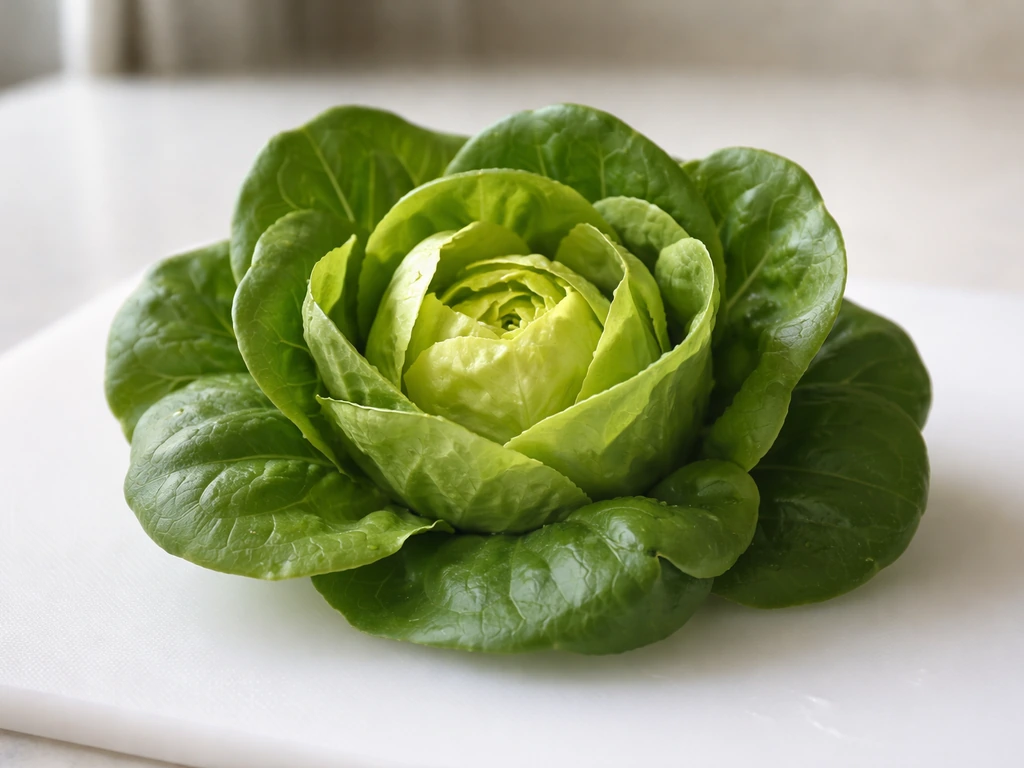
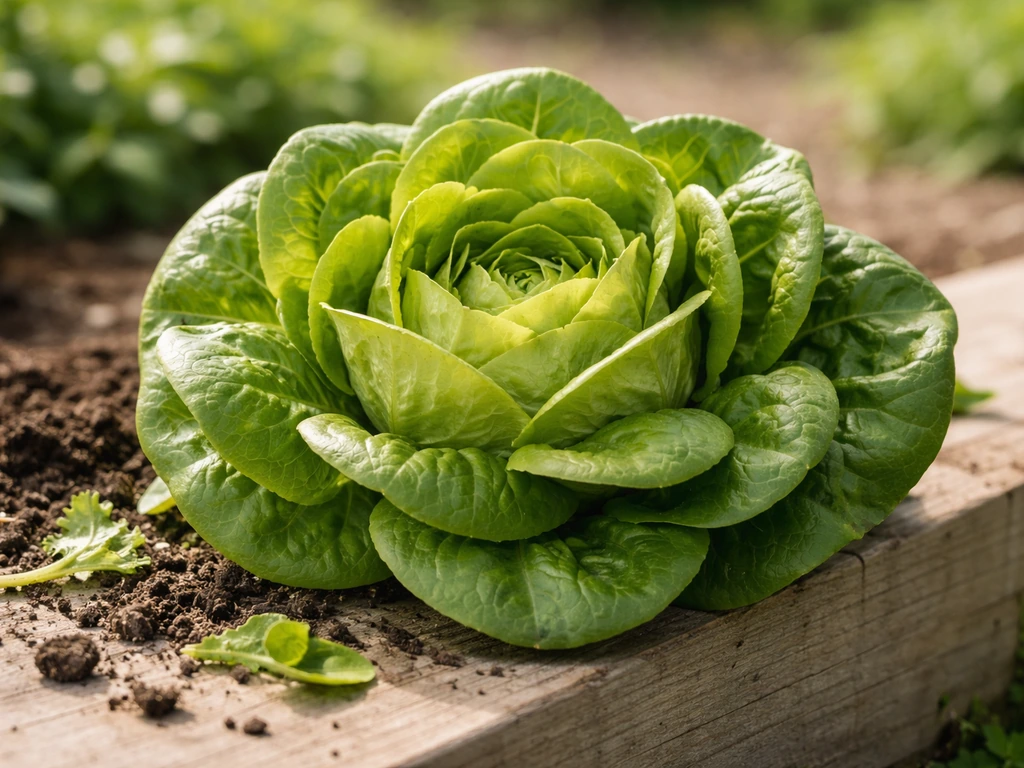
Buttercrunch is a butterhead (bibb-type) lettuce that forms a loose, compact head roughly 4 to 5 inches across. The outer leaves are dark green, and as you peel toward the center the leaves get paler, almost creamy yellow. That tender, buttery center is what people are after. It's not a romaine and it's not a loose-leaf variety, though it behaves like both depending on how you harvest it.
You have two main harvesting strategies. You can grow it as a full head and cut the whole plant at the base once the head is formed and firm (around 55 to 65 days). Or you can treat it like a cut-and-come-again crop, harvesting outer leaves as needed while the center keeps growing. Both work well, but cut-and-come-again extends your harvest window significantly before the plant eventually bolts. If you're growing for salads week after week rather than a single big harvest, that's the approach I'd recommend starting with.
Starting from seed: timing, depth, and germination
Buttercrunch grows best in cool weather, so timing your sow around that reality is the single most important decision you'll make. Outdoors, sow directly 2 to 4 weeks before your last frost date in spring, or 6 to 8 weeks before your first fall frost for a fall crop. Lettuce can handle light frost, so you don't need to wait for warm nights. In fact, it prefers not to. If you're starting indoors to transplant, sow 4 to 6 weeks before you plan to move seedlings outside.
For seed depth, aim for 1/8 inch. Some sources say up to 1/4 inch works fine, and it does, but shallower is better for lettuce because the seeds are tiny and need light to germinate properly. If you're sowing in flats or trays indoors, a dusting of fine vermiculite over the seeds is ideal as it retains moisture without blocking light. Don't bury them under a full layer of potting mix.
Germination takes 5 to 10 days when soil temperature is in the 60 to 70°F range. If your soil is colder than 55°F things slow down dramatically. If it's warmer than 75°F, germination rate drops and you risk dormancy. On warm spring days, if you're starting seeds in flats near a sunny window or outside, shade the tray during peak afternoon heat to keep that soil temperature in range. This is a step a lot of beginners skip and then wonder why half their seeds didn't sprout.
For hydroponic starts, the same temperature rules apply. Use a small propagation tray with a rockwool cube or coco coir plug, keep the root-zone temperature around 65°F, and move seedlings to your system once they have a first true leaf or two, usually around 10 to 14 days after germination.
Light, temperature, and setting up your growing space
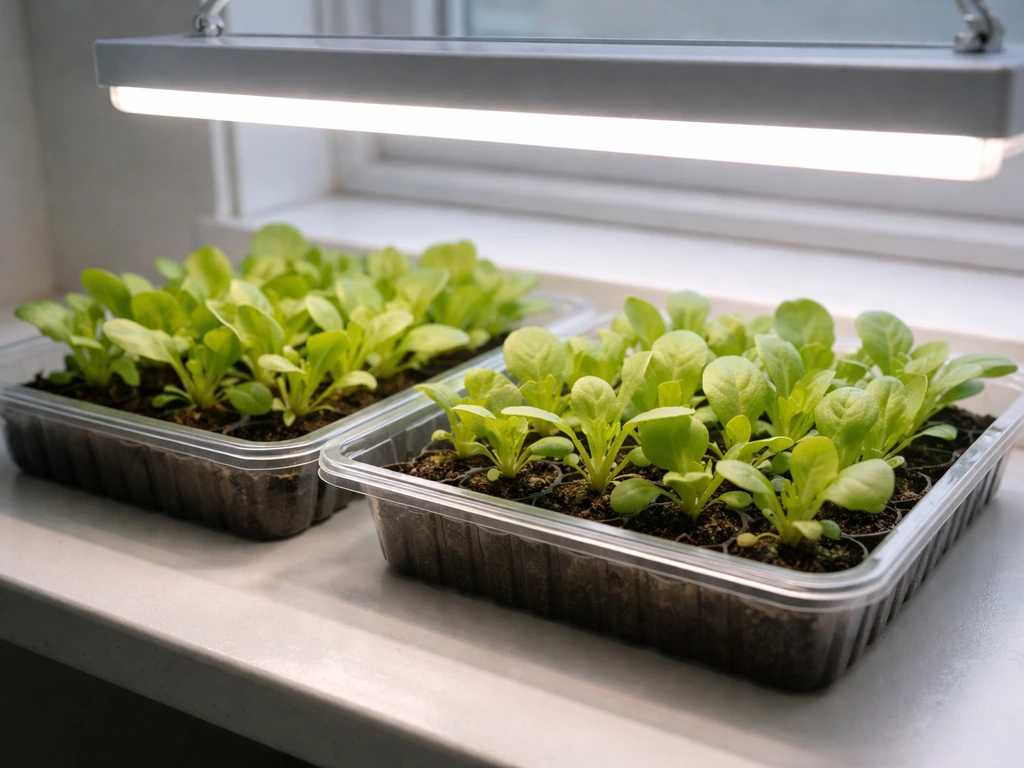
Outdoor beds
Buttercrunch needs 6 hours of sun per day minimum outdoors, but it actually prefers partial shade once temperatures start climbing above 75°F. A spot that gets morning sun and afternoon shade is nearly perfect for spring and fall growing. If you're in a region where spring heats up fast, pick your sunniest spot for the earliest sowings, then shift to shadier areas as the season warms. Soil should be loose, well-draining, and slightly rich. Amend with compost before planting. Lettuce roots are shallow, so you don't need deeply worked soil, but compacted heavy clay will hold too much water and cause rot.
Containers and indoor growing
Buttercrunch works very well in containers. You need a pot at least 6 inches deep and wide enough to space plants properly (more on that in the spacing section). Use a good quality potting mix, not garden soil, which compacts too much in pots. Indoors, a south or west-facing window gives enough light for decent growth, but if you notice your seedlings getting leggy and pale, you need a grow light. A basic LED grow light set to 14 to 16 hours per day makes a huge difference for indoor lettuce. Keep indoor temperatures between 60 and 70°F. Rooms above 75°F will cause early bolting.
Hydroponic systems
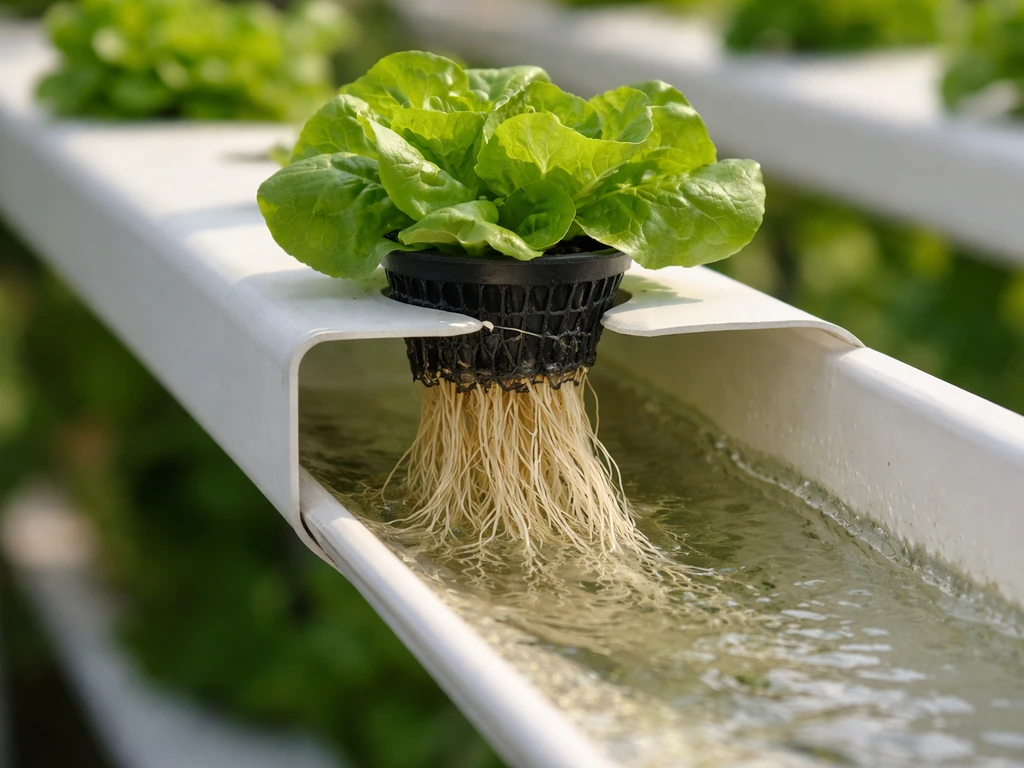
Buttercrunch is one of the best lettuces for hydroponics. It performs well in nutrient film technique (NFT), deep water culture (DWC), and kratky setups. The key variable to manage is temperature. Keep your nutrient solution around 65 to 70°F. When air temperatures push above 80 to 90°F, maintaining that cooler root-zone temperature can delay bolting by 4 to 5 days, which buys you meaningful extra harvest time. Use a standard lettuce-formula nutrient solution at an EC of around 0.8 to 1.2 and a pH of 6.0 to 6.5. Light requirements are the same as container growing: 14 to 16 hours of grow light or full natural light.
Watering, feeding, and spacing it right
Watering
Lettuce is mostly water, so consistent moisture is non-negotiable. The soil or growing medium should stay evenly moist but never waterlogged. Outdoors, water at the base of plants rather than overhead to reduce the risk of fungal issues. Aim for about 1 inch of water per week, more in hot or windy conditions. In containers, check daily because pots dry out fast. Inconsistent watering, especially letting the soil dry out and then flooding it, is one of the main causes of tip burn and bitter leaves.
Fertilizing
Buttercrunch is a leafy green, so it wants nitrogen. If you've amended your bed with compost before planting, that's often enough for a full season. If growth seems slow or leaves are pale, side-dress with a balanced vegetable fertilizer or diluted fish emulsion every 2 to 3 weeks. Don't over-fertilize with nitrogen late in the season though, as it can push lush soft growth that's more attractive to aphids and more prone to tip burn. For containers, a liquid fertilizer every 2 weeks works well since nutrients leach out faster than in ground beds.
Spacing
Start seeds about 1 inch apart in rows and thin progressively as plants grow. For full heads, final spacing should be 6 to 12 inches apart depending on head size desired. Six inches gives you smaller, denser heads. Twelve inches gives you the full 4- to 5-inch heads buttercrunch is known for. If you're growing for cut-and-come-again outer leaves, you can get away with 6-inch spacing and harvest frequently enough that plants don't crowd each other. In a 12-inch container, two plants spaced toward opposite edges works fine.
Thinning, succession planting, and harvesting
Thinning
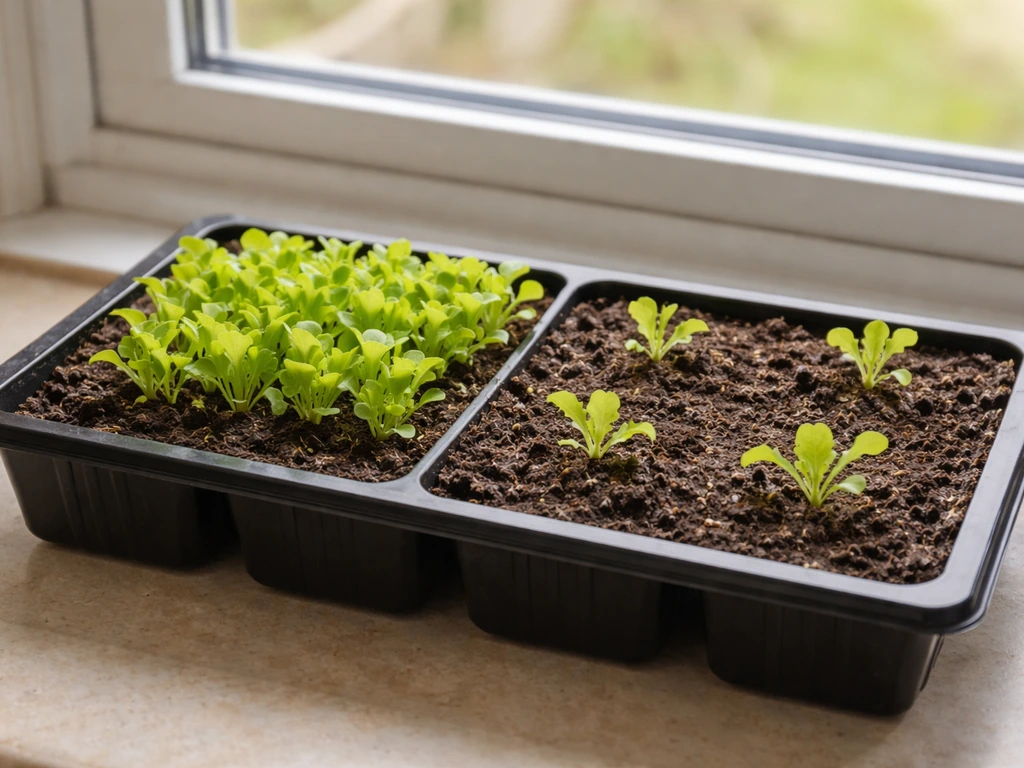
Thin in stages rather than all at once. When seedlings are about an inch tall, pull or snip the weakest ones to get them to 3 inches apart. A week or two later, thin again to your final 6 to 12 inch spacing. Don't pull thinned seedlings with roots attached if you can avoid it because this disturbs neighbors. Snip at soil level instead. The thinnings are completely edible, so toss them in a salad.
Succession planting
This is the move that separates people who get lettuce for two weeks from people who get it for two months. Sow a small batch of seeds every 2 to 3 weeks rather than everything at once. A succession of three or four plantings in spring gives you a rolling harvest right up until hot weather forces a pause. Then start again in late summer for a fall run. If you're growing indoors or under lights, succession planting works year-round since you're controlling the environment.
Harvesting: cut-and-come-again vs full heads
For cut-and-come-again: start harvesting outer leaves once the plant has at least 5 to 6 healthy leaves. Take the outermost leaves first, cutting them near the base, and leave the inner ones to keep growing. Don't take more than a third of the plant at one time or you slow recovery significantly. For full heads: wait until the head is firm and 4 to 5 inches across, then cut the entire plant at soil level with a sharp knife. Some gardeners leave an inch of stem and a few outer leaves, which occasionally produces regrowth, but it's less reliable than just sowing a new succession.
Problems you'll likely run into and how to fix them
| Problem | Likely Cause | What to Do |
|---|---|---|
| Seeds not germinating | Soil too warm (above 75°F) or too cold (below 55°F) | Check soil temperature with a thermometer; shade flats on warm days or use a heat mat set to 65°F on cold ones |
| Leggy, pale seedlings | Not enough light | Move to a brighter window or add a grow light at 14–16 hours/day |
| Damping off (seedlings collapse at base) | Overwatering and poor air circulation | Water less frequently, use a fan for airflow, and use sterile seed-starting mix |
| Bitter leaves | Heat stress, inconsistent watering, or bolting starting | Harvest immediately; shade plants; water more consistently; consider moving to cut-and-come-again |
| Early bolting (plant sends up flower stalk) | Temperatures consistently above 75–80°F | Harvest what you can; for future crops, time sowings earlier or grow in shade; for hydroponics, cool the root zone |
| Tip burn (brown leaf edges) | Calcium deficiency or inconsistent watering | Water consistently; in containers, use a fertilizer with calcium; improve airflow |
| Aphids or slugs | Soft new growth attracts both | Blast aphids off with water; use diatomaceous earth around slug-prone seedlings; check undersides of leaves |
| Slow growth | Cold soil, low nitrogen, or insufficient light | Check all three; a diluted fish emulsion feeding often jumpstarts slow plants |
What to do today: your buttercrunch checklist
Here's the practical sequence you can follow starting right now, regardless of your setup. The steps are the same whether you're working in a garden bed, a pot, or a hydroponic tray.
- Check your timing: it's late April, so spring sowing is still viable in most regions, especially for a container or indoor crop. If outdoor temperatures are already hitting 80°F regularly during the day, start planning a fall succession or grow indoors where you control the climate.
- Gather your supplies: buttercrunch lettuce seeds, seed-starting mix or quality potting mix, containers (at least 6 inches deep) or a prepared outdoor bed, and a watering can with a gentle rose head.
- Prepare your growing medium: loosen outdoor soil and mix in a 2-inch layer of compost. For containers, use fresh potting mix, not reused soil from last year.
- Sow seeds 1/8 inch deep (barely cover with a dusting of vermiculite or fine mix), spacing seeds about 1 inch apart. Label the row or pot with the date.
- Keep the growing medium consistently moist and soil temperature between 60 and 70°F. If indoors, shade from direct heat. Expect sprouts in 5 to 10 days.
- Once seedlings are 1 inch tall, thin to 3 inches apart. Thin again to 6 to 12 inches when plants are 2 to 3 inches tall.
- Begin your second succession sowing 2 to 3 weeks after the first so you have a rolling harvest.
- Once plants have 5 to 6 leaves (usually 3 to 4 weeks after germination), start harvesting outer leaves or wait another 3 to 4 weeks for full heads.
- Watch for bolting as temperatures rise and harvest proactively rather than waiting for perfect heads.
Buttercrunch is genuinely forgiving compared to a lot of crops, and even imperfect plants usually give you something worth eating. If this is your first run at it, don't overthink the setup. Get seeds in the ground at the right depth, keep them moist and cool, and thin aggressively enough that plants have room to form heads. That's honestly most of the battle.
If you want the bigger picture, follow this guide for how to grow butterhead lettuce from seed to harvest. If you want more step-by-step details, follow the same approach in our guide on how to grow butter lettuce. To focus specifically on root-starting, the same cool, consistent-moisture approach helps you get butter lettuce established from roots grow butter lettuce from roots.
Once you have a harvest or two under your belt, you'll start dialing in succession timing and experimenting with indoor and hydroponic growing for year-round greens.
FAQ
What should I do if my buttercrunch seeds won’t germinate after a week or two?
First check soil or root-zone temperature, because lettuce is very sensitive to being too cold (below about 55°F) or too warm (above about 75°F). Next, confirm the seed layer is light, if the seeds are buried deeper than about 1/8 inch or covered with thick mix, germination often fails. If temperature and depth are correct, keep the surface consistently moist and avoid letting the tray dry out between waterings.
Can I start buttercrunch lettuce in hot weather, or will it just bolt?
You can start it, but you need to actively manage heat. Choose morning-sun, afternoon-shade spots, use shade cloth if afternoons push above about 75°F, and water early in the day so plants cool overnight. If you cannot keep root-zone temperatures cool (especially for containers and hydroponics), expect faster bolting and use shorter succession batches.
How do I prevent bitter leaves and tip burn in buttercrunch?
Inconsistent watering is the most common cause. Keep moisture evenly distributed, then avoid swings from dry to waterlogged. Also watch nitrogen, too much late-season nitrogen can produce softer growth that tip-burns more readily. If growing in containers, check moisture daily because drying happens faster and leads to stress.
Is morning sun with afternoon shade always enough, or do I need full sun?
For buttercrunch, morning sun plus afternoon shade is usually the best balance, particularly when temperatures rise. Aim for at least about 6 hours of light outdoors, but if you notice leaf edges browning or plants getting loose quickly, reduce heat stress by shifting to more shade or increasing airflow and irrigation timing.
How close can I plant buttercrunch if I want smaller heads?
For denser, smaller heads, final spacing around 6 inches is usually the sweet spot. If you space wider, like 10 to 12 inches, plants have room for the larger 4 to 5 inch heads. If you want cut-and-come-again leaves, you can keep plants closer as long as you harvest regularly and thin appropriately early.
Should I remove bolting plants immediately or can I salvage leaves?
Once plants bolt, leaves often get less tender and more bitter. If only a few plants are starting to bolt, you can harvest outer leaves quickly while you switch the rest of your garden to the next succession planting. For best results, re-sow on schedule rather than relying on bolting plants to fully recover.
What’s the best way to harvest outer leaves without stopping growth?
Start when the plant has at least about 5 to 6 healthy leaves. Take the outermost leaves first and avoid removing more than roughly one third of the plant at a time. Leave the inner leaves and growing point intact so the plant can keep producing, and keep harvest frequency steady instead of waiting until leaves are very large.
How can I tell when a full head is actually ready to cut?
Wait until the head feels firm and the outer leaves are holding the structure rather than spreading loosely. A practical check is the size and firmness together, heads are typically around 4 to 5 inches across and should feel tight when gently pressed. If it feels soft or opens easily, give it more cool weather days before cutting.
Why are my seedlings leggy and pale indoors?
Leggy, pale growth usually means insufficient light or too-warm indoor temperatures. Increase light duration, keep seedlings under a grow light for about 14 to 16 hours, and maintain indoor temperatures in the cooler range. Also avoid crowding too early, because dense trays can stretch plants while competing for light.
In hydroponics, what should I do if root-zone temperature creeps up?
The priority is cooling the root zone, not just air temperature. If your nutrient solution warms, bolting accelerates, so use insulation, adjust reservoir placement away from heat, and consider a chiller or active cooling if needed. Even a few days of extra cooling time can translate into more harvest before the plant bolts.
Can I reuse soil or potting mix for another round of buttercrunch?
It can be risky if you suspect disease, because lettuce roots and leaves can carry over issues in reused media. For containers, refresh with fresh potting mix or at least sterilize and amend, and consider rotating out of any mix that stayed waterlogged. If plants struggled with rot or fungal problems, do not simply top-dress and continue.