Butter lettuce grows best in cool weather between 45°F and 75°F (7°C to 24°C), takes about 7 to 10 days to germinate and 55 to 75 days to reach full-head maturity (though you can harvest outer leaves much earlier). Sow seeds directly or start transplants 4 to 6 weeks before your last frost in spring, or 6 to 8 weeks before your first fall frost. Keep it consistently moist, give it at least 6 hours of light, thin to 8 to 10 inches apart, and harvest before temperatures climb above 80°F or it will bolt and turn bitter. That's the core of it. Everything else below is just making sure each step goes smoothly.
Butter Lettuce How to Grow: Step-by-Step Guide
Marcus Holloway
16 May 2026
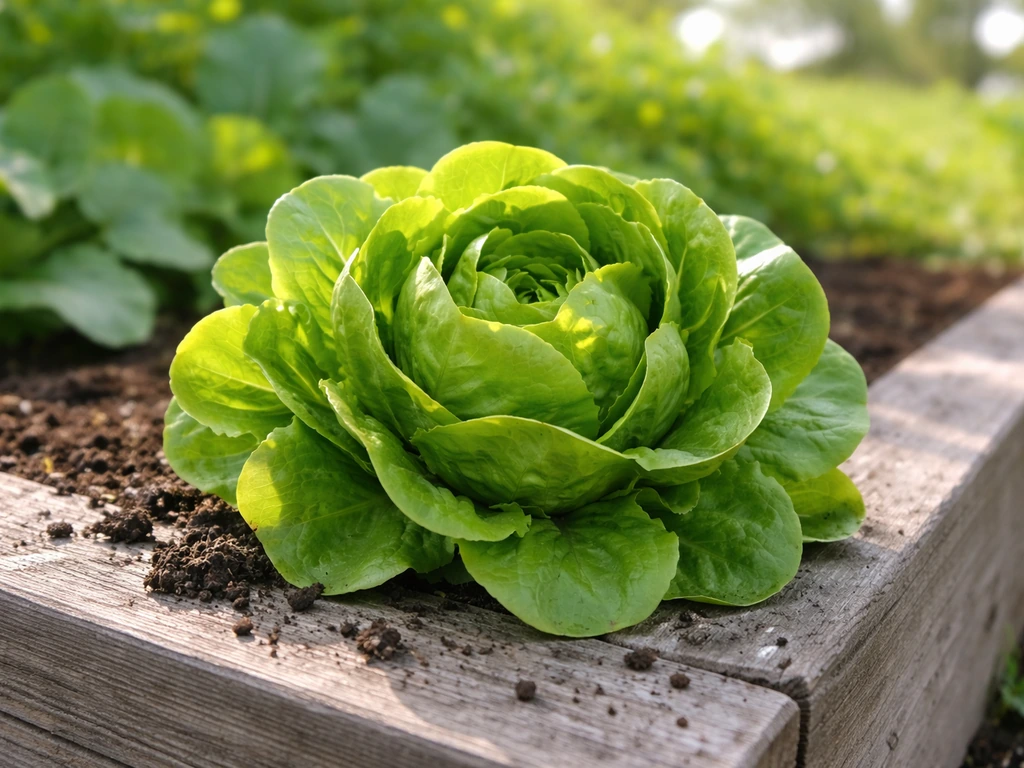
What butter lettuce actually is (and why heat is its biggest enemy)
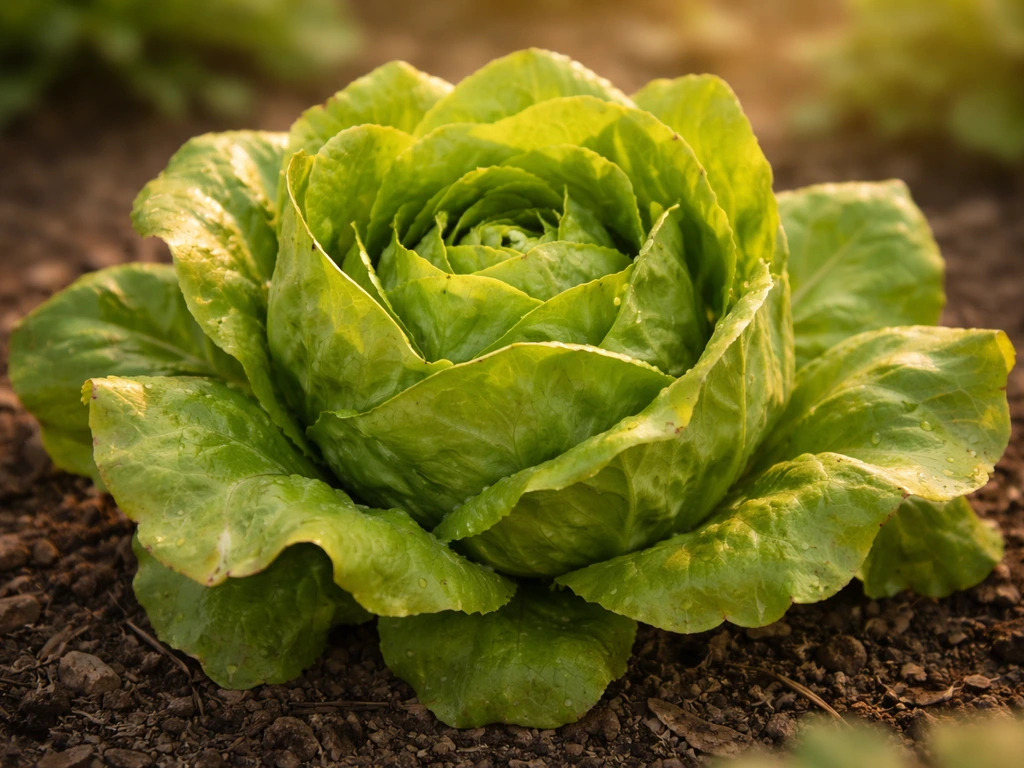
Butter lettuce is a butterhead type, which is technically described as a 'loose-heading' lettuce. It sits between a tight crisphead (like iceberg) and a true loose-leaf variety. The leaves fold loosely over each other to form a soft, open head with that characteristic buttery texture and mild flavor. Common varieties include Boston, Bibb, Tom Thumb, and Buttercrunch. If you've grown loose-leaf lettuce before, butter lettuce is a natural next step. It's a bit more structured but just as easy to manage.
The critical thing to understand before you plant is that butter lettuce is a cool-season crop and it will not tolerate summer heat. When temperatures push above 75°F to 80°F consistently, two things happen: the plant starts to bolt (send up a flower stalk) and the leaves turn bitter. Bolting is triggered by both heat and increasing day length as summer approaches. Once you see that central stalk stretching upward, the flavor is already going downhill. This isn't a plant you can push through July in most climates. Plan your timing around that reality.
Picking seeds or transplants and nailing your planting window
You have two starting options: seeds or nursery transplants. Seeds are cheaper, give you far more variety choices, and germinate quickly enough that you rarely need transplants unless you're working with a very short season. Transplants are useful if you want to skip 3 to 4 weeks of indoor care or if you're filling a gap left by a finished spring crop. Either works well.
Variety picks worth trying
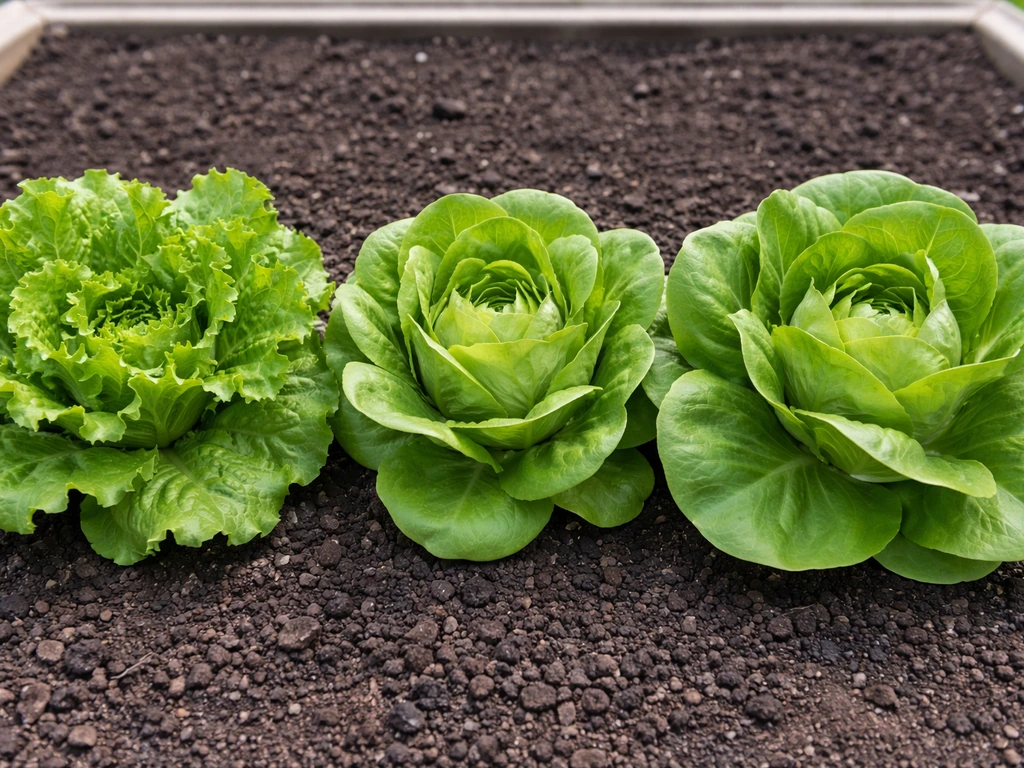
- Buttercrunch: the most widely available, heat-tolerant relative to most butterheads, slow to bolt, great for beginners
- Bibb: classic, smaller heads, excellent flavor, very tender
- Boston: larger loose heads, mellow flavor, widely adaptable
- Tom Thumb: compact heads ideal for containers and small spaces
- Speckled Amish/Forellenschluss: heirloom option with beautiful red-spotted leaves and strong heat resistance
When to plant by season
Spring planting is the most common approach. Start seeds indoors 4 to 6 weeks before your last expected frost date, then transplant outside 2 to 4 weeks before the last frost since lettuce handles light frost well. Alternatively, direct sow outdoors as soon as soil is workable, typically when temps stay above 40°F.
Your goal is to get the plant growing and maturing before 'the really hot days' arrive, which for most of the US means finishing before late June or early July. For fall planting, count backward from your first expected frost: you want to start seeds 8 to 10 weeks before that date so the plant matures in the cooling temperatures of late summer and early fall.
Fall-grown butter lettuce is often the best-tasting crop of the year because it matures into increasingly cool weather rather than heat.
| Season | When to Start Seeds | When to Transplant/Direct Sow | Harvest Window |
|---|---|---|---|
| Spring | 4-6 weeks before last frost | 2-4 weeks before last frost | Late spring to early summer |
| Fall | 8-10 weeks before first frost | 6-8 weeks before first frost | Early to mid-fall |
| Indoor/Year-round | Anytime under grow lights | N/A (stay in containers) | Every 55-75 days, succession sow |
Setting up your growing space: beds, containers, indoor, or hydro
Butter lettuce is genuinely flexible about where it grows, which is one of the reasons it's such a great home garden crop. Here's what each setup needs to succeed.
Outdoor garden beds
Butter lettuce wants well-draining, loose, fertile soil with plenty of organic matter. A pH between 6.0 and 7.0 is ideal. Work in 2 to 3 inches of compost before planting. Choose a spot with full sun in spring (6 or more hours), but in warmer climates, afternoon shade becomes your friend as temperatures rise. Good airflow around plants helps prevent fungal disease, so don't crowd them.
Containers and pots
Containers work really well for butter lettuce. Use a pot at least 6 to 8 inches deep with drainage holes, and a quality potting mix (not garden soil, which compacts). For a single full head, a 10 to 12 inch pot works fine. For a cut-and-come-again approach growing multiple plants, a wide window box or planter trough is more efficient. Container plants dry out faster than in-ground plants, so you'll need to check moisture daily in warm weather. The upside is you can move containers to shade when temperatures spike.
Indoor growing under lights or on a windowsill
Growing butter lettuce indoors is completely doable, but light is the main variable you'll wrestle with. A south-facing windowsill can work in summer, but most indoor windows don't provide enough intensity for strong, compact growth in winter. Leggy seedlings are usually a light problem, not a watering or soil problem. If you're serious about indoor growing year-round, a simple LED grow light set to 14 to 16 hours per day at 4 to 6 inches above seedlings makes a major difference. Keep indoor temperatures between 60°F and 70°F for best results. Good air circulation (even a small fan on low) prevents damping off and mimics the gentle outdoor breezes that strengthen stems.
Hydroponic growing
Butter lettuce is one of the best crops for hydroponic systems, which is why you'll see it in commercial hydro operations constantly. A simple Kratky (passive, no-pump) or DWC (deep water culture) system works well. Use a balanced hydroponic nutrient solution targeting an EC of 0.8 to 1.6 and a pH of 5.5 to 6.5. Space net pots 6 to 8 inches apart. Light requirements are the same as indoor soil growing: 14 to 16 hours of LED grow light per day. The main advantage of hydro is faster growth and no soil-borne pest issues. Plants can be ready to harvest 10 to 14 days sooner than soil-grown plants under the same conditions.
Planting and germination: sowing, spacing, and thinning
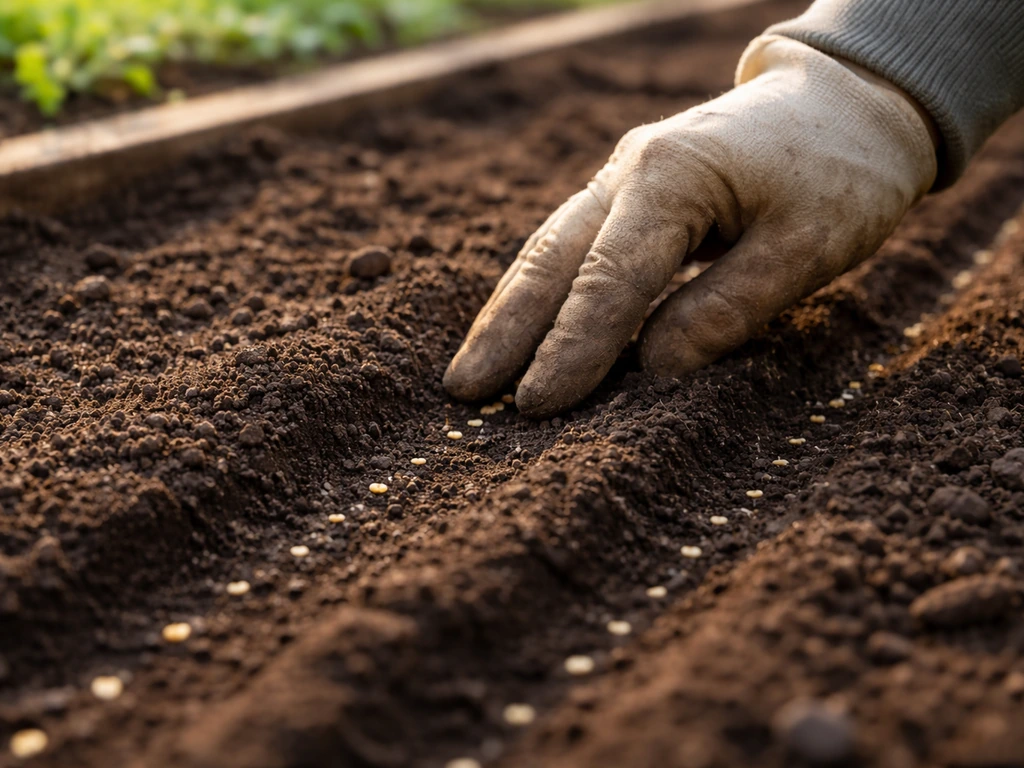
Lettuce seeds need light to germinate. This is one of the most common beginner mistakes: planting seeds too deep. Sow them at 1/8 inch depth or simply press them into the soil surface and mist with water. Keep the surface consistently moist but not waterlogged. Germination happens in 7 to 10 days at soil temperatures between 60°F and 70°F. If your soil is too warm (above 80°F), germination drops sharply, which is another reason timing matters.
For direct sowing outdoors, scatter seeds thinly in rows spaced 12 to 18 inches apart, or broadcast in a wide bed. Once seedlings are 2 to 3 inches tall, thin them to 8 to 10 inches apart for full heads, or 4 to 6 inches apart if you're growing for cut-and-come-again harvesting. Don't skip thinning. Crowded plants compete for nutrients and airflow, which leads to weak growth and disease. Use scissors to snip thinned seedlings at the soil line rather than pulling them, so you don't disturb neighboring roots.
Starting seeds indoors: use small cells or 2-inch pots filled with seed-starting mix, sow 2 to 3 seeds per cell, and thin to the strongest seedling once they sprout. Keep under lights or in a warm bright spot. Harden off transplants for 7 to 10 days by setting them outside in a sheltered spot for increasing hours before transplanting to their final location.
Watering and feeding: what the plant actually needs
Butter lettuce needs consistent moisture. The roots are shallow, so the top inch of soil should never go completely dry. If you want to grow butter lettuce from roots, focus on keeping those roots cool and constantly moist until new leaves take off. Aim for about 1 to 1.5 inches of water per week through a combination of rain and irrigation. In containers or during warm dry spells, that might mean watering every day. Water at the base of the plant, not overhead if you can help it. Wet leaves sitting in still air invite fungal problems.
For feeding, butter lettuce is a light to moderate feeder that mainly wants nitrogen to push leafy growth. If you started with compost-rich soil, you may not need to fertilize at all for a spring crop that matures in 6 to 8 weeks. If growth seems slow or leaves are pale, apply a balanced liquid fertilizer (something like 10-10-10 or a fish emulsion) diluted to half strength every 2 to 3 weeks. Avoid heavy nitrogen applications once the plant is approaching maturity, as it can push excessive leafy growth that's more prone to tipburn and disease.
- Do not let soil dry out completely, even once
- Do not overwater to the point of standing water or soggy soil
- Do not fertilize with heavy nitrogen close to harvest
- Do not use overhead sprinklers in humid conditions
- Do mulch around plants to retain moisture and keep roots cool
Keeping it growing: managing heat, bolting, and succession planting
Bolting is your main enemy. Once temperatures consistently exceed 75°F to 80°F and day length increases into the longer summer days, butter lettuce reads those signals and shifts energy to flowering. In lettuce bolting studies, heat-induced bolting has been linked to gene expression changes, and heat treatment can cause visible stem elongation within about 8 days in experiments blank" rel="noopener noreferrer">shifts energy to flowering. You can't completely stop it, but you can slow it down significantly with a few tactics. You can also reduce bolting by using a proper planting window and following a reliable buttercrunch lettuce growing routine how to grow buttercrunch lettuce.
- Use a heat-tolerant variety like Buttercrunch, which is one of the slowest to bolt among butterhead types
- Provide afternoon shade with a shade cloth (30 to 50 percent rated) once temperatures start climbing
- Mulch heavily around the base of plants to keep root zone temperatures lower
- Water more frequently during heat waves to cool the root zone
- If growing in containers, physically move pots to a shaded location when temperatures exceed 80°F
- Start your fall succession planting before your spring crop fully bolts so you always have something coming
Succession planting is genuinely the best strategy for continuous harvests. Instead of planting all your seeds at once, sow a new small batch every 2 to 3 weeks from early spring through late spring, and again starting in midsummer for fall harvest. This staggers your maturity dates so you're not drowning in heads all at once and then going weeks without any. Even two or three small succession batches can keep a household in salad for months.
Harvesting: getting more than one crop from the same plant
You have two main approaches to harvesting butter lettuce, and which one you choose depends on whether you want a full head or a continuous supply of loose leaves.
Whole-head harvest
For a full head, wait until the plant forms a nice loose rosette of folded leaves, usually at 55 to 75 days from seed. Cut the whole plant at the base with a clean knife, about an inch above the soil. Some plants will re-sprout from the base and give you a second smaller crop, though it's usually smaller and may be more prone to bolting the second time around. Harvest in the morning when leaves are most hydrated and turgid.
Cut-and-come-again harvesting
This is my preferred method for home gardeners because it stretches your harvest window significantly. Start harvesting outer leaves when the plant is about 4 to 6 inches tall, taking no more than one-third of the plant at a time. Work from the outside in, leaving the inner growing point (the crown) completely intact. The plant will keep pushing new leaves from the center. Done consistently, you can harvest from the same plant for 4 to 8 weeks before it finally bolts or declines. This approach works beautifully with container growing and is perfect if you want a handful of leaves for a salad a few times a week rather than a full head all at once.
Fixing the most common problems
Leggy, stretched seedlings
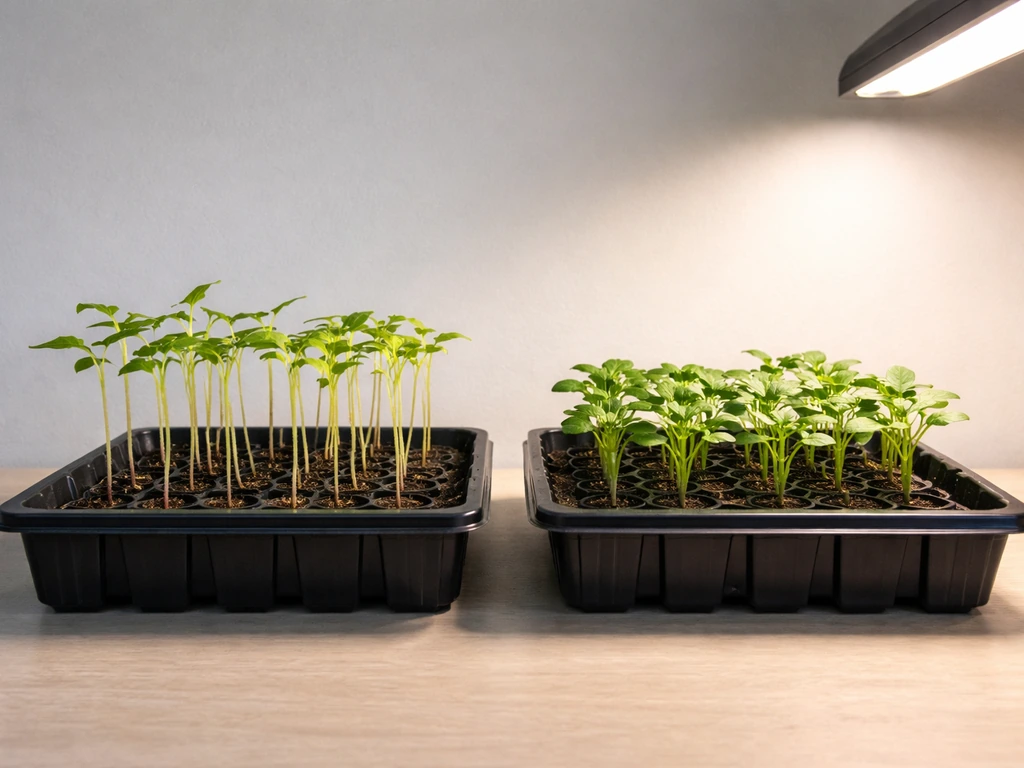
If your seedlings are tall, thin, and floppy, they're reaching for light. Move them closer to your light source immediately. Under grow lights, seedlings should be 3 to 6 inches from the bulb. On a windowsill, rotate the pot daily so all sides get equal exposure. If they're already very leggy, bury the stem slightly deeper when transplanting to compensate, but really the fix is more light sooner.
Poor or uneven germination
Usually one of three things: seeds were planted too deep, soil was too warm (above 75°F to 80°F soil temperature), or the surface dried out between watering. Lettuce seeds can go dormant in heat, a phenomenon called thermodormancy. If you're trying to start seeds in summer for a fall crop and germination fails, try pre-sprouting seeds on a damp paper towel in the refrigerator for 24 to 48 hours before sowing. That cold treatment often breaks the dormancy.
Tipburn (brown leaf edges)
Tipburn is a calcium deficiency at the leaf margins, but it's usually not a soil calcium problem. It's a water delivery problem: the plant can't move calcium to the leaf tips fast enough when growth is rapid or airflow is poor. It's very common in indoor and hydroponic butter lettuce. Solutions include improving air circulation, watering more consistently (avoiding wet-dry extremes), and not over-fertilizing with nitrogen (which speeds growth faster than calcium can travel). In hydroponics, increasing airflow over the reservoir and ensuring proper EC levels helps significantly.
Bitter-tasting leaves
Bitterness almost always means heat stress or the plant is starting to bolt. If you catch it early, harvest immediately and refrigerate the leaves, which helps mellow the flavor. Going forward, adjust your planting timing so the crop matures in cooler weather. A plant that has already bolted (you'll see the tall central stalk) is done: pull it, compost it, and plant your next succession batch.
Aphids
Aphids love lettuce and tend to cluster on the underside of leaves and in the inner folds of the head. Check plants every few days. A strong spray of water knocks most of them off. For persistent infestations, insecticidal soap spray applied in the evening (to avoid leaf burn) works well. Avoid broad-spectrum pesticides on edible crops. Ladybugs and lacewings are natural predators worth encouraging.
Slugs and snails
These are mostly a night problem and thrive in moist conditions. You'll see irregular holes in leaves and a slime trail. Set out iron phosphate bait (pet and wildlife safe) around the base of plants, or use copper tape around container edges as a deterrent. Hand-pick at night with a flashlight if you're dealing with a big infestation.
Downy mildew and damping off
Downy mildew shows as yellow patches on top of leaves with a grayish fuzz underneath. It thrives in cool, humid, poorly ventilated conditions. Improve airflow, water at the base only, and thin plants to improve spacing. Damping off (seedlings collapsing at the soil line) is caused by fungal pathogens in overly wet, poorly ventilated seed-starting conditions. Use sterile seed-starting mix, don't overwater, and run a small fan near seedlings.
Your quick-start checklist and weekly routine
If you want to get started today and stop second-guessing yourself, here's what to actually do:
- Check your planting timing: are you within the spring or fall cool season window? If yes, get seeds started now.
- Choose a variety: Buttercrunch for beginners, Bibb or Boston for classic flavor, Tom Thumb for containers.
- Prepare your space: mix compost into bed soil or fill containers with quality potting mix.
- Sow seeds at 1/8 inch depth, water gently, keep surface moist until germination (7-10 days).
- Thin seedlings to 8-10 inches apart for heads, 4-6 inches for cut-and-come-again.
- Water consistently: 1 to 1.5 inches per week, never letting soil dry completely.
- Fertilize lightly with a balanced liquid feed every 2-3 weeks if growth is slow.
- Monitor for aphids, slugs, and tipburn every few days.
- Begin harvesting outer leaves once plants are 4-6 inches tall; harvest full heads at 55-75 days.
- Sow your next succession batch 2-3 weeks after the first to keep harvests continuous.
Once a week, spend five minutes checking: soil moisture, leaf color, any pest activity, and whether the central growing point looks normal or is starting to elongate toward a bolt. That quick scan is honestly all the maintenance this crop needs most of the time. Butter lettuce is one of the most rewarding vegetables to grow because the gap between planting and eating fresh leaves is so short.
If you're wondering how long does butter lettuce take to grow, the answer depends on timing and whether you're growing for full heads or loose leaves gap between planting and eating fresh leaves is so short. Get the timing right and keep the roots consistently moist, and you'll have more salad than you know what to do with.
FAQ
How many butter lettuce plants should I grow for regular salad without getting overwhelmed?
For cut-and-come-again harvesting, plan on 2 to 4 plants per person, because each plant can keep producing for weeks if you remove no more than about one-third of the outer leaves at a time. If you prefer full heads, stagger fewer plants per batch (like 6 to 10 heads) so you do not hit a harvest glut all at once, especially in spring.
Can butter lettuce be grown in partial shade, especially in warm climates?
Yes, but the balance matters. In warm areas, aim for morning sun with afternoon shade to keep leaf temperature down, and increase watering frequency slightly because shade still reduces evaporation but plants still use moisture. If plants look leggy, it is usually not “too much shade,” it is “not enough light.”
What is the best way to tell if the soil is too warm for butter lettuce seedlings?
Use a soil thermometer at seed depth if possible, because air temperature can mislead you. Germination drops sharply when soil is above about 80°F, so if your seedlings stall or only come up in small numbers, check the soil temperature during the hottest part of the day.
Should I mulch butter lettuce, and if so, what kind?
Mulch helps stabilize moisture and keeps shallow roots cooler. Use a thin layer like 1 to 2 inches of straw or shredded leaves, and avoid piling mulch against the crown. If you notice slug pressure, keep mulch slightly looser and inspect at night.
How do I prevent fungal issues if I have to water overhead?
Try to water early in the day so leaves dry quickly, and water as close to the soil line as you can. Avoid late-evening watering, and increase spacing and airflow (even outdoors on a small patio) because butter lettuce has shallow roots and consistent moisture does not mean wet foliage all night.
Is it better to harvest butter lettuce in the morning or at night?
Morning is usually best because leaves are most hydrated and crisp then. If you harvest later, rinse promptly and refrigerate right away to reduce wilt, but expect slightly softer texture compared with morning harvests.
Can I compost or reuse the soil after bolting plants, or should I refresh it?
If plants bolted from heat and were not diseased, you can usually compost them and keep growing in the same bed. However, if you had issues like downy mildew, damping off, or heavy aphid buildup, remove residue and consider rotating or refreshing soil to reduce pathogen carryover.
Why do my butter lettuce heads feel loose even when they reach the right days?
Loose heads can come from inconsistent moisture, uneven soil temperature, or insufficient light. Check that the top inch does not dry out, and confirm you are giving at least about 6 hours of light outdoors or using a grow light schedule indoors, then keep thinning correct spacing so plants are not competing.
What should I do if my butter lettuce is bitter but it has not bolted yet?
If bitterness appears early, harvest immediately and refrigerate the leaves, then use a succession plan that shifts the next batch to cooler conditions. Bitter flavor is often heat stress even before you see the central stalk, so inspect daytime temperatures and provide afternoon shade if needed.
How do I avoid tipburn besides “don’t over-fertilize”?
Tipburn improves with steady watering, because calcium transport fails during rapid growth swings. Aim for consistent moisture (no wet-dry cycling), keep leaves from staying wet, and ensure plants get enough airflow; in containers and hydroponics, daily moisture checks are especially important.
Is thermodormancy the same as failed germination from bad seed?
Not always. Thermodormancy is heat-related, where seeds stay viable but pause germination when conditions are too warm. If you planted in warm weather and most seeds never sprouted, pre-sprouting on a damp paper towel in the refrigerator for 24 to 48 hours before sowing can help, whereas dead seed usually shows little to no change after cold treatment.
What spacing should I use for containers vs in-ground if I want full heads?
Containers are often drier and warmer at the surface, so use the tighter end of the spacing guidance. For a single full head, a 10 to 12 inch pot is typically enough, and for multiple plants in a wide planter, keep them about 8 to 10 inches apart to maintain airflow and reduce mildew risk.