Parris Island Cos is one of the most reliable romaine lettuces you can grow at home. Start seeds indoors 4–6 weeks before your last frost (or direct sow after it), plant at 6–12 inch spacing in loose, compost-rich soil, keep temperatures between 45–75°F, give it full sun outdoors or 14–16 hours under grow lights, water consistently to about 1 inch per week, and you'll have harvestable heads in 65–75 days. The biggest thing that trips people up is heat: once temperatures push past 80°F, this lettuce bolts fast, so timing your planting around cooler weather is more than half the battle.
How to Grow Parris Island Cos Lettuce: Step by Step
Marcus Holloway
30 May 2026
What Parris Island Cos actually is and when it's the right choice
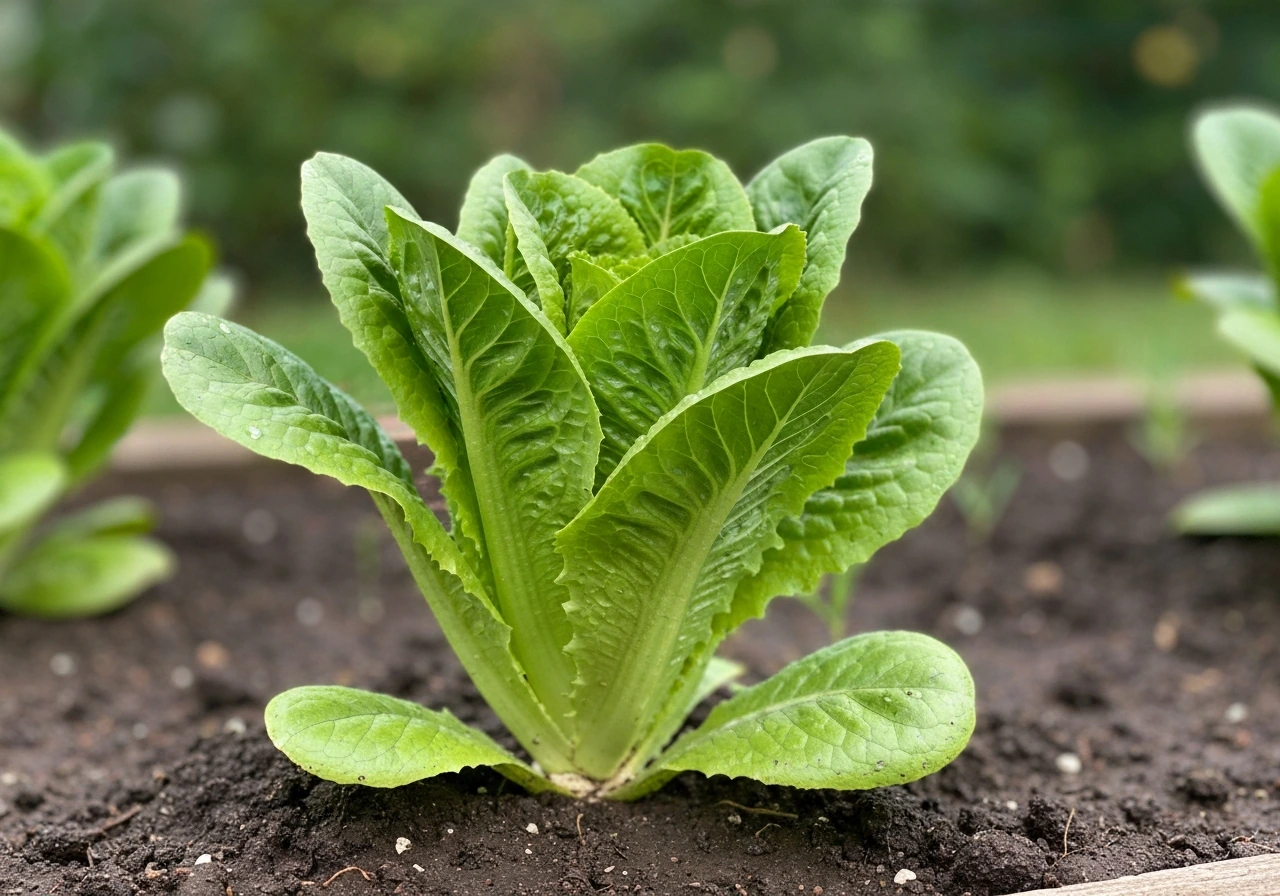
Parris Island Cos is a classic heirloom romaine lettuce developed around 1950. It grows upright to about 10–12 inches (30 cm) tall, with thick, dark green outer leaves and a pale, creamy-green heart that's the sweetest part of the plant. It's often listed under both 'Parris Island Cos' and 'Parris Island Romaine', same variety, different naming conventions depending on the seed company.
Compared to loose-leaf types, this is a heading romaine, which means it wants space to form a proper upright head. It's not the fastest lettuce you can grow, 65–75 days to maturity is real, but it's worth it for the flavor and crunch. Romaine types like Parris Island Cos are also more tolerant of heat than butterhead or looseleaf varieties, which makes it a good choice if you're in a region where spring warms up quickly. That said, 'more tolerant' doesn't mean heat-proof. You still need to time your planting carefully.
Choose this variety if you want: a traditional romaine for salads and Caesar-style dishes, a compact upright head that performs well in beds and containers, or an heirloom variety with good heat tolerance relative to other lettuces. If you're mainly after quick baby greens, a loose-leaf variety will get you there faster, but Parris Island Cos can also be harvested young if you plant it densely and cut early.
Picking your growing setup: outdoor beds, containers, indoor, and hydroponics
Parris Island Cos is versatile enough to grow in almost any setup, but each one has slightly different considerations.
Outdoor garden beds
This is the most natural fit for a heading romaine. You get plenty of airflow, natural rainfall to supplement watering, and room to direct sow multiple successions. The main challenge outdoors is temperature management, you're working with the seasons, so timing your planting window is critical. Spring and fall are ideal. In most climates, that means getting seeds in as early as soil can be worked (soil temps above 40°F work, with germination optimized between 60–80°F), and again in late summer for a fall crop. Amend your beds well with compost before planting and you're set.
Containers and pots
Parris Island Cos does well in containers as long as the pot is deep enough. Because bed prep guidance suggests digging 6 inches deep per plant, aim for containers that are at least 8–10 inches deep. A pot that's 12 inches wide can comfortably support one full-sized romaine head or 2–3 plants if you're harvesting as baby leaves. The big advantage with containers is mobility: you can move them into shade when temperatures spike, which actively helps prevent bolting.
Container growing is also covered in depth for those who want a more focused guide on growing cos lettuce in pots. If you want the same lettuce in a small space, focus on container depth, consistent moisture, and moving the pots when heat spikes how to grow cos lettuce in pots.
Indoor growing
Growing Parris Island Cos indoors is absolutely doable, and it's a great way to grow lettuce year-round without weather being a problem. You'll need a full-spectrum grow light since natural windowsill light is almost never enough for romaine to head up properly. Expect to run lights 14–16 hours per day. Keep the space cool, indoor temps between 60–70°F are ideal. Airflow matters too: a small fan running intermittently prevents fungal issues and helps strengthen the stems.
Hydroponic systems
Parris Island Cos grows well hydroponically, particularly in NFT (nutrient film technique) or DWC (deep water culture) systems. For home systems, allow 10–12 inches of canopy space per plant, or target around 33–36 plants per square meter if you're running a denser setup and harvesting smaller. Keep your nutrient solution pH between 5.5 and 6.5, with a practical target of 5.8–6.2. EC (electrical conductivity) should sit around 0.8–1.0 mS/cm for seedlings and 1.2–1.6 mS/cm as plants mature. Avoid stagnant water (causes root rot) and keep reservoir or channels away from light to prevent algae growth. Hydroponics rewards you with faster, more consistent growth, but the monitoring is more hands-on than soil growing.
Soil, growing medium, fertilizing, and how to start seeds
Soil and growing medium
For outdoor beds and containers, Parris Island Cos prefers loose, well-drained soil, sandy loam types work especially well. The key qualities are good drainage (roots rot in waterlogged ground) and plenty of organic matter. Before planting, work in generous amounts of compost or well-rotted manure. This improves both moisture retention and nutrient availability, which matters because lettuce has relatively shallow roots and can't chase water deep into dry soil. For containers, a quality potting mix with added perlite for drainage works well. For indoor growing in non-hydroponic setups, the same container mix applies.
For hydroponics, use a soilless medium like rockwool, perlite, or hydroton (expanded clay pellets) in net pots. Rockwool starter cubes are particularly handy for germinating seeds before transferring to the main system.
Fertilizing
Lettuce is a leafy crop and needs consistent nitrogen throughout its growth. In soil, a balanced slow-release fertilizer worked in at planting, followed by a liquid feed every 2–3 weeks, keeps growth moving. One important note from Clemson's research: if you're sidedressing (applying fertilizer around growing plants), use calcium nitrate rather than ammoniacal nitrogen sources. Ammonia-heavy fertilizers raise the risk of tipburn, a physiological disorder where leaf edges brown and die. Calcium is important for healthy lettuce, and calcium nitrate delivers both nitrogen and calcium in one application. In hydroponics, your nutrient solution handles all of this, just make sure it includes adequate calcium and keep EC within the target ranges mentioned above.
Starting seeds indoors vs. direct sowing
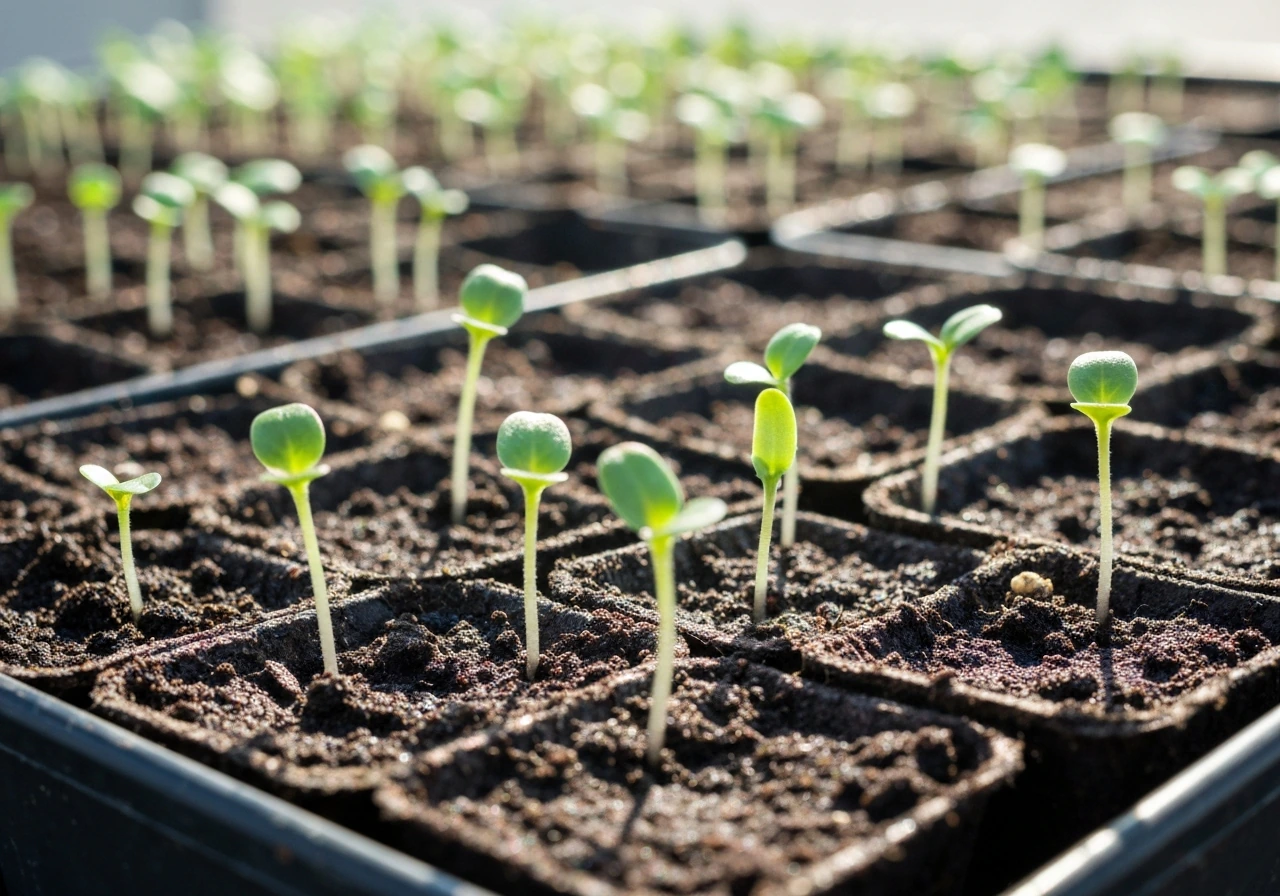
You can do either, and both work well. For starting indoors, begin 4–6 weeks before your last frost date. Fill small cells or trays with moist seed-starting mix, press seeds in at about 1/8 inch deep (barely covered, lettuce seed needs light to germinate, so a very thin dusting of vermiculite or growing medium is enough), and keep the tray at 60–75°F. Germination typically takes about a week under good conditions. If your spring soil warms above 80°F early, starting indoors in summer (in a cool spot or with air conditioning) is actually a smart workaround for fall planting too, since lettuce seed genuinely won't germinate reliably above 80°F soil temperature.
For direct sowing outdoors, wait until after your last frost date when soil has warmed above 40°F. Sow seeds at 1/8 inch depth, keep the seedbed consistently moist until germination, and thin to final spacing once seedlings are established. If germination feels slow or patchy, seed priming (soaking seeds in water for a few hours before sowing, then drying slightly before planting) can improve germination speed and consistency.
Spacing, temperature, and light: getting these right matters a lot
Spacing
For full heads, space plants 12 inches apart in-row, with 15–18 inches between rows. If you're growing in a home garden bed or raised bed without traditional row structure, 12 inches in every direction works well. For baby leaf harvest (cutting young plants before they fully head), you can plant much closer, even 2–3 inches apart, and harvest the whole planting before plants compete too much. In containers, one mature romaine per 12-inch-wide pot is a safe rule. When preparing the planting hole, loosen the soil to at least 6 inches deep and about a foot wide per plant to give roots room to spread.
Temperature
This is where most failures happen. Parris Island Cos grows best with air temperatures between 45–75°F. Germination is optimized between 60–80°F soil temperature. Once air temps regularly exceed 80°F, expect bolting, the plant sends up a seed stalk, leaves turn bitter, and the growing season is effectively over for that plant.
Romaine types are more heat-tolerant than butterheads, but they're not summer vegetables. Plan your planting windows around cool weather: spring (getting seeds in early and racing to harvest before summer heat) and fall (starting in late summer for harvest before frost). If you specifically want to grow cos lettuce in Australia, follow the same cool-season timing and heat management tips, then adjust planting dates to your local climate.
In areas with mild winters, Parris Island Cos can even be grown through winter with light frost protection.
Light
Outdoors, Parris Island Cos wants full sun, at least 6 hours of direct light per day. That said, in hot climates or during warm late-spring weather, afternoon shade can actually extend your harvest window by keeping plants cooler and slowing bolting. Indoors, run full-spectrum grow lights for 14–16 hours per day. In hydroponic and indoor setups, consistent light duration matters as much as intensity for steady growth.
Watering, thinning, and keeping growth on track
Watering routine
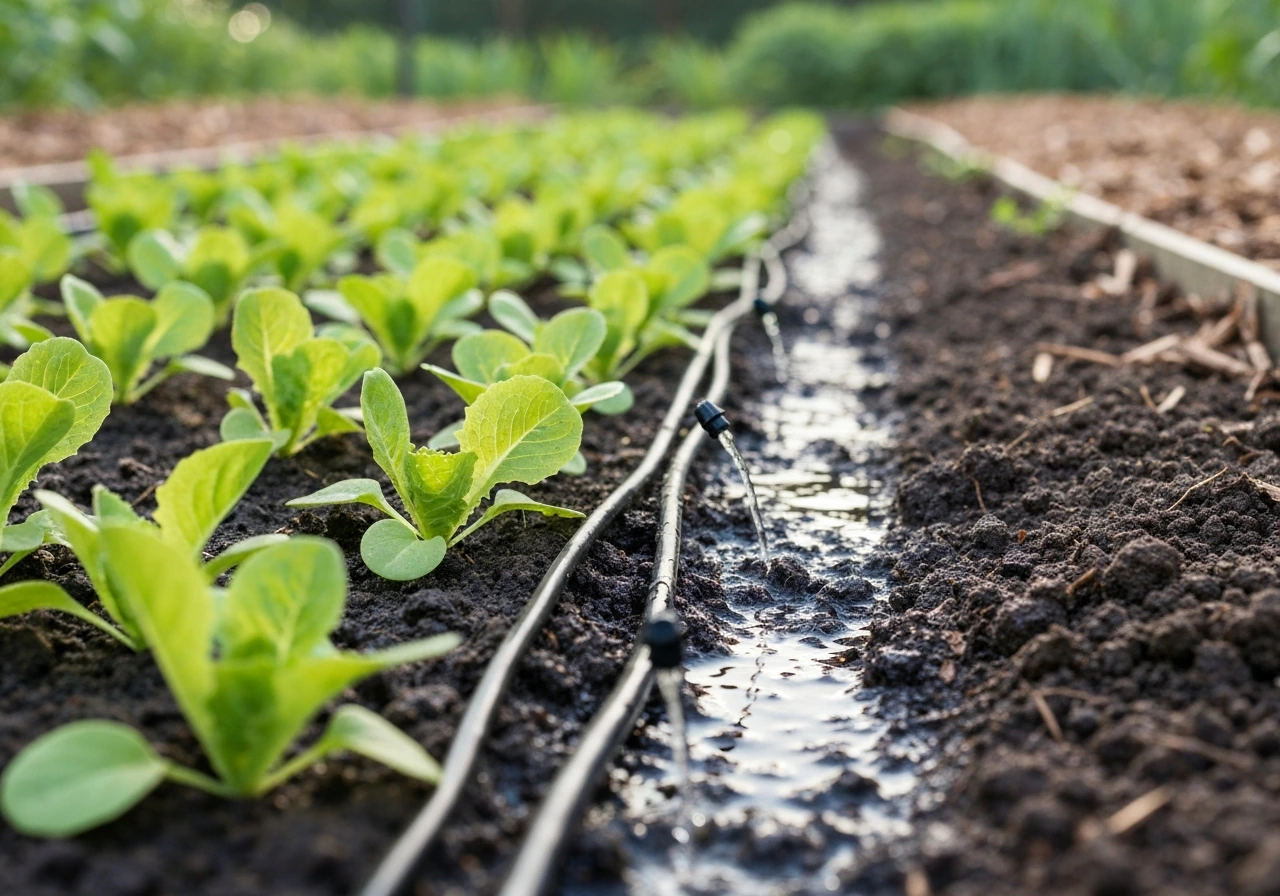
Parris Island Cos needs consistent moisture. Target about 1 inch (2.5 cm) of water per week, whether from rain or irrigation. The key word is consistent, lettuce is shallow-rooted, so it can't handle long dry spells, but it also can't sit in waterlogged soil. Water deeply when you do water, let the top inch of soil dry slightly between waterings, and you'll hit that sweet spot. In containers, check moisture more frequently since pots dry out faster than ground soil. Inconsistent watering (wet-dry-wet cycles) stresses the plant and is directly linked to tipburn and bitter leaves.
Thinning
If you direct sowed, thinning is not optional, overcrowded romaine won't form proper heads. Once seedlings are 2–3 inches tall, thin to your target spacing (6 inches minimum for loose growing, 12 inches for full heads). Don't pull seedlings out, snip them at soil level so you don't disturb the roots of neighboring plants. The thinnings are edible baby lettuce, so nothing is wasted.
Growth management
Once thinned and established, Parris Island Cos is fairly self-managing. Keep weeds down (they compete for moisture and nutrients), maintain consistent watering, and watch temperatures. If a warm spell is coming, shade cloth over the bed (30–40% shade density) can buy you an extra week or two before bolting. Mulching around the base of plants helps retain soil moisture and keeps root-zone temperatures lower, which also helps delay bolting.
When and how to harvest, and getting more than one cut
Parris Island Cos reaches full maturity at 65–75 days from transplant, when heads are firm, upright, and about 10–12 inches tall. But you don't have to wait that long, outer leaves can be harvested as early as 30–40 days after transplanting, once they're a usable size. If you want to propagate cos lettuce from a cutting, start with a healthy outer-leaf segment, root it in water or a light mix, and then transplant once new growth appears how to grow cos lettuce from cutting.
Full head harvest
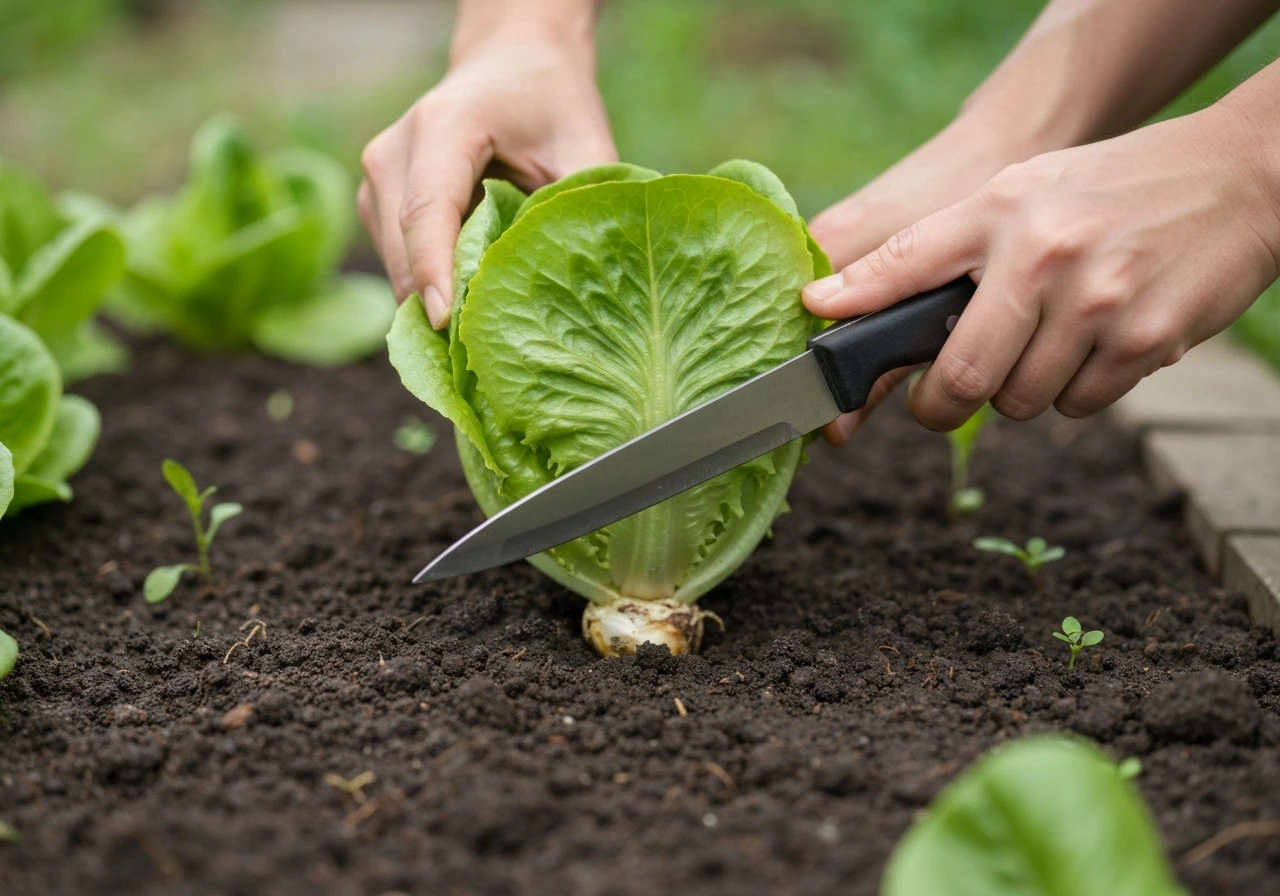
For a full head, wait until the head feels firm when you squeeze it gently. Cut the whole head at the base with a clean, sharp knife just above the soil line. This is a clean, one-and-done harvest. Once the full head is cut, the plant is usually done, romaine doesn't reliably resprout from a full cut the way loose-leaf types do.
Cut-and-come-again (outer leaf harvesting)
If you want to extend the harvest, use the cut-and-come-again method on outer leaves while the center continues growing. Remove the outermost 3–4 leaves per plant at a time, cutting or snapping them off near the base. Leave the inner heart and growing point untouched. Done consistently, this can give you several harvests from each plant before it bolts. This works best when temperatures are cool and growth is active.
Succession planting for continuous supply
The most reliable way to keep a steady supply of Parris Island Cos is succession planting: start a new batch of seeds every 2–3 weeks during your cool growing season. By the time the first planting is bolting, the second is ready to harvest. This is especially useful for spring growing, where your window before summer heat can be tight.
Troubleshooting: what's going wrong and how to fix it
Bolting (plant sends up a flower stalk)
Bolting is almost always driven by heat. Once temperatures consistently exceed 75–80°F, Parris Island Cos shifts into reproductive mode. If your plant is bolting, there's no reversing it, harvest whatever you can immediately before the leaves turn fully bitter. To prevent it next time: plant earlier in spring, use shade cloth when warm weather arrives, mulch around the base to keep roots cool, or shift to fall planting. Growing in containers also helps since you can move pots to shadier spots when temperatures spike.
Bitter or tough leaves
Bitterness and tough texture are almost always stress responses, most often heat, but also drought or uneven watering. If leaves are bitter but the plant hasn't bolted yet, the fix is to improve watering consistency and, if possible, cool the plant down with shade or by moving a container. Leaves harvested in the morning are often less bitter than those picked in the heat of the day. Leaves from the heart (the pale inner leaves) tend to be milder than outer leaves.
Tipburn (brown leaf edges)
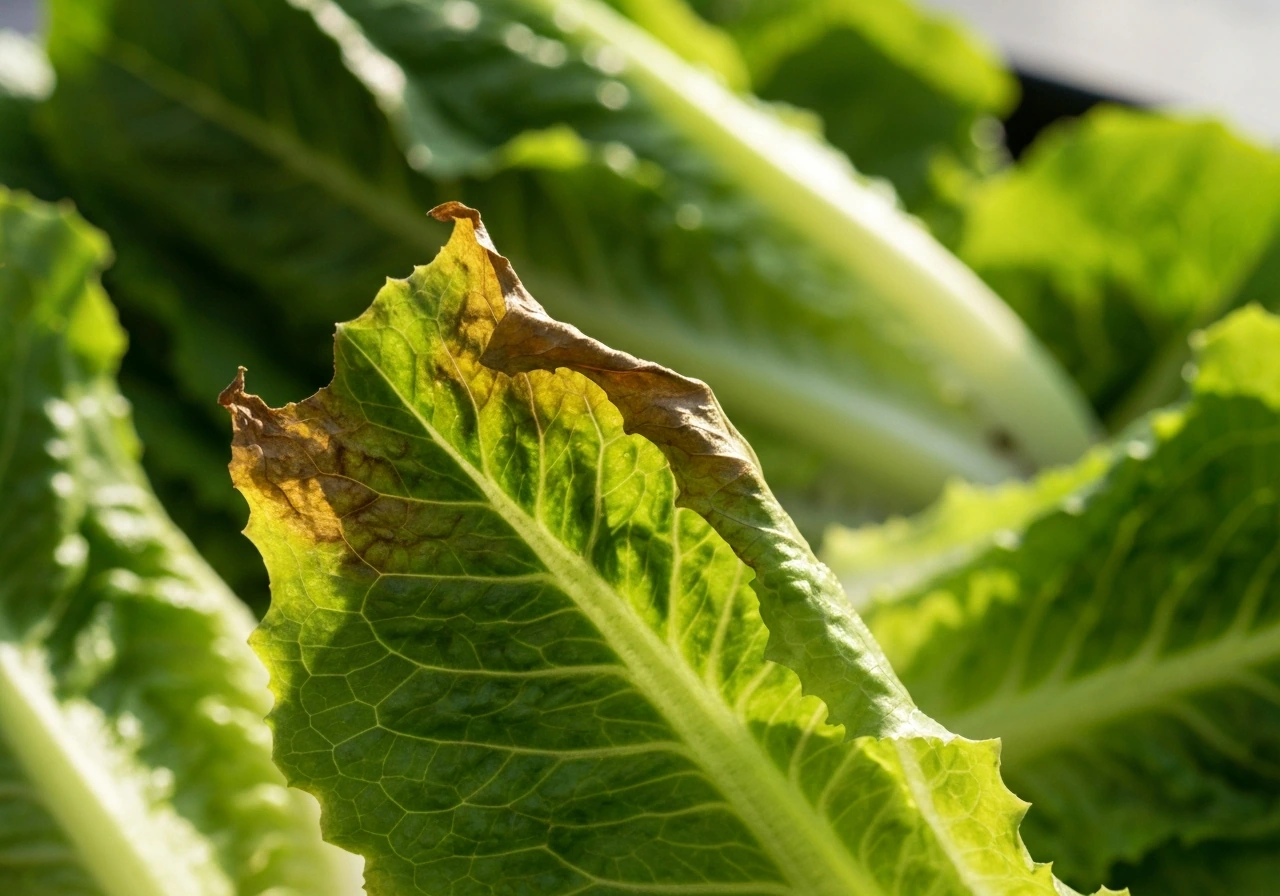
Tipburn shows up as brown, papery edges on inner leaves. It's a calcium deficiency disorder, but it's usually not because there's no calcium in your soil. It's because the plant can't move calcium fast enough during rapid growth, often triggered by heat, uneven watering, or drought stress. To fix it: water more consistently, avoid wide wet-dry swings, and sidedress with calcium nitrate rather than high-ammonia fertilizers. In hydroponics, check that your nutrient solution contains adequate calcium and that EC isn't creeping too high (which creates salt stress).
Slow or poor germination
If seeds aren't germinating, check soil temperature first. Below 40°F or above 80°F, germination stalls. Seeds also need light to germinate, if you've buried them more than 1/8 inch deep, that can slow things down. Make sure the seedbed stays consistently moist (not waterlogged) during the germination window. If you're still getting poor results, try seed priming: soak seeds in water for a few hours before planting to kickstart the germination process.
Slugs
Slugs are one of the most common pests on lettuce, and Parris Island Cos is no exception. Look for ragged holes in leaves, especially in the morning, and check underneath leaves and around debris for the culprits. To manage them: remove mulch and leaf litter from directly around plants (it's their favorite hiding spot), go out at night with a flashlight to hand-pick, or use an iron phosphate-based slug bait (like Sluggo) which is safe around food crops, pets, and wildlife. Row cover over new transplants can also protect young plants during the most vulnerable early weeks.
Downy mildew
Downy mildew shows up as light green to yellow angular spots on the top of leaves, with fuzzy white or gray mold on the undersides. It thrives in cool, wet, humid conditions, which unfortunately overlaps with ideal lettuce-growing weather. To manage it: improve airflow between plants (don't crowd them), water at the base rather than overhead, and avoid watering in the evening (wet leaves overnight invite infection). If you catch it early, removing affected leaves and improving ventilation can slow spread. In severe cases, a copper-based fungicide is an option, but cultural practices are the first line of defense. Varieties with good airflow at the base (which romaine's upright habit naturally provides) are at lower risk than dense loose-leaf types.
Quick-reference troubleshooting
| Problem | Most Likely Cause | Fix |
|---|---|---|
| Bolting (flower stalk) | Temperatures above 75–80°F | Harvest immediately; shade cloth or move containers; plant earlier next cycle |
| Bitter leaves | Heat stress or inconsistent watering | Improve watering consistency; add shade; harvest in the morning |
| Tipburn (brown edges) | Calcium deficiency from uneven water or heat | Water consistently; use calcium nitrate fertilizer; check EC in hydroponics |
| Poor germination | Soil too cold, too hot (above 80°F), or seeds buried too deep | Check soil temp; sow at 1/8 inch; keep seedbed moist; try seed priming |
| Slug damage (ragged holes) | Slugs active at night | Remove debris; hand-pick; use iron phosphate bait (Sluggo) |
| Downy mildew (yellow spots, white fuzz) | Cool, wet, humid conditions | Improve airflow; water at base; avoid evening watering; remove affected leaves |
FAQ
What should I do if my Parris Island Cos starts bolting, can I stop it?
If temperatures are likely to exceed 80°F soon, harvest immediately rather than waiting for a “perfect” head. You can still save a quality crop by cutting outer leaves first (cut-and-come-again) if the plant has not fully bolted, then pull the plant once bitterness ramps up.
How deep should I plant Parris Island Cos seeds, and what happens if I sow too deep?
Parris Island Cos seeds need light to germinate, so keep sowing depth very shallow. If you accidentally bury them deeper than about 1/8 inch, you may still get some seedlings, but they will be uneven and slow.
Can I grow Parris Island Cos like loose-lettuce by planting it closer for faster results?
For full heads, use the wider spacing target, 12 inches in row with about 15 to 18 inches between rows (or about 12 inches in every direction in a non-row bed). For closer planting, you’ll usually get baby-leaf harvests faster, not tightly formed upright heads.
My romaine has brown, papery edges on inner leaves, is it always a lack of calcium?
Tipburn is not just “add fertilizer.” It often comes from fast growth caused by heat or wet-dry swings, which limits calcium movement. Use consistent moisture, avoid letting pots dry out completely, and if sidedressing, choose calcium nitrate rather than high-ammonia nitrogen sources.
Will mulching help prevent bitterness and bolting, especially in hot weather?
Yes. In beds, mulch helps keep the root zone cooler, but in containers it’s even more important because pots swing in temperature faster. Combine mulch or a light pot cover with moving the container into afternoon shade when heat spikes.
How can I tell if I’m overwatering or underwatering Parris Island Cos?
If your soil stays wet and cool, lettuce can still struggle with root health and disease. Aim for evenly moist, not waterlogged conditions, water deeply, then let the top layer dry slightly before watering again.
Do I need a fan for indoor Parris Island Cos, and what does it improve?
For indoor or greenhouse growing, add airflow even if plants look healthy. A small intermittent fan helps reduce fungal issues and keeps leaves from staying wet, which is especially important if you also mist or run high humidity.
What’s the best way to avoid a gap between harvests?
If you want consistent harvests, start the next batch every 2 to 3 weeks during the cool season, and use slightly staggered sowing dates rather than one big start. This spreads the risk if one batch gets hit by an early warm spell or heavy pests.
Will Parris Island Cos regrow after I cut a full head at the base?
A practical rule is harvest full heads only when they feel firm to gentle pressure. Once a full head is cut, the plant usually will not reliably regrow as a new head, so plan cut-and-come-again only if you are trying to extend the output.
Is growing Parris Island Cos in hydroponics easier than soil, or does it need more monitoring?
Yes, but manage expectations. For hydroponics you can harvest sooner with smaller cut sizes, but the system is more hands-on: pH and EC drift can trigger stress that shows up as tipburn or off taste. Check measurements frequently, especially in warm rooms.
Can I grow Parris Island Cos through winter, and what changes if it’s mild frost?
In cool seasons with mild frost, you can keep planting closer together than you would in spring, but don’t ignore sunlight. Day length and light intensity still matter, so plan extra time under lights or row cover if winter days are cloudy.