Sow cos lettuce seeds about 1/8 to 1/4 inch deep, keep the soil between 55°F and 70°F, and you can expect seedlings to emerge in 3 to 15 days. From there, you're looking at roughly 60 to 70 days to a full head, depending on variety and conditions. For full heads, plan on about 60 to 70 days from sowing for cos lettuce, depending on variety and conditions how long does cos lettuce take to grow?. The process isn't complicated, but cos lettuce does have specific preferences around temperature, spacing, and timing that make a real difference between crisp, sweet heads and bitter, bolted disappointments.
How to Grow Cos Lettuce From Seed: Step-by-Step Guide
Marcus Holloway
21 May 2026
Choosing your cos lettuce variety and growing setup
Before you sow a single seed, it helps to know what variety you're growing and where you're growing it. Cos and romaine are the same thing, just different names used in different places, so don't let that trip you up when reading seed packets or planting guides.
For most home gardeners, Parris Island Cos is a reliable go-to. It's an heirloom romaine type that comes in at around 65 to 70 days to maturity, produces crisp, flavorful heads, and is well-regarded for backyard growing. It handles moderate heat slightly better than many lettuce varieties, which gives you a bit more flexibility with timing. Other good options include Little Gem (a compact cos perfect for containers or small beds), Rouge d'Hiver for cool-season sowing, and Jericho for hotter climates.
Cos lettuce is more tolerant of warm weather than butterhead or looseleaf types, but it still performs best as a cool-season crop. It grows well in an outdoor garden bed, in pots on a balcony or patio, or even indoors under grow lights.
Your setup shapes a few key decisions: containers need more frequent watering and benefit from compact varieties, outdoor beds give you more room to work with standard spacing, and indoor or hydroponic growing requires you to manage light carefully. There are separate deep-dives on growing cos lettuce in pots and growing it in specific climates like Australia, so this guide will cover the core seed-to-harvest process across all those settings.
There are separate deep-dives on growing cos lettuce in pots and growing it in specific climates like Australia, so this guide will cover the core seed-to-harvest process across all those settings. If you’re growing cos lettuce in Australia, be extra mindful of local heat patterns and sowing windows to help prevent bolting growing it in specific climates like Australia.
Whatever setup you're using, aim for a soil or growing media pH of 6.0 to 6.8. Lettuce is sensitive to pH outside that range, and slightly acidic soil helps with nutrient uptake. For containers and raised beds, a quality potting mix with good drainage works well. For outdoor garden beds, work in compost before sowing to improve both drainage and fertility.
Direct sow or start indoors: which works better and when to do it
Both methods work, and the right choice mostly depends on your climate and timing. Direct sowing is simpler and cos lettuce takes to it well, especially for spring and fall plantings. Starting indoors gives you a head start and more control, which is useful if your outdoor window is short or your soil is still cold.
Direct sowing outdoors
Sow directly into the garden or container as soon as the soil can be worked in spring, typically 2 to 4 weeks before your last frost date. Cos lettuce tolerates light frost, so you don't need to wait for warm weather. For a fall crop, count back about 70 to 75 days from your first expected fall frost and sow then. One thing to know: if soil temperature climbs above 80°F, lettuce seeds can go dormant and simply won't germinate. So in warmer climates, timing your direct sow for early morning soil coolness or even pre-cooling your seeds in the fridge for a couple of days can help.
Starting seeds indoors
Start seeds indoors 4 to 6 weeks before you plan to transplant outside. Use small cells or a seed tray filled with a fine seed-starting mix. Maintain a germination temperature of 65°F to 70°F, and expect sprouts in 3 to 10 days under good conditions. Keep in mind that lettuce seeds need some light to germinate well, so don't bury them deep. Once sprouted, move them to a spot with strong light or under grow lights immediately to prevent legginess.
For indoor or hydroponic growing year-round, you can sow at any time. The limiting factor indoors isn't frost but light: you need at least 12 to 16 hours of artificial light per day from a full-spectrum LED or fluorescent grow light positioned just a few inches above the seedlings.
Sowing depth, spacing, and what to expect from germination
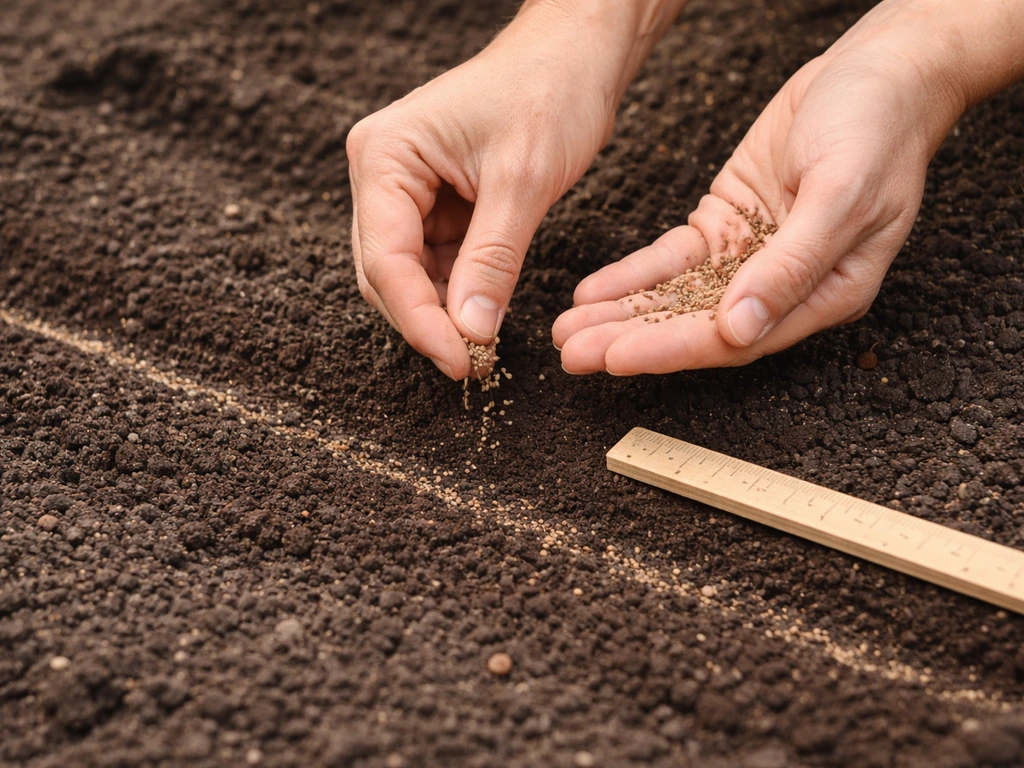
Sow cos lettuce seeds at a depth of 1/8 to 1/4 inch. No deeper. Lettuce seeds are tiny and need to be close to the surface to germinate properly. If you're sowing into cells indoors, press 2 to 3 seeds per cell at that shallow depth and cover lightly with vermiculite rather than potting mix. Ball Seed (GrowerFacts) advises covering lettuce seed very lightly with vermiculite or using no cover, and notes that adequate light is important for germination cover lightly with vermiculite rather than potting mix. Vermiculite keeps the surface moist without crusting over, which is a real advantage for small seeds.
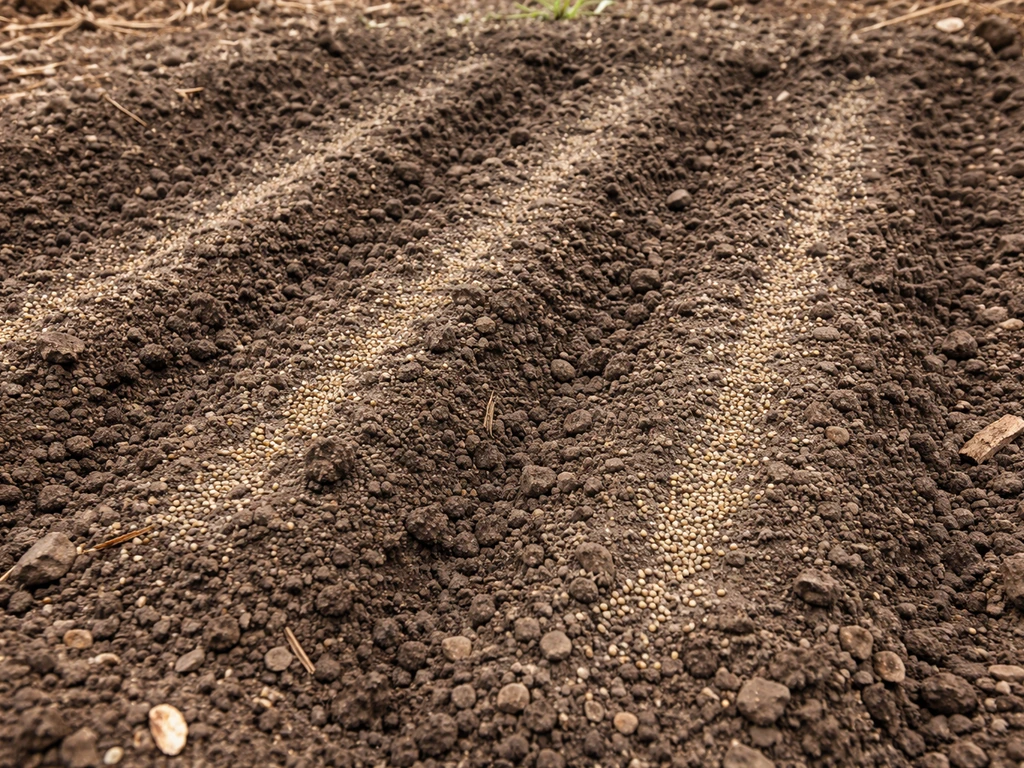
When sowing in a garden bed, you can scatter seeds in a shallow furrow or sow in a thin line. Don't stress about precise spacing at this stage because you'll thin later. A good starting approach is to sow seeds about 1 inch apart, then thin once they're established.
Germination takes 3 to 15 days depending on soil temperature. The sweet spot is 55°F to 70°F, with around 65°F to 70°F being optimal for fastest emergence. Below 50°F, germination slows significantly. Above 80°F, seeds may not sprout at all. If you're seeing nothing after two weeks and the temperature has been right, your seeds may be old (lettuce seed viability drops after 2 to 3 years) or the soil may have dried out during the critical germination window.
Light, temperature, watering, and fertilizing for strong heads
Light and temperature
Cos lettuce grows best in full sun outdoors, ideally 6 or more hours per day. In very hot weather or climates, afternoon shade actually helps reduce bolting risk and keeps the leaves from getting bitter. Optimal growing temperatures are between 60°F and 70°F during the day. Once daytime temperatures consistently hit the mid-70s°F and nights stay warm, you're racing the clock before the plant bolts.
Indoors or under grow lights, aim for 12 to 16 hours of light per day. Keep grow lights close, around 2 to 4 inches above the seedling canopy if using fluorescent tubes, or follow the manufacturer's guidance for LEDs. Insufficient light is the number one cause of leggy, weak seedlings indoors.
Watering
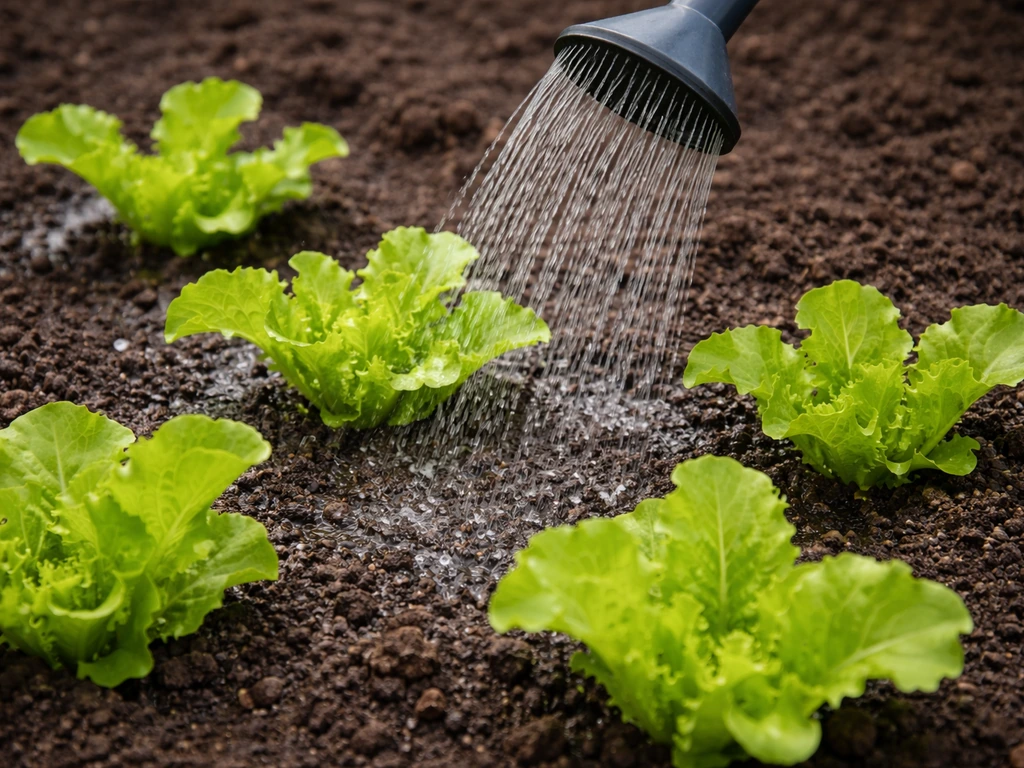
Lettuce is about 95% water, so consistent moisture is non-negotiable. Keep the soil evenly moist but not waterlogged. A good rule of thumb is to water when the top inch of soil feels dry. In containers, this may mean watering every day or two in warm weather. In the garden, once or twice a week is often enough depending on rainfall and temperature. Inconsistent watering, either too dry or swinging between wet and dry, stresses plants and contributes to both bitterness and bolting.
Fertilizing
Cos lettuce is a leafy crop that responds well to nitrogen. If you've prepared your bed with compost, you may not need much extra feeding. For a noticeable boost, apply about 1/4 cup of a nitrogen-heavy fertilizer like 21-0-0 per 10 feet of row, either about 4 weeks after transplanting or at thinning time for direct-sown plants. In containers, use a balanced liquid fertilizer at half strength every two weeks. Avoid over-fertilizing late in the season, as excess nitrogen near harvest can cause lush but watery, less flavorful leaves.
Thinning, transplanting, and getting your spacing right
Thinning is one of those steps that beginners often skip because it feels wasteful to pull out perfectly healthy seedlings. Don't skip it. Crowded cos lettuce plants compete for water, light, and nutrients, and you end up with small, poorly formed heads or none at all.
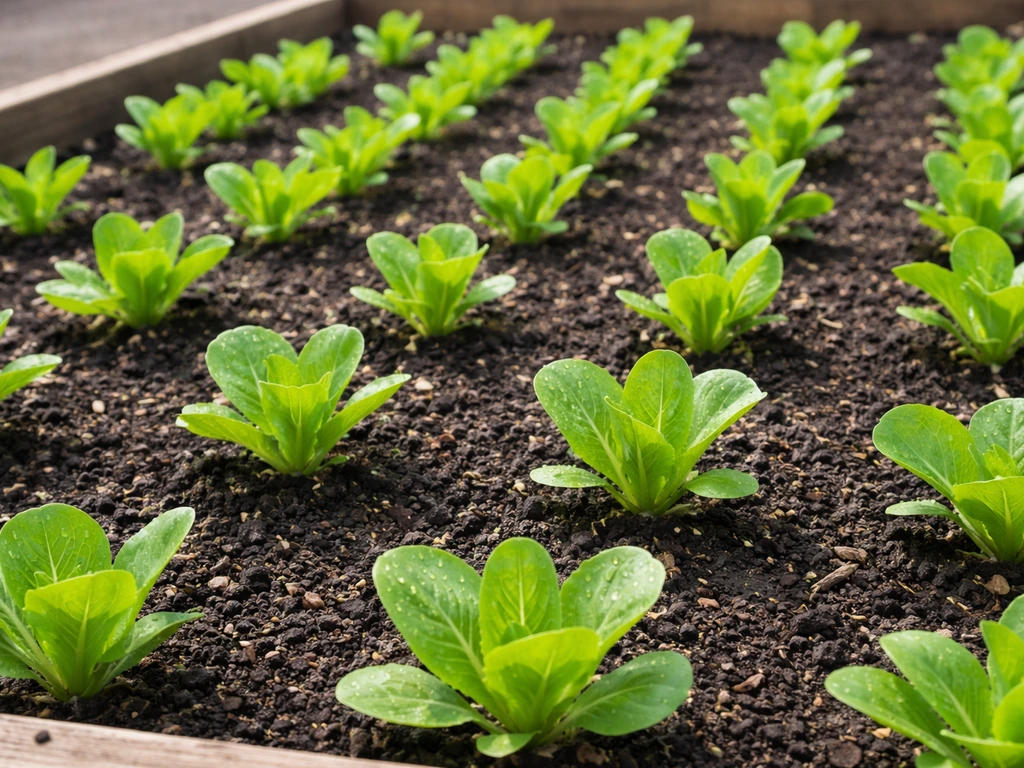
For direct-sown seedlings, thin once plants reach about 2 inches tall. Aim for a final spacing of 8 to 12 inches between plants in a row, with rows 12 to 18 inches apart. If you're growing in a container or raised bed in a grid pattern, 8 to 10 inches in all directions works well. Snip thinned seedlings at soil level rather than pulling them out, which avoids disturbing the roots of neighboring plants. The thinnings are perfectly edible as baby greens.
If you started seeds indoors and are transplanting outside, hardening off is essential. Start the process at least 10 to 14 days before your planned transplant date. On the first day or two, reduce watering slightly and set your seedlings outside in a sheltered, shaded spot for just a couple of hours. Gradually increase outdoor exposure over the following days, introducing more sun and wind each day.
Bring them inside at night if temperatures are expected to drop below freezing. After about two weeks of this, your seedlings will handle the transition without wilting or going into shock. When transplanting, set them at the same depth they were growing in their cells, water in well, and avoid transplanting during the hottest part of the day.
Preventing bolting and managing heat stress
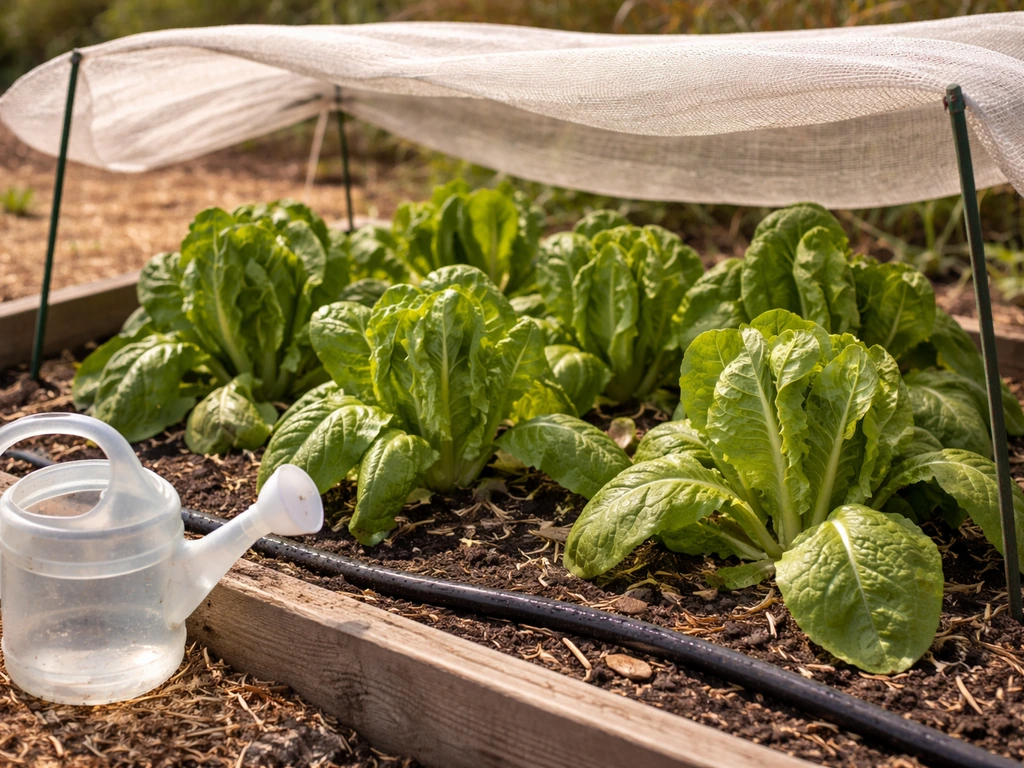
Bolting, where the plant sends up a flower stalk, makes the leaves bitter and ends your harvest. Cos lettuce is more heat-tolerant than other lettuce types, but no lettuce is immune to bolting when temperatures climb. Both warm days and warm nights accelerate the process, and high night temperatures are particularly triggering.
The most effective tool against bolting is timing your sowing correctly. Plant in spring so your crop matures before summer heat hits, or plant in late summer for a fall harvest after temperatures drop. For sequential harvests, try sowing a new batch every 2 to 3 weeks. Variety choice also matters: Parris Island Cos and other bolt-resistant varieties give you more time, but even those will eventually bolt if the conditions are right.
If heat arrives before your plants are ready to harvest, use shade cloth (30 to 40% shade) over the bed during the hottest part of the day. This can buy you an extra week or two before bolting. Consistent watering also helps, as drought stress accelerates bolting. Once you see the center of the plant starting to elongate and push upward, harvest everything you can immediately because the quality declines fast from that point.
Harvest timing and fixing common problems
When and how to harvest
Cos lettuce is typically ready to harvest at 60 to 70 days from sowing for a full head. You can start picking outer leaves as baby greens from around 3 to 4 weeks in, which slows down the whole plant's rush to maturity and extends your harvest window. For full heads, harvest when the head feels firm and the inner leaves are well-formed but before the center starts to elongate.
Cut the whole head at the base with a sharp knife, or harvest outer leaves regularly over time. Don't let the plant sit too long after reaching maturity because the leaves become bitter and tough quickly, especially in warm weather. Utah State University Extension notes that [lettuce becomes bitter and tough if harvest is delayed or the crop is overmature](https://extension. usu.
edu/vegetableguide/leafy-greens/harvest-storage. php).
Troubleshooting common problems
| Problem | Likely Cause | What to Do |
|---|---|---|
| Seeds not germinating | Soil too hot (above 80°F), seeds too old, or soil dried out | Check soil temp, pre-chill seeds in the fridge, keep surface consistently moist |
| Leggy, weak seedlings | Not enough light indoors | Move closer to a window or lower grow lights to 2–4 inches above seedlings |
| Slow growth after germination | Cold temperatures or low nitrogen | Check temps are above 50°F; feed with diluted nitrogen fertilizer |
| Bitter leaves | Harvest delayed, heat stress, or overmaturity | Harvest earlier, add afternoon shade, water consistently |
| Early bolting | Warm temperatures, especially warm nights | Use shade cloth, adjust sowing date earlier or later, harvest promptly |
| Yellow lower leaves | Overwatering, poor drainage, or nitrogen deficiency | Let soil dry slightly between waterings; check drainage; feed with nitrogen |
| Aphids or slug damage | Common pest pressure on young plants | Blast aphids with water; use iron phosphate bait or copper tape for slugs |
| Damping off (seedlings collapse) | Fungal issue from overly wet, poorly ventilated conditions | Reduce watering, improve airflow, use clean seed-starting mix next time |
Your realistic timeline from seed to harvest
- Days 1–3: Sow seeds at 1/8 to 1/4 inch depth, keep soil moist and at 65°F to 70°F
- Days 3–15: Germination and emergence (faster in warmer conditions within optimal range)
- Week 2–3: Seedlings establish first true leaves; begin supplemental feeding for indoor starts
- Week 3–4: Thin or transplant to final spacing of 8–12 inches; harvest baby outer leaves if desired
- Week 6–8: Heads begin to form and fill out; continue consistent watering and feeding
- Week 9–10 (days 60–70): Full heads ready for harvest; cut before bolting begins
If you're growing in a pot, on a balcony, or indoors, the timeline is basically the same, but container plants need more attentive watering and may benefit from a slightly smaller, compact variety like Little Gem. The core principles, shallow sowing, cool temperatures, consistent moisture, and timely harvesting, hold whether you're growing in a raised bed, a pot on your windowsill, or a hydroponic system. Get those fundamentals right and cos lettuce is actually one of the more rewarding crops to grow from seed. If you want to propagate more plants, you can also learn how to grow cos lettuce from cutting using similar light and moisture basics.
FAQ
My cos lettuce seeds did not sprout after 2 weeks, what should I check first?
It usually takes 3 to 15 days to see sprouts, so if you have had nothing after 14 days, check two things first: soil temperature is not above 80°F and the surface has stayed lightly moist. If temps were in range and moisture was consistent, the next most common cause is old seed (lettuce viability often drops after 2 to 3 years), or the seed was covered too deeply.
Can I bury cos lettuce seeds deeper if I keep them watered?
Yes, cos lettuce seeds need light to germinate well, so the best practice is shallow sowing (about 1/8 to 1/4 inch). If you already buried them, you generally cannot “fix” it quickly. Your practical move is to resow with proper shallow depth for the next attempt, and cover the surface only lightly (for example with vermiculite in cells).
How often should I water cos lettuce in a pot without overdoing it?
For containers, switch from watering “on a schedule” to watering “by feel.” Because cos lettuce is about 95% water, the safest approach is to water when the top inch of media starts to dry. Also, use a pot with drainage holes, and consider adding a light mulch on top to reduce surface drying and temperature swings.
What spacing mistake most often leads to small or loose cos lettuce heads?
If you want a tight, harvest-ready head, the key is final spacing after thinning, 8 to 12 inches between plants in a row (and about 8 to 10 inches in a container grid). Crowding is a frequent reason heads stay small, because plants compete for light and water, leading to stressed growth and earlier bitterness.
When and how should I thin cos lettuce seedlings?
Thin once seedlings are about 2 inches tall for direct sowing, and avoid pulling them because it disturbs neighbors. Snipping at soil level keeps surrounding roots intact. The removed seedlings (thinnings) are edible as baby greens, so you are not wasting plants.
How do I prevent bolting when heat arrives early?
Consistent moisture and cooler temps are the two biggest controls. If warm weather is unavoidable, afternoon shade helps, and shade cloth around 30 to 40% over the bed during the hottest part of the day can slow bolting. Also prioritize harvesting immediately once the center starts to elongate, because flavor drops fast.
Can I harvest cos lettuce in stages instead of waiting for full heads?
A big time-saving cue is to start outer leaf picking around 3 to 4 weeks, which can extend the harvest while the plant keeps forming a usable head. For full heads, wait for a firm feel and well-formed inner leaves, then harvest before the center elongates.
Why are my indoor cos lettuce seedlings getting tall and weak?
Yes, but you must manage light more than temperature indoors. Aim for 12 to 16 hours of artificial light daily, with lights close enough to avoid stretching (often just a few inches above the canopy for fluorescent, follow LED instructions). If seedlings get leggy, increase light intensity or move lights closer before adding more fertilizer.
How much fertilizer is too much for cos lettuce, especially near harvest?
Avoid overfeeding late in the crop. Nitrogen boosts leafy growth, but excessive late-season nitrogen can make leaves lush yet watery and less flavorful. Use the recommended nitrogen-heavy dose about 4 weeks after transplanting or at thinning, then stop or scale back as harvest approaches.
Do I need to protect cos lettuce from light frost or freezing nights?
Cos lettuce is relatively tolerant but not immune to freezing. If nighttime freezes are expected during hardening off, bring seedlings inside at night or protect them. After transplanting, use row cover if you are forecasting a cold snap, but keep in mind it can trap heat in warm afternoons if left vented too tightly.